Reliability can vary dramatically between vehicle categories. A dependable compact car may face very different challenges from a three-row SUV, electric pickup, or plug-in hybrid.
Consumer Reports evaluates these differences using owner feedback covering 20 potential trouble areas, including engines, transmissions, batteries, charging systems, and in-car electronics.
Its 2026 predictions draw on survey information from approximately 380,000 vehicles. This article highlights six models with some of the strongest predicted reliability results and six with some of the weakest, covering different vehicle types. The scores are out of 100 and measure predicted reliability, not road-test performance.
1. Subaru Impreza: 80/100
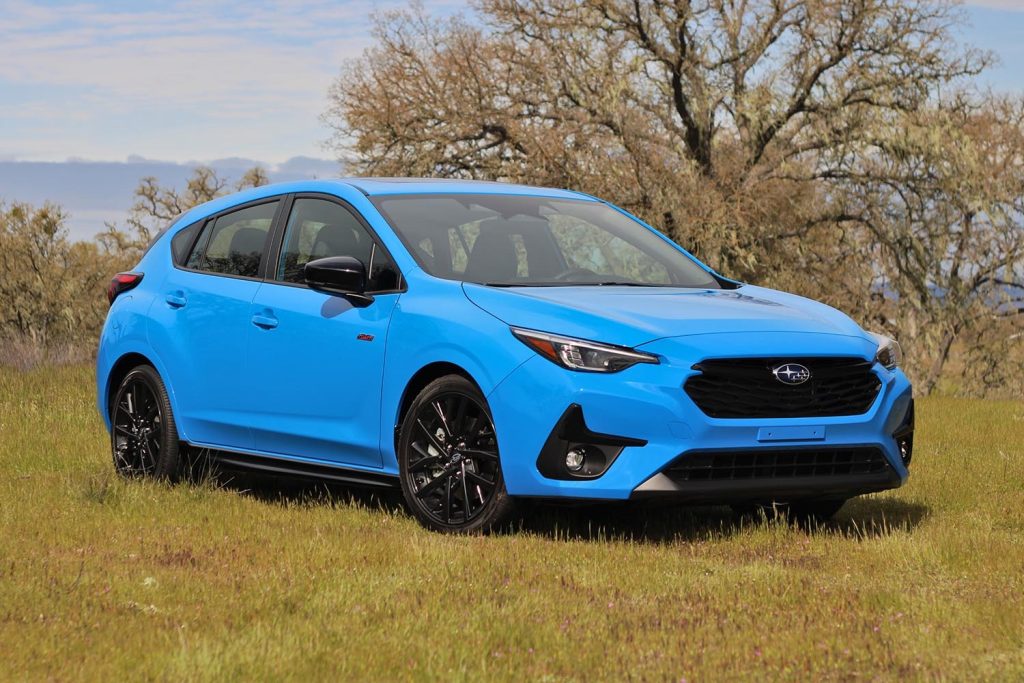
The Subaru Impreza leads Consumer Reports’ 2026 list of the most reliable models with a predicted reliability score of 80 out of 100. Its position is particularly notable because it is a practical compact car rather than an expensive luxury vehicle or a specialist performance model.
The Impreza’s relatively established engineering and conventional gasoline powertrain help make it a strong choice for buyers who want everyday transportation without unnecessary mechanical complexity.
For the US market, the Impreza is offered as a five-door hatchback with standard all-wheel drive. Its 2.0-liter four-cylinder engine produces 152 horsepower, while the RS trim uses a 2.5-liter engine producing 180 horsepower.
Both are paired with a continuously variable transmission. The hatchback body also provides useful cargo flexibility, making it more practical than many traditional compact sedans.
Reliability is where the model makes its strongest impression. Consumer Reports’ predicted score is based on owner-reported problems across areas such as the engine, transmission, climate system, electrical equipment, and interior hardware.
The result indicates that the Impreza is expected to experience fewer problems than most new vehicles assessed in the survey. It is not a guarantee that every example will remain fault-free, but it is a meaningful advantage for shoppers comparing compact cars.
The Impreza also benefits from standard all-wheel drive, which can provide useful traction in rain and snow when paired with appropriate tires. Its modest power output means it is not intended to be a performance car. Buyers prioritizing dependable daily commuting, practical cargo space, and year-round traction should find its reliability result particularly encouraging.
2. Toyota Corolla Cross: 79/100
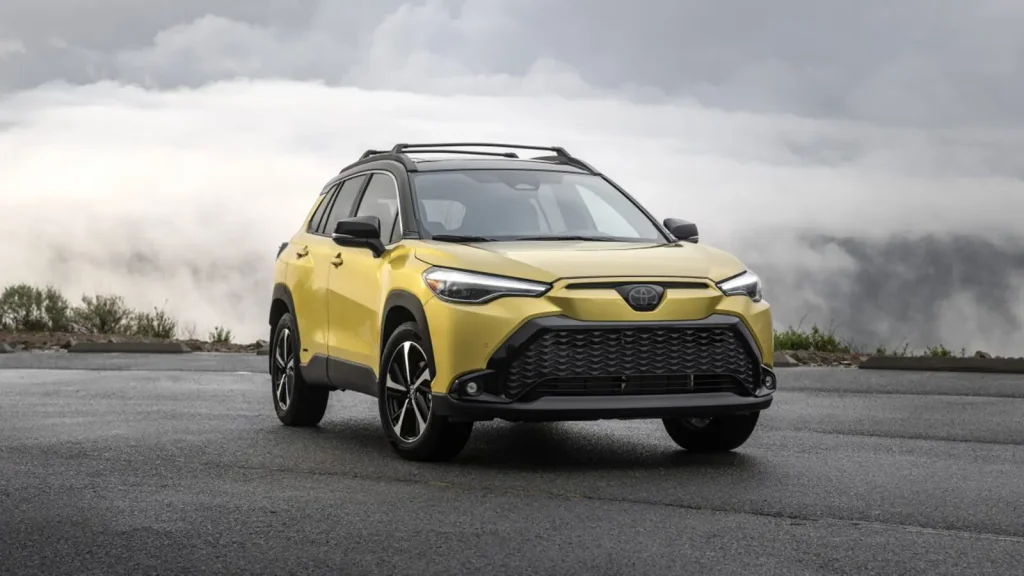
The Toyota Corolla Cross earns a predicted reliability score of 79 out of 100, placing it second in Consumer Reports’ 2026 most-reliable model ranking. It combines the familiar Corolla name with the higher seating position and cargo flexibility of a compact SUV.
That formula makes it attractive to buyers who want something more versatile than a conventional small sedan without moving into a larger, more expensive family SUV.
The US-market Corolla Cross is available with a 2.0-liter four-cylinder gasoline engine producing 169 horsepower. Buyers can choose front-wheel drive or all-wheel drive on applicable gasoline trims.
The Corolla Cross Hybrid uses a different powertrain, combining a 2.0-liter engine with electric motors and standard electronic all-wheel drive. Because these versions have different mechanical systems, shoppers should check the reliability information for the exact powertrain they intend to purchase.
Its strong predicted reliability score is based on Consumer Reports’ analysis of owner-reported problems across 20 potential trouble areas. These include engine and transmission faults, electrical accessories, climate controls, body hardware, and infotainment systems.
A score of 79 suggests that the model has a lower predicted risk of problems than most vehicles in the survey. It should not be interpreted as a percentage of vehicles that will remain trouble-free.
Practicality is another reason the Corolla Cross attracts attention. Its raised driving position makes entry and exit easier for many people, while its hatchback-style rear opening provides more flexible cargo access than a traditional sedan.
The interior is not as spacious as larger SUVs, and acceleration is modest, but those compromises may matter less to buyers focused on everyday usability and dependable ownership.
3. Subaru Crosstrek: 78/100
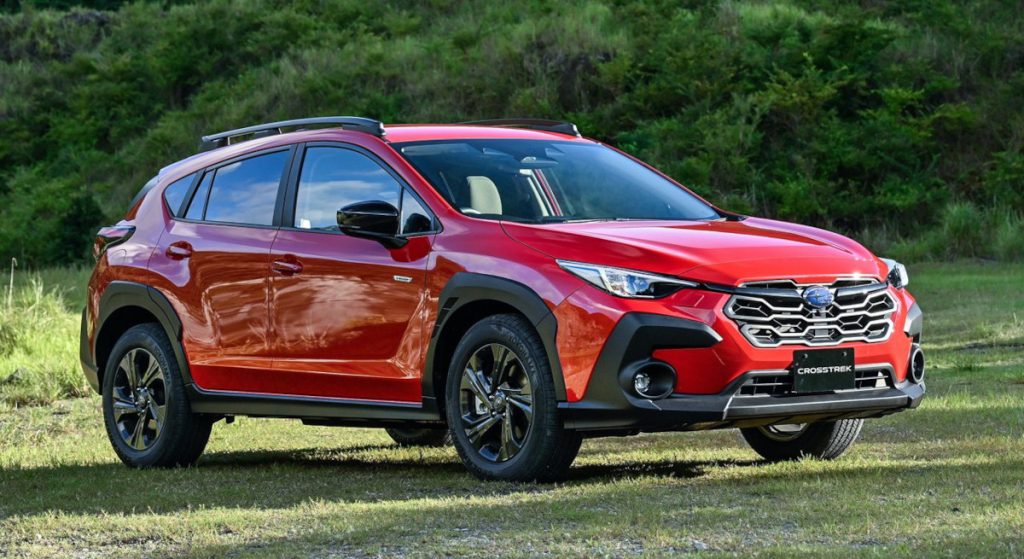
The Subaru Crosstrek earns a predicted reliability score of 78 out of 100, placing it among the strongest models in Consumer Reports’ 2026 survey. Its compact dimensions, raised ride height, and standard all-wheel drive make it a popular alternative to conventional small cars.
Unlike larger off-road-oriented SUVs, the Crosstrek is designed primarily for everyday transportation, with additional ground clearance for rough roads, gravel tracks, and occasional outdoor adventures.
The US gasoline lineup uses a horizontally opposed four-cylinder engine. The standard 2.5-liter version produces 180 horsepower and is paired with a continuously variable transmission.
Subaru’s symmetrical all-wheel-drive system is standard, giving the Crosstrek an advantage over front-wheel-drive competitors when traction becomes limited. The Wilderness trim adds increased ground clearance and more specialized equipment for drivers who regularly travel on uneven surfaces.
Its reliability score is based on owner-reported problems across multiple mechanical and electrical categories. Consumer Reports examines areas such as engine performance, transmission operation, electrical accessories, climate systems, and interior equipment.
A score of 78 indicates a stronger predicted reliability outlook than most models in the survey, although it cannot guarantee that an individual vehicle will avoid repairs.
The Crosstrek’s appeal also comes from its practical dimensions. It is easier to maneuver and park than many midsize SUVs, while its elevated seating position provides a commanding view of the road.
The rear cargo area is useful for everyday shopping and weekend equipment, although families needing substantial luggage capacity may prefer a larger vehicle.
For buyers who want a compact vehicle with additional ground clearance and standard all-wheel drive, the Crosstrek deserves serious consideration. Its reliability results give it a strong edge in a competitive segment.
4. Toyota Crown: 78/100
The Toyota Crown receives a predicted reliability score of 78 out of 100, matching the Subaru Crosstrek in Consumer Reports’ 2026 reliability rankings. It occupies an unusual position in the American market, combining the comfort and equipment of a premium sedan with a raised body and available all-wheel drive.
This makes it an alternative for buyers who want something more distinctive than a conventional midsize family sedan.
In the United States, the Crown is offered hybrid powertrains. The standard hybrid system combines a 2.5-liter four-cylinder engine with electric motors and produces 236 horsepower.
The more performance-focused Hybrid MAX version uses a turbocharged 2.4-liter engine and electric assistance to deliver 340 horsepower. Both configurations offer all-wheel drive, although their mechanical layouts and driving characteristics differ.
The 78-point reliability prediction reflects Consumer Reports’ analysis of owner feedback across 20 potential problem areas. These include powertrain performance, electrical accessories, climate controls, infotainment equipment, and body hardware.
Toyota’s use of established hybrid engineering is relevant because conventional hybrids have generally demonstrated fewer reported problems than plug-in hybrids and fully electric vehicles in CR’s survey findings.
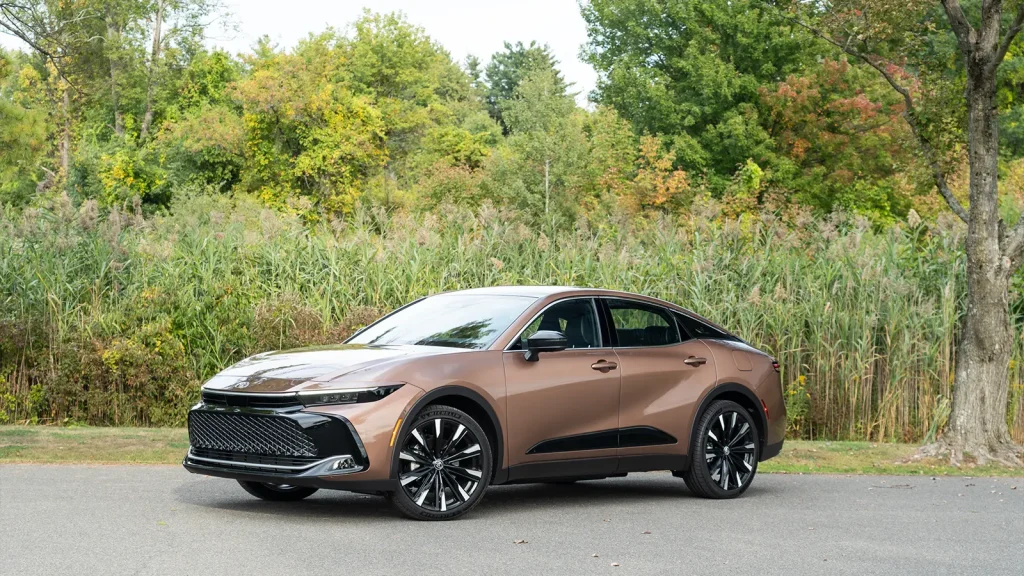
The Crown also offers a comfortable cabin, a raised driving position, and a generous list of standard technology. Its unconventional styling may not appeal to traditional sedan buyers, while its higher seating position does not provide the cargo flexibility of a proper SUV. Pricing can also place it above mainstream family sedans.
Nevertheless, its reliability results make it a noteworthy choice for shoppers interested in hybrid technology and premium comfort. Buyers should compare the two powertrains carefully, since their performance, fuel economy, and ownership costs are not identical.
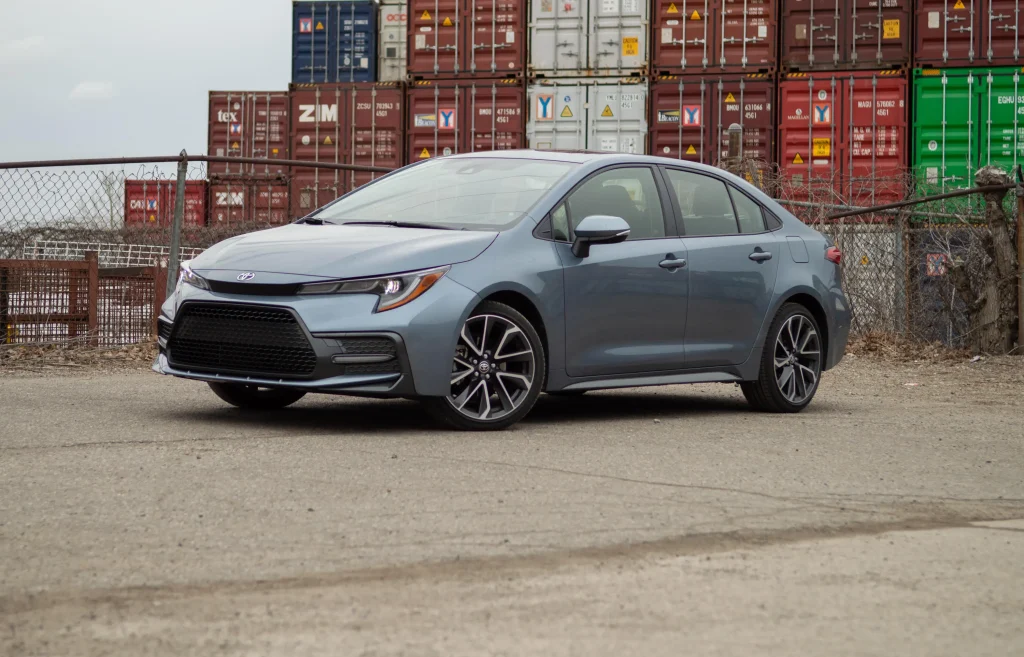
5. Toyota Corolla: 76/100
With a predicted reliability score of 76 out of 100 in Consumer Reports’ 2026 rankings, the Toyota Corolla stands out as one of the more dependable mainstream cars. Its continued appeal rests on a practical combination of proven engineering, affordable ownership costs and a long-established track record of everyday reliability.
For buyers who need dependable transportation rather than a complicated collection of features, the Corolla remains a strong contender.
In the United States, the current Corolla sedan uses a 2.0-liter four-cylinder engine producing 169 horsepower, paired with a continuously variable transmission.
Front-wheel drive is standard. The lineup also includes a hybrid version, which combines a gasoline engine with electric motors to improve fuel economy. These familiar powertrain configurations avoid some of the complexity associated with plug-in systems.
A high predicted reliability score does not mean that every individual Corolla will be trouble-free. Consumer Reports builds its predictions from owner-reported problems across multiple model years, weighing issues according to their severity. That makes the score a useful comparison tool, not a guarantee for a particular vehicle.
The Corolla’s position is particularly notable because it competes in a market where buyers have many alternatives. Its 76-point result puts it ahead of several more expensive vehicles in the same broad reliability assessment. For shoppers prioritizing long-term dependability in a compact sedan, it deserves serious consideration.
6. Toyota Tacoma: 74/100
The Toyota Tacoma receives a predicted reliability score of 74 out of 100, making it one of the highest-rated pickups in Consumer Reports’ 2026 reliability assessment.
That result is significant because midsize trucks face demanding use, from hauling equipment to driving over rough surfaces. A pickup must also manage the additional mechanical demands associated with towing and off-road driving.
Toyota redesigned the Tacoma for the 2024 model year, introducing a newer platform and turbocharged powertrains. The U.S. lineup includes a 2.4-liter turbocharged four-cylinder engine, with different output levels depending on configuration.
Some versions also use Toyota’s i-FORCE MAX hybrid system, which pairs the turbo engine with an electric motor. Rear-wheel drive and four-wheel drive availability depend on the trim.
New designs can create reliability uncertainty because manufacturers introduce unfamiliar components and systems. Consumer Reports has specifically noted that the Tacoma improved from a below-average prediction in the previous survey to an above-average result for 2026.
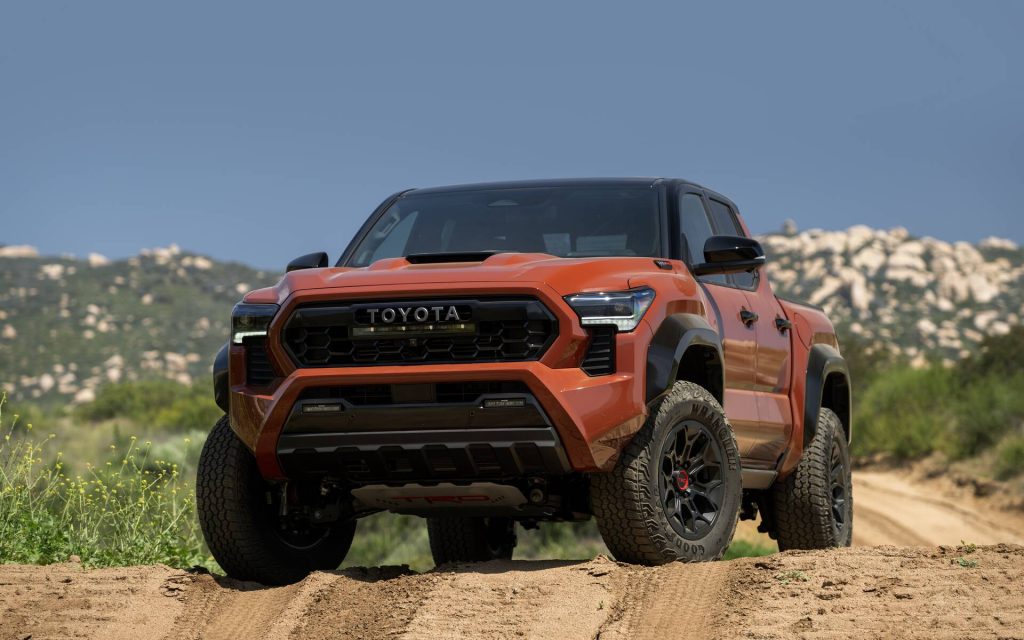
That change suggests the latest owner data is more encouraging than the truck’s initial reliability picture.
A score of 74 does not make the Tacoma immune to faults, and buyers should still inspect service records and check for outstanding recalls. However, its improved result makes it a more reassuring choice for shoppers considering a midsize pickup.
7. Chrysler Pacifica Hybrid: 26/100
The Chrysler Pacifica Hybrid receives a predicted reliability score of just 26 out of 100, placing it among the ten least reliable vehicles in Consumer Reports’ 2026 assessment. That is a disappointing result for a minivan designed to serve families, where dependable operation and practical everyday usability are especially important.
Its plug-in hybrid powertrain combines a gasoline engine with electric propulsion, allowing the vehicle to travel on electric power for shorter trips before relying on its hybrid system. The technology offers potential fuel savings, but it also introduces additional components that can require attention.
Consumer Reports’ owner survey identified problems involving the transmission, engine, in-car electronics, electrical accessories, EV charging system and battery-related components.
The reported trouble areas are not limited to minor cabin annoyances. Engine and transmission problems can affect drivability, while charging and battery concerns can interfere with the vehicle’s electric operation.
Electronic faults can also become frustrating when drivers depend on screens and controls for daily functions. These findings help explain why the Pacifica Hybrid’s predicted reliability result is so low.
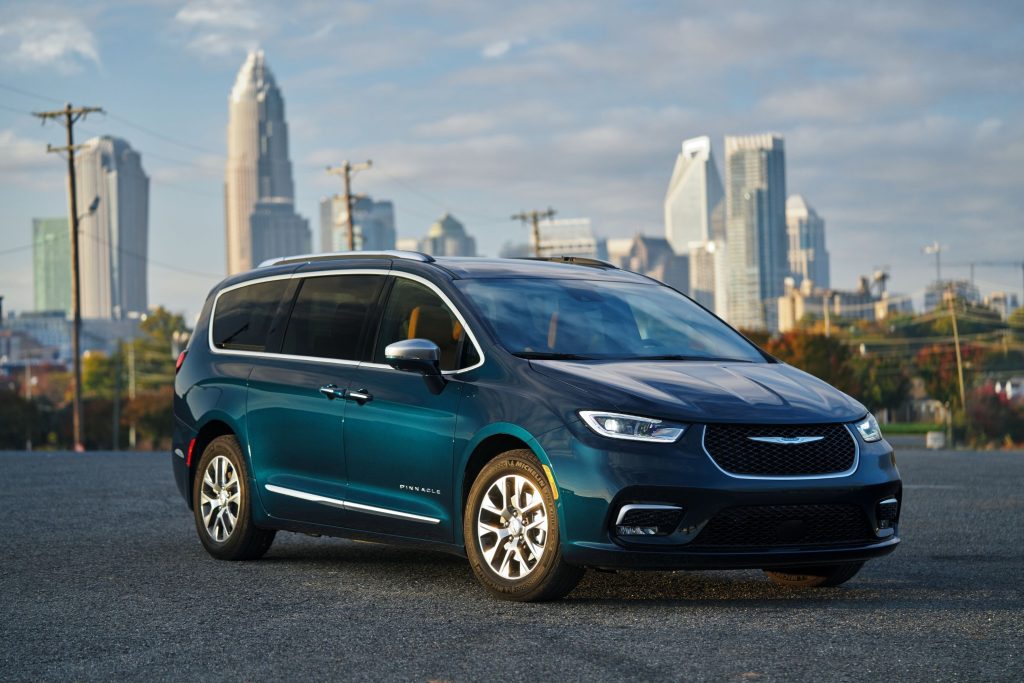
The score should not be interpreted as proof that every Pacifica Hybrid will develop these problems. It reflects patterns reported by owners across the model years included in the survey.
Still, shoppers considering a used or new example should carefully review its maintenance history, hybrid-system service records and warranty coverage.
8. Honda Prologue: 25/100
The Honda Prologue records a predicted reliability score of 25 out of 100, putting this electric SUV near the bottom of Consumer Reports’ 2026 list. The result is notable because Honda has a long-standing reputation for dependable vehicles, but the Prologue represents a relatively new direction for the brand in the American electric-vehicle market.
The Prologue is a battery-electric SUV developed through Honda’s collaboration with General Motors. It uses an electric powertrain rather than a conventional gasoline engine, with front-wheel-drive and all-wheel-drive configurations offered in the U.S. market.
Its spacious cabin, quiet operation and lack of tailpipe emissions may appeal to families moving away from gasoline vehicles.
However, Consumer Reports’ survey identifies several areas that have affected its predicted reliability. These include the EV battery, charging system, climate system, drive system, body hardware, electrical accessories and in-car electronics.
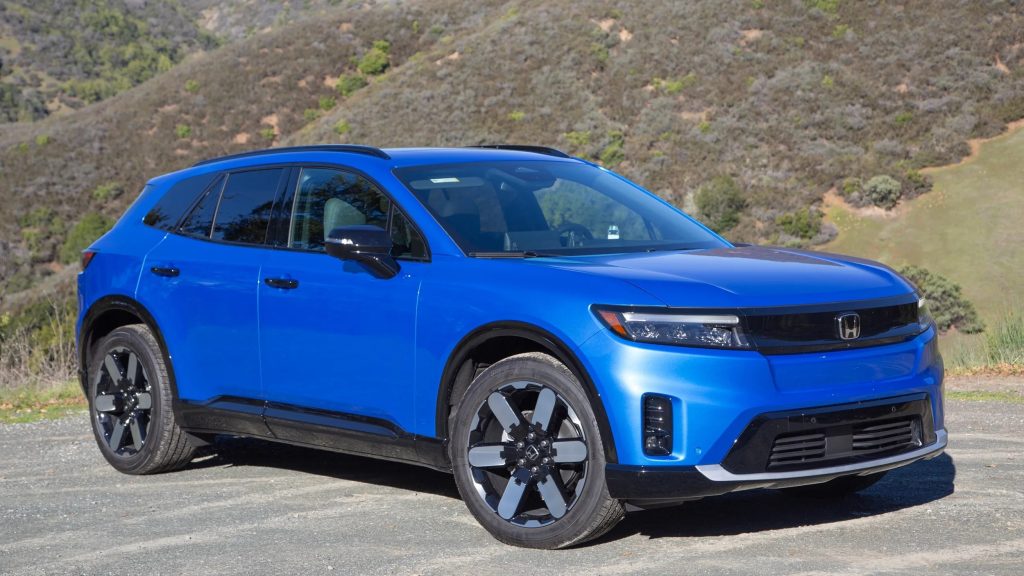
Owners also reported concerns involving noises and leaks, including weather stripping and trim rattles. Such problems can range from irritating cabin defects to issues that interfere with charging or normal vehicle operation.
The low score does not mean every Prologue will experience these faults, but it does suggest buyers should approach the model carefully. Prospective owners should confirm that software updates have been completed and understand the battery and vehicle warranty terms before purchasing.
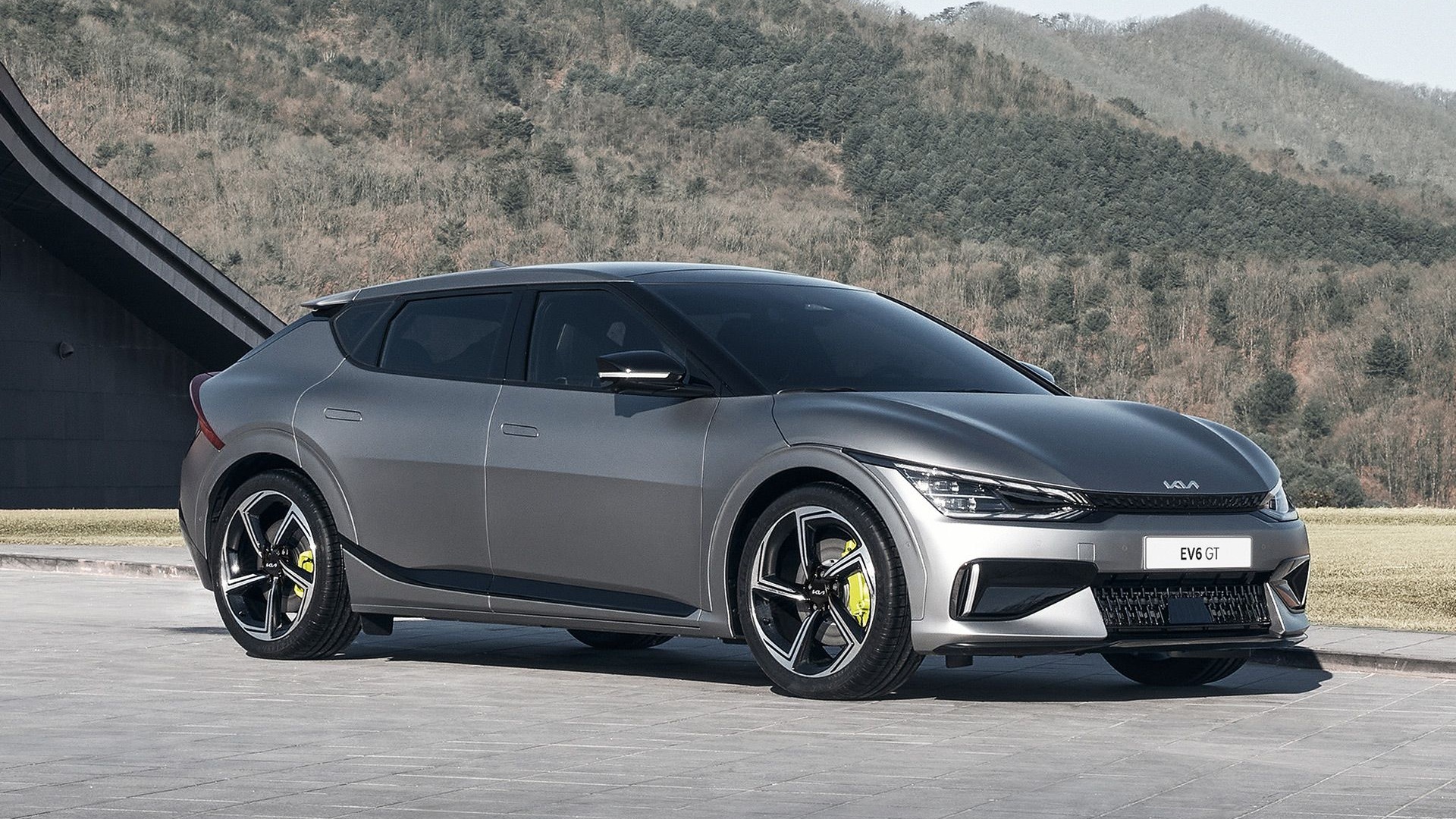
9. Kia EV6: 25/100
The Kia EV6 receives a predicted reliability score of 25 out of 100 in Consumer Reports’ 2026 rankings. This places the electric crossover among the least reliable vehicles in the survey, despite its appealing combination of quick acceleration, modern styling and long-distance charging capability.
Built on Kia’s dedicated electric-vehicle platform, the EV6 is available with different battery capacities and rear-wheel-drive or all-wheel-drive configurations in the United States. Its fast-charging capability is one of its major selling points.
However, charging hardware and electrical components are also among the areas that Consumer Reports’ survey highlights as potential sources of trouble.
Reported problem areas include the EV battery, electric motors, charging system, climate system, electrical accessories, brakes and body hardware. The integrated charging control unit is a particularly important concern because faults in charging-related equipment can affect how conveniently an owner uses the vehicle.
Climate-system and electrical-accessory problems can also undermine the experience of living with an otherwise sophisticated EV.
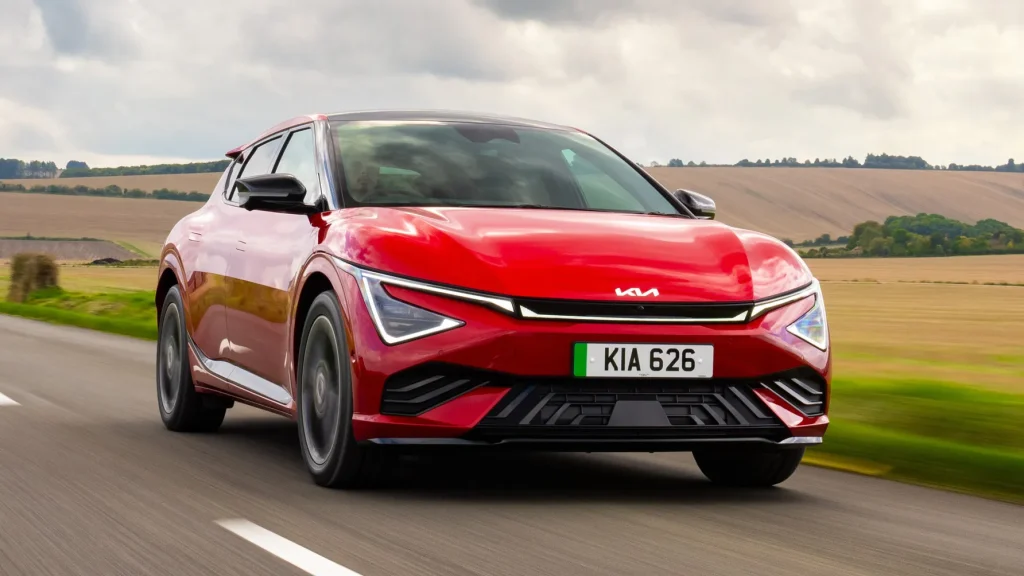
A reliability score of 25 is a warning for buyers who place dependability above performance or technology. It does not establish that every EV6 has these defects, nor does it mean that its battery will necessarily fail.
Nevertheless, shoppers should check the vehicle’s service history, charging-system repairs, software updates and warranty status. A thorough inspection is especially important when considering a used example.
10. Kia EV9: 24/100
The Kia EV9 earns a predicted reliability score of 24 out of 100, placing it below the EV6 in Consumer Reports’ 2026 reliability assessment. As a large electric SUV with three rows of seating, the EV9 targets families who want substantial passenger space without moving to a gasoline-powered vehicle.
Its size, technology and electric driving capability make it an ambitious product, but its reliability results raise concerns.
In the U.S. market, the EV9 is offered with rear-wheel-drive and all-wheel-drive configurations, depending on trim. It features a large battery pack and supports DC fast charging.
Its cabin includes multiple digital displays and a range of electronic convenience and driver-assistance systems. These features create a modern experience, although they also mean that owners rely heavily on electrical and software-controlled equipment.
Consumer Reports’ survey identifies problems involving the EV battery, charging system, body hardware, electrical accessories and in-car electronics. Issues with charging or battery-related components can be particularly inconvenient because they affect the vehicle’s primary source of energy.
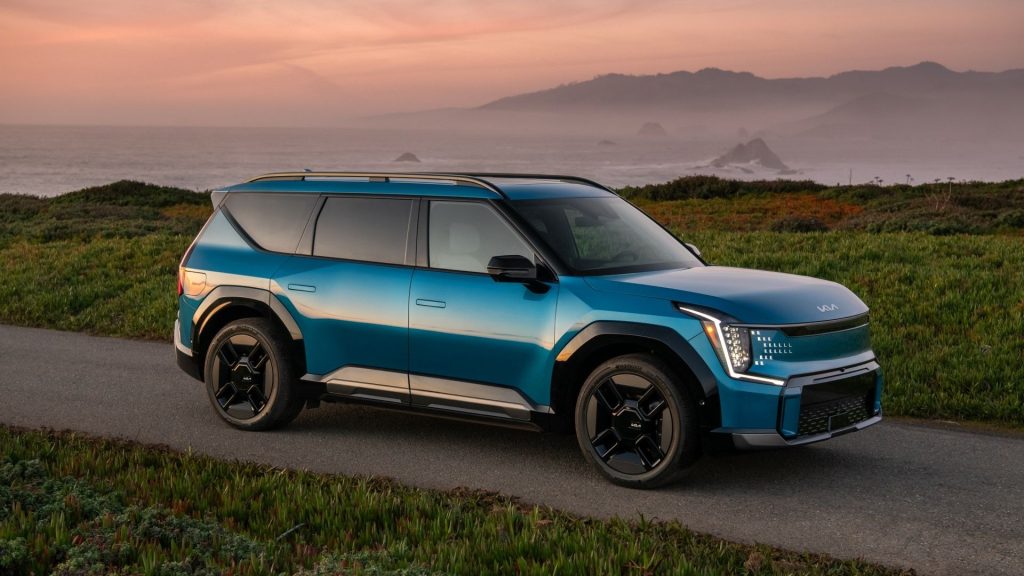
Problems with screens and electrical accessories may not always stop the SUV from driving, but they can still lead to repair visits and frustration.
The EV9’s low score should not be treated as a prediction that every vehicle will fail. It reflects reported problems in the survey data. Buyers should pay close attention to charging performance, electronic functions, software updates and warranty protection before committing to one.
11. Mazda CX-90: 23/100
The Mazda CX-90 receives a predicted reliability score of 23 out of 100, making it one of the weakest-performing models in Consumer Reports’ 2026 assessment. This is a significant concern for a three-row SUV positioned as a more premium family vehicle.
The CX-90 offers upscale cabin materials, a spacious interior and more powerful engine choices, but its reliability record has not matched those ambitions.
In the United States, the CX-90 is available with a turbocharged 3.3-liter inline-six engine and a plug-in hybrid powertrain. Both versions use an eight-speed automatic transmission and standard all-wheel drive.
The combination gives buyers a choice between conventional turbocharged performance and electrified driving, but the vehicle’s newer mechanical and electronic systems add complexity.
Consumer Reports has identified reliability concerns with both the gasoline and plug-in hybrid versions of the CX-90. The broader survey also found problems affecting Mazda’s related CX-70 and CX-90 models, contributing to the brand’s weaker reliability position.
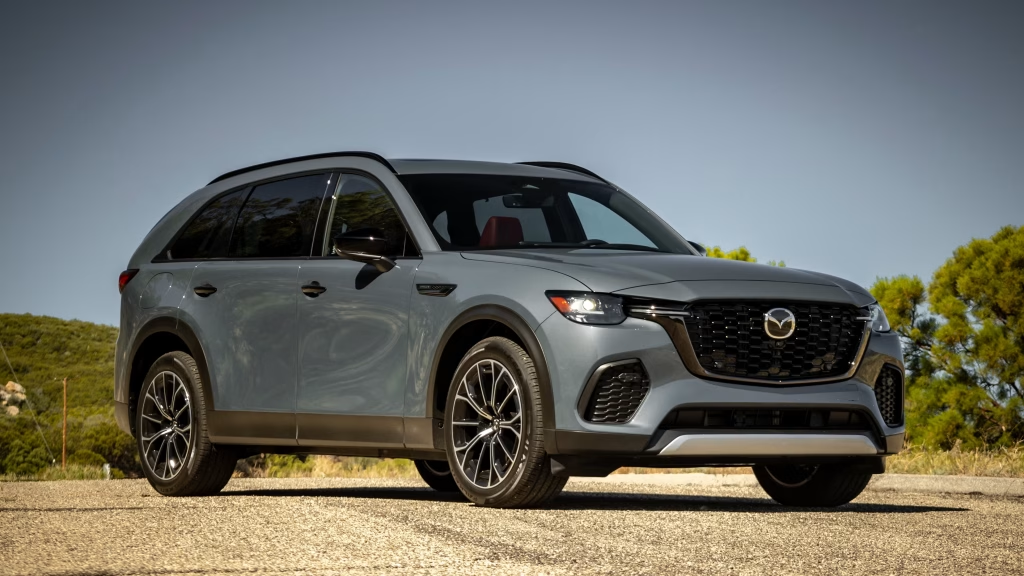
The plug-in hybrid version has an even lower score of 20, separate from the 23-point result for the conventional CX-90.
This distinction is important for prospective buyers, as the two powertrain options do not share the same reliability ratings. Those considering the CX-90 should review its maintenance records, confirm that all software updates and technical fixes have been completed, and arrange a thorough inspection before purchasing. While its comfort and driving dynamics may be appealing, its reliability rating suggests that buyers should proceed carefully.
12. GMC Acadia: 14/100
The GMC Acadia receives the lowest predicted reliability score in Consumer Reports’ 2026 list, earning just 14 out of 100. That places this midsize three-row SUV at the bottom of the ten least reliable models identified in the survey.
For a vehicle intended to carry families and their luggage, such a result is particularly concerning because owners generally expect an SUV of this size to provide dependable everyday transportation.
The latest U.S.-market Acadia uses a turbocharged 2.5-liter four-cylinder engine paired with an eight-speed automatic transmission.
It is available with front-wheel drive or all-wheel drive, depending on configuration. The redesigned model brought substantial changes to the vehicle, including a larger body and updated cabin technology.
Consumer Reports’ 2026 findings identify the Acadia as the weakest model in its reliability assessment. Its low score is also consistent with wider concerns surrounding the redesigned vehicle.
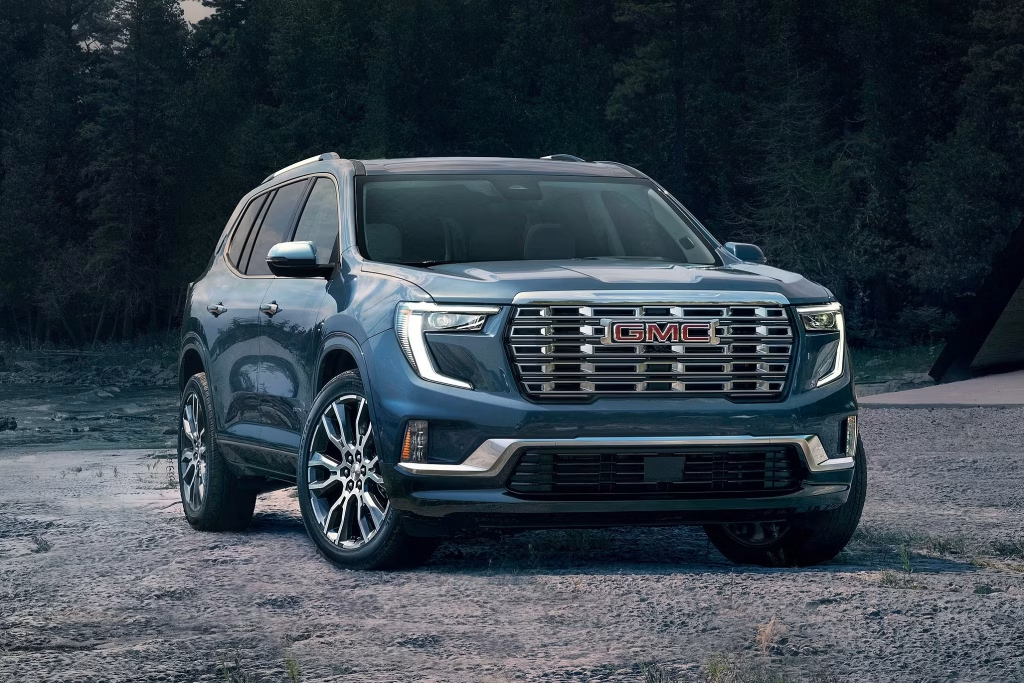
Consumer Reports has noted that the 2025 redesign has well-below-average predicted reliability, while the brand’s survey results place GMC near the bottom among manufacturers.
A score of 14 does not mean every Acadia will suffer a major mechanical failure. It indicates that the pattern of owner-reported problems is especially unfavorable compared with other vehicles.
Buyers should be cautious, check for outstanding recalls and technical service updates, and review repair records before purchasing. For shoppers who put reliability first, alternatives with stronger survey results deserve attention.