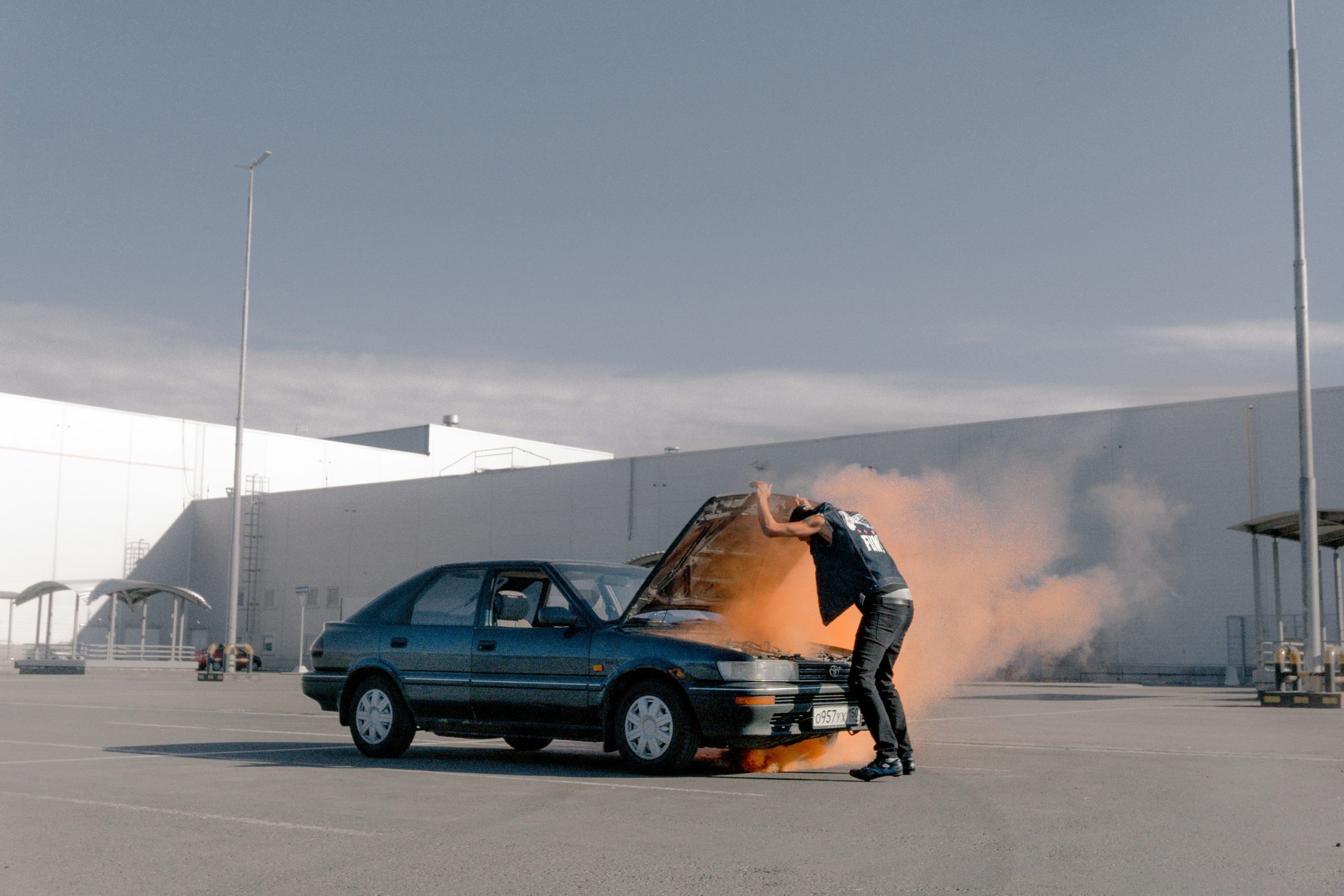
A car engine overheating is a serious warning that should never be ignored. Whether you are driving through heavy traffic, travelling on a highway, or navigating a busy city road, a sudden rise in engine temperature can cause significant mechanical damage.
Many drivers make mistakes when responding to this situation, often turning a manageable problem into an expensive repair. Knowing what actions to avoid can protect your engine, improve road safety, and reduce unnecessary expenses.
From opening a hot radiator cap to continuing to drive with rising temperatures, here are ten things you should never do when your car overheats.
1. Never Ignore the Temperature Warning Light
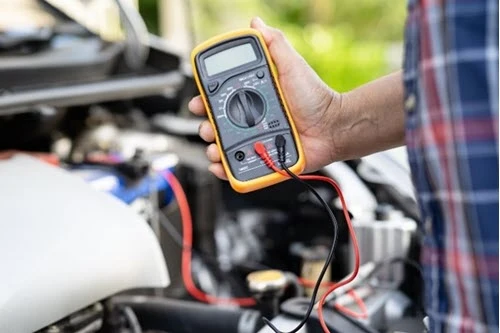
An engine temperature warning light is designed to alert drivers when the cooling system is struggling to maintain a safe operating temperature. Ignoring this warning can put the engine at serious risk. The light may appear before noticeable performance problems develop, allowing you to respond safely.
Some drivers continue driving because the vehicle still feels normal. However, an overheating engine does not always produce immediate changes in driving performance. Internal temperatures may already be high enough to damage important components.
Modern vehicles often have temperature gauges, warning lights, or dashboard messages that indicate cooling system problems. Pay attention to these signals, especially when the temperature gauge moves beyond its normal operating range.
A rising temperature reading can indicate several problems, including low coolant levels, a damaged radiator, a faulty thermostat, or a malfunctioning cooling fan. These issues require attention rather than guesswork.
Continuing to drive with an overheating engine can damage the cylinder head gasket, distort engine components, and affect lubrication. Repairing this type of damage can cost considerably more than addressing the original cooling system problem.
If the warning light appears, reduce engine load and find a safe place to stop. Turn off the engine once you are safely parked and allow it to cool naturally.
Never assume that the warning will disappear on its own. Even if the temperature returns to normal, the underlying problem may still exist and could cause overheating again.
Taking dashboard warnings seriously helps prevent unexpected breakdowns. A few minutes spent responding correctly can save you from extensive engine repairs.
2. Never Open the Radiator Cap While the Engine Is Hot
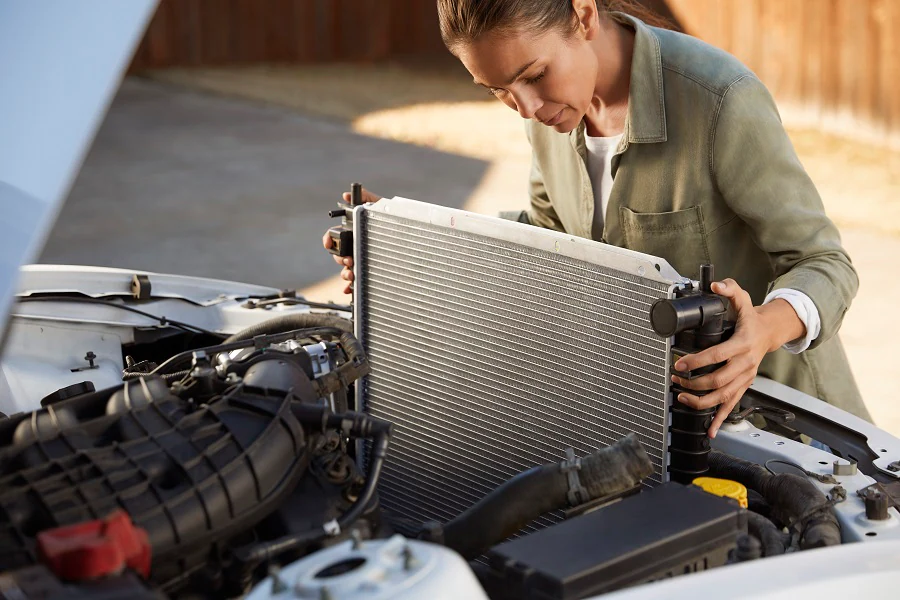
Opening the radiator cap while the engine is overheating is extremely dangerous. The cooling system operates under pressure, and hot coolant can reach temperatures high enough to cause severe burns.
When the engine is running, coolant circulates through the engine, radiator, and connected hoses. The pressure inside the cooling system helps raise the coolant’s boiling point and allows it to absorb engine heat effectively.
Removing the radiator cap while the system is hot releases that pressure suddenly. Hot coolant or steam may escape forcefully and cause serious injuries to your hands, face, and other exposed areas.
Some drivers believe opening the cap will release excess heat. This is incorrect and can make an already dangerous situation much worse.
Never use a cloth or glove as a reason to open a hot radiator cap. Protective materials cannot eliminate the risk of pressurised coolant escaping.
Instead, switch off the engine and allow the cooling system to cool completely. The waiting time depends on the vehicle, surrounding temperature, and severity of overheating.
Once the engine is completely cool, consult your owner’s manual before checking the coolant reservoir or radiator. Some vehicles have pressurised expansion tanks rather than conventional radiator caps.
If you notice coolant leaking, steam escaping, or signs of serious damage, contact roadside assistance. Avoid handling hot cooling system components.
3. Never Continue Driving With an Overheating Engine
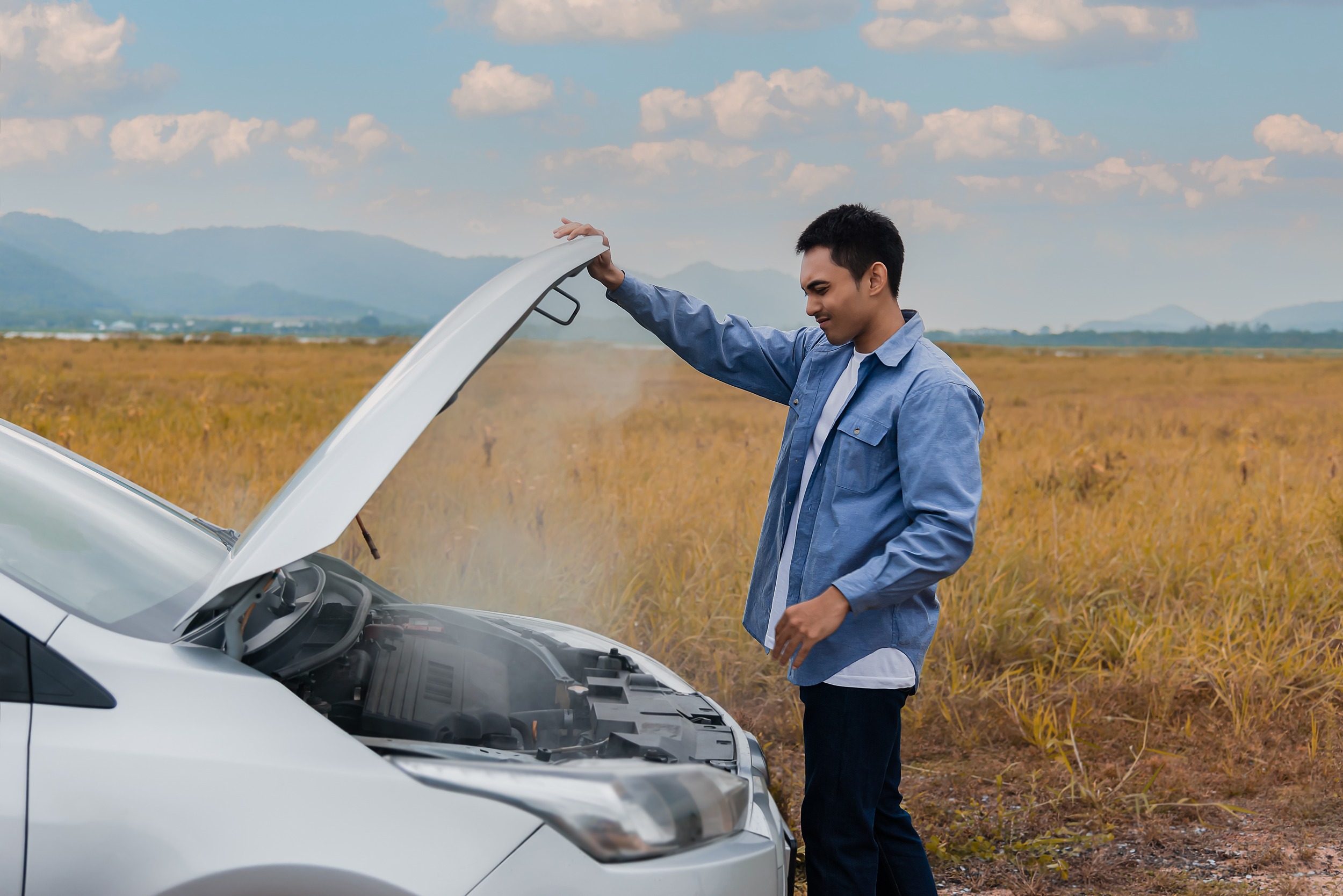
Continuing to drive after the engine temperature reaches a dangerous level is among the costliest mistakes a driver can make. Even a short distance can cause extensive mechanical damage when the cooling system cannot control engine temperature.
An internal combustion engine produces considerable heat during operation. The cooling system regulates this temperature to protect the engine’s internal components and maintain efficient performance.
When the system fails, excessive heat can affect the cylinder head, pistons, engine block, and head gasket. These components are manufactured to operate within specific temperature limits.
Driving with an overheating engine can also affect engine oil. High temperatures may reduce the oil’s ability to lubricate moving components, increasing friction and wear.
Some vehicles may enter reduced-power mode to protect the engine. This feature can limit acceleration, but it does not guarantee that continued driving is safe.
If you notice the temperature gauge entering the red zone, pull over as soon as you can do so safely. Avoid sudden movements or stopping in a dangerous location.
Once parked, switch off the engine and arrange professional assistance if necessary. Do not restart the vehicle simply to reach the nearest repair shop.
A tow truck may seem inconvenient, but it is generally a much safer and less expensive choice than risking major engine failure.
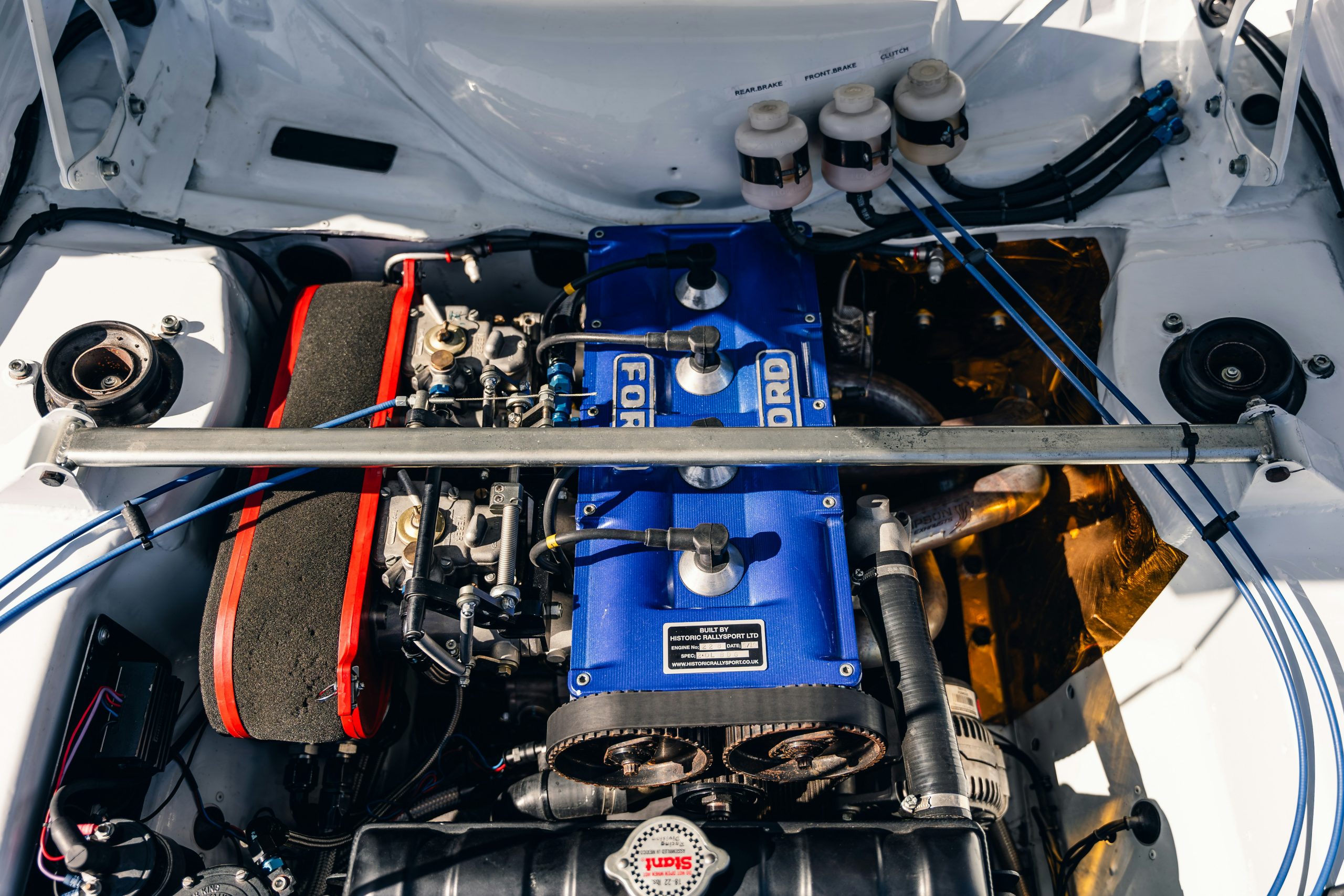
4. Never Pour Cold Water Directly Over a Hot Engine
Pouring cold water over an overheated engine is a common roadside reaction, but it is not a recommended solution. Sudden temperature changes can place unnecessary stress on engine components.
Metal parts expand when heated and contract as they cool. Applying cold water directly to extremely hot components can create uneven temperature changes.
This thermal stress may increase the risk of damage, particularly if components are already affected by excessive heat. The engine’s cylinder head and other metal parts require controlled cooling.
Water poured over the engine also does not repair the reason behind the overheating. A blocked radiator, failed water pump, coolant leak, or defective thermostat will continue to cause problems.
Another concern is electrical equipment. Modern vehicles contain sensors, wiring connections, ignition components, and electronic modules that may be affected by unnecessary water exposure.
Instead of pouring water over the engine, switch off the vehicle and allow it to cool naturally. Keep yourself at a safe distance if steam or hot coolant is escaping.
Once the engine has cooled completely, check the coolant level according to the manufacturer’s instructions. Use the recommended coolant mixture rather than treating external water application as a repair.
If the engine continues to overheat after cooling, have the vehicle inspected by a qualified mechanic before driving again.
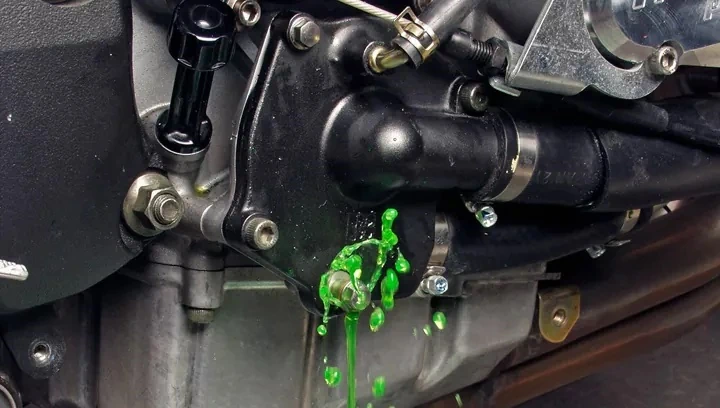
5. Never Ignore Coolant Leaks
Coolant plays an essential role in controlling engine temperature. It absorbs heat from the engine and transfers it to the radiator, where the heat is released into the surrounding air.
A coolant leak can interrupt this process and cause the engine temperature to rise rapidly. Even a small leak may become a serious problem during long journeys or heavy traffic.
Common signs of coolant leakage include coloured liquid beneath the vehicle, a sweet smell around the engine compartment, repeated low coolant warnings, and visible wet areas near hoses or the radiator.
Leaks can develop in several locations. Damaged radiator hoses, loose clamps, worn water pump seals, cracked expansion tanks, and corroded radiators are common causes.
Some leaks occur only when the cooling system is hot and pressurised. This means you may not notice liquid dripping beneath the car immediately after parking.
Never dismiss a coolant warning simply because the vehicle continues to run normally. A low coolant level can prevent the cooling system from transferring heat effectively.
If you suspect a leak, stop driving when it is safe and allow the engine to cool. Never inspect or touch pressurised cooling system components while they are hot.
A mechanic can perform a cooling system pressure test to identify the source of leakage. Repairing the damaged component and refilling the system with the correct coolant can prevent recurring overheating.
6. Never Keep the Engine Running Just to Test the Problem
When a car overheats, some drivers leave the engine running to determine whether the temperature will decrease. This approach can be risky, particularly when the cooling system has already failed.
An engine requires proper coolant circulation and airflow to maintain a stable temperature. If either system is malfunctioning, leaving the engine running may increase heat buildup.
For example, a failed water pump can prevent coolant from circulating properly. Similarly, a damaged cooling fan may reduce airflow through the radiator when the vehicle is stationary.
Running the engine unnecessarily can also increase pressure inside a cooling system that may already have a leak or damaged component.
In some situations, the temperature gauge may temporarily move down after the vehicle stops. This does not necessarily mean the problem has disappeared.
Avoid repeatedly starting and stopping the engine to see whether the temperature improves. Such attempts may increase the risk of further mechanical damage.
The safer approach is to switch off the engine once the vehicle is parked in a secure location. Give the cooling system sufficient time to cool before making any checks.
If the reason for overheating is unclear, let a qualified mechanic diagnose the problem. A professional inspection can identify whether the vehicle needs a minor repair or more extensive attention.
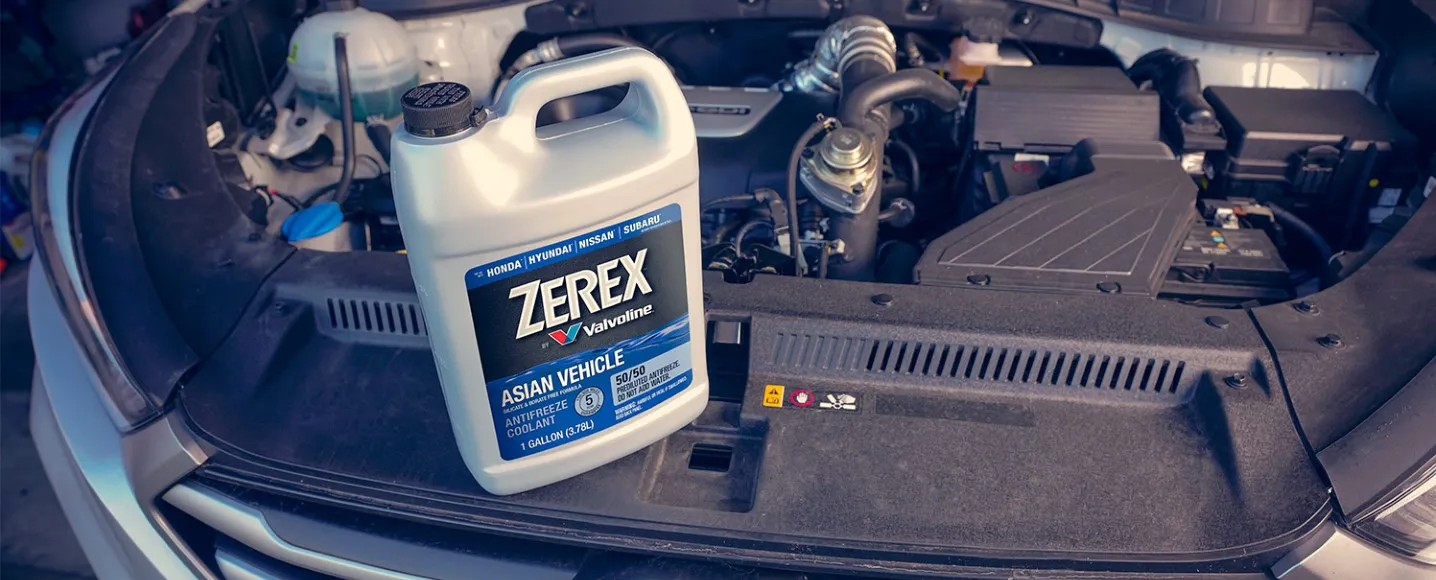
7. Never Use the Wrong Coolant or Mix Incompatible Coolants
Choosing the correct engine coolant is important for maintaining an effective cooling system. Different vehicles require specific coolant formulations designed to protect their engines and cooling components.
Coolants contain additives that help prevent corrosion, reduce deposits, and protect metal surfaces. Using an incompatible product may reduce these protective properties.
Coolant colour is not a reliable way to determine compatibility. Two products with similar colours may have different chemical formulations and may not be suitable for mixing.
Mixing incompatible coolants can sometimes cause deposits, reduced corrosion protection, or other cooling system problems. The exact risk depends on the formulations involved.
Always check the owner’s manual or manufacturer recommendations before purchasing coolant. Pay attention to the required specification rather than choosing a product based only on its price or colour.
If the coolant level is low, do not automatically pour in whichever liquid is available. The correct fluid should be selected according to the vehicle manufacturer’s instructions.
In an emergency, consult the owner’s manual or roadside assistance for guidance. Some manufacturers permit temporary use of water under specific circumstances, but this should not replace the recommended coolant mixture.
After the immediate problem is addressed, have the cooling system checked for leaks or other faults. Simply adding coolant will not solve a problem caused by a damaged component.
8. Never Rev the Engine to Reduce Overheating
Revving the engine when it is overheating is not a reliable way to cool it down. In fact, increasing engine speed can generate additional heat and place greater demands on the cooling system.
An engine produces heat through combustion and friction. Higher engine speeds generally increase the rate at which these processes occur.
Some drivers believe that pressing the accelerator will make the cooling fan or water pump work faster. While certain components may operate differently at higher engine speeds, this does not mean revving is an appropriate response to overheating.
If the radiator is blocked, coolant is leaking, or the thermostat is stuck, increasing engine speed will not correct the underlying fault.
Repeated acceleration can also increase the load on engine components that may already be operating under excessive temperatures.
Avoid pressing the accelerator while stationary to test whether the temperature decreases. This can make the situation worse rather than improve it.
Instead, find a safe place to stop, switch off the engine, and allow the vehicle to cool. Do not attempt to maintain engine speed as a substitute for proper cooling system operation.
Once the vehicle has cooled, arrange an inspection to identify the cause. A mechanic can check coolant circulation, radiator airflow, thermostat operation, and other relevant components.
9. Never Ignore Unusual Engine Noises or Warning Signs
An overheating engine may produce unusual sounds or other symptoms that indicate mechanical trouble. Ignoring these signs can increase the risk of serious damage.
You may hear knocking, ticking, grinding, or unusual rattling noises from the engine compartment. These sounds can have different causes, and overheating may make existing mechanical problems worse.
Changes in engine performance are also important. Reduced acceleration, rough idling, loss of power, or difficulty maintaining normal operation may indicate that something is wrong.
Another warning sign is white exhaust smoke or persistent white vapour coming from the exhaust after the engine has reached normal operating temperature. This can indicate coolant entering the combustion chamber, particularly when accompanied by coolant loss.
A sweet smell inside or outside the vehicle may suggest that coolant is leaking. Similarly, visible steam from beneath the bonnet indicates that the engine compartment requires immediate attention.
Never assume that unusual noises will disappear once the engine cools. Some problems may continue even after the temperature gauge returns to its normal position.
If you notice several warning signs together, avoid restarting the engine. Continuing to operate the vehicle could worsen an existing mechanical fault.
A professional inspection can help identify the source of the noise, check for internal engine damage, and determine whether the vehicle is safe to drive.
10. Never Assume the Problem Is Fixed After the Engine Cools Down
Allowing an overheated engine to cool is an important first step, but it does not automatically resolve the underlying problem. The cooling system may still have a fault that can cause the temperature to rise again.
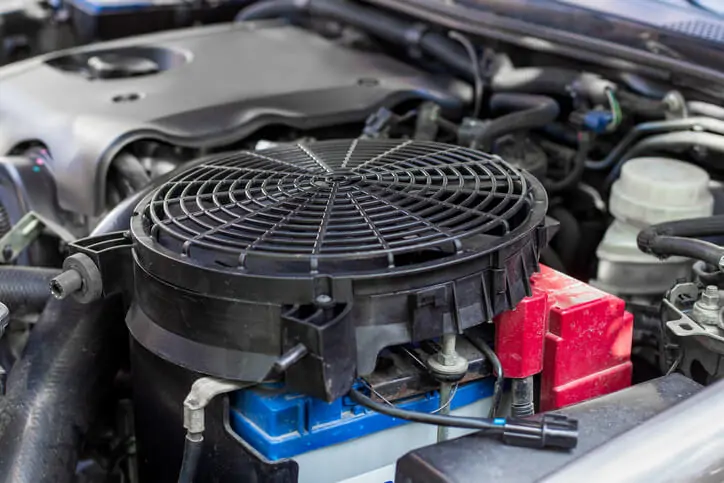
For example, a defective thermostat may restrict coolant circulation. A damaged radiator fan may prevent sufficient airflow, particularly when the vehicle is stationary.
Low coolant levels can also result from leaks that remain unnoticed. Refilling the system without repairing the leak may provide only temporary relief.
A failing water pump, blocked radiator, damaged hose, or faulty temperature sensor can also contribute to repeated overheating.
Some drivers restart the vehicle as soon as the temperature gauge returns to normal. This is risky because the gauge only indicates current temperature, not whether every cooling system component is functioning correctly.
Before driving again, allow the engine to cool completely and check the coolant level according to the owner’s manual. Look for visible leaks without touching hot components.
Pay attention to warning messages, unusual smells, steam, and changes in engine performance. If any concerning symptoms remain, arrange professional assistance.
A mechanic can inspect the cooling system, test its pressure, check the thermostat and water pump, and assess possible engine damage. Proper diagnosis is essential before returning the vehicle to regular use.