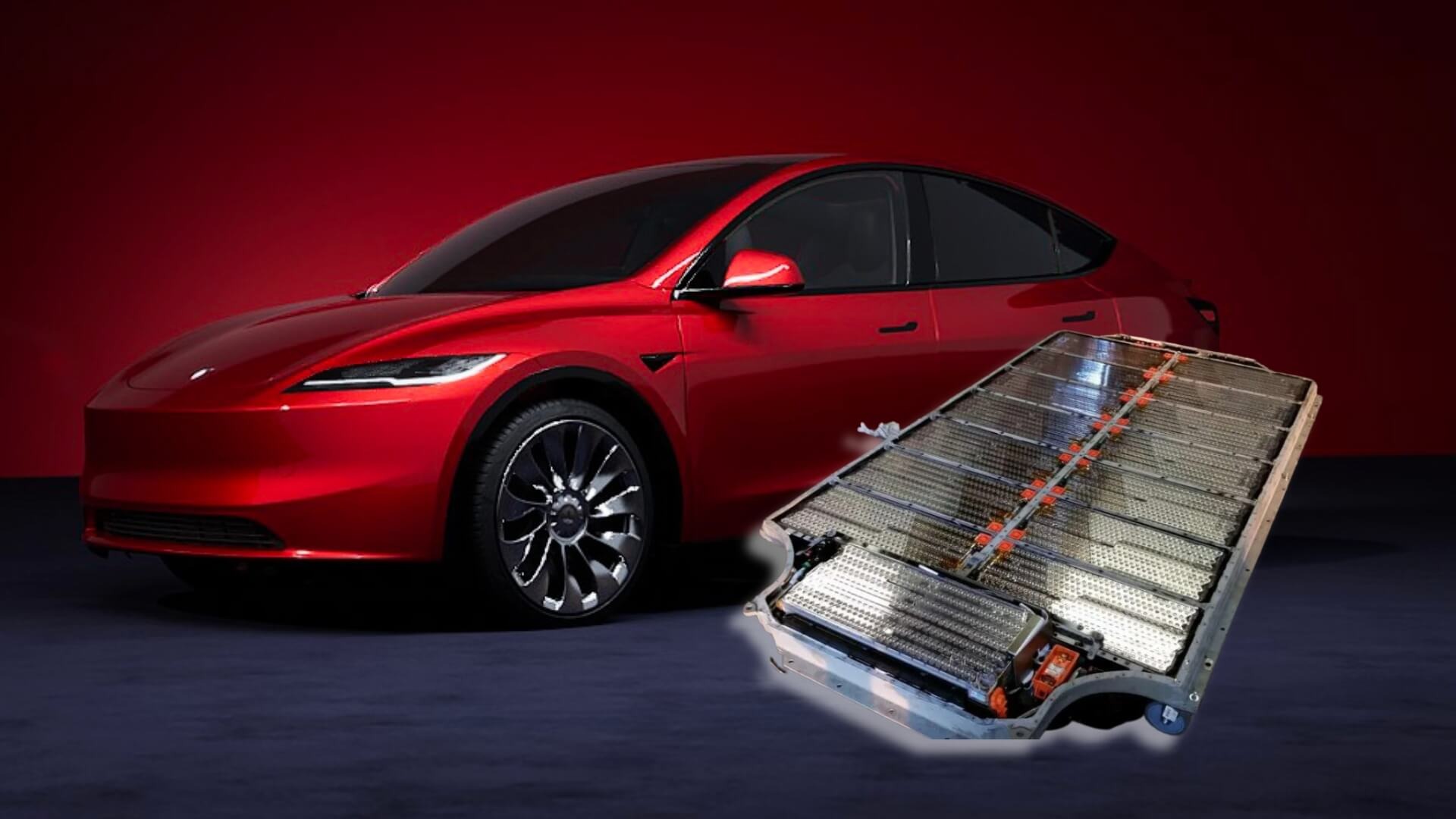
Electric vehicles can help owners save on fuel and routine maintenance, but an unexpected expense can quickly offset those savings. One of the biggest concerns is replacing the battery after the warranty expires. Depending on the vehicle, battery capacity, and repair provider, the cost can range from several thousand dollars to well over $20,000. Even after years of reduced running costs, such a large repair bill can be difficult to absorb.
Still, you shouldn’t assume every EV owner will face this expense. Battery replacements are relatively uncommon, and repair prices vary widely. Understanding the available price estimates, warranty protections, and replacement options can help drivers prepare financially without worrying about a repair that may never happen.
How Much Does an EV Battery Replacement Cost?
The honest answer is that, in many cases, an out-of-warranty EV battery replacement can cost anywhere from $5,000 to $16,000, according to Recurrent’s battery replacement research. These figures reflect costs owners may pay out of pocket after warranty coverage ends.
However, that range does not cover every vehicle. Some older models have received replacement estimates above $20,000, while certain smaller hybrid batteries cost considerably less.
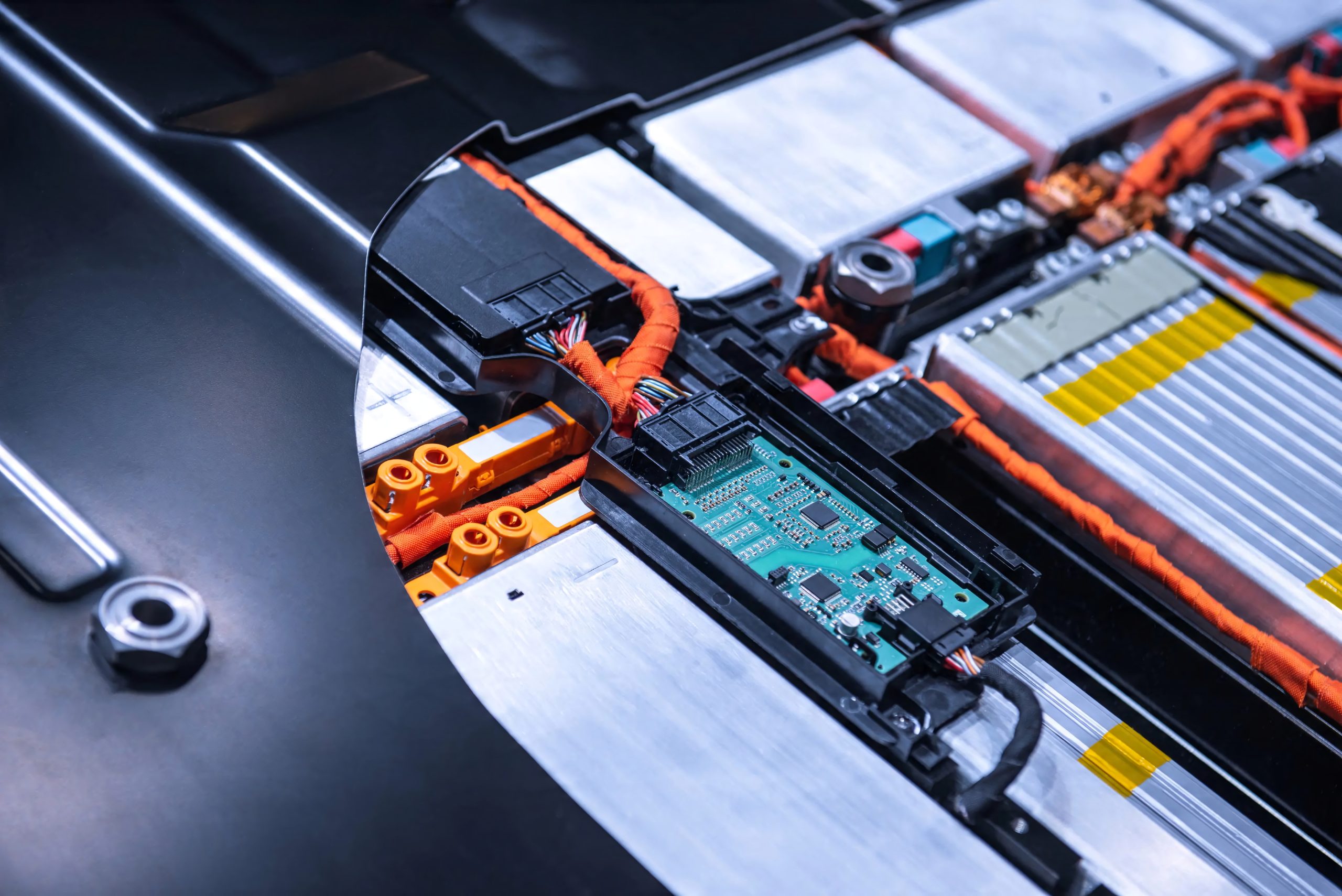
Three major factors determine the total replacement cost, including the battery pack, labor, and any additional work needed for installation. Although the battery itself may seem reasonably priced, labor fees and other service charges can significantly increase the final bill.
The vehicle’s age, battery capacity, manufacturer, and availability of replacement parts also affect pricing.
A larger battery does not always guarantee a higher replacement bill, either. Some manufacturers charge considerably more for smaller packs because of limited parts availability or dealership pricing.
For drivers, the key takeaway is that EV battery replacement costs vary considerably from one vehicle to another. The make and model, rather than a broad industry average, provide a much more accurate indication of the potential expense.
What Different EV Models Cost to Replace
Looking at actual dealer quotes and third-party estimates makes the price differences easier to understand. Several published figures provide a useful reference, although their dates matter.
A 60-kWh Chevrolet Bolt battery pack received a quote of $15,380 for parts, with another $870 for labor. That brought the estimated bill to $16,250.
For the Nissan Leaf, third-party replacement estimates put the 40-kWh battery between $8,000 and $12,500. The larger 62-kWh version was estimated at $12,000 to $15,000.
Tesla replacement costs also vary. A remanufactured 75-kWh Model 3 Long Range battery pack was priced at $13,500, with approximately $2,299 in labor. The complete estimate came to $15,799.27.
Older Tesla Model S owners have reported out-of-warranty replacement expenses ranging from $20,000 to $22,000 for 2012 to 2014 vehicles.
These figures come from published research and historical quotes, not guaranteed prices available today. Some estimates date from 2018 to 2021, so current owners should request an updated written estimate before making repair decisions.

Why a Smaller EV Battery Can Cost More
One of the most surprising figures in the available research concerns the Volkswagen e-Golf.
A dealership quoted $23,442.91 for a replacement battery in a 2017 to 2018 model. The pack has a capacity of just 35.8 kWh, making the quoted price higher than the remanufactured Tesla Model 3 battery, which has more than twice its capacity.
Why would a much smaller battery cost so much?
Battery capacity is only one part of the pricing equation. Manufacturers may have different replacement policies, parts suppliers, labor requirements, and inventory arrangements. A battery pack that is difficult to source can carry a high price, even when its capacity is relatively modest.
Older vehicles can also present another challenge, as replacement parts may become increasingly difficult to find when manufacturers scale back production or discontinue specific components.
The e-Golf estimate deserves particular care because it is both an unusually high figure and one of the oldest quotes in the research. It should not be treated as a current dealership price or a prediction of what every e-Golf owner will pay.
For anyone shopping for an EV, this example highlights an important point. Battery capacity alone is not enough to determine how much a future replacement will cost.
Hybrid Battery Replacement Costs Are Different
Hybrid vehicles deserve separate attention because their battery systems are generally smaller and their replacement costs can be much lower than those of fully electric cars.
The Toyota Prius provides a useful example. A dealer replacement battery has been estimated at $3,500 to more than $5,000. Third-party providers have offered installed replacement options ranging from $1,349 to $1,949.
That is a considerable difference for owners trying to manage repair expenses.
Third-party providers may offer refurbished, remanufactured, or alternative replacement batteries at lower prices than a dealership. However, the condition of the battery, installation quality, warranty coverage, and provider reputation all deserve attention before accepting a quote.
Hybrid battery replacement is also not directly comparable to replacing a full EV battery pack. Fully electric vehicles rely on larger battery systems to power the entire vehicle, while hybrids use their batteries alongside an internal combustion engine.
As a result, someone researching hybrid ownership should avoid applying full-EV replacement estimates to their potential repair budget.
The type of vehicle makes a substantial difference, and getting model-specific pricing is the best way to avoid unpleasant surprises.
Does Every EV Owner Eventually Need a New Battery?
This is where the numbers offer some reassurance.
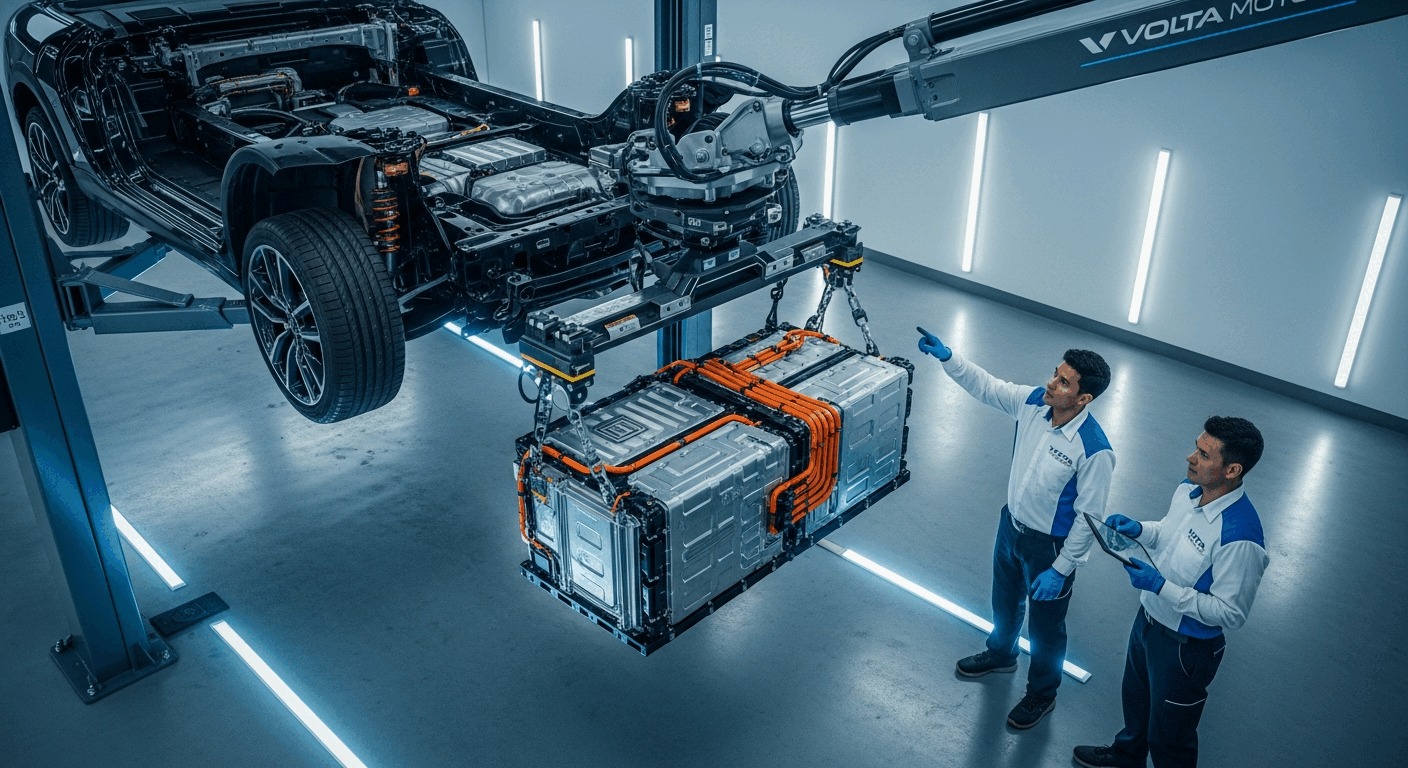
Recurrent tracked approximately 15,000 electric cars and found that only 1.5 percent had undergone a battery replacement. That means battery replacement was relatively uncommon among the vehicles included in its research.
The distinction matters because a large potential repair bill does not automatically mean a likely repair bill.
Many EV owners may drive their vehicles for years without needing a complete battery replacement. Battery degradation can happen gradually, but losing some driving range does not necessarily mean the pack has failed.
In fact, a battery that no longer delivers its original driving range may still function well enough for everyday transportation. Some owners may notice reduced range without experiencing a problem that requires a complete replacement.
There is also a difference between replacing an entire battery pack and repairing a specific battery component. Depending on the vehicle and the fault, a qualified repair facility may be able to address an individual problem rather than install a completely new pack.
The 1.5 percent figure should not be viewed as a lifetime prediction for all electric vehicles, as it only represents the vehicles included in the ongoing monitoring. Nevertheless, it provides useful context by showing that battery replacement is a potential expense rather than an inevitable part of owning an EV.
What Happens When the EV Battery Warranty Expires?
In the United States, federal requirements provide a minimum battery warranty of eight years or 100,000 miles for qualifying electric vehicle batteries. Some manufacturers offer longer coverage or additional mileage protection, depending on the vehicle and warranty terms.
This protection can make a considerable difference when a battery develops a qualifying fault.
However, reaching the warranty expiration date does not mean the battery suddenly stops working. It simply means the owner may have to cover eligible repair expenses that would previously have fallen under the manufacturer’s protection.
Drivers should review their original warranty documents carefully. Coverage conditions can differ, including provisions related to battery capacity loss, manufacturing defects, and mileage limits.
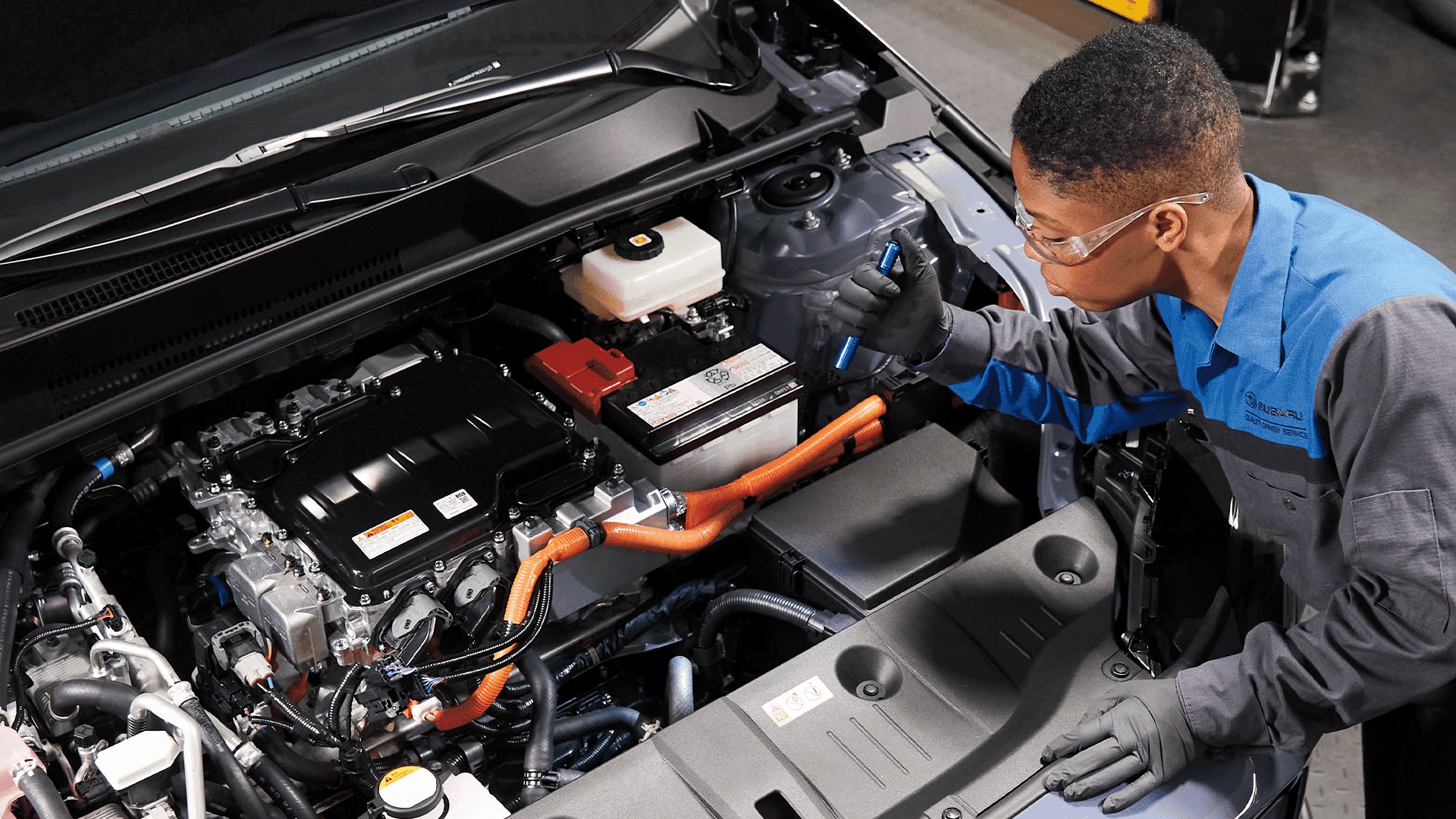
Before paying for a replacement, it is worth asking a qualified dealership or repair specialist to perform a battery health assessment. Request a written diagnosis that explains whether the problem involves the entire pack, an individual component, or normal capacity degradation.
Owners should also compare dealership and independent repair estimates where appropriate. A lower quote can be attractive, but parts quality, technician experience, installation standards, and replacement warranties deserve equal attention.
A little research before authorizing an expensive repair can help prevent unnecessary spending.
How the Warranty Protects You and What to Check
Now, the good news. The federal minimum warranty on EV battery packs is eight years or 100,000 miles. Most of the quotes in this article sit outside that window, which is why they are called out-of-warranty costs.
That coverage is the safety net for most buyers. If a pack fails early, the manufacturer typically pays. Some makers offer longer or stronger terms, so read the fine print on any car you consider.
Before you buy, especially a used EV, ask a few questions. How old is the battery? How many miles are on it? Is any warranty left, and does it transfer to a new owner? Can the seller provide a battery health report?
Also look at the warranty’s definition of failure. Many warranties cover a drop in capacity below a set level, not just a complete breakdown. Know the threshold before you need it.
Finally, remember the dates. Several quotes here come from between 2018 and 2021, and prices tend to change as technology and supply improve. Gather fresh numbers for the car you actually want. With real quotes, a clear warranty, and a modest backup fund, an EV battery becomes a manageable risk, not a mystery.