A repair estimate can be frustrating when the replacement part costs far less than the final bill. You might expect an expensive component to be responsible for a costly repair, only to discover that most of your money is going toward the mechanic’s time. This happens more often than many car owners realize.
Certain automotive repairs require hours of careful work, specialized tools, and considerable effort just to reach or remove the faulty component. The part itself may be relatively affordable, but getting it installed is another story. Understanding which repairs carry high labor costs can help you make better maintenance decisions, compare estimates, and avoid surprises when your vehicle needs attention.
1. Head Gasket Replacement
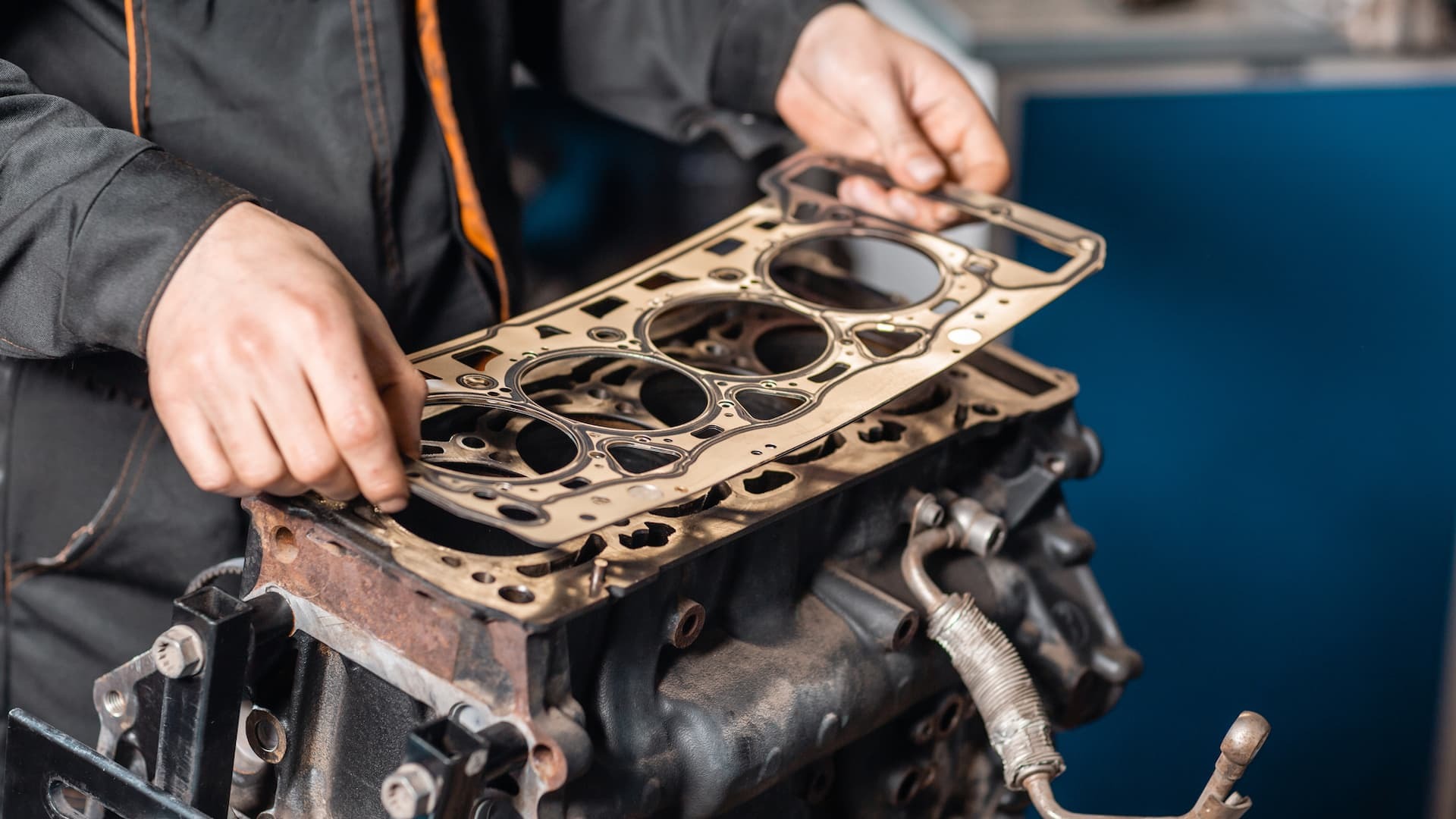
A blown head gasket is one of the clearest examples of a repair where labor costs can outweigh the price of the replacement part. According to RepairPal’s all-vehicle estimates, the head gasket itself costs approximately $903 to $937, while labor ranges from $1,669 to $2,449.
That puts the estimated total between $2,572 and $3,386. In other words, the mechanic’s work can account for as much as 72 percent of the entire repair bill.
Why does the work cost so much? The head gasket sits between the engine block and cylinder head, sealing the combustion chambers and preventing engine oil and coolant from mixing.
When it fails, the engine may overheat, lose coolant, produce white exhaust smoke, or develop milky-looking oil. Reaching it requires substantial engine disassembly, careful inspection, and precise reassembly.
Depending on the vehicle, the mechanic may need to remove several surrounding components before accessing the gasket. The cylinder head must also be checked for warping or damage before the replacement can be installed.
The repair demands accuracy because incorrect installation or improper cylinder head preparation can cause another failure. Before approving the work, request an itemized estimate covering parts, labor, and any necessary machining.
A relatively affordable replacement component can require several hours of skilled work, making the mechanic’s time the biggest expense.
2. Timing Chain Replacement
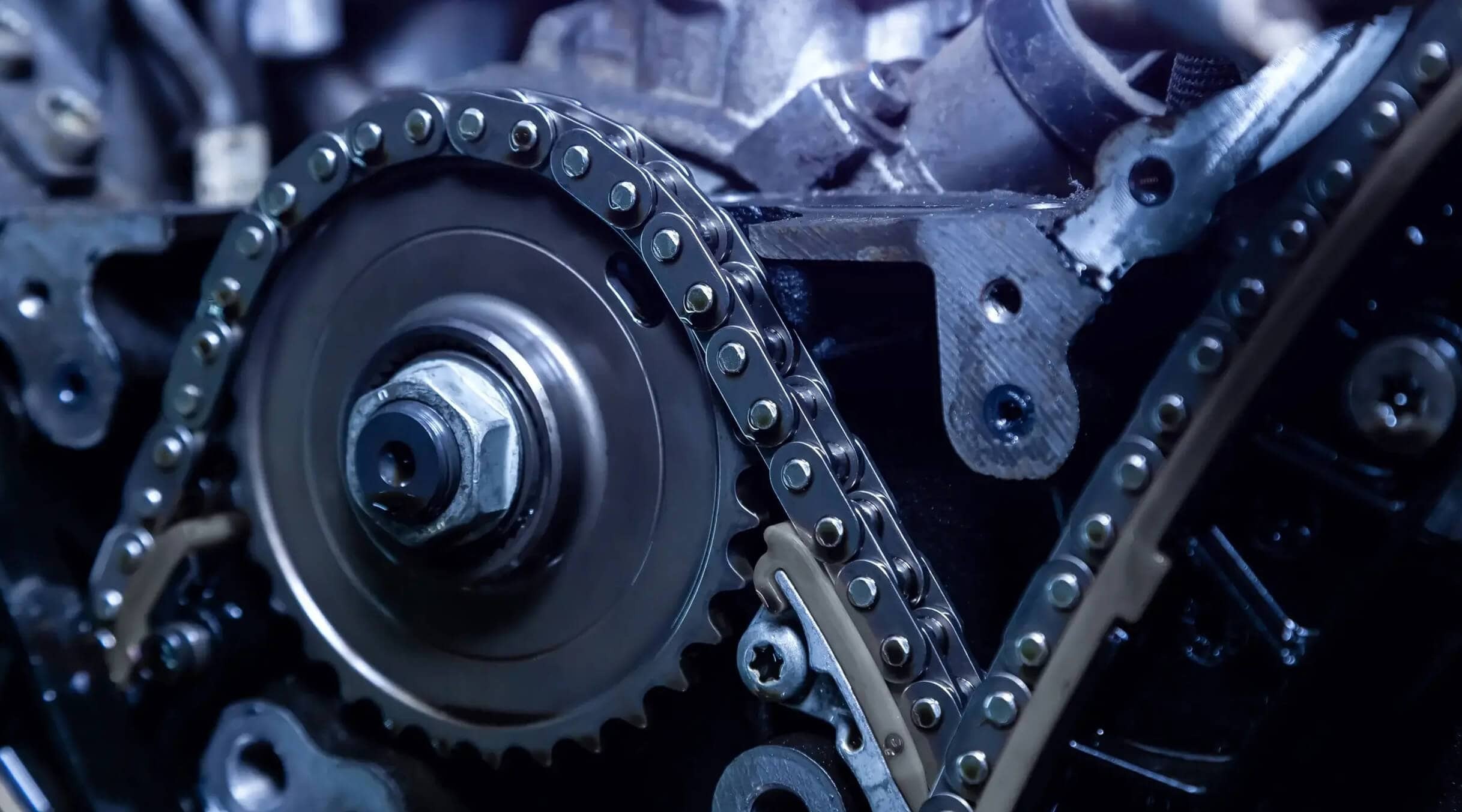
Timing chains are designed to coordinate the movement of an engine’s internal components, helping the valves and pistons operate in sync. Unlike rubber timing belts, these chains are generally made of metal and are designed to provide long service.
However, they are not immune to wear, particularly when lubrication problems, worn tensioners, or damaged guides affect their operation.
According to RepairPal, timing chain parts cost approximately $786 to $807, while labor ranges from $1,334 to $1,957. This brings the estimated total repair cost to $2,120 to $2,764. The figures highlight a significant difference, with installation costs potentially reaching nearly twice the price of the replacement parts.
The reason for the labor-heavy price is access. In many engines, the timing chain sits behind protective covers and several other components.
Reaching it can involve removing accessories, engine mounts, covers, and other parts that obstruct the repair area. Depending on the engine design, the technician may also need to move or support certain components to gain enough working space.
After installation, the mechanic must ensure that the timing marks are correctly aligned and that the chain has the proper tension. Even a small installation error can affect engine performance and cause serious internal damage.
If your mechanic recommends replacement, ask whether the estimate includes related components such as guides, tensioners, and seals. Replacing worn supporting parts during the same service may help prevent another expensive visit.

3. Timing Belt Replacement
If the timing chain’s bill made you wince, take a breath, because the timing belt is the gentler cousin. Parts cost $315 to $453, while labor runs $603 to $885.
Once again, labor is about double the part, and the total lands between $918 and $1,338. The pattern repeats for a good reason. A belt sits behind covers and pulleys, and a mechanic has to remove several components just to see it.
Depending on the vehicle, accessing the belt may also involve removing accessory belts, engine mounts, and other surrounding components before the actual replacement can begin.
The good news is that this is a planned maintenance job, not necessarily a surprise breakdown, so you can shop around calmly.
Many drivers choose to have related parts, such as the water pump, tensioners, and idler pulleys, inspected or replaced during the same visit, depending on the manufacturer’s recommendations.
Since the mechanic has already done much of the work required to reach the timing belt, handling these components together can reduce the need to pay for similar labor again later.
Another reason to take this service seriously is the potential damage a broken timing belt can cause. In some engines, belt failure can allow pistons and valves to collide, leading to expensive internal engine damage.
Put the replacement on your calendar according to your owner’s manual, call two or three qualified shops for quotes, and ask what each estimate includes. A little planning turns a repair that feels expensive into one that feels manageable.
4. Wheel Bearing
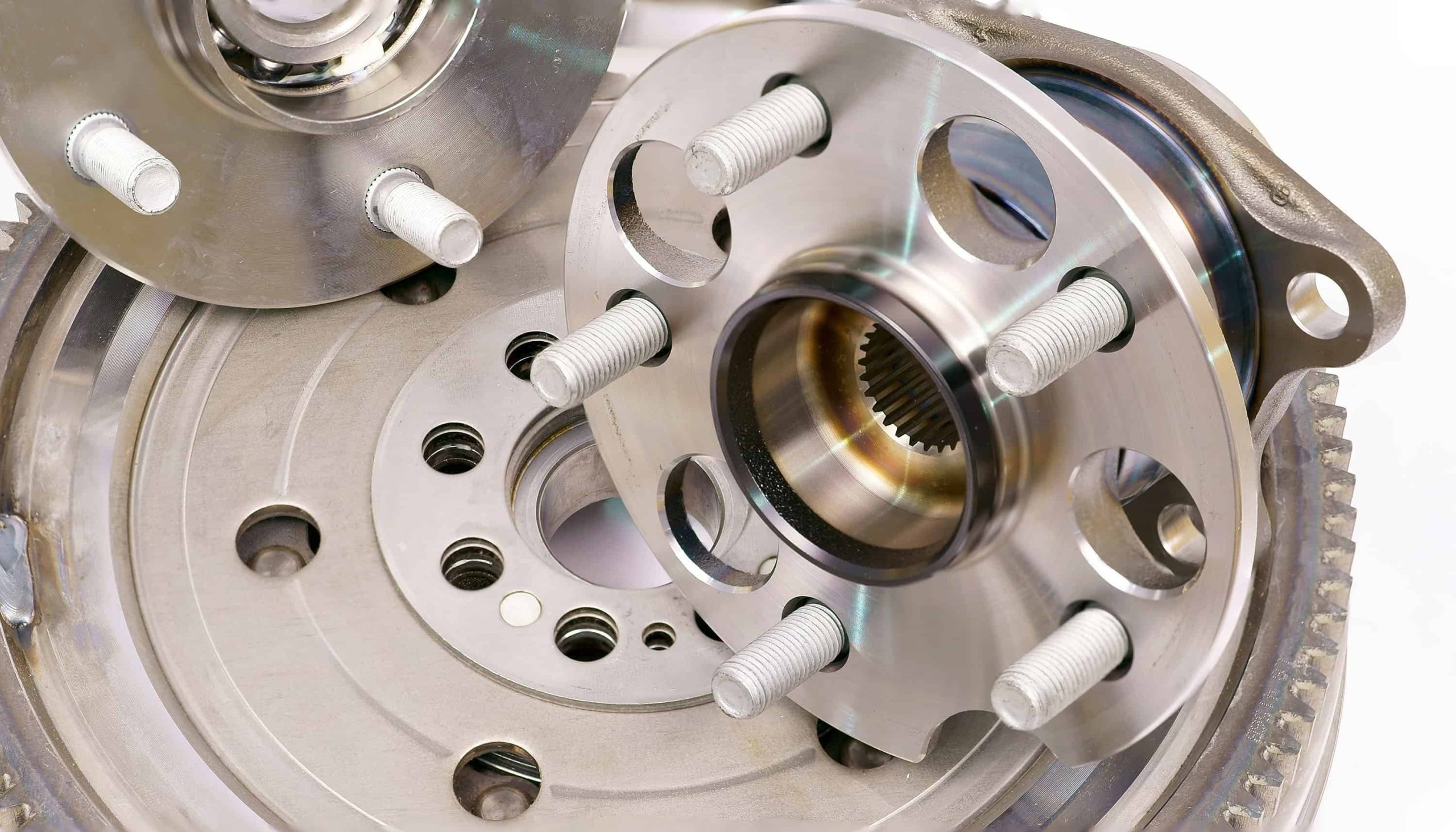
Now for the sneakiest bill on the list. The wheel bearing is the most lopsided small job here, and it fools almost everyone. The part costs just $121 to $172. A tempting thought is that a repair this small should be cheap.
Labor adds another $226 to $331 to the total cost. This means the installation work costs more than the parts themselves, making the difference between labor and hardware even more noticeable than with most major repairs.
The reason is the work involved. Depending on the vehicle, bearings may be pressed into the hub, meaning a technician has to remove the wheel, brake components, and sometimes the entire hub assembly. The old bearing must then be removed, and the replacement installed using the correct tools and equipment. It is physical, careful, and surprisingly time-consuming for such a small item.
Corrosion or seized components can further complicate the repair, increasing the time required to complete the job. It is similar to hiring a plumber to fix a small leak behind a wall. The replacement fitting may cost very little, but the time and effort needed to reach it can make the repair much more expensive.
If your car hums, growls, or produces a grinding sound at highway speed, don’t ignore it. You might also notice vibration or noise that changes when turning.
A professional inspection can confirm whether the bearing is responsible. Catching a worn bearing early may prevent additional damage and help keep the repair within a manageable price range.
5. Spark Plugs
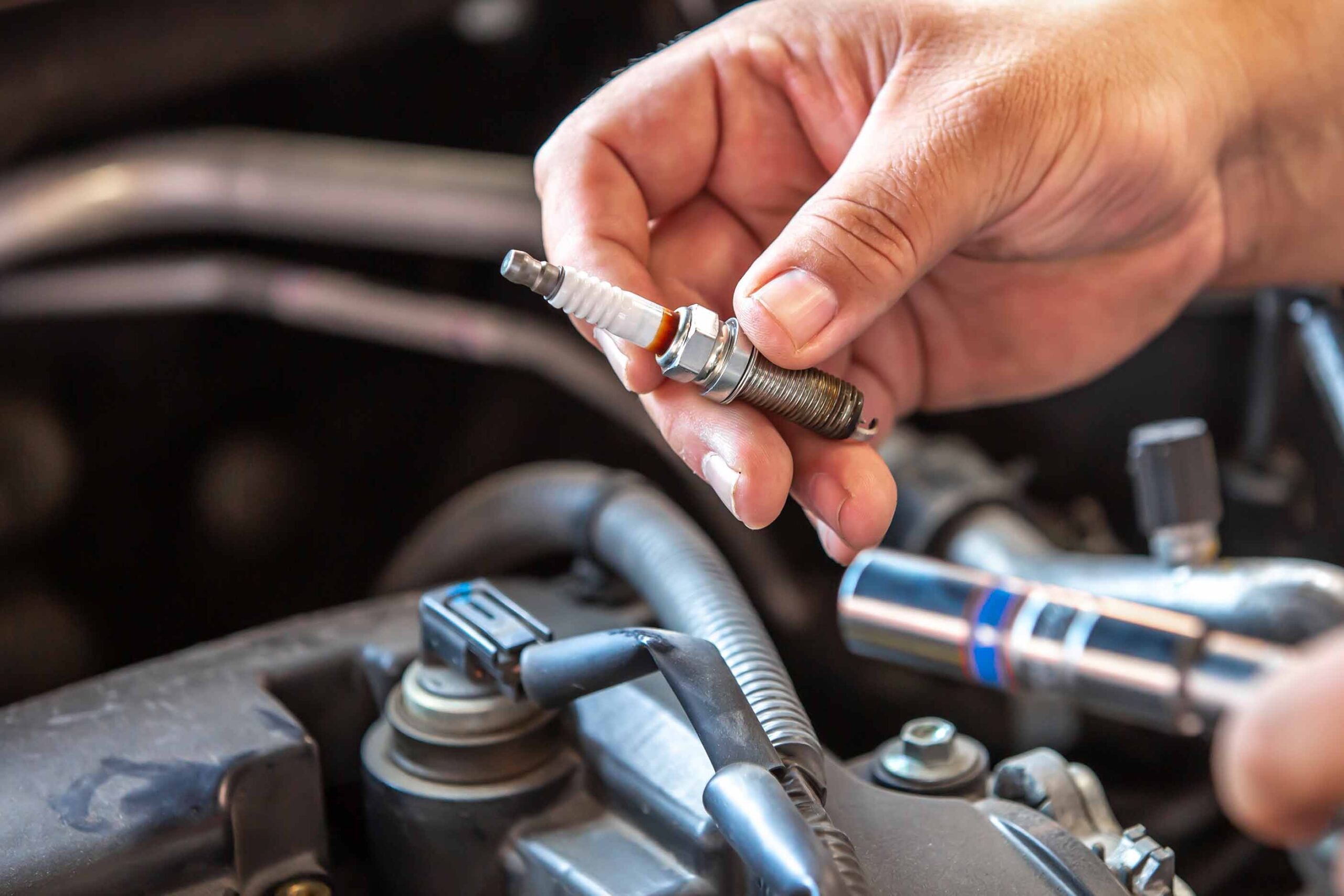
Let’s be honest about why a plug change quote makes people raise an eyebrow. You walk in thinking about a few little parts, maybe a hundred bucks, and the number you hear is much higher.
That reaction is completely fair, and it comes from how the cost splits. Spark plugs cost $104 to $129 in parts, but fitting them costs $184 to $270. The labor is higher than the parts, which is exactly why the quote catches so many drivers off guard.
On many engines, the plugs sit beneath ignition coils, protective covers, or intake components that must be removed before a technician can reach them.
Once exposed, each plug must be removed carefully, inspected as necessary, and replaced with the correct type. Proper installation matters because a cross-threaded or overtightened plug can damage the cylinder head and turn a routine maintenance visit into a costly repair.
Some engines also have tighter layouts that make access more difficult. The reassuring part is that this remains one of the more affordable jobs in the group, with a total of roughly $288 to $399 based on these estimates.
Treat spark plug replacement as regular maintenance rather than waiting for noticeable engine trouble. Worn plugs can contribute to rough idling, misfires, sluggish acceleration, and difficulty starting.
Follow your owner’s manual for the recommended replacement interval, and ask your mechanic whether the quote covers every required plug. A properly maintained ignition system helps your engine run smoothly and can prevent avoidable performance problems.
6. Clutch Replacement
A clutch replacement is slightly different from the other repairs on this list because the labor and parts costs are relatively close. Still, labor remains the more expensive portion in many estimates.
RepairPal places clutch parts between $809 and $843, while labor ranges from $821 to $1,204. The estimated total therefore falls between $1,630 and $2,047.
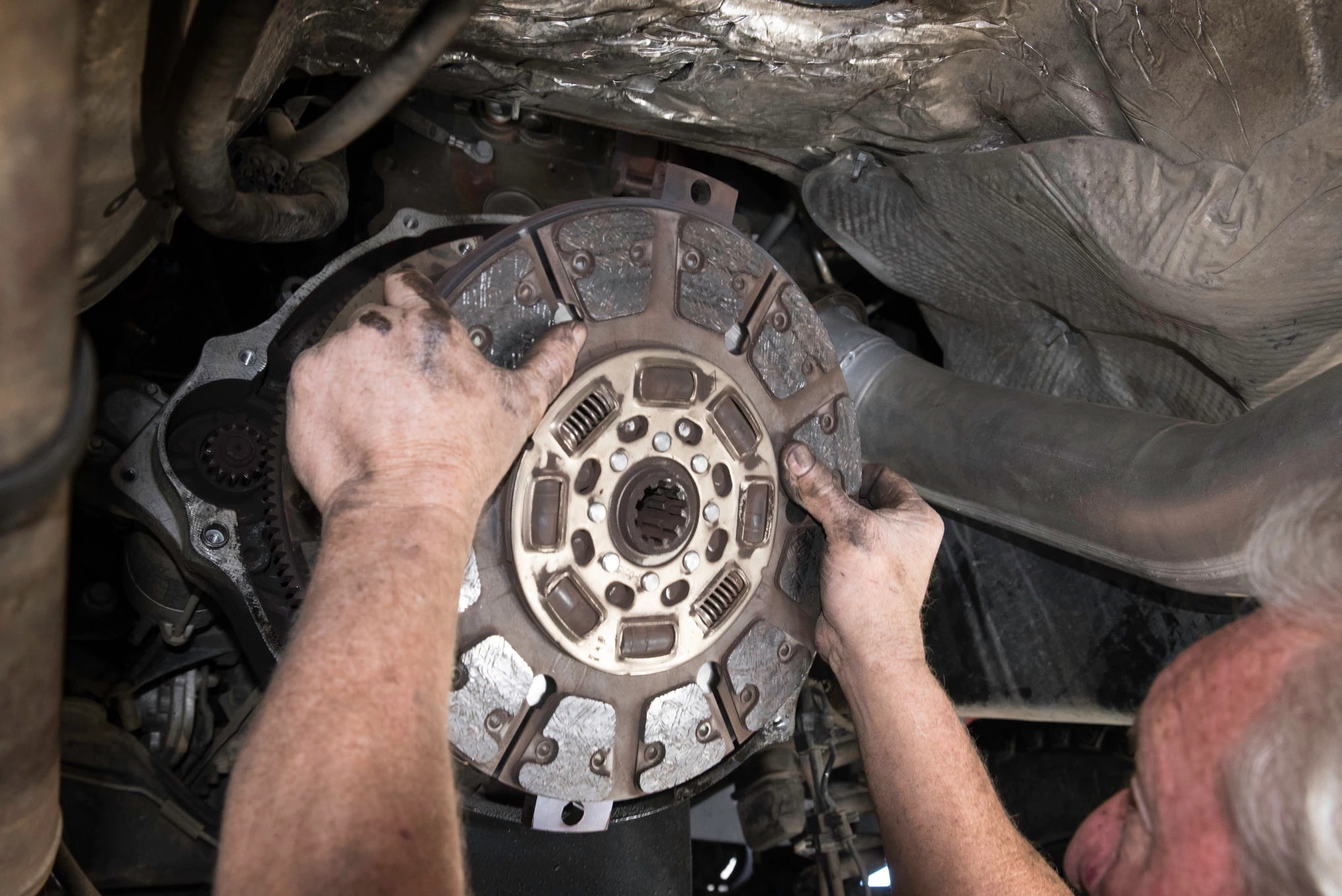
The clutch connects the engine to the transmission in a manual vehicle, allowing the driver to engage and disengage engine power when changing gears. Because it handles repeated friction and pressure during normal driving, its components eventually wear out.
Replacing a clutch is labor-intensive because the mechanic generally needs to separate the transmission from the engine to access the clutch assembly.
Depending on the vehicle, this can require supporting the engine, removing transmission mounts, disconnecting related components, and carefully lowering the transmission.
The clutch disc, pressure plate, and release bearing may be replaced together, depending on their condition and the manufacturer’s recommendations.
Drivers who notice slipping, difficulty changing gears, unusual noises, or a clutch pedal that feels different should arrange an inspection rather than waiting for complete failure.
Although the parts account for a substantial portion of the bill, the physical effort and time involved in reaching the clutch explain why installation remains expensive.