A popular car is not automatically a reliable one. Some vehicles earn loyal followings for their comfort, performance, affordability, or family-friendly features, yet certain model years develop problems that leave owners facing repeated repairs and frustrating dealership visits. The tricky part is that a vehicle can have an excellent reputation while one particular production year carries serious mechanical or safety concerns.
Looking at complaint records, recalls, and reported defects can help buyers understand which versions deserve extra attention. Here are 10 popular vehicles and the model years that stand out for the wrong reasons, including the problems reported, the safety concerns involved, and what prospective owners should know before choosing one.
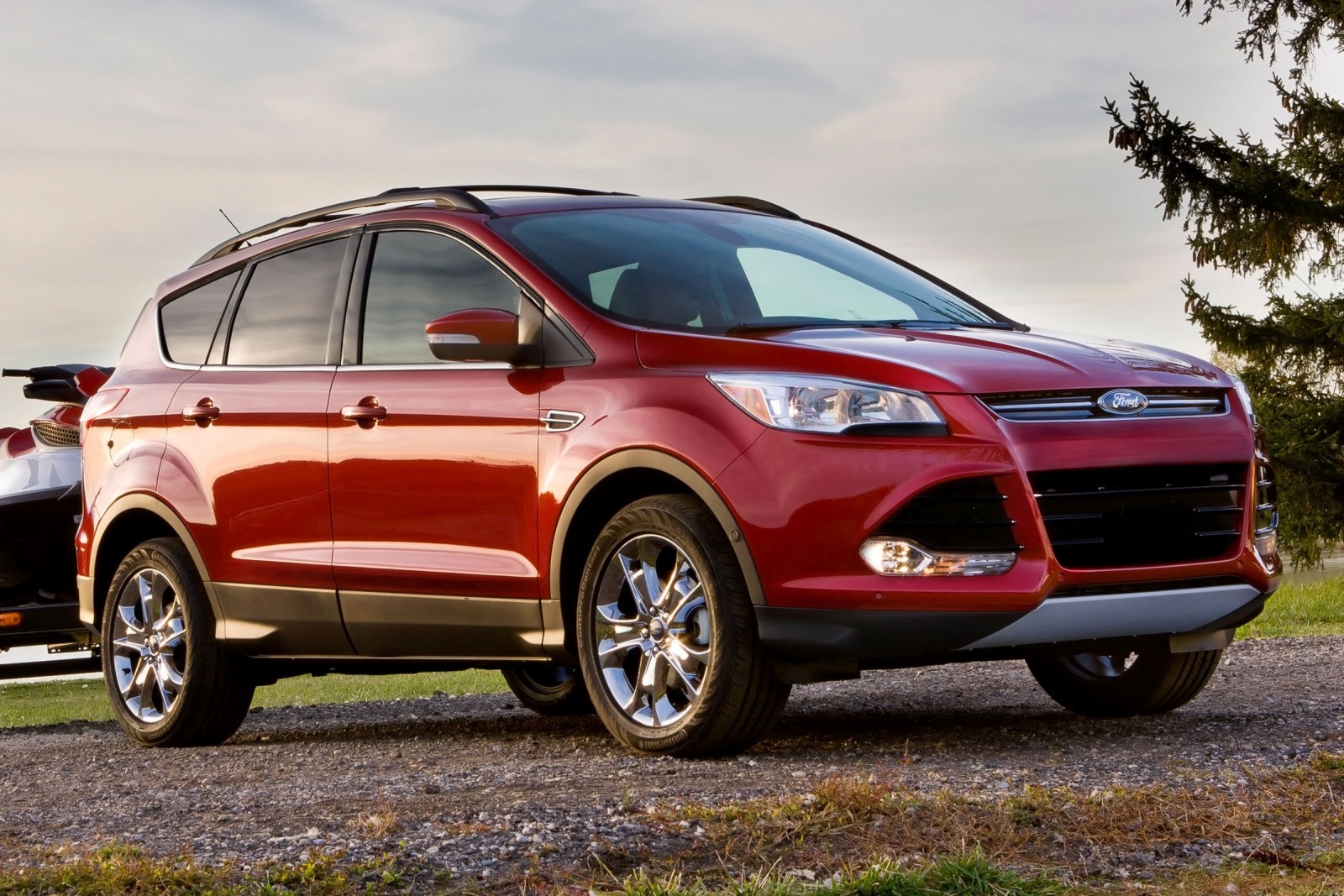
1. 2013 Ford Escape
2,757 NHTSA complaints and 18 recalls
The 2013 Ford Escape takes the top spot on this list with 2,757 complaints recorded by the National Highway Traffic Safety Administration (NHTSA) and 18 recalls. Its most concerning issue involved engine overheating and the risk of fire, making this model year particularly troublesome for some owners.
A major recall, identified as campaign 13V583000, covered 139,917 vehicles. The problem involved a cylinder head that could overheat and develop cracks.
When oil leaked from the damaged area and contacted a hot engine surface, it could ignite and cause an engine compartment fire.
That is not the sort of problem any driver wants to discover during an ordinary commute. Apart from the potential repair expense, an engine fire creates a direct safety concern for occupants and people nearby.
Owners considering a used 2013 Escape should pay close attention to its recall history and maintenance records. A vehicle identification number (VIN) check can help establish whether applicable recall work was completed.
It is also worth having a qualified mechanic inspect the engine for signs of oil leakage, previous overheating, or repairs related to the cooling system.
The Escape remains a familiar compact SUV, but its 2013 version deserves careful inspection before purchase. A low asking price should never outweigh unresolved safety concerns.
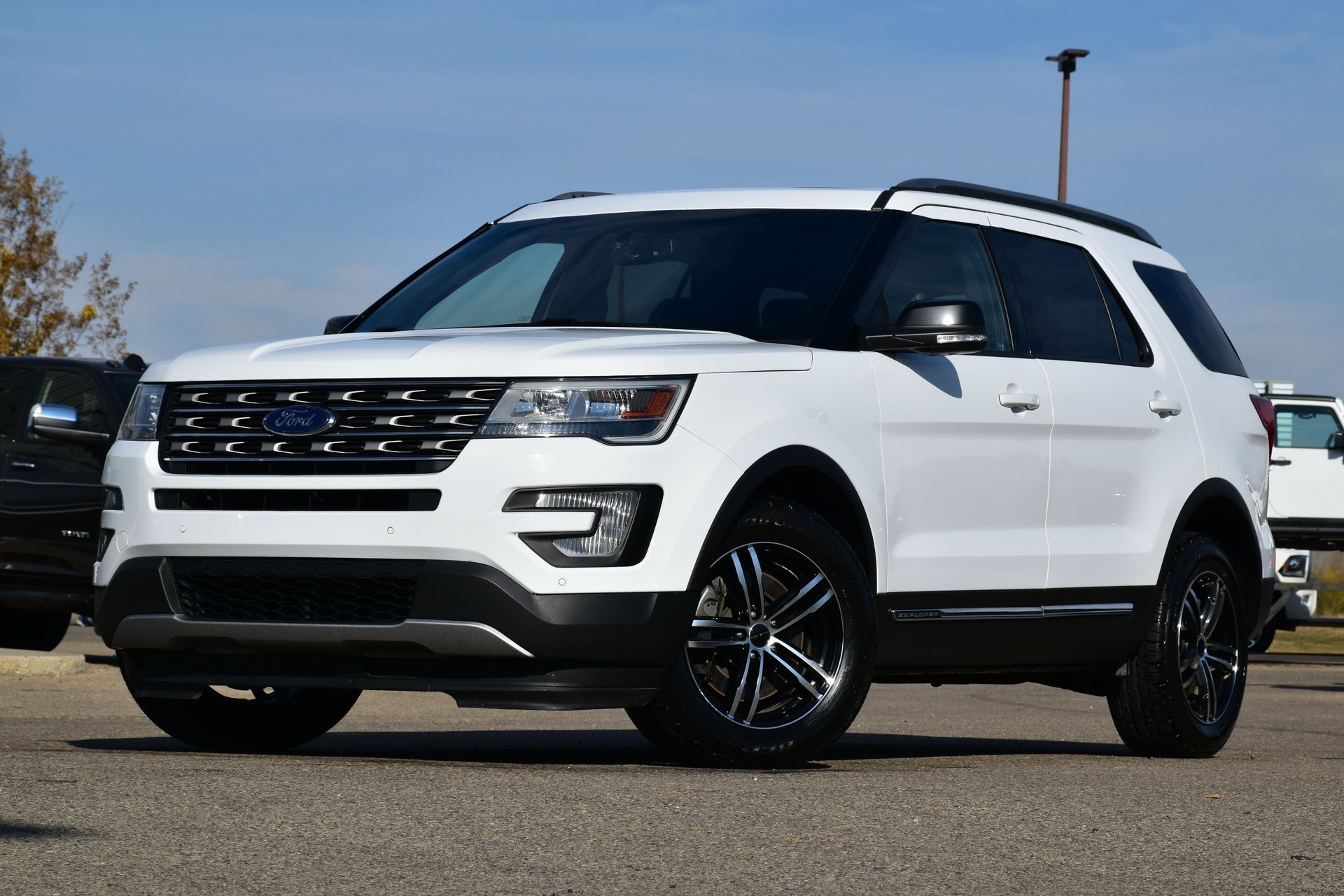
2. 2016 Ford Explorer
2,463 NHTSA complaints
The 2016 Ford Explorer attracted 2,463 NHTSA complaints, with exhaust odors and concerns about carbon monoxide entering the passenger cabin among the most troubling reports.
Unlike a noisy suspension or an unreliable infotainment screen, this problem raised questions about the air occupants were breathing while traveling.
Drivers reported exhaust smells inside their vehicles, prompting concerns that exhaust gases could enter the cabin under certain driving conditions.
Carbon monoxide is particularly dangerous because it is colorless and odorless. Exposure can cause headaches, dizziness, nausea, confusion, and, at high concentrations, potentially fatal poisoning.
Federal investigators reviewed more than 6,500 complaints connected to the Explorer exhaust concerns before closing the investigation without issuing a recall.
That decision is an important detail because an investigation closing without a recall does not mean every owner’s experience was imaginary or that every reported concern was resolved.
For used-car shoppers, a thorough inspection is especially important. Pay attention to unusual exhaust smells, check for previous repair documentation, and ask whether the vehicle received any service related to exhaust leaks or cabin ventilation.
If exhaust fumes enter the passenger compartment, stop using the vehicle until a qualified professional determines the cause. Opening the windows should not be treated as a permanent solution.
The 2016 Explorer may offer the space and utility buyers expect from a midsize SUV, but its reported exhaust concerns deserve serious attention.
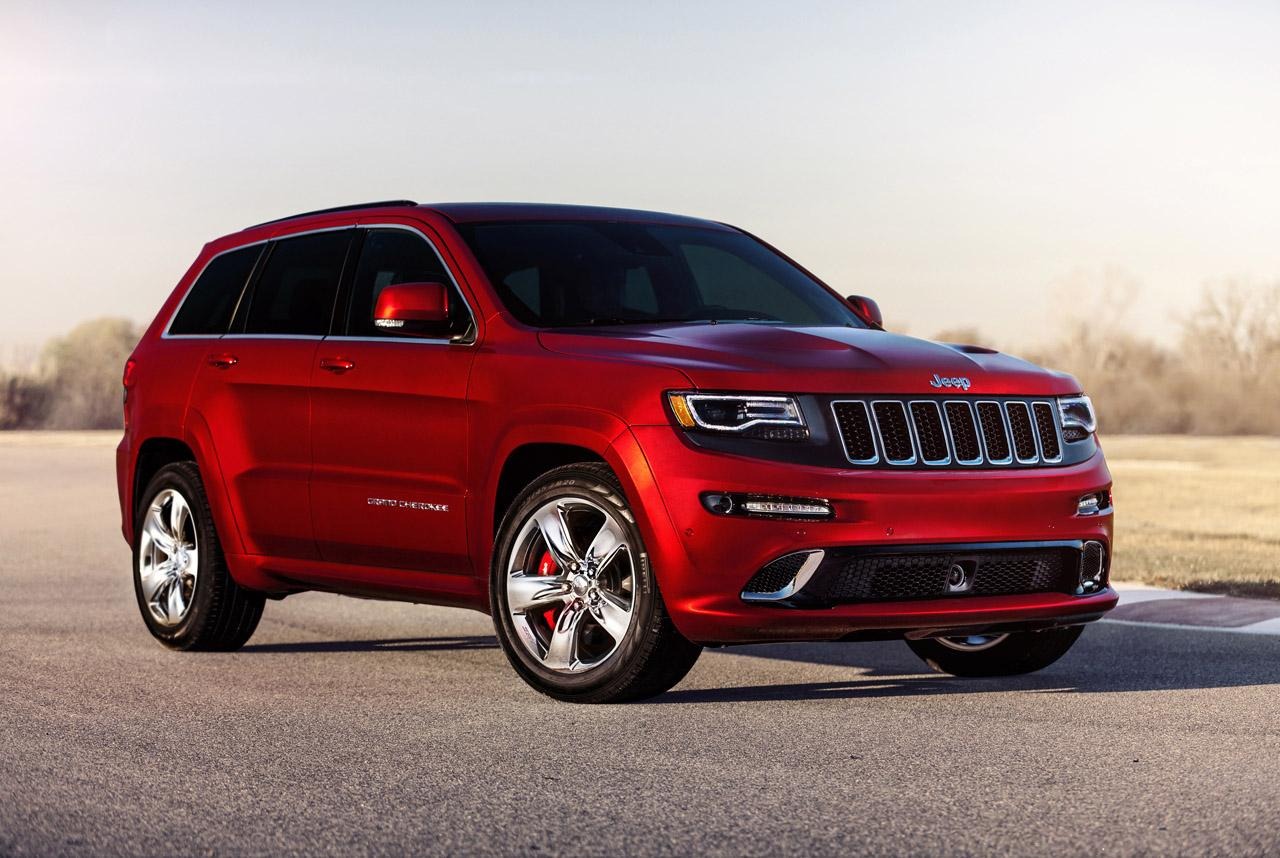
3. 2014 Jeep Grand Cherokee
2,376 NHTSA complaints
The 2014 Jeep Grand Cherokee became associated with a particularly worrying transmission-related problem involving its electronic monostable gear selector. The vehicle received 2,376 NHTSA complaints, with drivers reporting difficulty determining which gear they had actually selected.
The selector did not provide the familiar physical confirmation many drivers expected. Instead, its design could leave the vehicle appearing to be in Park when the driver believed a different selection had been made.
This created opportunities for confusion, particularly when someone exited the vehicle without realizing it could still move.
The issue prompted a major recall covering 811,586 vehicles. Regulators had recorded 266 crash or fire incidents connected to the problem, highlighting the potential danger of an apparently simple control design.
For owners, the concern was not merely inconvenient operation. A vehicle that rolls away after its driver exits can injure pedestrians, damage property, or cause a serious collision.
Anyone considering a used 2014 Grand Cherokee should check the VIN for completed recall repairs. The electronic shifter should also be inspected to confirm that the applicable corrective work was performed.
Drivers should always verify the instrument panel’s gear indication before leaving the vehicle, apply the parking brake, and follow the owner’s manual instructions.
The Grand Cherokee offers many features associated with a premium SUV, but its 2014 gear selector problem remains a serious reason to investigate its service history before purchasing one.
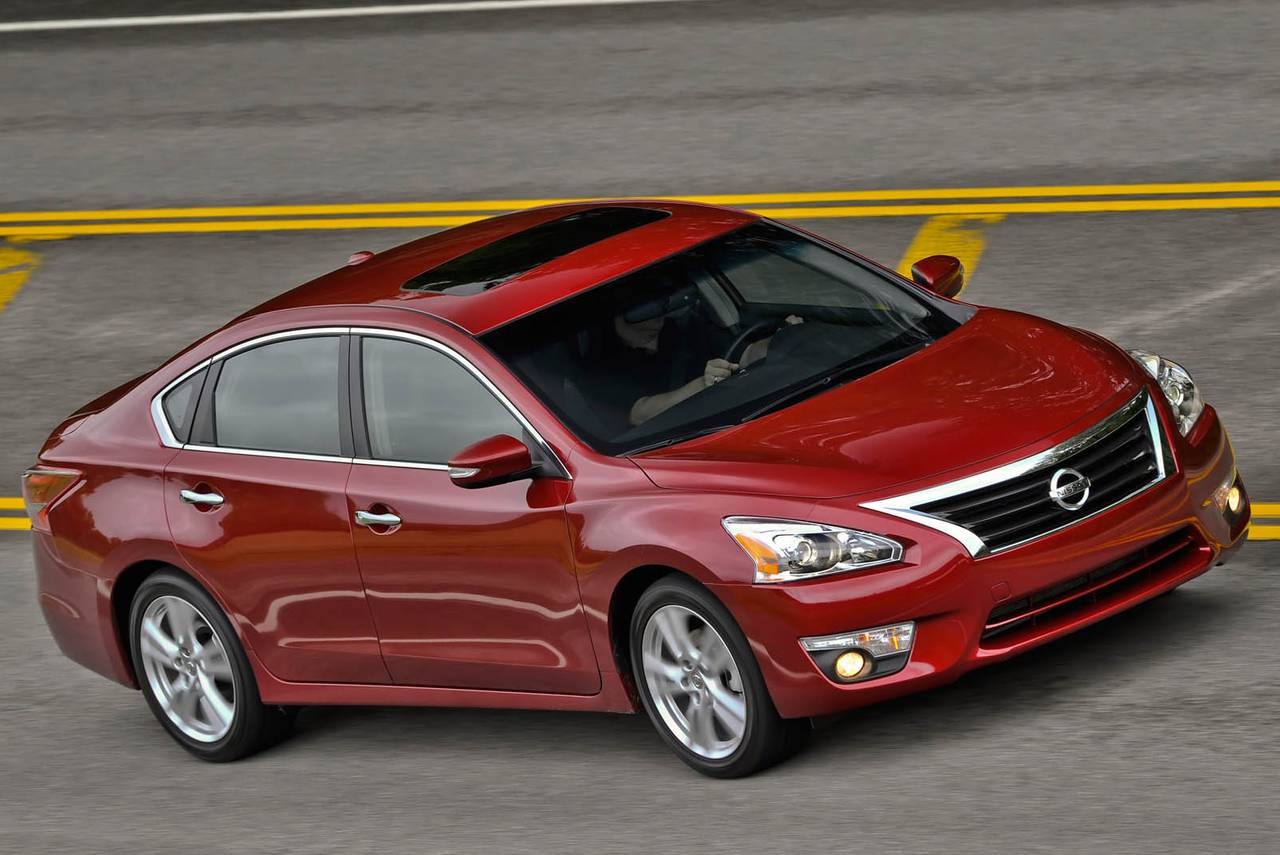
4. 2013 Nissan Altima
2,313 NHTSA complaints
The 2013 Nissan Altima is another popular vehicle whose reputation took a hit because of recurring mechanical complaints. It accumulated 2,313 NHTSA reports, with many owners pointing to problems involving its JATCO CVT8 continuously variable transmission.
A continuously variable transmission works differently from a conventional automatic gearbox. Rather than relying on a fixed set of traditional gears, it uses a pulley-based system to provide a continuous range of ratios.
The design can deliver smooth acceleration and help with fuel efficiency, but transmission problems can make the driving experience frustrating.
Owners of the 2013 Altima reported shuddering, hesitation, poor acceleration, and instances where the vehicle stopped operating properly. Some reports placed the onset of these problems at approximately 56,000 miles.
Transmission trouble can become an expensive headache, particularly when the vehicle needs extensive repairs or a replacement unit. Drivers may also experience reduced confidence when merging onto highways or accelerating through busy intersections.
Anyone shopping for this model should arrange a proper transmission inspection before completing a purchase. During a test drive, pay attention to unusual vibration, delayed acceleration, inconsistent engine response, or unexpected changes in driving behavior.
Ask the seller for transmission service records and documentation of previous repairs. A vehicle with a documented repair history deserves a different assessment from one with unexplained transmission symptoms.
The 2013 Altima may look like an affordable used sedan, but its CVT history makes a careful mechanical inspection essential.
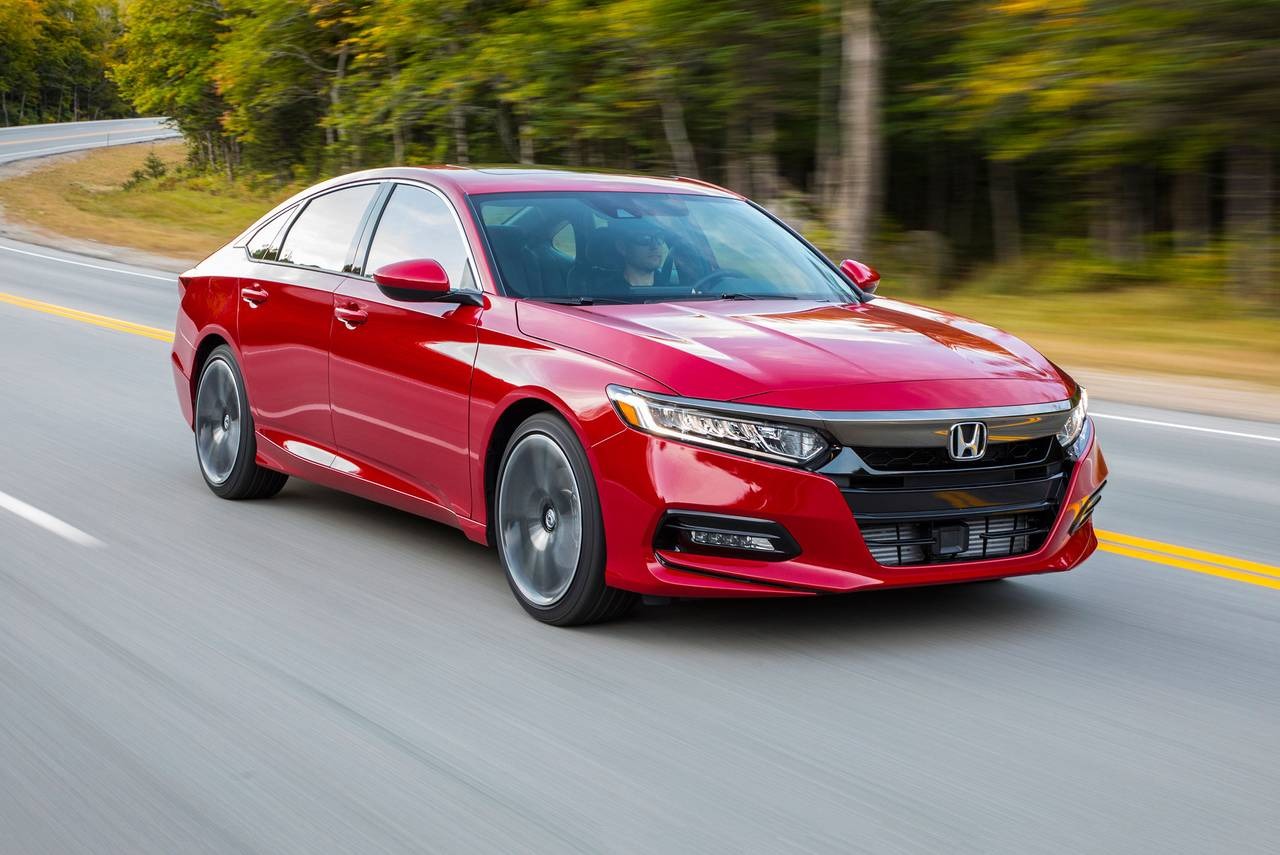
5. 2018 Honda Accord
1,897 NHTSA complaints
The 2018 Honda Accord brought an unexpected concern for some owners, particularly those with the 1.5-liter turbocharged engine, who reported issues with oil dilution.
This model year received 1,897 NHTSA complaints, with reports describing gasoline entering the engine oil. Oil is supposed to lubricate moving engine components and help reduce friction and heat.
When gasoline mixes with the oil, its lubricating properties can be affected. This can create concerns about engine wear, particularly if the condition continues without proper attention.
Some owners reported noticeable gasoline smells from the engine oil, while others experienced concerns involving engine performance and operation. The reported average mileage when the problem appeared was around 12,000 miles, according to the supplied research.
Short trips and frequent cold starts can contribute to this type of condition. During these trips, the engine may not reach the temperature needed to evaporate fuel that has entered the oil.
The practical concern is that contaminated engine oil may not protect internal engine components as effectively as intended. Regular oil checks and following the manufacturer’s maintenance guidance are therefore important.
Used-car shoppers should ask whether the vehicle has a history of oil dilution complaints, software updates, or related dealership visits. Checking the oil for an unusually strong gasoline smell can also provide a reason to request further inspection.
The 2018 Accord remains a popular midsize sedan, but buyers interested in the 1.5-liter turbo version should investigate its maintenance history carefully.
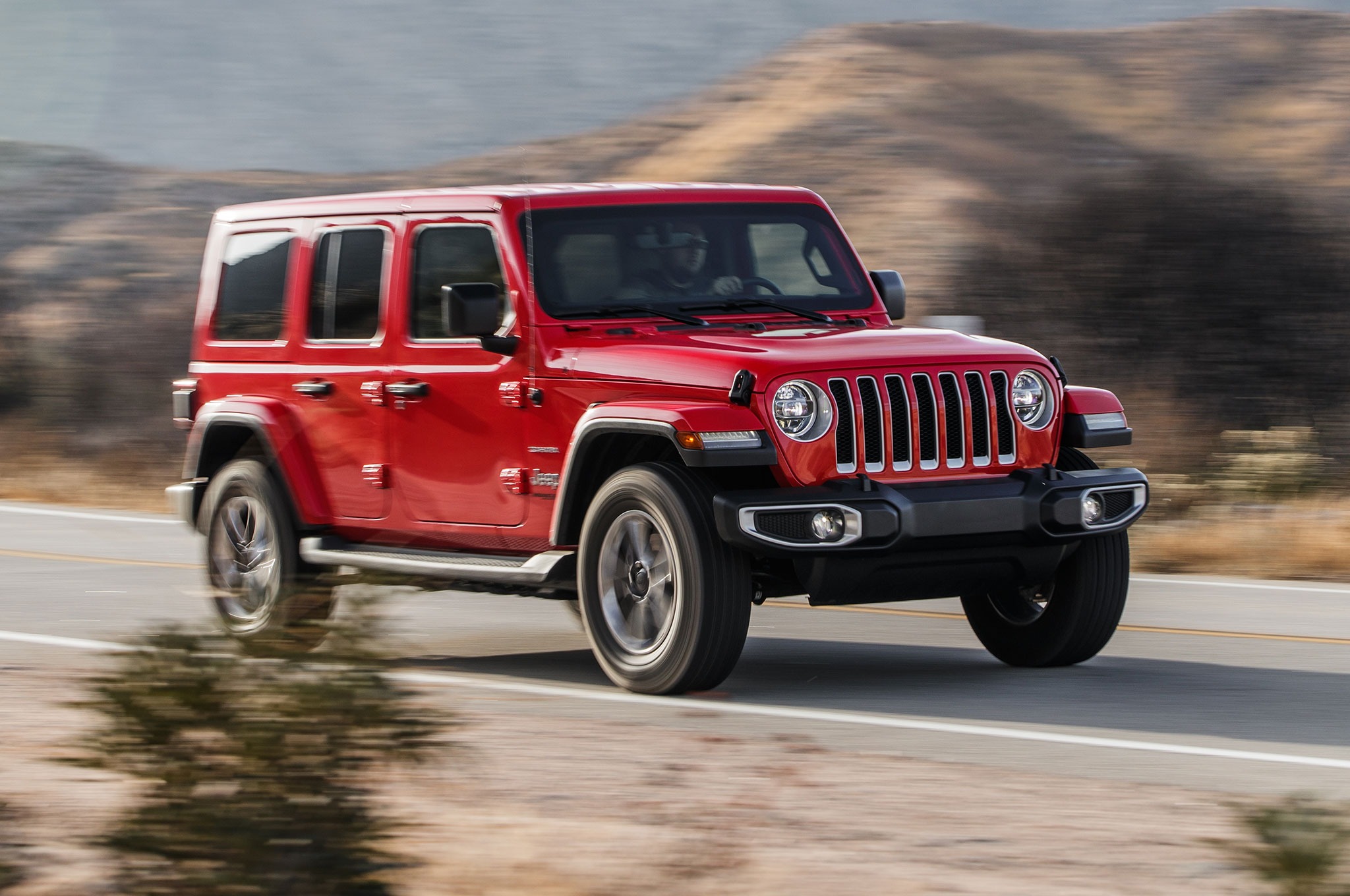
6. 2018 Jeep Wrangler
1,816 NHTSA complaints
The 2018 Jeep Wrangler recorded 1,816 NHTSA complaints, making it one of the more heavily reported vehicles in this group. Its problems included concerns involving the front track bar bracket and steering shaft, both of which are important to vehicle control.
One reported defect involved a front track bar bracket that was poorly welded to the vehicle’s frame. The track bar helps control the movement of the front axle, so its mounting point needs to remain secure.
A weak weld can affect how the suspension assembly performs and may contribute to handling problems.
Another concern involved a steering shaft weld that could split. Because the steering shaft transfers the driver’s input to the steering system, a failure in this area can create a serious control concern.
These are not minor complaints about cabin noise or uncomfortable seats. Steering and suspension components play direct roles in keeping a vehicle stable and responding properly to driver input.
Anyone considering a used 2018 Wrangler should have the steering system, front suspension, frame mounting points, and relevant welds inspected by a qualified mechanic. Previous accident damage and repairs should also be documented.
It is equally important to check the VIN for applicable recalls and confirm whether corrective work was completed.
The Wrangler has a loyal following because of its off-road ability and distinctive design. Still, the 2018 model deserves extra scrutiny, especially when its previous service history is incomplete.
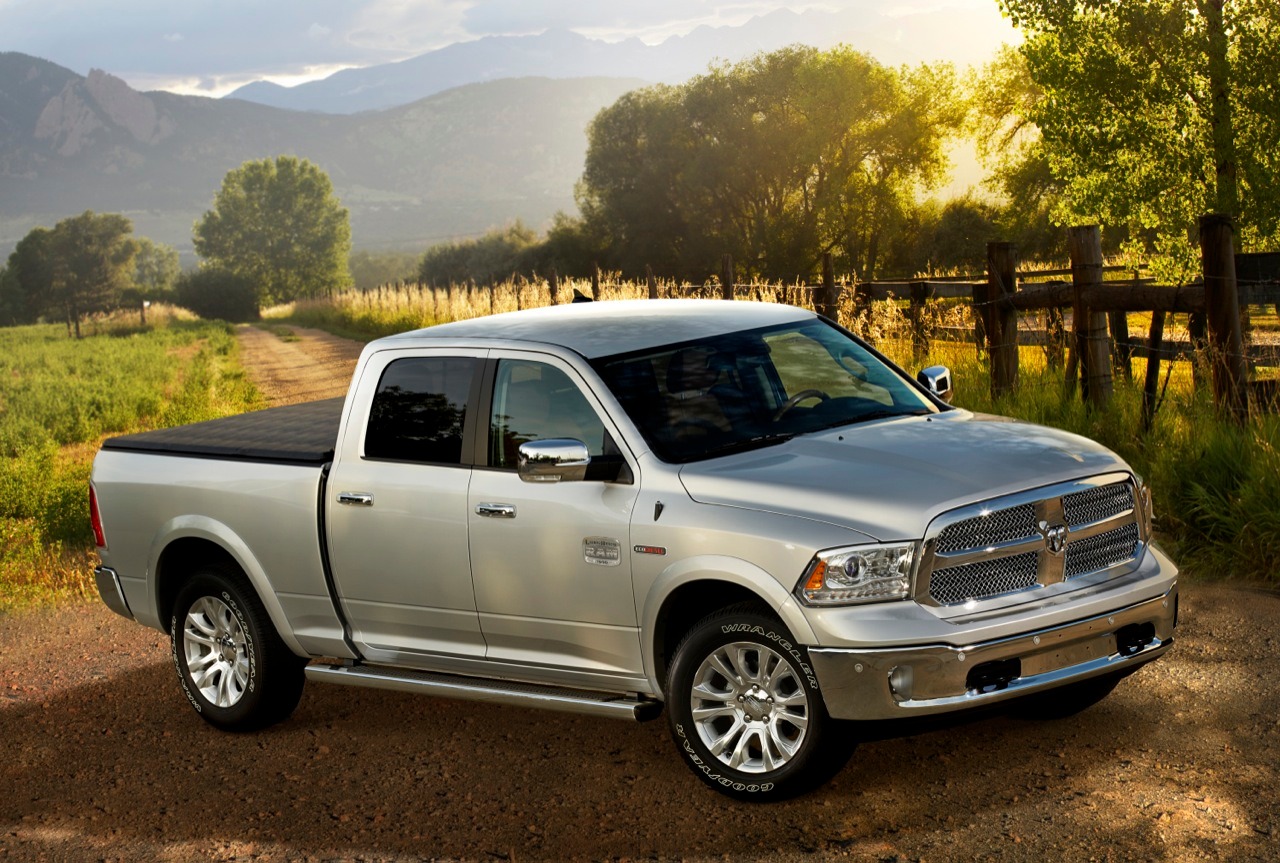
7. 2014 Ram 1500
1,769 NHTSA complaints and 17 recalls
Pickup trucks are expected to handle demanding jobs, carry heavy loads, and provide dependable transportation. That makes the 2014 Ram 1500’s reported steering and transmission concerns particularly frustrating for owners.
The model received 1,769 NHTSA complaints, with steering listed as its leading complaint category. Steering problems can affect the way a truck responds to driver input, making ordinary driving less predictable.
Depending on the underlying fault, an owner may experience unusual steering effort, inconsistent response, or other handling concerns that require professional attention.
The truck also accumulated 17 recalls, including one involving a transmission case that had been machined incorrectly. The manufacturing problem could prevent the parking pawl from engaging properly.
The parking pawl is a mechanical component that helps hold an automatic transmission in Park. If it fails to engage, the vehicle may roll away even when the driver believes it has been secured.
That creates a safety concern for the owner, passengers, pedestrians, and nearby property. Drivers should never assume that selecting Park alone is sufficient when a vehicle has an unresolved parking mechanism defect.
Used 2014 Ram 1500 buyers should request a VIN-based recall check and verify that all applicable repairs have been completed. A professional inspection of the steering and transmission systems is also advisable.
The Ram 1500 can be a useful work truck, but the 2014 version deserves careful attention before anyone commits to ownership.
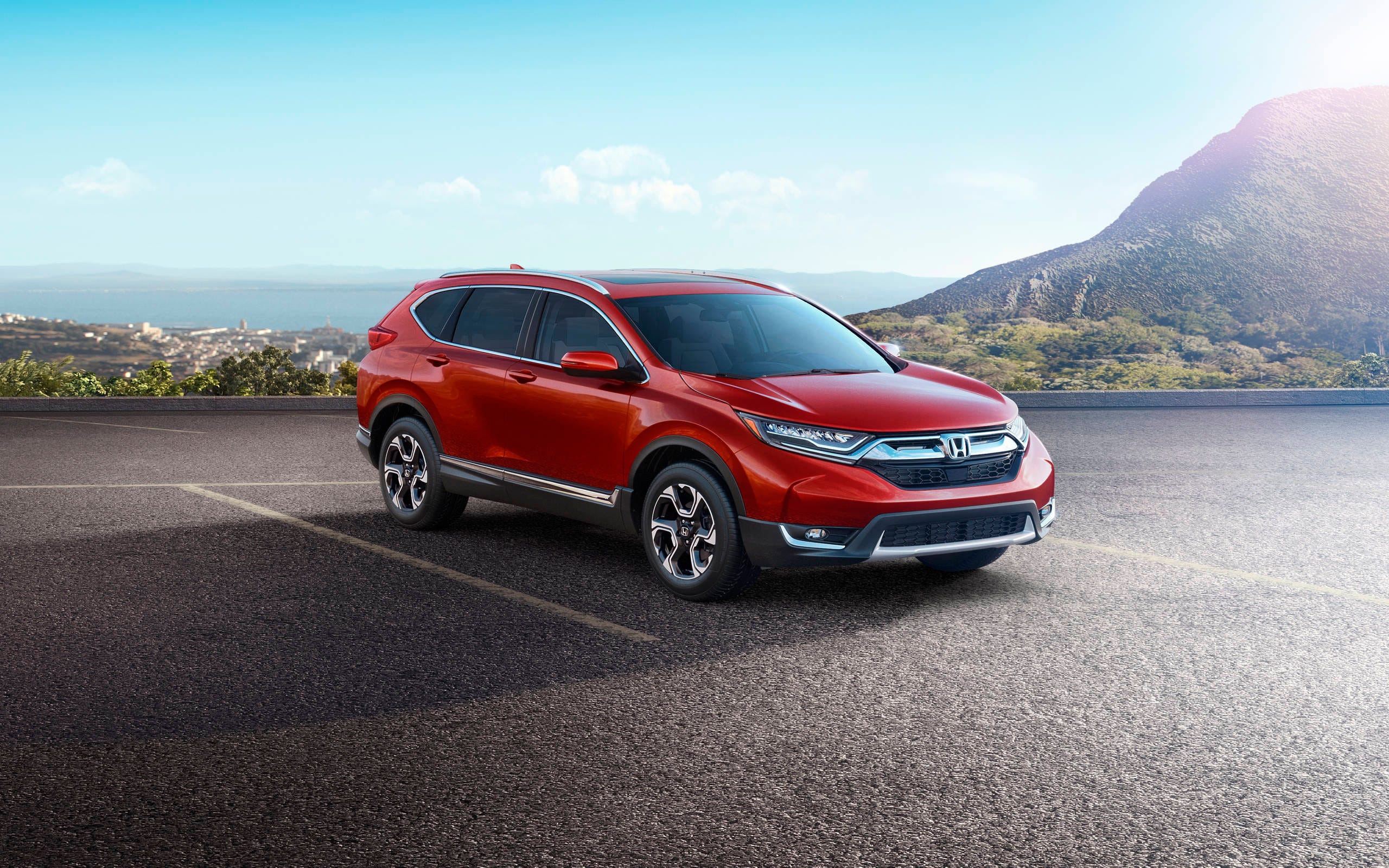
8. 2017 Honda CR-V
1,773 NHTSA complaints
The 2017 Honda CR-V experienced a similar issue to the 2018 Accord, with oil dilution affecting models powered by the 1.5-liter turbocharged engine. The SUV received 1,773 complaints filed with the NHTSA, many of which involved reports of gasoline mixing with the engine oil.
This was the first model year of a new CR-V generation, making the reports particularly frustrating for buyers who expected a fresh design to deliver dependable everyday transportation.
Oil dilution can become a concern when fuel mixes with engine oil instead of being burned during normal operation. Frequent short journeys and cold-weather driving can contribute because the engine may not remain warm long enough to evaporate excess fuel from the oil.
Some owners reported a gasoline smell from the dipstick or engine oil, raising questions about whether the lubricant was providing adequate protection.
The problem deserves attention because engine oil performs several important jobs, including lubricating internal components, reducing friction, and carrying away heat. Contamination can interfere with these functions.
Anyone considering a used 2017 CR-V should ask about previous oil changes, dealership visits, software updates, and complaints involving fuel dilution. A qualified technician can also inspect the vehicle and assess whether the engine oil shows signs of contamination.
It is worth remembering that not every 2017 CR-V necessarily experienced this condition. Engine configuration, driving habits, maintenance, and individual vehicle history all matter.
The CR-V remains a practical compact SUV, but checking the 1.5-liter turbo model’s maintenance records is a sensible step before purchase.
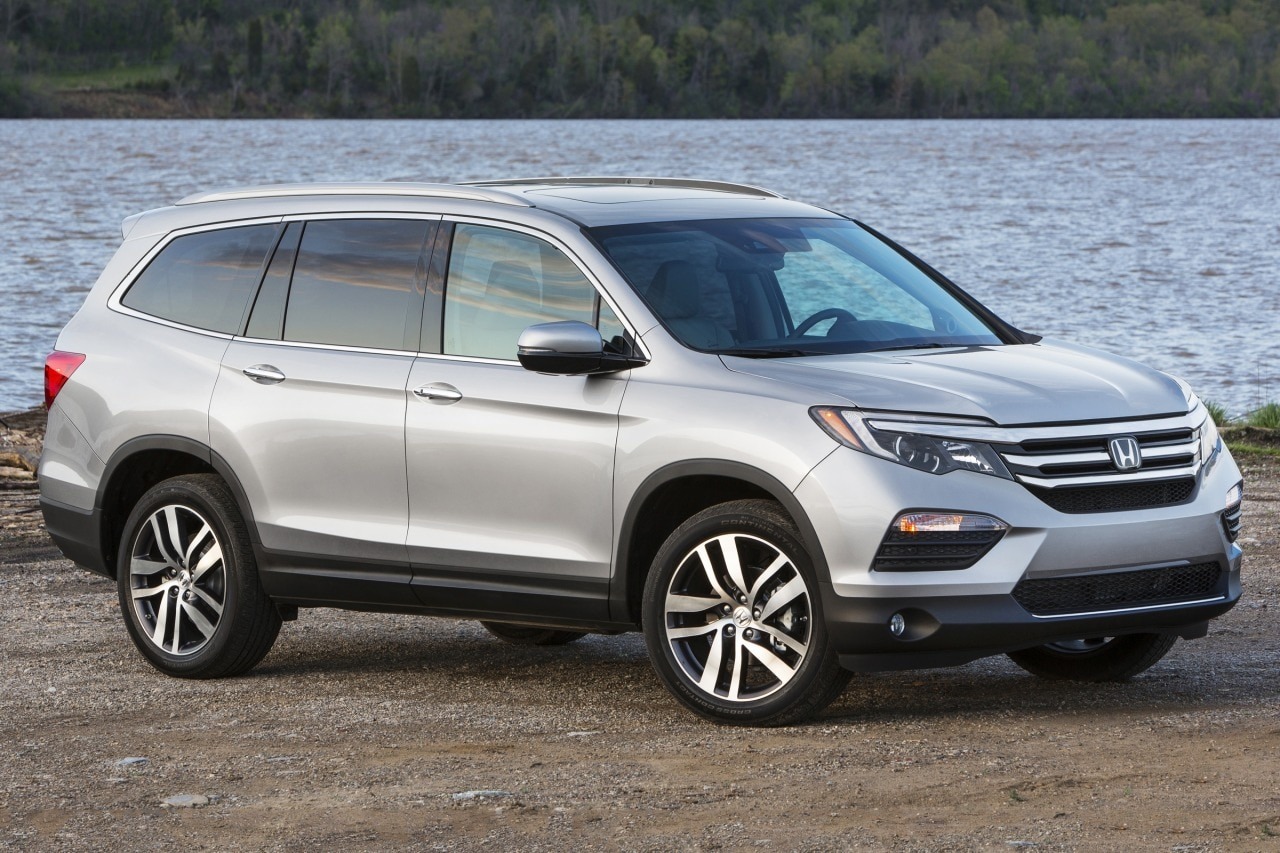
9. 2016 Honda Pilot
1,719 NHTSA complaints
The 2016 Honda Pilot recorded 1,719 NHTSA complaints, with two major areas of concern involving torque converter judder and fuel injector failures.
It is also the one vehicle in this group for which the two major complaint databases identified the same worst model year without disagreement.
A torque converter transfers engine power to an automatic transmission. When it develops problems, drivers may experience vibration or shuddering during acceleration or at certain speeds. This can make an otherwise comfortable family SUV feel unpleasant to drive.
Fuel injector problems create a different set of concerns. Injectors deliver fuel into the engine in carefully controlled amounts, and faults can interfere with proper combustion.
Depending on the severity, drivers may notice rough idling, reduced power, poor fuel economy, or engine warning lights.
Having both issues associated with the same model year gives used-car shoppers good reason to pay attention to the vehicle’s service history.
During a test drive, watch for unusual vibration, hesitation, rough running, or warning lights. A mechanic should also check the transmission’s operation and examine the fuel delivery system when there are signs of trouble.
Ask the seller whether the torque converter or injectors have previously been repaired or replaced. Supporting invoices are more useful than verbal assurances because they establish what work was actually performed.
The Pilot offers the space and seating capacity many families want, but a used 2016 example should receive a thorough inspection before purchase.
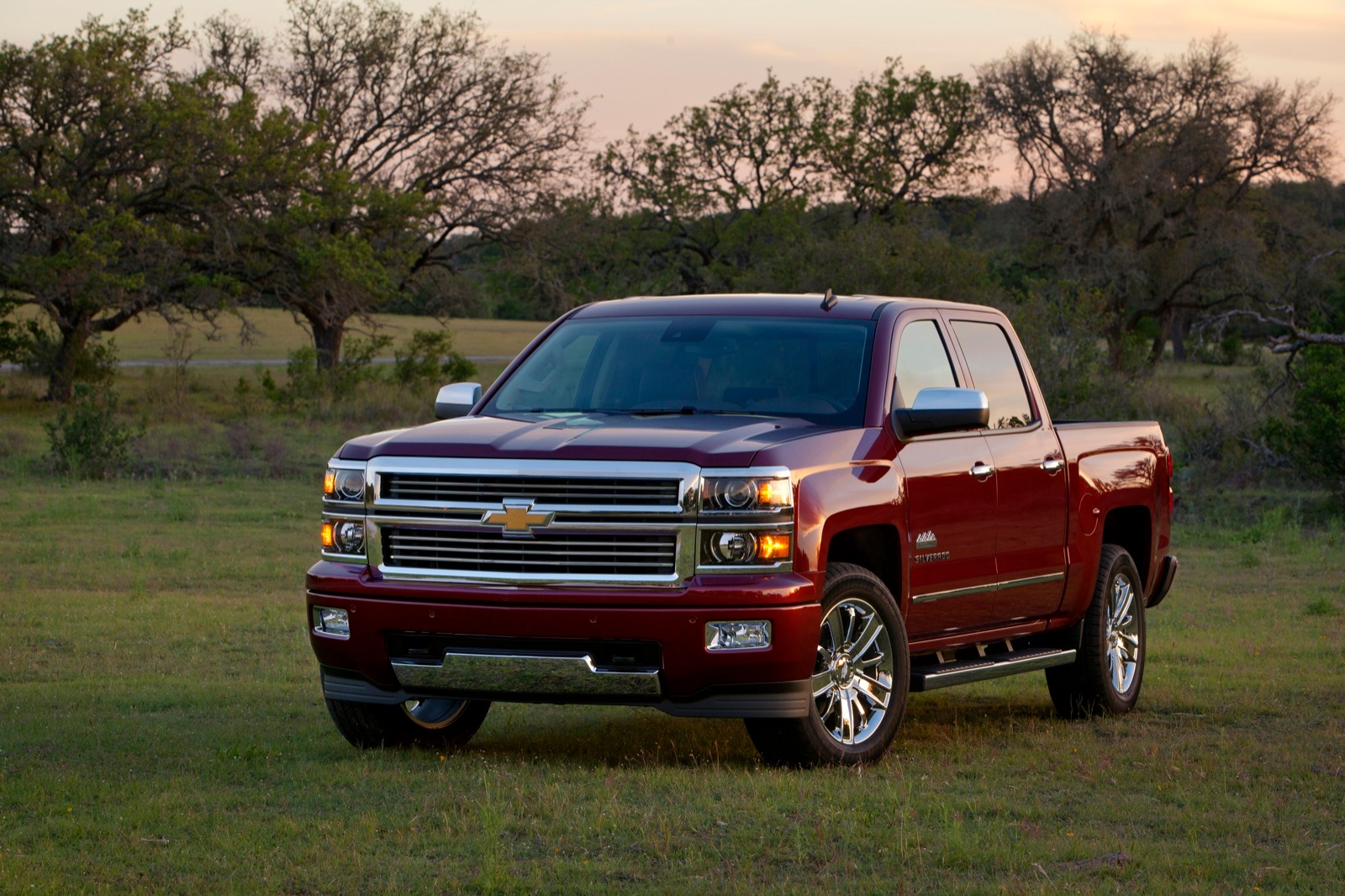
10. 2014 Chevrolet Silverado
1,558 NHTSA complaints
Last on the list is a pickup with a very specific headache. The 2014 Chevrolet Silverado logged 1,558 complaints, and the air conditioning condenser tops the problem list.
Owners report replacing it at around 67,000 miles, with a bill near $900. It’s the single most-reported Silverado problem on record, which makes it predictable rather than mysterious. That’s actually helpful for buyers.
A known issue with a known price is easier to plan around than a random failure. Before you purchase, run the air conditioning at full blast and watch for weak cooling or odd noises from the front of the truck.
Ask whether the condenser has already been replaced, because that removes the biggest expected expense. And please keep two caveats in mind while reading any list like this.
Raw complaint counts aren’t adjusted for sales volume, and a 2013 car has had thirteen years to gather complaints, so only compare years of similar age. Counts are also a November 3 snapshot that rises as new filings arrive.
The 10 vehicles listed here show why checking a car’s model year matters just as much as researching its make and model. A vehicle can have a strong reputation while a particular production year carries engine, transmission, steering, or safety concerns that deserve closer attention.
There are two important limitations to keep in mind when interpreting these figures. First, raw NHTSA complaint totals are not adjusted for the number of vehicles sold.
A popular model with a large number of vehicles on the road may naturally attract more complaints than a less common vehicle. Second, older vehicles have had more time to accumulate reports. A 2013 model has had considerably longer to collect complaints than a newer vehicle.