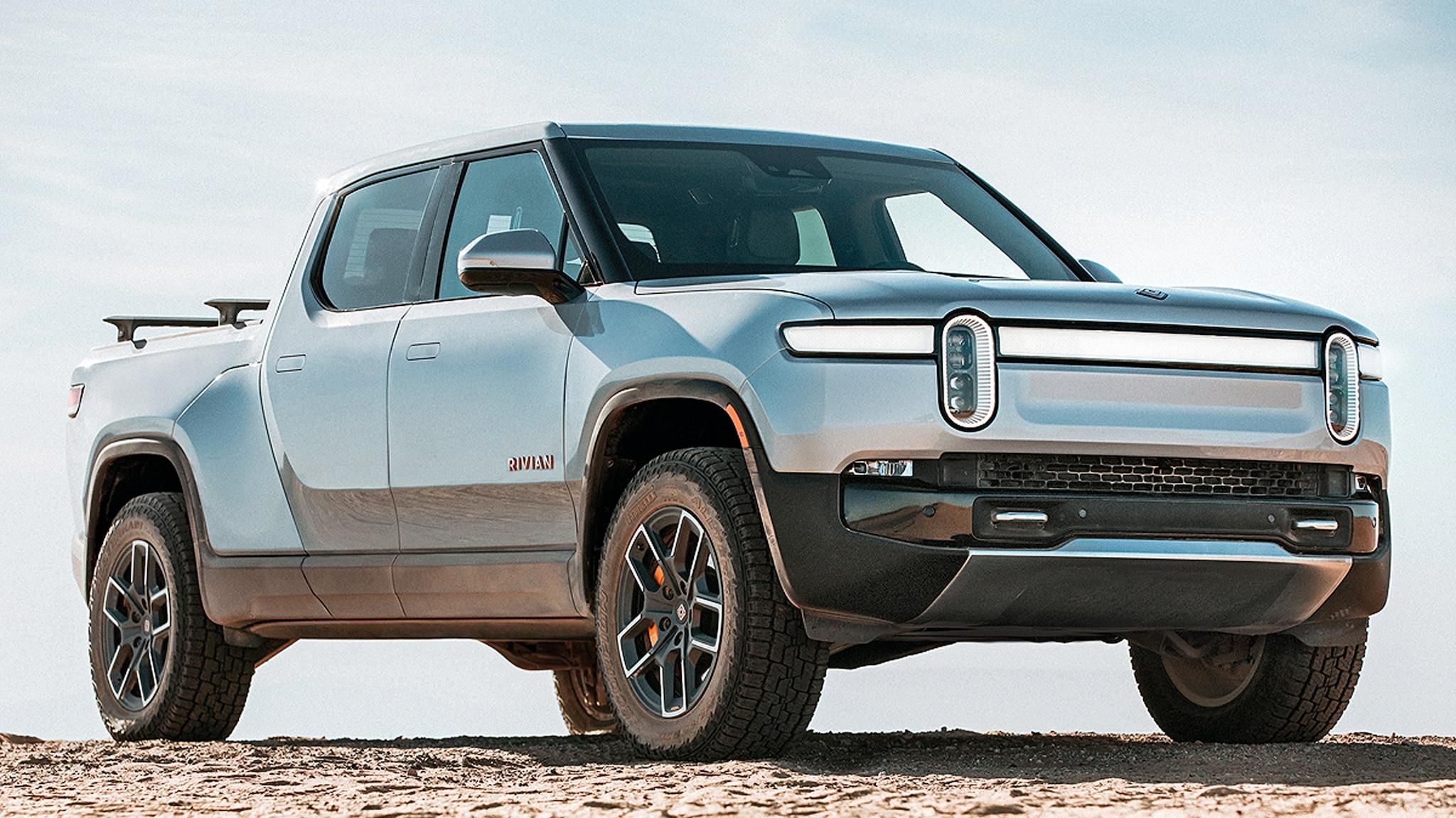
The Rivian R1T is one of the most exciting trucks on sale today. It is fast, quiet, and very capable off-road. Many people call it the best electric pickup ever built.
Then the 2026 reliability data arrived. Consumer Reports called the R1T the least reliable EV in its survey. That news shocked many fans. Yet the story is not simple. The same owners who report problems also rate the truck very highly. This gap between love and trust is the real headline.
This article explains what the data says. It also shows how the score is built and what it means. We will keep the facts clear and balanced. First, we look at what Consumer Reports found. Next, we study why the R1T struggles.
Finally, we ask what buyers and Rivian should do now. A reliability score is not a verdict on one truck. It is a prediction based on many owners. Knowing that helps you read the number fairly.
What Consumer Reports Actually Found
Consumer Reports released its 2026 brand report card in early December 2025. It covers reliability, owner satisfaction, road tests and safety. The R1T appeared near the bottom of the reliability list.
The group surveyed owners of about 380,000 vehicles. These cars span model years 2000 to 2025, plus early 2026 models. That is a very large sample.
The survey asks about roughly twenty trouble spots. These include the battery, charging, body hardware and electronics. Owners report only problems that bothered them.
Consumer Reports then predicts reliability for the new model year. It needs data from at least two recent model years. For the 2026 R1T, it leaned on 2023 to 2025 data.
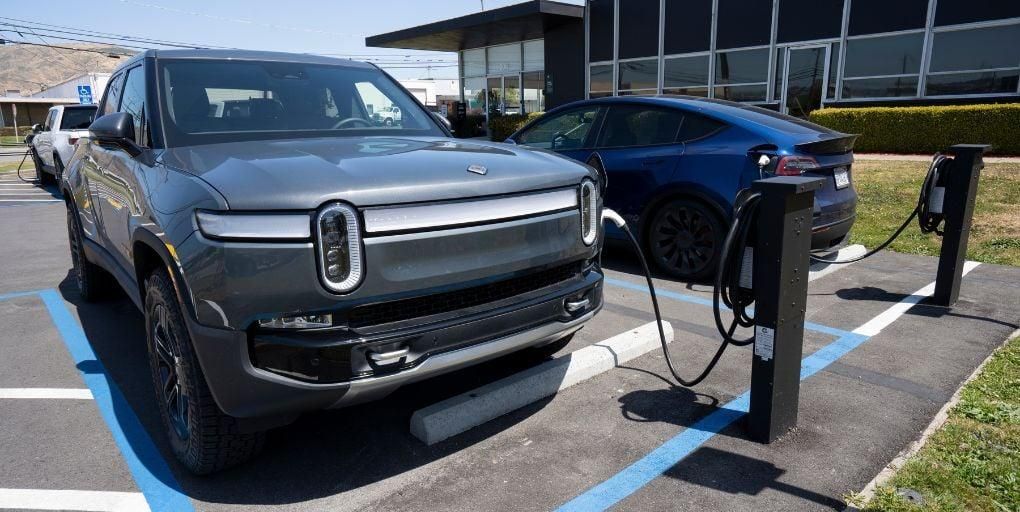
The R1T scored 18 out of 100 in this prediction. A few outlets report 20, which looks like a rounding or source gap. Most reports match the 18 figure.
That score makes the R1T the second-lowest vehicle on the list. Only the GMC Acadia, at 14, sits below it. The Chevrolet Blazer EV follows at 19.
Among EVs, the R1T ranks last in the press release. Consumer Reports also named the Tesla Model Y the most reliable EV. That contrast made headlines.
Consumer Reports expects the R1T to be much less reliable than average. That is strong language from a careful group. It signals a pattern, not a rare bad luck story.
Rivian as a brand also ranked last for new-car reliability. Its brand score was reported at 24. Ram, Jeep and GMC sat just above it. The R1S, Rivian’s SUV, also scored below average. Its prediction was a little less severe than the R1T’s. Both vehicles share much of the same technology.
Rivian ranked first for owner satisfaction. That surprised many readers. It shows that owners enjoy the vehicle despite the faults. Consumer Reports linked this gap to early adopters. These buyers accept flaws for new technology. They also tend to love a brand they chose early.
Rivian responded with pride in its satisfaction ranking. The company also cited a 71 percent year-over-year improvement in its reliability score. That claim suggests the trend may be turning upward.
The word “tested” needs care. Consumer Reports did crash and road testing elsewhere. The reliability number itself is survey-based. Other EV trucks fared better in earlier reviews. The Ford F-150 Lightning and Chevrolet Silverado EV scored higher. Even the Tesla Cybertruck ranked ahead of the R1T in one comparison.
The bigger picture is also tough for EVs. Seven of the ten least reliable vehicles were EVs or plug-in hybrids. Hybrids, meanwhile, scored best of all powertrains.
Still, more than a dozen EVs earned average or better scores. Tesla, Ford, Toyota, Lexus, Subaru and Hyundai models were among them. So the problem is not all EVs.
Why the R1T Struggles on Reliability
Owners report a wide range of problems on the R1T. These touch many parts of the truck. No single fault explains the low score. Reported areas include the EV battery and electric motors. Climate systems also appear on the list. Steering, suspension and power accessories show up too.
Body issues matter as well. Owners mention door handles and tailgate latches. Water and wind leaks and loose trim pieces also appear. Some reports describe front motor failures without warning. Others describe water entering the cabin. These accounts come from individual owners and vary in weight.
Recalls add to the picture. Reports cite recalls for faulty headlights and turn signals. One analysis says each model year had at least six federal recalls.
Recalls do not always mean the truck is unreliable. Many are fixed with simple updates. Still, a long list signals a young product. Rivian is a startup that built a complex truck from scratch. It had to design hardware, software and factories at once. That is a huge task for any new company.
The R1T began deliveries in 2021. That made it the first mass-produced electric pickup in the United States. Being first often means finding problems in public.
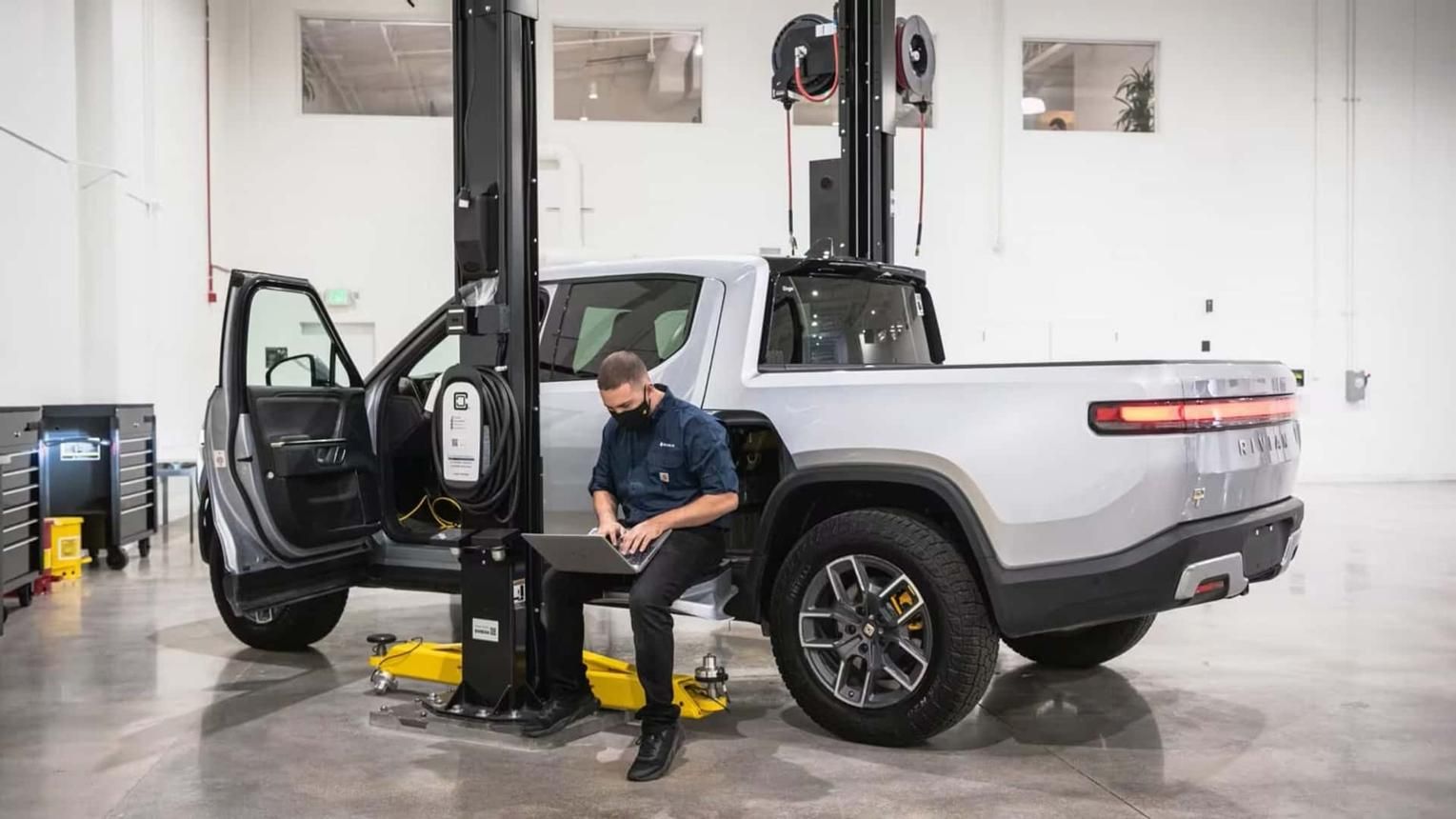
Software plays a large role in the R1T. The truck depends on screens, updates and connected systems. A bug can affect climate or navigation. Some owners describe updates that left displays unresponsive. These stories come mainly from owner reports and secondary articles. They should be read as patterns, not guarantees.
Consumer Reports also notes that tech-heavy interiors create compromises. A truck full of screens has more points of failure. That is true across the whole EV industry.
Complex drivetrains raise the risk too. The R1T offers several motor setups and advanced air suspension. More parts mean more things that can go wrong.
Early production years usually carry more faults. Automakers learn from owners and fix issues over time. Consumer Reports says new technology often struggles, then improves.
Mature brands have a built-in advantage. Toyota and Lexus top the lists with careful, slow redesigns. They improve a proven product step by step.
Rivian is moving fast instead. It has added new versions and features quickly. That speed delights fans but can hurt quality. Service access also shapes owner experience. Reports mention repeat repairs on the same parts. A young company has fewer service centers.
Consumer Reports counts any problem owners report. A glitchy screen counts like a failed part. This makes tech-rich cars look worse in the survey.
That does not make the score unfair. Owners really do experience those annoyances. It just means the score measures hassle, not only breakdowns.
Tesla shows that improvement is possible. It was once a reliability laggard. Consumer Reports now calls it the most improved automaker. Rivian may follow that path. Its own statement points to progress. The next survey will show whether that holds.
What This Means for Buyers and Rivian
For buyers, the score is a warning, not a ban. The R1T is likely to need more attention than average. You should plan for that before you sign. Start with the warranty. Read what it covers and for how long. A strong warranty reduces the financial risk.
Next, check the service network near you. Ask how long repairs usually take. Wait times can matter more than the repair itself. Consider the model year as well. Later builds may fix earlier faults. Check recall history before you buy any used R1T.
Used buyers should be extra careful. Early trucks carried more known problems. A full service record can help you judge the risk. Get a pre-purchase inspection if you buy used. Ask for software update history too. Look for repeated repairs on the same part.
Think about how you will use the truck. A weekend adventurer may tolerate downtime. A work user who needs daily uptime may not. Owners often love the R1T despite its faults. Consumer Reports ranked Rivian first for owner satisfaction. That tells you the driving experience is special.
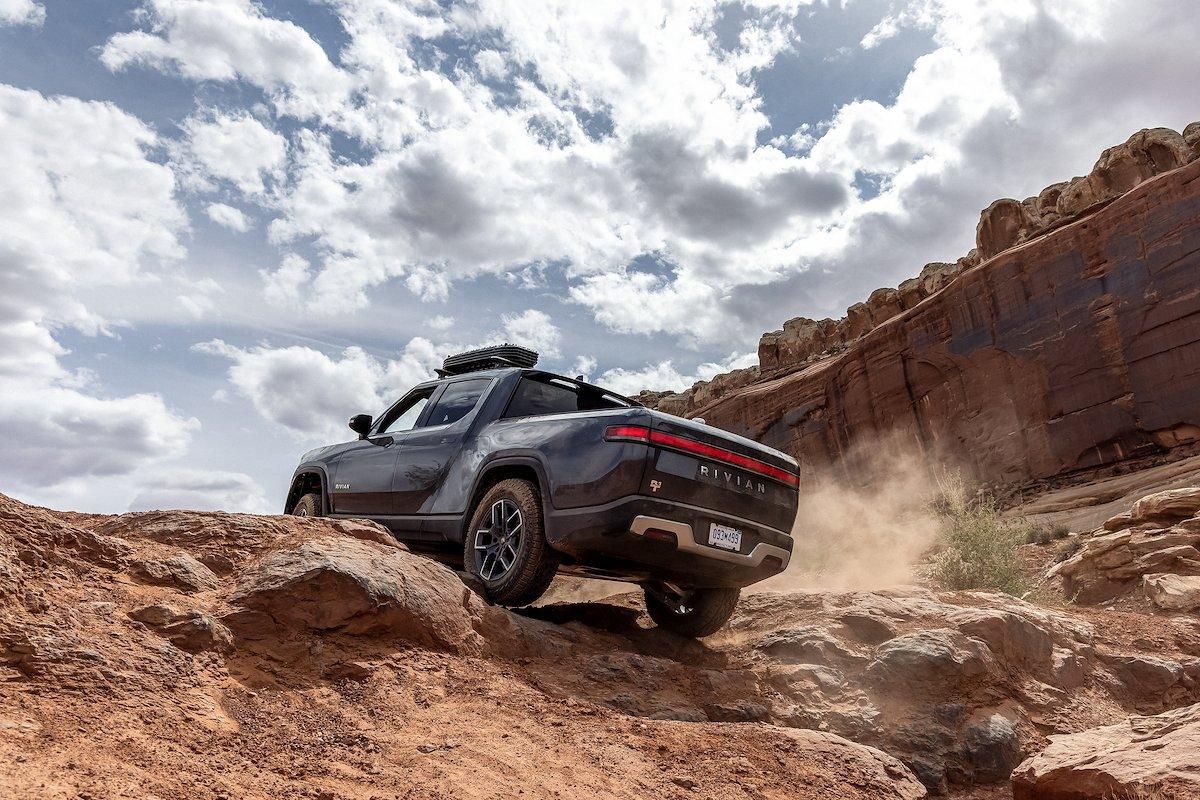
So the choice depends on your tolerance for hassle. If you value performance and design, the trade may feel fair. If you value zero trouble, other trucks may suit you better.
Alternatives exist in the electric truck space. The Ford F-150 Lightning scored better, though it has been discontinued. The Silverado EV also ranked ahead in earlier data.
Gas trucks are not perfect either. One reported listing placed the Ram 1500 extremely low in some rankings. That detail comes from a less reliable source, so treat it with caution.
For Rivian, the message is clear. The brand must turn great driving into steady dependability. Satisfaction can fade if repairs pile up. The company says it is improving. A 71 percent gain in its own reliability score is notable. Yet it started from a very low base.
Fixing quality is slow work. Rivian needs better parts, tighter factories and faster service. Each fix builds trust one owner at a time. Software updates can help here. Many faults can be solved over the air. That gives Rivian a tool older automakers lack.
New models may also help. Later builds benefit from lessons learned. Consumer Reports said it had little data on the newest quad-motor truck. Media coverage can also mislead. Headlines often call the R1T the least reliable vehicle ever. The data does not say that.
Always check the exact claim. The R1T is the least reliable EV in this report. It is not the lowest-scoring vehicle. Remember the limits of surveys. Owners self-report problems, and sample sizes differ by model. Small groups can swing a score.
Predictions also use older data. The 2026 score leans on earlier model years. A truck improved in 2026 may still carry an old penalty. Still, the trend is hard to ignore. The R1T has stayed in the low range for years. One report says it never left the teens in its reliability score.
In the end, the R1T is a paradox. It earns top owner love and bottom reliability marks. Both facts are true at the same time. Smart buyers will respect both. Enjoy the innovation, but protect yourself with warranty and service checks. Informed choices beat headlines every time.