Used-car shoppers love a bargain. A five-year-old car looks like the perfect deal. The price has dropped, yet the car still feels modern. Here is the catch. Reliability is not equal across brands. Consumer Reports asks its members every year about problems in the past twelve months.
The latest used-car ranking covers 26 brands and looks at 5- to 10-year-old models, based on a survey sample of more than 140,000 vehicles, with 20 problem areas weighed by severity. Each brand gets a score out of 100. A higher number means fewer owner-reported problems.
One more fact check matters here. Many of these brands do better when new. Consumer Reports says older cars often come from earlier generations with different parts.
So the low scores describe older cars, not today’s showroom models. That is why checking each model year matters. A brand average hides a lot. This list covers the bottom twelve, from Mini at 46 to Tesla at 31. I count down from the mildest case to the weakest. The scores are the latest figures I could verify.
12. Mini — Score 46
Mini scored 46 out of 100, tied with Lincoln and Volkswagen. It sits at the top of this bottom-twelve group. That makes it the least worrying name here.
Mini has a small model range. In an earlier edition of the ranking, only the Cooper had enough data. That means a few cars shape the whole score.
Older Coolers are where the weakness shows. Cars from before about 2019 scored lower than newer ones. Later cars looked like safer bets in that earlier edition.
Mini shares engineering with BMW. Repair shops often mention oil leaks and cooling-system parts on these small turbo engines. Those repairs can be costly on a cheap car.
Think about the car’s age, not just the badge. A low-mileage newer Mini can be a fine purchase. An older one needs a careful pre-purchase inspection. Ask for service records. Look for oil seepage and coolant loss. Walk away if the history is thin.
11. Cadillac — Score 45
Cadillac scored 45, just below the 46-point cluster. It is America’s main luxury brand. Yet its used cars rank below several mainstream names. Luxury brings complexity. More screens, sensors and air suspension mean more things to fail. Failures often appear after the warranty ends.
Many older Cadillacs used the CUE touchscreen system. Owners widely complained about slow response and screen faults. Those complaints hurt owner satisfaction as much as mechanical ones.
Owner-reported problems in the survey include in-car electronics. Those count among the 20 trouble areas. A dead screen counts, even if the car still drives.
Cadillac has changed its lineup a lot. Models from 2016 to 2021 include sedans and SUVs with very different parts. That is why model-level checking matters.
Used prices can be tempting. A big Cadillac often costs far less than a German rival. But repair bills may erase the savings. Budget for electronics repairs. Test every button and screen on the drive. Get a brand-specialist inspection.
10. Hyundai — Score 43
Hyundai scored 43, the best of the Korean brands in this table. It still falls well below Japanese rivals. Honda scored 57 and Toyota 73. The biggest cloud over older Hyundais is engine trouble.
A large group of 2011 to 2019 engines drew recalls and extended warranties. Many involved bearing wear and stalling risk. Not every Hyundai is affected. But owners of affected models often faced long waits for repairs.
Some had engines replaced. Hyundai’s warranty has long been a selling point. Yet a warranty does not erase the hassle of a breakdown. It also may not transfer in full to a second owner.
That last point matters for used buyers. Warranty terms often shrink for later owners. Always check what still applies. Recent Hyundais have improved.
Newer cars sit in a different place than the 2016 to 2021 group. The used-car score reflects the past. Search by the exact model and year. Confirm that recall work was done. Ask for proof, not a promise.
9. Chevrolet — Score 40
Chevrolet scored 40 out of 100. It is the highest-scoring Detroit mainstream brand here. Yet it sits well below the middle of the table. The Chevrolet pattern is inconsistency. Consumer Reports notes that, of the latest-generation Equinox years, only 2019 and 2022 to 2024 earn above-average reliability. The remaining years score lower.
The Silverado shows the same story. The whole 2014 to 2018 generation was below average in all four years. That is a large problem for a best-selling truck.
Chevrolet also sells many different vehicles. Small cars, SUVs, trucks and electric models all share the badge. Each has its own record. The Bolt shows how one issue can affect a brand. Battery fire recalls hit 2017 to 2022 models. GM later replaced many packs.
The lesson is clear. Chevrolet has both good and weak model years. A single brand score does not tell you which is which. Look up your exact model year. Compare its rating against its neighbors. Pay for an inspection.
8. Ford — Score 39
Ford scored 39, tied with Dodge and Kia. Ford is a giant brand. Yet its used cars rank in the bottom third. Ford’s lineup changed sharply. It now sells just one car, the Mustang, as Consumer Reports notes. The rest of the range is SUVs and trucks.
That shift matters for older cars. Models from 2016 to 2021 still include Fusion, Focus and Fiesta. Several of those small cars had trouble. The dual-clutch automatic in the Focus and Fiesta is a famous example. Owners complained about shuddering and failures. Ford faced lawsuits over it.
Ford also tends to top recall counts. A high recall count does not always mean poor reliability. But it suggests many parts needing fixes. Newer Ford trucks and SUVs can be strong.
Still, some engines and gearboxes have mixed reputations. Details vary a lot by model. Check open recalls using the VIN. Avoid the dual-clutch small cars unless the price is very low. Verify transmission service history.
7. Dodge — Score 39
Dodge scored 39, level with Ford and Kia. It is part of the Stellantis group. Several of its siblings sit lower still. Dodge has a very small used-car footprint. In an earlier edition, the ranking relied on the Durango and the Grand Caravan. Those two vehicles carried the whole score.
Owners of both reported transmission trouble. Torque converter problems, oil leaks and brake issues showed up. These are expensive repairs. The Grand Caravan was a family favorite for years. It is cheap to buy used. That low price hides real repair risk.
Dodge also sells muscle cars like the Charger and Challenger. Those are known for performance, not for low running costs. Reliability depends heavily on use and care.
Because of the thin model list, a single bad model can drag the brand down. A good Durango could still exist. You just need proof. Demand full service records. Ask about transmission fluid changes. Test-drive for hesitation and harsh shifts.
6. Kia — Score 39
Kia also scored 39. That is below sister brand Hyundai at 43. The two share many engines, so the gap is small. Kia’s used-car data covers many models. They include the Forte, Niro, Optima, Sedona, Sorento, Soul and Sportage. That is a broad mix of cars and SUVs.
Like Hyundai, Kia had engine recalls on 2011 to 2019 models. These involved failures and fire risk in some engines. Extended warranties followed. Kia has also had other issues. Some older cars are easy to steal, which is not a reliability problem. But it adds to ownership stress.
Kia styling and features made it popular with buyers. Strong value kept it selling. Yet owner-reported problems pull its older cars down. Newer Kias are more competitive.
Do not judge a 2024 model by a 2017 score. But do judge a 2017 model by it. Check engine recall status carefully. Ask if replacement work was done. Keep every receipt after you buy.
5. GMC — Score 37
GMC scored 37 out of 100. It is a premium sibling to Chevrolet. Yet it scores lower than Chevrolet’s 40. That makes GMC the weakest General Motors brand in this table. Shared parts likely explain much of the result. Trucks and SUVs dominate the lineup.
Models include the Sierra, Yukon, Acadia and Terrain. Many share engines and transmissions with Chevrolet. A weak part in one brand shows up in both.
One widely discussed issue is cylinder deactivation in GM V8 engines. Owners have reported lifter failures. Lawsuits followed. Not every truck has the problem. But it is a risk worth checking. Repairs can cost thousands.
GMC trucks hold value well. That keeps used prices high. High prices make reliability problems hurt more. Compare a GMC with its Chevrolet twin. Often the Chevy costs less for the same parts. You may not gain much from the premium badge. Ask about oil consumption and lifter noise. Listen for ticking at idle. Walk away from any rough running.
4. Chrysler — Score 36
Chrysler scored 36 out of 100. That was the worst in the first ranking edition. It has since been passed by three brands. Chrysler’s range is small. The Pacifica minivan is the star. Older sedans like the 200 and 300 also feature.
The Pacifica plug-in hybrid drew complaints in an earlier edition. Owners cited battery and transmission problems. Some versions also had recalls over fire risk.
The brand’s reliability record has been weak for years. Stellantis and its predecessors have struggled with it. Consumer Reports often places its brands low.
Minivans take a lot of use. School runs and road trips add miles quickly. Wear shows up fast. A used Pacifica can be cheap. That price reflects its risk. Hybrid versions add extra cost if the battery fails.
Chrysler is not hopeless. Some model years score better than others. Look at the car, not the logo. Check recall completion on any hybrid. Ask about battery health reports. Get a long road test.
3. Ram — Score 35
Ram scored 35, ranking 24th of 26 brands. Consumer Reports says it stays among the bottom three year after year. That is a long streak. Ram sells trucks, so its score reflects a few big models. The 1500 matters most. Earlier data pointed to the 2014 Ram 1500.
Owners reported transmission, drive-system and brake problems. These are costly areas. They are also hard to fix cheaply. The diesel version drew its own trouble. Emissions-system problems led to recalls and legal action. That affected some 2014 to 2019 trucks.
Trucks work hard. Towing and hauling stress the drivetrain. Weak parts fail sooner under load. Ram’s coil-spring rear suspension rides well. Many owners love the interior. Comfort keeps buyers coming back.
That said, comfort does not fix a failed gearbox. Used trucks hold high prices. Repair costs add to that. Skip any truck with heavy towing history unless records are clean. Check the transmission carefully. Scan for stored fault codes.
2. Jeep — Score 32
Jeep scored 32, just above Tesla. Consumer Reports ranks it 25th. Jeep also sits in the bottom three nearly every year. Earlier data pointed to transmission, climate-control and steering problems. Those cover a range of costly systems. Together they hurt Jeep’s score.
The nine-speed automatic in the 2014 to 2018 Cherokee was a famous trouble spot. Owners complained about rough shifting. Software fixes helped only some cars.
The Wrangler has its own reputation. Some owners report a steering shake known as death wobble. Off-road use makes wear worse. Jeep owners are fiercely loyal. The brand sells adventure, not appliance-like reliability. Many accept repairs as part of the fun.
Yet used buyers should not assume that. Repairs pile up quickly. A cheap Jeep can turn expensive. Resale values stay strong for Wranglers. That helps if you sell later. It does not stop breakdowns. Avoid heavily modified Jeeps. Check the transmission behavior at low speeds. Ask for service proof.
1. Tesla — Score 31
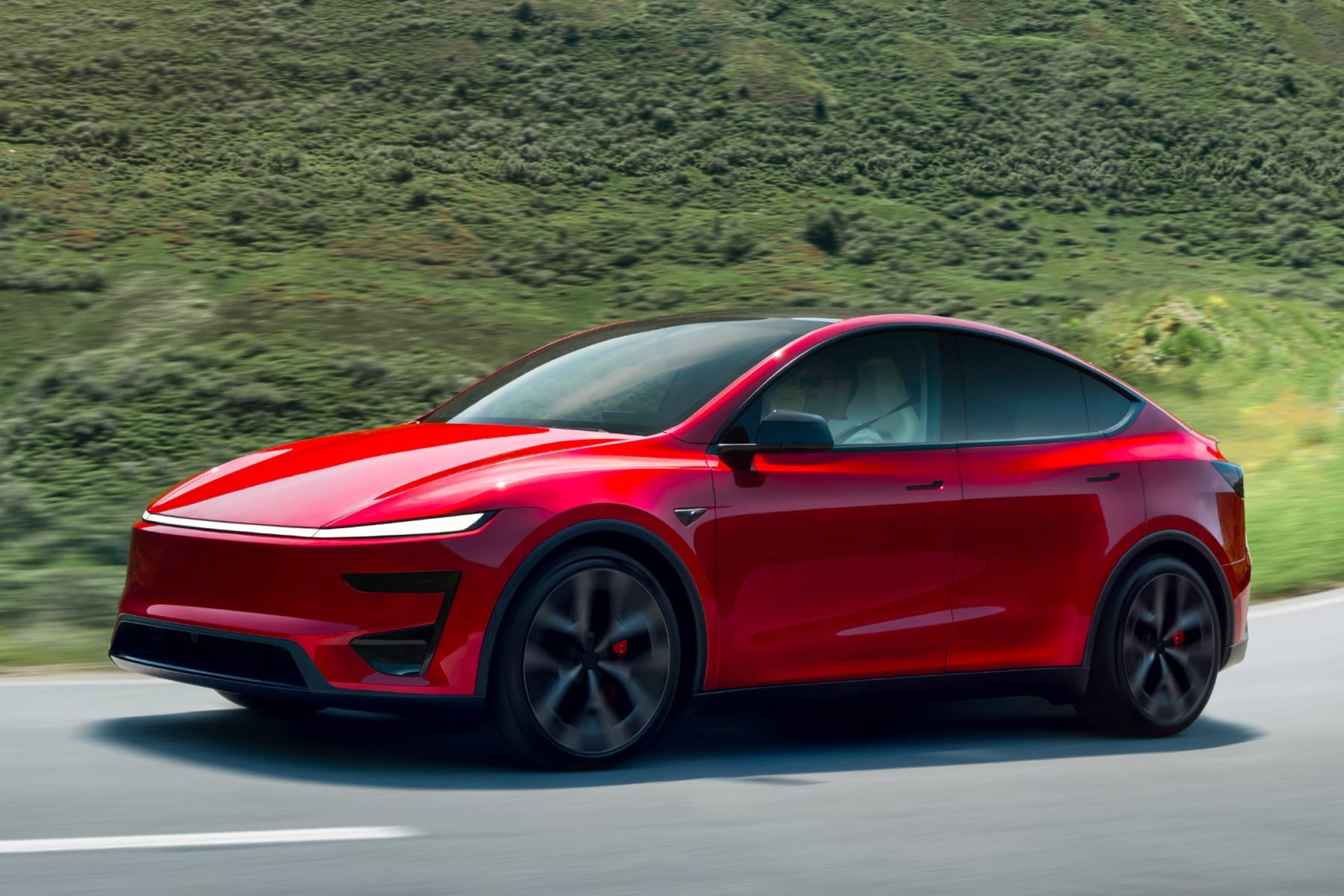
Tesla scored 31, the lowest of all 26 brands. That surprises many people. Tesla is famous for technology and performance. The reason lies in timing. Consumer Reports says Tesla had many issues as it launched new models and ramped up production. Cars were sometimes finished in a factory parking lot.
Older cars show those problems. Reported faults include door handles, suspension parts, body fit and touchscreen failures. Early Model S and X touchscreens had memory trouble.

Tesla’s story has since changed. Consumer Reports says the latest models show better-than-average reliability, placing the brand in its top ten for new-car predicted reliability. That is a big turnaround.
So Tesla is a special case. Its used score reflects the past. Its new-car score reflects the present. Used Teslas have dropped in price sharply. That makes them tempting.
But out-of-warranty repairs can be costly. Check battery health and any remaining warranty. Inspect the suspension and door handles. Prefer newer model years over older ones.