Every year, Consumer Reports asks its members one blunt question. Would you buy the same car again? That single answer becomes the owner satisfaction score. It blends price, performance, reliability, comfort and enjoyment into one verdict. A high score means the car kept its promise. A low score means it did not.
The latest list names ten models with the weakest scores. I took the bottom nine for this piece. The Volkswagen ID.4 sits tenth at 45 percent, so it falls just outside the cut.
The list is not only about unreliable cars. A car can run well and still disappoint. The reason is usually a promise the showroom made and the driveway broke.
Plug-in hybrids dominate the bottom. Four of the nine are plug-ins, and they hold the two worst spots. Two electric SUVs, a luxury crossover, a big Cadillac and a humble Toyota fill the rest.
Each score below is the share of owners who would buy the model again. Prices and mileage figures come from the same published data. Treat them as a guide, not a verdict. Your own needs matter more than any average. Read on to see what sits behind each number.
| Rank | Model | Would buy again |
|---|---|---|
| 9 | Cadillac Escalade | 43% |
| 8 | Chrysler Pacifica Hybrid | 43% |
| 7 | Mazda CX-70 Plug-in Hybrid | 42% |
| 6 | Toyota Corolla Cross | 40% |
| 5 | Acura ADX | 40% |
| 4 | Audi Q4 e-tron | 39% |
| 3 | Honda Prologue | 37% |
| 2 | Mazda CX-90 Plug-in Hybrid | 34% |
| 1 | Jeep Grand Cherokee Plug-in Hybrid | 25% |
9. Cadillac Escalade: 43%
The Escalade is the priciest model on this list. Prices run from $91,100 to $171,000. That figure shapes everything owners feel. At this level, buyers expect near perfection. Every squeak and glitch feels like an insult. A rough ownership story stings far more here.
Fuel cost is a constant irritation. Consumer Reports lists 16 mpg. City driving drops to 10 mpg, and the highway gets 23. A vehicle this large will always drink heavily. The numbers still sting at this price. Fuel bills add up quickly over years of ownership.
Reliability is a mixed picture. Consumer Reports expects about average reliability for the 2026 model. That forecast uses limited data from the 2023 and 2024 models plus the brand score. Average sounds fine. It feels weak on a six-figure truck. Buyers at this price want a flagship, not an average.
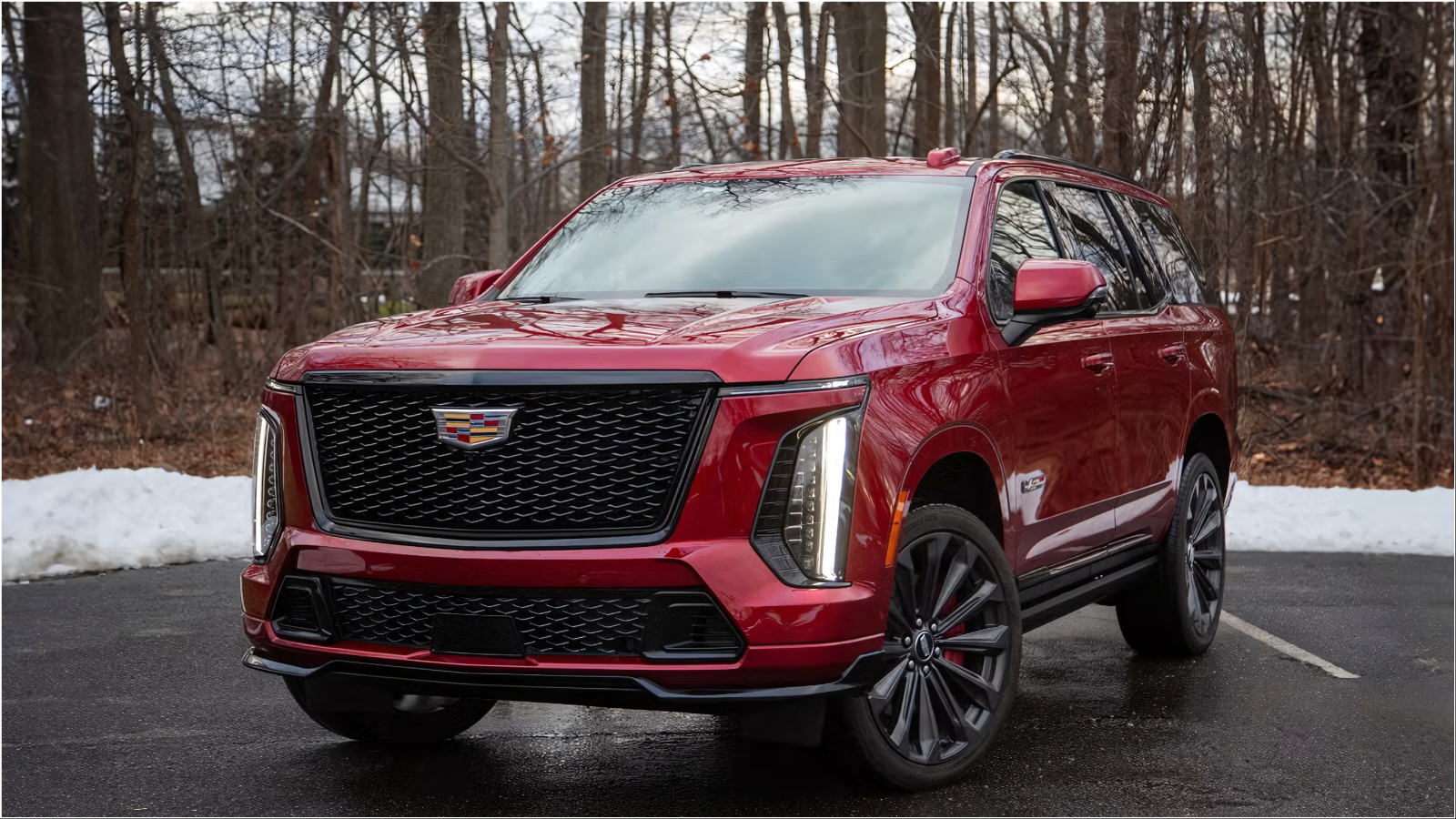
Recalls add friction. Federal records show two recalls on the 2026 model. One covered 24-inch wheels on the Escalade and its GM siblings. Another involved four-wheel and all-wheel drive versions. Neither is unusual for a big truck platform. Still, each one means a dealer visit and lost time.
There is real praise too. Early owner reviews applaud the power, the room and the comfort. They also love the styling. The same reviews complain about city fuel use. Love and frustration live side by side in this cabin.
This score covers the gas Escalade. The electric Escalade IQ is a separate model with its own record. Do not mix the two when you shop. Ask which version a review or score refers to.
Over half of owners would pick something else. That is harsh for a nameplate with such a strong image. Check recalls and warranty terms before you sign. Drive it on your own roads, not just a dealer loop.
8. Chrysler Pacifica Hybrid: 43%
The Pacifica Hybrid is a plug-in minivan. Prices run from $44,445 to $60,465. It earns 27 mpg. City driving gives 21 mpg and the highway gives 32. Those numbers look decent for a big family van.
Minivans can be very satisfying. Consumer Reports found that vans which deliver on their promise keep owners happy. The Pacifica Hybrid has not managed that. Only 43 percent would buy it again. That is a poor result in a class built around practicality.
Reliability is the clear problem. The plug-in version carries a poor reputation on that front. A van is a daily workhorse for families. Downtime hurts far more than it does in a weekend car. School runs do not wait for repairs.
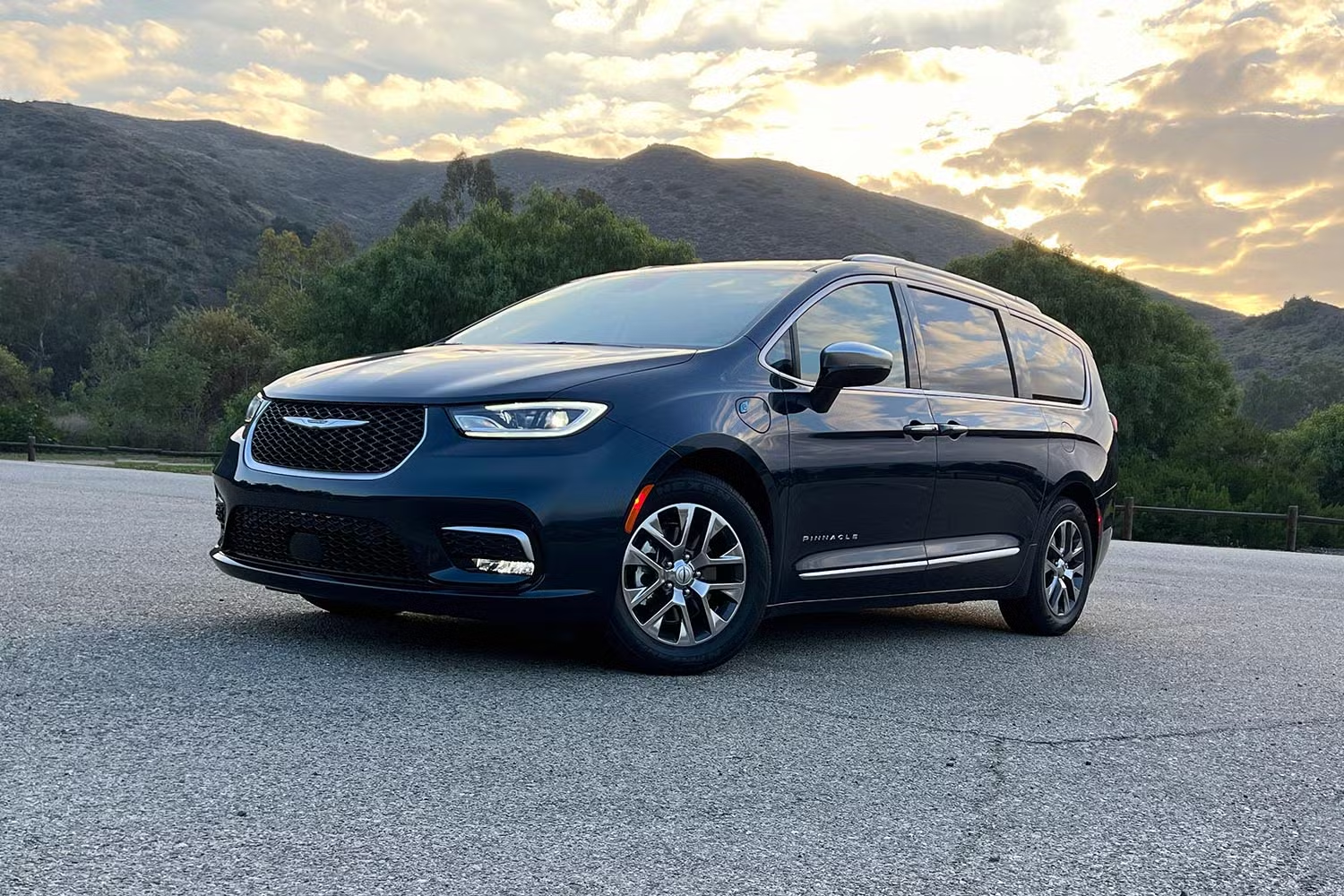
Battery safety stories added to the unease. Reports surfaced of battery fire concerns and parking advice for some owners. Those stories are hard to shake. Parents care deeply about that kind of risk. One scare can undo years of goodwill.
The brand’s record does not help. Only about 55 percent of Chrysler owners would buy again. That ranks the brand low among 27 makers. A weak brand halo pulls model scores down. Buyers start with doubts before they even sign.
Corporate changes matter too. Reports say Stellantis withdrew its US plug-in models at the start of 2026. The federal tax incentive had expired. That raises fair questions about long-term support and resale. Buyers deserve clear answers.
The 43 percent figure ties with the Escalade. Yet the two cars cost very different amounts. A shared score shows how widespread the disappointment is. It cuts across price and class.
The layout and space still appeal to many buyers. Confidence is the missing piece. Weigh the battery warranty carefully. Compare a conventionally powered van before you decide. Ask about every open recall.
7. Mazda CX-70 Plug-in Hybrid: 42%
The CX-70 Plug-in Hybrid is a two-row midsize SUV. Prices run from $44,250 to $47,250. It earns 23 mpg. City use gives 16 mpg and the highway gives 32. Those figures are close to the bigger CX-90 PHEV.
Only 42 percent of owners would buy it again. That is weak for a model this new. Mazda built its name on driver appeal. Owners expect more than average from the badge. A new model usually enjoys a honeymoon. This one did not.
The CX-70 shares its plug-in hardware with the CX-90 PHEV. That model sits much lower on this list at 34 percent. Its predicted reliability score is a dismal 20 out of 100. Shared parts can bring shared worries. Buyers should keep that link in mind.
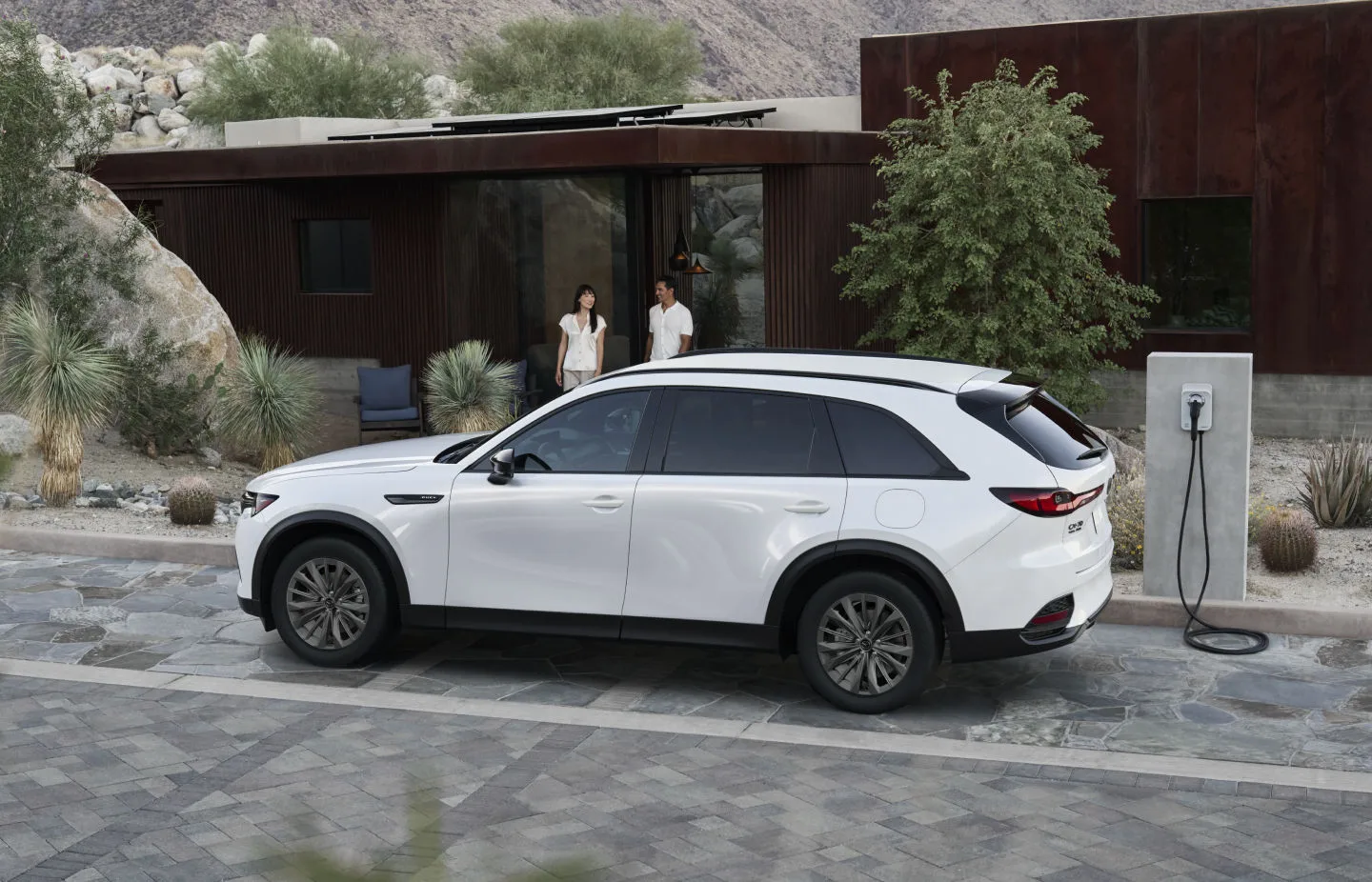
Fuel economy is a sore spot for these plug-ins. Reviewers of the CX-90 PHEV found real-world use no better than the regular six-cylinder. That undercuts the reason to buy a plug-in. CX-70 owners may feel the same. The savings simply may not show up at the pump.
Price is its saving grace. It costs less than the CX-90 PHEV, which starts at $50,495. That makes the value story a little better. The score is still poor, so the gap is small. Cheaper does not mean happier.
Two-row SUVs also face a tough market. Buyers have dozens of rivals with proven hybrids. A plug-in must justify its extra complexity. If the benefits feel thin, owners notice quickly.
Mazda’s plug-in hardware is the common thread. Think hard before choosing it over a standard CX-70. Ask what the battery and charging system warranty covers. A plug-in only makes sense if you charge it often at home.
6. Toyota Corolla Cross: 40%
The Corolla Cross is the cheapest model on this list. Prices run from $25,035 to $33,330. It earns 28 mpg. City driving gives 21 mpg and the highway gives 35. It is a small crossover meant to be the sensible, low-drama choice.
Its 40 percent score is the biggest shock. Toyota ranks among the top ten brands for owner satisfaction. That makes this crossover a clear outlier. Something about it misses the mark. Toyota buyers normally expect a smooth experience.
The public list does not spell out reasons. The pattern points to expectations rather than breakdowns. Toyota’s reliability name is excellent. Owners likely wanted more than a basic crossover delivers. That is my reading, not a published finding.
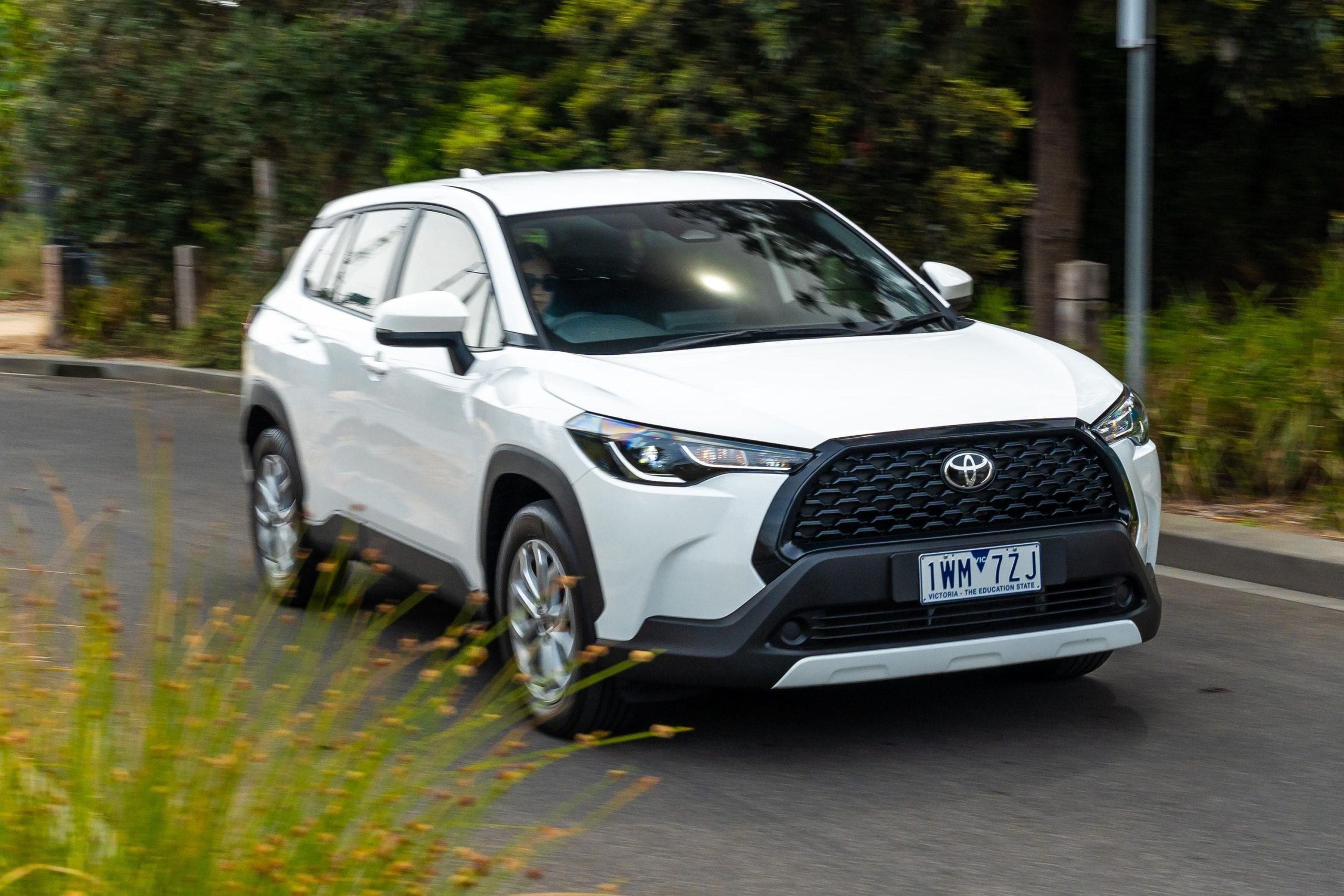
Fuel numbers may explain part of it. A figure of 28 mpg is modest from a hybrid-focused brand. Buyers may compare it with efficient Toyota hybrids. A hybrid Corolla Cross also exists, so check which version you drive. The gap in running costs could be large.
Consumer Reports found that owners often cite low running costs and good fuel economy as reasons to be happy. They also complain about noisy cabins and complicated controls. A plain gas crossover is exposed on those points. It has few extras to soften the blow.
Entry-level cars also carry a different kind of pressure. Buyers watch every dollar. They expect the car to feel worth it each day. A low price lowers the bar only a little. When the car feels merely adequate, loyalty fades.
Reliable does not mean satisfying. Price, comfort and efficiency all shape the verdict. Test the hybrid before you settle on the gas version. Compare cabin noise on a highway drive. Then decide with your own ears.
5. Acura ADX: 40%
The ADX is Acura’s entry-level SUV. Prices run from $35,000 to $44,400. It earns 27 mpg. City driving gives 18 mpg, and highway gives 37. The gap between city and highway figures is wide.
Only 40 percent of owners would buy it again. That is striking for a brand with a strong reliability name. Acura ranks near the top in Consumer Reports brand reliability surveys. The ADX proves reliability alone does not guarantee happiness.
Consumer Reports testers flagged two weak spots. Engine noise earned a red mark. Brake-pedal feel did too. Drivers notice both every single day. Small annoyances become big complaints over years of ownership.

Its roots are modest. The ADX is built on the same basis as the Honda HR-V. Buyers paying luxury money may expect a bigger step up. That gap between price and feel drives disappointment. A badge cannot hide a shared platform for long.
Reliability data is thin. Predicted reliability is middling because the model is new. Federal complaint counts are very low. No recalls were on file in the data I checked. Early data cannot yet tell the long story. So the low score is not about breakdowns.
Some commentators argue entry-level luxury is a hard promise to keep. The ADX sits between a Honda and a true Acura. It can feel too plain for luxury buyers. It can feel too pricey for Honda buyers.
The 40 percent ties with the Corolla Cross. Two very different cars share one verdict. That shows satisfaction is about fit, not just quality.
Buy it only after a test drive. Listen closely to the engine under load. Press the brake pedal in traffic and judge the feel. Compare it with the HR-V and with rival luxury crossovers. Your ears and feet will tell you more than a brochure.
4. Audi Q4 e-tron: 39%
The Q4 e-tron is a compact luxury electric SUV. Prices run from $50,600 to $59,000. It earns 100 mpge. City driving gives 107 mpge and the highway gives 92. Those are good efficiency numbers.
Only 39 percent of owners would buy it again. Electric SUVs can delight owners. The Tesla Model Y scores 82 percent, and the BMW i5 scores 81. So the electric format is not the problem. The problem lies in this specific car.
The Q4 shares its underpinnings with the Volkswagen ID.4. That cousin just missed this list at 45 percent. Volkswagen, as a brand, ranks 25th of 27 for satisfaction. Shared roots can carry shared headaches. The Audi badge does not erase them.
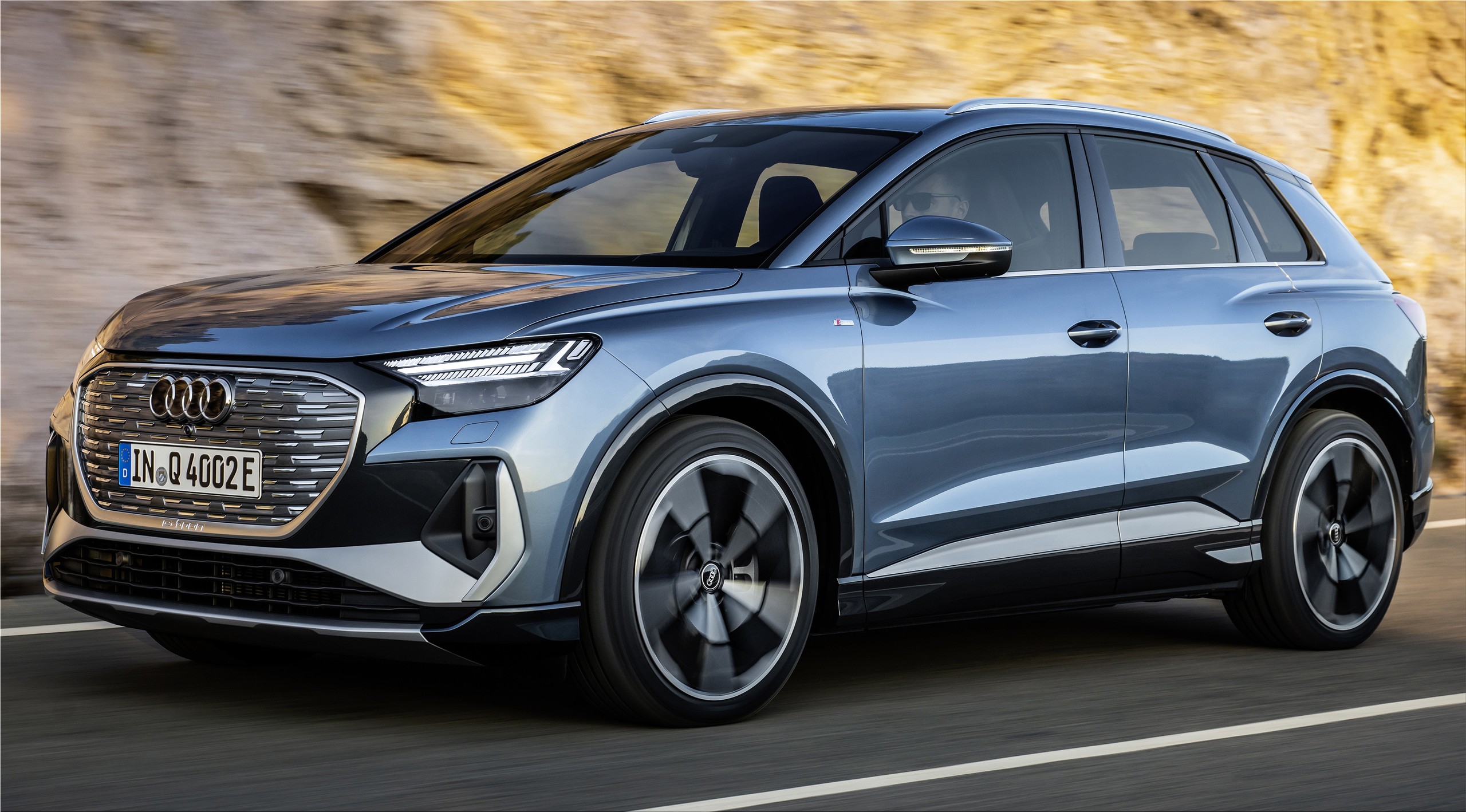
Luxury pricing raises the stakes. Owners paying Audi money expect polished software and a plush feel. Consumer Reports notes that complicated controls and poor reliability are common complaints across vehicles. Both may apply here. That is an inference, not a published finding.
Competitors have raised the bar fast. The Cadillac Optiq scores 80 percent among owners. A luxury electric SUV can clearly please buyers. The Q4 simply has not. Rivals at similar prices give owners fewer reasons to complain.
Electric buyers also hold high hopes. They want smooth software, easy charging and few surprises. When one piece fails, the whole experience sours. Owners remember the glitch longer than the range.
At 39 percent, more than six in ten owners would choose differently. Few luxury makers can shrug off a number like that. Audi will want to fix the gap quickly. Buyers should watch for improvements in later model years.
Compare it with rivals before you commit. Ask for software update history and battery warranty terms. Test the infotainment system for ten minutes. A premium badge is not enough by itself.
3. Honda Prologue: 37%
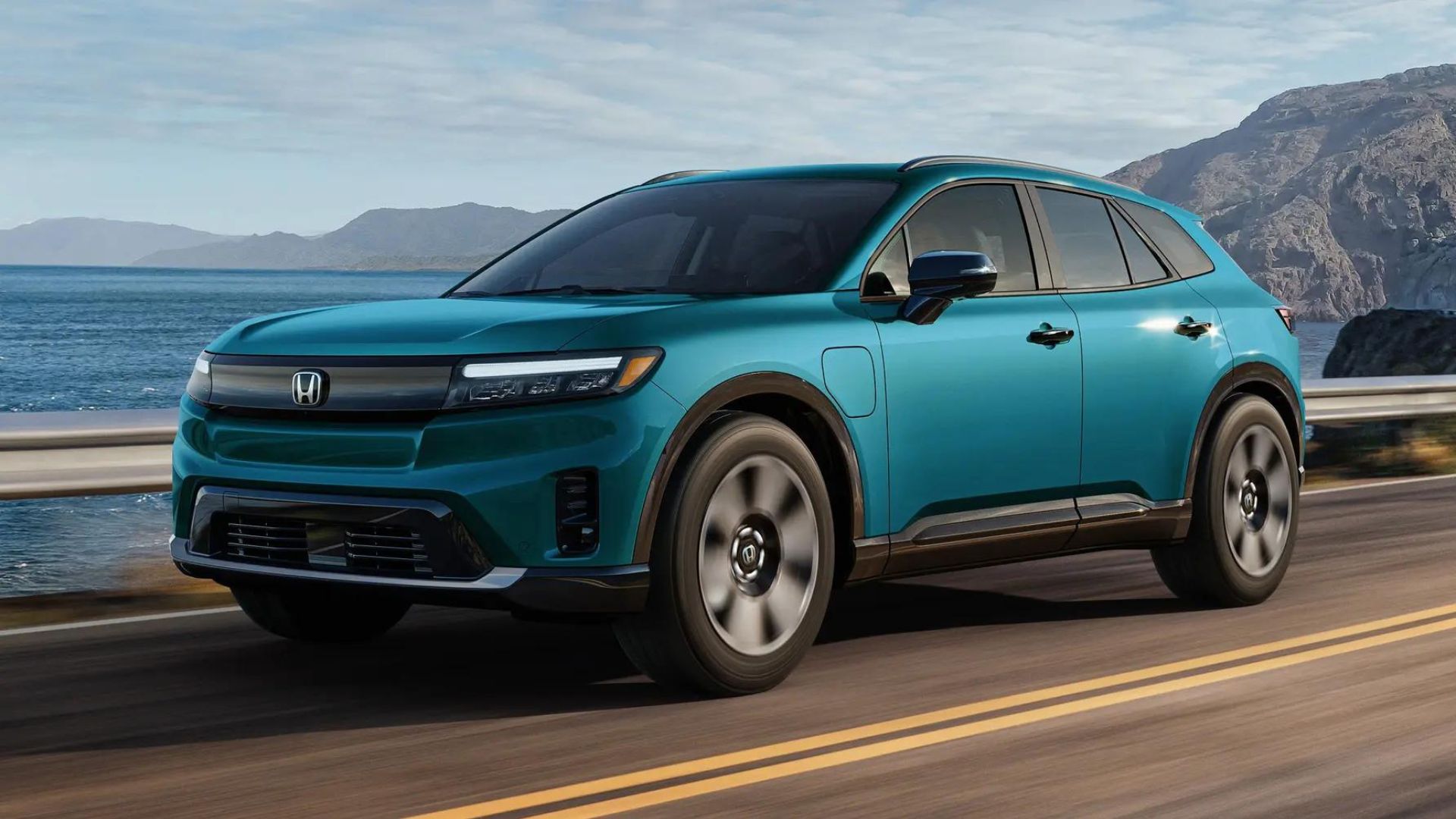
The Prologue is Honda’s first big electric SUV. Prices run from $47,400 to $57,900. It earns 99 mpge . City driving gives 108 mpge and the highway gives 90. It arrived with high hopes.
Only 37 percent of owners would buy it again. Owners point to a stiff ride and poor handling. They also call the value proposition weak. Those complaints hit the daily experience. A stiff ride is felt on every commute.
The Prologue shares its platform with the Chevrolet Blazer EV. That sibling does much better. About 60 percent of Blazer EV owners would buy theirs again. The same hardware clearly does not guarantee the same happiness. Details and pricing make the difference.
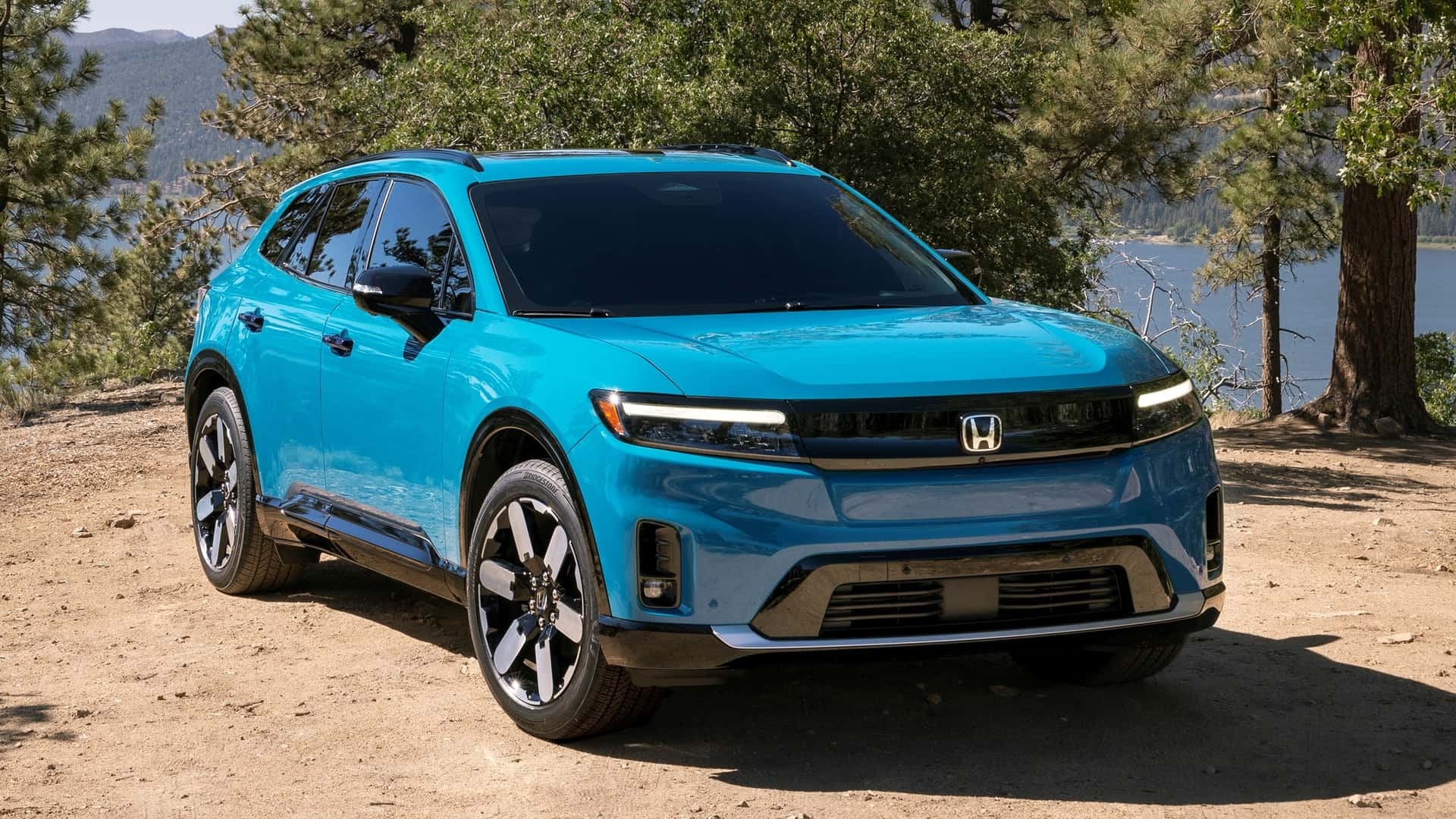
GM appears to have kept the best bits for the Blazer. It gets more powerful options and a larger infotainment screen. Its base model also costs less than the matching Prologue. Honda buyers feel that gap. They pay more and get less.
Reports say Honda will retire the Prologue after the 2026 model year. That decision may protect future buyers. It leaves current owners wondering about long-term support. Resale could also suffer. Discontinued models often lose value faster.
Honda’s name usually signals quality and good value. Here the badge promised more than the car delivered. Expectations matter enormously in this survey. A brand with a great reputation has further to fall.
Notice the tie to the Q4 e-tron as well. Both are electric SUVs priced near $50,000. Both left owners cold. Electric cars at this price must be excellent to satisfy buyers.
If you are tempted, compare it with the Blazer EV first. Pay close attention to ride quality on rough roads. Ask about charging speed and software support. Consider a used one only at a steep discount. Then check what the warranty covers.
2. Mazda CX-90 Plug-in Hybrid: 34%
The CX-90 PHEV is Mazda’s flagship three-row SUV. Prices run from $50,495 to $58,500. It earns 23 mpg. City use gives 16 mpg, and highway gives 32. It was meant to showcase Mazda’s best work.
Only 34 percent of owners would buy it again. Owners complain about a poor driving experience. They also call the value terrible. Many find the ride overly stiff. These are painful words for a premium-minded SUV.
Reliability is a big reason. Its predicted reliability score is 20 out of 100. That is a very poor forecast. Few buyers want to gamble at this price. A three-row SUV must carry a family for years.
Real-world fuel economy disappoints too. It is no better than the regular six-cylinder model. That defeats the purpose of paying more for a plug-in. Many owners felt it was less refined than promised. The extra cost buys little.
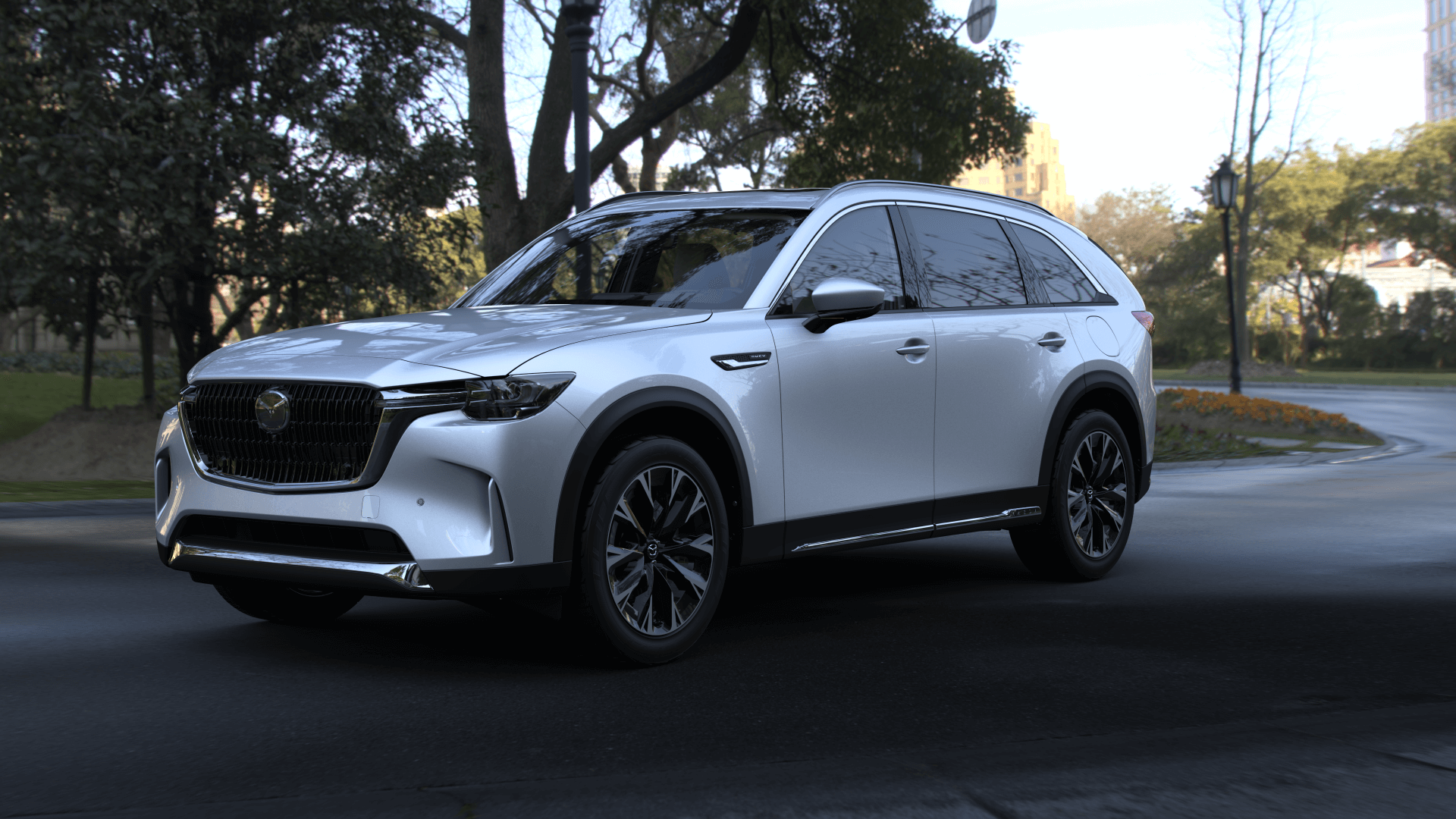
Handling agility is the bright spot. Mazda still makes cars that feel sharp to steer. But the CX-90 falls short where three-row rivals excel. Comfort and economy are the weak areas. Families care about those first.
The score sits second from the bottom of the entire list. Only the Jeep Grand Cherokee PHEV does worse. Two plug-in hybrids from two different makers sit at the very bottom. That pattern is hard to ignore.
Mazda aims for premium feel at fair prices. The CX-90 PHEV shows how hard that is with a plug-in. Extra hardware adds cost, weight and risk. Owners then judge the result against bigger-name rivals. At $50,495 and up, they are not forgiving.
Mazda’s slogan is driving joy. This plug-in version delivered frustration instead. A standard CX-90 may suit you better. Test the PHEV on rough roads before you buy. Ask hard questions about battery coverage.
1. Jeep Grand Cherokee Plug-in Hybrid: 25%
The Grand Cherokee PHEV earns the worst score by a wide margin. Only 25 percent of owners would buy it again. That means three of four would not. Prices run from $60,490 to $74,670.
It earns 21 mpg. City use gives 15 mpg and the highway gives 27. That is not impressive for a plug-in. The efficiency promise never quite arrived. Owners paid extra for savings that may never have appeared.
Reliability and safety problems drive the verdict. Reports describe the plug-in version as plagued with safety issues. The regular Grand Cherokee scores far higher on satisfaction and reliability. The plug-in hardware is the problem. The nameplate itself is not.
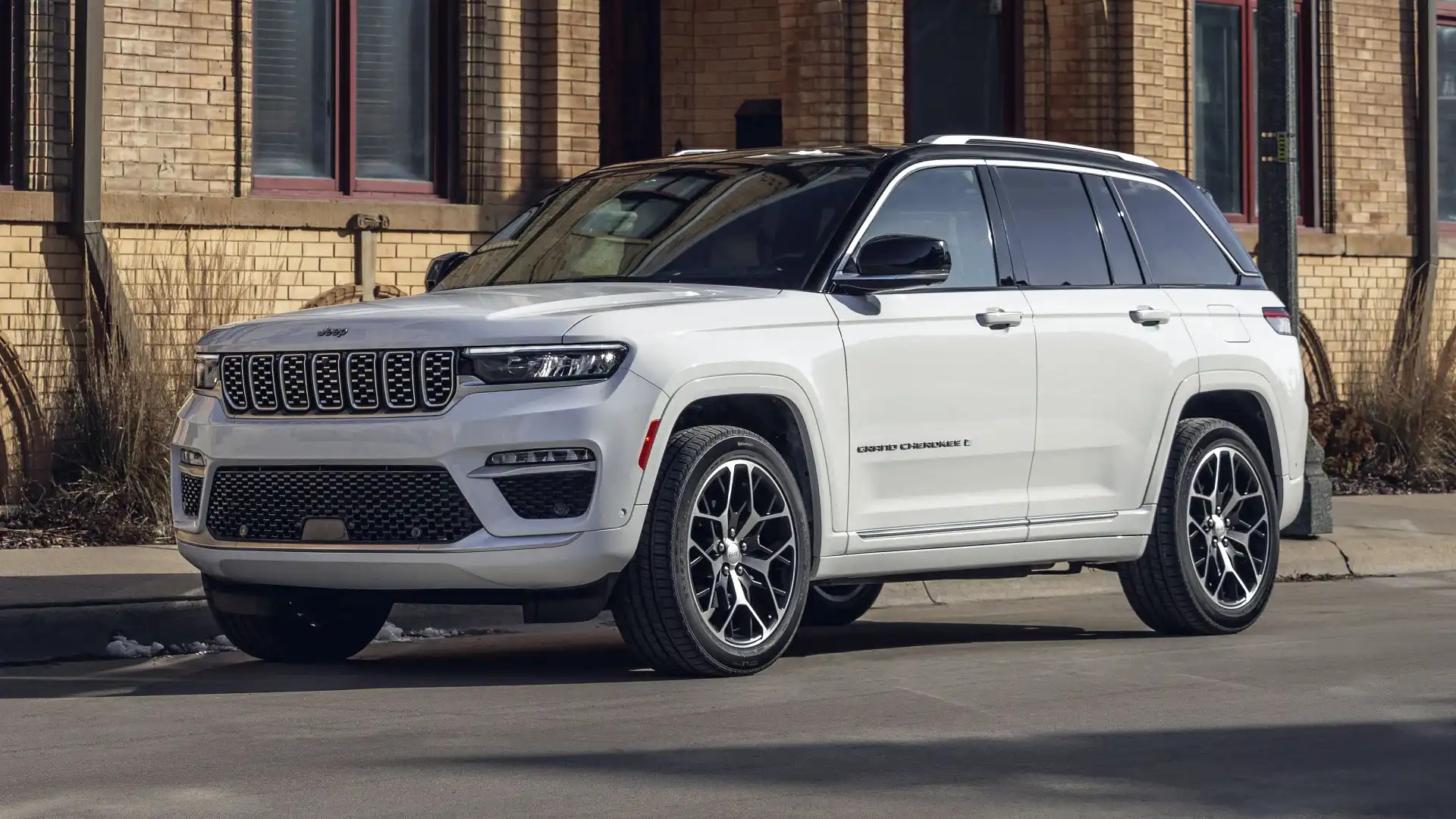
Corporate decisions made things worse. The federal tax incentive expired, and Stellantis reportedly withdrew its US plug-in models at the start of 2026. Remaining 4xe models were sold at discounts. Even that did not win owners over.
Most of these SUVs were sold between 2022 and 2025. Many should still sit under factory warranty. That is a small comfort. Warranty coverage does not repay lost time. It also does not restore trust.
Jeep, as a brand, ranks last of 27 for satisfaction, at 51 percent. The 4xe confirms that weakness. Owners wanted adventure and efficiency in one package. The score suggests many did not get that.
This model is the cleanest lesson on the list. A great badge, a strong price and a clever idea still fail without trust. Owners judge a car by whether it works every day. Everything else follows from that. A 25 percent score says it did not.
If you see one at a suspiciously low price, ask why. Cheap is not always a bargain. Check recall history and warranty status for the exact vehicle. Consider the standard Grand Cherokee instead. It earns far better marks.