
Not every car is welcome at every repair shop. While independent mechanics handle everything from routine maintenance to complicated engine repairs, certain vehicles demand specialized diagnostic equipment, manufacturer-specific software, expensive replacement parts, or years of brand-specific experience.
For smaller garages, accepting the wrong job can mean tying up a service bay for days or risking an expensive mistake. This is particularly common with high-end luxury vehicles, performance machines, and modern electric cars.
Here are 10 vehicles that can be difficult for general independent mechanics to service, and the technical reasons why some shops prefer to turn them away.
1. Tesla Model S
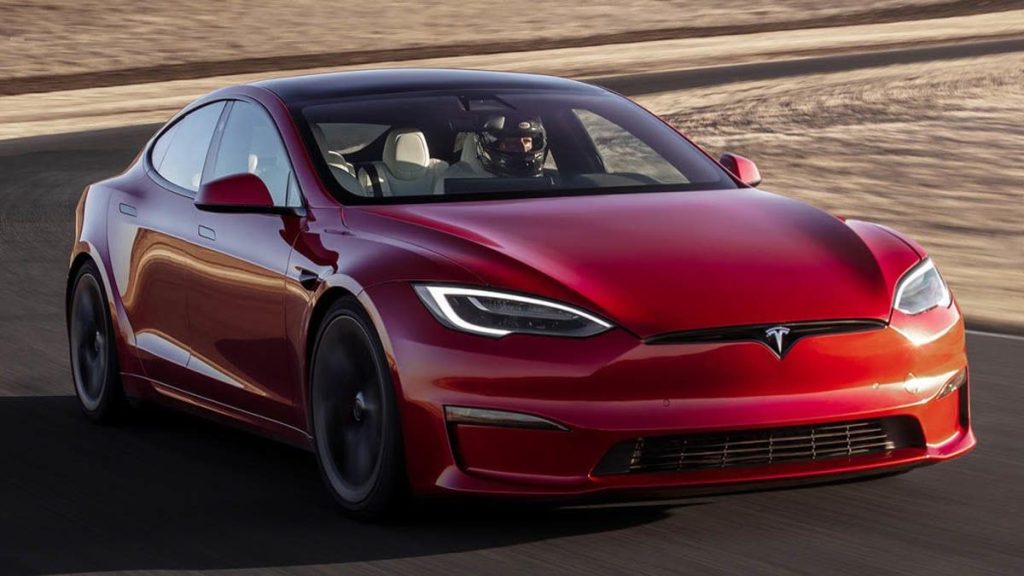
The Tesla Model S presents a different set of challenges from traditional gasoline-powered luxury sedans.
Although independent garages can handle certain jobs, such as tires, suspension components, brake servicing, and some electrical repairs, work involving its high-voltage battery or drive units requires considerably more preparation.
A conventional repair shop cannot simply approach an electric vehicle’s electrical system using the same procedures it follows on a gasoline-powered car.
Tesla’s official service documentation makes the requirements particularly clear. The Model S uses a high-voltage electrical architecture, with earlier versions operating at up to 400 volts. Its service manual requires technicians to follow a dedicated high-voltage disablement procedure before working on affected components.
It also specifies insulated protective equipment, appropriate testing instruments, and high-voltage training.
Another challenge is obtaining the right diagnostic data and repair instructions. A mechanic may have experience with electric vehicle powertrains, but servicing Tesla-specific systems also requires knowledge of the manufacturer’s technical documentation and procedures.
Incorrectly handling battery connections, inverters, or high-voltage cables can create serious safety hazards.
Tesla itself recommends that independent and third-party service providers complete qualified automotive EV high-voltage training to achieve comparable certification.
For a small garage without EV-trained technicians, accepting a complicated Model S repair may not make financial or operational sense.
A shop might happily replace its tires or conventional suspension components but decline battery, inverter, or high-voltage electrical work. That distinction explains why Tesla specialist repair facilities are often a better choice for major electrical problems.
2. BMW 7 Series
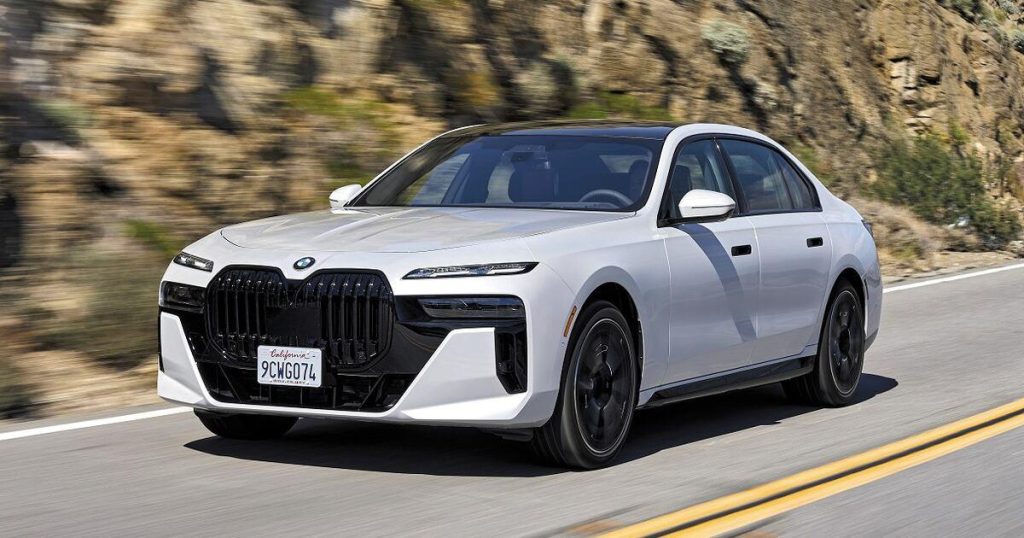
The BMW 7 Series is the kind of vehicle that can make an ordinary suspension repair considerably more complicated than expected. Its sophisticated engineering delivers an exceptionally comfortable driving experience, but it also creates additional responsibilities for repair technicians.
This is particularly true for newer generations and examples equipped with advanced chassis technology.
One major concern is the suspension system. BMW equips the 7 Series with adaptive two-axle air suspension, electronically controlled dampers, and, depending on the configuration, Integral Active Steering.
The latter can turn the rear wheels by up to 3.5 degrees to improve maneuverability and stability. These systems require more than conventional mechanical knowledge when diagnosing faults or replacing components.
There is documented evidence of the additional work involved. A 2022 BMW of North America technical service bulletin addressed front and rear air suspension strut problems affecting certain G11 and G12 7 Series models.
The prescribed repair procedures included vehicle diagnosis, air suspension work, and, for specified versions, wheel alignment adjustments. Additional procedures could also be necessary for vehicles equipped with Integral Active Steering.
For a small independent garage, these requirements can quickly become expensive. The shop needs suitable diagnostic equipment, accurate technical information, trained technicians, and access to the correct replacement components.
A basic suspension specialist might comfortably handle conventional repairs but decline a complicated electronically controlled chassis problem.
That does not make the 7 Series impossible to maintain outside a dealership. Experienced BMW specialists regularly service these vehicles. However, general-purpose garages without the necessary equipment may prefer to send difficult jobs elsewhere rather than risk an incomplete repair.
3. Porsche 911
The Porsche 911 might look relatively straightforward compared with some exotic supercars, but its engineering can make certain repairs challenging for general-purpose garages. The biggest obstacle is not necessarily the mechanical design. It is the specialized diagnostic equipment and technical information needed to work on newer models correctly.
Porsche uses its PIWIS diagnostic platform for guided troubleshooting, control-module programming, vehicle configuration, and other manufacturer-specific procedures. Porsche Cars North America has even established a dedicated program that allows qualifying independent repair facilities to purchase PIWIS equipment.
This demonstrates that independent servicing is possible, but it also highlights the investment required to work at a factory-level standard.
The expense can be substantial. A 2021 Porsche service bulletin listed the PIWIS III diagnostic tester hardware for independent repair facilities at a suggested price of $9,639.33. The same documentation listed an additional diagnostic and support fee of $2,063.76.
These are historical published prices, not current quotations, but they illustrate why a small garage might hesitate before investing in dedicated Porsche equipment.
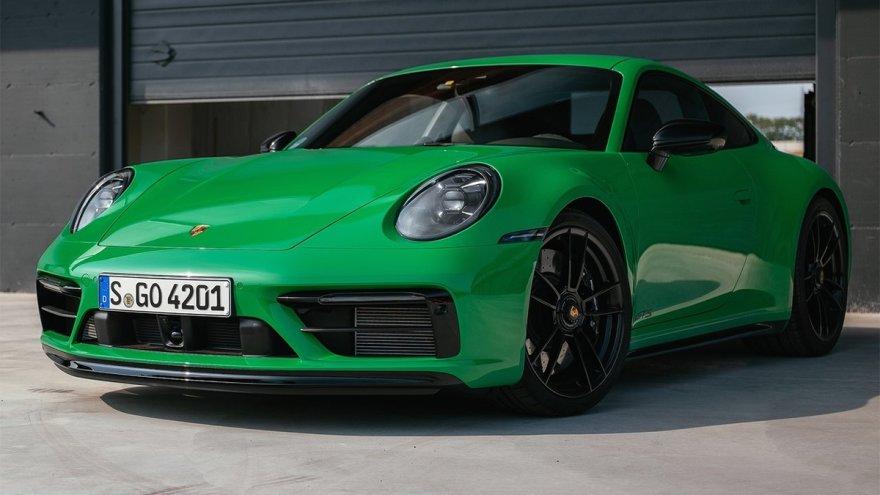
Newer 911 models introduce additional complexity through electronically controlled systems and software-dependent repairs. For example, a 2025 Porsche technical campaign for certain 992 models required PIWIS programming of the central computer and specified a minimum 90-amp battery charger during the procedure.
A general mechanic may still handle brakes, tires, oil changes, and other routine maintenance. However, transmission diagnostics, electronic faults, and control-module programming are different matters. Without the appropriate equipment and experience, declining the job can be the more responsible decision.
4. Mercedes-Benz S-Class
Few mainstream luxury sedans demonstrate the complications of modern automotive technology quite like the Mercedes-Benz S-Class. Its comfort and convenience features depend on an extensive network of electronic modules, sensors, cameras, and electronically controlled mechanical systems.
When everything works properly, these technologies operate almost invisibly. When something fails, diagnosing the actual cause can become a demanding task.
One particularly important example is the AIRMATIC suspension system. Depending on the model and equipment, the S-Class uses air suspension components and electronically controlled damping to adjust ride characteristics.
A fault might originate from an air spring, compressor, valve block, sensor, wiring connection, or control module. Replacing the first component that appears suspicious without proper testing can lead to unnecessary expenses.
Mercedes-Benz uses its XENTRY diagnostic platform for advanced manufacturer-level troubleshooting and programming.
Its official collision-repair guidance also identifies situations requiring diagnostic scans, including sensor replacement, windshield work involving driver-assistance equipment, and certain electrical repairs. Post-repair scanning and calibration help confirm that affected safety systems function correctly.
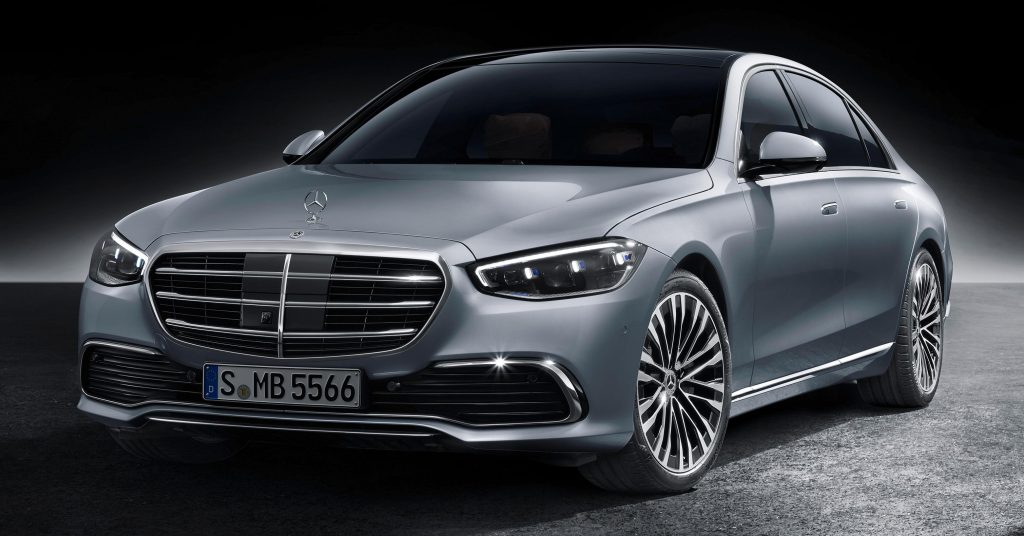
The challenge for smaller independent garages is having access to the appropriate software, technical procedures, and training. Generic diagnostic scanners can retrieve useful information, but they may not support every manufacturer-specific programming or initialization procedure.
This is particularly relevant when repairing newer S-Class vehicles equipped with sophisticated driver-assistance technology. Even a repair that appears relatively minor can require additional electronic checks before the vehicle is ready for the road.
Specialist Mercedes-Benz independent workshops can perform extensive work on these sedans. However, a general mechanic without XENTRY access or relevant experience may decline complicated suspension, electronics, or safety-system repairs.
5. Ferrari 488 GTB
A Ferrari 488 GTB is not the sort of vehicle every neighborhood repair shop wants to see arriving on a flatbed. Its twin-turbocharged 3.9-liter V8, sophisticated transmission, and tightly packaged mechanical components demand experience that goes beyond ordinary automotive repair.
Even experienced technicians may need additional training before attempting complicated work on this Italian supercar.
The engine produces 661 horsepower and 561 lb-ft of torque in the U.S.-market 488 GTB. That performance comes from a highly developed powertrain with turbocharging, direct fuel injection, and extensive electronic management.
Diagnosing an engine warning or performance problem therefore requires more than checking conventional ignition and fuel components. Technicians need to understand the interaction between the turbochargers, sensors, engine control system, and transmission.
Parts availability is another consideration. Ferrari components are not always stocked by general automotive suppliers, and certain replacement parts may require specialized sourcing. This can leave an ordinary garage waiting for components while a valuable service bay remains occupied.
The difficulty becomes greater when the repair involves engine management, transmission electronics, or components that require manufacturer-specific procedures.
There is also a financial risk. A mistake involving a high-performance engine or transmission can become extremely expensive, particularly when incorrect diagnosis leads to unnecessary component replacement.
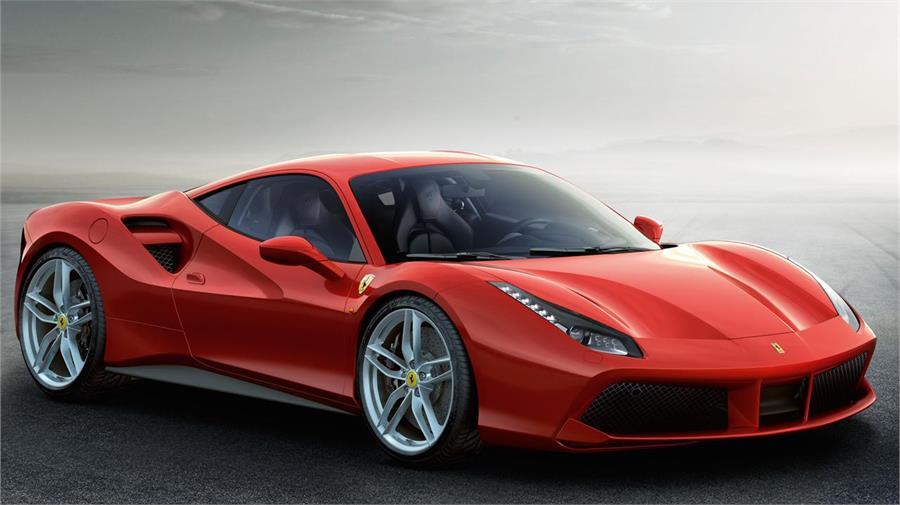
However, independent Ferrari specialists do exist throughout the United States. Some advertise servicing for Ferrari, Lamborghini, McLaren, and other exotic brands, demonstrating that dealership ownership is not essential for every repair.
For a general mechanic, the sensible decision may be to handle basic work only when properly equipped and refer complex repairs to an exotic-car specialist. The 488 GTB rewards expertise, but it leaves little room for guesswork.
6. Lamborghini Aventador
The Lamborghini Aventador creates a completely different set of challenges for repair shops because of its naturally aspirated V12 engine, advanced transmission, and unusual mechanical packaging.
It is a vehicle designed around extreme performance rather than straightforward servicing. For an independent garage that primarily handles everyday cars, even accessing certain components can require unfamiliar procedures and specialized equipment.
Its 6.5-liter V12 produces substantial power, with the Aventador S delivering 730 horsepower and 509 lb-ft of torque. The engine is paired with a seven-speed Independent Shifting Rod (ISR) transmission, an automated manual gearbox that operates differently from conventional automatic transmissions.
Technicians unfamiliar with this setup may struggle to diagnose clutch engagement problems, shifting irregularities, and transmission-related warning messages.
The Aventador’s drivetrain also makes routine mechanical work more demanding. Its mid-engine layout, all-wheel-drive hardware, and tightly arranged components require careful handling. A repair involving the clutch or transmission is particularly different from replacing a conventional automatic transmission in a family sedan.
Electronics add another layer of difficulty. The car relies on interconnected control systems governing engine performance, transmission behavior, stability control, and suspension functions. Identifying the actual source of a fault requires appropriate diagnostic equipment and familiarity with Lamborghini-specific systems.
Independent exotic-car facilities can service Aventadors, but that does not mean every independent mechanic has the required capabilities. Shops specializing in Lamborghini vehicles invest in the equipment, technical knowledge, and parts-sourcing arrangements needed for these repairs.
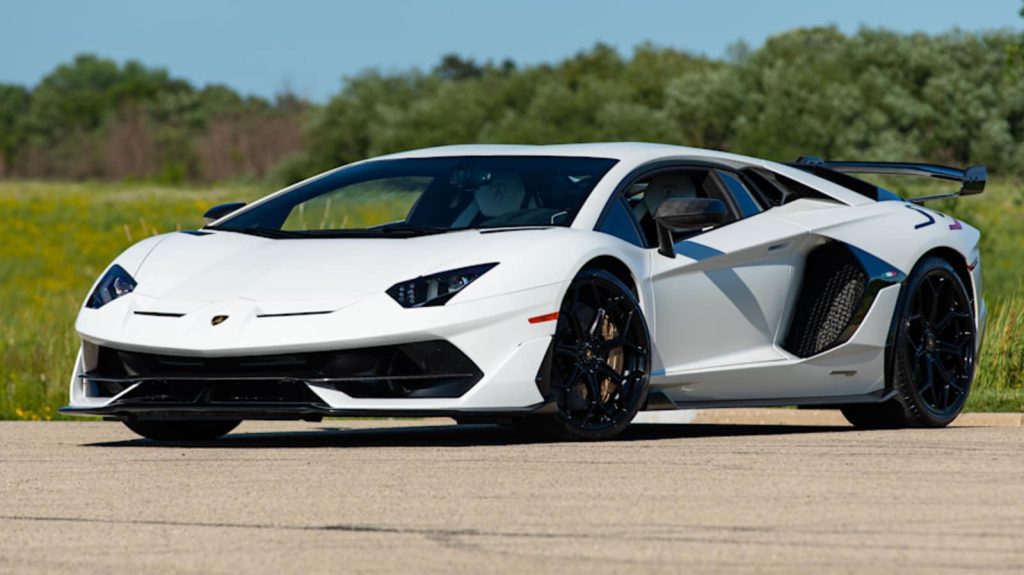
For an ordinary garage, declining a major Aventador job is often a practical decision. The risk of damaging an expensive component or incorrectly diagnosing its unusual transmission can outweigh the potential labor revenue.
Owners should look for a workshop with documented Aventador experience rather than assume that any performance-car specialist can handle every repair.
7. McLaren 720S
The McLaren 720S is another vehicle that can leave an ordinary repair shop struggling, particularly when the problem involves its suspension, electronics, or carbon-fiber structure.
Unlike a conventional sports car, the 720S combines specialized materials and performance-focused engineering that require technicians to understand the vehicle before attempting substantial repairs.
Its carbon-fiber Monocage II structure is one of the biggest differences. The lightweight structure contributes to the car’s performance, but supporting and lifting the vehicle incorrectly can create serious problems.
Repair facilities must understand the correct lifting points and procedures rather than treating the chassis like an ordinary steel-bodied coupe.
The suspension presents another challenge. The 720S uses a sophisticated Proactive Chassis Control II system with interconnected hydraulic components.
This arrangement differs significantly from conventional suspension setups using individual springs and dampers. Diagnosing unusual handling, suspension warnings, or hydraulic leaks requires appropriate technical knowledge and equipment.
Electronics are equally demanding. The vehicle relies on interconnected control modules, sensors, and software-controlled functions. Independent McLaren specialists advertise dedicated diagnostic equipment for reading faults, tracing electrical problems, and performing module configuration.
The existence of these specialized facilities highlights why general garages sometimes decline McLaren work. A mechanic might be perfectly capable of servicing an ordinary turbocharged engine but lack the equipment to diagnose a 720S properly.
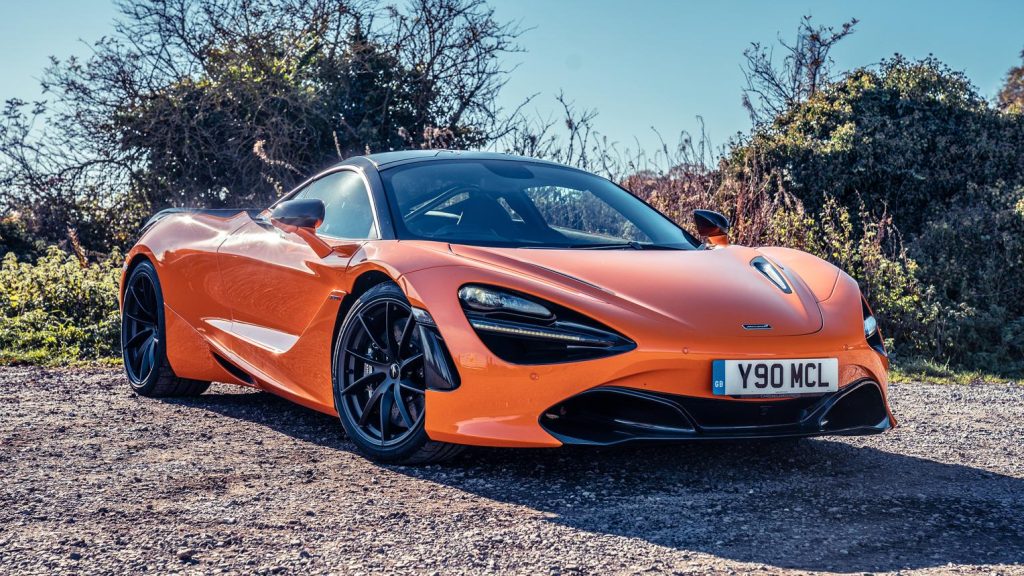
There are independent workshops in the United States that handle these vehicles, including facilities offering factory-level diagnostics and specialized training.
Routine maintenance is not necessarily the problem. Oil servicing, tire replacement, and brake work can be completed by suitably equipped specialists.
The real difficulty appears when a repair involves hydraulic suspension, carbon-fiber structural components, or complicated electronic systems. For those jobs, choosing an experienced McLaren technician is considerably safer than relying on a general-purpose garage.
8. Range Rover
A Range Rover can be a surprisingly demanding vehicle to repair, even though it is not an exotic supercar. Its combination of luxury equipment, electronically controlled suspension, advanced four-wheel-drive technology, and complicated electrical architecture creates challenges that many general-purpose garages would rather avoid.
Air suspension is one of the most important areas. Depending on the generation and specification, Range Rover models use electronically controlled air springs, compressors, height sensors, and chassis control modules.
When the vehicle begins sitting unevenly or displays a suspension warning, the problem is not necessarily a failed compressor. It could involve a sensor, electrical connection, valve assembly, software issue, or leaking air spring.
Jaguar Land Rover has issued technical guidance demonstrating how easily these problems can be misdiagnosed. A 2019 technical communication covering certain Range Rover and Range Rover Sport models explained that specific diagnostic trouble codes could appear because of an oversensitive software algorithm.
The recommended solution involved updating the chassis control module using JLR’s SDD or Pathfinder diagnostic platform rather than automatically replacing the compressor.
That example illustrates why basic code-reading equipment is not always sufficient. Technicians need access to suitable manufacturer-specific diagnostic procedures, software updates, and technical information.
Modern Range Rover plug-in hybrid versions introduce additional considerations because their high-voltage systems require appropriately trained personnel. A garage that can repair a conventional gasoline engine may not have the qualifications or equipment for hybrid-system work.

Independent Land Rover specialists do service these SUVs throughout the United States. Some invest in Pathfinder diagnostics and dedicated JLR training.
For smaller garages, however, complicated suspension and electrical repairs can become time-consuming and financially risky. That is why a general mechanic may accept routine maintenance but recommend a dedicated Land Rover specialist for more involved problems.
9. Audi R8
The Audi R8 occupies an unusual position in the automotive world. It carries the Audi badge and shares some engineering connections with other Volkswagen Group performance vehicles, but its mid-engine configuration and high-performance components make it considerably different from an ordinary Audi sedan or SUV.
This difference becomes especially important when transmission or engine-related repairs are required.
The V10-powered R8 is particularly demanding. Depending on the generation and configuration, it uses either a manual gearbox, the earlier R tronic automated manual transmission, or the later S tronic dual-clutch transmission.
These systems have different operating principles and repair requirements. A mechanic cannot simply apply the same procedure to every R8 transmission.
Clutch-related work is a good example. The R tronic uses a single-clutch automated manual arrangement, whereas S tronic uses a dual-clutch design.
Their components, diagnostic procedures, and rebuilding requirements are not interchangeable. Specialist repair facilities specifically identify these differences when handling R8 transmission jobs.
The financial implications can also be significant. A transmission problem that is incorrectly diagnosed could lead to unnecessary component replacement or an expensive repair that fails to resolve the original issue.
Independent workshops capable of handling these vehicles do exist in the United States. Some have dedicated Audi and Lamborghini transmission expertise, along with advanced diagnostic equipment that can access transmission control unit information.
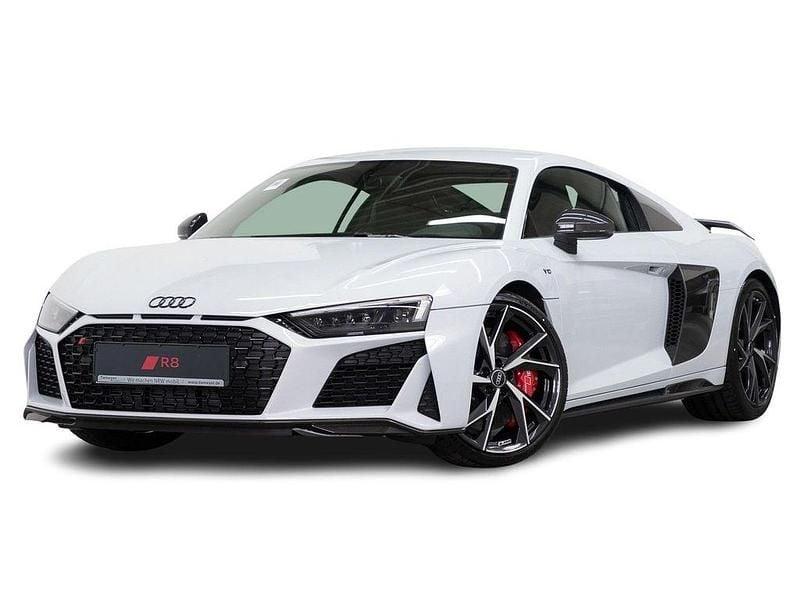
For a general repair shop, however, the R8 can be an uncomfortable assignment. Routine maintenance and basic mechanical repairs may be manageable, but clutch replacement, gearbox rebuilding, and complicated engine diagnostics demand specific experience.
An independent mechanic who regularly services ordinary Audis might still decline an R8 because familiarity with the brand does not automatically translate into expertise with its flagship supercar. Owners should look for a workshop experienced with the exact R8 generation and transmission installed.
10. Rolls-Royce Ghost
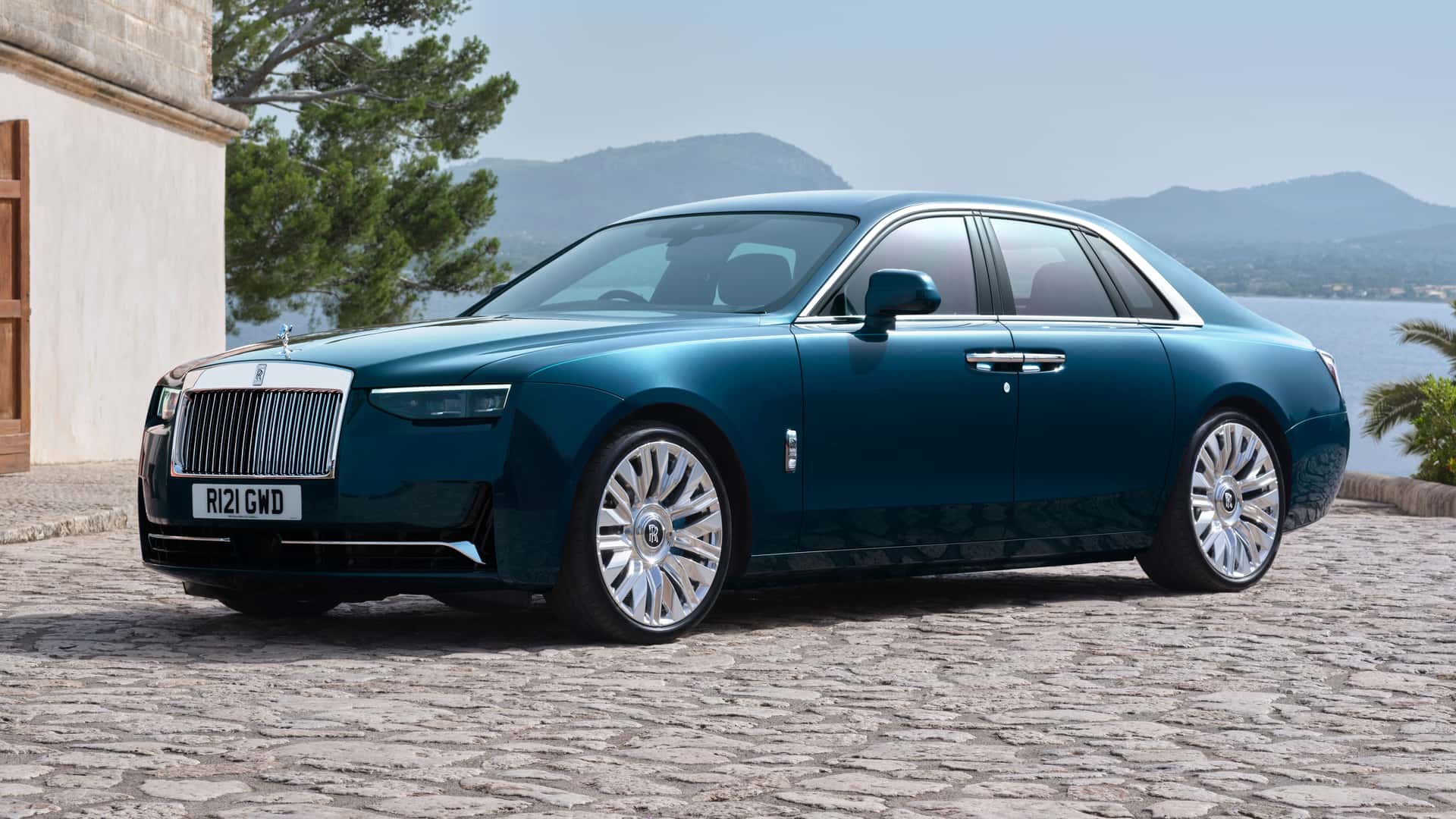
The Rolls-Royce Ghost is built to deliver an exceptionally quiet and comfortable driving experience, but maintaining that experience requires considerable technical knowledge. Although modern Rolls-Royce vehicles share engineering foundations with BMW Group products, they are not simply ordinary BMWs wearing a different badge.
Their equipment, luxury features, and manufacturer-specific requirements can make certain repairs considerably more complicated.
The suspension is a good example. The Ghost uses sophisticated air suspension technology designed to maintain ride comfort and vehicle stability.
If the car develops an uneven ride height or suspension warning, the cause could be an air spring, compressor, valve block, sensor, or electrical fault. Replacing parts without identifying the actual problem can result in unnecessary expenses.
Electronics create additional challenges. Modern Ghost models rely on interconnected control modules governing comfort equipment, vehicle functions, and driver assistance. Independent specialists offering Rolls-Royce servicing specifically advertise advanced diagnostics, module programming, and electrical troubleshooting as essential workshop capabilities.
There is also a practical issue involving replacement parts and repair procedures. Some components are shared with BMW Group platforms, but others are specific to Rolls-Royce applications.
A garage must identify the correct parts and follow the appropriate technical procedures rather than assume that every compatible-looking BMW component is suitable.
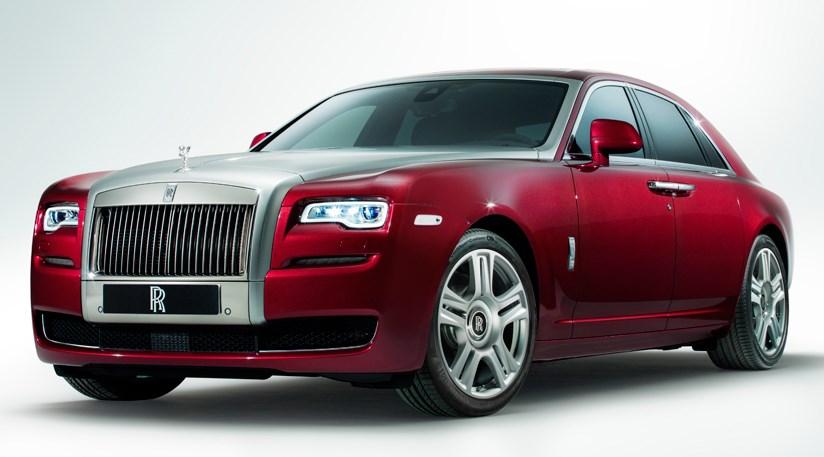
Interestingly, independent Rolls-Royce servicing is entirely possible. Specialist facilities in the United States advertise maintenance, suspension repairs, engine work, and electronic diagnostics for the Ghost and other models.
The difficulty is finding a general mechanic with the necessary experience and equipment. A small garage might comfortably handle basic maintenance but decline complicated suspension, electrical, or programming work.
For Ghost owners, choosing a workshop familiar with Rolls-Royce engineering is particularly important. The vehicle’s luxury reputation is supported by complex systems, and repairing those systems correctly requires more than conventional automotive experience.
