Buying a car involves more than checking its purchase price, insurance, and maintenance expenses. Fuel requirements can also make a noticeable difference to long-term ownership costs, particularly when a vehicle uses a turbocharged or high-performance engine.
Some popular models require premium gasoline, while others recommend it to deliver their advertised horsepower and performance. The confusing part is that not every manufacturer explains the difference clearly during the buying process.
A vehicle that looks affordable at the dealership could cost considerably more to refuel. Here are ten American-market cars worth knowing about before choosing which gasoline to put in the tank.
1. Subaru WRX
2026 model | Premium requirement: 91 AKI minimum
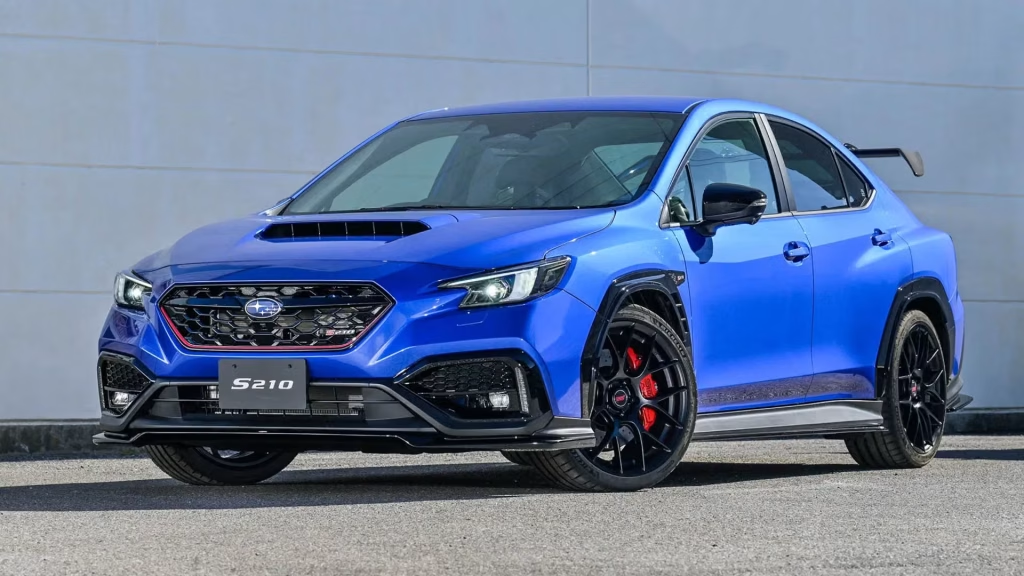
The Subaru WRX is often purchased for its rally-inspired performance and standard all-wheel-drive capability, but its fuel requirements are something buyers should understand before taking delivery.
Every 2026 WRX uses a 2.4-liter turbocharged BOXER four-cylinder engine producing 271 horsepower and 258 lb-ft of torque. Subaru specifies premium unleaded gasoline with a minimum octane rating of 91 AKI for this model. That makes premium fuel an important part of its ownership budget rather than an optional upgrade for enthusiastic drivers.
The reason comes down to the engine’s turbocharging and combustion characteristics. A turbocharger forces additional air into the cylinders, allowing the engine to produce more power from its relatively compact displacement.
However, higher cylinder pressures can increase the possibility of engine knock when fuel does not have sufficient resistance to premature combustion. Higher-octane gasoline helps the engine operate under these demanding conditions.
Subaru’s published specifications identify 91 octane as the minimum requirement across the WRX lineup. Owners should therefore avoid treating 87-octane regular gasoline as an acceptable everyday alternative.
The difference matters because using fuel below the manufacturer’s specified minimum can affect engine operation and potentially cause damage.
Fuel expenses are another factor worth considering, as the WRX comes with a relatively modest 16.6-gallon tank. Drivers with long commutes or a preference for spirited driving may find themselves filling up more frequently, especially since the car requires premium gasoline. The EPA rates the manual-transmission version at 19 mpg in the city and 26 mpg on the highway.
The WRX remains an appealing performance sedan, but its purchase price is only part of the financial commitment. Anyone considering one should calculate fuel expenses using local premium gasoline prices rather than assuming ordinary regular fuel will be sufficient.
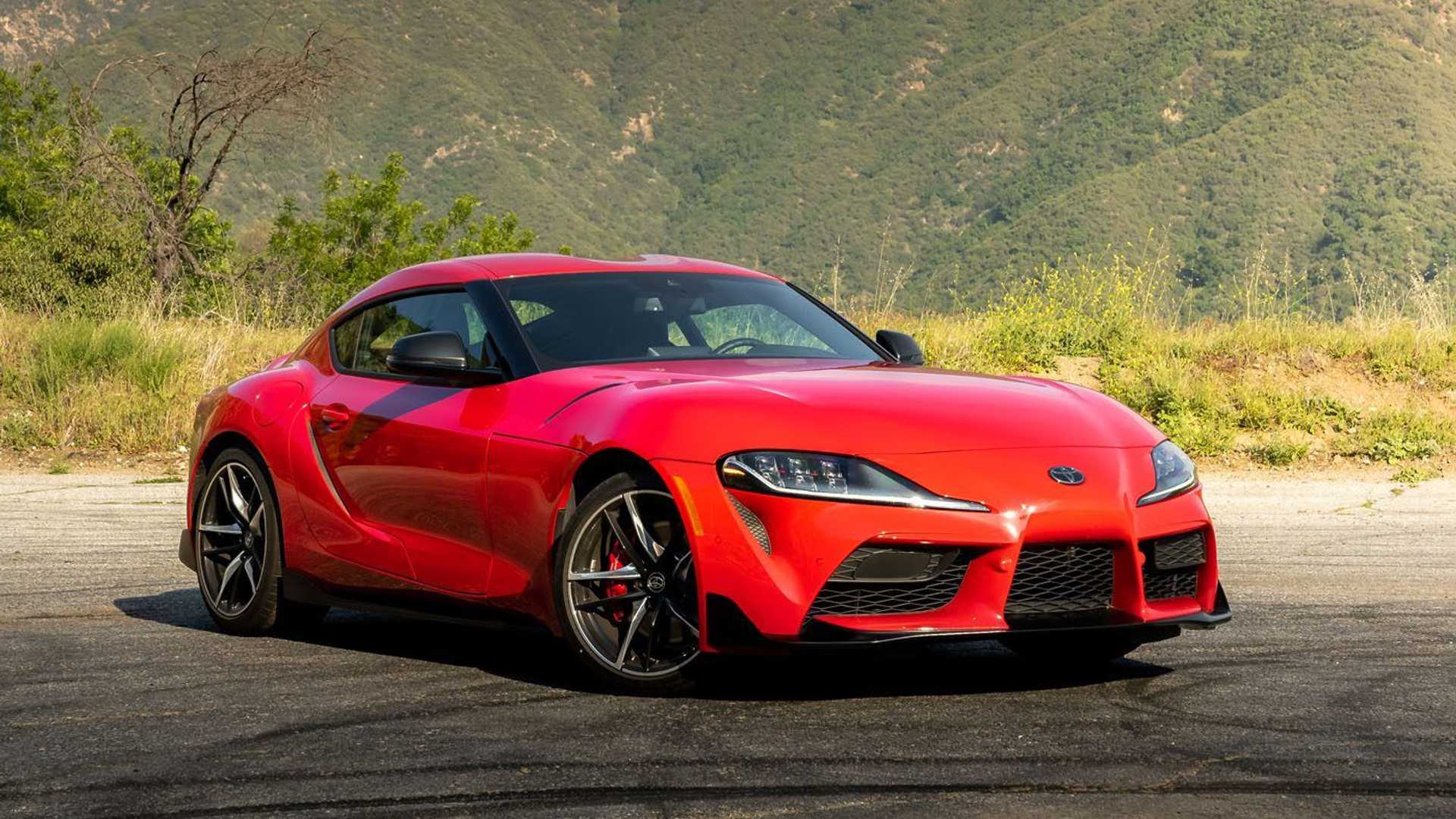
2. Toyota GR Supra 3.0
2026 model | Premium requirement: 91 AKI minimum
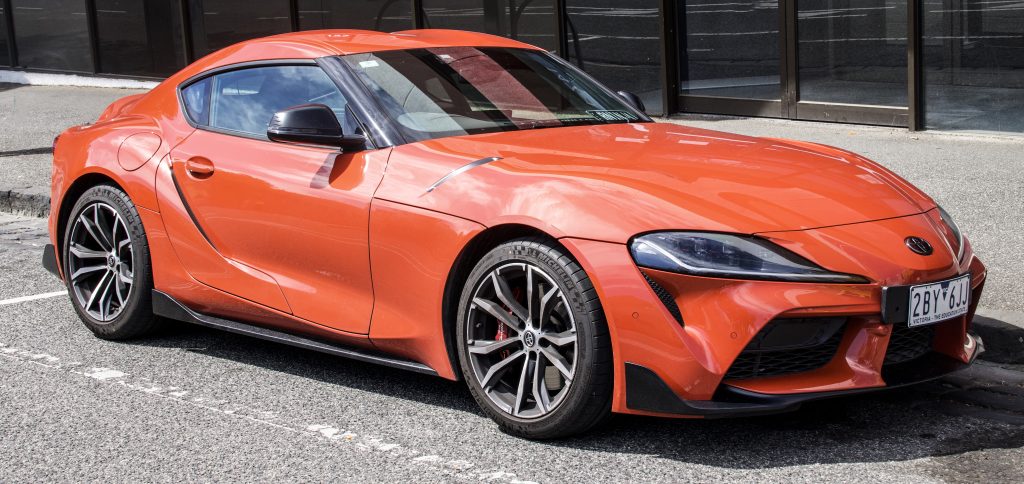
The Toyota GR Supra 3.0 is another sports car where choosing the correct gasoline matters considerably. Its turbocharged 3.0-liter inline-six engine produces 382 horsepower and 368 lb-ft of torque, delivering the kind of performance that makes the Supra popular among driving enthusiasts.
However, Toyota specifies premium unleaded gasoline with a minimum rating of 91 AKI for the 2026 model. This is not simply a recommendation for extracting a little extra performance. Buyers should treat it as the required minimum fuel grade.
There is an additional detail that many shoppers might overlook. Toyota’s 2026 GR Supra brochure bases its published performance ratings for the 3.0 model on premium gasoline rated at 93 octane or higher.
It also warns that performance decreases when premium fuel is not used. The owner’s manual establishes the 91-octane minimum, while the brochure identifies the higher grade used for the advertised performance figures.
This distinction is important because a turbocharged engine depends on carefully controlled combustion to deliver its intended output. Lower-octane gasoline can increase the likelihood of knock under demanding conditions, requiring engine-management adjustments that may reduce performance.
The Supra’s fuel tank holds approximately 13.7 gallons, so drivers should account for premium fuel prices when calculating their regular running costs. Its two-seat layout and sports-car character may encourage more enthusiastic driving, which can also increase fuel consumption.
For someone purchasing the GR Supra as a weekend performance car, the additional gasoline expense may be relatively manageable. Daily drivers, however, should consider how frequently they will be filling the tank.
The Supra is an exciting sports car, but its premium-fuel requirement is a recurring ownership expense that should not come as a surprise after purchase.
3. Lexus IS 350
2026 model | Premium requirement: 91 AKI or higher
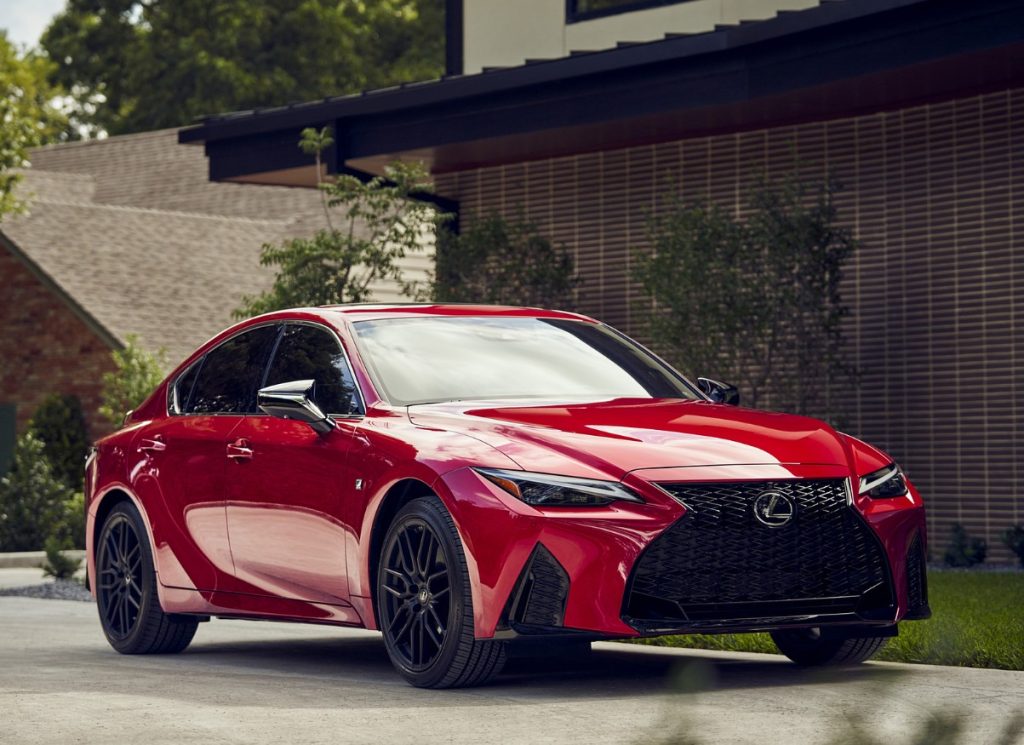
The Lexus IS 350 is a good example of a luxury sedan that can look relatively ordinary at the gas station but carries a more expensive fuel requirement than many mainstream competitors.
Its 3.5-liter naturally aspirated V6 produces 311 horsepower and 280 lb-ft of torque, giving the compact luxury sedan a strong combination of smooth power delivery and responsive acceleration.
However, Lexus specifies premium unleaded gasoline with an octane rating of at least 91 for the IS 350. Using lower-octane fuel can cause engine damage and potentially affect warranty coverage.
What makes this requirement interesting is that the IS 350 does not rely on a turbocharger to produce its power. Its naturally aspirated V6 uses a relatively high-performance engine design, and the manufacturer specifies higher-octane fuel to support the intended combustion characteristics.
This is an important reminder that premium gasoline is not exclusively required by turbocharged engines. Naturally aspirated performance engines can have the same requirement.
The IS 350 is available with rear-wheel drive or all-wheel drive in the American market. The RWD version uses an eight-speed automatic transmission, while AWD models use a six-speed automatic.
Neither configuration removes the premium gasoline requirement, so buyers should not assume that choosing the less expensive drivetrain will reduce their fuel expenses.
For someone purchasing a used IS 350, this detail deserves particular attention. A lower purchase price may make the sedan appear attractive, but fuel expenses continue throughout ownership. Drivers who cover substantial annual mileage will notice the difference between regular and premium gasoline much sooner than occasional drivers.
The IS 350 remains an appealing choice for people who want a traditional V6 luxury sedan. Just remember that its ownership costs include more than insurance and maintenance. Premium fuel is part of the package.
4. Mercedes-AMG C43
2026 model | Premium requirement: 91 AKI minimum
The Mercedes-AMG C43 demonstrates how modern performance engineering can create additional fuel expenses even when an engine has fewer cylinders than older performance cars. Its 2.0-liter turbocharged four-cylinder engine is paired with an electrically assisted turbocharger and a 48-volt mild-hybrid system.
In the American-market 2026 model, this combination produces 402 horsepower and 369 lb-ft of torque. Those figures are impressive for a relatively small engine, but the vehicle’s performance comes with a strict premium gasoline requirement.
Mercedes-Benz specifies premium unleaded gasoline with a minimum octane rating of 91 for its gasoline-powered vehicles unless a particular model has different instructions.
Its 2026 gasoline vehicle documentation also warns against using non-premium fuel below the specified octane level. Therefore, C43 owners should not treat regular 87-octane gasoline as a cheaper everyday alternative.
The engineering behind the C43 helps explain the requirement. Its electrically assisted turbocharger uses an electric motor to help the turbocharger build boost more quickly, reducing traditional turbo lag.
Combined with the mild-hybrid system, this setup allows the engine to deliver strong acceleration and responsive power. However, the high-performance combustion demands make correct fuel selection particularly important.
Buyers should also account for the C43’s higher ownership costs beyond its premium fuel requirement. As a luxury performance sedan, it can carry steeper expenses for insurance, routine servicing, tires, and replacement parts compared with a conventional compact sedan.
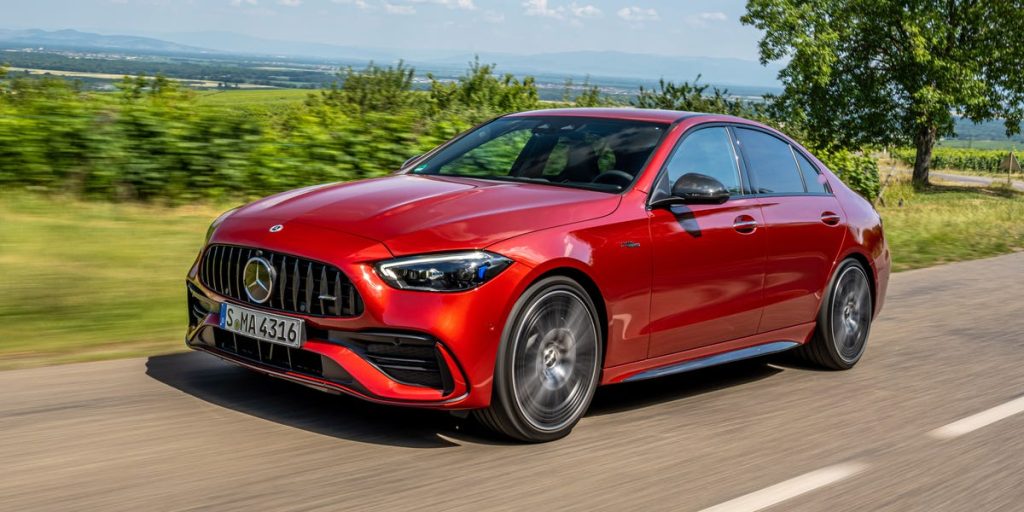
Someone considering a used example should check its fuel-filler instructions and owner’s manual rather than relying on assumptions about smaller engines.
The C43 proves that engine displacement alone does not determine fuel requirements. A technologically advanced four-cylinder performance engine can demand just as much attention at the pump as a larger V8.
5. Chevrolet Corvette Stingray
2026 model | Premium requirement: 91 AKI minimum
The Chevrolet Corvette Stingray is not the kind of vehicle where fuel selection should be treated as an afterthought. Its naturally aspirated 6.2-liter LT2 V8 produces 490 horsepower and 465 lb-ft of torque in the standard configuration, while the available performance exhaust increases output to 495 horsepower and 470 lb-ft.
Chevrolet specifies premium unleaded gasoline with a minimum octane rating of 91 for the Stingray. This requirement is particularly important because the engine is designed to deliver substantial performance under demanding operating conditions.
The mid-engine layout places the V8 behind the passenger compartment, giving the Corvette a different weight distribution from traditional front-engine sports cars. Its eight-speed dual-clutch transmission also helps deliver rapid gear changes.
However, neither the sophisticated drivetrain nor the advanced engine management system removes the need to follow Chevrolet’s fuel specifications.
One detail worth understanding is the distinction between the Stingray and more powerful Corvette variants. The 2026 owner’s manual identifies 93-octane gasoline as required for the ZR1 and ZR1X. That higher requirement should not be confused with the Stingray’s 91-octane minimum. Buyers should always follow the fuel instructions for their exact model and engine.
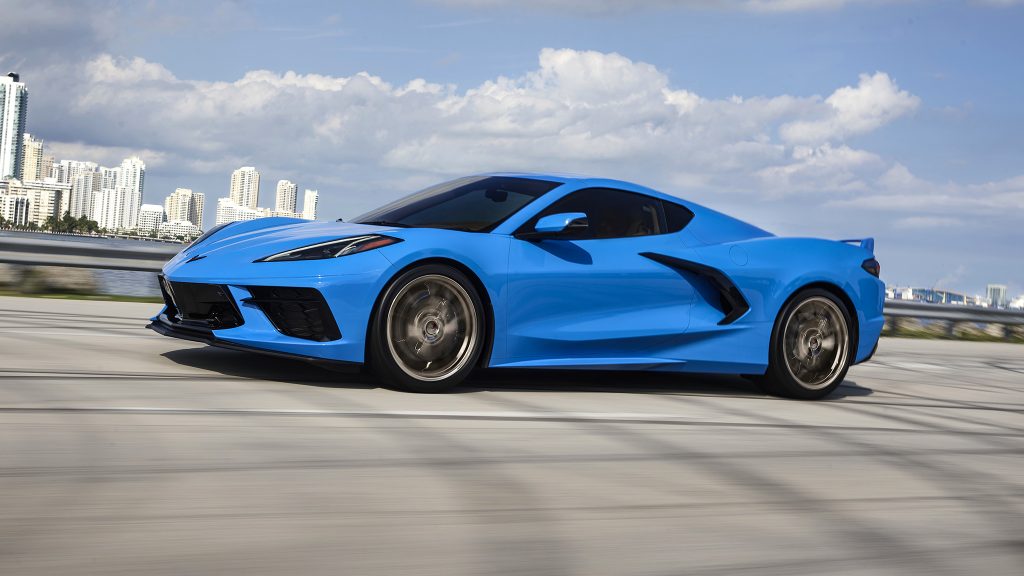
For everyday owners, the additional fuel expense can become noticeable because the Corvette is not particularly economical when driven enthusiastically. Its EPA fuel-economy figures vary with configuration and driving conditions, and frequent performance driving can increase consumption considerably.
The Stingray is an exciting sports car, but its fuel requirement is part of the ownership commitment. Anyone purchasing one should budget for premium gasoline from the beginning rather than assuming regular fuel will provide the same approved operating conditions.
6. Lexus TX 350
2026 model | Premium requirement: 91 AKI minimum
A three-row luxury SUV might not be the first vehicle people associate with premium gasoline, but the Lexus TX 350 proves that expensive fuel requirements are not limited to sports cars.
This family-oriented SUV uses a 2.4-liter turbocharged four-cylinder engine producing 275 horsepower and 317 lb-ft of torque. Despite sharing its basic engine design with certain Toyota models, the Lexus requires premium unleaded gasoline with at least 91 octane in the United States.
This difference attracted attention in Consumer Reports’ September 2026 investigation into vehicles requiring premium fuel. The publication compared the Lexus TX 350 with the Toyota Grand Highlander, which uses a closely related 2.4-liter turbocharged engine but accepts regular 87-octane gasoline.
Lexus explained that its engine is tuned for slightly higher power and refinement, producing 10 additional horsepower compared with the corresponding Toyota application.
The TX 350 is designed for families who need three rows of seating, a comfortable cabin, and the convenience of a luxury vehicle. However, those advantages come with additional running costs.
Consumer Reports estimated that the premium requirement could add more than $3,000 in fuel expenses over five years compared with an equivalent vehicle using regular gasoline, depending on fuel prices and driving habits.
This is particularly important for families who cover substantial annual mileage. A luxury SUV may look attractive when comparing monthly financing payments, but its fuel requirements can gradually increase household expenses.

The TX 350 makes sense for buyers who value its refinement, equipment, and premium interior. Nevertheless, someone primarily interested in three-row practicality should compare it with the Toyota Grand Highlander before purchasing.
The two vehicles illustrate how similar powertrain designs can carry very different fuel requirements depending on manufacturer tuning and positioning.
7. Lexus GX 550
2026 model | Premium requirement: 91 AKI minimum
The Lexus GX 550 is a large luxury SUV designed for buyers who want serious off-road capability without giving up premium interior comfort. Its twin-turbocharged 3.4-liter V6 produces 349 horsepower and 479 lb-ft of torque, providing substantial pulling power for highway driving, towing, and demanding terrain.
However, this engine requires premium unleaded gasoline with an octane rating of 91 or higher. The requirement is particularly relevant because the GX is a family-oriented vehicle that many owners may use for ordinary commuting rather than demanding off-road adventures.
Unlike smaller luxury crossovers, the GX uses a traditional four-wheel-drive system with a two-speed transfer case. Its 10-speed automatic transmission helps manage the engine’s torque, while the turbocharged powertrain provides strong low-speed pulling capability.
Nevertheless, the additional performance and vehicle size come with considerable fuel consumption. The EPA estimates 15 mpg in city driving and 21 mpg on the highway, giving it a combined rating of 17 mpg.
Its 21.1-gallon fuel tank means filling the vehicle with premium gasoline can become a noticeable expense. According to the EPA’s fuel-cost estimates, annual fuel expenses are approximately $4,400 under its standard assumptions of 15,000 miles per year and prevailing fuel prices. Actual spending will vary according to driving habits and local gasoline prices.
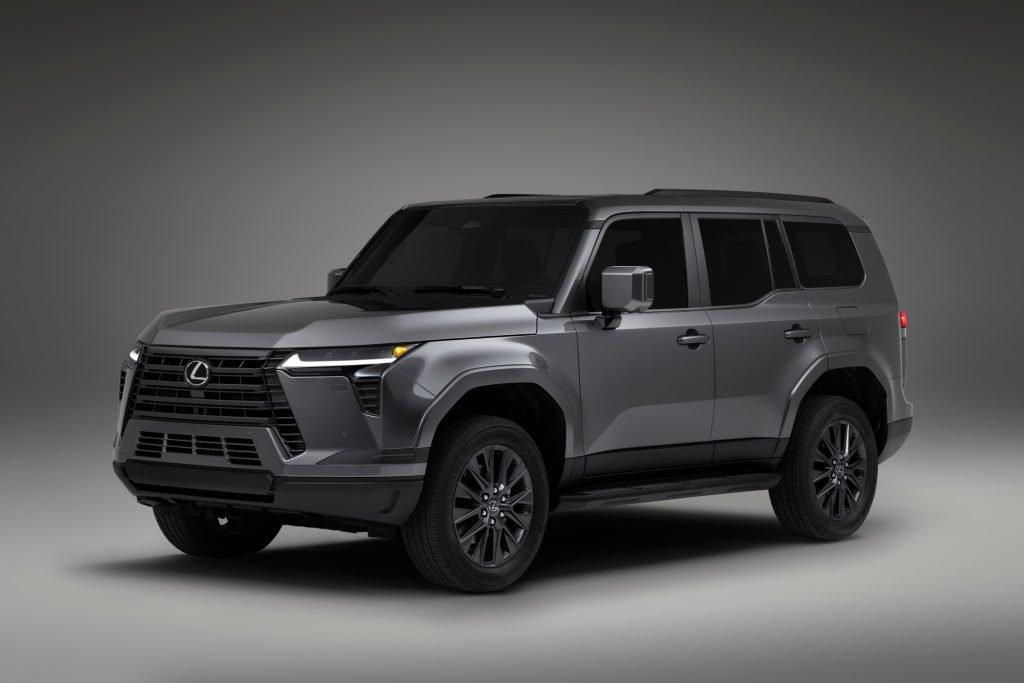
For buyers who need genuine four-wheel-drive capability, a powerful towing-oriented engine, and a luxurious cabin, the GX 550 has plenty of appeal. However, its fuel requirements should be included in the purchasing decision.
Someone expecting inexpensive family transportation may be surprised by its running costs, particularly when combined with premium gasoline and relatively low fuel economy.
8. Porsche 911 Carrera
2026 model | Premium requirement: Premium gasoline, preferably 93 AKI
The Porsche 911 Carrera is a sports car where choosing the correct gasoline is directly connected to the engine’s intended performance. Its twin-turbocharged 3.0-liter flat-six engine produces 388 horsepower and 331 lb-ft of torque in the 2026 Carrera.
Porsche engineers this powertrain to deliver strong acceleration, smooth power delivery, and consistent performance under demanding conditions. The manufacturer recommends high-quality premium unleaded gasoline, with 93 AKI being the preferred US-market grade for achieving the intended performance.
The 911’s engine sits behind the rear axle, creating a distinctive weight distribution that has remained central to the model’s character for generations. Its turbocharged configuration allows the relatively small flat-six to produce substantial power without requiring a larger naturally aspirated engine.
However, turbocharging also makes correct fuel quality important because combustion pressure and temperature increase under boost.
Porsche’s fuel guidance should be read carefully. Premium gasoline is recommended, and the precise minimum acceptable octane can vary by engine and model-year specification. Buyers should check the 2026 US owner’s manual and the fuel-filler label for their particular Carrera rather than assume that every 911 variant has identical requirements.
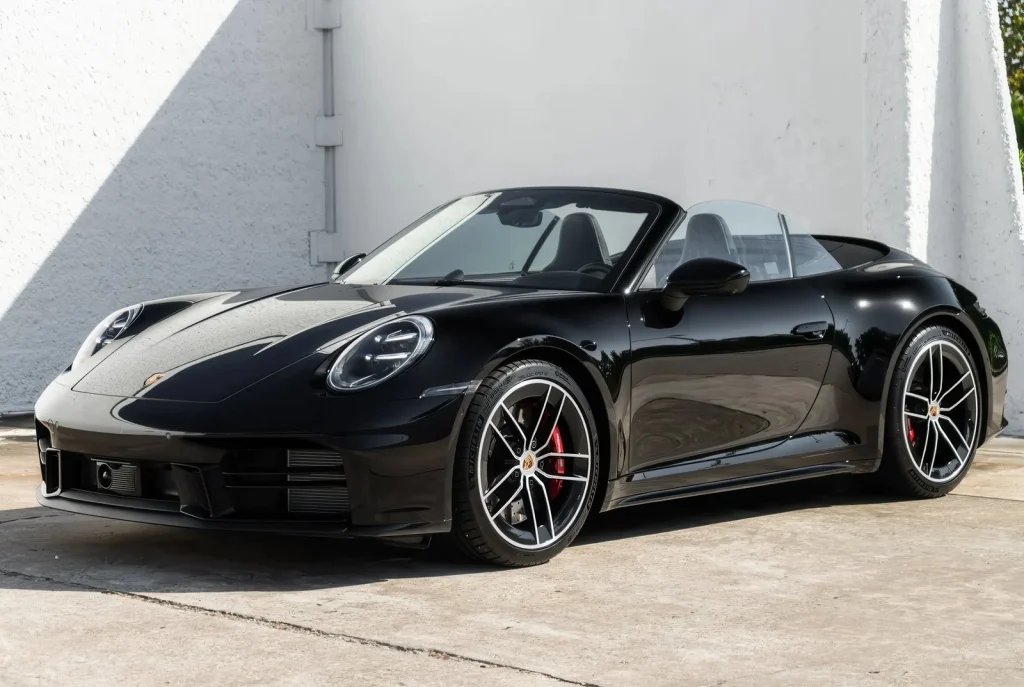
The additional fuel expense is unlikely to surprise someone purchasing a new 911, but it remains important for used-car buyers. A lower-priced older example can still carry the same premium-fuel expectations, alongside expensive maintenance and specialist servicing.
For enthusiasts, the 911 Carrera offers an appealing combination of everyday usability and serious sports-car performance. Just remember that the recommended fuel grade is part of the engineering package. Choosing the correct gasoline helps the engine deliver the performance Porsche designed it to provide.
9. BMW M3
2026 model | Recommended fuel: 93 AKI | Minimum: 91 AKI
The BMW M3 is a performance sedan that combines everyday practicality with serious sports-car engineering. However, its fuel requirements are something buyers should understand before committing to ownership.
The 2026 M3 uses a 3.0-liter twin-turbocharged inline-six engine. Depending on the configuration, output ranges from 473 horsepower in the standard manual model to 523 horsepower in the Competition xDrive version. Torque reaches as much as 479 lb-ft in the automatic Competition models.
BMW recommends gasoline rated at 93 AKI for the M3, while 91 AKI is the minimum acceptable grade.
The distinction matters because using the minimum rating can result in unusual engine sounds, knocking noises, or driving irregularities, particularly during high-temperature starts. BMW specifically warns owners against using 87-octane gasoline or anything lower.
The engine’s twin turbochargers help produce substantial power from a relatively compact displacement. Maintaining the correct fuel quality is important because turbocharged engines operate under considerable pressure when producing maximum output.
Premium gasoline provides greater resistance to engine knock, allowing the powertrain to operate within its intended parameters.
Fuel expenses can become noticeable for owners who drive the M3 regularly. BMW lists a 15.6-gallon fuel tank, and the EPA city and highway estimates for automatic versions are 16 and 23 mpg, respectively. Enthusiastic driving can reduce actual mileage further.

The M3 is not simply a more powerful version of an ordinary commuter sedan. Its performance-oriented engineering comes with additional running expenses, and premium gasoline is one of them. Buyers should budget for 93-octane fuel whenever possible rather than planning around the minimum acceptable grade.
10. Acura Integra Type S
2026 model | Recommended fuel: 93 AKI
The Acura Integra Type S is an interesting addition to this list because it combines a relatively practical hatchback body with the performance credentials of a serious sports sedan. Its 2.0-liter turbocharged VTEC four-cylinder engine produces 320 horsepower and 310 lb-ft of torque, making it considerably more powerful than the standard Integra.
However, that additional performance also brings a more demanding fuel recommendation. Acura specifies premium unleaded gasoline rated at 93 octane for the Type S.
Unlike some premium-fuel vehicles that specify 91 octane as their minimum, the Type S is specifically recommended to use 93-octane gasoline. This distinction is important when comparing fuel requirements.
Acura’s published specifications identify 93 octane for the Type S, while the regular Integra and its A-Spec versions are listed with a 91-octane recommendation. Buyers should follow the fuel instructions for the exact trim rather than assume every Integra has identical requirements.
The Type S sends power to its front wheels through a six-speed manual transmission and includes a helical limited-slip differential. This combination gives enthusiasts a more engaging driving experience while helping manage the engine’s substantial torque.
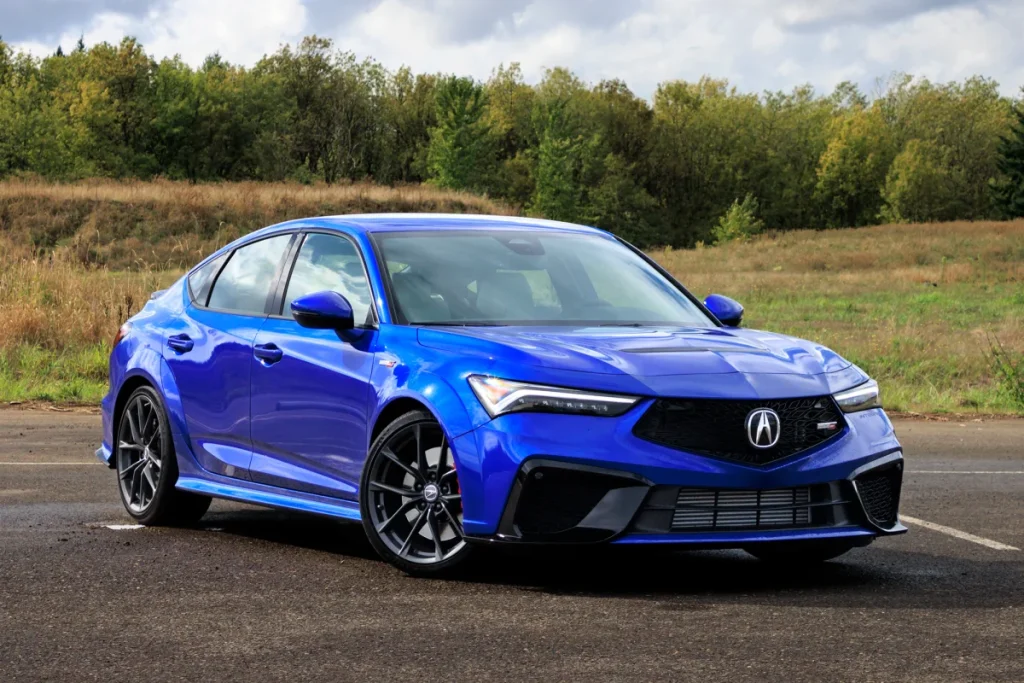
Its performance equipment also includes Brembo front brake calipers and Michelin Pilot Sport 4 S tires, highlighting its more specialized character.
Fuel economy is rated at 21 mpg city, 28 mpg highway, and 24 mpg combined by the EPA. Its 12.4-gallon fuel tank means frequent drivers should account for premium gasoline prices when estimating monthly expenses.
For buyers who want a powerful manual performance car with everyday practicality, the Integra Type S is an appealing option. Just remember that its 320-horsepower engine is designed around premium fuel, and that expense should be included in the ownership budget.