Winter driving can challenge even experienced motorists, but some vehicles require considerably more attention when snow and ice cover the roads. Rear-wheel-drive sports cars, low-slung sedans, and front-wheel-drive models with limited ground clearance can face difficulties when traction disappears or snow accumulates beneath the chassis.
That does not automatically make these vehicles unsafe or unsuitable for winter ownership. Tires, drivetrain configuration, vehicle weight, and driver experience all influence performance.
However, certain popular models have characteristics that make snowy conditions more demanding. Here are seven cars American drivers should approach with extra preparation when winter weather arrives.
1. Toyota GR86
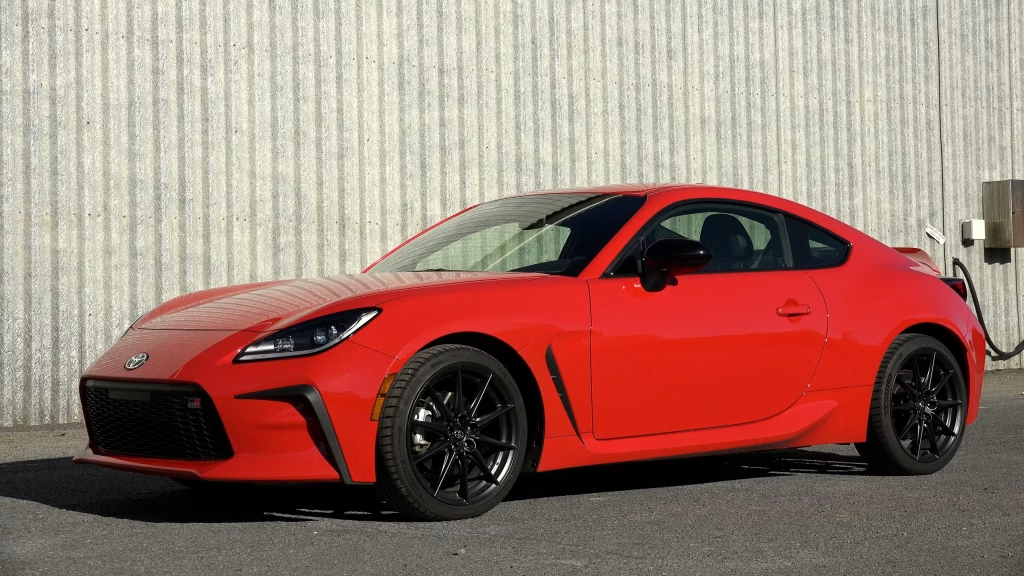
The Toyota GR86 is an enjoyable sports coupe on dry roads, but winter weather exposes some of the compromises that come with its performance-focused design. Unlike conventional family sedans, the GR86 sends engine power exclusively to its rear wheels.
This rear-wheel-drive arrangement helps deliver responsive handling and an engaging driving experience, but it requires greater care when accelerating on snow-covered roads. When grip becomes limited, the rear tires can lose traction more easily, particularly if the driver applies too much throttle while turning or pulling away from a stop.
Its low-slung design creates another disadvantage. Toyota’s previous-generation GR86 specifications list approximately 5.1 inches of ground clearance, leaving relatively little room beneath the vehicle when snow accumulates.
Even moderate snowfall can become problematic if roads have not been cleared, especially around steep driveways, parking entrances, and uneven residential streets. The coupe’s compact proportions are excellent for handling, but they do not provide the underbody clearance available in taller vehicles.
Tires are particularly important with this model. The 2026 GR86 uses performance-oriented tire configurations, including available Michelin Pilot Sport 4 tires. These are designed for road performance rather than dedicated winter traction.
That does not mean owners must abandon the car during winter. A properly matched set of four winter tires can significantly improve its ability to accelerate, turn, and stop in cold conditions.
Drivers should also avoid sudden throttle inputs and leave additional stopping distance. The GR86 is perfectly enjoyable as a year-round vehicle in suitable climates, but people living in regions with frequent heavy snowfall will need more preparation than owners of conventional winter-oriented vehicles.
2. Honda Civic
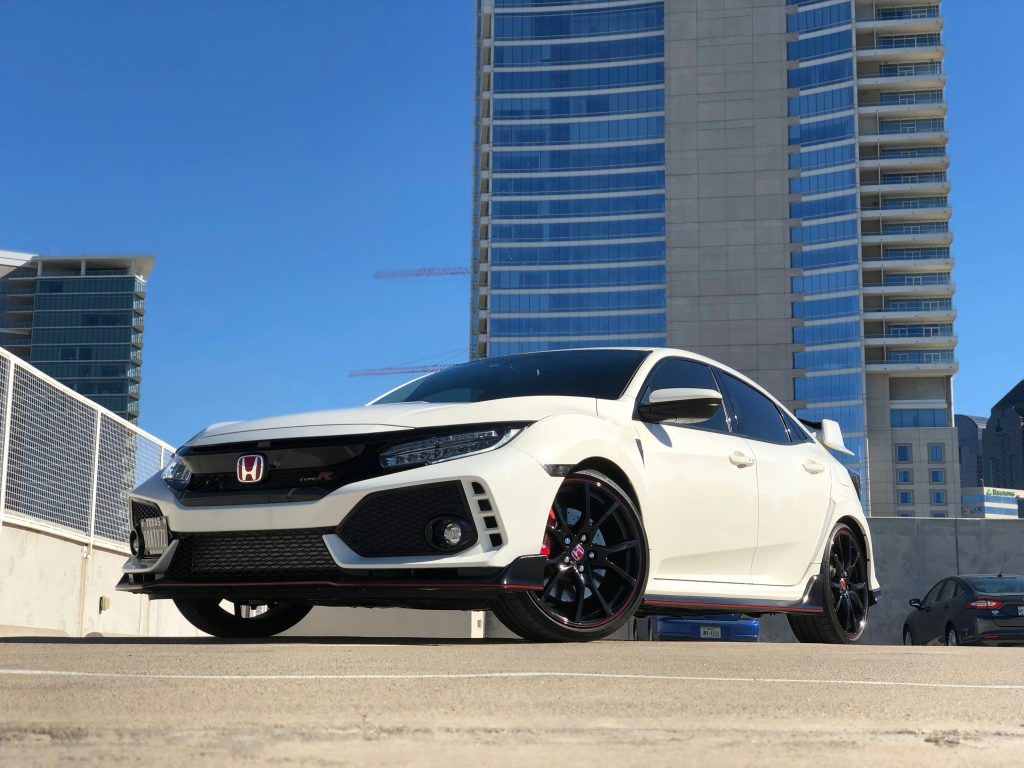
The Honda Civic is one of America’s familiar compact cars, known for its practicality, fuel economy, and everyday usability. However, its conventional front-wheel-drive configuration and relatively low ride height can become disadvantages when snow accumulates on the road.
Power is delivered through the front wheels, which normally helps the car maintain traction because the engine’s weight rests above the driven axle. Nevertheless, deep snow, icy inclines, and poorly cleared roads can still create difficulties, particularly when the tires cannot maintain sufficient contact with the surface.
The 2026 Civic Sedan is equipped with front-wheel drive across its available trims. Honda offers different wheel and tire combinations, including 16-inch wheels with 215/55R16 tires on the LX and 18-inch wheels with 235/40R18 tires on higher trims.
The larger, lower-profile setup may be less forgiving when driving through rough winter conditions, particularly when potholes and frozen road surfaces are involved.
Honda’s owner’s manual also points out an important restriction when driving the Civic in winter conditions. Limited clearance around the tires means only certain cable-style traction devices are approved for specific tire sizes. For models equipped with the optional 235/40R18 tires, Honda does not recommend using either tire chains or cables.
This is worth checking before winter because buying an incompatible traction device can damage brake lines, suspension components, or wheels.
The Civic is not inherently a poor winter vehicle. Its front-wheel-drive layout can work well with suitable tires, and dedicated winter tires provide a substantial advantage over ordinary all-season rubber.
The real difficulty appears when drivers expect a low compact sedan to handle deep, unplowed snow like an SUV. For regular winter commuters, tire selection and careful route planning matter considerably.
3. Ford Mustang
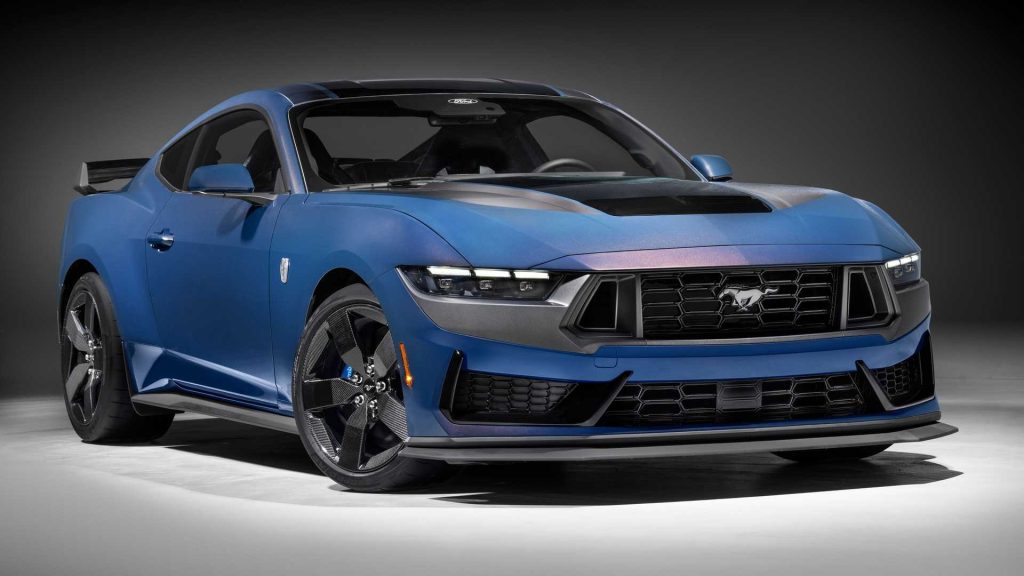
The Ford Mustang has always been associated with powerful engines, rear-wheel-drive performance, and an engaging driving experience. Those characteristics make it exciting on open roads, but they can become challenging when winter weather reduces available traction.
The 2026 Mustang continues to use a rear-wheel-drive configuration, meaning engine power is delivered to the rear wheels rather than all four corners. When those tires encounter snow or ice, maintaining traction during acceleration becomes more difficult, particularly on hills and slippery intersections.
Engine choice also matters. The Mustang lineup ranges from the 2.3-liter EcoBoost four-cylinder to the 5.0-liter V8, with substantially different power outputs.
Although the less powerful version may be easier to manage, none of these configurations changes the fundamental limitation of having rear-wheel drive. Applying too much throttle can cause the rear tires to spin, making controlled acceleration particularly important.
Another consideration is the tires fitted to the vehicle. Ford lists 235/50R18 all-season tires as standard equipment on the 2026 EcoBoost configuration. While these tires are suitable for a range of ordinary road conditions, they are not equivalent to dedicated winter tires when temperatures fall and snow becomes persistent.
Mustang ownership during winter is certainly possible, but preparation makes a significant difference. Installing four appropriate winter tires, checking tread depth, and using gentle accelerator inputs can improve its behavior considerably.
Drivers should also be careful when entering corners because rear-wheel-drive vehicles can become unsettled when throttle and steering inputs are too aggressive. The Mustang is not necessarily a car that should be parked every time snow appears, but it demands more attention than an equivalent all-wheel-drive performance vehicle.
4. Mazda MX-5 Miata
The Mazda MX-5 Miata is built around lightweight construction, balanced handling, and an uncomplicated rear-wheel-drive layout. Those qualities make it one of the most enjoyable affordable sports cars available in America, but they do not necessarily translate into confidence on snowy roads.
The 2026 model weighs approximately 2,366 pounds with its manual transmission, according to Mazda. Its relatively low weight contributes to its responsive character, although it also means the car has less mass pressing its tires against slippery surfaces than many heavier vehicles.
The Miata’s rear-wheel-drive arrangement creates another winter challenge. Its front-midship engine sends power to the rear axle, and the vehicle has near 50:50 weight distribution.
This balance benefits cornering on dry pavement, but it cannot eliminate the possibility of rear-wheel spin when accelerating over snow or ice. The lightweight body can also make the car feel less settled when encountering uneven snow-covered surfaces.
Ground clearance is another concern. Mazda lists minimum laden ground clearance between approximately 5.55 and 5.79 inches for different soft-top configurations. That relatively limited clearance makes deep snow particularly troublesome because snow can accumulate underneath the vehicle and interfere with forward movement.
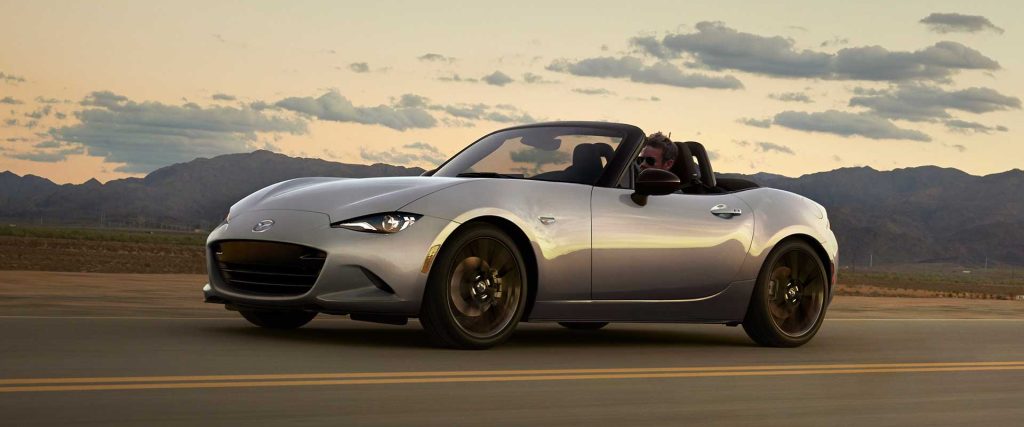
There is a reason many Miata owners prefer keeping the car for fair-weather driving, particularly in regions with heavy winter snowfall. Nevertheless, suitable winter tires can improve its performance substantially, and the car can remain usable in areas with regularly cleared roads.
Owners should avoid driving through deep accumulation and should never mistake good handling on dry pavement for winter capability. The Miata rewards smooth inputs, which becomes even more important when grip is limited.
5. Tesla Model 3 Rear-Wheel Drive
Electric vehicles have changed the way people think about winter driving, but not every electric sedan automatically performs well in snow. The rear-wheel-drive version of the Tesla Model 3 is a good example.
Its electric motor sends power to the rear wheels, providing immediate acceleration and responsive performance. That instant torque can become difficult to manage on slippery surfaces, especially when drivers accelerate aggressively from a standstill.
Although electronic traction controls help regulate wheelspin, they cannot create grip when the tires have limited contact with the road.
Ground clearance is another consideration. Tesla lists approximately 5.4 inches of clearance for the standard rear-wheel-drive Model 3. That is sufficient for ordinary paved roads, but it leaves relatively little space when snow becomes deep or accumulates in unplowed parking areas.
Its 3,759-pound curb weight is substantial for a sedan, but additional weight alone does not guarantee better winter traction. Tire compound, tread design, and drivetrain configuration remain important factors.
Buyers should also distinguish between the rear-wheel-drive model and Tesla’s dual-motor all-wheel-drive versions. The latter distribute power between both axles and can provide an advantage when accelerating on slippery surfaces. However, even an AWD Model 3 cannot escape the limitations of inadequate tires or excessive speed.
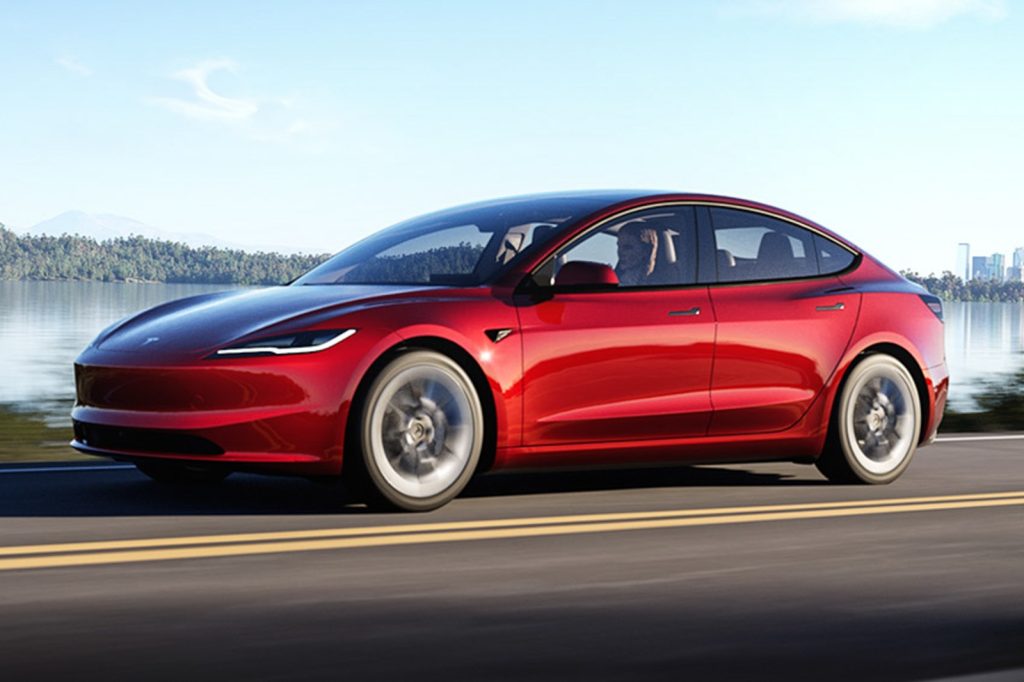
For owners of the rear-wheel-drive version, a dedicated set of winter tires is a sensible investment in regions with frequent snowfall. Drivers should also use smooth acceleration and allow extra room for braking.
The Model 3 can handle winter commuting with suitable preparation, but its rear-wheel-drive configuration and modest clearance make it less convenient when roads become heavily snow-covered.
6. Chevrolet Corvette Stingray
The Chevrolet Corvette Stingray is engineered for performance rather than winter practicality. Its mid-engine layout, powerful V8, and low sports-car body make it an exciting vehicle on dry roads, but these same characteristics demand extra attention when snow and ice appear.
The 2026 Stingray uses rear-wheel drive, with its 6.2-liter V8 producing 490 horsepower and 465 lb-ft of torque in the standard configuration. That much power delivered to the rear wheels can make controlled acceleration difficult when the road surface offers limited grip.
Its ground clearance presents an additional problem. Car and Driver lists approximately 5.3 inches of minimum clearance for the 2026 Stingray. While this is not exceptionally low compared with every sports car, it is considerably less accommodating than the ride height of a typical SUV or crossover.
Snow accumulated around driveways, parking entrances, and unplowed streets can therefore become an obstacle. The Corvette’s low front bodywork also requires careful attention when approaching snow-covered road edges.
Tire selection is another major concern. The Stingray is fitted with performance-oriented rubber designed to provide grip during spirited driving.
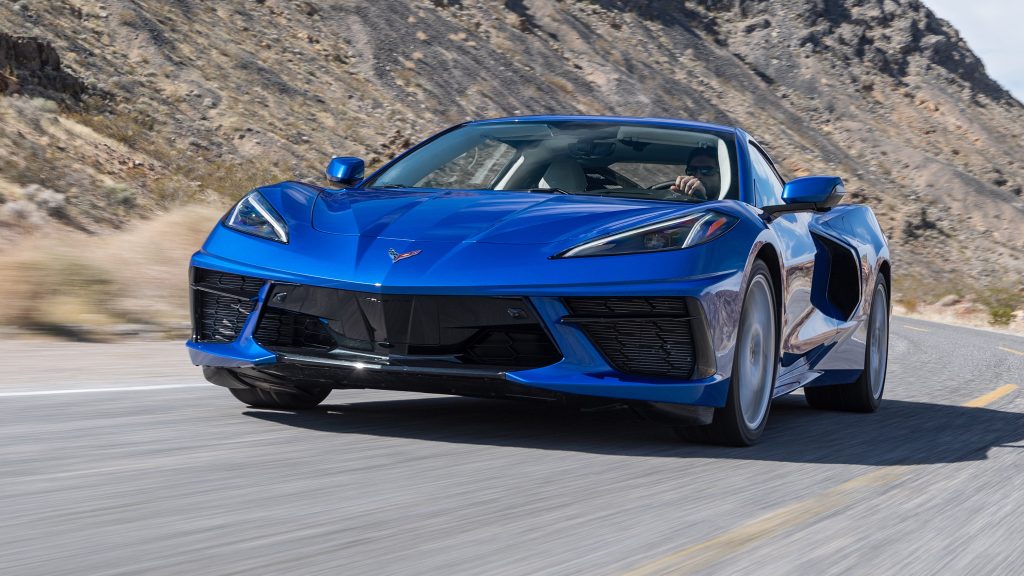
Such tires are not automatically suitable for cold-weather conditions, and summer performance tires can lose substantial traction in low temperatures. Even an experienced driver may struggle when the compound is not designed for winter use.
For most owners, keeping the Corvette away from heavy snow is the sensible approach. Those who must drive it during colder months should verify that their tires are appropriate for the temperature and road conditions. Its performance capabilities are impressive, but they do not compensate for limited ground clearance or insufficient tire grip.
7. Nissan Sentra
The Nissan Sentra is designed as an affordable compact sedan for everyday transportation, but its relatively low ground clearance makes it less suitable for roads covered in heavy snow.
The 2026 model uses a front-wheel-drive layout, which provides a useful advantage over rear-wheel-drive vehicles when accelerating on slippery surfaces.
However, that advantage has limitations when snow becomes deep enough to interfere with the vehicle’s underside. Its low stance can make it difficult to move through accumulated snow, particularly on residential streets that have not been cleared by snowplows.
The biggest concern is the Sentra’s ground clearance. Nissan lists approximately 4.7 inches for the S and SV trims, increasing to 4.8 inches for the SR and SL. These figures leave relatively little space between the vehicle and the road surface.
When snow builds up beyond that clearance, the underbody can begin pushing against the accumulation, increasing resistance and potentially leaving the car stuck. This is especially problematic when entering driveways or attempting to cross snow-covered parking areas.
Another important factor is the vehicle’s tire setup. The Sentra is equipped with conventional passenger-car tires rather than an off-road-oriented configuration.
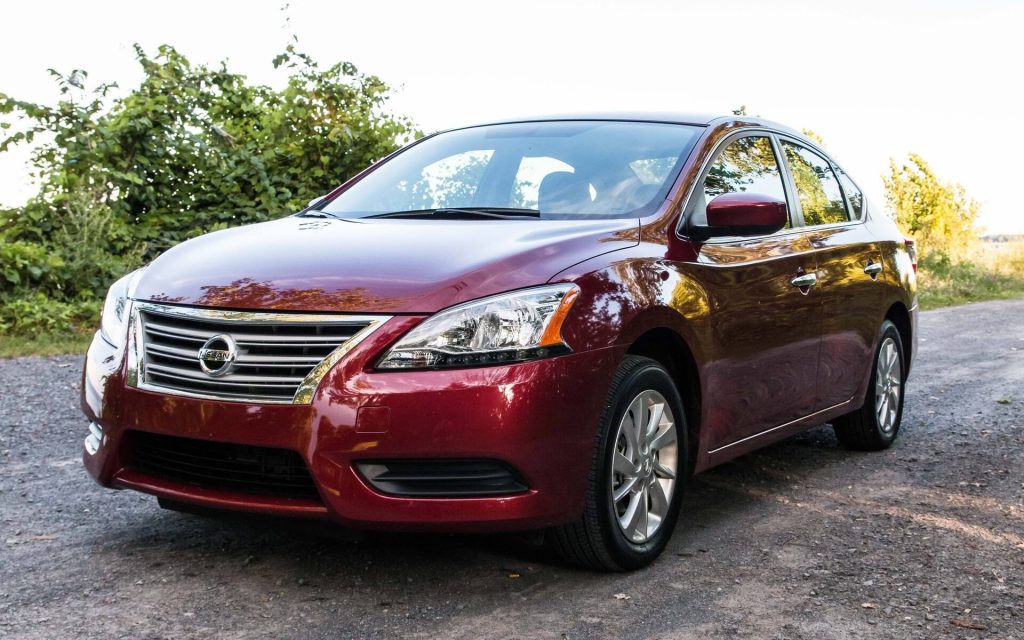
Although its front-wheel-drive system can provide reasonable performance in light snow, worn all-season tires may struggle considerably when temperatures fall and roads become icy. Replacing them with appropriate winter tires can make a noticeable difference.
The Sentra remains a sensible commuter car for drivers who experience occasional snowfall and have access to regularly maintained roads.
However, people living in areas with frequent heavy accumulation should consider its limited ground clearance before relying on it for daily winter transportation. Its affordable ownership costs and practical cabin are appealing, but deep snow is not where this compact sedan performs at its best.