
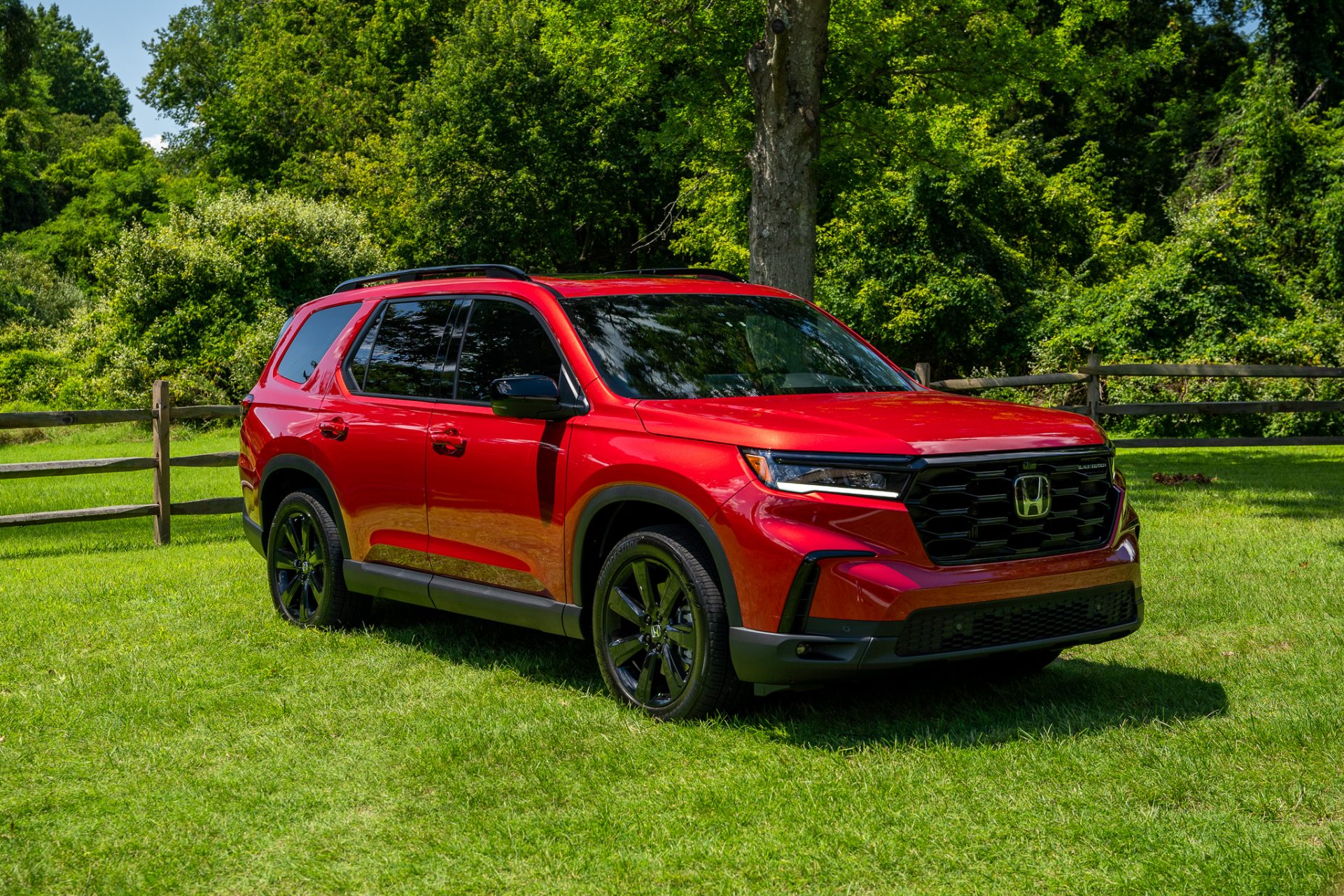
Modern automatic transmissions are not always designed for the familiar driveway fluid change. Some have no traditional dipstick, require a specific temperature during filling, or use manufacturer-specific fluid that must not be mixed with other products.
This can make transmission servicing more involved and may lead owners to seek help from a dealership. However, the procedure is not necessarily limited to dealers, as independent transmission specialists with the right equipment and expertise may also be able to perform the service.
The examples below focus on vehicles whose U.S. owner manuals specifically direct owners to have a dealer check or replace the transmission fluid, rather than claiming that no independent shop can service them.
1. Honda Civic Sedan
The Honda Civic Sedan is a familiar sight on American roads, but its continuously variable transmission comes with a maintenance instruction that many owners may not expect.
The 2026 owner’s manual specifies Honda HCF-2 fluid for CVT-equipped versions and explicitly tells owners to have a dealer check the fluid level and replace it when necessary. It also says not to attempt the CVT fluid check or replacement at home. That is stronger guidance than simply recommending a professional inspection.
The reason for this caution is not just the location of the transmission. Honda warns against mixing HCF-2 with other transmission fluids because an incorrect product can affect operation and durability, potentially damaging the unit.
The fluid specification matters, so choosing a generic CVT product based only on a broad compatibility claim is a risk owners should avoid.
There is an important distinction between the Civic’s CVT and its manual-transmission versions. The manual also directs owners to have a dealer check and replace its specified MTF fluid. Therefore, the instruction is not limited to one transmission configuration, although the required fluid differs.
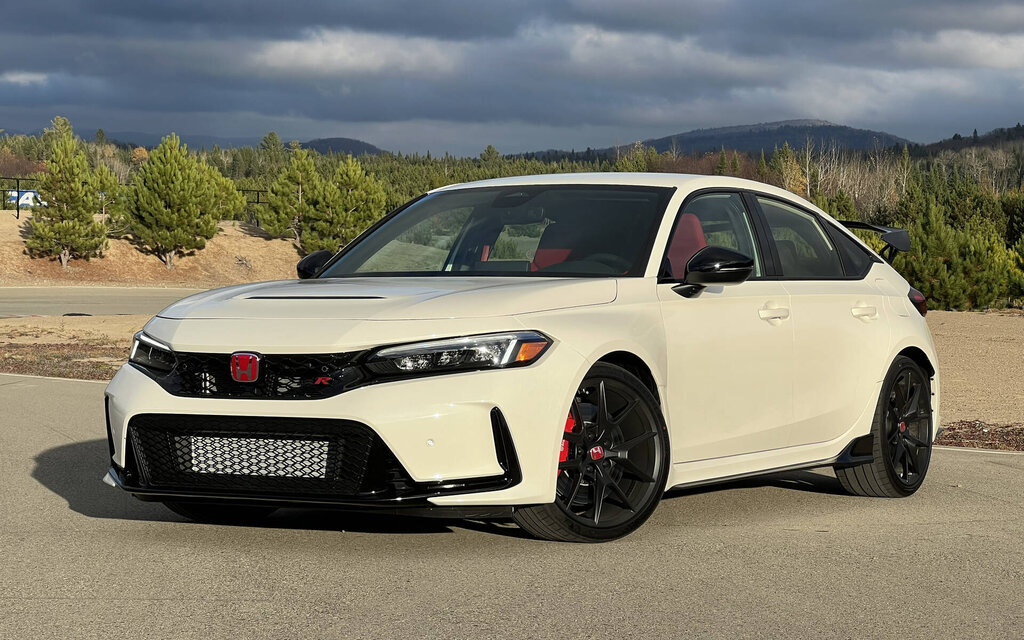
This does not prove that every independent repair shop is incapable of servicing the Civic. A specialist with the correct fluid, equipment, and service information may be able to do the work. However, Honda’s published owner guidance clearly places the responsibility with a dealer, making dealership service the manufacturer’s stated route.
Owners should confirm the maintenance schedule for their exact vehicle rather than assume the fluid needs changing at an arbitrary mileage.
2. Honda Accord
The 2025 Honda Accord is designed as a comfortable midsize sedan, but its transmission maintenance is not a job Honda encourages owners to handle themselves.
For CVT-equipped versions, the owner’s manual identifies Honda HCF-2 as the required fluid and instructs drivers to have a dealer check the level and replace the fluid when necessary. It specifically warns against attempting the CVT fluid check or change independently.
That direction is significant because transmission fluid is not interchangeable simply because two products are both marketed for continuously variable transmissions. Honda cautions that using anything other than the specified HCF-2 can negatively affect transmission operation and durability.
The company also warns that damage caused by fluid that is not equivalent to its specification may not be covered by the new-vehicle limited warranty.
The Accord’s hybrid powertrain is a separate case. Its hybrid system uses a different transmission-fluid specification, so owners should not assume that the conventional CVT instructions apply to every Accord. Checking the manual for the exact powertrain is essential before booking maintenance or purchasing fluid.
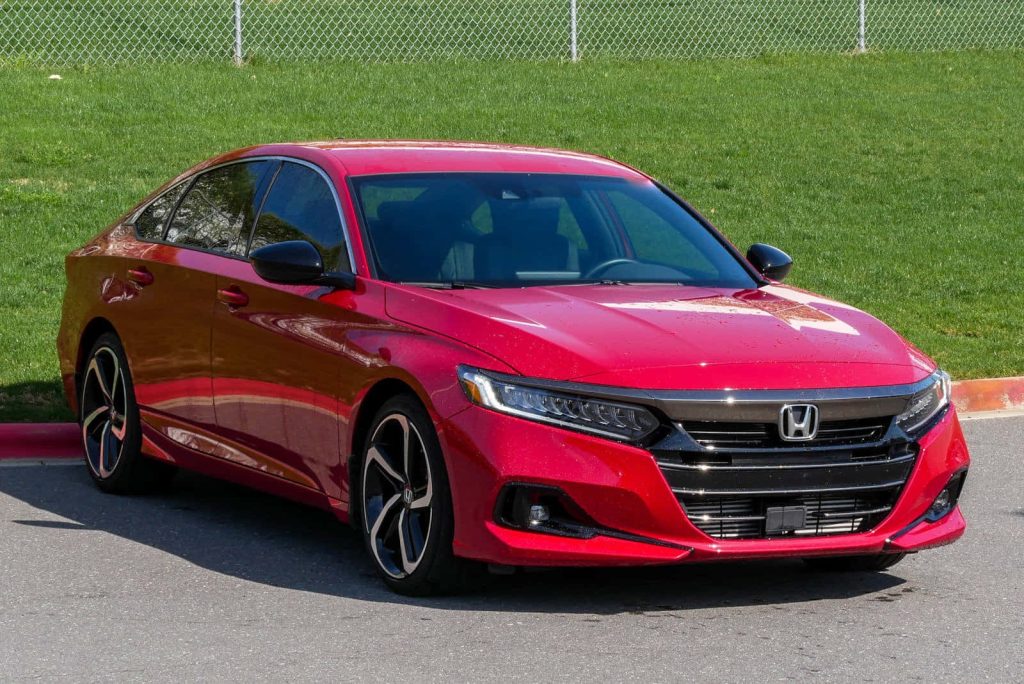
Why does this matter to an owner? A transmission service involves more than draining old fluid and pouring in the same quantity of new product. The correct fluid, filling method, and level-check procedure all matter. A mistake can create expensive problems that are difficult to diagnose later.
An independent transmission specialist may still be capable of performing the work correctly. Nevertheless, Honda’s owner documentation directs the owner to a dealer, making an authorized service department the straightforward choice when following the manufacturer’s instructions.
3. Honda CR-V
The Honda CR-V is one of America’s most popular compact SUVs, but owners of its gasoline-powered CVT versions face a specific transmission-maintenance instruction.
Honda’s 2026 owner’s manual identifies HCF-2 as the required continuously variable transmission fluid and tells owners to have a dealer check the fluid level and replace it when necessary. It also explicitly advises against checking or changing the CVT fluid themselves.
That instruction deserves attention because the CR-V is often viewed as an easy vehicle to maintain. Its routine service requirements are relatively familiar, but the transmission is a different matter.
Honda warns that HCF-2 should not be mixed with other transmission fluids. Using a product that does not meet the specification can adversely affect transmission operation and durability and may cause damage that is not covered by the new vehicle limited warranty.
The Maintenance Minder system also helps determine when transmission fluid replacement is due. Its maintenance code 3 indicates that the transmission fluid should be replaced. Honda further notes that certain demanding conditions, such as regularly driving in mountainous areas at very low speeds, can require more frequent changes.

It is important to distinguish between the two powertrains. The gasoline-powered CR-V uses a CVT, while hybrid models have a different transmission configuration. Owners should therefore consult the maintenance guidelines for their specific model rather than assume both versions require the same fluid and servicing procedures.
An independent transmission specialist may have the knowledge and equipment to carry out the service. Still, Honda’s own manual directs owners to a dealer, making dealership maintenance the manufacturer’s stated recommendation.
4. Honda HR-V
The Honda HR-V is a smaller SUV than the CR-V, yet its transmission-fluid instructions are similarly strict. For the 2026 U.S. model, Honda specifies HCF-2 for the continuously variable transmission and tells owners to have a dealer check the fluid level and replace it when necessary.
The manual goes further by stating that owners should not attempt to check or change the CVT fluid themselves.
This is not simply a recommendation to buy an expensive brand of fluid. Honda specifically warns against mixing HCF-2 with other transmission products. The wrong fluid can affect how the transmission operates, reduce its durability, and potentially cause damage.
Honda also states that damage caused by fluid that is not equivalent to HCF-2 is not covered by its new-vehicle limited warranty.
The HR-V’s Maintenance Minder provides another reason to follow the correct service process. Maintenance code 3 calls for transmission-fluid replacement. Honda also identifies demanding operating conditions that can shorten the interval.
For example, regularly driving at very low speeds in mountainous areas increases transmission temperatures, and the manual calls for more frequent fluid changes in those circumstances.
The important point is that the HR-V does not have a conventional owner-facing CVT dipstick and simple top-up procedure described in its manual. Owners are directed to professional service instead.

However, the procedure is not necessarily exclusive to dealerships. A qualified independent repair shop may also be able to carry it out, provided it has the appropriate equipment and follows the manufacturer’s specifications.
Nevertheless, anyone maintaining this SUV should treat Honda’s fluid specifications and service instructions as essential, not optional advice.
5. Honda Pilot
The Honda Pilot is a three-row SUV built for family travel, but its automatic transmission fluid is not intended to be a routine do-it-yourself maintenance job.
Honda’s 2026 owner’s manual specifies Honda ATF-TYPE 2.0 and instructs owners to have a dealer check the fluid level and replace it when necessary. It also explicitly says not to attempt the fluid check or replacement independently.
The warning is important because the pilot’s transmission depends on a particular fluid specification. Honda cautions against mixing ATF-TYPE 2.0 with other transmission fluids. Using an unsuitable product can adversely affect transmission operation and durability, potentially causing damage that is not covered by the new-vehicle limited warranty.
The pilot’s size and intended use make this maintenance particularly relevant. Families may use it for towing, long highway journeys, and regular trips with several passengers. Those operating conditions can place additional demands on the powertrain, making it sensible to follow the maintenance schedule rather than ignore fluid inspections.
Honda’s Maintenance Minder system includes transmission-fluid replacement under maintenance sub-item 3. The system helps indicate when service is due, so owners should pay attention to its messages instead of relying on an assumed universal mileage interval. The exact requirements can vary with driving conditions.

A qualified independent transmission shop may have the equipment and technical information to perform the work. Honda’s manual, however, directs owners to a dealer and warns against doing it themselves.
For owners who want to follow the manufacturer’s stated procedure, an authorized Honda service department is the clearest option.
6. Honda Passport
The Honda Passport shares some of the Pilot’s engineering, but its transmission-fluid instructions deserve attention in their own right. The 2026 Passport owner’s manual specifies Honda ATF-TYPE 2.0 for its automatic transmission. It tells owners to have a dealer check the fluid level and replace it when necessary, rather than attempting the procedure themselves.
Honda’s warning about fluid selection is especially important. The company says not to mix ATF-TYPE 2.0 with other transmission fluids.
Using a product that does not meet the required specification can affect transmission operation and durability, and damage caused by a non-equivalent fluid may not be covered by the new-vehicle limited warranty.
The Passport is designed for drivers who want a more rugged alternative to a conventional family crossover. Its available all-wheel-drive system and adventure-oriented character make it suitable for road trips and outdoor activities.
Those uses can involve steep roads, heavy loads, and demanding driving conditions, all of which make proper powertrain maintenance important.
Owners should also avoid treating the phrase “dealer service” as proof that the transmission is impossible to maintain outside a dealership. A specialist with the correct Honda fluid, technical information, and equipment may be able to perform the service. The manufacturer’s published instructions nevertheless point owners toward an authorized dealer.

For anyone buying a used Passport, checking its maintenance history is worthwhile. Ask whether the correct fluid was used and whether any transmission work was performed according to Honda’s procedure.
That documentation can be more useful than relying on a seller’s general assurance that the SUV was serviced regularly.
7. Nissan Rogue
Nissan takes a slightly different approach with the Rogue. Its continuously variable transmission uses Genuine Nissan CVT Fluid NS-3, and the owner’s manual recommends having a Nissan dealer perform fluid inspection or replacement when required.
The wording is a recommendation rather than a statement that independent workshops are prohibited from doing the work, but it makes clear that this is not a casual fluid-change job.
The specification matters because Nissan warns against using ordinary automatic transmission fluid or manual transmission fluid in the CVT. It also cautions owners not to mix NS-3 with other products.
An unsuitable fluid can damage the transmission, and damage caused by using fluid outside Nissan’s recommendation may not be covered by the vehicle’s warranty.
There is also a defined maintenance schedule. Nissan’s U.S. maintenance guide for the 2026 gasoline Rogue lists CVT fluid inspection every 7,500 miles or 12 months and replacement at 60,000 miles under the stated schedule.
Owners should confirm the requirements for their particular powertrain and operating conditions, since the Rogue lineup also includes plug-in hybrid versions with different maintenance requirements.

The service itself can involve more than draining and refilling. Nissan’s service procedures use diagnostic equipment to monitor CVT-fluid temperature while adjusting the level. Temperature matters because the correct level cannot be established reliably by simply pouring in the amount removed.
A properly equipped independent transmission specialist may be able to complete the procedure. Still, Nissan’s recommendation to use its dealer network is understandable given the specific fluid and temperature-sensitive service process.
8. Subaru Outback
Subaru’s Outback approaches transmission-fluid maintenance differently from the Honda and Nissan examples. Its Lineartronic continuously variable transmission uses a specific Subaru CVT fluid, but the 2025 U.S. owner’s manual directs owners to consult a Subaru dealer for the correct fluid information.
The manual does not present a simple owner-level fluid-check procedure or encourage drivers to select a replacement product themselves.
One reason this deserves attention is that the Outback is available with different engines. The 2.5-liter naturally aspirated model and the 2.4-liter turbocharged version have different listed CVT-fluid capacities.
Subaru’s manual gives approximate figures of 12.4 U.S. quarts for the 2.5-liter Outback and 12.6 U.S. quarts for the turbocharged Outback and Wilderness. These are reference capacities, not necessarily the exact amount required during every fluid replacement.
Subaru’s instruction to consult a dealer is important because using the wrong fluid or setting the level incorrectly can affect transmission performance.
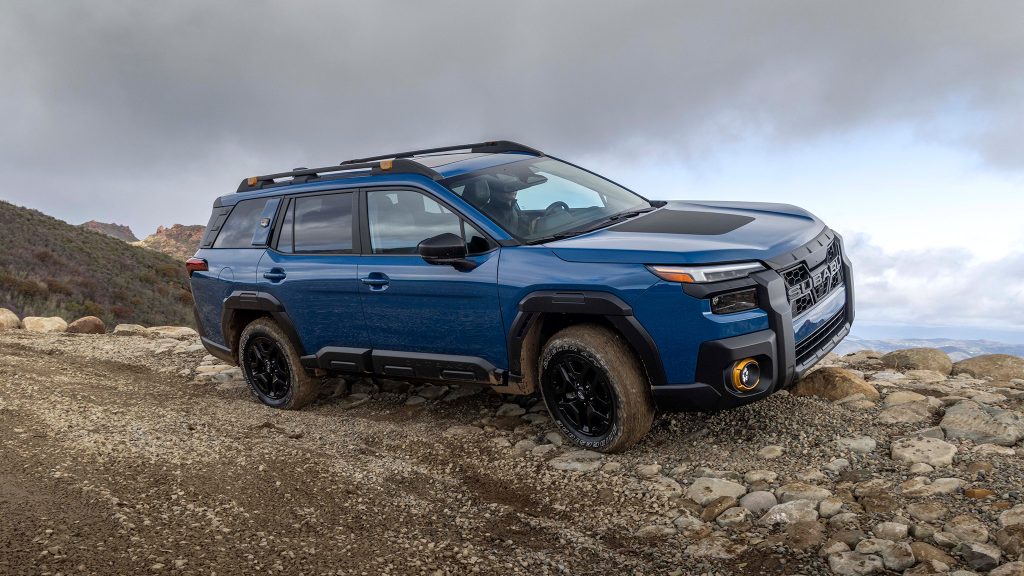
The level-checking process is sensitive to operating conditions, and the correct fluid must match the transmission fitted to the vehicle. Owners should not assume that a generic CVT fluid is suitable simply because its packaging lists broad compatibility.
This does not mean every independent shop is incapable of servicing the Outback. A specialist familiar with Subaru’s Lineartronic transmission may be able to carry out the work using the correct service information and equipment. However, Subaru’s manual makes its dealer the recommended source for fluid guidance.
For owners who regularly travel on rough roads or use the Outback for outdoor trips, following the correct maintenance schedule is especially important.
