Buying an affordable vehicle is only the beginning of keeping transportation costs under control. Oil changes, replacement tires, brake components, scheduled servicing, and unexpected mechanical repairs can gradually turn an inexpensive car into a costly commitment.
Some mainstream brands have a clear advantage because their vehicles use widely available parts and are relatively straightforward to service. Consumer Reports’ 2025 Annual Auto Survey provides useful insight into these differences through owner-reported maintenance and repair spending over ten years.
This ranking focuses on mainstream manufacturers sold in the United States, using their reported long-term ownership costs.
1. Buick: $5,260 Over 10 Years
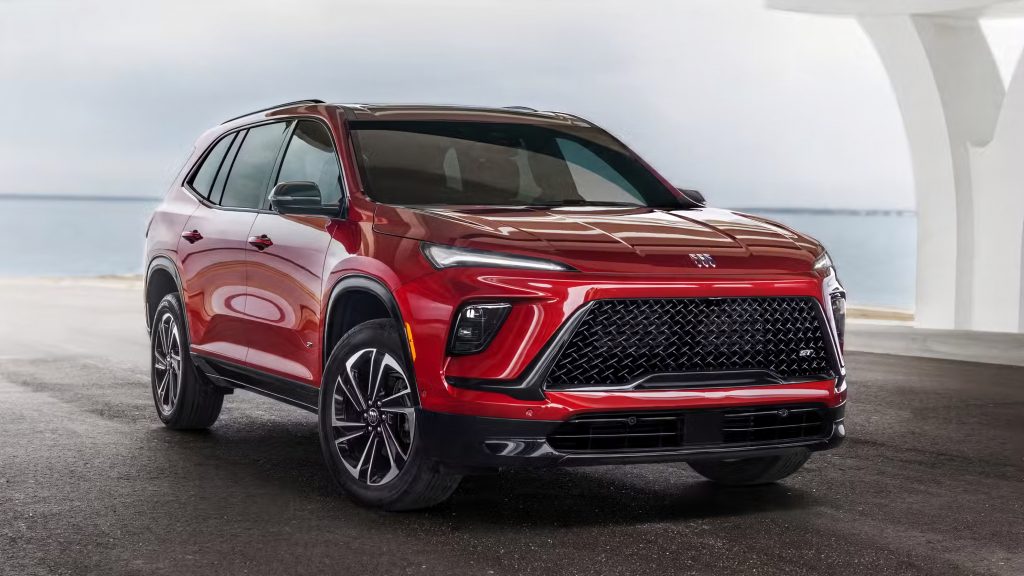
Buick takes the first position among the mainstream brands considered here, with an estimated $5,260 in maintenance and repair expenses over ten years. That works out to approximately $526 annually, although actual spending varies depending on mileage, vehicle age, and driving conditions.
Consumer Reports’ 2025 survey places Buick ahead of the other manufacturers in its comparison, making it an interesting choice for buyers who want comfortable transportation without unusually high servicing expenses.
One reason behind Buick’s competitive position is its relationship with General Motors. Several Buick models share engines, transmissions, and other components with Chevrolet and GMC vehicles.
Shared engineering and a large domestic parts network can make replacement components easier to source. Independent repair shops are also familiar with many GM powertrains, potentially giving owners alternatives to dealership servicing.
The Envision, Encore GX, and Enclave serve different segments, so their maintenance requirements are not identical. A larger three-row SUV generally has different tire, brake, and suspension expenses from a smaller crossover. Buyers should therefore investigate the particular model rather than assume every Buick will match the brand average.
The survey figure also deserves context. It includes routine maintenance such as oil changes and tire replacement alongside mechanical repairs. It is not a guarantee that a ten-year-old Buick will never need an expensive engine or transmission repair.
For someone shopping for a mainstream American vehicle, Buick’s reported spending makes it worth considering. Its combination of familiar mechanical components and relatively modest owner-reported expenses gives it a strong financial advantage in this comparison.
2. Toyota: $5,950 Over 10 Years
Toyota’s reputation for dependable everyday transportation is well established, but its maintenance costs provide another reason many American buyers consider the brand.
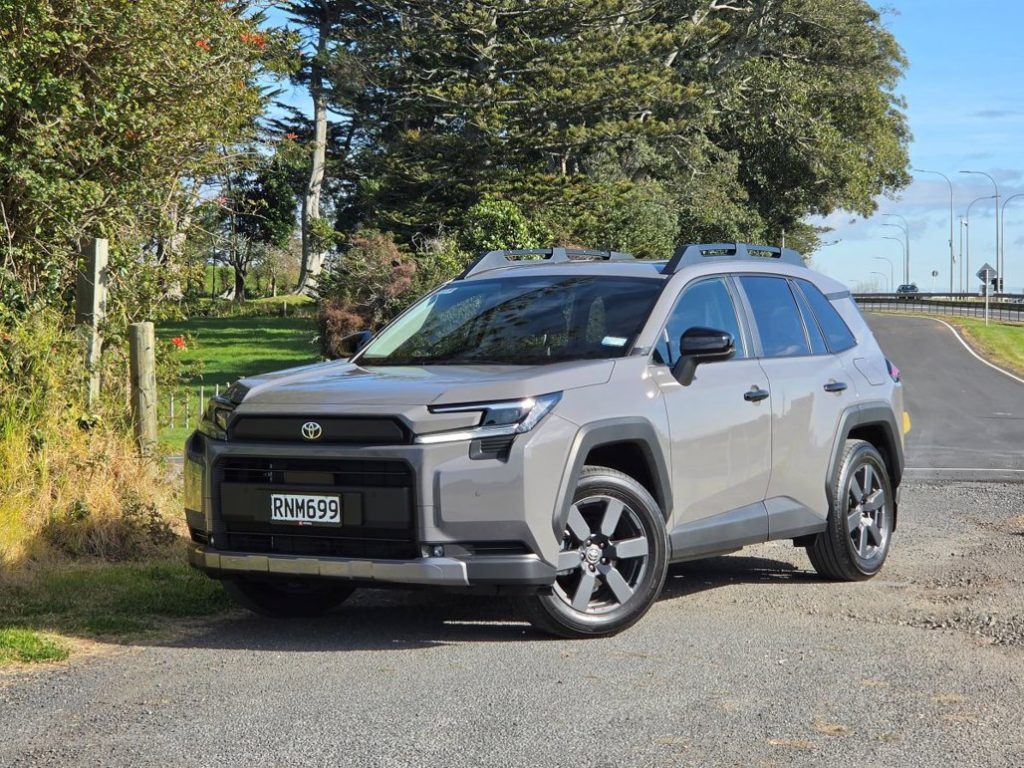
Consumer Reports’ 2025 survey estimates approximately $5,950 in maintenance and repair spending over ten years. That is $690 more than Buick, placing Toyota second among the mainstream manufacturers selected for this ranking.
A major advantage is the company’s enormous presence in the US market. Models such as the Camry, Corolla, RAV4, and Highlander are widely sold, creating a large supply network for common replacement parts. Independent mechanics are also familiar with Toyota engines and transmissions, which can make routine servicing more convenient.
Toyota’s hybrid experience is another consideration. Vehicles such as the Prius and hybrid Camry use regenerative braking, which can reduce reliance on conventional friction brakes under normal driving conditions. This does not eliminate brake maintenance, but it can help extend brake-pad life in certain driving situations.
There is a catch, however. Toyota’s brand average does not mean every model costs the same to maintain. A four-cylinder Corolla, a larger Highlander, and a powerful Tundra pickup have different tires, brakes, engines, and service requirements. Repair expenses can also rise substantially once the factory warranty and complimentary maintenance coverage end.
Toyota’s $5,950 figure makes it a strong option for buyers who prioritize predictable long-term expenses. Nevertheless, the best financial decision still depends on the individual vehicle’s maintenance history, mileage, and condition. A neglected Toyota can become expensive just like any other used car.
3. Hyundai: $6,110 Over 10 Years
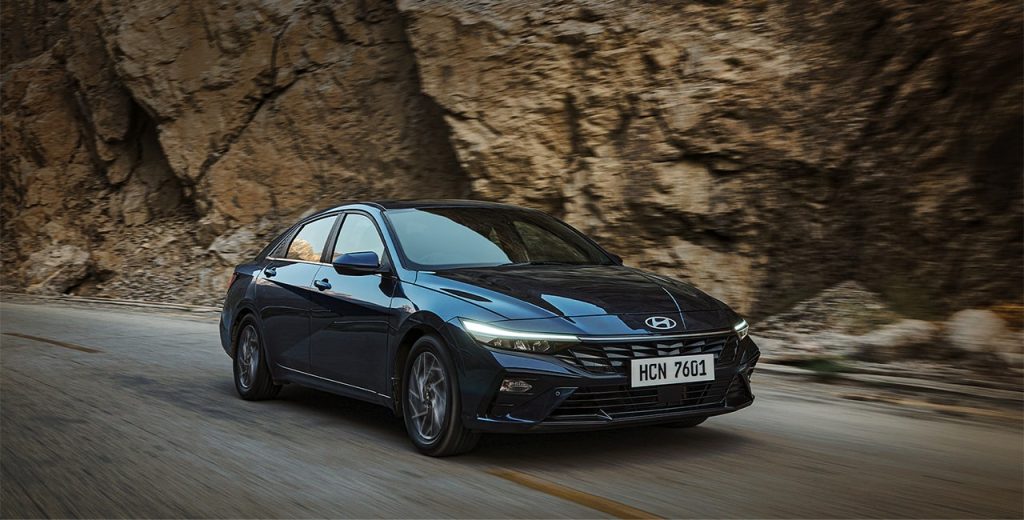
Hyundai takes third place in this mainstream-brand comparison, with Consumer Reports estimating $6,110 in maintenance and repair spending over ten years. The figure places it just $160 above Toyota, showing that the gap between some mainstream manufacturers is relatively small when measured across an entire decade.
The brand’s broad American lineup includes compact cars, family sedans, crossovers, and three-row SUVs. Models such as the Elantra, Sonata, Tucson, and Santa Fe serve different buyers, but their maintenance needs are not interchangeable.
A smaller sedan generally has different tire and brake expenses from a larger SUV, while hybrid and turbocharged versions can have additional service considerations.
Hyundai’s extensive US dealer network gives owners access to manufacturer-trained technicians, while its popularity means many independent repair shops are familiar with its vehicles.
Replacement-part prices and labor charges still vary by location, however. A repair involving an engine, transmission, or electronic control system can be far more expensive than routine servicing.
Warranty coverage is another part of the ownership calculation. Hyundai offers a 10-year/100,000-mile powertrain limited warranty to the original retail purchaser, subject to its terms and exclusions.
Coverage for subsequent owners can differ, so used-car buyers should verify the remaining warranty rather than assume the original protection transfers in full.
The $6,110 survey figure is an average, not a promise that every Hyundai will cost that amount. Buyers should check maintenance records, recall completion, and model-specific reliability information. Hyundai’s position makes it a competitive mainstream choice, particularly for shoppers comparing long-term costs rather than purchase prices alone.
4. Tesla: $6,125 Over 10 Years
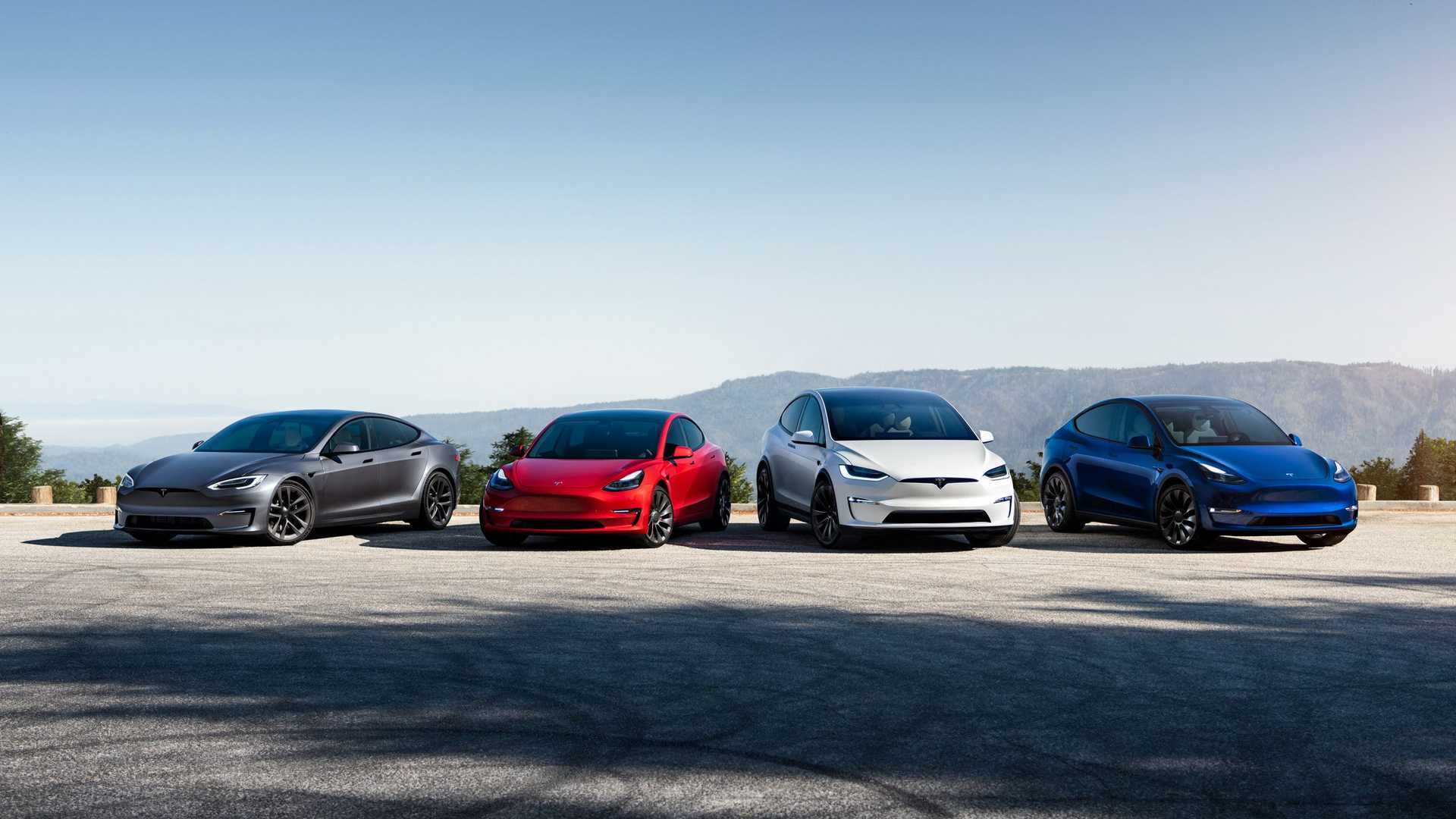
Tesla is the only all-electric manufacturer in this ten-brand selection, and its reported ten-year maintenance and repair spending is approximately $6,125. That places it just $15 above Hyundai in Consumer Reports’ 2025 comparison. The close result is notable because electric vehicles have different routine service requirements from gasoline-powered cars.
An electric vehicle does not require engine oil changes, spark plugs, or conventional exhaust-system maintenance. Regenerative braking can also reduce the use of friction brakes in everyday driving. These differences can lower certain recurring service expenses, although they do not make an EV maintenance-free.
Tesla owners still need to account for tires, cabin air filters, brake-fluid checks, suspension components, steering parts, and other repairs. Tire wear can be significant on heavier electric vehicles, particularly when they deliver strong acceleration or use large wheel-and-tire packages.
Damage to body panels, glass, sensors, or advanced electronic equipment can also create substantial bills.
The Consumer Reports figure should be interpreted carefully. Its survey measures owner-reported maintenance and repair spending and excludes collision repairs. It therefore does not capture the full financial risk of accident damage, which can be particularly relevant when bodywork involves specialized parts or sensor calibration.
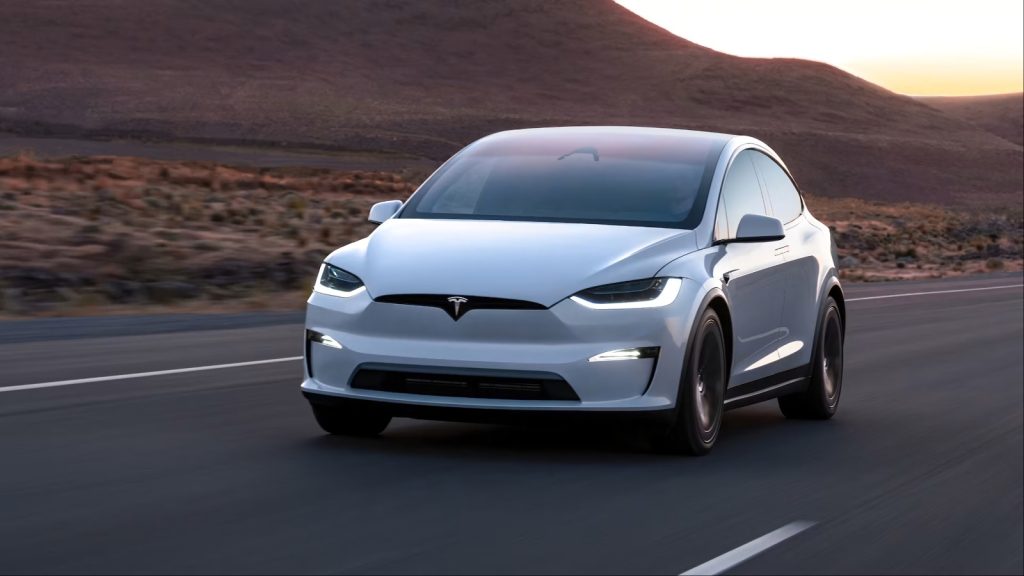
Tesla’s direct-service model and available service-center network also differ from the traditional dealership experience. Repair access can depend on location, the type of fault, and parts availability.
For buyers comparing an electric vehicle with a conventional car, the $6,125 figure offers a useful long-term reference. It is not a guarantee of low total ownership costs, since charging, insurance, depreciation, tires, and out-of-warranty battery-related repairs need separate consideration.
5. Nissan: $6,270 Over 10 Years
Nissan records approximately $6,270 in maintenance and repair costs over ten years, according to Consumer Reports’ 2025 survey.
It sits $145 above Tesla and $160 above Hyundai. The difference is relatively modest, but the figure still gives buyers a useful indication of what owners have historically spent across the brand’s vehicles.
Nissan’s American lineup includes vehicles with very different mechanical requirements. The Versa and Sentra are smaller passenger cars, while the Rogue and Pathfinder are larger crossovers and SUVs.
The Frontier adds a pickup truck to the range. Engine size, drivetrain, vehicle weight, and equipment all influence maintenance expenses, so the brand average should not be applied directly to every model.
One area that deserves attention when buying a used Nissan is the transmission. Certain Nissan models equipped with continuously variable transmissions have generated complaints and repair concerns over the years.
This does not mean every Nissan has a transmission problem, but buyers should investigate the exact model year and powertrain. During a test drive, watch for hesitation, shuddering, unusual noises, or inconsistent acceleration.
Nissan’s extensive presence in the US means owners can generally find dealerships and independent repair facilities familiar with its vehicles. Parts availability is also an important consideration, although prices vary between models and replacement components.
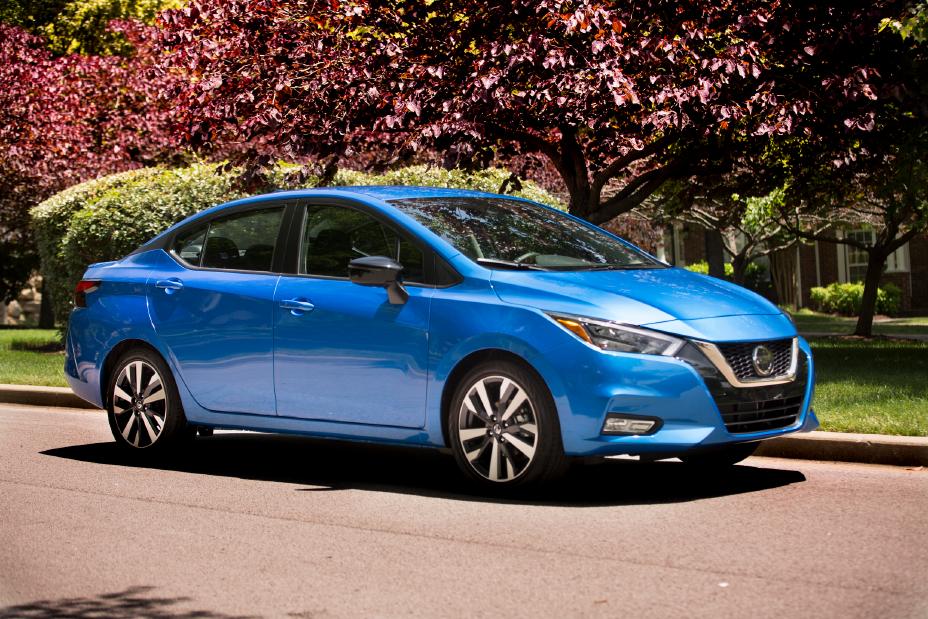
The $6,270 figure is a cumulative owner-reported estimate, not a fixed service package. A vehicle with regular fluid changes and documented maintenance may be less troublesome than one with neglected servicing.
For used-car shoppers, checking the transmission history, service invoices, and outstanding recalls is particularly worthwhile. Nissan’s position in this comparison suggests reasonably competitive long-term expenses, but model-specific research remains essential.
6. Chevrolet: $6,275 Over 10 Years
Chevrolet lands almost level with Nissan, with an estimated $6,275 in maintenance and repair expenses over ten years. The difference between the two brands is just $5, making them practically tied in this survey comparison.
Consumer Reports’ data shows that mainstream ownership costs can be remarkably close even when manufacturers offer very different vehicle types.
Chevrolet benefits from General Motors’ extensive parts and service network across the United States. Its lineup includes the Trax, Equinox, Traverse, Silverado, and Corvette, covering everything from small crossovers to full-size pickups and sports cars.
That variety makes the brand-wide figure useful as a broad comparison, but it cannot predict the expenses of a particular model.
A compact crossover used for commuting will usually have different service requirements from a Silverado that regularly tows heavy loads. Larger tires, heavier brakes, four-wheel-drive components, and more powerful engines can increase maintenance expenses. Performance models may also require specialized tires and braking components.
Shared GM engineering can help independent repair shops source parts and work on many Chevrolet vehicles. However, advanced driver-assistance systems, infotainment equipment, and modern engine controls may require specialized diagnostics.
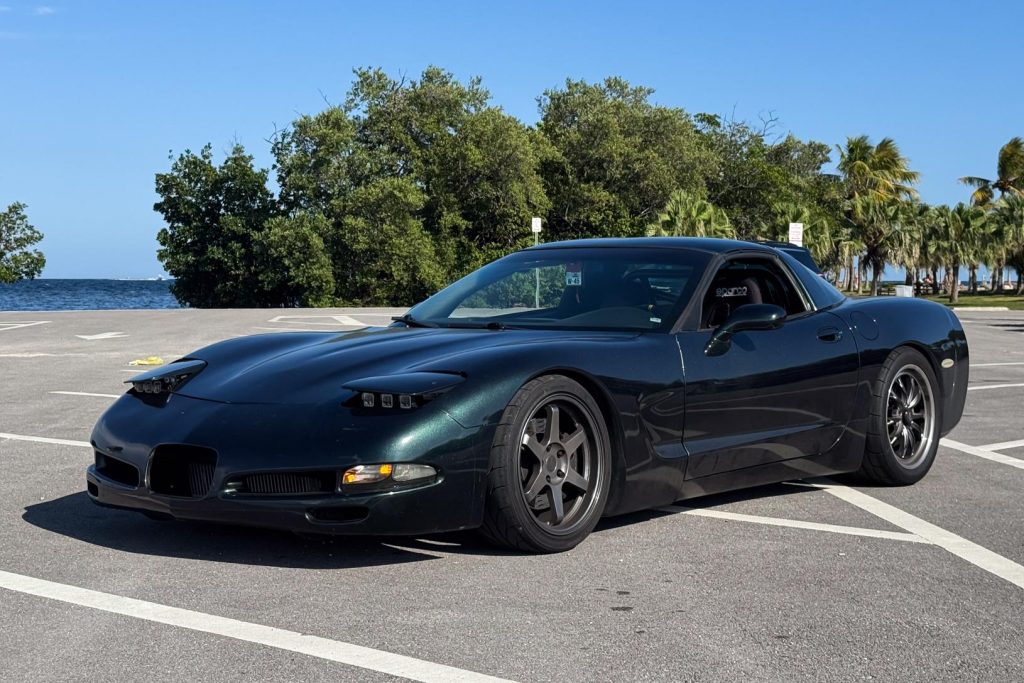
Buyers should also distinguish routine maintenance from major mechanical repairs, since one significant engine or transmission failure can exceed several years of ordinary servicing.
The $6,275 estimate does not include collision repairs, fuel, insurance, or depreciation. It reflects what surveyed owners reported spending on maintenance and repairs.
Chevrolet is therefore a reasonable brand to include in a budget-conscious comparison, but buyers should investigate the specific vehicle. Maintenance history, recall completion, and an independent inspection are more useful when judging an individual used car than the brand average alone.
7. Ford: $6,350 Over 10 Years
Ford’s estimated ten-year maintenance and repair cost reaches $6,350, placing it just $75 above Chevrolet in Consumer Reports’ 2025 survey. That is a relatively small gap considering the range of vehicles sold under the Ford name in the United States.
The brand’s lineup stretches from the compact Maverick pickup to the popular F-150, along with SUVs such as the Escape, Explorer, and Bronco. These vehicles have different engines, transmissions, drivetrains, and operating demands.
A small hybrid pickup used for commuting will not necessarily have the same maintenance profile as a four-wheel-drive SUV regularly driven off-road.
Ford’s broad dealer network and large domestic vehicle population can make routine servicing convenient. Many independent shops are also familiar with common Ford engines and transmissions.
This can give owners more choices when comparing labor rates and repair estimates, although specialized technology may still require manufacturer-level diagnostic equipment.
The most important thing to remember is that the brand average does not erase model-specific repair concerns.
Some Ford powertrains and model years have had notable technical issues, while other versions have performed differently. Research the exact engine and transmission combination before purchasing a used example.
For pickup owners, usage is especially important. Towing, hauling, frequent stop-and-go driving, and off-road use can increase wear on brakes, tires, suspension components, and drivetrain parts. Following the maintenance schedule becomes even more important under demanding conditions.
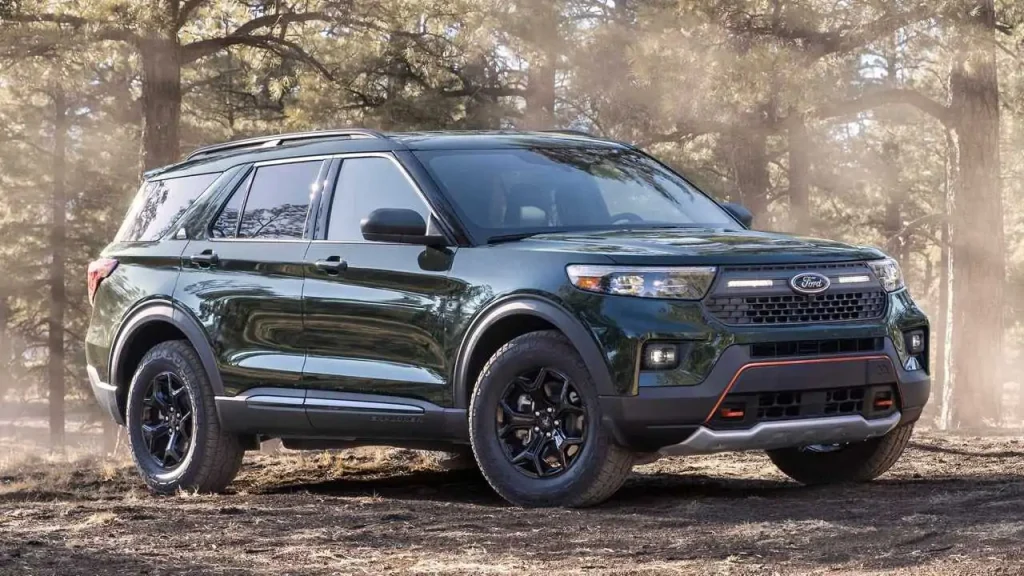
Ford’s $6,350 figure places it in the middle of this mainstream group. It is a useful budgeting reference, but the final ownership bill depends on the vehicle’s condition, mileage, maintenance history, and how it has been driven.
8. Mazda: $6,420 Over 10 Years
Mazda’s reported ten-year maintenance and repair spending is approximately $6,420, putting it $70 above Ford. The brand has built its American reputation around vehicles that emphasize driving engagement, compact dimensions, and relatively upscale interiors without moving into the traditional luxury category.
Its US lineup includes the Mazda3, CX-30, CX-5, CX-50, CX-70, and CX-90. Most are aimed at buyers who want a more engaging driving experience than a basic commuter vehicle. However, the cost of maintaining a compact sedan can differ from that of a larger SUV with additional equipment and a more complex drivetrain.
Mazda’s use of conventional automatic transmissions in many models is one aspect some buyers appreciate.
The brand has also offered turbocharged engines and all-wheel-drive configurations, which introduce different maintenance requirements from simpler front-wheel-drive versions. Buyers should identify the exact powertrain before comparing repair histories.
Regular maintenance covers essential items such as engine oil, filters, tires, brakes, and fluid checks. Turbocharged models require particular attention to timely oil changes and the use of manufacturer-approved fluids. Neglecting these service requirements can increase the likelihood of preventable mechanical issues.
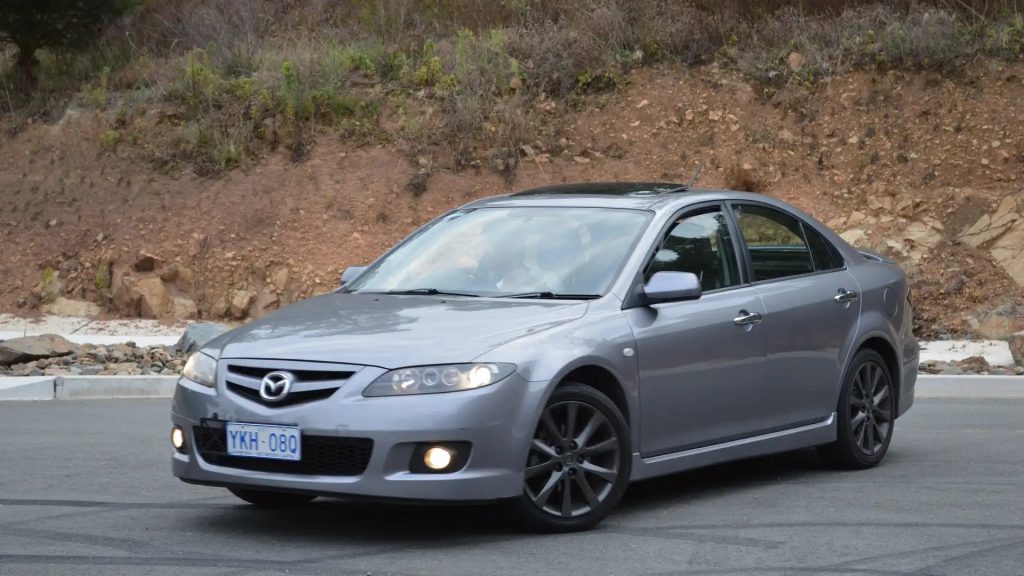
Mazda’s smaller US market presence compared with Toyota or Ford does not mean parts are difficult to obtain, but availability and labor rates can vary by region. Owners should compare local dealership and independent-shop estimates before committing to a repair.
The $6,420 figure places Mazda toward the more expensive end of this ten-brand selection, although the difference from Ford is small. For shoppers, the more useful comparison is between specific models and model years. A well-maintained Mazda can be a sensible purchase, but its service history should always be checked.
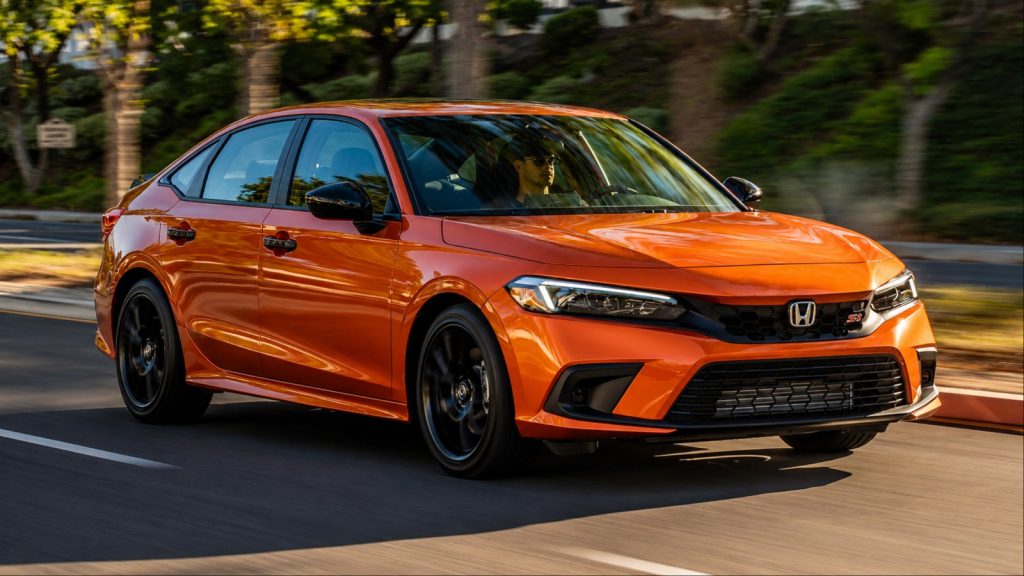
9. Honda: $6,550 Over 10 Years
Honda’s estimated $6,550 in ten-year maintenance and repair spending puts it ninth in this selection. That may surprise buyers who associate the brand with inexpensive ownership.
Honda has a strong reputation for practical engineering, but Consumer Reports’ figures show that even well-established mainstream manufacturers can accumulate meaningful repair expenses over a decade.
The American Honda lineup includes the Civic, Accord, CR-V, HR-V, Passport, Pilot, and Ridgeline. These vehicles cover several market segments, and their service costs naturally vary. A Civic generally has different tire, brake, and suspension expenses from a three-row Pilot or a Ridgeline pickup.
Honda’s widespread popularity is an advantage when sourcing common parts and finding mechanics familiar with its vehicles. Independent repair facilities across the country regularly service Honda engines, transmissions, and suspension systems. This can provide owners with alternatives to dealership labor rates, particularly after the factory warranty expires.
However, buyers should not assume that every Honda powertrain has identical maintenance needs. Hybrid models have additional electrical components, while turbocharged versions require attention to their specific service schedules.
Transmission fluid changes, brake inspections, and regular oil servicing should follow the manufacturer’s recommendations for the exact vehicle.
Honda’s brand-wide figure is also not a measure of reliability. It records what owners spent on maintenance and repairs, rather than how often vehicles broke down or how satisfied owners were with them. A vehicle can be dependable while still requiring routine replacement parts as it ages.
The $6,550 estimate makes Honda more expensive to maintain than Mazda, Ford, and Chevrolet in this comparison. Nevertheless, a carefully maintained Honda with a complete service record can still be a practical long-term purchase.
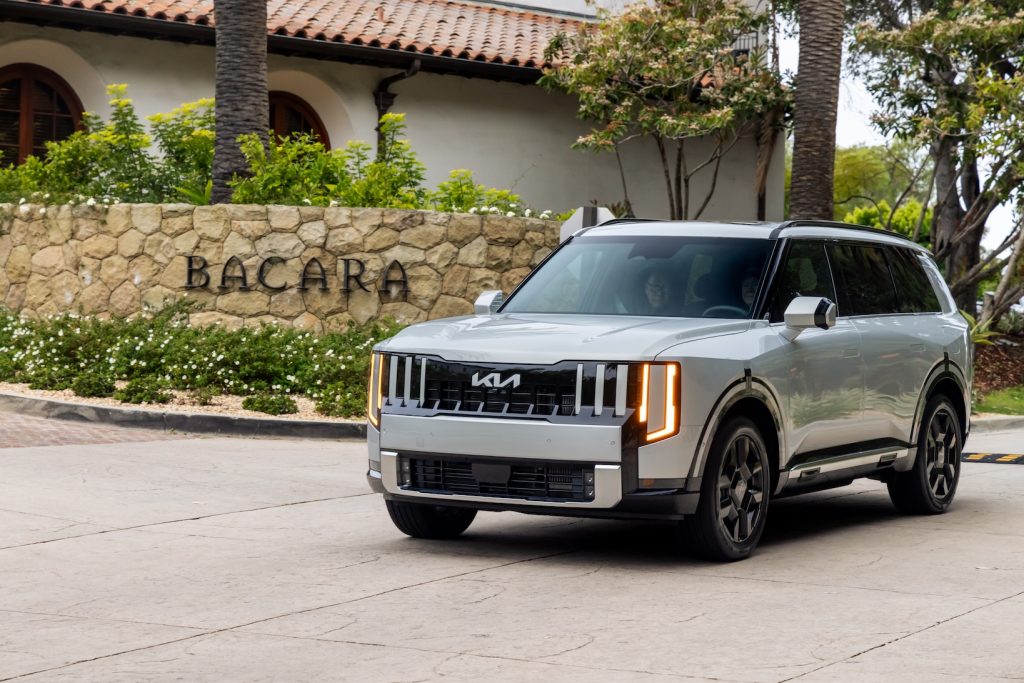
10. Kia: $6,820 Over 10 Years
Kia closes this ranking with an estimated $6,820 in maintenance and repair spending over ten years, the highest figure among the ten mainstream brands selected.
The difference between Kia and Buick, which leads the list at $5,260, is $1,560 across a decade. That is a meaningful gap, although it should not be interpreted as proof that every Kia costs more to maintain than every Buick.
Kia’s US lineup covers several vehicle categories, including the K4, K5, Seltos, Sportage, Sorento, Telluride, and Carnival. The maintenance requirements differ according to engine, drivetrain, vehicle size, and equipment. A small sedan is not comparable with a three-row SUV when it comes to tire replacement, brake servicing, or suspension work.
One important ownership advantage is Kia’s new-vehicle warranty. The company offers a 10-year/100,000-mile powertrain limited warranty to the original retail purchaser, subject to its conditions and exclusions. The coverage for subsequent owners can differ, so used-car buyers should confirm exactly what remains rather than assume the full original warranty transfers.
Kia’s expanding dealer network and large American sales base also provide access to manufacturer service departments and independent repair shops. However, certain engine and model-year concerns have led to recalls and service campaigns.
Checking the vehicle identification number for outstanding recalls and reviewing its maintenance history should be part of any used-car purchase.
The $6,820 figure represents owner-reported maintenance and repair expenses, not a prediction for every Kia. It also excludes collision repairs, insurance, and fuel.
Kia remains competitive on purchase price, features, and warranty coverage, but this survey suggests that long-term servicing should be included in the ownership budget. A model-specific reliability check is essential before choosing one.