
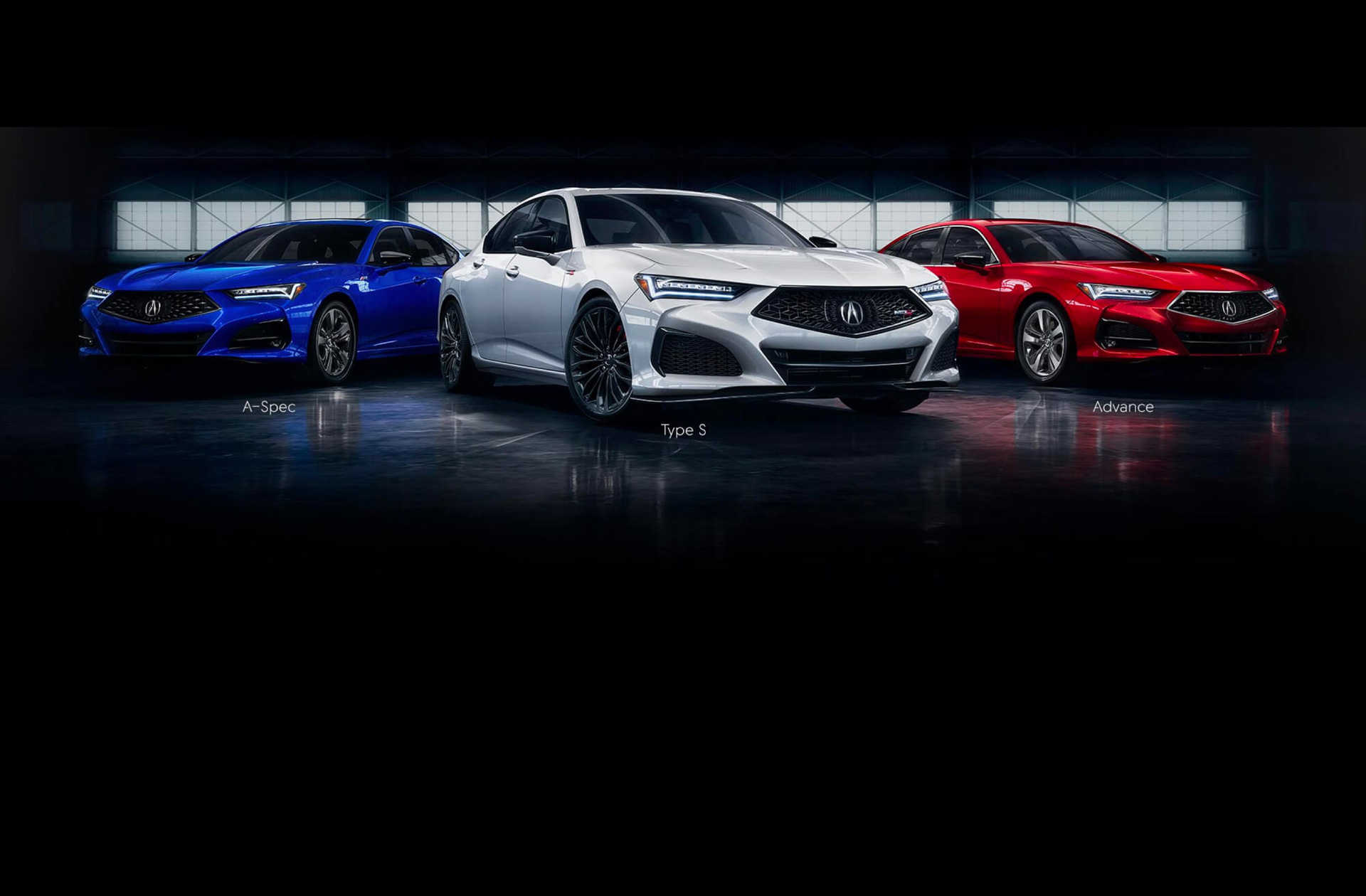
Luxury vehicles deliver premium interiors, advanced technology, powerful engines, and sophisticated engineering, but their ownership costs can vary dramatically. A brand’s showroom price tells only part of the story.
Routine servicing, replacement parts, specialized labor, and repairs after the warranty expires can add thousands of dollars over time. Consumer Reports’ 2025 Annual Auto Survey provides a useful comparison, using what owners reported spending on maintenance and repairs over a 10-year period.
The following ranking focuses on ten established luxury marques, ordered from lower to higher reported costs, using US dollar figures from that research.
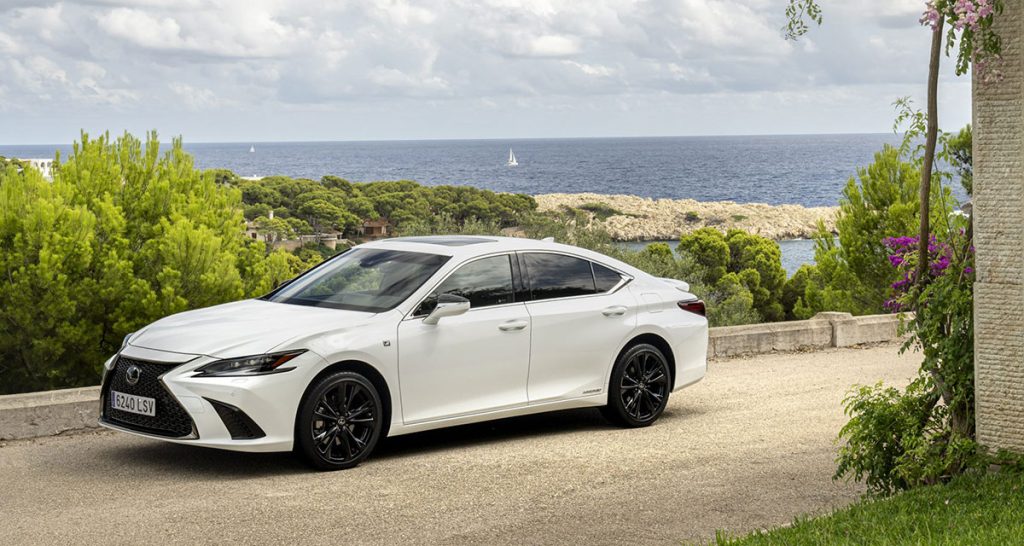
1. Lexus: $7,400 Over 10 Years
Lexus takes the first position in this ranking because its reported 10-year maintenance and repair cost is relatively low for a luxury marque.
Consumer Reports’ 2025 survey data puts the figure at approximately $7,400, based on what owners reported spending over the first decade of vehicle ownership. That works out to an average of about $740 per year, although actual expenses are rarely spread evenly across ten years.
Part of the appeal is the brand’s connection to Toyota engineering. Many Lexus models share underlying components and powertrain technology with Toyota vehicles, which can help with parts availability and familiarity among independent repair shops.
That does not make every repair inexpensive, particularly on vehicles equipped with advanced driver assistance systems, adaptive suspension, or complex hybrid components. However, it can make routine servicing less intimidating than maintaining some European luxury models.
The ownership experience also depends heavily on the vehicle. An ES sedan used mainly for commuting may have a different maintenance profile from an RX SUV or a high-performance F model. Tire replacement, brake wear, hybrid-system servicing, and scheduled maintenance can all change the final bill.
Another important consideration is that the survey measures what owners actually paid, rather than estimating the cost of every possible mechanical failure. A major out-of-warranty repair could push an individual owner’s expenses well above the brand average.
For shoppers considering a used luxury vehicle, Lexus provides a useful example of how premium comfort does not automatically require premium maintenance spending. Its reported figure makes it one of the more financially approachable choices in this group, provided the specific vehicle has been properly maintained.
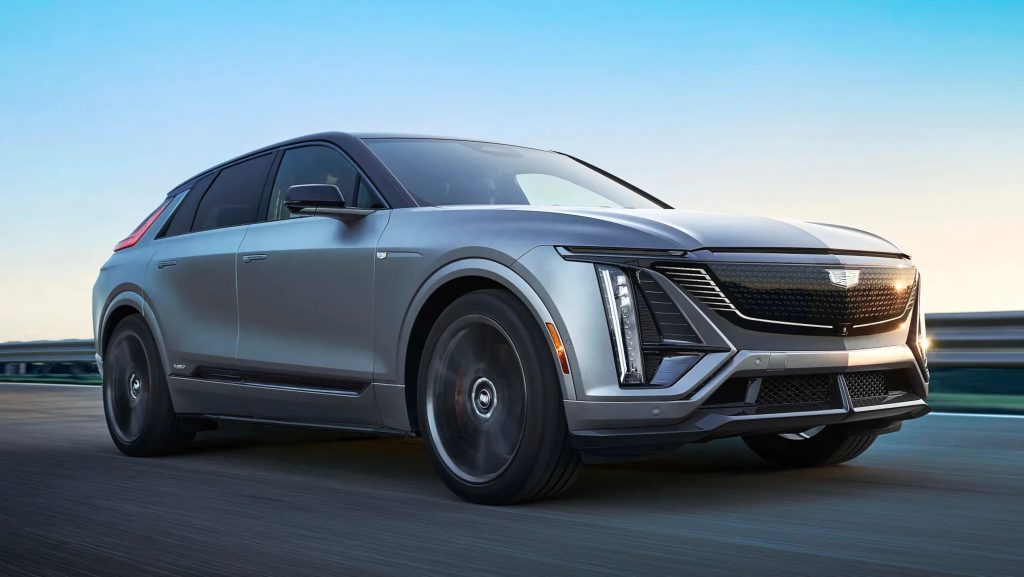
2. Cadillac: $7,530 Over 10 Years
Cadillac is a particularly interesting result because it demonstrates that an American luxury brand can have a lower long-term maintenance bill than several European competitors.
Consumer Reports’ 2025 owner-survey figures place its estimated 10-year maintenance and repair cost at approximately $7,530. That is only $130 more than the Lexus figure, a relatively narrow difference over an entire decade.
The brand’s domestic parts supply and widespread presence in the US repair market can help keep some service and replacement costs manageable.
Models such as the CT5 sedan and XT5 SUV also use powertrain and component families that are familiar to many American repair facilities. However, the exact cost depends on the model, engine, trim, and equipment fitted.
Cadillac ownership is not free from expensive repairs. Magnetic Ride Control suspension, large performance brakes, turbocharged engines, and sophisticated infotainment systems can all increase the cost of work when something needs attention.
A high-performance V-Series model, for example, should not be expected to cost the same to maintain as a standard luxury sedan.
The survey figure also reflects owner-reported spending, not a promise that every Cadillac will stay below $7,530 during its first ten years. Maintenance schedules, driving conditions, mileage, and warranty coverage influence the actual total. Consumer Reports also excludes collision-related expenses from this comparison.
For buyers who want American luxury without automatically accepting the highest European-brand maintenance costs, Cadillac deserves consideration. Its position near the lower end of this ranking is a reminder that badge prestige and long-term service expenses do not always rise together.
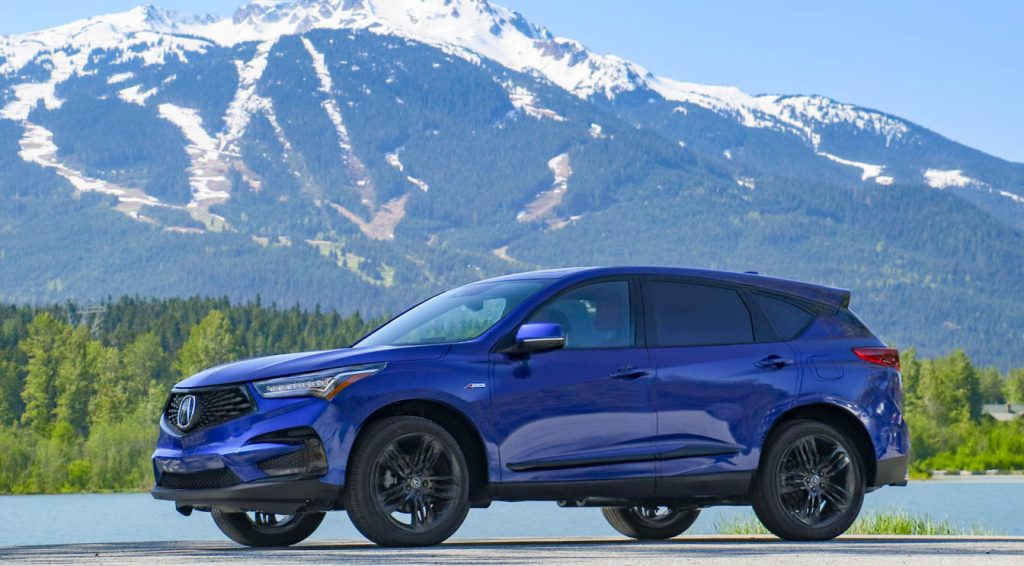
3. Acura: $7,725 Over 10 Years
Acura occupies an interesting position in the luxury market. As Honda’s premium division, it offers upscale interiors, stronger performance options, and additional technology while retaining some engineering connections with mainstream Honda vehicles.
That relationship can be helpful when it comes to parts availability and servicing, although it does not mean every Acura repair will cost the same as work on a Honda.
Consumer Reports’ 2025 survey puts Acura’s average 10-year maintenance and repair spending at approximately $7,725. That is just $195 more than Cadillac and $325 more than Lexus. The figure includes owner-reported spending on routine maintenance and repairs, excluding collision-related work.
The actual bill depends considerably on the model. An Integra used for daily commuting will not necessarily have the same maintenance requirements as an MDX with three rows of seating or a high-performance Type S model. Larger wheels, performance tires, advanced suspension components, and more complex equipment can all influence servicing expenses.
Acura’s relatively accessible position in this ranking does not mean its vehicles are immune to expensive repairs. Modern luxury models contain sophisticated electronics, sensors, and driver-assistance equipment that may require specialized diagnostic tools. Even a seemingly minor fault can become costly if it involves several interconnected systems.
For buyers considering a used Acura, service records matter more than the brand’s average figure. Check whether scheduled maintenance was completed, investigate recurring warning lights, and have the vehicle inspected before purchase.
Acura’s survey results suggest that premium ownership does not always require the high maintenance budget associated with European luxury marques, but individual model condition remains decisive.
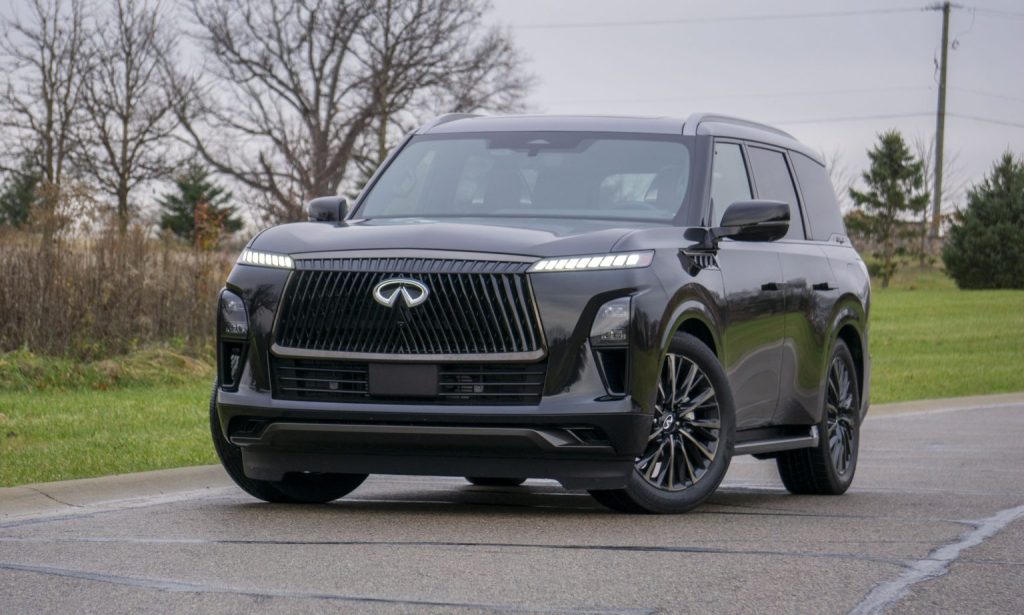
4. Infiniti: $10,020 Over 10 Years
Infiniti sits noticeably higher than Acura in Consumer Reports’ 2025 maintenance and repair comparison. The Nissan luxury division records an estimated $10,020 over ten years, a difference of $2,295 compared with Acura.
That gap illustrates how two Japanese luxury brands can have substantially different ownership-cost profiles despite both having connections to mainstream manufacturers.
Infiniti’s lineup has included sedans, crossovers, and SUVs with more powerful engines and premium equipment. Depending on the model, owners may encounter costs associated with turbocharged powertrains, automatic transmissions, all-wheel-drive components, larger brakes, and advanced electronic systems.
These features contribute to the driving experience, but they can also increase the complexity of maintenance and repairs.
The Q50 and QX60, for example, have different mechanical layouts and should not be treated as interchangeable when estimating service expenses. A vehicle’s engine, transmission, drivetrain, age, and mileage all influence what an owner eventually spends. The brand-level figure is an average across surveyed vehicles, not a prediction for either model.
Another consideration is the availability of qualified repair facilities. Although Infiniti shares some engineering and components with Nissan, certain luxury-specific systems may require technicians familiar with Infiniti diagnostics and repair procedures.
Choosing an experienced independent specialist can sometimes provide an alternative to dealership servicing, depending on the job and warranty situation.
For a used Infiniti buyer, the most sensible approach is to investigate the exact model’s known issues and obtain a detailed inspection. Its $10,020 figure places it well above Lexus, Cadillac, and Acura, making a realistic maintenance budget particularly important after the factory warranty expires.
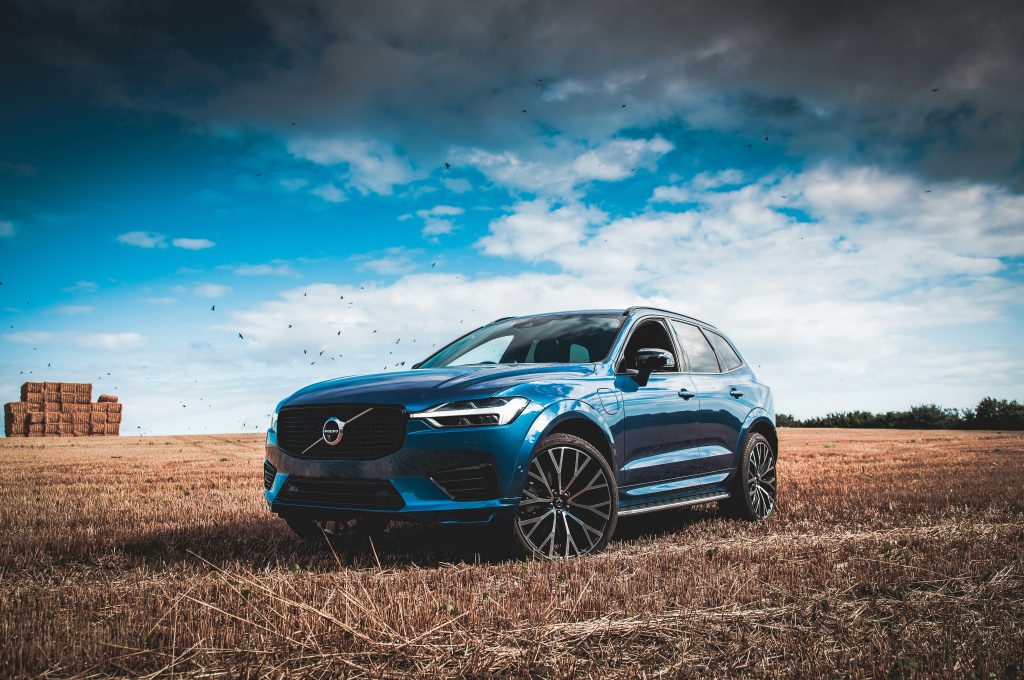
5. Volvo: $10,330 Over 10 Years
Volvo’s reputation is built around safety, Scandinavian design, and premium comfort. Its vehicles often feature sophisticated driver-assistance technology, advanced infotainment systems, and carefully engineered powertrains.
However, those features can make ownership more expensive as vehicles age. Consumer Reports’ 2025 survey estimates Volvo owners spend approximately $10,330 on maintenance and repairs over ten years.
That figure is $310 higher than Infiniti’s and almost $3,000 more than Acura’s. The difference becomes easier to understand when considering the equipment found in modern Volvo models.
Turbocharged and supercharged engines in certain older vehicles, plug-in hybrid systems, electronic suspension components, and extensive safety technology can require specialized servicing.
The XC60 and XC90 are particularly relevant examples because they are popular luxury SUVs in the American market. Their larger dimensions and additional equipment can mean higher tire and brake replacement expenses than those of smaller vehicles.
Plug-in hybrid versions also introduce high-voltage components that require technicians trained to work on electrified powertrains.
Volvo’s maintenance costs can vary significantly depending on the model and ownership period. Some new vehicles benefit from complimentary scheduled maintenance programs, while older vehicles may face higher bills once warranty coverage expires. Consumer Reports specifically notes that expenses tend to rise during years six through ten.
For prospective buyers, checking the service history is essential. Make sure software updates, scheduled maintenance, and previous mechanical repairs are documented. Volvo offers a distinctive luxury experience, but its reported 10-year costs suggest owners should prepare for more than ordinary mainstream-car maintenance.
6. BMW: $11,000 Over 10 Years
BMW’s appeal comes from its combination of performance, handling, premium interiors, and powerful engine options. Yet maintaining that engineering can require a substantial budget. Consumer Reports places BMW’s estimated 10-year maintenance and repair spending at approximately $11,000, making it the sixth brand in this ranking.
The figure is considerably higher than Acura’s $7,725 and Infiniti’s $10,020. One reason is the variety of mechanical technology used throughout BMW’s lineup. Turbocharged engines, sophisticated automatic transmissions, electronically controlled suspension systems, and performance-oriented braking equipment can all contribute to maintenance expenses.
The difference between models can be substantial. A four-cylinder 3 Series sedan will not necessarily cost as much to maintain as a larger X7 SUV or an M performance vehicle. High-performance versions can require specialized tires, larger brakes, and more frequent attention to components subjected to greater mechanical stress.
BMW also offers complimentary scheduled maintenance on eligible new vehicles for a limited period, depending on the model and program terms. Once that coverage expires, owners become responsible for scheduled services and repairs not covered by warranty. Consumer Reports notes that maintenance expenses can rise considerably after the first five years.

Independent BMW specialists can be useful for owners seeking alternatives to dealership labor rates, although repairs involving advanced electronics or specialized software may still require appropriate equipment and expertise.
BMW’s $11,000 figure does not mean every owner will spend that amount. However, it demonstrates why buyers should consider maintenance expenses alongside purchase price and performance. A used BMW with a low asking price may not remain inexpensive if it has deferred servicing or unresolved mechanical issues.
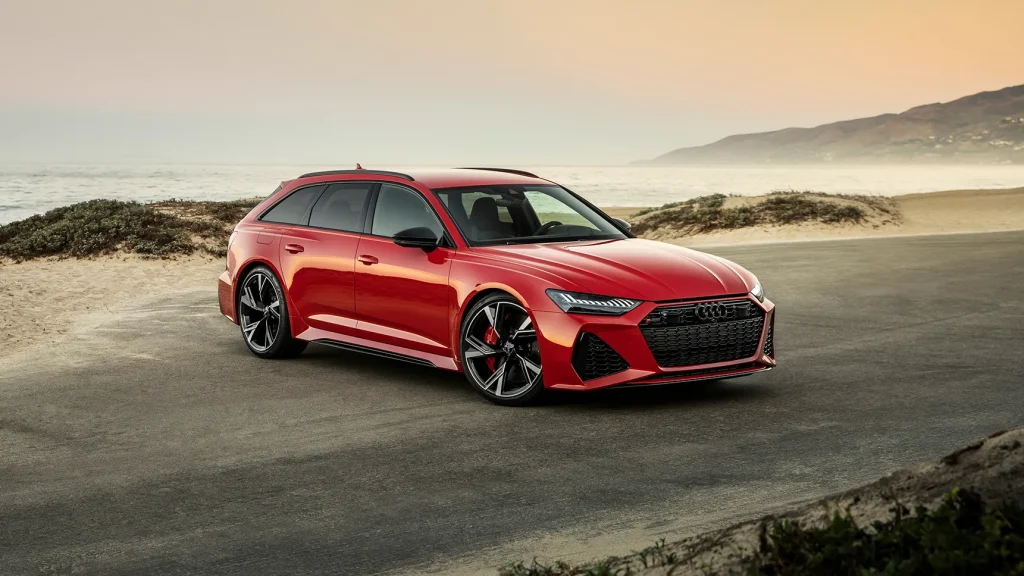
7. Audi: $11,350 Over 10 Years
Audi is known for its refined interiors, quattro all-wheel-drive technology, and sophisticated powertrains. These features make its vehicles attractive to luxury buyers, but they also bring additional systems that may need attention as the vehicle ages. Consumer Reports’ 2025 survey places Audi’s average 10-year maintenance and repair cost at approximately $11,350.
This is $350 more than BMW and $1,020 above Volvo. The difference may seem small between these brands, but the gap becomes more noticeable when compared with Lexus or Cadillac.
Audi’s premium engineering can involve turbocharged engines, dual-clutch or conventional automatic transmissions, complex all-wheel-drive systems, and extensive electronic equipment.
The A4 and Q5 illustrate the variety within Audi’s range. Both offer premium features, but their maintenance requirements depend on their specific engines, drivetrains, model years, and equipment. Larger models and high-performance RS variants can bring additional expenses through bigger brakes, performance tires, and more specialized components.
Audi’s technology is another important consideration. Digital instrument displays, infotainment systems, parking sensors, and driver-assistance features add convenience, but diagnosing electronic faults may require specialized equipment. A repair that appears minor can become more expensive if replacement components need programming or calibration.
For used-car shoppers, checking the transmission service history and inspecting the engine for leaks are sensible precautions. All-wheel-drive components should also be examined, particularly on vehicles that have covered high mileage.
Audi’s reported decade-long spending is not the highest in this ranking, but it reinforces the importance of budgeting beyond the purchase price. Buyers attracted by its technology and driving experience should be prepared for maintenance expenses that are higher than those of several Japanese luxury competitors.
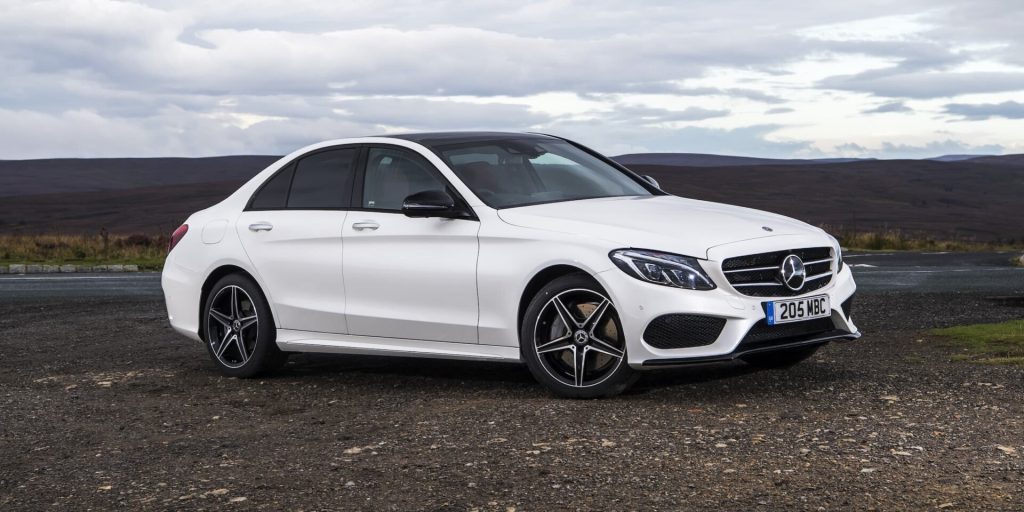
8. Mercedes-Benz: $12,630 Over 10 Years
Mercedes-Benz occupies a higher position because its reported long-term maintenance and repair expenses reach approximately $12,630 over ten years in Consumer Reports’ 2025 survey. That is $1,280 more than Audi and $5,205 more than Acura.
For buyers comparing luxury brands, the difference is significant enough to influence a long-term ownership decision.
Part of the expense comes from the engineering and equipment associated with the brand. Many Mercedes-Benz models use turbocharged engines, sophisticated automatic transmissions, advanced electronic systems, and premium suspension components.
Certain versions also feature air suspension, which can be considerably more expensive to repair than conventional setups.
The range is broad, so maintenance expenses are not identical across the lineup. A C-Class sedan has different requirements from a large GLS SUV or an AMG performance model. High-performance versions can bring additional costs through specialized brakes, tires, engine components, and more demanding service requirements.
Another factor is the cost of maintaining older examples. As vehicles move beyond their factory warranty periods, owners become responsible for repairs that may involve expensive electronic modules, sensors, or mechanical components.
Consumer Reports’ data shows that maintenance and repair expenses can rise sharply during the second half of the first decade.
Mercedes-Benz ownership can still make financial sense for someone who values its comfort, technology, and driving characteristics.
However, buyers should not assume that a discounted used model will be inexpensive to keep. Reviewing service invoices, checking for outstanding recalls, and arranging a specialist inspection are sensible steps before purchasing.
Its $12,630 figure places Mercedes-Benz among the more expensive luxury marques to maintain, making a dedicated repair budget particularly important.
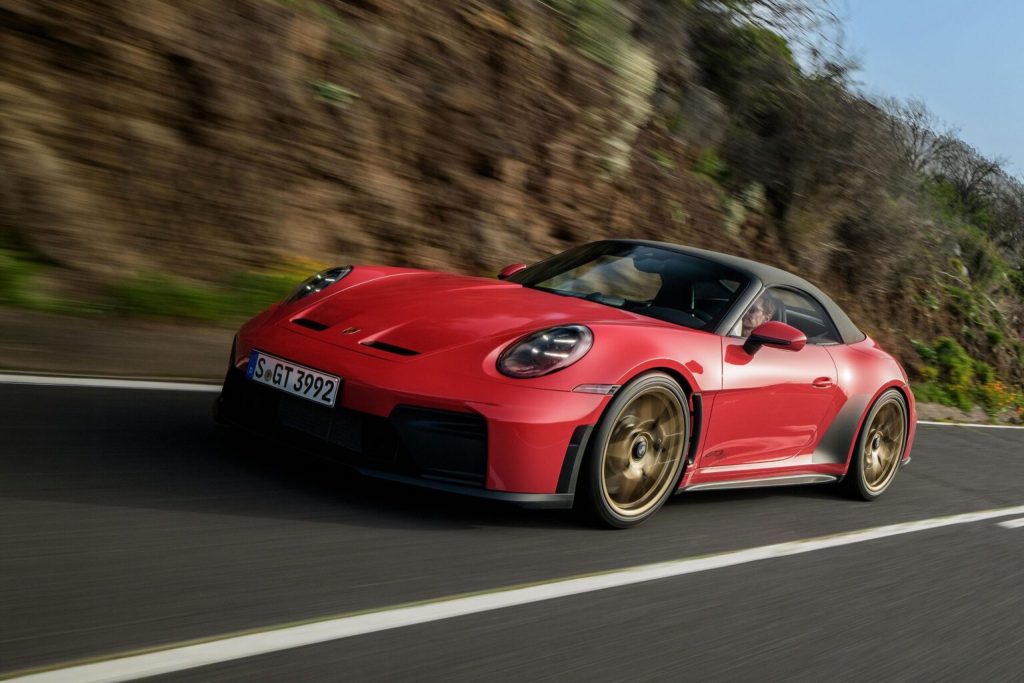
9. Porsche: $17,900 Over 10 Years
Porsche’s position near the top of this ranking reflects the expense associated with maintaining a performance-focused luxury brand. Consumer Reports’ 2025 survey estimates that Porsche owners spend approximately $17,900 on maintenance and repairs over ten years. That is $5,270 more than Mercedes-Benz and more than twice Acura’s reported figure.
Performance engineering is a major part of Porsche’s identity. Its vehicles are designed around strong acceleration, precise handling, powerful braking, and high-speed stability. Those characteristics can require specialized components and maintenance procedures that are more expensive than those of ordinary luxury sedans.
The model makes a considerable difference. A Macan used primarily for commuting will have a different ownership profile from a 911 driven enthusiastically or a high-performance Cayenne. Tire replacement, brake servicing, engine maintenance, and transmission-related work can all influence the total.
Porsche’s performance models also use specialized braking and suspension equipment. Some versions offer ceramic composite brakes, which can be particularly expensive to replace if damaged or worn beyond their service limits.
Not every Porsche has these components, so buyers should check the exact specification rather than assume every model carries the same expenses.
The survey figure includes reported maintenance and repair spending, not the purchase of optional performance upgrades or collision repairs. It is an average across owners, meaning an individual vehicle could cost considerably less or more.
For buyers considering a used Porsche, a specialist pre-purchase inspection is essential. Maintenance records, previous track use, tire condition, brake wear, and evidence of deferred servicing should all be examined.
Porsche delivers a distinctive driving experience, but its estimated $17,900 maintenance cost over ten years highlights an important consideration. Owning a high-performance luxury vehicle requires a maintenance budget that reflects its engineering and upkeep requirements.
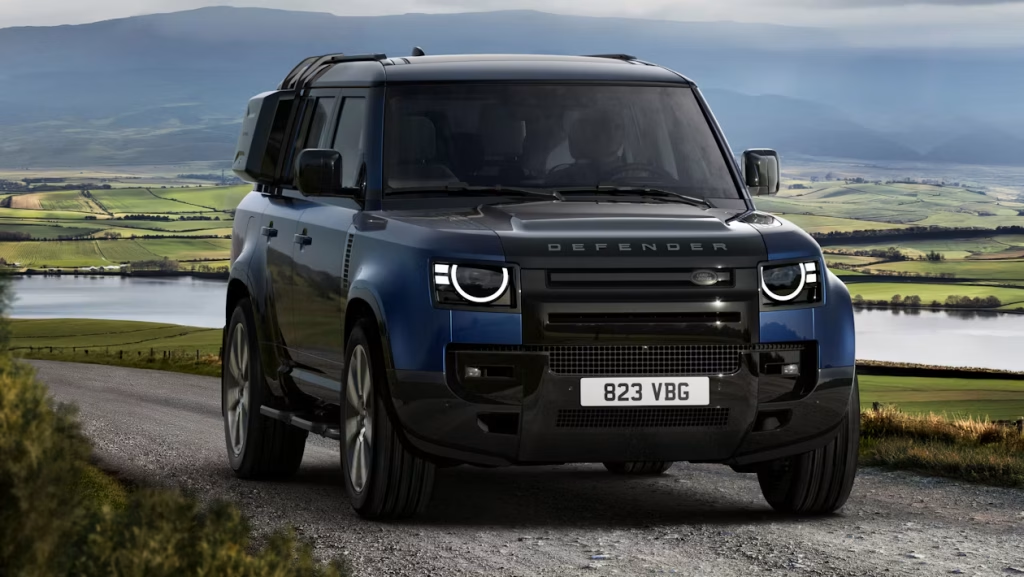
10. Land Rover: $19,460 Over 10 Years
Land Rover takes the most expensive position in this ranking, with Consumer Reports’ 2025 survey estimating $19,460 in maintenance and repair costs over ten years. That is $1,560 more than Porsche and nearly three times the reported spending for Lexus.
The difference highlights how expensive long-term ownership can become for certain luxury SUV brands.
Land Rover vehicles combine premium interiors with sophisticated four-wheel-drive systems and substantial off-road capability.
Models such as the Range Rover, Range Rover Sport, and Defender use advanced technology designed to deliver comfort and performance across different driving conditions. However, this equipment can add complexity when repairs are required.
Air suspension is one example. It provides adjustable ride height and helps deliver a comfortable driving experience, but components such as air springs, compressors, and electronic controls can become expensive to repair.
Four-wheel-drive hardware, electronic modules, turbocharged engines, and complex cooling systems can also contribute to ownership expenses.
The vehicle’s intended use matters as well. A Defender regularly driven on difficult trails may experience different wear from a Range Rover used primarily on paved roads. Off-road driving, towing, and harsh operating conditions can place additional demands on suspension, tires, brakes, and drivetrain components.
Land Rover’s high figure should not be interpreted as a fixed bill that every owner will face. It represents average owner-reported maintenance and repair spending across the brand’s vehicles. Individual costs depend on model, mileage, servicing, and warranty coverage.
For used-car buyers, a detailed inspection by a Land Rover specialist is especially important. Check suspension operation, drivetrain performance, cooling-system condition, electronics, and previous repair invoices.
The brand delivers a distinctive combination of luxury and off-road capability, but its $19,460 estimate makes it the costliest choice in this comparison. Buyers should plan for substantial long-term maintenance spending before committing to ownership.
