
Getting into a serious car accident is stressful, especially when your vehicle is declared a total loss, and you still have an outstanding auto loan. Many drivers assume their insurance company will pay off the remaining balance, but that is not always how the process works.
If your car is worth less than what you owe, you could face an unexpected financial burden even after losing your vehicle. Understanding what happens when you total a car you still owe on can help you prepare for insurance decisions, loan payments, and your next vehicle purchase while protecting your finances.
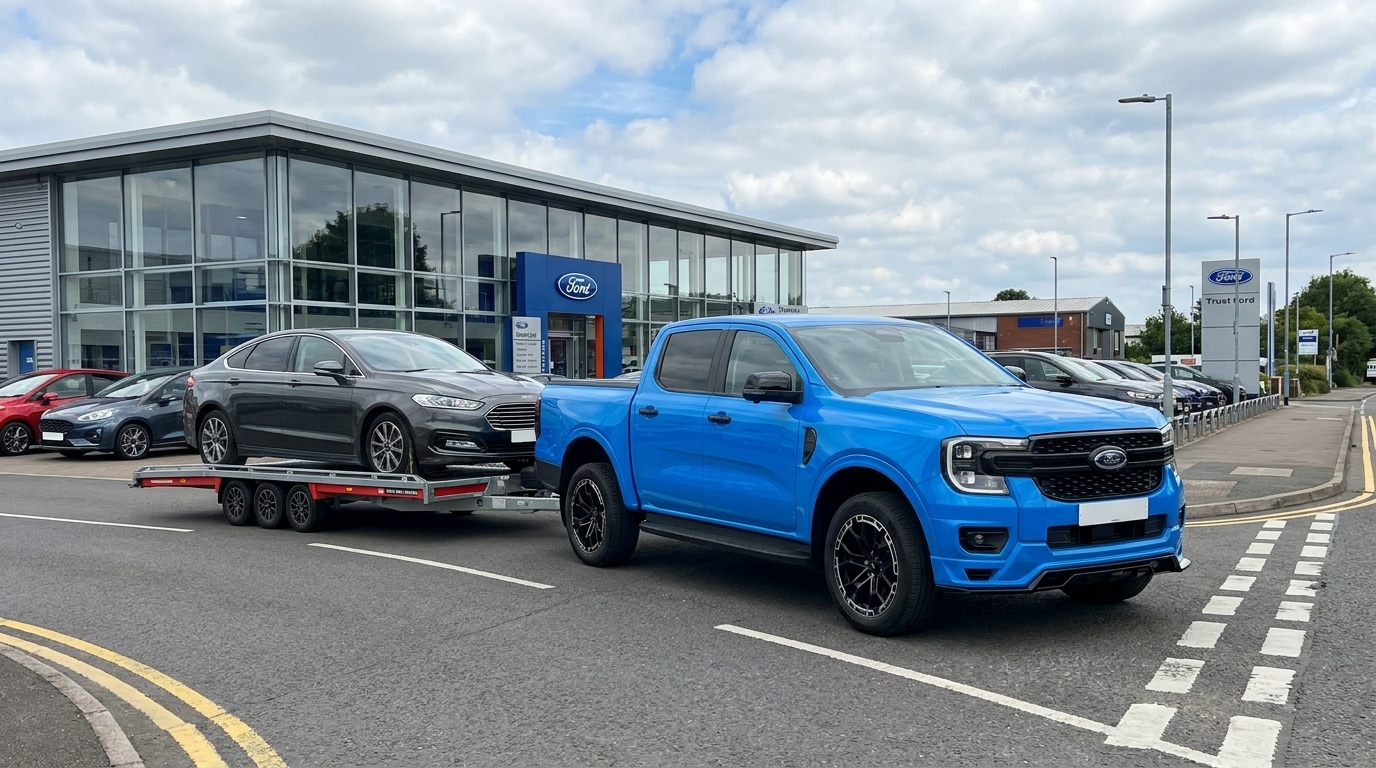
1. Your Insurance Company Determines Whether Your Car Is a Total Loss
When you get into a major accident, your insurance company will inspect the vehicle to determine whether repairing it makes financial sense. If the estimated repair costs are too high compared with the vehicle’s value, the insurer may declare it a total loss.
A car does not necessarily need to be completely destroyed to qualify as totaled. Significant structural damage, expensive mechanical problems, or safety concerns can make repairing the vehicle impractical.
Insurance companies generally consider the vehicle’s actual cash value before the accident. This amount reflects its market value based on factors such as age, mileage, condition, features, and comparable vehicle prices.
The insurer also considers the estimated repair expenses when making its decision. Depending on state laws and insurance company guidelines, a vehicle may be declared a total loss when repair costs reach a certain percentage of its actual cash value.
Once the insurance company determines that your car is totaled, it will usually begin the settlement process. This involves calculating the vehicle’s value and identifying any outstanding financial interests attached to it.
If you financed the vehicle, the lender will typically be listed as a lienholder on your insurance policy. This means the lender has a legal financial interest in the car until the loan is fully paid.
You should review the insurer’s valuation report carefully before accepting the settlement. Incorrect mileage, missing equipment, inaccurate trim information, or outdated vehicle comparisons can affect the amount offered.
If you believe the valuation is too low, you can challenge it by providing maintenance records, comparable vehicle listings, and documentation showing your car’s pre-accident condition. A fair valuation is important because it directly affects how much of your outstanding loan can be repaid.
2. Your Insurance Payout Goes Toward Your Outstanding Car Loan
When a financed vehicle is declared a total loss, the insurance settlement usually goes toward paying the lender first. This happens because the lender has a financial interest in the vehicle until you complete your loan payments.
For example, imagine your car’s actual cash value is $20,000, but you still owe $16,000 on your auto loan. If your insurance company approves a settlement of $20,000, the lender receives the amount necessary to clear the outstanding loan.
After the loan is paid, any remaining settlement money generally goes to you. In this example, you would receive approximately $4,000, subject to applicable deductibles, fees, and settlement adjustments.
However, the situation becomes more complicated when your loan balance exceeds the insurance payout. This can happen when you purchased the vehicle recently, made a small down payment, or financed additional costs.
Suppose you owe $25,000 on your vehicle, but the insurance company values it at only $19,000. The insurer may send the settlement payment to the lender, leaving a $6,000 difference before any deductible or other adjustments.
The lender does not automatically forgive this remaining balance simply because the vehicle was totaled. Your responsibility to repay the loan generally continues unless the debt is covered by GAP insurance or resolved through another arrangement.
It is also important to understand that the insurance settlement is based on the vehicle’s market value, not the original purchase price. The amount you paid for the car does not determine what the insurer must pay after an accident.
Before accepting the settlement, request a written breakdown showing the vehicle valuation, deductible, loan payoff amount, and payment distribution. This helps you understand exactly how much of your debt will be covered and whether you will receive any remaining money.

3. You May End Up Owing More Money Than Your Car Is Worth
A situation known as negative equity can create serious financial difficulties when you total a financed vehicle. Negative equity occurs when your outstanding loan balance is higher than the vehicle’s current market value.
Cars generally lose value over time through depreciation. New vehicles can experience significant depreciation during their first few years, meaning their resale value may decrease faster than the loan balance.
This problem is particularly common among drivers who purchase expensive vehicles with small down payments. When the initial loan amount is high, the borrower may owe more than the vehicle is worth for an extended period.
Longer loan terms can also increase the risk of negative equity. Monthly payments may appear affordable, but the loan balance decreases slowly when payments are spread across six or seven years.
If your vehicle is totaled during this period, the insurance payout may not cover the full amount you owe. You could lose your vehicle and still have thousands of dollars in outstanding debt.
For instance, if your lender reports a payoff balance of $28,000 and your insurer approves a settlement of $22,000, you may have a $6,000 deficiency balance before deductible adjustments.
This remaining amount is generally your responsibility unless you have GAP coverage or qualify for another form of debt relief. Ignoring the balance can result in late fees, collection activity, and potential credit damage.
To understand your financial position, compare your current loan payoff amount with the vehicle’s estimated actual cash value. Checking these figures periodically can help you identify negative equity before an accident occurs.

4. GAP Insurance May Cover the Difference Between Your Loan and Insurance Payout
Guaranteed Asset Protection, commonly called GAP insurance, is designed to help drivers who owe more on their vehicle than its actual cash value after a total loss.
Standard auto insurance generally pays the vehicle’s actual cash value rather than the remaining loan balance. GAP coverage helps address the financial difference between these amounts, subject to the policy’s terms and limits.
For example, assume you owe $27,000 on your vehicle, but your insurance company determines that its value is $21,000. The resulting $6,000 difference may qualify for payment under your GAP policy.
However, GAP coverage does not automatically pay every expense associated with a totaled vehicle. Some policies exclude insurance deductibles, late payments, extended warranties, missed installments, or other financed products.
Coverage limits also matter. Certain policies place restrictions on how much they will pay toward negative equity, particularly when the original loan included substantial additional costs.
If you purchased GAP coverage through your dealership or lender, check your original financing documents. You may have paid for this protection without fully understanding when it applies.
Drivers who purchased standalone GAP insurance should contact their provider and review the claim requirements. The insurer may request documents such as the total loss settlement statement, loan payoff statement, and original financing agreement.
It is important to notify your GAP provider promptly after receiving confirmation that your vehicle has been declared a total loss. Waiting too long could complicate the claim or delay payment.
If you do not have GAP coverage, you may need to negotiate a repayment arrangement with your lender for any remaining balance. Understanding your coverage before an accident can help prevent unexpected financial pressure.

5. You Must Continue Making Loan Payments Until the Debt Is Settled
Many drivers assume that their monthly car payments automatically stop when their vehicle is totaled. Unfortunately, this is generally not true.
Your auto loan is a separate financial agreement from your insurance policy. The accident does not automatically cancel the loan, even when the vehicle cannot be repaired or driven.
Until the lender receives the required payoff amount and officially closes the account, you may remain responsible for making scheduled payments. Missing payments during the insurance claim process can create unnecessary financial problems.
Insurance claims sometimes take several weeks to complete. Delays can occur when the insurer needs additional documentation, investigates the accident, or disputes the vehicle’s value.
During this period, your loan payments may continue according to the original agreement. You should contact your lender to explain the situation and ask whether any temporary payment arrangements are available.
Do not assume that an insurance claim automatically gives you permission to skip payments. Failing to make payments without an approved arrangement could result in late fees and negative credit reporting.
If the insurance settlement fully covers your loan, the lender will generally apply the payment toward the outstanding balance. Any remaining amount owed after the final payoff should be handled according to the loan agreement.
Keep records of every payment you make while the claim is being processed. These records can help resolve discrepancies if the lender’s payoff statement does not reflect recent payments.
Once the loan is paid, request written confirmation that the account has been satisfied. Checking your account afterward can help ensure that no unexpected balance or payment remains.

6. Your Credit Score Could Be Affected If You Do Not Handle the Loan Properly
A totaled vehicle does not automatically damage your credit score. However, the way you manage your outstanding auto loan during the insurance process can influence your credit history.
Payment history is an important factor in most credit scoring models. If you stop making payments without an approved arrangement, the lender may report missed or late payments to credit bureaus.
Even when your vehicle is no longer usable, the loan remains active until the financial obligation is resolved. This is why staying in communication with your lender is essential.
Suppose your insurance claim takes a month to process and you skip two scheduled payments. If the lender reports those payments as delinquent, your credit score could suffer even if the insurance company eventually pays the loan.
A remaining deficiency balance can also create financial challenges. If you cannot pay the difference immediately, the lender may offer a repayment arrangement, depending on its policies and your financial circumstances.
If the outstanding debt becomes seriously delinquent, the lender may transfer it to a collection agency or pursue other remedies allowed by the loan agreement and applicable law.
You should monitor your credit reports after the insurance settlement is completed. Make sure the loan is reported accurately and that the account reflects the correct payment status and remaining balance.
If you identify incorrect information, contact the lender and the relevant credit bureau to dispute the reporting. Keep copies of your settlement documents and loan payoff confirmation as supporting evidence.
Taking action early can help protect your credit profile and prevent a difficult accident from creating additional long-term financial consequences.

7. The Insurance Company May Require You to Pay Your Deductible
Your auto insurance deductible is the amount you are generally responsible for paying toward a covered claim before your insurer pays the remaining eligible amount.
When your vehicle is totaled, the deductible is typically subtracted from the actual cash value settlement. This can reduce the amount available to pay off your outstanding auto loan.
For example, suppose your vehicle is valued at $24,000, and your collision coverage has a $1,000 deductible. Your insurance settlement would generally be $23,000 before any other applicable adjustments.
If you owe $23,500 on your loan, the reduced settlement may leave you with a $500 deficiency balance.
The deductible amount depends on your insurance policy. Some drivers choose higher deductibles to reduce their monthly premiums, but this decision can increase their out-of-pocket costs after an accident.
Whether your deductible applies also depends on the circumstances of the accident and the coverage being used. Collision coverage generally involves a deductible, while comprehensive coverage may have a separate deductible for covered non-collision losses.
If another driver caused the accident, your insurer may initially process the claim under your collision coverage. Your insurer may later seek reimbursement from the responsible party’s insurance company through a process called subrogation.
If your insurer successfully recovers the applicable amount, you may receive a deductible reimbursement, depending on the circumstances and policy terms.
You should review your insurance declarations page to understand your deductible before accepting the settlement. Ask the claims adjuster to explain every deduction included in the final calculation.
Knowing how the deductible affects your payout can help you determine whether you will have enough money to clear the loan or need to arrange payment for a remaining balance.

8. You May Need to Complete Additional Paperwork Before the Claim Is Finalized
A total loss insurance claim involves more than receiving a settlement check. The insurer and lender generally need several documents to transfer ownership, settle the loan, and close the claim.
Your insurance company may ask for the vehicle’s title, registration details, loan information, and accident documentation. The exact requirements depend on your location and the insurer’s procedures.
If your lender holds the vehicle’s title electronically, the insurer may coordinate directly with the financial institution. This can simplify the process because you may not need to obtain a physical title yourself.
The lender will usually provide a payoff statement showing the exact amount required to satisfy the loan on a particular date. This figure may change as interest and payments are applied.
You may also need to sign documents transferring ownership of the totaled vehicle to the insurance company. Once the settlement is finalized, the insurer typically takes possession of the vehicle or arranges for its salvage processing.
Some insurance companies require you to remove personal belongings, license plates, toll tags, and other personal items before the vehicle is collected. Make sure you follow the instructions provided by your claims representative.
If the insurer requests additional documentation, submit it promptly to avoid unnecessary delays. Missing signatures or incomplete forms can hold up the settlement.
Keep digital and physical copies of all important documents, including the insurance settlement agreement, vehicle valuation, loan payoff statement, and payment confirmation.
After the process is complete, verify that the lender has closed the account and that the insurer has finalized the ownership transfer. Proper documentation gives you a clear record if questions arise later.

9. You May Have Difficulty Getting a New Car Loan
Losing a financed vehicle in an accident can complicate your plans to purchase another car. The challenge becomes greater when the insurance payout does not fully cover your existing loan.
If you have a remaining deficiency balance, lenders may consider your outstanding debt when evaluating a new loan application. Your debt-to-income ratio and credit history can influence their decision.
Some dealerships may offer to roll your remaining balance into a new vehicle loan. This means the unpaid amount from your totaled car is added to the financing for your replacement vehicle.
For example, if you owe $5,000 after the insurance settlement and finance a replacement vehicle worth $25,000, the new loan could include both amounts, along with other eligible charges.
This arrangement may help you purchase another vehicle without paying the entire deficiency balance immediately. However, it also increases the amount you owe and can create negative equity in your new vehicle.
Financing a larger amount may result in higher monthly payments or a longer repayment period. You could also end up owing more than the replacement vehicle is worth shortly after purchasing it.
Before accepting a new loan, compare the interest rate, total repayment amount, loan term, and monthly payment. Avoid focusing only on whether the dealership can make the payment fit your budget.
If possible, consider paying down the remaining balance before purchasing another vehicle. Waiting until your finances are more stable may help you secure better financing terms.
You should also compare offers from multiple lenders rather than accepting the first financing arrangement available. A careful decision can prevent the financial impact of your previous accident from following you into your next vehicle purchase.

10. You Can Negotiate With Your Lender If You Still Owe Money
If your insurance settlement does not cover your entire auto loan, contacting your lender should be your next priority. You may have several options for handling the remaining balance.
Start by requesting an updated payoff statement. Make sure the lender has applied all payments and credits correctly and that the amount matches the insurer’s settlement records.
If you cannot afford to pay the deficiency balance immediately, explain your financial situation to the lender. Some financial institutions may offer installment arrangements or other repayment options.
A repayment plan can spread the remaining amount across several months. This may make the debt more manageable while allowing you to avoid falling behind on your financial obligations.
In certain circumstances, the lender may consider a negotiated settlement for less than the full amount owed. However, approval is not guaranteed, and any forgiven debt may have tax consequences depending on applicable law.
You should request written documentation before agreeing to a repayment arrangement. The agreement should explain the payment amount, due dates, interest, fees, and consequences of missed payments.
If you are facing serious financial hardship, consider speaking with a qualified credit counselor or financial adviser. They can help you understand your options and evaluate the long-term impact of different repayment strategies.
Do not ignore letters, calls, or notices from your lender. Avoiding communication can make the situation more difficult, particularly if the outstanding balance becomes delinquent.
The most important step is to address the remaining debt before it creates additional financial problems. A clear repayment strategy can help you move forward without carrying unnecessary financial stress from the accident.