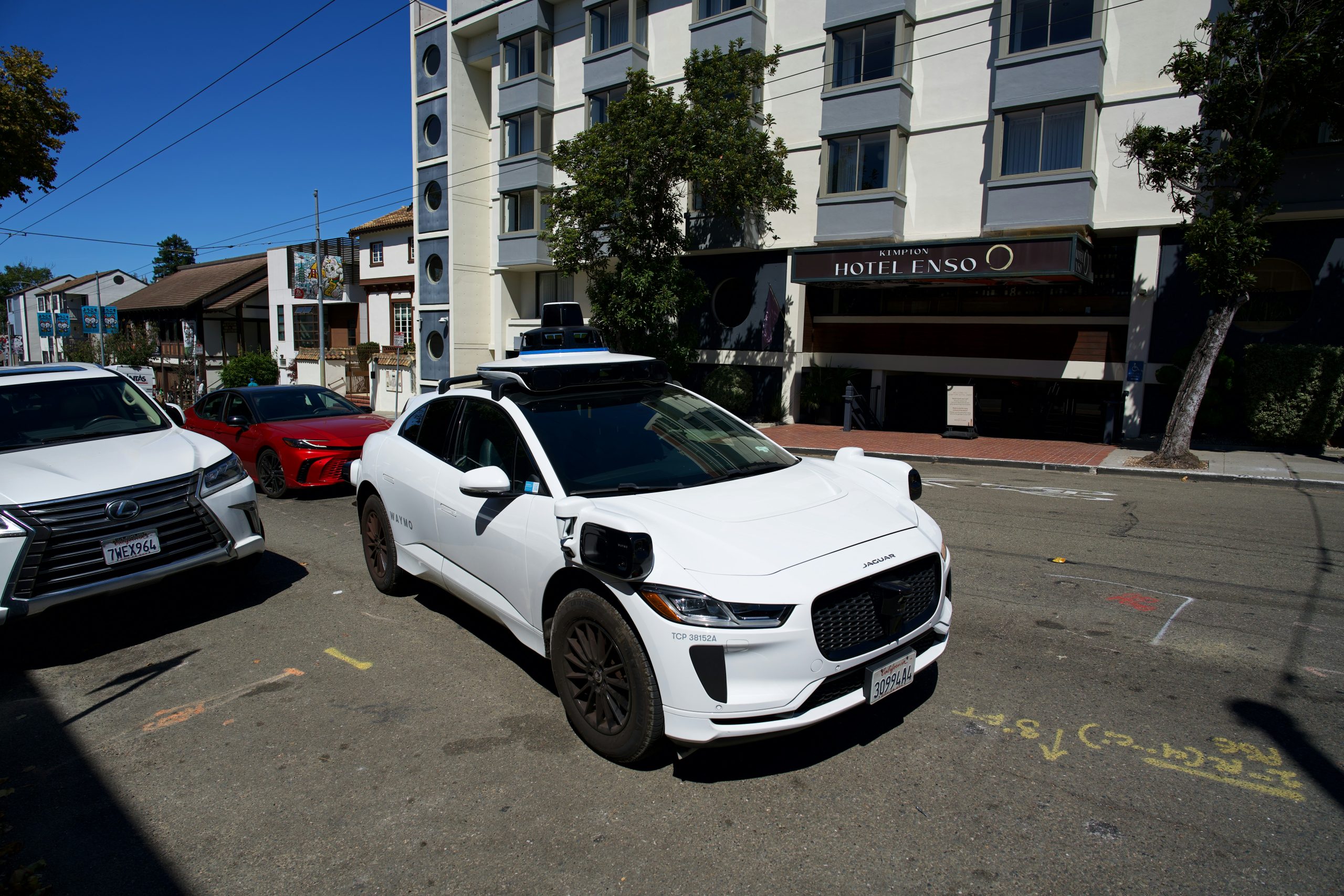
Modern cars come with advanced driver-assistance systems designed to improve road safety, reduce driver fatigue, and prevent accidents. Features such as automatic emergency braking, adaptive cruise control, lane departure warnings, and blind-spot monitoring rely on cameras, radar units, ultrasonic sensors, and sophisticated electronic components.
While these technologies make driving more convenient, they can also increase repair expenses when something goes wrong. Even minor accidents may damage sensitive equipment or require expensive recalibration.
Understanding which car components cost more to repair can help vehicle owners prepare for unexpected expenses, make informed maintenance decisions, and understand why newer vehicles sometimes have higher repair bills.
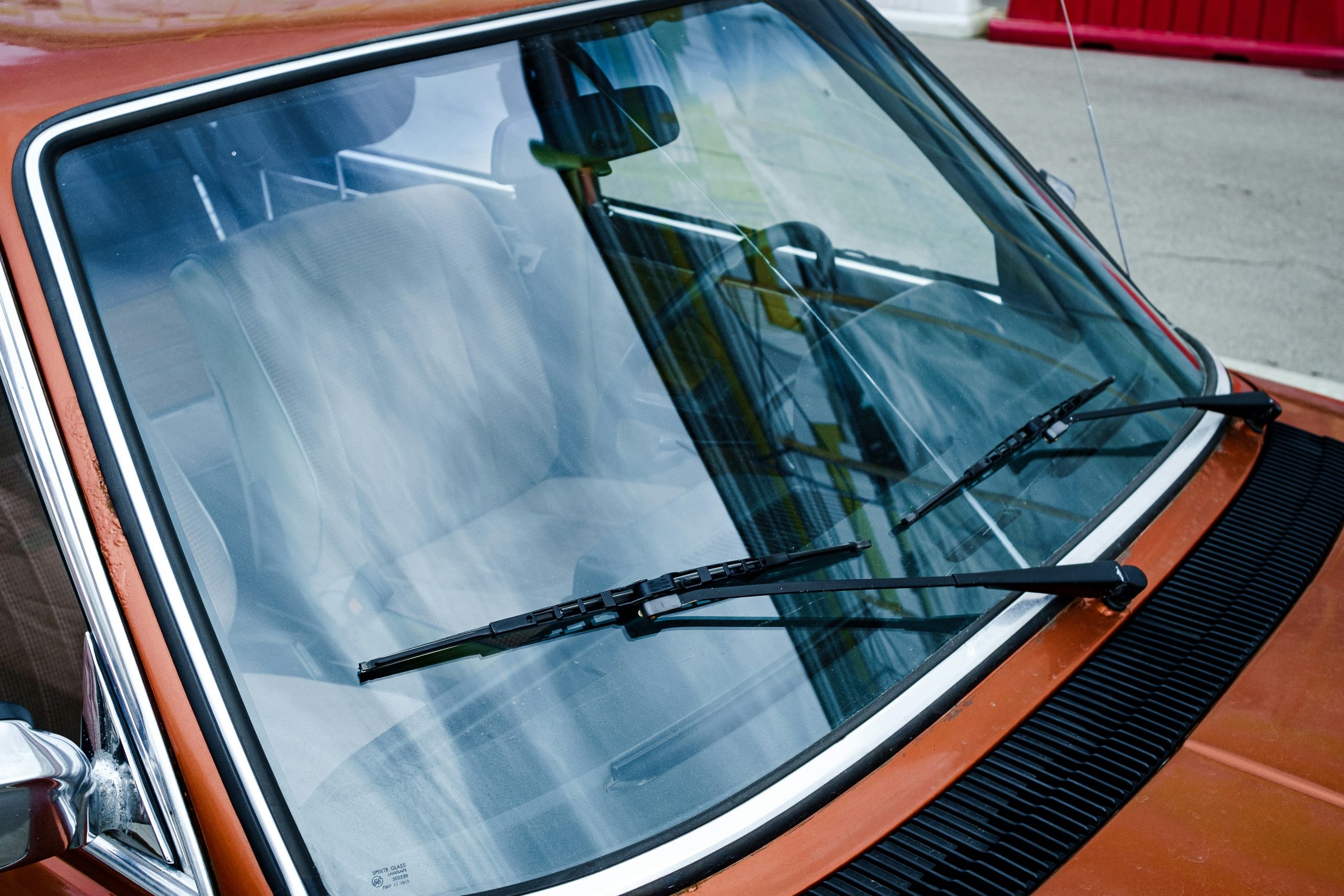
1. Windshields and Front-Facing Cameras
A windshield may appear to be a simple piece of glass, but its replacement can become expensive in vehicles equipped with driver-assistance sensors.
Many modern cars have forward-facing cameras mounted near the rear-view mirror. These cameras monitor road markings, nearby vehicles, traffic signs, and potential obstacles. Their performance depends on having a clear and correctly positioned view through the windshield.
When a windshield cracks or breaks, replacing the glass is only part of the repair process. The technician may also need to remove and reinstall the camera assembly. Even a small difference in the camera’s position can affect how accurately the system identifies objects and calculates distances.
Vehicles with lane-keeping assistance often depend on windshield-mounted cameras to recognise road markings. If the camera is incorrectly positioned after replacement, the system may struggle to identify lane boundaries. This can result in warning messages, unexpected system behaviour, or disabled assistance features.
The replacement glass must also meet the vehicle manufacturer’s specifications. Some vehicles require specially designed windshields with particular optical properties, mounting points, and sensor-compatible areas. Using unsuitable glass can interfere with camera performance and create additional repair problems.
Camera recalibration is another expense that owners need to consider. After windshield replacement, technicians may perform static or dynamic calibration, depending on the vehicle’s requirements.
Static calibration uses specialised equipment in a controlled workshop, while dynamic calibration may require driving the vehicle under specified conditions.
The total expense depends on the vehicle model, windshield design, camera technology, and local labour charges. Luxury vehicles and models with multiple integrated sensors can have considerably higher replacement costs than cars with conventional windshields.
Vehicle owners should also avoid delaying windshield repairs when cracks appear near the camera’s viewing area. Damage in this section can affect visibility and interfere with driver-assistance functions. A professional inspection can help determine whether replacement is necessary.
Before approving windshield work, owners should ask whether the quoted price includes camera recalibration. This helps prevent unexpected charges after the glass has been installed. Choosing a repair facility familiar with the vehicle’s ADAS technology can also reduce the risk of installation errors.
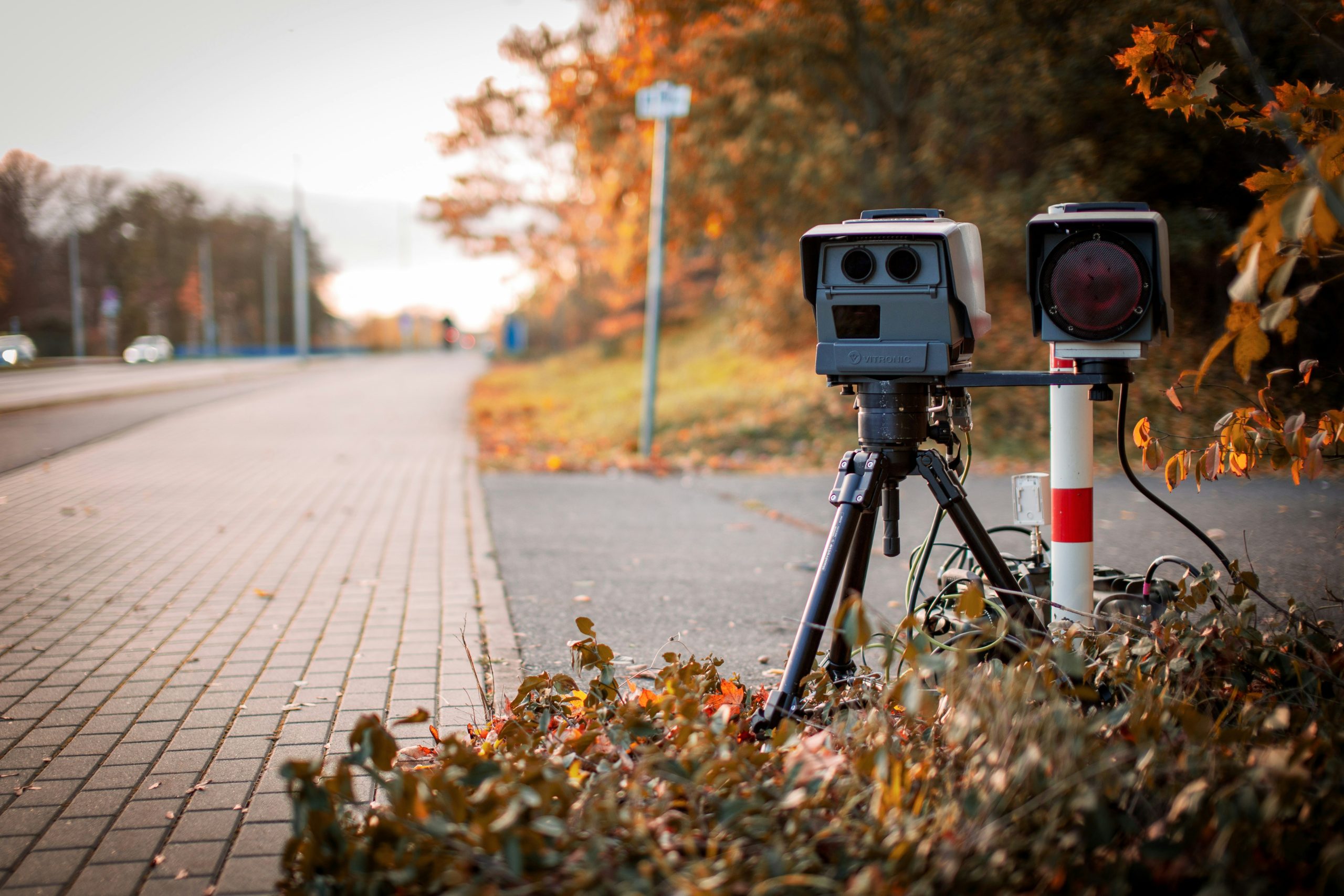
2. Front Bumper and Radar Sensors
Front bumpers protect important vehicle components during low-speed collisions, parking incidents, and minor impacts. However, modern bumpers often contain or sit directly in front of radar sensors used by advanced driver-assistance systems. These sensors help monitor traffic, measure the distance between vehicles, and support automatic emergency braking.
A minor collision that leaves only a small dent may still damage the radar equipment behind the bumper. The sensor housing, mounting brackets, wiring connections, or protective covers can become misaligned. Even when the damage is not visible from outside, the system may stop functioning correctly.
Adaptive cruise control is particularly dependent on forward-facing radar technology in many vehicles. It uses information from the sensor to maintain a suitable distance from the vehicle ahead. If the radar unit becomes damaged or misaligned, the system may display a warning or become unavailable.
Replacing the bumper cover alone may not solve the problem. Technicians must inspect the radar equipment, mounting points, electrical connections, and surrounding components. If the sensor has suffered internal damage, a replacement may be required.
Radar sensor replacement can increase repair expenses because these units contain specialised electronic components. Their prices vary according to the vehicle manufacturer, sensor generation, and available replacement parts. Premium vehicles may use more advanced equipment that costs significantly more to replace.
Calibration is another important part of the process. After bumper repairs or sensor replacement, the radar system may need to be aligned according to manufacturer specifications. This ensures that the sensor detects vehicles and obstacles within its intended operating range.
Paintwork can also affect certain radar systems if the wrong materials, thickness, or repair methods are used around the sensor area. Technicians must follow manufacturer guidelines when refinishing bumpers equipped with radar technology.
Owners should never assume that a small bumper repair is inexpensive simply because the external damage looks minor. Asking the repair shop to inspect the driver-assistance equipment before completing the job can help identify hidden damage and avoid further expenses.
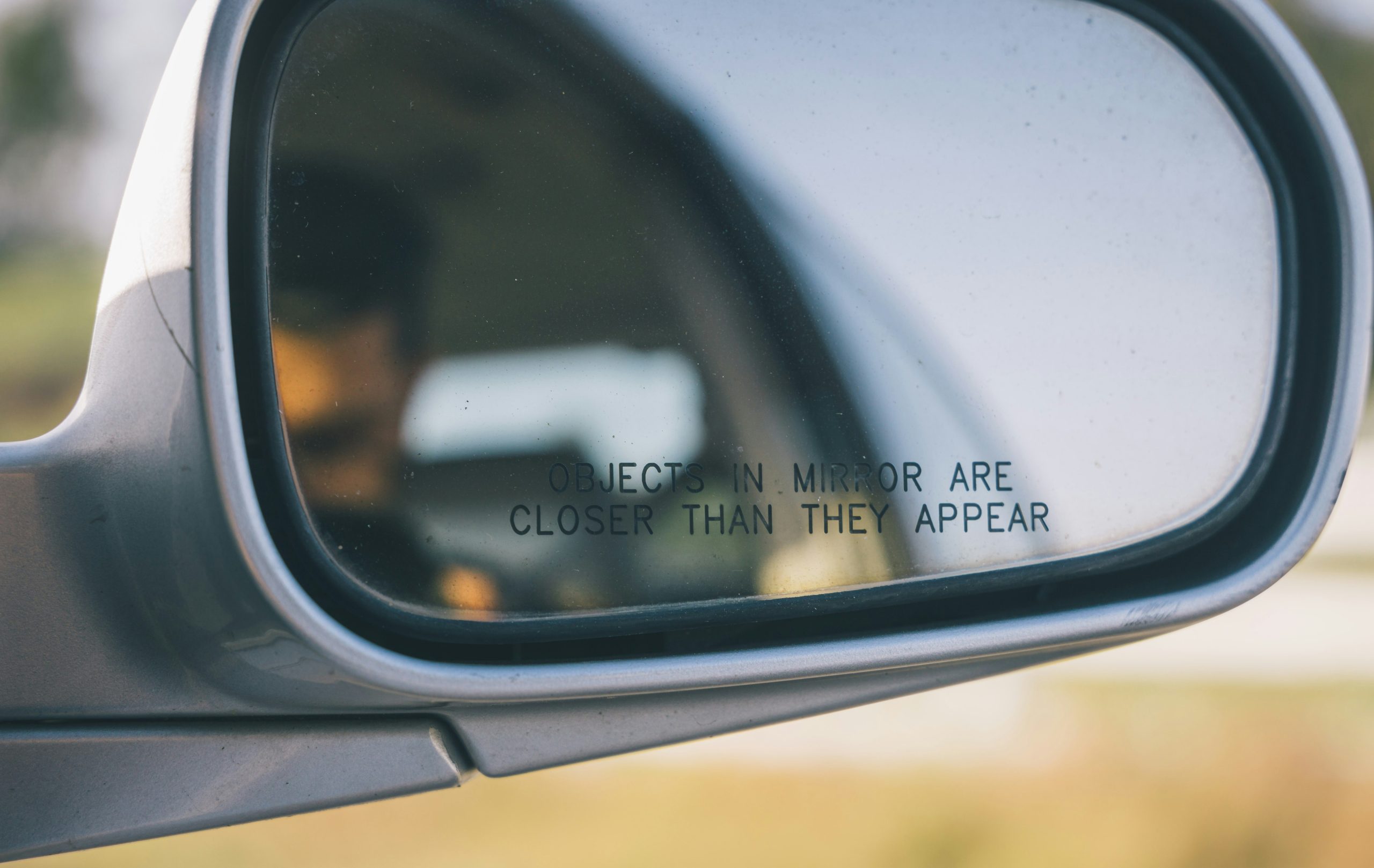
3. Side Mirrors and Blind-Spot Monitoring Sensors
Side mirrors are essential for checking surrounding traffic, changing lanes, and reversing safely. In many newer vehicles, they also contain electronic components that support blind-spot monitoring and other driver-assistance features. These systems alert drivers when another vehicle enters an area that may not be visible through the mirrors.
Replacing a damaged side mirror can therefore cost much more than replacing a traditional manual mirror. Modern mirror assemblies may include electric adjustment motors, heating elements, folding mechanisms, indicator lights, cameras, and blind-spot warning indicators.
A minor parking accident can break the mirror housing or damage its internal wiring. If the vehicle uses a camera integrated into the mirror assembly, the repair may require additional inspection and calibration. This increases both parts and labour costs.
Blind-spot monitoring systems generally use radar sensors positioned near the rear corners of the vehicle. The side mirror often serves as the location for the warning indicator rather than the radar unit itself. Understanding this difference is important because damage to the mirror does not necessarily mean the radar sensor needs replacement.
However, a damaged mirror assembly can still affect the warning system if its electrical connections or indicator components stop working. A technician may need to diagnose the issue before deciding which parts require replacement.
The price of a replacement mirror depends on its design and equipment. A basic mirror may be relatively affordable, while an electronically adjustable assembly with cameras, heating, folding functions, and integrated indicators can cost considerably more.
Some vehicles require additional calibration after mirror-mounted camera replacement. The process depends on the manufacturer’s design and whether the camera contributes to a surround-view or parking assistance system.
4. Rear Bumper and Parking Sensors
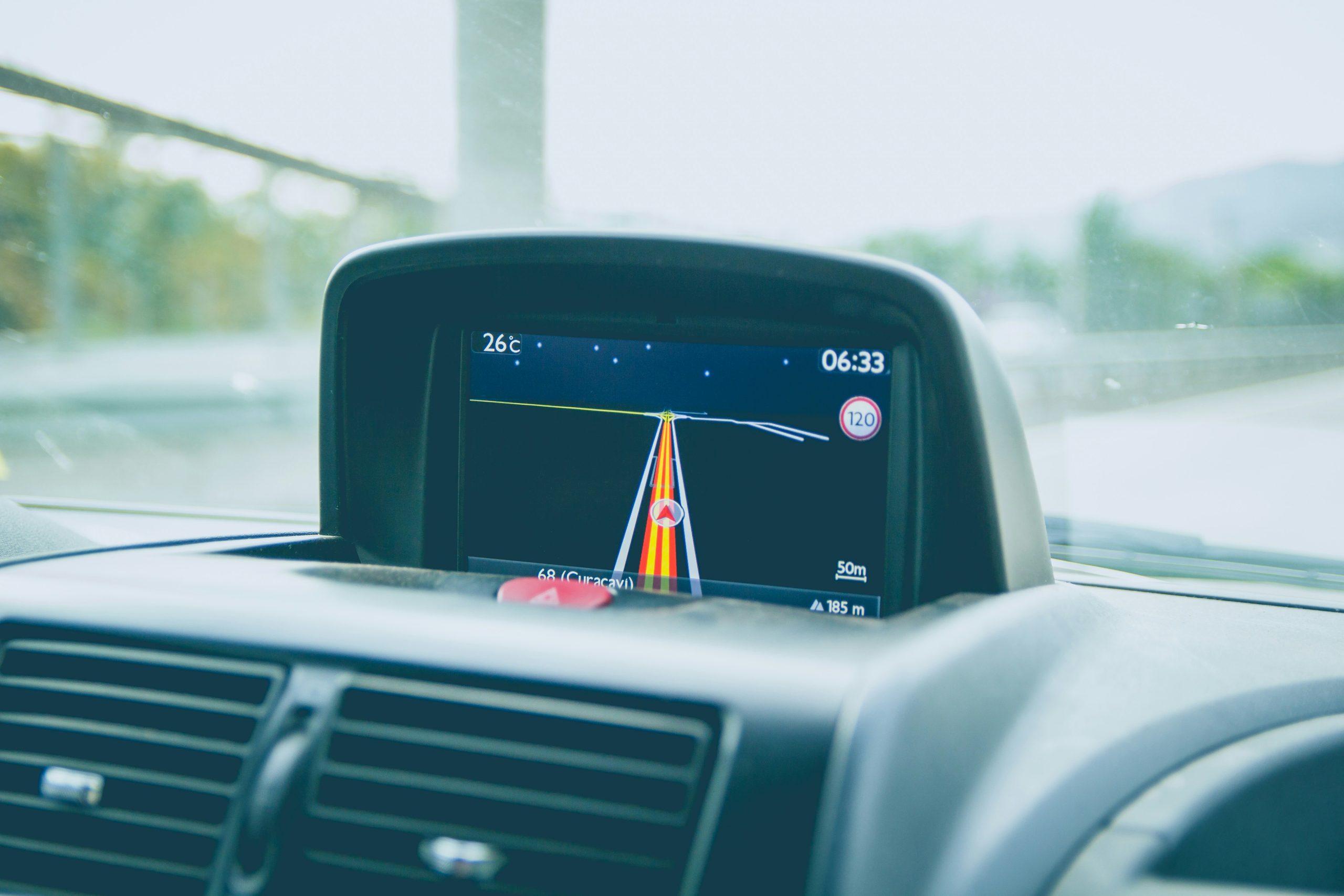
Rear parking sensors help drivers judge the distance between their vehicles and nearby objects. They are particularly useful when reversing into tight parking spaces, navigating garages, or parking in crowded areas. Most systems use ultrasonic sensors installed directly into the rear bumper.
These sensors send out sound waves and measure how long they take to return after hitting an object. The vehicle uses this information to estimate the distance between the bumper and surrounding obstacles. Depending on the model, the system may provide audible warnings, dashboard graphics, or both.
A damaged rear bumper can affect these sensors even when the impact appears relatively minor. Sensors may become loose, cracked, disconnected, or incorrectly positioned. Sometimes the bumper cover itself remains usable, but the sensor brackets behind it need replacement.
Replacing individual ultrasonic sensors may not be particularly expensive in some vehicles. However, the final repair bill can increase when several sensors are damaged or when the bumper requires complete replacement, painting, and additional labour.
Vehicles with automatic parking assistance may have more complex sensor arrangements. These systems combine information from multiple sensors and cameras to help the driver manoeuvre into parking spaces. Damage to a single component can affect the operation of the wider system.
Sensor positioning is important because ultrasonic equipment must face the correct direction. An incorrectly installed sensor may detect the ground, bumper edges, or nearby objects inaccurately. This can produce false warnings or prevent the system from detecting obstacles properly.
After replacement, technicians should check the system using the manufacturer’s recommended diagnostic procedures. Depending on the vehicle, calibration or system initialisation may be necessary. Simply installing a new sensor does not always restore full functionality.
5. Front Grille and Emblem-Mounted Sensors
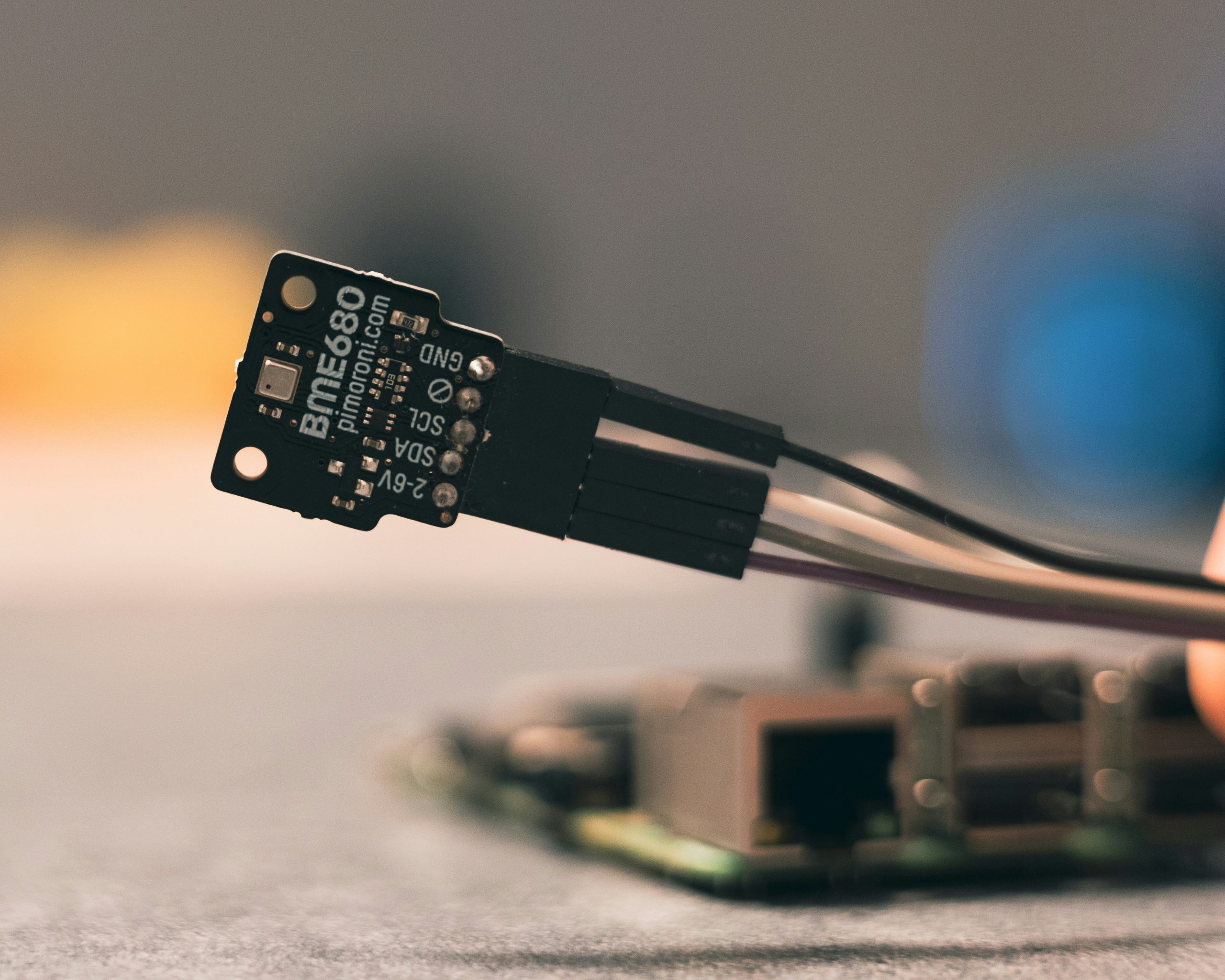
The front grille is not just a styling feature on many modern vehicles. It can also provide a mounting area for radar sensors, cameras, and other driver-assistance equipment. Some manufacturers place radar units behind the front emblem, making the badge area an important part of the vehicle’s safety technology.
These sensors support functions such as adaptive cruise control, forward collision warnings, and automatic emergency braking. They continuously collect information about vehicles and obstacles ahead, allowing the vehicle’s electronic systems to respond when necessary.
A damaged grille or front emblem can therefore create unexpected repair expenses. Even a small impact may crack the sensor cover, damage mounting brackets, or disturb the position of the radar unit. In some vehicles, the grille and sensor cover are designed to work together.
Replacing the front emblem may also require attention to the sensor behind it. Certain badges have specific materials and thicknesses that allow radar signals to pass through correctly. Installing an unsuitable replacement can interfere with sensor performance.
The repair process may involve removing the grille, inspecting the radar unit, replacing damaged mounting components, and checking electrical connections. If the sensor itself is damaged, a new unit may be necessary.
Calibration is particularly important when radar equipment has been removed or repositioned. Technicians may use specialised targets and diagnostic tools to confirm that the sensor points in the correct direction. Incorrect alignment can affect how the system measures the distance and position of surrounding vehicles.
Repair expenses depend on the vehicle’s design and the type of technology installed. Some models have relatively simple sensor arrangements, while others integrate several systems into the front grille and emblem assembly.
6. Headlights With Adaptive Lighting Technology
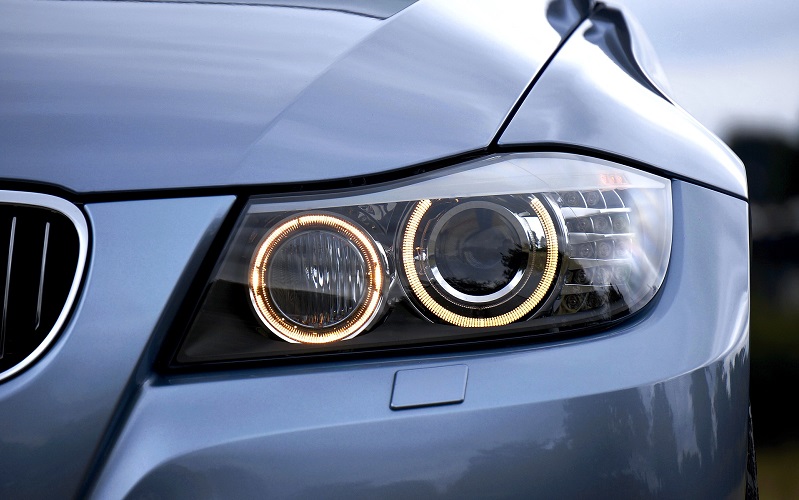
Modern headlights have become more advanced than traditional halogen lighting systems. Many newer vehicles use LED, matrix LED, or adaptive lighting technology to improve nighttime visibility. Some headlights can adjust their light patterns according to vehicle speed, steering direction, road conditions, and surrounding traffic.
These systems may work alongside cameras and other sensors to identify vehicles approaching from the opposite direction. Certain adaptive headlights can adjust selected sections of their light output to reduce glare for other road users while maintaining illumination in other areas.
The technology makes headlight replacement more complicated. A traditional headlight assembly may contain relatively simple components, while an advanced unit can include multiple LED modules, electronic control units, motors, cooling systems, and integrated sensors.
A minor front-end collision can damage the headlight housing or its internal electronics. Even when the outer lens appears intact, internal brackets or adjustment mechanisms may be broken. In such situations, replacing only the bulb or light source may not solve the issue.
The cost of a replacement headlight assembly varies considerably. Basic LED headlights are generally less expensive than sophisticated matrix or adaptive systems. Luxury vehicles often have particularly expensive lighting assemblies because of their specialised design and electronic components.
Some adaptive lighting systems also require calibration after replacement. This ensures that the beam pattern points in the correct direction and responds properly to vehicle inputs. Incorrect positioning can reduce visibility or create glare for other drivers.
Water entering a headlight assembly can create additional problems. Moisture may damage electrical connections, control modules, or LED components. Although some condensation can be normal under certain conditions, persistent moisture should be inspected by a qualified technician.
7. Windshield Wipers and Rain-Sensing Systems
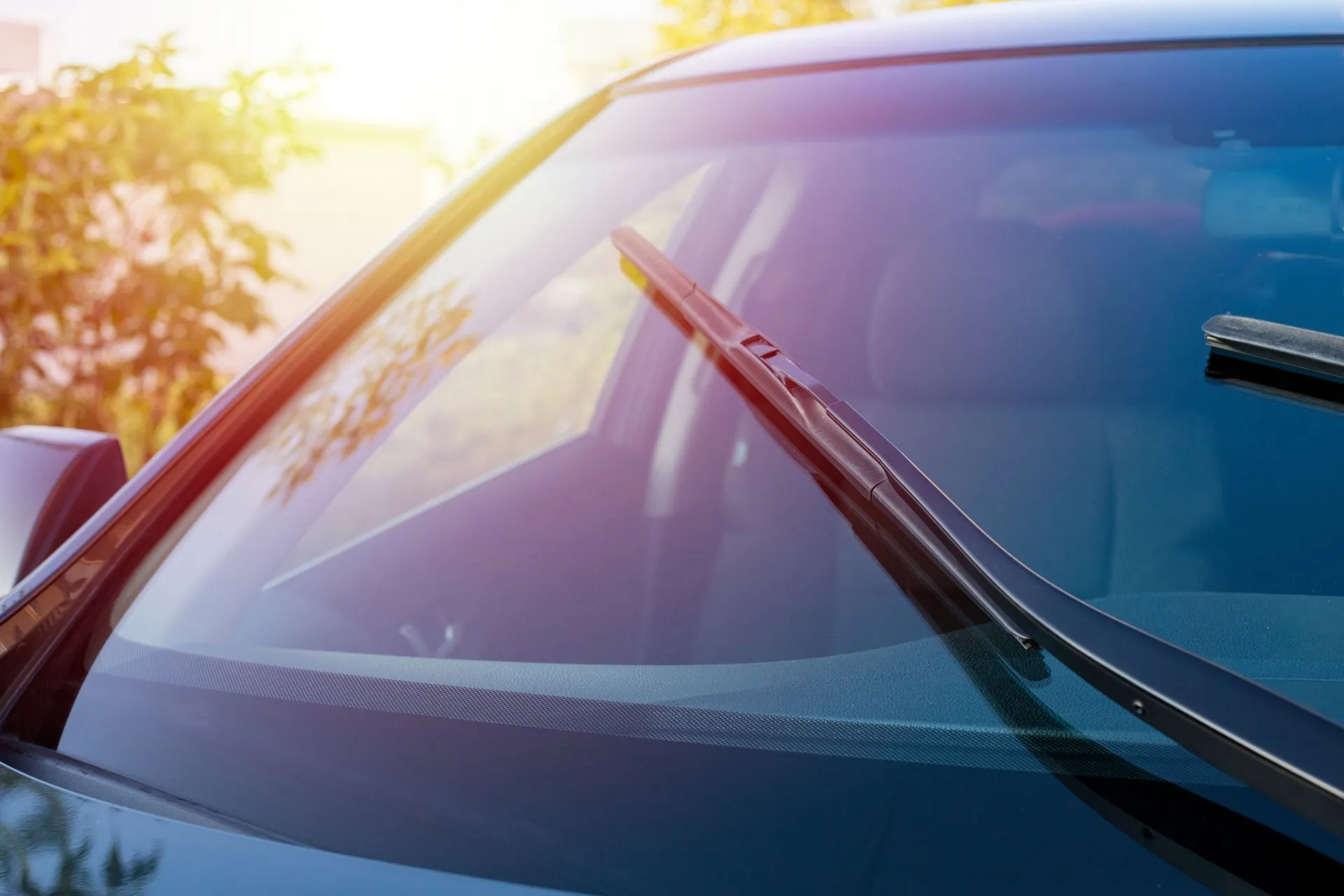
Rain-sensing wipers automatically adjust their operation according to the amount of moisture detected on the windshield. This feature makes driving more convenient because the driver does not need to change the wiper speed manually whenever rainfall becomes heavier or lighter.
The system generally uses an optical sensor mounted near the rear-view mirror. It detects changes in light caused by water droplets on the glass and sends information to the vehicle’s electronic control system. The system then adjusts the wiper operation according to the detected conditions.
Although the sensor itself may be relatively small, repairing it can involve additional work. If the windshield is replaced, the sensor may need to be removed and reinstalled. The mounting area must be clean and correctly positioned to ensure accurate readings.
Some vehicles combine rain sensors with light sensors and camera-based driver-assistance equipment. These integrated arrangements can make windshield replacement more complicated because multiple components may need inspection or recalibration.
Using an incorrect windshield or sensor mounting bracket can cause operational problems. The rain-sensing system may activate the wipers unnecessarily, respond too slowly, or stop working altogether. This can become particularly inconvenient during changing weather conditions.
Repair costs depend on whether the problem involves the sensor, mounting bracket, wiring, windshield, or electronic control system. Replacing the complete sensor assembly can cost more than repairing a loose connection or reinstalling the existing unit.
Owners should also understand that rain-sensing wipers are separate from the main ADAS camera, even when both components are installed near the rear-view mirror. Their repair requirements may differ according to the vehicle’s design.
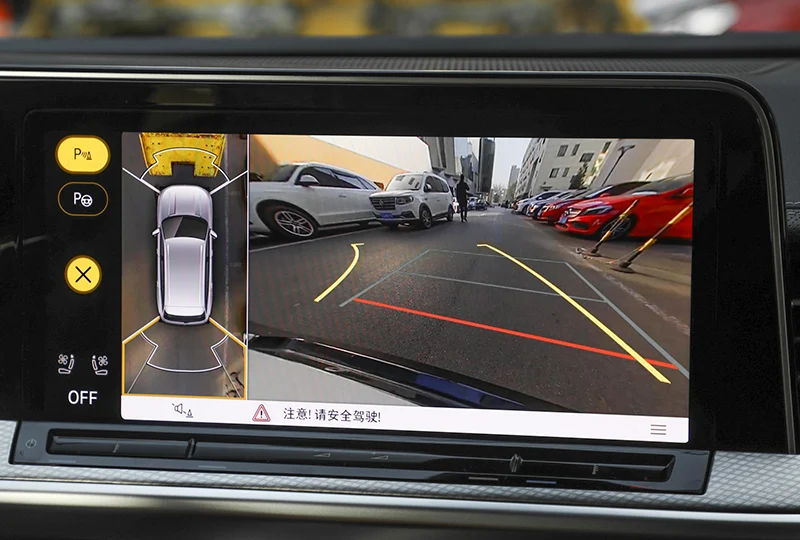
8. Rear Cameras and Surround-View Camera Systems
Rear-view cameras have become common in modern vehicles because they help drivers see areas that are difficult to observe through traditional mirrors. Many vehicles also offer surround-view camera systems that combine images from cameras positioned around the car to create a virtual overhead view.
These cameras are particularly useful when parking in narrow spaces, reversing near obstacles, and manoeuvring in crowded locations. Some systems also display guidelines that move according to the steering wheel’s position.
Camera replacement can become expensive when the equipment is integrated into the tailgate, rear bumper, side mirrors, or front grille. A damaged camera may require replacement of a specialised assembly rather than a simple repair to its outer housing.
A rear-end collision can damage the camera, wiring, mounting bracket, or surrounding body panels. Even if the lens remains intact, the camera may become misaligned. This can make the displayed image inaccurate and affect the driver’s ability to judge distances.
Surround-view systems are more complicated because they combine images from multiple cameras. Each camera must be positioned correctly so the vehicle can produce a consistent overhead image. If one camera is replaced, the system may require calibration to align the images properly.
The cost of repair depends on the number of cameras involved and the vehicle’s technology. A standard reversing camera may be relatively affordable, while a multi-camera system with high-resolution imaging and advanced processing can require significantly higher investment.
Camera lenses also need regular cleaning because dirt, water spots, and road debris can reduce image quality. In some cases, cleaning the lens may resolve a visibility problem without requiring replacement.
9. Electronic Control Modules and ADAS Calibration
Advanced driver-assistance systems rely on several electronic control modules to process information from cameras, radar units, ultrasonic sensors, and other vehicle components. These modules communicate with each other to support functions such as collision warnings, lane-keeping assistance, parking support, and adaptive cruise control.
An electronic control module acts as the processing centre for specific vehicle functions. It receives information from sensors, evaluates the available data, and sends instructions to other vehicle systems. If a module develops a fault, several connected features may stop working correctly.
Module damage can occur because of electrical problems, water intrusion, overheating, physical impacts, or internal component failure. Sometimes, a warning light appears on the dashboard even when the original problem is caused by a damaged wiring connection or faulty sensor.
Replacing an ADAS control module can be expensive because the component may require specialised programming. The replacement unit must communicate correctly with the vehicle’s existing electronic architecture. In some cases, technicians must configure the module using manufacturer-specific software.
Calibration is another important expense associated with these systems. Cameras and radar sensors need to be aligned according to specific manufacturer requirements. This process helps ensure that the vehicle receives accurate information about nearby objects, road markings, and traffic conditions.
There are two common calibration methods. Static calibration takes place in a workshop using specialised targets and positioning equipment. Dynamic calibration involves driving the vehicle under specified conditions so the system can complete its adjustment process. Some vehicles require both methods.
Calibration may become necessary after windshield replacement, bumper repairs, suspension work, wheel alignment, or sensor replacement. The exact requirements depend on the vehicle manufacturer and the components affected during the repair.
Skipping required calibration can lead to inaccurate system readings or disabled safety features. A vehicle may appear mechanically sound while certain assistance functions remain unavailable. This is why repair facilities should check diagnostic information after completing work on sensor-equipped vehicles.