
Using a personal car for work can change the type of insurance protection you need. Many drivers assume their regular auto insurance covers every trip, including client visits, business errands, deliveries, and daily work travel. However, personal and business driving often involve different risks, which can affect coverage requirements, policy terms, and claim eligibility.
Understanding these differences helps drivers avoid unexpected expenses and insurance gaps. Whether you are self-employed, work for a company, or operate a small business, knowing how work-related driving affects your car insurance can help you choose suitable protection.
1. Personal Auto Insurance May Not Cover Every Work-Related Trip
Personal car insurance is generally designed for everyday driving, such as commuting, shopping, visiting friends, and taking family trips. Some policies also cover occasional work-related travel, including driving to meetings or visiting clients. However, coverage depends on the insurer, policy wording, and nature of the activity.
Drivers who regularly use their vehicles for professional purposes should not assume their existing policy offers sufficient protection. Certain business activities may fall outside the permitted use listed in their insurance agreement.
For example, an employee who drives to an office each morning may have different insurance needs from a self-employed consultant who visits several clients every day. Both use their cars for work, but their driving patterns create different insurance considerations.
Insurance companies assess how frequently a vehicle is used, where it travels, and what activities the driver performs. Regular business journeys may increase exposure to road accidents, vehicle damage, and third-party liability claims.
A standard personal policy may exclude specific commercial activities, such as carrying goods for payment, transporting passengers for a fee, or making frequent business deliveries. These exclusions can affect whether an insurer accepts a claim.
Drivers should review their policy documents carefully before using a personal vehicle for professional activities. Checking the permitted-use section can help identify restrictions that may otherwise go unnoticed.
It is also important to contact the insurance provider when job responsibilities change. A policy that was suitable for occasional commuting may no longer meet the driver’s needs after taking a position involving regular travel.
Understanding the difference between personal and business vehicle use helps prevent coverage misunderstandings. Drivers can then select an insurance arrangement that reflects how they actually use their cars.

2. Business Mileage Can Affect Your Insurance Premium
The number of miles driven for work can influence how an insurer evaluates risk. Drivers who spend more time on the road generally have greater exposure to traffic conditions, unexpected incidents, and vehicle-related accidents.
Someone who travels five miles to an office each morning may have a different risk profile from a sales representative who covers several hundred miles every week. More driving creates more opportunities for accidents and insurance claims.
Insurance companies may ask about annual mileage when calculating premiums. Some providers also distinguish between personal mileage, commuting mileage, and business mileage when assessing an application.
Accurate mileage information is important because insurers use it to understand vehicle usage. Providing an estimate that significantly understates actual driving can create problems if the information is reviewed during a claim investigation.
For self-employed professionals, business mileage can increase gradually as their customer base grows. A person who initially visits two clients each week may eventually travel daily to appointments, suppliers, and business locations.
Keeping a mileage record can help drivers understand their actual usage. A simple log containing travel dates, destinations, and approximate distances provides useful information when reviewing insurance requirements.
Higher mileage does not automatically mean that every driver will pay a significantly higher premium. Insurers consider several factors, including driving history, vehicle type, location, coverage limits, and the nature of professional activities.
Reviewing mileage regularly helps ensure that the insurance policy reflects current driving habits. This is particularly important for professionals whose responsibilities involve frequent travel or changing work locations.

3. Business Use May Require Additional Liability Protection
Liability insurance helps protect drivers against certain financial responsibilities when they cause injury or property damage to other people. The required protection depends on local laws, policy conditions, and the activities performed using the vehicle.
Personal auto insurance generally includes liability coverage, but business activities may introduce additional risks. For example, a contractor visiting multiple job sites may face different exposure from someone who uses a car exclusively for personal transportation.
Business-related accidents can involve several parties. A driver might damage another vehicle while travelling to a client meeting or accidentally injure a pedestrian while completing a work assignment.
The financial consequences of such incidents can include medical expenses, property repair costs, legal fees, and compensation claims. Appropriate liability protection can help manage covered expenses within the policy limits.
Some professionals may need higher liability limits because their work involves frequent travel, valuable equipment, or regular interaction with customers and suppliers. Choosing suitable limits requires considering both legal requirements and personal financial exposure.
Employees should also understand whether their employer provides any protection for work-related driving. Company policies may cover certain business activities, but the scope of protection varies between organizations.
Self-employed drivers generally have greater responsibility for arranging suitable insurance. They should check whether their personal policy permits business travel and whether additional commercial protection is necessary.
Discussing liability requirements with an insurance professional can help identify coverage gaps. A suitable policy should account for the actual risks associated with the driver’s occupation and vehicle use.
4. Deliveries and Transport Services Can Require Commercial Auto Insurance
Driving a car for deliveries or paid transportation can significantly change insurance requirements. These activities often involve more frequent journeys, unfamiliar destinations, tight schedules, and additional responsibilities.
A personal auto policy may not cover accidents that occur while delivering goods or transporting passengers for payment. Some insurers offer specific endorsements, while others require a separate commercial auto policy.
Food delivery drivers, courier workers, and independent contractors should check their coverage before accepting paid assignments. Platform-based insurance arrangements may provide certain protections, but they often apply only during specific stages of a delivery.
For example, coverage may differ when a driver is waiting for an order, travelling to collect it, or carrying it to the customer. Understanding these stages is important because an accident can happen at any point during a working shift.
Paid passenger transportation creates additional considerations. Drivers operating taxis, private hire vehicles, or ride-sharing services may need insurance designed specifically for commercial passenger transport.
The type of vehicle also matters. A small car used for occasional parcel delivery may have different insurance requirements from a vehicle regularly carrying commercial goods.
Drivers should also consider whether the policy covers the goods being transported. Standard auto insurance generally focuses on vehicle-related risks and may not automatically protect business inventory or customer property.
Before starting delivery work, drivers should obtain written confirmation of the applicable insurance arrangements. This helps prevent misunderstandings about exclusions, coverage periods, and responsibilities following an accident.
5. Work Equipment and Business Property May Need Separate Coverage
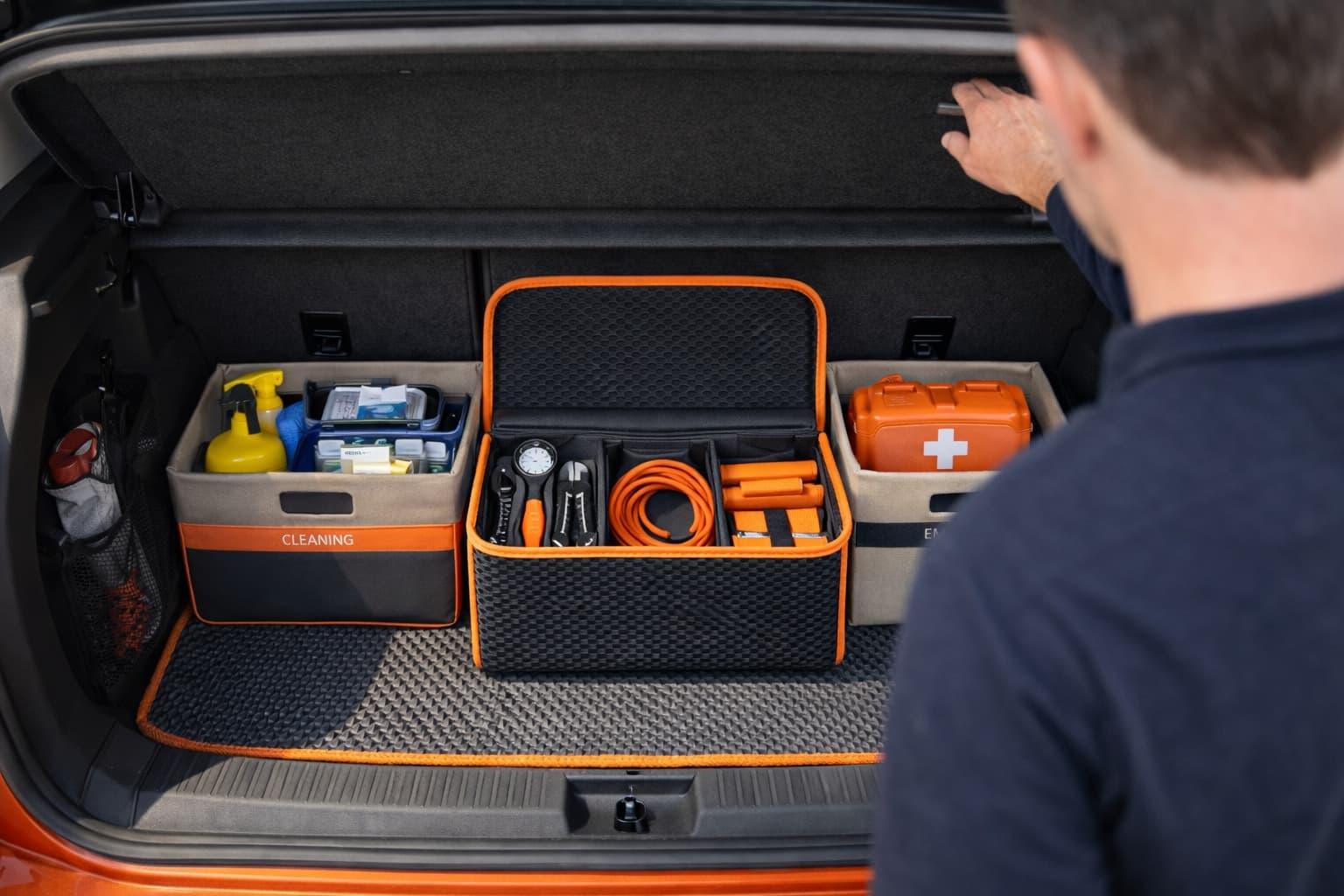
Many professionals carry valuable items in their vehicles. These may include laptops, cameras, tools, measuring instruments, samples, documents, and other equipment required to complete daily tasks.
Standard car insurance generally covers specified damage to the vehicle rather than every item stored inside it. Personal belongings coverage, when available, may have limits and exclusions that do not adequately protect expensive professional equipment.
For example, a photographer travelling between assignments might carry cameras, lenses, lighting equipment, and memory cards worth thousands of dollars. Damage to the car does not automatically mean the insurer will reimburse the full value of these items.
Contractors and tradespeople face similar concerns. Their vehicles may contain power tools, specialist equipment, and materials needed for customer projects. Replacing these items after theft or accidental damage can disrupt business operations.
A commercial property policy or tools and equipment insurance may provide more suitable protection. The correct option depends on the type of property, where it is stored, and whether it is covered while being transported.
Drivers should check whether their existing home or renters insurance covers belongings kept inside a vehicle. Some policies provide limited protection, while others exclude property used primarily for business purposes.
Maintaining an inventory can make it easier to establish the value of professional equipment. Photographs, receipts, serial numbers, and purchase records can support a claim if covered property is stolen or damaged.
It is also worth reviewing policy limits and deductibles. Expensive equipment may require scheduled coverage or a separate policy to ensure adequate financial protection.
Protecting business property separately from the vehicle helps create a more complete insurance arrangement. It also reduces the risk of assuming that standard car insurance covers every item carried during work travel.

6. Your Employer’s Insurance Policy May Not Cover Everything
Employees who use personal vehicles for business travel sometimes assume their employer’s insurance provides complete protection. However, company coverage can vary considerably depending on the organization and its insurance arrangements.
Some employers maintain non-owned auto insurance, which may cover certain liabilities arising when employees use personal vehicles for authorized business activities. However, this protection does not necessarily replace the employee’s personal auto insurance.
Non-owned auto coverage generally focuses on an organization’s liability exposure. It may not cover damage to an employee’s own vehicle or provide comprehensive protection for every situation.
For example, an employee travelling to a customer appointment could cause an accident involving another vehicle. Depending on the circumstances and policy terms, the employer’s insurance may provide some liability protection, but the employee’s personal policy may still be relevant.
Workers should ask their employers whether business travel is covered and what conditions apply. It is useful to understand whether employees must obtain permission before using personal vehicles for work assignments.
Companies may also establish minimum insurance requirements for employees who drive regularly. These requirements can include specified liability limits, proof of valid insurance, and regular policy renewals.
Employees should review reimbursement arrangements as well. Some organizations pay mileage allowances, while others reimburse fuel or travel expenses separately. These payments do not automatically provide insurance protection.
Written confirmation of the employer’s coverage arrangements is particularly valuable. Employees should understand who is responsible for reporting accidents, handling claims, and paying applicable deductibles.
Clear communication between employees, employers, and insurers helps reduce uncertainty. It also makes it easier to identify situations where additional personal or commercial insurance may be required.
7. Commercial Vehicle Use Can Change Coverage Requirements
The type of work performed using a car can influence the insurance policy required. A vehicle used for occasional client meetings presents different risks from one used for regular commercial transportation or business operations.
Insurance companies commonly distinguish between personal use, commuting, business use, and commercial use. These categories are not identical across providers, so drivers should confirm how their insurer defines each classification.
A self-employed professional who drives to meetings may need business-use coverage. Someone who transports goods or passengers as part of a paid service may require a more specialized commercial policy.
Commercial auto insurance can provide coverage designed for vehicles used in business operations. Depending on the policy, it may include liability protection, collision coverage, comprehensive coverage, and other optional benefits.
Business owners with multiple vehicles may also consider fleet insurance. This arrangement can simplify administration by covering several eligible vehicles under a single policy or coordinated insurance program.
Vehicle modifications and business equipment can create additional requirements. For example, installing specialist storage systems, carrying heavy equipment, or modifying a vehicle for professional activities may affect the insurer’s assessment.
Drivers should disclose significant changes to their vehicle’s use or condition. Failing to provide accurate information can lead to coverage disputes, premium adjustments, or other consequences under the policy terms.
The best insurance option depends on the nature of the business, the number of vehicles involved, the frequency of travel, and the financial risks associated with operations.
Selecting the correct policy classification is essential. It helps ensure that the protection purchased matches the actual purpose for which the vehicle is being used.

8. Claims Can Become More Complicated When Work Use Is Not Disclosed
Insurance claims depend on accurate information about the vehicle, driver, and circumstances of an accident. If a car is regularly used for business but insured only for personal activities, the difference may become important during a claim review.
Insurers generally ask applicants to disclose how their vehicles will be used. This information helps them assess risk and determine suitable policy terms and premiums.
Problems can arise when a driver changes occupations or begins performing regular business activities without informing the insurance company. The original policy may no longer accurately reflect the vehicle’s use.
For example, someone who previously used a car for commuting might begin delivering packages for additional income. If the policy excludes paid delivery activities, an accident during a delivery could create a coverage dispute.
The outcome depends on the policy wording, local insurance regulations, and the specific circumstances. An incorrect description of vehicle use does not automatically produce the same result in every jurisdiction.
Some insurers may allow drivers to add business-use endorsements to existing policies. Others may require a separate commercial policy, depending on the nature of the work.
Drivers should report changes as soon as reasonably possible. Waiting until an accident occurs can make an already stressful situation more complicated.
Keeping copies of policy documents, endorsements, payment records, and written communications can help establish what coverage was agreed upon. These records are useful when discussing a claim or resolving a disagreement.
Honest disclosure is one of the simplest ways to reduce insurance-related uncertainty. It helps ensure that the policy reflects actual driving activities and that the insurer has the information needed to assess the risk.
9. Different Jobs Can Create Different Insurance Risks
Not every occupation creates the same driving risks. A person who occasionally visits clients may have very different insurance needs from a tradesperson, sales representative, delivery driver, or healthcare professional making regular home visits.
Sales representatives often spend long hours travelling between appointments. Their exposure may increase because of frequent highway driving, unfamiliar routes, and tight schedules.
Contractors may carry expensive tools and materials while travelling between job sites. They may need protection for both the vehicle and the equipment used to complete professional assignments.
Healthcare workers who visit patients at home may travel to several locations throughout a shift. Their insurance requirements can depend on employer arrangements, travel frequency, and whether the journeys qualify as business use.
Real estate professionals may use personal vehicles to visit properties, attend meetings, and transport marketing materials. Regular client-related travel can make business-use coverage worth considering.
Delivery drivers face risks connected to frequent stops, time-sensitive schedules, and carrying goods. Depending on the arrangement, they may need specialized commercial insurance rather than a standard personal policy.
Remote workers may also use their cars for occasional office visits, professional meetings, or trips to suppliers. Their insurance requirements depend on the actual activities performed rather than simply their employment status.
Understanding occupation-specific risks helps drivers avoid paying for unsuitable protection or relying on inadequate coverage. An insurer can explain which policy category applies to a particular type of professional activity.
Choosing insurance based on real working conditions provides a more practical approach than assuming every employee or business owner needs the same coverage.

10. Reviewing Your Policy Regularly Helps Maintain Suitable Protection
Insurance needs can change as professional responsibilities develop. A driver who initially uses a personal vehicle for occasional meetings may eventually take on regular client visits, deliveries, or other business activities.
An annual policy review provides an opportunity to check whether the existing coverage still matches current driving habits. It also allows drivers to identify changes in mileage, vehicle ownership, equipment, and business responsibilities.
Drivers should start by reviewing the permitted-use section of their policy. This helps establish whether the existing agreement covers commuting, business travel, or commercial activities.
The next step is to examine liability limits and optional coverage. Higher limits may be appropriate for certain occupations, while comprehensive or collision protection may help address financial exposure involving the insured vehicle.
It is also useful to compare insurance providers. Different companies may offer different business-use classifications, endorsements, deductibles, and premium structures.
Price should not be the only consideration. A lower premium may come with restrictive exclusions or coverage limits that do not meet the driver’s requirements.
Drivers should also update their insurer when their annual mileage changes significantly or when they begin transporting business equipment. These details can affect the suitability of the existing policy.
Keeping insurance documents organized makes future reviews easier. Important records include the policy schedule, endorsements, renewal notices, claim history, and written confirmation of any changes.
A regular review helps drivers maintain appropriate protection as their careers and working patterns change. It also reduces the possibility of discovering important coverage limitations after an accident.