Buying out your car lease can be a practical way to keep a vehicle you already know and enjoy driving. However, the purchase price is not always the only amount you need to pay. Several additional charges may apply, depending on your lease agreement, financing arrangements, state regulations, and the vehicle’s condition.
Understanding these expenses before making a decision can help you avoid unexpected costs and plan your budget more effectively. From purchase option fees and sales taxes to title transfers and inspection expenses, knowing what to expect makes the lease buyout process easier, clearer, and more affordable.

1. Lease Buyout or Purchase Option Fee
A lease buyout fee, also called a purchase option fee, is an administrative charge that the leasing company may collect when you decide to purchase your vehicle at the end of the lease. This fee is generally mentioned in the original lease agreement and covers the paperwork and administrative work associated with transferring ownership.
The amount varies between leasing companies and vehicle manufacturers. Some companies charge a relatively small flat fee, while others may include the amount in the total purchase price. Checking your agreement is the best way to determine whether this expense applies to your situation.
A purchase option fee is separate from the vehicle’s residual value. The residual value represents the estimated worth of your car at the end of the lease term. The option fee covers the administrative side of exercising your right to purchase the vehicle.
Before proceeding, ask your leasing company for a written buyout quote. This document should identify the purchase price, applicable fees, and any other outstanding amounts. Having everything listed makes it easier to calculate the actual cost of keeping your vehicle.
Some leasing companies allow customers to negotiate certain administrative expenses, but this depends on the terms of the agreement. Contractually required fees may not be negotiable. You can still ask whether any optional charges can be removed or reduced.
It is also important to check whether the purchase option fee is already included in the quoted amount. Paying it twice can increase your expenses unnecessarily. Request an itemized breakdown instead of relying on a verbal estimate from a representative.
If you plan to finance the buyout, ask the lender whether the purchase option fee can be included in the loan amount. Some lenders permit eligible fees to be financed, while others require separate payment.
Understanding this charge before signing the purchase documents helps you make a more informed financial decision. Even a relatively small administrative expense should be included when comparing the buyout price with the cost of purchasing a similar used vehicle.
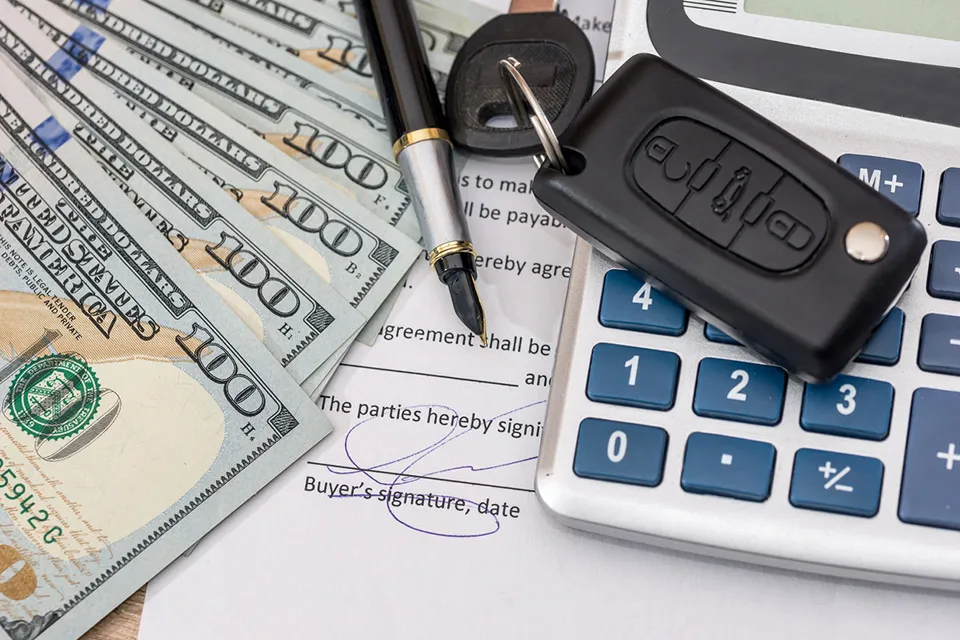
2. Sales Tax on the Lease Buyout
Sales tax is a significant expense that can increase the amount you pay when buying out your car lease. In many jurisdictions, purchasing a leased vehicle triggers sales tax or a similar transaction tax. The exact rules depend on your state or local tax regulations.
The tax is generally calculated using the taxable purchase price of the vehicle. However, the amount subject to taxation can vary depending on local rules and whether certain fees are included in the taxable transaction.
For example, if your vehicle’s buyout price is $20,000 and your applicable sales tax rate is 7%, the estimated tax would be $1,400. This would bring the purchase amount to $21,400 before additional charges.
Your leasing company may collect the sales tax directly when you complete the transaction. In other cases, the dealership or state motor vehicle agency may handle the applicable tax during the ownership transfer process.
It is important to understand that sales tax treatment can differ when a vehicle is purchased through a dealership compared with a direct purchase from the leasing company. Some states also have specific exemptions or credits that may affect the final amount.
If you live in a state with local sales taxes, the applicable rate may depend on your residential address, vehicle registration location, or the transaction rules governing the purchase.
Ask the leasing company whether the quoted buyout amount includes taxes. Many preliminary quotes show only the vehicle’s purchase price and do not include the full tax obligation.
Planning for sales tax before exercising your purchase option can prevent financial surprises. Include this expense in your calculations when deciding whether buying out your leased vehicle is more economical than returning it and purchasing a different car.

3. Vehicle Title Transfer Fee
When you buy out your car lease, the vehicle’s ownership must be transferred from the leasing company to you. This process generally requires updating the official vehicle title with the relevant motor vehicle department.
A title transfer fee covers the administrative cost of processing this ownership change. The amount varies by state and may depend on the vehicle type, registration category, and applicable government charges.
During the lease period, the leasing company is typically listed as the legal owner or lienholder, depending on the financing and registration arrangement. Once you complete the buyout, the ownership records must reflect the new arrangement.
The title transfer process usually requires documents such as the existing title, purchase agreement, odometer disclosure, identification, and applicable tax payment records. Requirements differ between states, so checking the local motor vehicle department’s instructions is important.
If you finance the buyout through a bank or credit union, the lender may be listed as a lienholder on the new title. This means you own the vehicle, but the lender retains a secured interest until the loan is paid off.
Some leasing companies handle title processing on behalf of customers and include related administrative expenses in the final buyout statement. Others may require you to complete part of the process yourself.
Ask whether the title transfer charge is included in your purchase quote or collected separately by the motor vehicle department. This helps prevent confusion when calculating the total amount needed to complete the transaction.
Keeping copies of your title application, purchase agreement, and payment receipts is also useful. These records can help resolve administrative issues and confirm that the ownership transfer has been completed correctly.
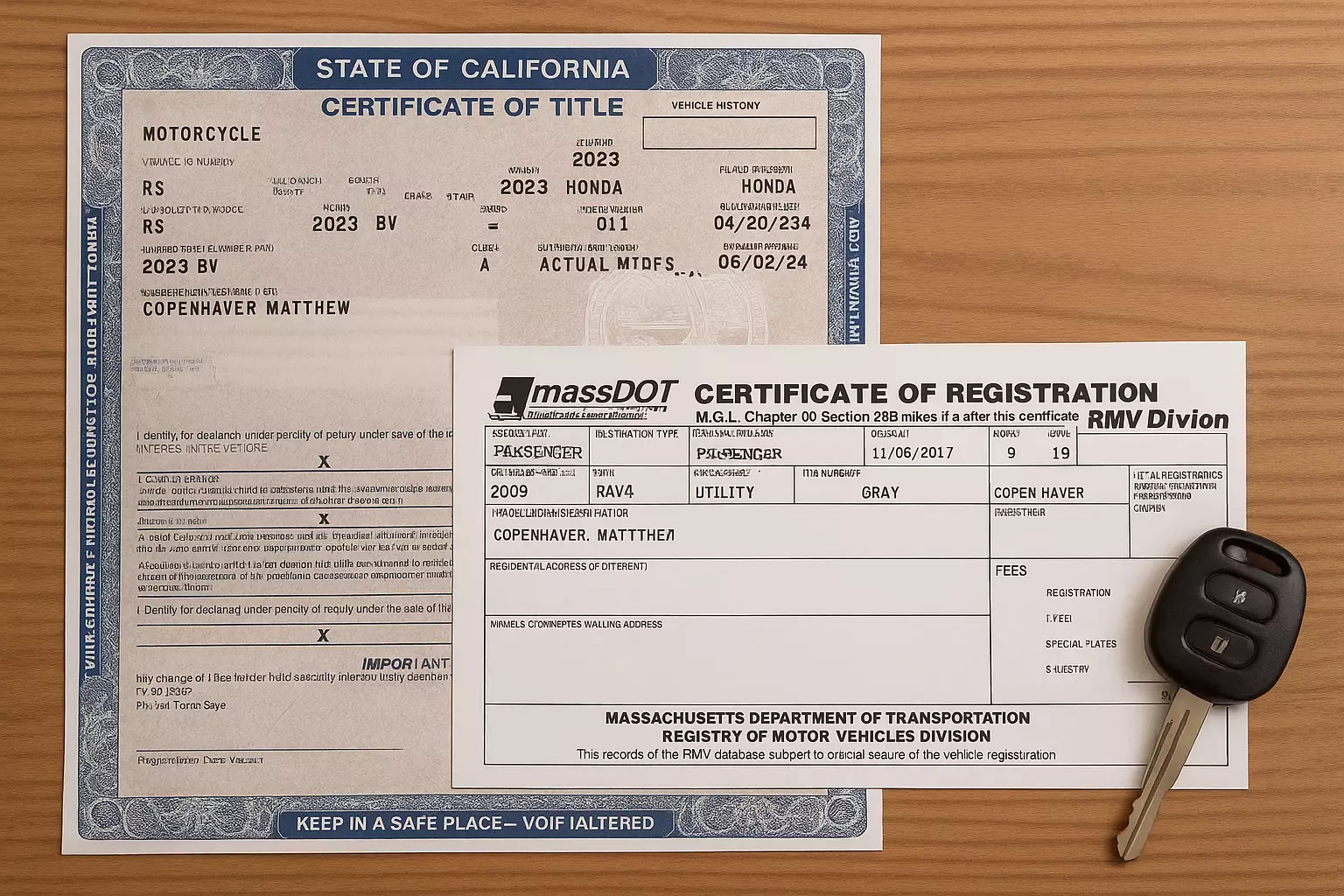
4. Vehicle Registration and Renewal Fees
After buying out your leased car, you may need to update or renew its registration. Registration requirements depend on your state, the vehicle’s existing registration status, and the ownership transfer process.
Registration fees are generally separate from the vehicle’s purchase price. They cover the government’s cost of maintaining vehicle records and authorizing the car to operate legally on public roads.
Some states require a new registration document when ownership changes. Others allow the existing registration to remain valid until its expiration date, provided the ownership details are updated correctly.
The amount you pay can depend on several factors, including the vehicle’s weight, age, type, value, and registration category. Certain locations also charge additional fees for local transportation programs or administrative services.
If your current registration is close to expiring, you may need to pay renewal charges at the same time as the buyout. This can make the transaction more expensive than expected, particularly when several government fees are collected together.
Drivers who finance their lease buyout should also confirm whether the lender requires specific registration documentation. Some financial institutions need proof that the vehicle has been registered correctly before completing the loan process.
It is useful to check the registration requirements before scheduling the purchase. Your leasing company, dealership, or local motor vehicle department can explain which documents are necessary and whether additional payments apply.
Remember to include registration expenses in your total ownership budget. These charges may not be especially high individually, but they can add to the immediate cost of buying out your lease.
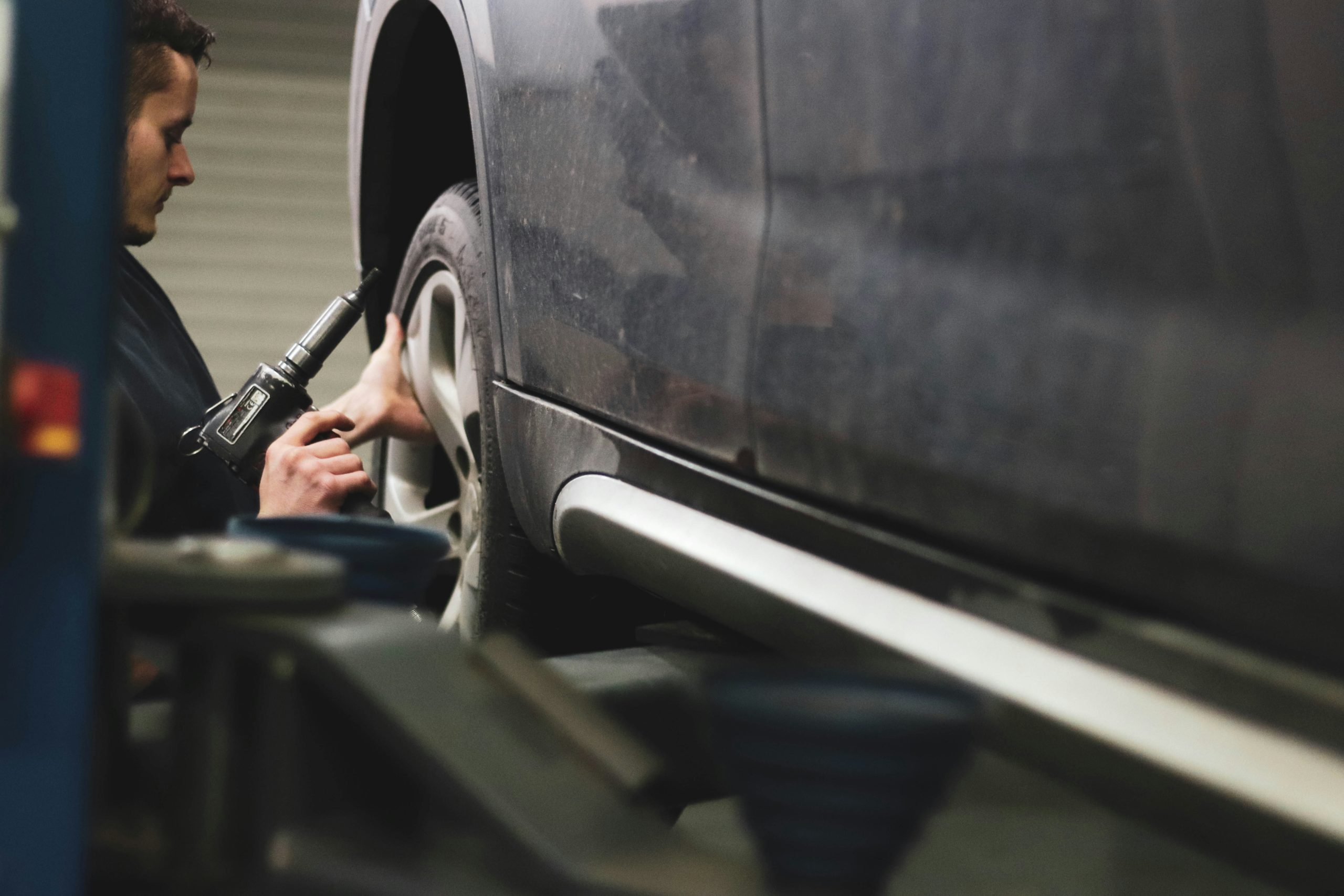
5. Vehicle Inspection and Certification Charges
A vehicle inspection may be required when completing a lease buyout, depending on state regulations, the lender’s requirements, and the vehicle’s circumstances. This inspection helps confirm that the car meets applicable safety or emissions standards.
Safety inspections commonly examine essential components such as brakes, tires, lights, steering, windshield condition, and other roadworthiness requirements. The exact inspection checklist varies by jurisdiction.
Emissions testing may also be necessary in certain areas. These tests measure pollutants released by the vehicle and determine whether it meets local environmental standards.
The cost of an inspection depends on the testing facility, vehicle category, and type of inspection required. Some states regulate inspection prices, while private facilities may charge different rates for additional services.
If your vehicle fails an inspection, you may need to repair the identified problems before receiving approval. For example, worn brake components, faulty lights, damaged tires, or emissions system problems could require attention.
These repairs can increase the cost of buying out your leased vehicle. Therefore, arranging a basic mechanical check before completing the transaction can help identify potential problems early.
Some lenders also require an independent vehicle valuation or inspection when financing a lease buyout. This is particularly relevant when the loan amount is close to or greater than the vehicle’s estimated market value.
Ask the leasing company and lender whether an inspection is required before proceeding. Understanding the requirements can help you avoid paying for unnecessary testing or delaying the purchase.

6. Outstanding Lease Payments and Other Balances
Before approving a lease buyout, the leasing company may require you to settle any outstanding financial obligations connected to the vehicle. These amounts are separate from the purchase price and should be included in your calculations.
Unpaid monthly lease payments are a common example. If you have missed a payment or have an outstanding balance, the leasing company may require payment before completing the buyout.
Late payment charges may also apply if your account has overdue installments. The amount depends on the lease agreement and the applicable consumer protection regulations.
Some customers choose to buy out their vehicles before the scheduled lease maturity date. In these situations, the leasing company may calculate the outstanding lease obligation differently from a standard end-of-term purchase.
Early buyouts can involve specific contractual calculations, including remaining payments or an adjusted payoff amount. The exact method depends on your lease structure and the purchase provisions in your agreement.
You should also check for unpaid parking tickets, toll violations, or other vehicle-related balances. These expenses do not automatically form part of every lease buyout, but unresolved obligations may create administrative problems during the transfer process.
Request a complete account statement from your leasing company before agreeing to the purchase. It should identify outstanding payments, applicable penalties, and any other amounts that must be settled.
Paying attention to these balances can help you avoid delays and ensure that your buyout quote reflects your actual financial obligation. Never assume that the advertised residual value represents the entire amount needed to purchase the vehicle.

7. Dealership Documentation and Processing Fees
If you complete your lease buyout through a dealership, you may encounter documentation or processing fees. These charges generally cover administrative services involved in preparing purchase documents and coordinating the ownership transfer.
Dealership processing fees are sometimes called documentation fees, dealer fees, or administrative fees. Their names and permitted amounts vary depending on state regulations and dealership policies.
The services covered may include preparing the purchase agreement, submitting title paperwork, coordinating registration, and handling other transaction-related documents.
It is important to distinguish between government charges and dealership fees. Government fees are established by public authorities, while dealership processing charges are collected by the business.
Some dealerships apply a standard documentation fee to most vehicle transactions. Others may charge additional amounts for services associated with a lease buyout.
These fees can vary significantly, so asking for an itemized quote is important. You should know exactly what each charge covers before signing the purchase agreement.
In some cases, customers can complete a direct buyout through the leasing company without using a dealership. This may help avoid certain dealer-related expenses, depending on the available purchase options.
However, a direct transaction is not always possible. Some leasing companies require customers to work through an authorized dealership, while others provide both options.
Compare the total costs of completing the transaction through different available channels. A dealership may offer convenience, but its additional charges should be considered when calculating the final purchase price.

8. Financing and Loan-Related Charges
If you do not want to pay the entire lease buyout amount upfront, financing can help spread the cost across monthly installments. However, obtaining a loan may introduce additional expenses that increase the total amount you pay.
An origination or processing fee is a common loan-related charge. Some lenders collect this fee to cover administrative work involved in reviewing applications, preparing loan documents, and setting up the account.
Your lender may also charge an application or documentation fee. These expenses vary by financial institution, loan type, and borrower qualifications. Some lenders do not charge them at all.
Interest is another major cost to consider. The annual percentage rate, loan duration, and outstanding balance determine how much you pay over the life of the loan.
A longer loan term may reduce your monthly installment, but it can increase the total interest paid. Comparing loan offers based on their total repayment amounts is more useful than looking only at monthly payments.
Some lenders may also require a down payment. This is not necessarily an additional fee because it reduces the amount borrowed, but it does increase the cash you need when completing the purchase.
You should also review whether the lender requires specific insurance coverage. Comprehensive and collision insurance may be required while the vehicle is financed, depending on the loan agreement.
Before accepting financing, request a written loan estimate showing the interest rate, annual percentage rate, payment schedule, processing fees, and total repayment amount.
Comparing offers from banks, credit unions, and other reputable lenders can help you find suitable financing terms. A little research before signing can make a meaningful difference in the long-term cost of owning your leased vehicle.
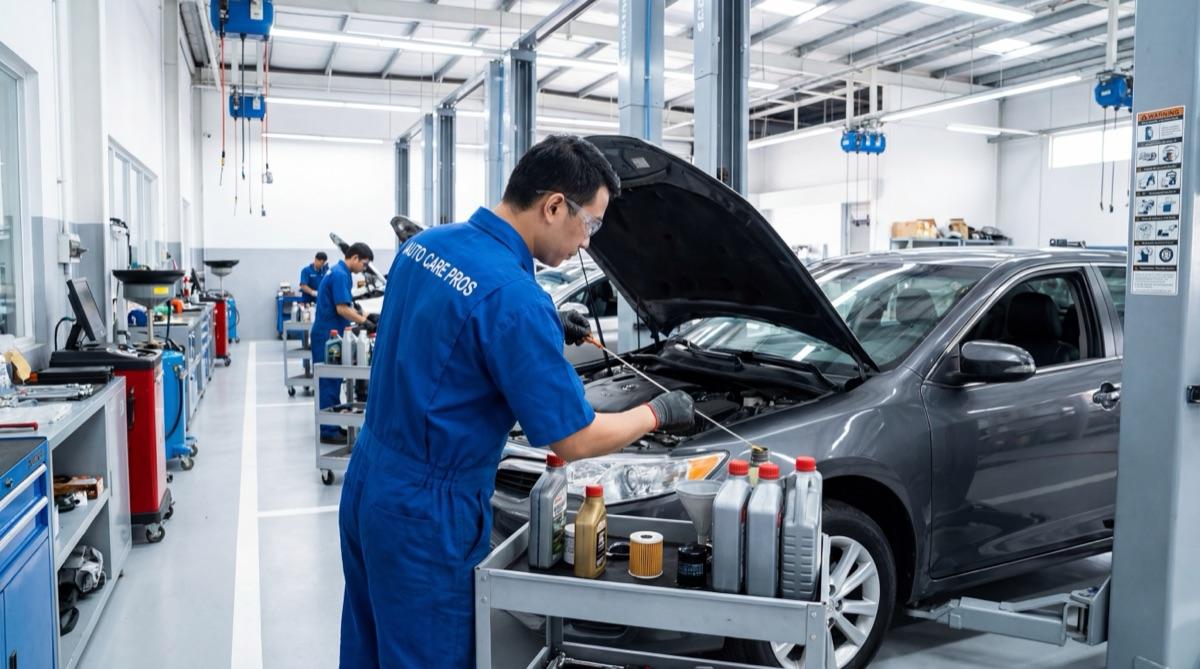
9. Vehicle Maintenance and Repair Expenses
When you buy out your leased vehicle, you become responsible for its future maintenance and repair costs. These expenses are not always part of the official buyout transaction, but they can significantly affect the financial value of the purchase.
A car that has been regularly maintained may be a good candidate for a lease buyout. However, vehicles approaching the end of their lease term may need certain components replaced or serviced.
Common maintenance expenses include oil changes, air filters, brake pads, tires, battery replacement, and fluid servicing. The timing of these expenses depends on the vehicle’s age, mileage, driving conditions, and maintenance history.
You should also consider less predictable repair costs. Problems involving the transmission, suspension, cooling system, electrical components, or engine can result in substantial bills.
Before purchasing the vehicle, review its service records. These documents can help you understand whether scheduled maintenance has been completed and whether any recurring mechanical problems have been reported.
An independent mechanic can perform a pre-purchase inspection to identify issues that may not be immediately noticeable during a test drive. This is particularly useful when the vehicle has high mileage or a history of demanding use.
If the car needs significant repairs, compare the estimated repair costs with its current market value. A low buyout price may not represent a good financial decision if substantial mechanical work is required shortly after purchase.
You should also check whether the manufacturer’s warranty is still active. Depending on the vehicle and its original warranty terms, some repairs may remain covered after the lease ends.
Planning for maintenance expenses gives you a more realistic picture of long-term ownership costs. It also helps you decide whether keeping your current vehicle makes more financial sense than replacing it.

10. Extended Warranty and Optional Protection Plans
When completing a lease buyout, dealerships and lenders may offer optional protection products. These plans can provide additional coverage, but they also increase the amount you spend on the vehicle.
An extended vehicle warranty is a common option. It may cover certain mechanical or electrical failures after the original manufacturer’s warranty expires, subject to the contract’s terms and exclusions.
The price of an extended warranty depends on the vehicle’s make, model, age, mileage, coverage period, and deductible. More extensive plans generally cost more than basic coverage.
Some dealerships also offer vehicle service contracts. These products can cover selected repairs, but they are not necessarily manufacturer-backed warranties. Their benefits depend on the provider and written agreement.
Gap insurance is another product you may encounter when financing a lease buyout. It is designed to cover the difference between the vehicle’s insurance settlement and the remaining loan balance in certain total-loss situations.
For example, if your financed vehicle is declared a total loss after an accident, the insurance settlement may be lower than the outstanding loan amount. Gap coverage may help cover the eligible difference, subject to policy conditions.
Dealerships may also offer tire and wheel protection, paint protection, key replacement coverage, and other service packages. These products are optional in many transactions and should be evaluated according to your actual needs.
Before purchasing any protection plan, read the coverage details carefully. Pay attention to exclusions, deductibles, claim limits, waiting periods, cancellation rules, and the repair facilities you are allowed to use.
Avoid adding optional products simply because they are presented as part of the buyout process. Compare their prices with independent providers and consider whether the coverage is appropriate for your vehicle’s age, condition, and expected ownership period.