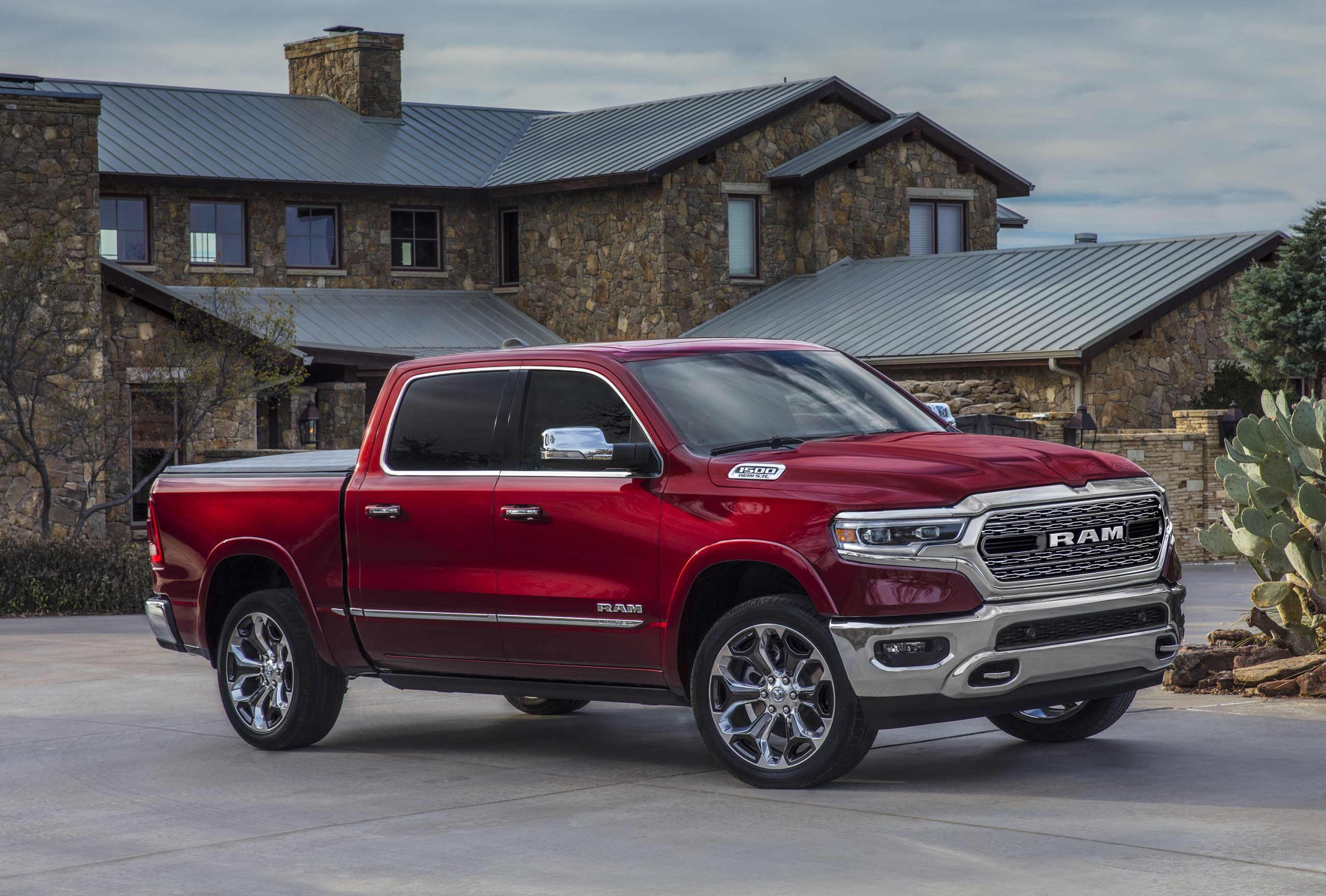
Diesel trucks are built to handle demanding workloads, tow heavy trailers, and cover substantial mileage, but their repair bills can become surprisingly expensive. Modern diesel engines rely on high-pressure fuel systems, turbochargers, exhaust after-treatment equipment, and emissions sensors.
When these components fail, repairs can involve much more than replacing a single part. Some problems can lead to bills running into thousands of dollars, particularly when contamination spreads through the fuel system.
This list examines ten U.S.-market diesel trucks and their costly repair risks, using documented technical information, recall records, and reported repair expenses.
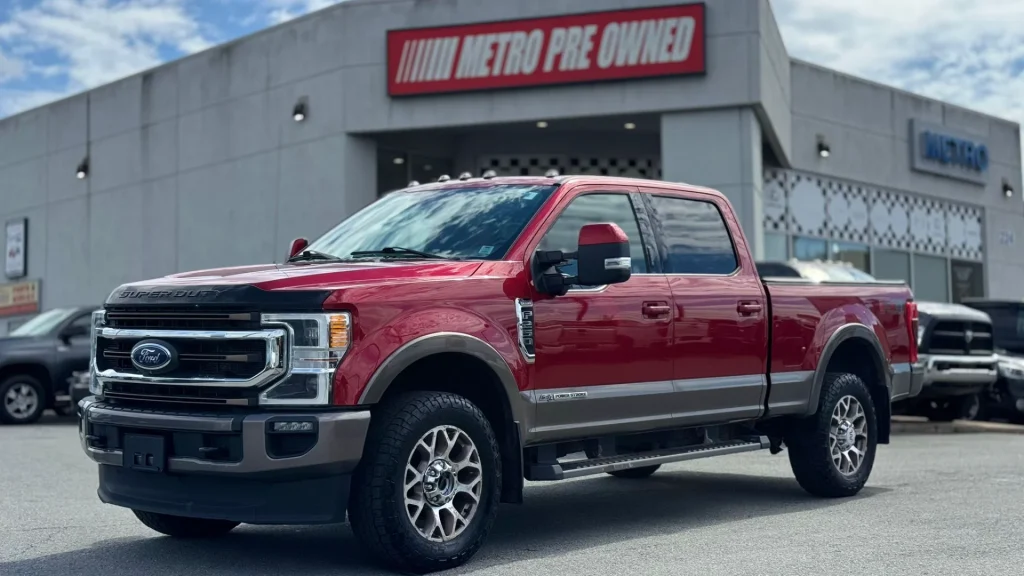
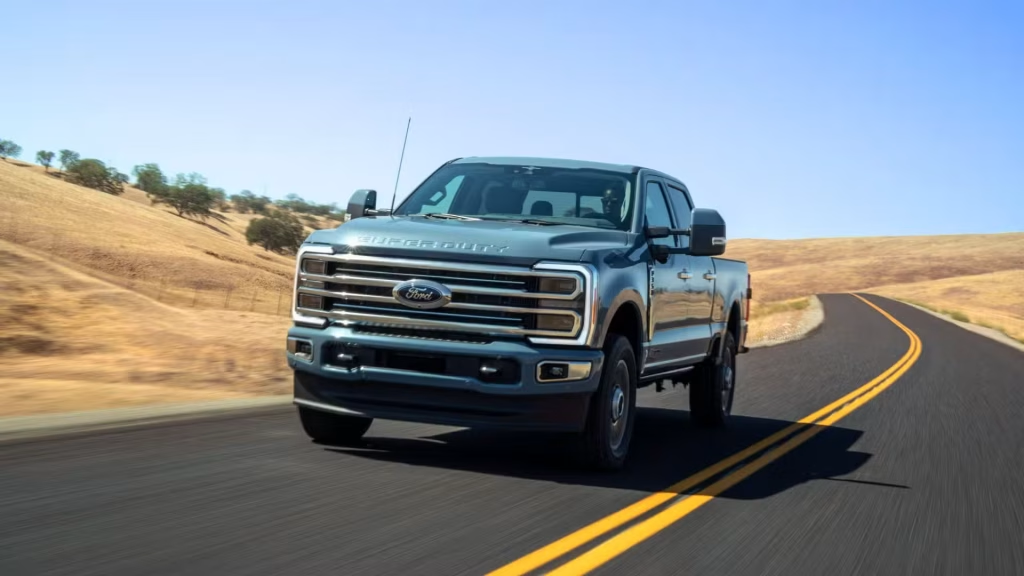
1. Ford F-250 Super Duty 6.7L Power Stroke
Major repair risk: High-pressure fuel pump failure | Potential repair exposure: $8,000 to $15,000 or more
The Ford F-250 Super Duty equipped with the 6.7-liter Power Stroke diesel is a popular heavy-duty pickup, but certain model years deserve careful attention when buying used.
One of its most expensive potential problems involves the Bosch CP4 high-pressure fuel pump. If the pump suffers internal wear and releases metal particles, contamination can travel through the fuel system and damage injectors, rails, and fuel lines.
This is not simply a pump replacement. Ford’s own diesel service documentation explains that when metal debris is confirmed in the high-pressure fuel system, the required repair can involve replacing the contaminated system components.
The financial exposure can be substantial. An analysis of owner complaints filed with the National Highway Traffic Safety Administration found a median reported fuel-system bill of approximately $11,000 for the 6.7 Power Stroke and Duramax LML CP4-equipped trucks.
Some reported bills exceeded $15,000. These are owner-reported historical amounts, not guaranteed current repair quotes.
There is also an important recall to check. Ford’s NHTSA recall 24V957 covers certain 2020, 2021, and 2022 Super Duty trucks with the 6.7-liter diesel because of a high-pressure fuel-pump performance issue that could cause loss of motive power. Buyers should verify recall completion using the vehicle identification number.
The takeaway is simple. Review the fuel-system service history, check for any outstanding recalls, and look into signs of hard starting, rough idling, or loss of power before making a purchase. Even a well-maintained-looking truck may hide expensive mechanical problems.
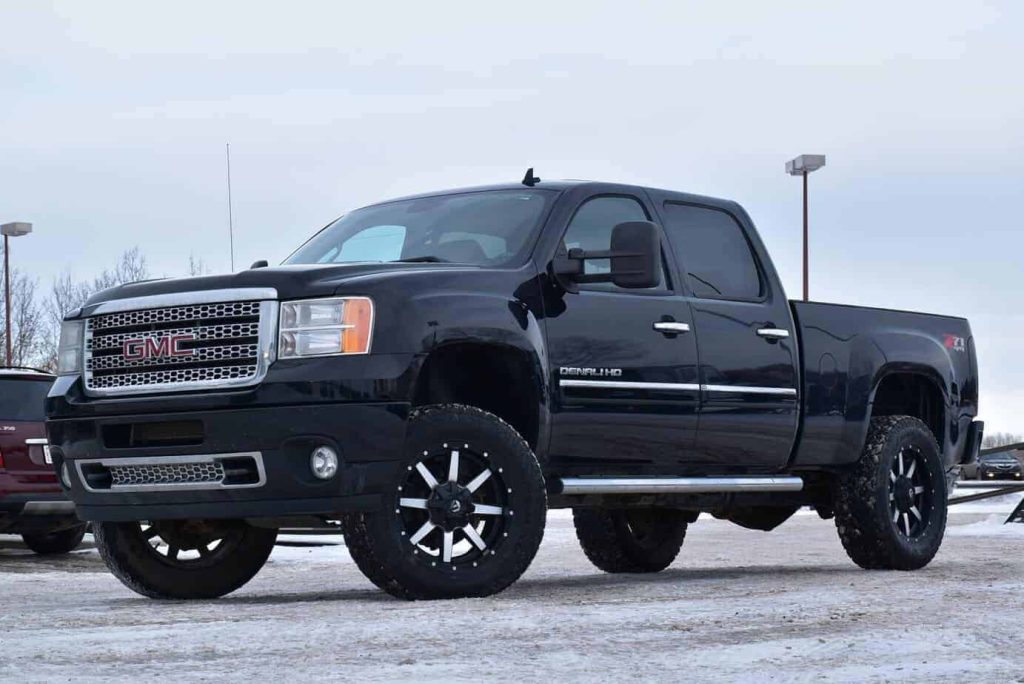
2. GMC Sierra 2500HD Duramax LML
Major repair risk: CP4.2 fuel pump contamination | Reported median fuel-system bill: $10,168
The GMC Sierra 2500HD with the 6.6-liter Duramax LML diesel is capable of serious towing and heavy-duty work, but the 2011 to 2016 generation has a particular repair risk worth investigating.
Its Bosch CP4.2 high-pressure fuel pump can fail internally and release metal debris into the fuel system. Once contamination spreads, replacing the pump alone may not solve the problem.
The affected system can include the injectors, fuel rails, high-pressure lines, and other contaminated components. This turns a single component failure into a much larger repair operation. Specialist repair analysis identifies the LML Duramax as one of the engines most exposed to expensive CP4-related fuel-system failures.
The financial evidence is significant. An analysis of 434 NHTSA owner complaints containing stated repair bills or estimates found a $10,168 median reported repair amount for the 2011 to 2016 Duramax LML.
The broader group of fuel-system complaints involving the LML and Ford 6.7 Power Stroke had a median of approximately $11,000. These are historical owner-reported amounts, not standardized shop prices.
The LML uses a 6.6-liter turbocharged V8 diesel engine. Its strong torque makes the Sierra suitable for towing, hauling, and commercial use, but those advantages do not eliminate the importance of fuel quality and regular filter maintenance.
When shopping for one, request records showing fuel-filter replacements and previous high-pressure pump work.
Ask a diesel specialist to inspect the fuel system for contamination rather than relying only on a normal test drive. A truck with documented repairs and consistent maintenance may be a safer purchase than a cheaper example with an unknown history.
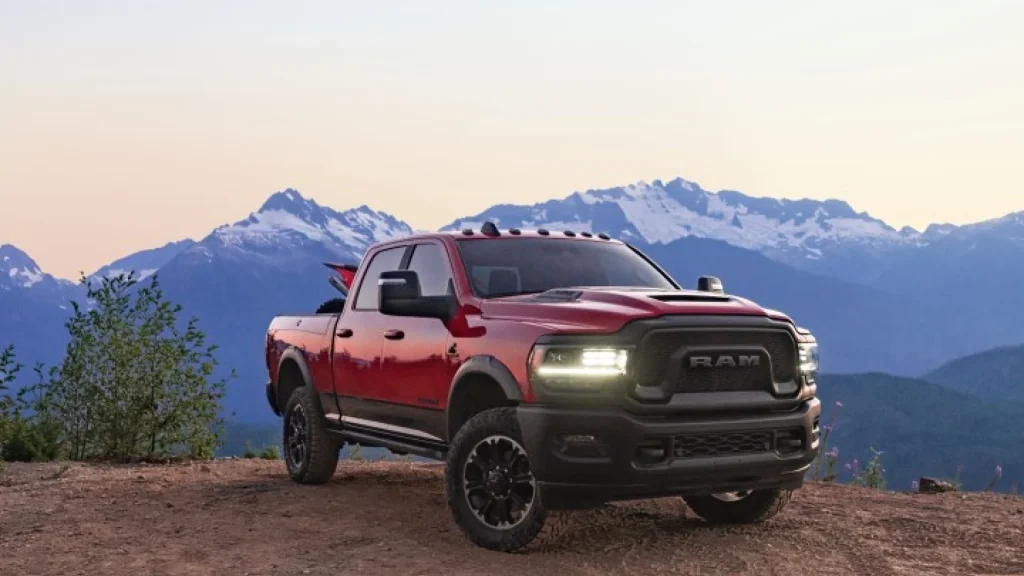
3. Ram 2500 6.7L Cummins
Major repair risk: CP 4 high-pressure fuel pump failure | Potential repair exposure: Several thousand dollars
The Ram 2500 equipped with the 6.7-liter Cummins diesel is a popular choice for towing and commercial work, but certain 2019 and 2020 models have a documented fuel-system problem.
These trucks were equipped with a Bosch CP4 high-pressure fuel pump that can fail internally. When this happens, metal debris can enter the fuel system, potentially damaging injectors and other expensive components.
The issue became serious enough to attract federal safety attention. NHTSA investigation PE21-021 examined allegations of stalling and loss of motive power involving certain 2019 and 2020 Ram 2500, 3500, 4500, and 5500 trucks equipped with the 6.7-liter Cummins engine.
FCA subsequently issued recall 21V-880, identifying an internal high-pressure fuel-pump failure that could introduce debris and cause fuel starvation.
The 6.7-liter Cummins is valued for its substantial torque and heavy-duty capability. Depending on model year and configuration, these engines deliver considerable towing performance, but the fuel system requires clean diesel and properly maintained filtration. A pump failure can turn an otherwise capable work truck into an expensive repair project.
The cost depends on how far contamination has spread. Replacing only the pump may not be sufficient if metal particles have reached the injectors, rails, and lines. Owners have reported substantial fuel-system bills, although there is no single fixed repair price for every truck.
Before purchasing a used example, check the VIN for recall completion and request documentation of any pump replacement. A diesel specialist should inspect the fuel system if there are signs of hard starting, stalling, or unexplained power loss. This is a truck where checking the recall history can make a major financial difference.
4. Ram 1500 EcoDiesel
Major repair risk: EGR cooler cracking | Other concerns: Fuel system and emissions components
The Ram 1500 EcoDiesel attracted buyers who wanted diesel torque and improved fuel economy in a light-duty pickup. Its 3.0-liter V6 delivered a different driving experience from the larger gasoline engines commonly found in American trucks.
However, certain early EcoDiesel models developed expensive problems involving the exhaust gas recirculation system, and an official recall documented a particularly serious EGR cooler defect.
NHTSA recall 19V-757 covered certain Ram 1500 trucks equipped with the 3.0-liter EcoDiesel engine. The recall documentation explains that thermal fatigue could cause the EGR cooler to crack internally.
Coolant could then enter the EGR system, potentially interacting with other materials and creating conditions that could lead to combustion in the intake manifold.
A cracked cooler can create warning signs such as unexplained coolant loss, white exhaust smoke, or an unusual smell. If the problem is ignored, the consequences can extend beyond the cooler itself. The recall repair involved replacing the affected EGR cooler, with inspection and replacement of the intake manifold when necessary.
The EcoDiesel also uses sophisticated emissions equipment, including a diesel particulate filter and selective catalytic reduction system. Faults involving sensors, DEF delivery, or exhaust treatment can produce warning lights and reduced-power operating modes. These components can add significant diagnostic and repair costs as the truck ages.

Buyers should not assume every EcoDiesel has experienced these failures. Instead, check recall completion by VIN, examine coolant levels, and request records of EGR cooler and emissions-system repairs.
A specialist inspection is particularly valuable because a short test drive may not reveal an intermittent cooling or emissions problem.
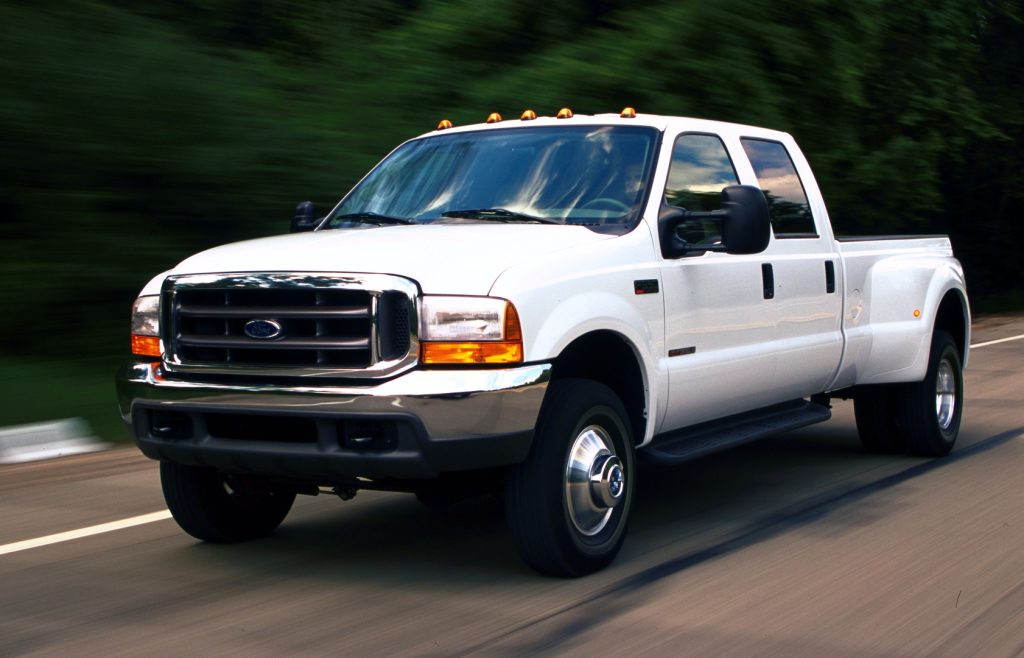
5. Ford F-350 Super Duty 6.0L Power Stroke
Major repair risks: EGR cooler, oil cooler, head gaskets, and high-pressure oil system
The Ford F-350 with the 6.0-liter Power Stroke diesel has a complicated reputation among used-truck buyers. It offers substantial towing capability, but certain engine components can create expensive repair situations, particularly when maintenance has been neglected or earlier problems were not properly corrected.
The engine’s cooling and high-pressure oil systems deserve special attention during a pre-purchase inspection.
One well-known problem involves the relationship between the engine oil cooler and EGR cooler. Restricted coolant flow through the oil cooler can contribute to higher operating temperatures in the EGR system.
Excessive heat can damage the EGR cooler, potentially allowing coolant to enter the intake. Owners may notice coolant loss, white exhaust smoke, overheating, or pressure changes in the cooling system.
Head-gasket problems are another expensive concern. Under heavy engine load, increased cylinder pressure can place substantial stress on the head-gasket sealing system.
If the gasket fails, coolant loss, overheating, and combustion gases entering the cooling system may follow. Repairs can require significant engine disassembly, making labor a major part of the bill.
The high-pressure oil system also deserves attention. The 6.0-liter engine uses high-pressure engine oil to operate its fuel injectors. Problems involving the high-pressure oil pump, seals, standpipes, or related fittings can cause hard starting, stalling, or a no-start condition.
These are not inevitable failures on every 6.0 Power Stroke. Many trucks have received extensive preventive work and continue operating successfully.
However, buyers should request invoices for oil-cooler, EGR-cooler, head-gasket, and high-pressure oil-system repairs. A cold-start inspection and professional diagnostic assessment are essential before committing to one of these older heavy-duty trucks.
6. Ford F-350 Super Duty 6.4L Power Stroke
Major repair risks: DPF, EGR cooler, turbochargers, and fuel system
Ford’s 6.4-liter Power Stroke introduced more sophisticated emissions technology and a compound-turbocharging arrangement, but those systems also created additional potential repair expenses.
Found in 2008 through 2010 Super Duty trucks, the engine delivers strong performance, yet used examples require careful evaluation because emissions-related problems and fuel-system failures can become expensive.
The 6.4-liter V8 uses two turbochargers working together to provide strong acceleration and towing performance. Its diesel particulate filter captures soot from the exhaust, while the exhaust gas recirculation system helps control emissions.
Both systems require correct operating conditions and regular maintenance. Repeated incomplete regeneration cycles can contribute to DPF restriction and fuel dilution of engine oil.
A restricted DPF can trigger warning lights, reduced engine performance, and repeated regeneration attempts. If the filter cannot be cleaned through normal regeneration, replacement may be necessary.
Repair budgets published by diesel specialists list approximately $1,400 to $2,650 in parts for certain DPF and regeneration-related repairs, excluding labor and other associated work.
The EGR cooler is another component worth checking. Failure can allow coolant to enter the intake system, potentially creating serious engine damage. The high-pressure fuel pump also presents a costly risk because internal failure can contaminate other fuel-system components.
These trucks can still appeal to buyers who need an older heavy-duty pickup, but purchase price should never be the only consideration.
Inspect engine oil for signs of fuel dilution, review DPF service records, and check turbocharger operation. A comprehensive inspection by a technician familiar with the 6.4 Power Stroke is particularly important before buying.
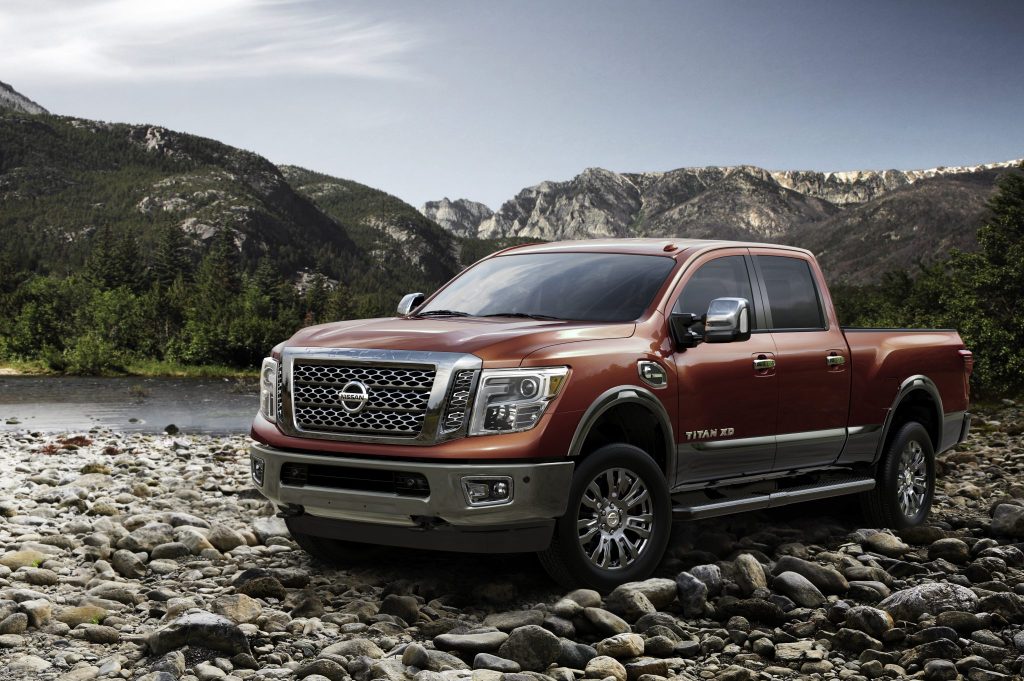
7. Nissan Titan XD 5.0L Cummins
Major repair risks: Turbocharger, fuel system, and diesel emissions equipment
The Nissan Titan XD offered something unusual in the American pickup market: a diesel-powered truck positioned between conventional half-ton pickups and heavier three-quarter-ton models.
Its 5.0-liter Cummins V8 provided strong torque and made the truck attractive to buyers who wanted diesel pulling power without moving into a traditional heavy-duty pickup. However, the engine’s complexity and the cost of specialized replacement components can make repairs expensive.
The 5.0-liter Cummins V8 produced 310 horsepower and 555 lb-ft of torque in the Titan XD. It was paired with an Aisin six-speed automatic transmission. The engine used a turbocharger and modern diesel emissions equipment, including a diesel particulate filter and selective catalytic reduction technology.
These systems can create substantial repair bills as the truck ages. A failing turbocharger can reduce boost pressure and towing performance, while a restricted DPF can cause warning lights, regeneration problems, and reduced-power operation.
DEF system faults and NOx sensor failures can also trigger emissions warnings or derating. These are system-specific risks rather than evidence that every Titan XD will experience the same failures.
Another consideration is parts availability. Nissan discontinued the Cummins diesel option after the 2019 model year, so buyers should identify a repair facility familiar with this particular powertrain before purchasing one. Specialized diagnosis can be more challenging than servicing a more common gasoline pickup.
When inspecting a Titan XD, check for stored emissions fault codes, turbocharger noise, coolant leaks, and evidence of completed DPF regeneration maintenance. Request invoices for previous fuel-system and emissions repairs.
The Titan XD can still be an appealing towing vehicle, but its unusual powertrain makes a thorough specialist inspection particularly important. A low purchase price is not necessarily a bargain if expensive components are approaching failure.
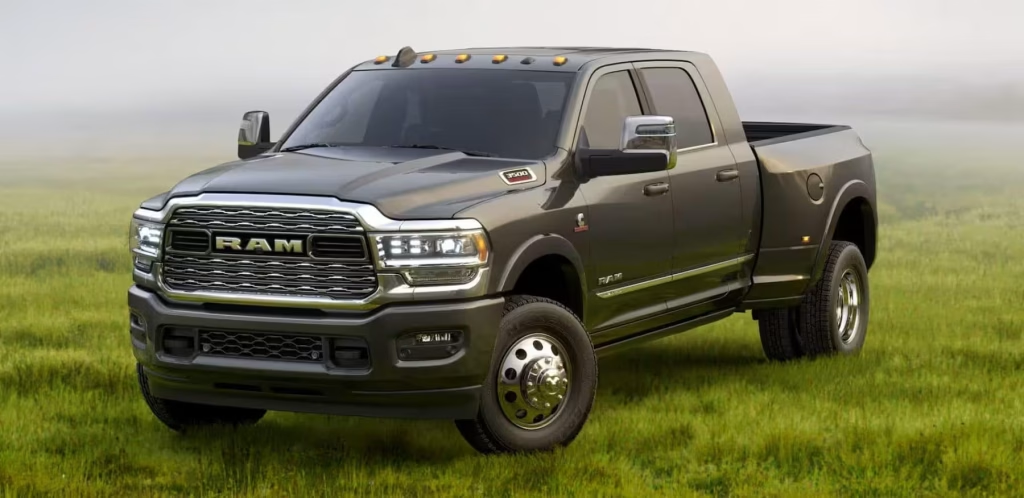
8. Ram 3500 Heavy Duty 6.7L Cummins
Major repair risks: Intake grid-heater system and fuel-system components
The Ram 3500 is designed for demanding commercial and recreational work, but its heavy-duty capability comes with complicated mechanical systems that can be expensive to repair. The 6.7-liter Cummins diesel is particularly popular among buyers who need substantial towing performance.
However, certain 2022 and 2023 trucks were included in an official recall involving the intake air grid-heater relay, making this component important to investigate when purchasing a used example.
NHTSA recall 23V-060 addressed a problem involving the intake air grid-heater relay on certain Ram 2500, 3500, 4500, and 5500 vehicles equipped with the 6.7-liter Cummins diesel. The concern involved an electrical short that could create a fire risk.
Owners should verify whether the recall repair has been completed rather than assuming that every truck received the necessary work.
The grid heater helps warm incoming air during cold starts. Its electrical components and connections operate under demanding conditions, so problems involving the relay or wiring should be diagnosed promptly.
It is important not to confuse this specific recall with separate owner reports involving grid-heater hardware entering the engine. Those reports describe a different failure scenario and should not be treated as proof that every affected truck has the same defect.
The Cummins engine also uses sophisticated high-pressure fuel equipment. Fuel contamination, neglected filters, or pump problems can affect injectors and other expensive components. Diesel fuel quality and regular filter servicing therefore deserve attention.
Before buying, check the VIN for recall completion, inspect the intake-heater wiring, and review fuel-filter service records. Ask a qualified diesel technician to investigate any unexplained starting problems or engine warning lights.
The Ram 3500 remains a capable work truck, but its purchase price should include room for proper maintenance and specialist diagnosis.
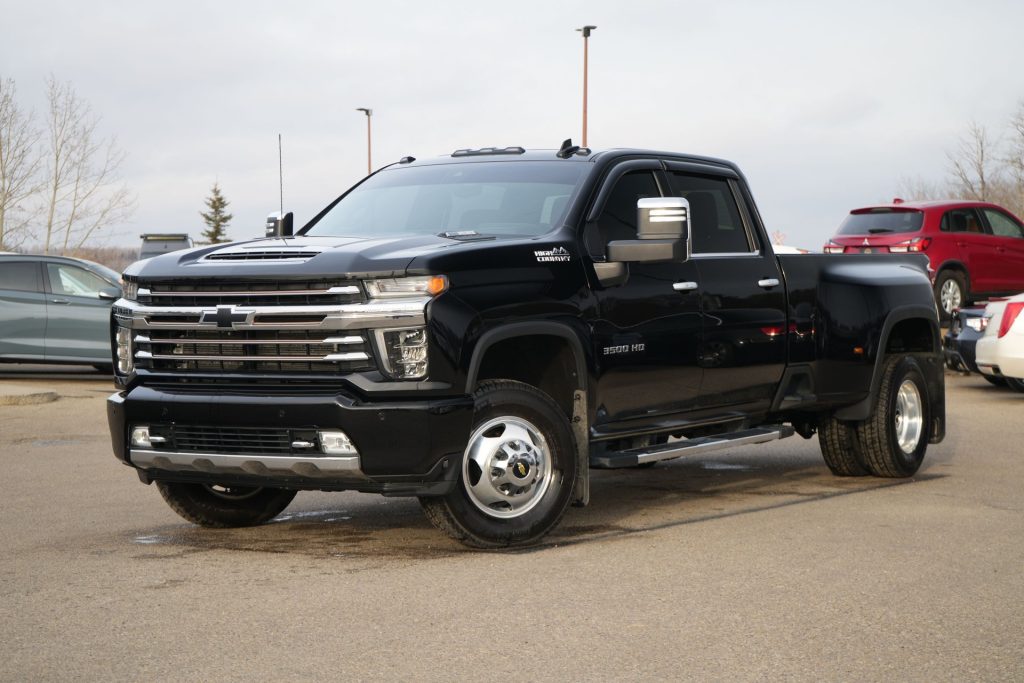
9. Chevrolet Silverado 3500HD 6.6L Duramax L5P
Major repair risks: DPF, DEF, NOx sensors, and exhaust after-treatment components
The Chevrolet Silverado 3500HD with the 6.6-liter Duramax L5P is built for heavy towing and demanding commercial use. Its engine delivers substantial torque, making it suitable for large trailers and equipment transport.
However, modern diesel emissions systems can become expensive to maintain as mileage increases. Owners should pay particular attention to the diesel particulate filter, DEF delivery system, and exhaust sensors.
The L5P Duramax produces 445 horsepower and 910 lb-ft of torque in the 2020 to 2023 Silverado HD. It is paired with an Allison 10-speed automatic transmission. This combination provides substantial pulling power, but the engine’s emissions equipment adds several components that require monitoring and occasional servicing.
The DPF captures soot from exhaust gases and periodically requires regeneration to burn off accumulated material. Repeated short journeys, interrupted regeneration cycles, or certain engine faults can contribute to excessive soot loading. If normal regeneration cannot restore the filter, professional cleaning or replacement may be necessary.
The DEF and selective catalytic reduction systems introduce additional potential expenses. Faulty NOx sensors, DEF heaters, dosing components, or wiring can trigger warning messages and reduced-power countdowns.
California Air Resources Board repair-cost documentation provides examples of heavy-duty diesel after-treatment parts that can cost hundreds or thousands of dollars before labor is included. These figures are component-specific examples, not a guaranteed L5P repair estimate.
Importantly, the L5P uses a Denso HP4 high-pressure fuel pump rather than the Bosch CP4 system found in certain earlier diesel applications. Buyers should not automatically attribute CP4-related failures to this engine.
Before purchasing, scan the emissions system, review DEF and DPF service history, and check for stored fault codes. A truck with neglected after-treatment maintenance can quickly become an expensive ownership proposition.
10. Chevrolet Colorado 2.8L Duramax
Major repair risks: DPF restriction, DEF system faults, and EGR problems
The Chevrolet Colorado with the 2.8-liter Duramax diesel offers something different from the larger heavy-duty trucks on this list. It combines diesel torque and pickup practicality in a midsize package, making it attractive to drivers who do not need a full-size work truck.
However, its smaller engine does not mean every repair will be inexpensive. The emissions equipment fitted to modern diesel pickups can create significant expenses when components fail or become restricted.
The 2.8-liter Duramax four-cylinder produces 181 horsepower and 369 lb-ft of torque in the U.S.-market Colorado. It is paired with a six-speed automatic transmission.
The engine’s strong low-speed torque makes it useful for towing and hauling, while its smaller displacement helps deliver better fuel economy than many larger diesel pickups.
Its emissions equipment includes a diesel particulate filter, exhaust gas recirculation system, and selective catalytic reduction technology using diesel exhaust fluid. These systems work together to reduce harmful emissions, but each introduces potential repair points.
A restricted DPF can require professional cleaning or replacement, while DEF-related problems may involve the pump, heater, injector, or sensors.
EGR valve and cooler problems can also cause drivability symptoms and warning lights. If these issues are left unresolved, the truck may experience reduced performance or enter a restricted operating mode.
Heavy-duty diesel repair documentation shows that replacement DPFs and DEF components can involve substantial parts expenses even before labor is added.

For used buyers, the most important step is checking the emissions-system history. Look for repeated regeneration warnings, DEF countdown messages, unexplained coolant loss, or stored diagnostic codes. Ask whether previous owners regularly completed highway driving that allowed the DPF to regenerate properly.
The Colorado diesel is useful for buyers who want a midsize pickup with strong torque and towing ability. Nevertheless, a professional inspection is essential because emissions-related repairs can quickly reduce the financial advantage of purchasing an older diesel truck.