An engine replacement can cost thousands of dollars, but some U.S. vehicles have received special warranty extensions, class-action settlement benefits, or safety recalls that cover qualifying engine repairs and replacements at no charge.
These programs do not provide blanket warranty coverage, as eligibility typically depends on factors such as the engine type, model year, VIN, ownership status, maintenance records, and nature of the failure. Coverage may be limited to specific internal engine components, while certain cases may qualify for a complete engine assembly replacement.
The eight vehicles below have documented manufacturer or settlement coverage. Before buying one, verify its VIN and campaign status with an authorized dealer.
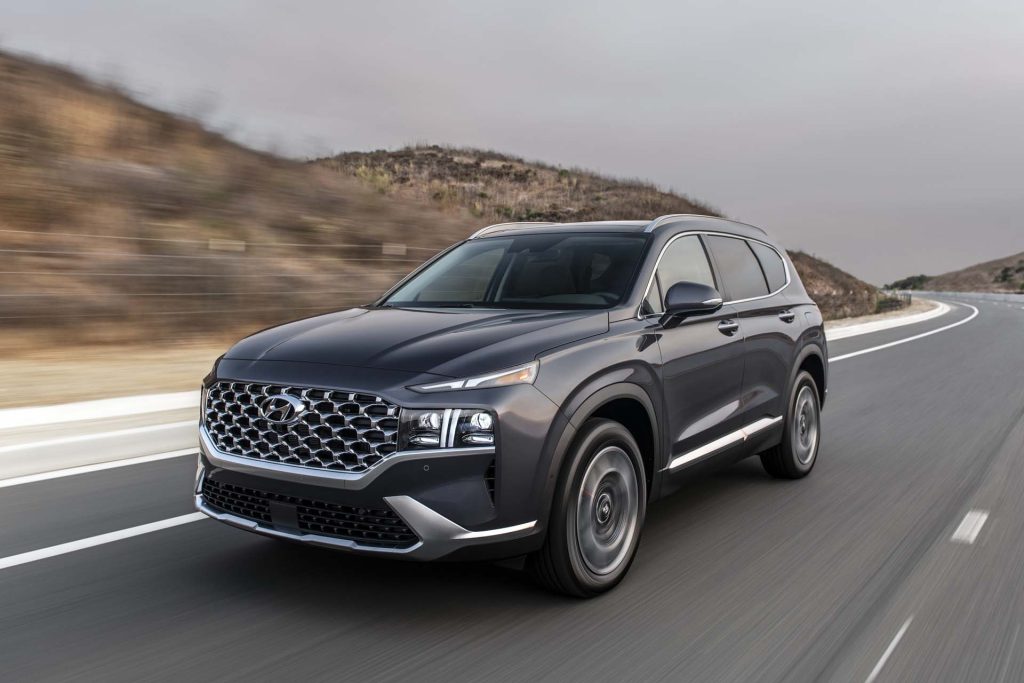
1. Hyundai Santa Fe
Certain 2010-2012 Hyundai Santa Fe models equipped with the 2.4-liter Theta II MPI engine qualify for an extended powertrain warranty covering specific engine damage caused by connecting-rod bearing failure.
Hyundai’s U.S. warranty-extension program provides coverage for up to 15 years or 150,000 miles from the original retail delivery or first-use date, whichever comes first. Importantly, this is not an unconditional lifetime engine warranty. The failure must fall within the program’s defined coverage.
The connecting-rod bearings sit inside the engine and help maintain the movement of the connecting rods around the crankshaft. If bearing wear becomes severe, the engine may develop knocking noises, run roughly, or suffer internal damage.
In serious cases, the engine may need replacement rather than a minor repair. Hyundai’s extension covers qualifying repairs or replacement when the damage is caused by the specified bearing failure.
Hyundai owners should be aware of an important requirement, as the Knock Sensor Detection System (KSDS) software update generally needs to be installed at an authorized Hyundai dealership.
The manufacturer identifies this as a condition for the extended coverage. The software update is available without charge under the applicable service campaign.
The program also has ownership restrictions. Hyundai states that the extension applies to original and subsequent individual owners, but commercial entities, vehicle resellers, leasing or rental businesses, and vehicles with salvage titles are excluded.
For a used Santa Fe buyer, the VIN check is essential. Ask a Hyundai dealer to confirm engine type, campaign completion, and warranty eligibility in writing. A 2010-2012 model with the wrong engine or an excluded ownership history should not be assumed to qualify. The benefit can be substantial, but only when the vehicle meets the program’s exact conditions.
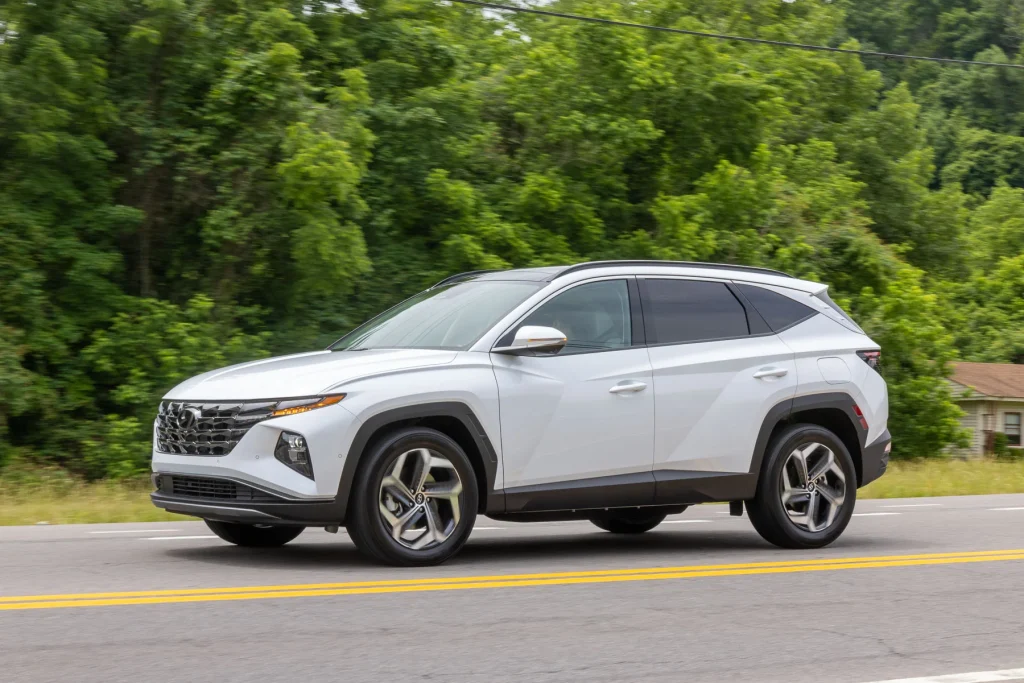
2. Hyundai Tucson
The Hyundai Tucson is included in a U.S. engine warranty-extension program covering certain model years and specific gasoline engines. Hyundai identifies certain 2010-2013 Tucson models with the 2.4-liter Theta II MPI engine, as well as certain 2014-2015 and 2016-2021 models equipped with the 2.0-liter Nu GDI engine.
Qualifying vehicles receive extended coverage for certain engine repairs or replacements caused by connecting-rod bearing failure.
The extension provides coverage for up to 15 years or 150,000 miles from the original retail delivery or first-use date, whichever occurs first. It is transferable to subsequent individual owners, subject to Hyundai’s stated restrictions.
This is particularly relevant in the used market because a qualifying Tucson does not automatically lose the benefit when it changes hands.
However, the program does not cover every engine problem. A failed alternator, a damaged timing component, overheating caused by neglected cooling-system maintenance, or unrelated internal engine failure does not automatically qualify. The defect must meet the program’s connecting-rod-bearing coverage requirements.
Hyundai generally requires installation of its Knock Sensor Detection System software update before the extended warranty applies.
The update monitors engine operation for conditions associated with potential bearing damage and is available free through the relevant service campaign. Owners can check open and completed campaigns using the vehicle identification number.
Anyone considering a used Tucson should confirm the exact engine code and VIN eligibility before treating this coverage as part of the purchase decision. Ask the dealer to check whether the software update was completed and whether the extended warranty remains active.
A qualifying Tucson could receive a major engine repair without the owner paying the covered repair cost, but the program’s technical and ownership conditions matter.
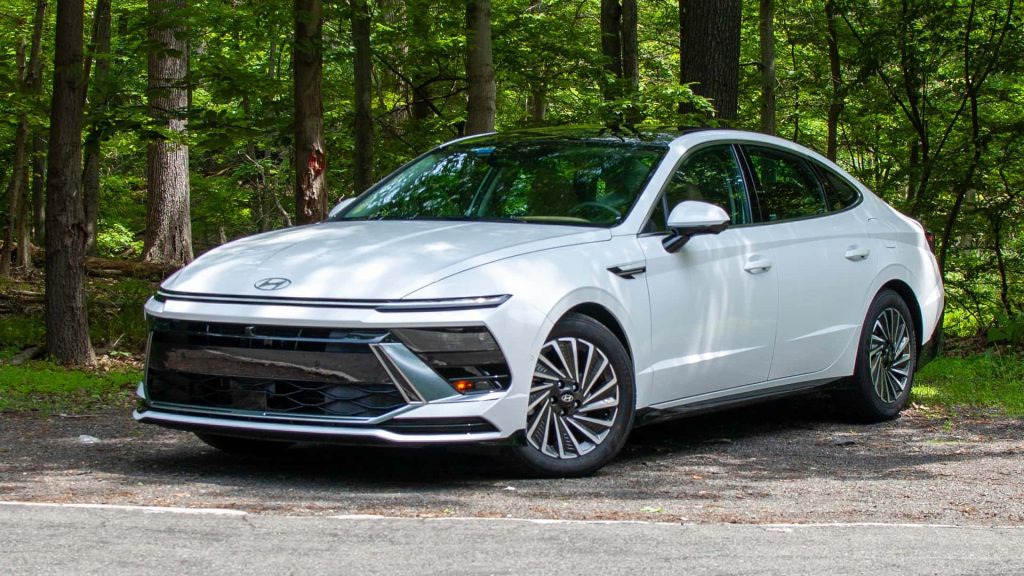
3. Hyundai Sonata Hybrid
Certain 2011-2015 Hyundai Sonata Hybrid models equipped with the 2.4-liter Theta II MPI hybrid engine are covered by Hyundai’s U.S. engine warranty extension.
The program covers qualifying engine damage or malfunction caused by connecting-rod bearing wear for up to 15 years or 150,000 miles, measured from the vehicle’s original retail delivery or first-use date, whichever comes first. It applies to eligible original and subsequent individual owners.
This is significant because a connecting-rod bearing failure can cause serious internal engine damage. Drivers may notice knocking, unusual engine noise, or warning lights before the problem becomes severe.
In some cases, the damage requires an engine replacement rather than a smaller repair. Hyundai’s program can cover the qualifying repair or replacement, but it does not mean every engine problem is covered.
The Sonata Hybrid’s engine is part of a hybrid powertrain, so buyers should not confuse this coverage with protection for the electric motor, hybrid battery, inverter, or other hybrid components. The extension specifically addresses qualifying connecting-rod bearing-related engine damage.
Hyundai encourages owners to complete the Knock Sensor Detection System software update through an authorized dealership.
The manufacturer identifies the update as a requirement for coverage in applicable cases, although certain vehicles subject to earlier recalls are exempt. A dealer can confirm the exact requirement for an individual VIN.
Anyone buying a used Sonata Hybrid should request written confirmation of eligibility and campaign history. Check the original in-service date as well, because the 15-year limit continues to run even when ownership changes. The coverage can provide valuable protection, but only for the specified failure and within the time and mileage limits.
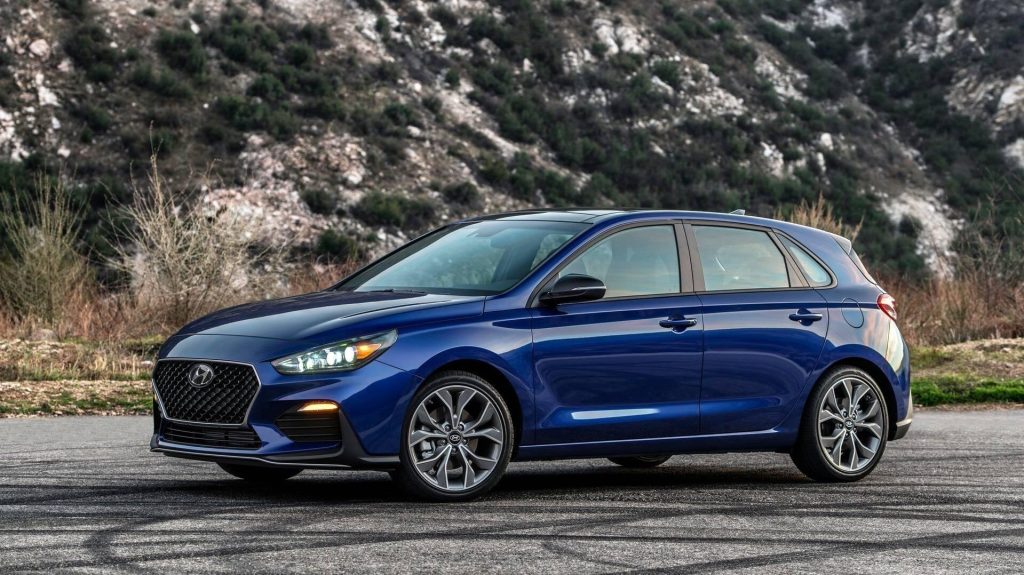
4. Hyundai Elantra GT
The Hyundai Elantra GT is another model included in Hyundai’s U.S. engine warranty extension, but eligibility depends on the year and engine. The program identifies certain 2014-2017 Elantra GT models with the 2.0-liter Nu GDI engine and certain 2018-2020 models with the same engine family.
Qualifying vehicles receive coverage for connecting-rod bearing-related engine damage for up to 15 years or 150,000 miles from original retail delivery or first use, whichever comes first.
The distinction between engine versions is important. Not every Elantra GT sold during these years automatically qualifies. A vehicle with a different engine, an excluded title history, or an ineligible ownership category should not be assumed to receive the extension.
Hyundai’s published program excludes commercial entities, vehicle resellers, leasing and rental businesses, and vehicles with salvage titles.
The covered failure involves connecting-rod bearing wear, which can damage the engine’s internal rotating components. If the problem progresses, the vehicle may develop knocking noises, lose power, or suffer severe engine damage.
When Hyundai confirms that the failure meets the program’s conditions, qualifying engine repair or replacement is covered under the extension.
The Knock Sensor Detection System update is also an important part of the process. Hyundai’s dealer notification identifies the software campaign as a coverage requirement for applicable vehicles, with specific exemptions for certain previously recalled models.
For a used-car buyer, the safest approach is to provide the VIN to a Hyundai dealer and request confirmation of the engine, warranty eligibility, and completed software campaigns. Do not rely solely on a seller’s claim that the car has a free replacement-engine warranty. The protection is real, but it applies only to a defined engine failure.
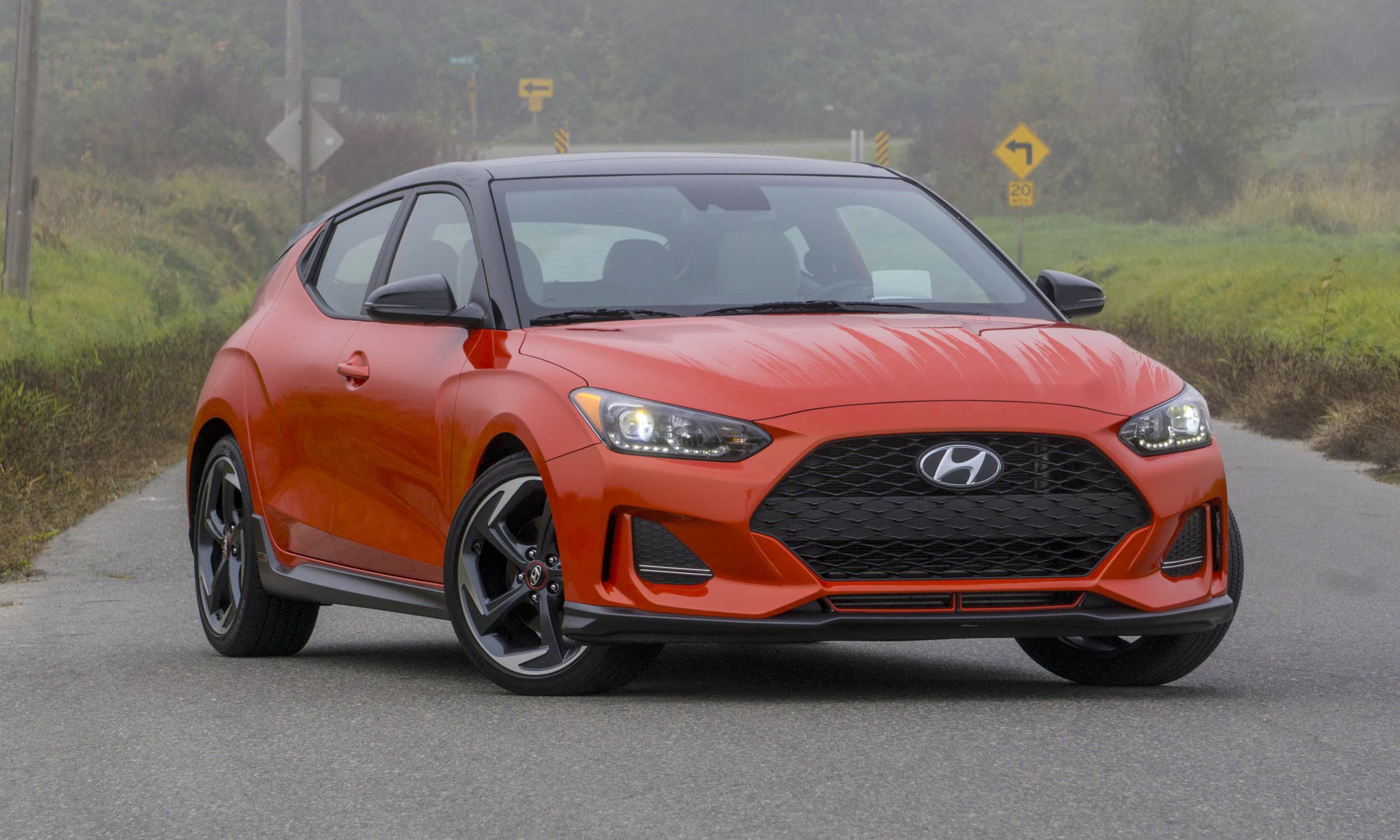
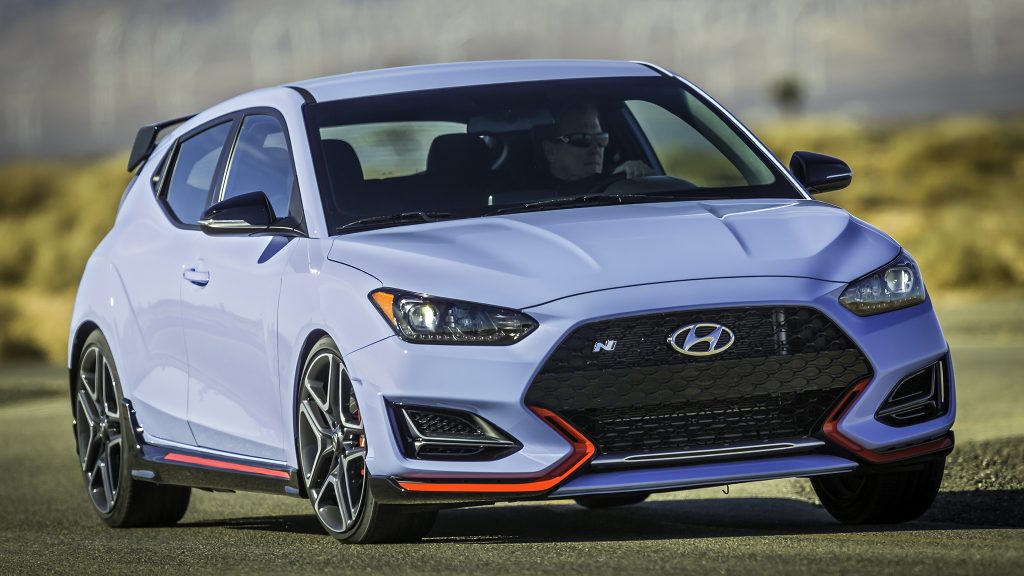
5. Hyundai Veloster
Certain 2012-2017 Hyundai Veloster models equipped with the 1.6-liter Gamma GDI engine are included in Hyundai’s U.S. engine warranty extension.
This program covers qualifying engine damage or malfunction caused by connecting-rod bearing wear for up to 15 years or 150,000 miles from the original retail delivery or first-use date, whichever comes first. The extension applies to eligible original and subsequent individual owners.
The Veloster’s inclusion is particularly useful for used-car shoppers because it is easy to assume that Hyundai’s engine coverage applies only to the company’s larger sedans and SUVs.
In fact, the official affected-vehicle list specifically names the Veloster and its 1.6-liter Gamma GDI engine. However, the warranty does not cover every Veloster engine or every possible mechanical failure.
Connecting-rod bearing damage can become serious because the bearings help the connecting rods move smoothly around the crankshaft. If wear becomes excessive, the engine may develop knocking sounds, lose power, or suffer internal damage that makes replacement necessary.
Hyundai’s extended coverage is intended for this specific failure, not unrelated problems such as overheating caused by neglect or damage from improper maintenance.
The Knock Sensor Detection System software update is an important eligibility consideration. Hyundai’s dealer instructions identify the update as a requirement for coverage in applicable cases, while certain vehicles covered by earlier recalls are exempt. A Hyundai dealer can check the vehicle’s VIN and determine which rule applies.
Before purchasing a used Veloster, request a VIN-based warranty check and ask for evidence that the required software campaign was completed.
Also confirm the vehicle’s original in-service date, because the 15-year limit does not restart when the car is resold. This extension can make a major difference if a covered engine failure occurs within the eligibility period.
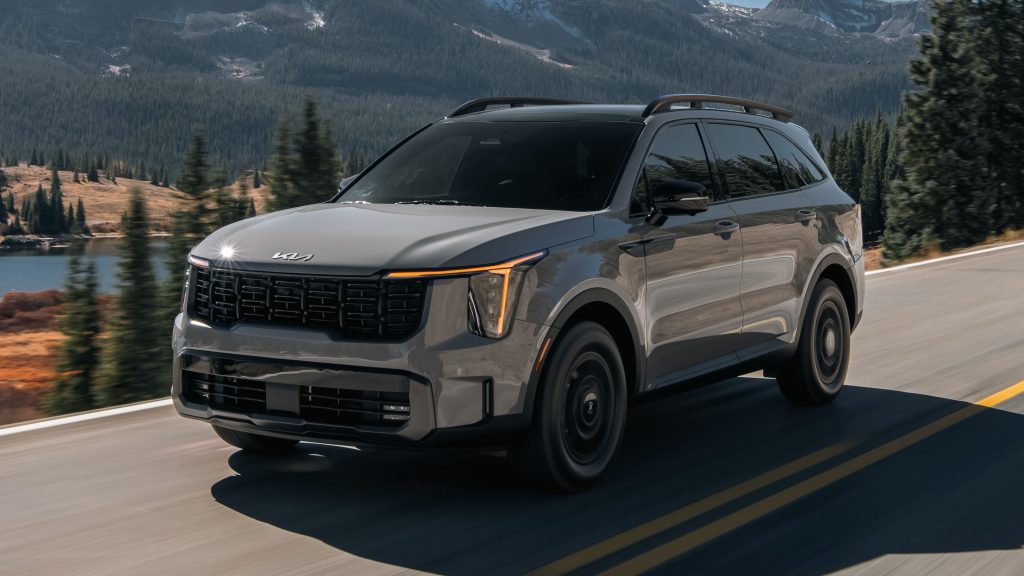
6. Kia Sorento
Certain 2011-2013 Kia Sorento models equipped with the 2.4-liter Theta II MPI engine are covered by the U.S. Kia engine settlement. Under the settlement, qualifying vehicles receive an extended powertrain warranty covering the engine short block for damage caused by connecting-rod bearing failure.
The coverage is extended to 15 years or 150,000 miles from the original retail delivery date, whichever comes first, for eligible vehicles.
The short block includes major internal components such as the engine block, crankshaft and bearings, connecting rods and bearings, and pistons.
If qualifying bearing damage causes engine failure, the settlement can cover the necessary inspection and repair or replacement. This is not a promise to replace the engine for every mechanical problem. Failures unrelated to the specified bearing issue do not automatically qualify.
Kia’s settlement also requires attention to the Knock Sensor Detection System software update. Owners generally need to have the KSDS campaign completed at an authorized Kia dealership before receiving the extended warranty benefit.
The settlement states that qualifying consumers do not need to submit a separate claim form simply to receive the warranty extension.
There are exclusions. The settlement’s extended warranty is intended for eligible individual consumers and does not provide the same benefit to commercial entities or vehicles with certain excluded histories. Exceptional neglect can also affect coverage under the settlement terms.
For a used Sorento buyer, the VIN is the starting point. Ask a Kia dealer to verify the engine, settlement eligibility, KSDS completion, and remaining time under the 15-year limit. A qualifying Sorento may receive a covered engine repair without an owner-funded replacement bill, but the exact failure and settlement conditions determine approval.
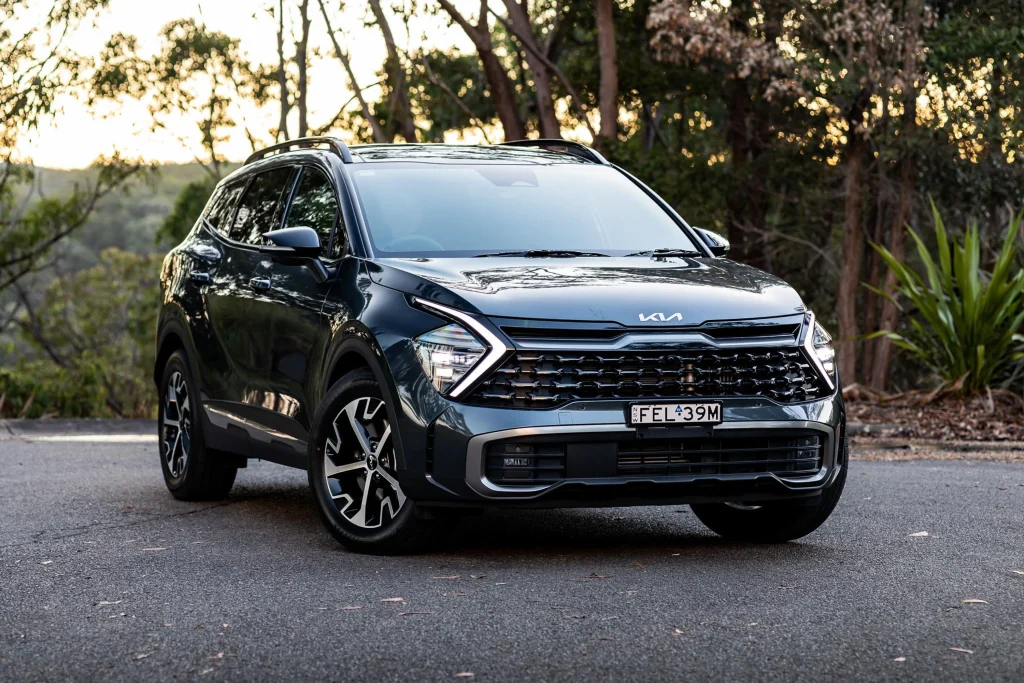
7. Kia Sportage
The 2011-2013 Kia Sportage equipped with the 2.4-liter Theta II MPI engine is included in Kia’s U.S. engine settlement. Eligible vehicles receive an extended warranty covering qualifying damage to the engine short block caused by connecting-rod bearing failure.
The coverage lasts 15 years or 150,000 miles from the original retail delivery date, whichever comes first. It can transfer to subsequent eligible individual owners.
This matters because bearing damage can progress into serious internal engine failure. The connecting rods, crankshaft, and associated bearings operate under substantial mechanical loads.
If the bearings wear excessively, the engine may produce knocking noises, lose power, or stop operating. Depending on the damage, replacing the engine may be more practical than attempting an internal repair.
Kia’s settlement covers the specified short-block assembly, including the engine block, crankshaft and bearings, connecting rods and bearings, and pistons. It does not mean that every engine-related repair is free. Problems involving unrelated components, neglect, or damage outside the settlement’s defined failure conditions are not automatically covered.
Owners generally need to complete the Knock Sensor Detection System software update at an authorized Kia dealership to qualify for the extended warranty. The settlement also provides that eligible consumers do not need to submit a separate claim form simply to receive this warranty extension.
Before buying a used Sportage, have Kia verify the VIN, engine type, and software campaign history. Ask the dealer to confirm that the vehicle qualifies under the settlement and that the coverage remains active. The 15 years is calculated from the original delivery date, not the date of resale.
For a qualifying Sportage, this protection can reduce the financial impact of a serious engine failure. However, buyers should treat it as specific bearing-failure coverage, not a general promise of free engine replacement.
8. Kia Soul
Certain 2012-2019 Kia Soul models are included in Kia’s U.S. engine settlement, making the model another used-car candidate with potentially valuable engine protection.
The settlement identifies eligible Soul vehicles equipped with specified engines, including certain 1.6-liter Gamma GDI and 2.0-liter Nu GDI versions, depending on model year.
The extended warranty covers qualifying engine short-block damage caused by connecting-rod bearing failure for 15 years or 150,000 miles from the original retail delivery date, whichever comes first.
This coverage can be important because a bearing-related engine failure may require a major repair or complete engine replacement. The settlement’s covered short-block components include the engine block, crankshaft and bearings, connecting rods and bearings, and pistons.
However, a failed water pump, damaged timing component, overheating caused by neglect, or unrelated engine problem does not automatically qualify.
The Knock Sensor Detection System software update is generally required before the extended warranty applies.
Kia provides the update through its authorized dealerships, and owners should keep documentation showing that the campaign was completed. Under the settlement, eligible consumers do not need to submit a separate claim form just to receive the extended warranty.
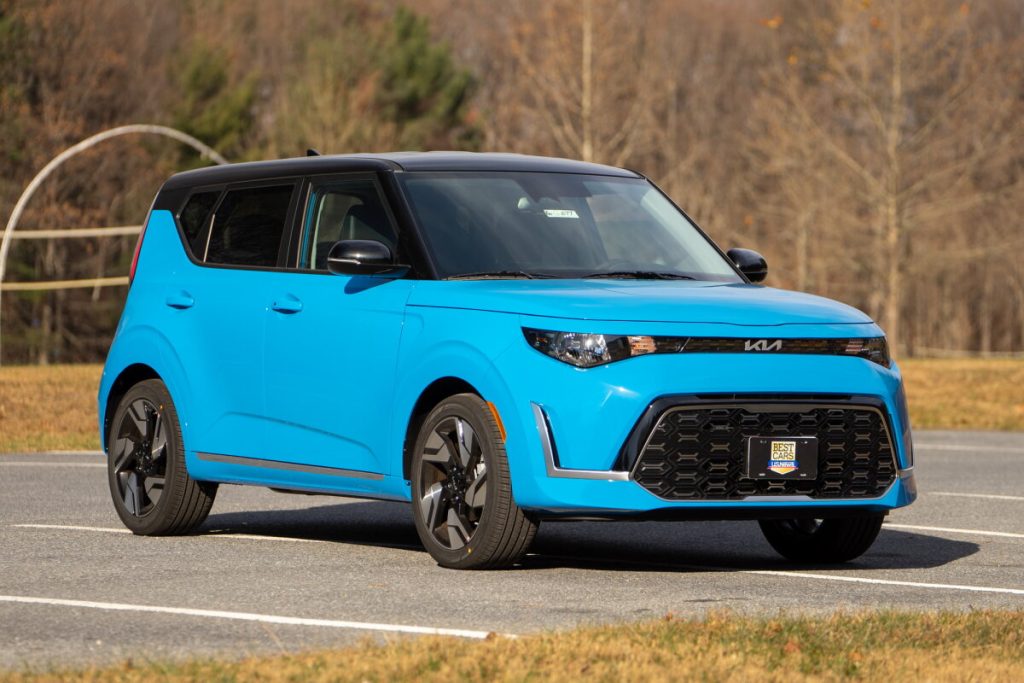
A used Soul buyer should be especially careful about checking the engine specification. The model was sold with different powertrains, and not every engine version is covered. Ask a Kia dealership to check the VIN and confirm the precise settlement eligibility, software-update status, and remaining coverage period.
The Soul can be an affordable used-car option, but its settlement protection should be treated as an added benefit rather than a substitute for maintenance. A vehicle with documented oil changes and a clean service history remains a much better purchase than one with signs of neglect.