Some used vehicles attract thieves more frequently than others, whether because of weak security on older versions, strong demand for parts, or their popularity across the country.
The National Insurance Crime Bureau recorded 2025 theft totals, showing several familiar cars and pickups among America’s most frequently stolen vehicles.
These figures count reported thefts across all model years, not the probability that an individual vehicle will be stolen.
Several factors can influence a vehicle’s risk profile, including model year, security features, location, and the precautions taken by its owner. With these differences in mind, here are eight vehicles prospective buyers should research carefully before making a purchase.
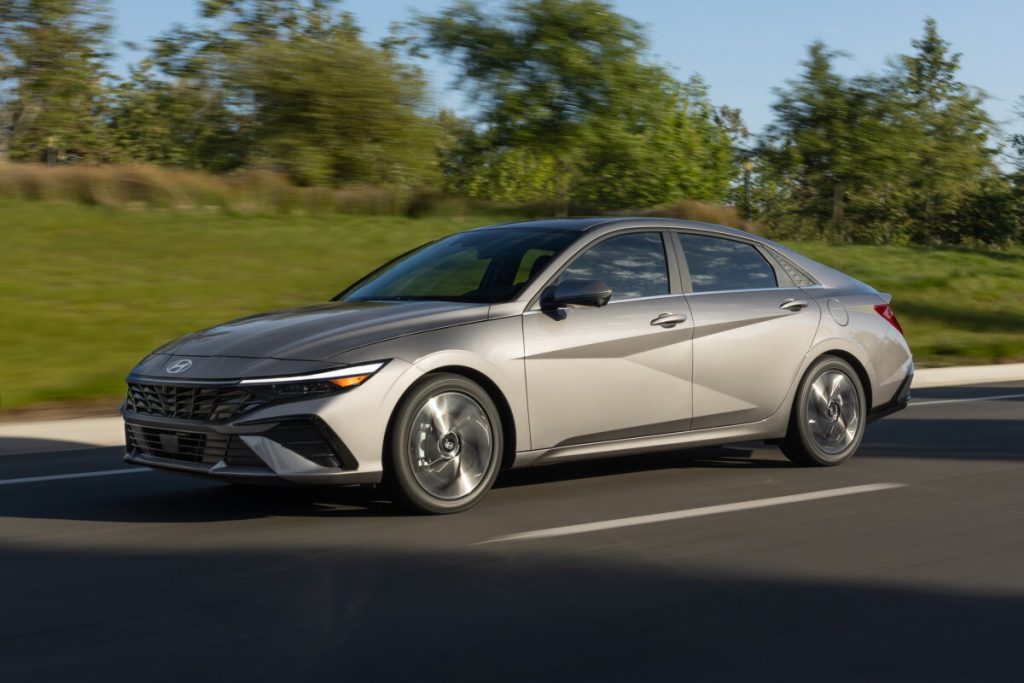
1. Hyundai Elantra
The Hyundai Elantra topped the National Insurance Crime Bureau’s 2025 list of America’s most frequently stolen vehicles, with 21,732 reported thefts. That was the highest total for any individual model in the NICB ranking.
However, this figure includes all model years and does not mean every Elantra has the same vulnerability. Older versions without an electronic immobilizer were particularly exposed to theft methods that became widely publicized through social media.
The key issue concerns certain U.S.-market Hyundai vehicles manufactured without an engine immobilizer. An immobilizer prevents the engine from starting unless the correct coded key or fob is present.
Many affected Hyundai models used traditional keyed ignitions and lacked this protection, making them easier targets for thieves using a method that bypassed the normal key-start process.
Hyundai introduced a free anti-theft software update for eligible vehicles and has also offered steering-wheel locks through participating law enforcement agencies. The update is designed to prevent the vehicle from being started using the theft technique associated with the vulnerability.
Not every Elantra qualifies, and eligibility depends on the vehicle’s model year and equipment. Buyers should check the VIN with Hyundai to confirm whether the software update or another remedy has been completed.
When shopping for a used Elantra, pay particular attention to the ignition type, factory security equipment, and service records. Do not assume that a newer-looking vehicle automatically has the updated protection. A vehicle history report and a dealer VIN check can help establish its status.
The Elantra remains a practical and widely available compact sedan, but its high national theft count makes security verification an important part of buying one used.
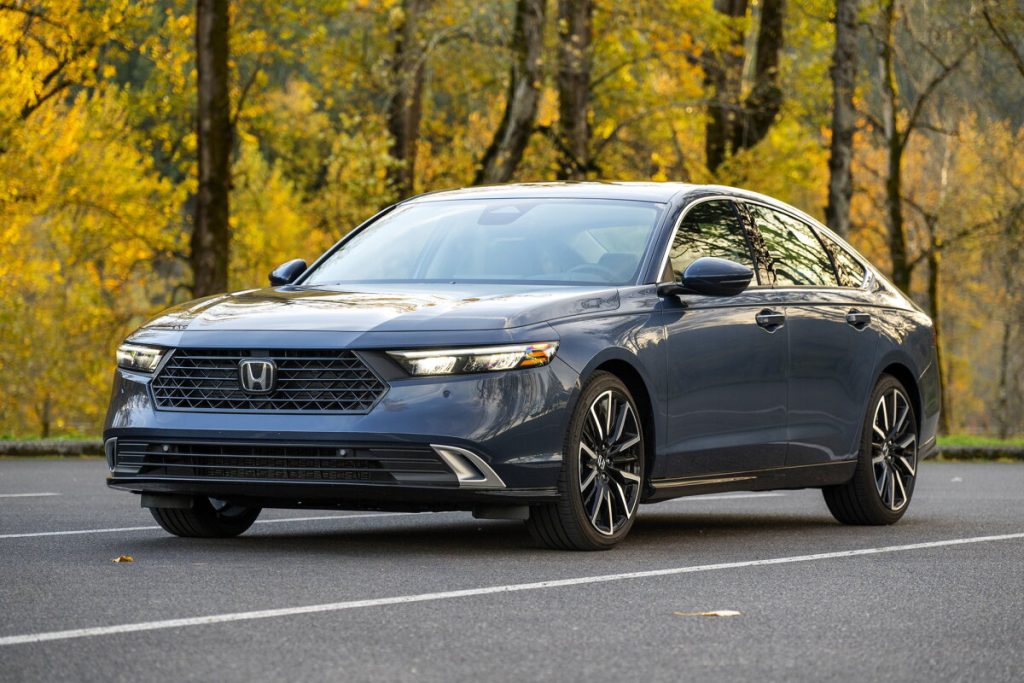
2. Honda Accord
The Honda Accord ranked second in the NICB’s 2025 vehicle theft statistics, with 17,797 reported thefts across all model years. Its position near the top is not entirely surprising.
The Accord has been one of America’s most widely sold passenger cars for decades, leaving a large number of examples on the road. High vehicle availability, demand for replacement components, and the popularity of older models can all contribute to theft totals.
Unlike the Hyundai and Kia theft trend associated with missing immobilizers on certain older vehicles, the Accord’s high total should not be interpreted as evidence of one universal security defect.
The model spans many generations, and its anti-theft equipment varies by year and trim. Some versions have factory immobilizers, alarm systems, and remote-entry security features, while older vehicles may have fewer protections.
The Accord also illustrates why raw theft totals and theft probability are different measurements. NICB’s ranking counts the number of vehicles reported stolen. It does not adjust the total for how many Accords are registered or insured.
A model with a very large number of vehicles on American roads can appear high on the list even if an individual example is not unusually vulnerable.
Used buyers should check that the vehicle’s keys and remote fobs are original or properly programmed, test the alarm and locking system, and look for signs of damaged door locks or ignition components. If the car has keyless entry, keep the fob away from exterior doors and windows at home to reduce the risk of relay attacks.
A steering-wheel lock or professionally installed tracking device can add another layer of protection. The Accord’s 2025 ranking is a reason to take security seriously, not a reason to assume every model year is equally easy to steal.
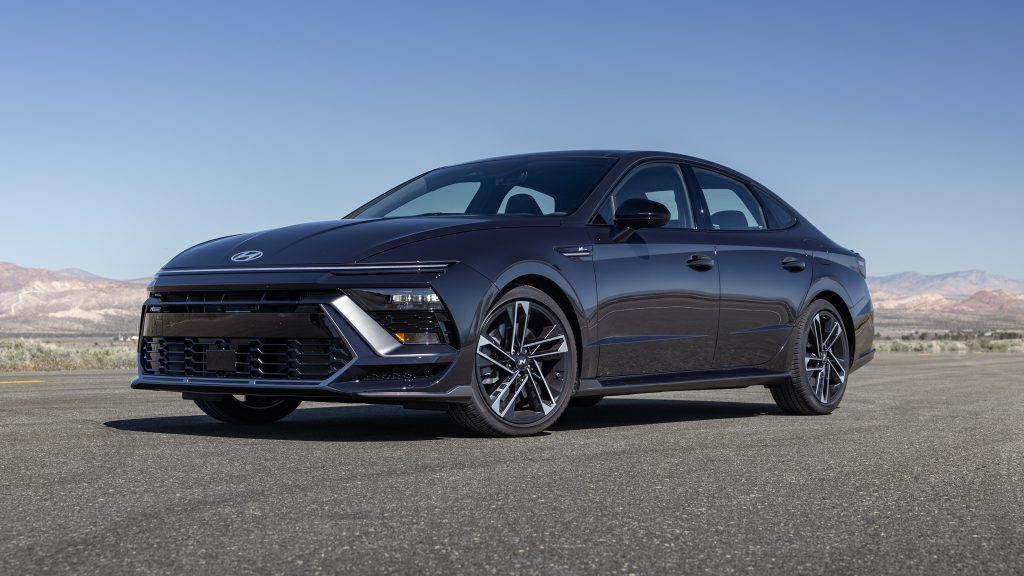
3. Hyundai Sonata
The Hyundai Sonata recorded 17,687 reported thefts in 2025, placing it third in the NICB’s nationwide ranking. Like the Elantra, certain older U.S.-market Sonata models became targets because they were manufactured without an engine immobilizer.
The theft technique that spread through social media exposed a security weakness in some keyed-ignition vehicles, contributing to a sharp increase in thefts involving affected Hyundai and Kia models.
The model year is particularly important when evaluating a used Sonata. Not every Sonata lacks an immobilizer, and newer vehicles generally have more comprehensive factory security equipment.
Buyers should not assume that all cars from the same manufacturer share identical protection. The specific VIN, ignition configuration, and installed anti-theft technology determine what protection is present.
Hyundai responded by offering a free anti-theft software upgrade for eligible vehicles. The update modifies the vehicle’s theft-prevention system to make the widely publicized method ineffective.
Some vehicles that cannot receive the software update may qualify for other security remedies. Before purchasing an older Sonata, contact a Hyundai dealer and ask whether the VIN is eligible for an update and whether the work has already been completed.
There are practical precautions owners can take as well. A visible steering-wheel lock can discourage opportunistic thieves, while parking in a garage or a well-lit area reduces exposure.
Keep keys secure, lock the doors, and avoid leaving the vehicle running unattended. A tracking device may also help with recovery if the car is stolen.
The Sonata offers plenty of space and comfort as a used family sedan, but its theft history should not be ignored. A buyer who verifies the security equipment and confirms completed manufacturer updates can make a more informed decision than someone who judges the car solely by its price and mileage.
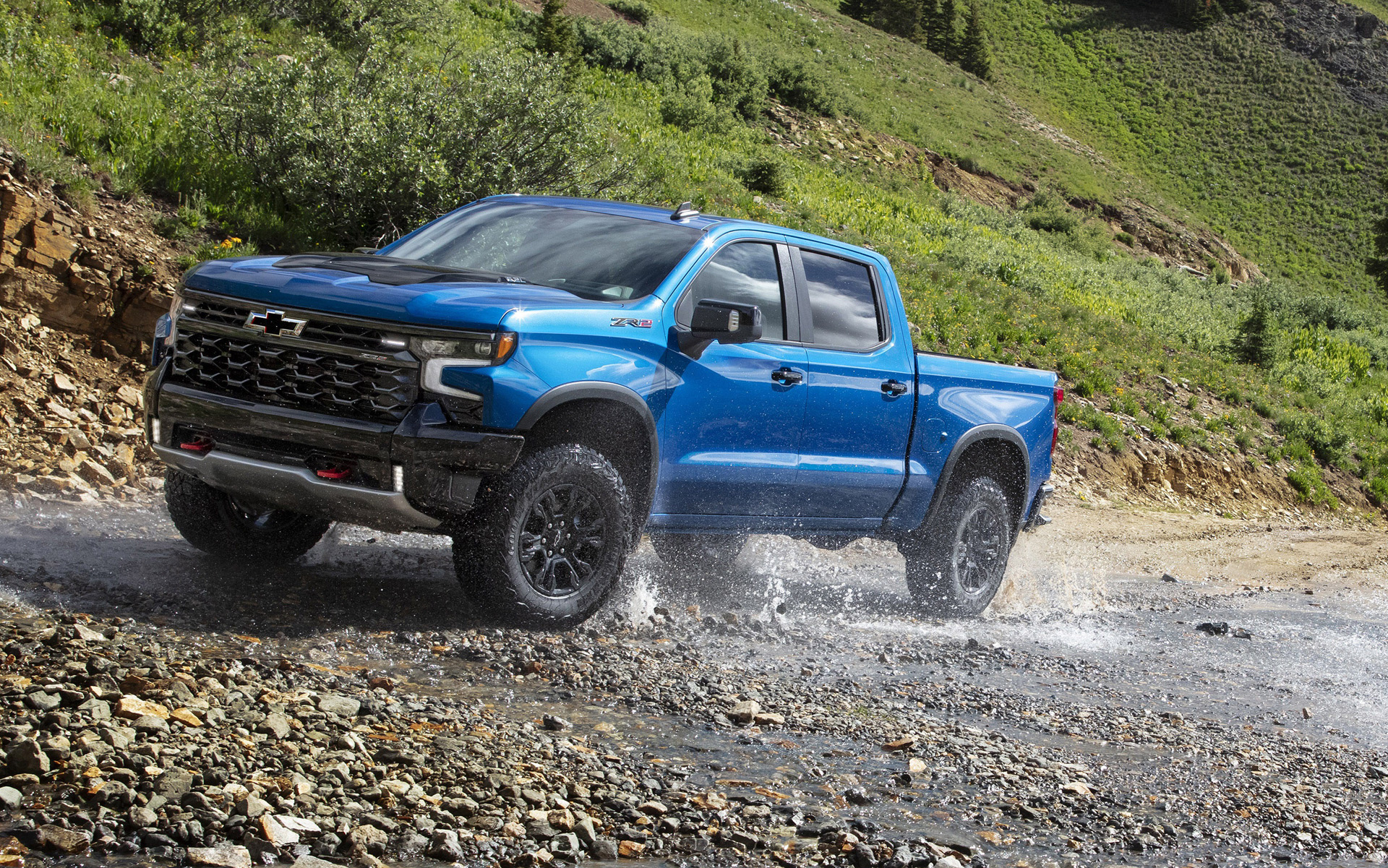
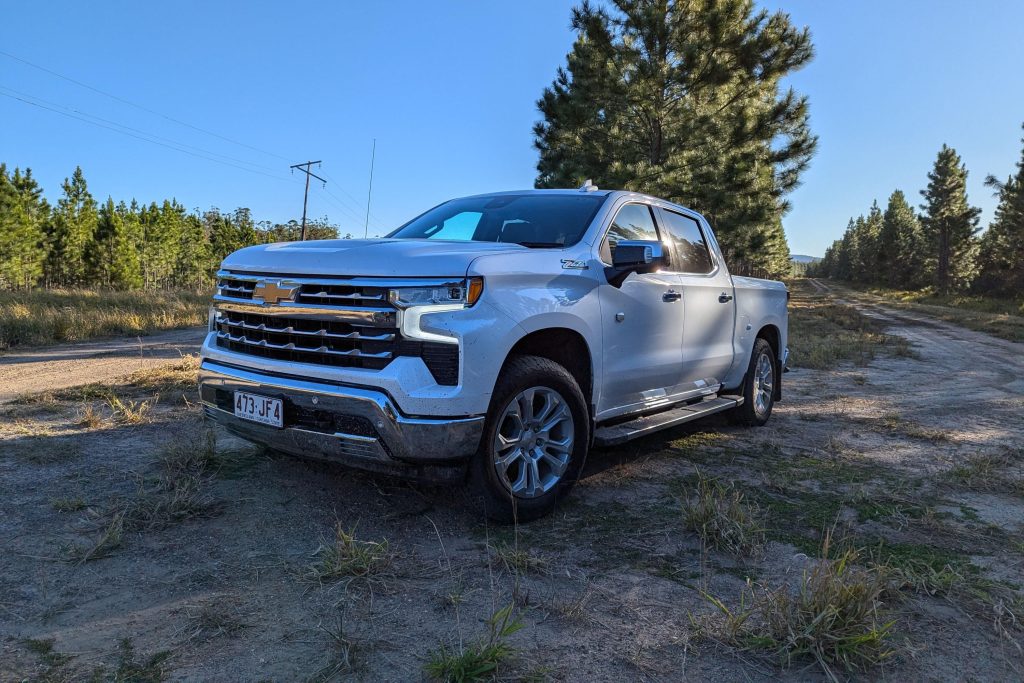
4. Chevrolet Silverado 1500
The Chevrolet Silverado 1500 ranked fourth among America’s most frequently stolen vehicles in 2025, with 16,764 reported thefts. Unlike the Hyundai and Kia models associated with the immobilizer issue, the Silverado’s position reflects the theft exposure of a highly popular full-size pickup.
Trucks are valuable targets because they can be stolen as complete vehicles, stripped for components, or targeted for expensive parts.
The Silverado has been sold in large numbers across the United States, serving private owners, contractors, fleet operators, and commercial businesses. Its widespread use creates a substantial market for replacement components.
Engines, transmissions, wheels, body panels, and other parts can be attractive to organized theft operations. However, the NICB’s total does not establish which individual components were stolen or prove that every Silverado generation has the same security weakness.
Buyers should pay attention to the exact model year and factory security equipment. Modern Silverados may include theft-deterrent systems, remote keyless entry, and connected vehicle services, depending on trim and configuration.
Older trucks may have fewer electronic protections. Check that all keys and fobs are present, confirm that the alarm works, and inspect the steering column, door locks, and ignition area for evidence of previous tampering.
A used Silverado should also be checked against its vehicle identification number through the National Insurance Crime Bureau’s VINCheck service. This can help identify certain theft and salvage records reported to participating insurers, although it is not a complete vehicle-history report.
For owners, parking in a secure garage, using a visible steering-wheel lock, and considering a professionally installed tracking system can add protection. The Silverado’s high theft total makes security worth considering before purchase, especially when buying an older, popular configuration.
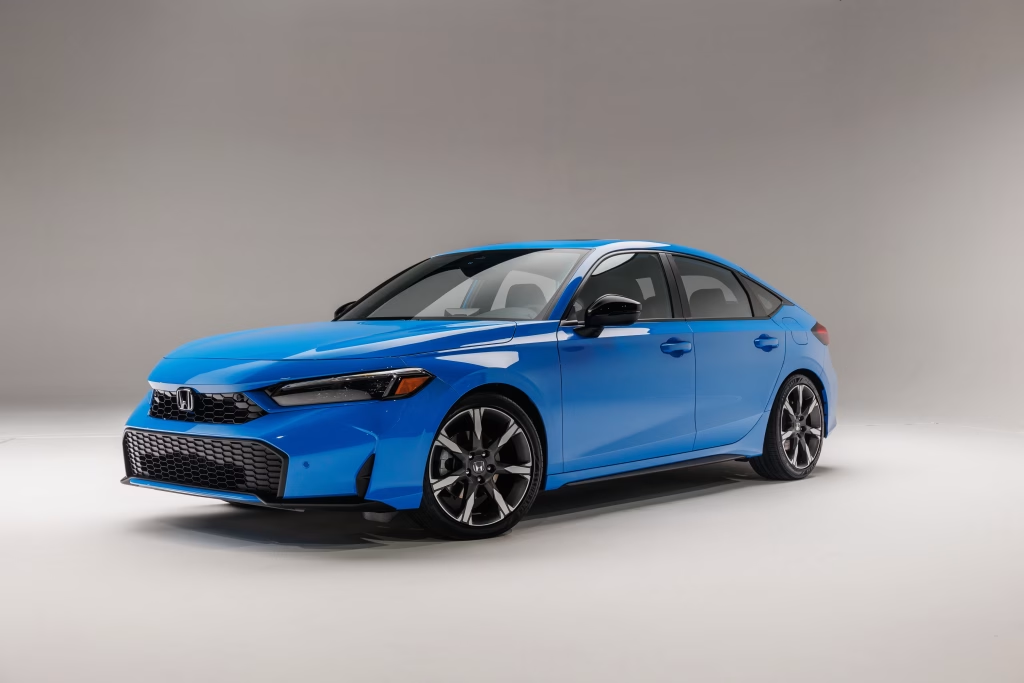
5. Honda Civic
The Honda Civic appeared fifth in the NICB’s 2025 ranking, with 12,725 reported thefts nationwide. Its long production history and enormous popularity make it a familiar sight on American roads.
That widespread presence also means there are many examples in circulation, creating demand for replacement components and making certain generations attractive to thieves. The theft total includes all model years, so it should not be interpreted as a specific failure rate for newer Civics.
One reason buyers should examine the Civic’s generation carefully is the difference in security technology between older and newer models. Newer examples generally have more sophisticated electronic protection, including immobilizers and coded key systems.
Older vehicles may have less advanced security equipment, and their condition can make a difference. Damaged locks, missing keys, poorly installed aftermarket electronics, or previous ignition repairs deserve attention.
The Civic is also a popular source of used parts. Its engines, transmissions, body panels, wheels, and interior components have a substantial replacement market. This does not mean that every Civic is a high-risk target, but it helps explain why a widely owned model can appear prominently in national theft statistics.
When buying one, confirm that the keys and remote fobs are properly programmed. Test the alarm, central locking, and immobilizer functions where fitted. Check the VIN for theft or salvage records, and inspect the vehicle for signs of forced entry or previous repairs around the steering column.
Owners can improve security by parking in well-lit locations, keeping the vehicle locked, and using an additional physical deterrent such as a steering-wheel lock. A tracking device may provide another layer of protection.
The Civic remains a sensible used-car choice for many drivers. Its theft ranking simply makes it important to verify security features rather than assuming every model year offers the same protection.
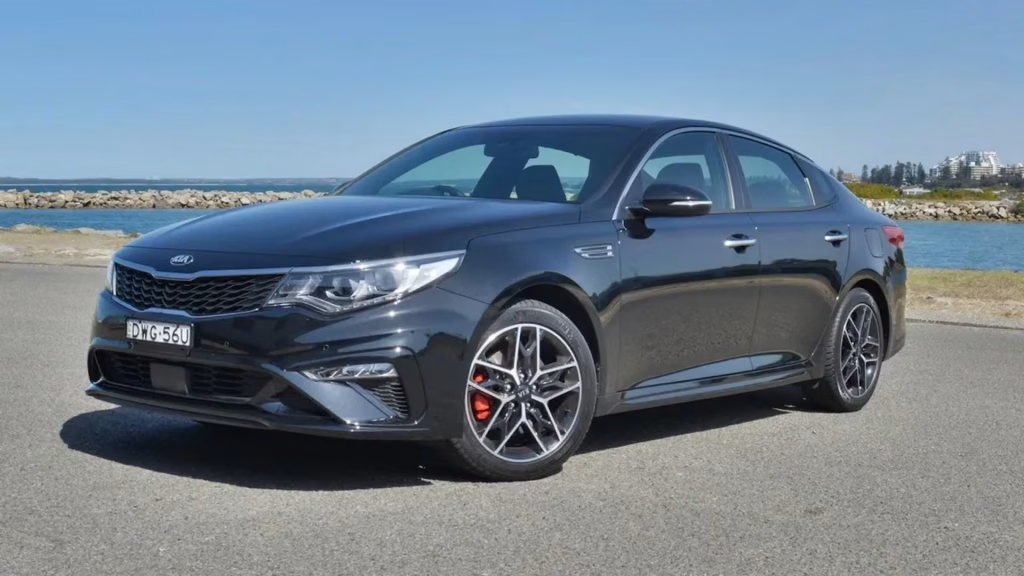
6. Kia Optima
The Kia Optima recorded 11,521 thefts in 2025, placing it sixth in the NICB’s nationwide ranking. The model is especially relevant to the wider theft trend involving certain older Hyundai and Kia vehicles.
Some U.S.-market Optimas equipped with traditional keyed ignitions were manufactured without engine immobilizers, leaving them vulnerable to a theft method that became widely circulated online.
Not every Optima has this weakness. The presence of an immobilizer depends on the specific model year and equipment, so buyers should avoid making assumptions based only on the badge.
Certain vehicles received factory security equipment, while eligible older examples may have received a free anti-theft software update from Kia. The manufacturer also provided steering-wheel locks through participating law enforcement agencies as part of its response.
Before buying a used Optima, check the VIN with a Kia dealer to establish whether it qualifies for the software update and whether the update has been completed. Ask for documentation rather than relying only on the seller’s description. If the car is not eligible, ask a qualified automotive security specialist about suitable additional protection.
There are other checks worth making during an inspection. Test the door locks and alarm, verify that all keys are accounted for, and look for damage around the ignition and steering column. A vehicle with signs of previous theft damage should be inspected carefully before money changes hands.
The Optima’s national theft count is also a reminder that parking habits matter. Keep the vehicle in a locked garage where possible, avoid leaving it running unattended, and consider a steering-wheel lock or tracking device.
As a used sedan, the Optima can offer good equipment and comfort for the money. But its security history means buyers should verify the specific car’s anti-theft protection before choosing it.
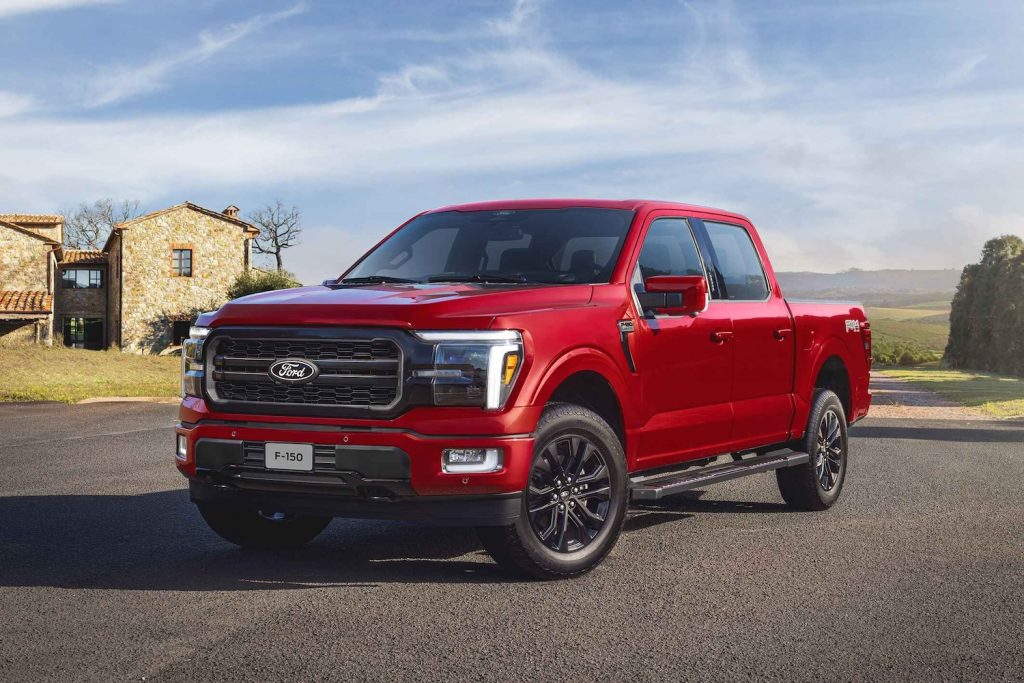
7. Ford F-150
The Ford F-150 ranked seventh in the NICB’s 2025 statistics, with 10,102 reported thefts. It is one of the most widely used pickups in the United States, serving families, construction crews, businesses, and fleet operators.
Its popularity creates a large pool of vehicles and replacement parts, making it an attractive target for different types of theft. The NICB figure covers all model years rather than measuring the theft probability of a particular generation.
The F-150’s value can make it appealing to thieves looking for a complete pickup, but individual components are also expensive. Wheels, tailgates, catalytic converters on applicable configurations, and other parts can attract attention.
Some thefts involve the entire truck, while others involve specific components. The NICB’s model-level total does not separate those categories, so it should not be presented as a count of complete-vehicle thefts alone.
Security equipment varies considerably across the F-150’s long production history. Newer versions may offer factory alarms, coded keys, remote access, and connected vehicle features, depending on trim and equipment.
Older examples may have fewer protections. Buyers should test the alarm, inspect the locks and ignition, and confirm that every key or remote fob is properly programmed.
For an additional layer of protection, owners can use a steering-wheel lock, secure the truck in a garage, and consider a professionally installed tracking system. Pickup owners should also pay attention to tailgate security, particularly when the truck is regularly parked in public areas.
A used F-150 can be a practical purchase, but its popularity means buyers should not overlook theft prevention. Check the VIN for available theft records and verify that the truck has not been recovered after a previous theft.
8. Toyota Camry
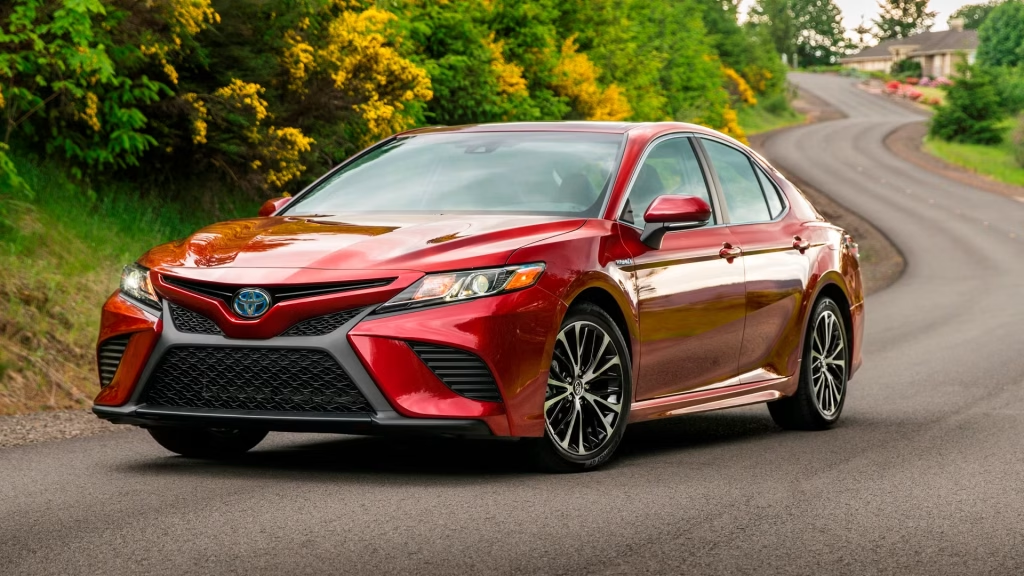
The Toyota Camry completed the NICB’s 2025 top-eight list with 9,833 reported thefts. Its presence is unsurprising given how many Camrys have been sold and driven in the United States over several decades.
The sedan is popular with private owners, commuters, and used-car buyers, which creates a substantial population of vehicles on American roads. A large theft count, however, does not automatically mean that every Camry has an unusually high individual theft risk.
Camry security equipment has changed over the years. Newer versions generally offer more advanced electronic protection than older models, and features can vary by trim and model year.
Buyers should check whether the vehicle has an engine immobilizer, factory alarm, and smart-key system where applicable. It is also sensible to verify that all original keys and remote fobs are present and functioning.
The Camry’s popularity in the used-parts market is another factor worth considering. Components such as body panels, wheels, lighting assemblies, and mechanical parts can be valuable because so many vehicles use them. This makes basic precautions worthwhile even when the car has modern factory security.
Before purchasing, inspect the door locks, ignition area, steering column, and wiring for signs of tampering. Run the VIN through NICB VINCheck to look for certain theft and salvage records reported by participating insurers.
Remember that this free service does not replace a complete vehicle-history report or a professional inspection.
Owners can reduce exposure by parking in secure, well-lit locations, locking the doors, and never leaving keys inside the car. A visible steering-wheel lock or an additional tracking device can provide further protection.
The Camry remains a popular and practical used sedan, but its 2025 theft ranking is a useful reminder to consider security alongside mileage, condition, and maintenance history.