Automatic emergency braking is designed to prevent collisions by detecting pedestrians and applying the brakes when a driver fails to react in time. However, these systems do not always perform equally well after sunset.
Limited visibility, weaker headlight illumination, and difficulties recognizing pedestrians in darkness can reduce their effectiveness. Testing by the Insurance Institute for Highway Safety (IIHS) has exposed several vehicles whose pedestrian detection systems struggled during nighttime evaluations.
This list examines ten vehicles with particularly weak results, using documented American safety testing rather than assumptions about their technology or manufacturer claims.
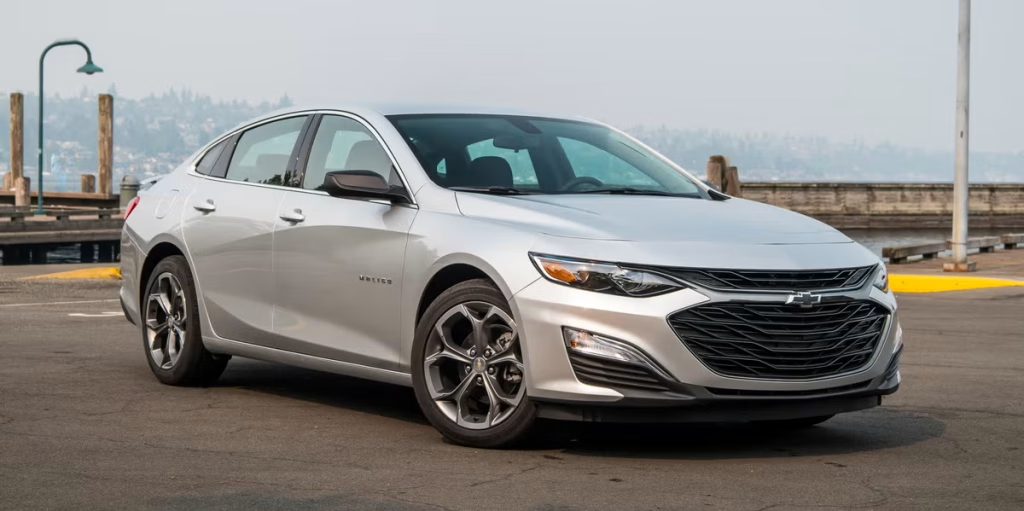
1. Chevrolet Malibu: No Credit in IIHS Nighttime Pedestrian Testing
The 2022 Chevrolet Malibu was among the weakest performers in the IIHS nighttime pedestrian automatic emergency braking evaluation. Its optional pedestrian detection system received No Credit, meaning it failed to demonstrate meaningful speed reduction across multiple test situations.
This was particularly concerning because the technology is intended to help drivers recognize pedestrians who may be difficult to see after sunset.
IIHS conducted its evaluation using adult pedestrian dummies positioned both across the vehicle’s path and parallel to the roadway.
The tests included crossing scenarios at 12 and 25 mph, along with parallel pedestrian scenarios at 25 and 37 mph. The adult tests were performed in darkness using both low-beam and high-beam headlights.
The Malibu’s system struggled to slow the vehicle adequately in several of these situations. IIHS reported that vehicles receiving No Credit either failed to reduce speed or barely slowed before reaching the pedestrian dummy in multiple test runs.
One important detail is that the tested pedestrian braking equipment was optional rather than standard on the evaluated Malibu. Buyers therefore needed to distinguish between vehicles equipped with the system and those without it.
The results do not mean every Malibu will strike a pedestrian, nor do they establish that the vehicle has poor conventional braking performance. The evaluation specifically measured automatic pedestrian detection and braking assistance.
For used-car shoppers, this is a useful reminder that having an advertised safety feature does not guarantee strong real-world performance. Checking the exact equipment configuration and independent safety test results is essential before purchasing an older vehicle.
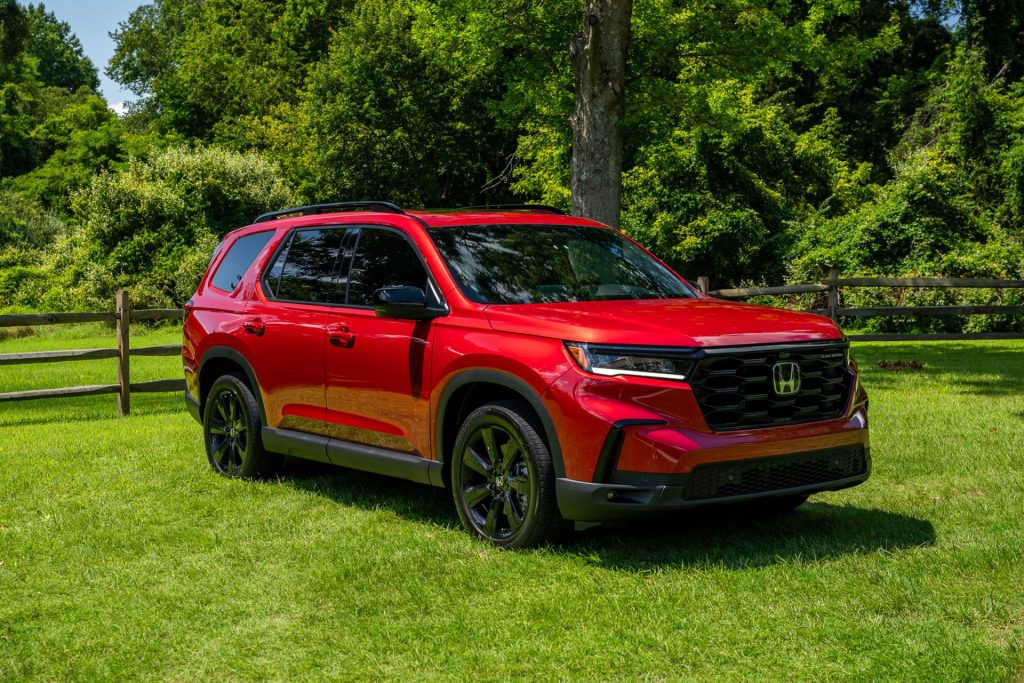
2. Honda Pilot: No Credit for Nighttime Pedestrian Autobraking
The 2022 Honda Pilot delivered another disappointing result in IIHS testing, receiving No Credit for its nighttime pedestrian automatic emergency braking performance.
This finding was significant because the Pilot is a relatively large family SUV, a vehicle category where front-end dimensions and visibility characteristics can make pedestrian detection particularly important.
Honda equipped the evaluated Pilot with standard pedestrian detection technology, but the system struggled to prevent or meaningfully reduce impacts during several nighttime test scenarios.
The IIHS evaluation used an adult pedestrian dummy crossing the vehicle’s path and another positioned parallel to the road. Testing covered different speeds, including 12, 25, and 37 mph, with headlights operating on low and high beams.
The results showed that the pilot’s system did not provide sufficient braking assistance in multiple situations. Vehicles receiving No Credit generally showed little or no meaningful speed reduction before reaching the pedestrian dummy.
This is a particularly important limitation when a driver encounters someone walking along an inadequately illuminated road.
The finding should not be confused with the pilot’s conventional brake performance or its ability to protect occupants during a crash. IIHS was evaluating the effectiveness of its pedestrian crash-prevention technology, not conducting a general braking-distance comparison.
It is also important to remember that this result applies specifically to the tested 2022 model and its evaluated equipment. It should not automatically be applied to every later pilot generation.
For families considering a used example, the result reinforces the importance of checking independent crash-prevention evaluations rather than relying exclusively on the presence of Honda Sensing or other advertised driver-assistance features.
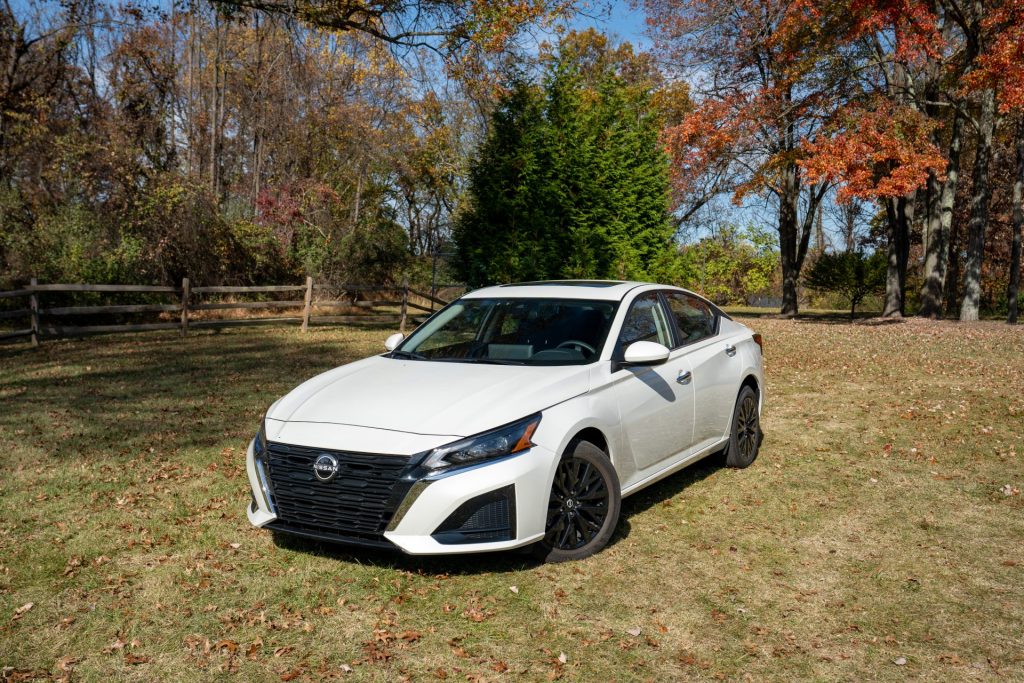
3. Nissan Altima: No Credit Despite Strong Daytime Performance
The 2022 Nissan Altima produced one of the more surprising results in the IIHS nighttime pedestrian braking evaluation. Its standard Automatic Emergency Braking with Pedestrian Detection system received No Credit, despite earning an Advanced rating in the daytime pedestrian crash-prevention test.
This difference demonstrates how a vehicle’s ability to recognize pedestrians can change considerably when natural lighting disappears.
The IIHS evaluated the Altima using adult pedestrian dummies crossing the vehicle’s path and walking parallel to the road. Testing included speeds of 12, 25, and 37 mph, with both low-beam and high-beam headlights. The Altima performed better in some high-beam situations, but its braking assistance became considerably less effective under low beams.
For example, during the 12-mph crossing test, the vehicle avoided a collision with high beams but reduced impact speed by only 5 mph with low beams. In the 25-mph crossing test, impact speed was reduced by 4 mph with high beams and 3 mph with low beams. In the 37-mph parallel test, the reduction was 14 mph with high beams but just 1 mph with low beams.
These results explain why the system failed to earn a nighttime rating despite showing some ability to slow the vehicle. The test also recorded a warning just 0.2 seconds before impact in the high-speed low-beam parallel scenario, leaving very little time for driver intervention.
Importantly, this finding applies to the evaluated 2022 Altima configuration, specifically the 2.5 S trim. It does not mean every Altima generation performs identically.
For used-car shoppers, the Altima demonstrates why daytime safety ratings should not be treated as proof of effective nighttime pedestrian protection.
4. Toyota Tacoma: No Credit for Nighttime Pedestrian Braking
The 2022 Toyota Tacoma crew cab was another vehicle that failed to earn credit in the IIHS nighttime pedestrian crash-prevention evaluation. Its standard pre-collision system with pedestrian detection struggled to recognize and respond effectively to adult pedestrian targets in several darkness-based testing scenarios.
This result is particularly relevant for pickup buyers. The Tacoma’s elevated driving position and taller front-end design make pedestrian detection technology an important additional safety feature, especially when driving through poorly illuminated residential streets or urban areas.
IIHS tested the truck using adult pedestrian dummies positioned across the vehicle’s path and parallel to the roadway. The evaluation included crossing tests at 12 and 25 mph, along with parallel tests at 25 and 37 mph. Both low-beam and high-beam headlights were used to assess how lighting conditions affected the system.
The results were disappointing. During the 12-mph crossing test, the Tacoma reduced impact speed by only 3 mph with high beams and failed to slow with low beams. At 25 mph, it failed to slow in either lighting condition. In the 25-mph parallel test, impact speed fell by 7 mph with high beams, but the system failed to slow with low beams.
The 37-mph parallel test showed similarly limited assistance. The truck reduced impact speed by 5 mph with high beams and 2 mph with low beams, while issuing its warning shortly before impact.
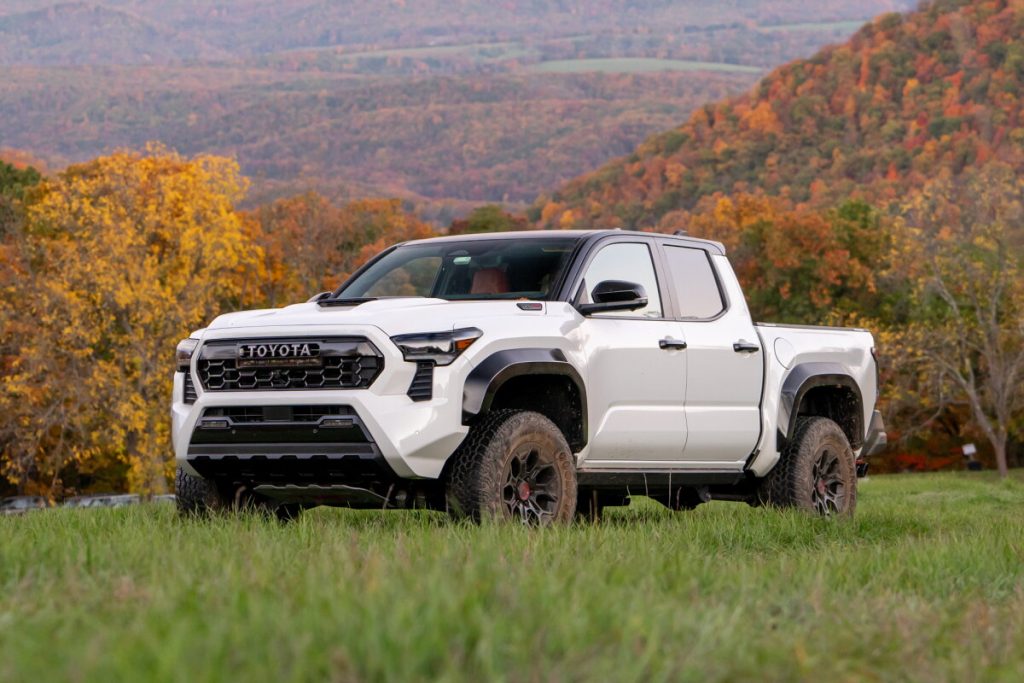
The IIHS assigned the system No Credit, reflecting its inability to provide sufficient nighttime crash prevention. This rating applied to the evaluated 2022-2023 Tacoma configurations.
Pickup owners should remember that pedestrian detection technology provides an additional layer of protection, but it does not replace attentive driving or the need to maintain appropriate speeds, especially at night.
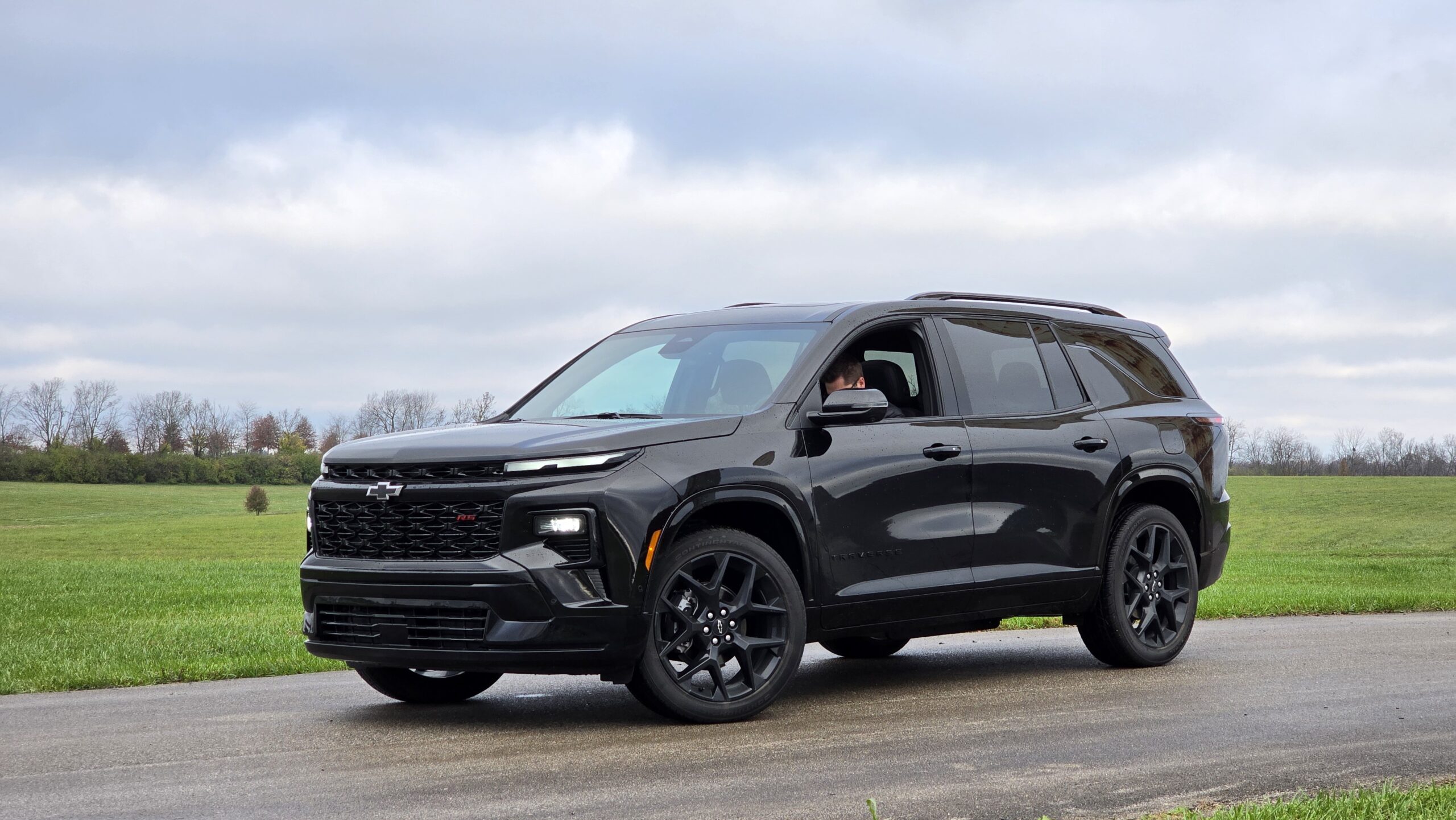
5. Chevrolet Traverse: Basic Nighttime Pedestrian Protection
The 2022 Chevrolet Traverse performed better than the vehicles receiving No Credit, but its nighttime pedestrian automatic emergency braking system still earned only a Basic rating from IIHS.
This placed it among the vehicles that demonstrated some ability to reduce collision severity but struggled to provide dependable protection across the full range of nighttime testing situations.
The Traverse was evaluated using adult pedestrian targets positioned both across the vehicle’s path and parallel to the roadway. IIHS conducted crossing tests at 12 and 25 mph, followed by parallel tests at 25 and 37 mph.
Both low-beam and high-beam headlights were used to determine how effectively the system could identify pedestrians under different lighting conditions.
A basic rating indicates that the system provided limited assistance compared with vehicles receiving advanced or superior ratings.
Some vehicles in this category managed to avoid pedestrian impacts at lower speeds, but their performance deteriorated as test speeds increased. None of the Basic-rated vehicles avoided collisions in the higher-speed crossing and parallel scenarios.
The Traverse’s equipment availability is another important consideration. IIHS listed pedestrian automatic emergency braking as standard or optional, depending on the configuration. Therefore, buyers should not assume that every 2022 Traverse has identical pedestrian detection equipment.
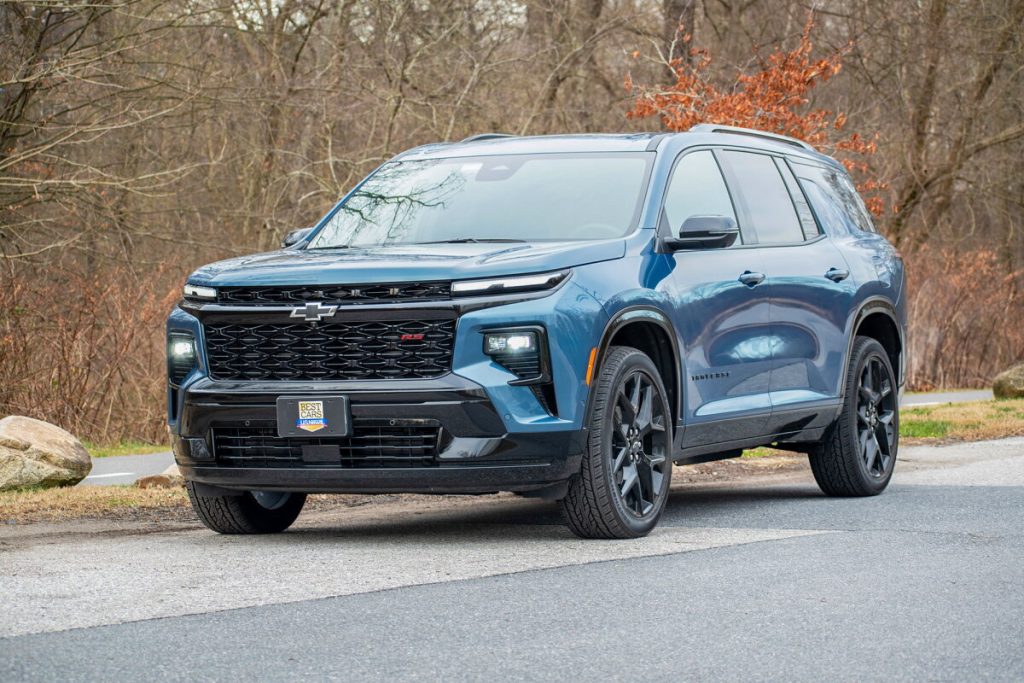
The result also needs to be interpreted in the context of the vehicle’s wider safety package. A basic nighttime rating does not mean that the Traverse has ineffective conventional brakes or poor crashworthiness. It specifically describes the performance of its pedestrian crash-prevention technology in darkness.
For families purchasing a used three-row SUV, this is an important distinction. A vehicle can offer substantial passenger space and useful safety equipment while still having limitations in one particular crash-prevention function. Checking the exact trim and installed technology is essential.
6. Ford Explorer: Limited Pedestrian Detection After Dark
The 2022 Ford Explorer received a Basic rating in IIHS nighttime pedestrian crash-prevention testing. Its pedestrian automatic emergency braking system was standard, which meant buyers did not need to select an additional package to obtain the evaluated technology.
However, standard availability did not translate into particularly strong performance after dark.
The IIHS nighttime evaluation examined how effectively the Explorer detected adult pedestrian dummies under low-beam and high-beam headlights.
The tests included pedestrians crossing the vehicle’s path at 12 and 25 mph and walking parallel to the roadway at 25 and 37 mph. These scenarios were designed to represent situations where drivers might encounter pedestrians on poorly illuminated roads.
The Explorer demonstrated some ability to reduce collision severity, but it did not achieve the stronger performance required for an Advanced or Superior rating. In the wider group of Basic-rated vehicles, IIHS found that performance was particularly limited at higher test speeds. None avoided collisions in the higher-speed crossing or parallel scenarios.
This result is worth considering because the Explorer is frequently used as a family vehicle. Its three-row configuration, relatively substantial body, and everyday use on suburban roads make pedestrian protection an important part of its safety profile.
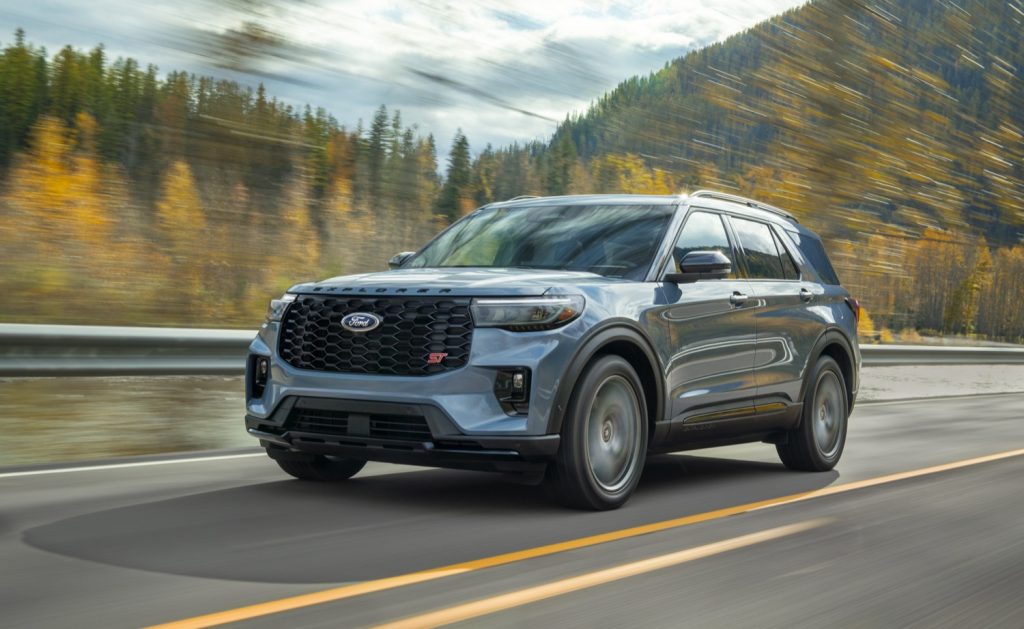
It is important to clarify that the Explorer’s Basic rating does not apply to its entire safety package. IIHS assesses individual crash-prevention systems separately, so strong performance in vehicle-to-vehicle braking does not necessarily indicate the same level of effectiveness in pedestrian detection.
For used buyers, the 2022 Explorer’s result is a reason to look beyond equipment lists. Having automatic emergency braking is useful, but the system’s ability to recognize pedestrians in darkness is what ultimately determines its value in this particular situation.
7. Ford Maverick: Basic Rating for Nighttime Pedestrian Braking
The 2022 Ford Maverick crew cab earned a Basic rating in IIHS nighttime pedestrian crash-prevention testing. Although the compact pickup offered pedestrian automatic emergency braking, its system did not demonstrate the level of performance achieved by the four vehicles receiving Superior ratings in the same evaluation.
The Maverick’s result is particularly interesting because compact pickups are frequently used in urban and suburban environments. Drivers may encounter pedestrians near intersections, shopping areas, residential streets, and parking lots.
In these locations, automatic emergency braking can provide an additional opportunity to prevent an impact when a driver reacts too slowly.
IIHS evaluated the Maverick against adult pedestrian dummies crossing the vehicle’s path and walking parallel to it. The assessment included different vehicle speeds, ranging from 12 to 37 mph, and both low-beam and high-beam headlight conditions.
The system earned Basic rather than Advanced or Superior because its performance was limited across the complete testing program. IIHS reported that vehicles in the Basic category sometimes avoided impacts in lower-speed situations but struggled when test speeds increased. None avoided collisions in the higher-speed crossing or parallel scenarios.
It is important not to confuse this result with the Maverick’s conventional braking capability. The evaluation did not establish that its brake hardware was defective or that it required longer stopping distances during normal driver-controlled braking. It specifically examined the automatic system’s ability to identify pedestrian targets and intervene.
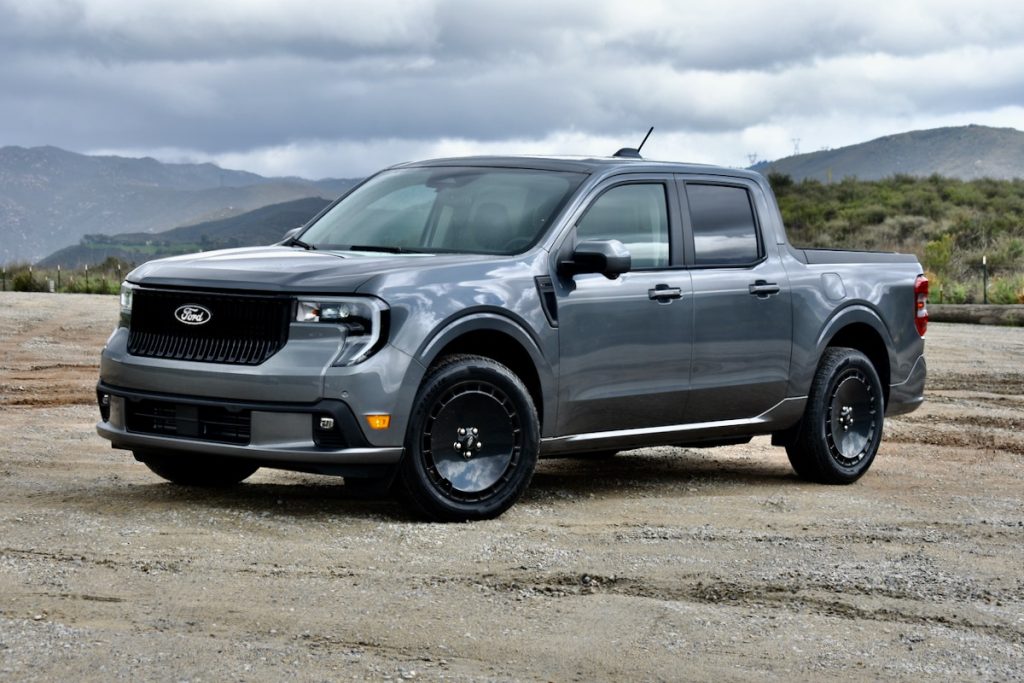
Equipment availability also deserves attention when shopping for a used example. The evaluated 2022 crew cab had standard pedestrian braking technology, but buyers should verify the exact equipment and model-year specifications of any individual truck.
The Maverick remains a practical small pickup, but its nighttime pedestrian detection results show that automatic braking technology can have meaningful limitations.
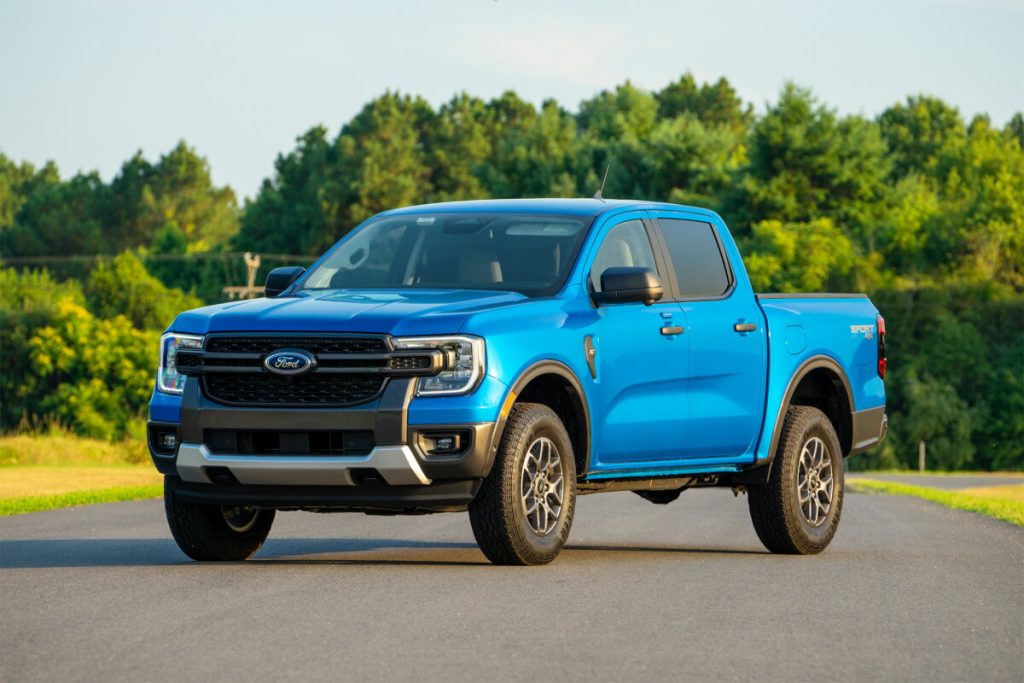
8. Ford Ranger: Basic Performance in Dark Road Conditions
The 2022 Ford Ranger crew cab received a Basic rating in the IIHS nighttime pedestrian crash-prevention evaluation. The result placed it in the same performance category as several other vehicles that showed some braking assistance but failed to deliver sufficiently consistent pedestrian protection in darkness.
The Ranger’s standard pedestrian automatic emergency braking system was designed to recognize people in front of the vehicle and intervene when a collision appeared likely. However, the IIHS evaluation demonstrated that the technology had limitations when visibility was reduced.
Testing involved adult pedestrian dummies crossing the Ranger’s path and walking parallel to the vehicle. The crossing scenarios were conducted at 12 and 25 mph, while parallel pedestrian tests were performed at 25 and 37 mph. Both low-beam and high-beam headlights were used to examine how lighting affected detection and braking performance.
The Basic rating indicated that the system provided some assistance but did not consistently prevent collisions across the test conditions. IIHS found that Basic-rated vehicles generally struggled at higher speeds, with none avoiding impacts in the higher-speed crossing and parallel scenarios.
This is particularly relevant for pickup owners who regularly drive outside well-lit urban areas. A pedestrian walking along a rural road can be difficult to identify, especially when approaching vehicles are using low beams. Although high beams can improve visibility when used appropriately, drivers cannot rely on them in every traffic situation.
The Ranger’s result should not be interpreted as a judgment on its entire safety package. Its conventional brakes, crashworthiness, and other driver-assistance technologies were evaluated separately.
For used buyers, the 2022 Ranger’s nighttime rating is a useful reminder to check independent pedestrian safety testing before choosing a vehicle. Standard automatic braking is a valuable feature, but the quality of its performance matters just as much as its availability.
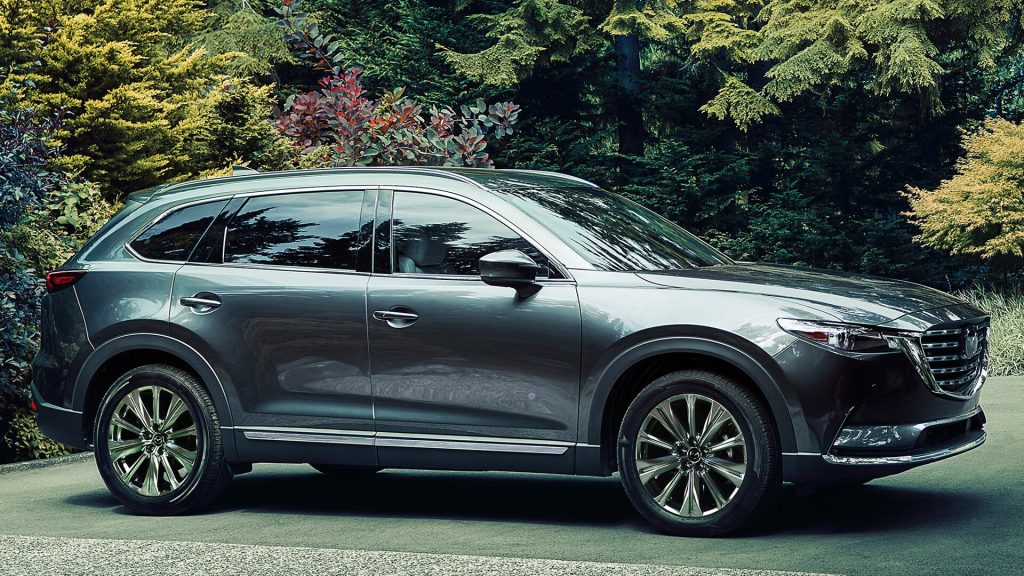
9. Mazda CX-9: Basic Nighttime Pedestrian Detection Rating
The 2022 Mazda CX-9 received a Basic rating in IIHS nighttime pedestrian crash-prevention testing. Although the SUV offered pedestrian detection technology, its performance did not reach the Advanced or Superior categories achieved by some competing vehicles in the same evaluation.
The CX-9 was assessed using adult pedestrian dummies positioned across the vehicle’s path and parallel to the road. The test program included crossing scenarios at 12 and 25 mph, along with parallel pedestrian situations at 25 and 37 mph.
Evaluators used both low-beam and high-beam headlights to establish whether the vehicle could recognize pedestrians under different nighttime visibility conditions.
The Basic classification reflects limited performance across the complete assessment. While some vehicles in this category could prevent impacts at lower speeds, the systems generally struggled as vehicle speed increased. IIHS reported that none of the Basic-rated vehicles avoided collisions during the higher-speed crossing or parallel tests.
For a three-row SUV, this limitation deserves attention. The CX-9 is designed primarily for family transportation, and its size makes pedestrian detection an important supporting safety feature when navigating crowded streets or residential areas after sunset.
However, a Basic pedestrian braking rating does not automatically make the CX-9 an unsafe vehicle. It received separate evaluations for crashworthiness, headlights, and other crash-prevention technologies. Those results should be considered independently rather than treating one rating as a complete assessment of vehicle safety.
Used-car shoppers should also verify the model year and equipment configuration before applying these findings to a particular vehicle.
The CX-9’s test results highlight an important limitation of modern safety technology. A pedestrian detection system may perform effectively in daylight but still struggle to identify pedestrians in low-light conditions, potentially reducing its effectiveness at night.
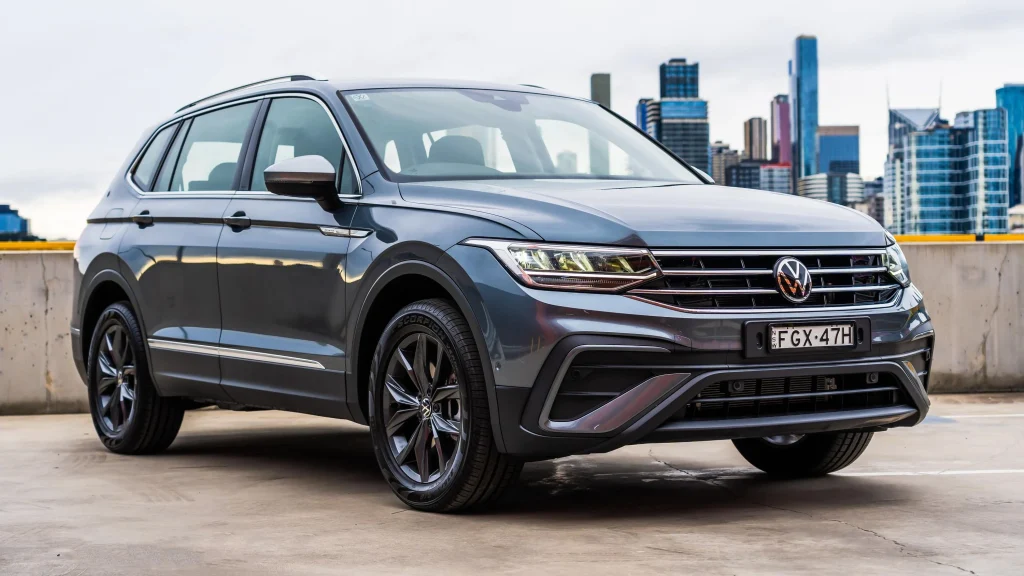
10. Volkswagen Tiguan: Basic Rating With Radar-Based Pedestrian Detection
The 2022 Volkswagen Tiguan appeared in IIHS’s Basic nighttime pedestrian crash-prevention category.
However, the result comes with an important qualification. The tested vehicle relied on a radar-only pedestrian detection system, and IIHS based its rating on the daytime evaluation rather than the camera-based nighttime testing conducted on other vehicles.
This distinction matters because radar-only systems can have different detection capabilities from systems combining radar and cameras.
Cameras provide visual information about a pedestrian’s appearance and position, while radar primarily measures the distance and movement of objects. Their performance can therefore differ depending on the technology and conditions involved.
The IIHS nighttime evaluation was designed around adult pedestrian targets crossing the vehicle’s path and walking parallel to it. Testing for the broader program included speeds of 12, 25, and 37 mph, using both low-beam and high-beam headlights.
The purpose was to determine how effectively automatic braking could identify pedestrians when natural lighting was unavailable.
The Tiguan’s Basic classification should not be interpreted as a direct measurement of its performance in every individual nighttime scenario. Because of its radar-only configuration, IIHS assigned the rating based on daytime results. It was not equivalent to a system receiving a Basic rating after completing the same full nighttime test sequence.
Nevertheless, the classification indicates that its pedestrian crash-prevention technology did not reach the stronger performance categories in the applicable assessment.
For American used-car buyers, this is an important reason to read the details behind safety ratings rather than relying exclusively on the category name. The Tiguan offers practical passenger space and useful technology, but its pedestrian braking assessment deserves attention when nighttime driving is a priority.