All-wheel drive looks like a smart buy on a used SUV. It gives you grip in rain, snow, and mud. But AWD adds parts that can fail. Transfer cases, rear differentials, couplings, and extra sensors all age with mileage.
Many of these systems need fluid changes that previous owners skipped. Neglect turns a small service into a large bill. Luxury badges add another layer of cost. Air suspension, turbocharged engines, and complex electronics are costly to fix out of warranty.
A cheap purchase price can hide a very expensive ownership story. That is how many buyers get burned. This list covers ten used AWD SUVs with documented, repeated problems. Each one is known for failures that can run into thousands of dollars.
I focused on model years and engines that owners and technicians report most often. Some problems were tied to recalls, extended warranties, or class action settlements.
Not every unit fails, and some years are far better than others. Maintenance history matters a great deal. Use this list as a checklist, not a verdict. Always get a pre-purchase inspection from an independent specialist.
Ask for service records before you negotiate. Verify any open recalls using the VIN. Walk away if the seller cannot show proof of key repairs. The right SUV is the one with a clean paper trail.
1. Land Rover Discovery Sport and Range Rover Evoque
These two share a platform and many parts. Both have a reputation for costly repairs. Early models used a ZF nine-speed automatic. Owners report rough shifts and software faults.
The 2.0-liter Ingenium four-cylinder has its own issues. Timing chain wear and oil-related complaints appear in owner reports. The rear driveline unit can also cause trouble. Fluid service is often ignored on these.
Electrical faults are common too. Infotainment glitches and warning lights show up often. Repair bills hit hard. A transmission replacement can cost $5,000 to $8,000.

Engine work can climb even higher. A failed engine may cost more than the SUV is worth. Parts and labor are pricey at specialist shops. Dealer rates are higher still.
Consumer surveys have repeatedly placed Land Rover near the bottom for reliability. That is a useful warning sign. If you still want one, buy a certified unit with a warranty. A complete service history is a must.
Check for software updates that were done on the transmission. Test-drive in stop-and-go traffic. Budget a repair fund of at least $2,000 per year. Treat any lower figure as optimistic.
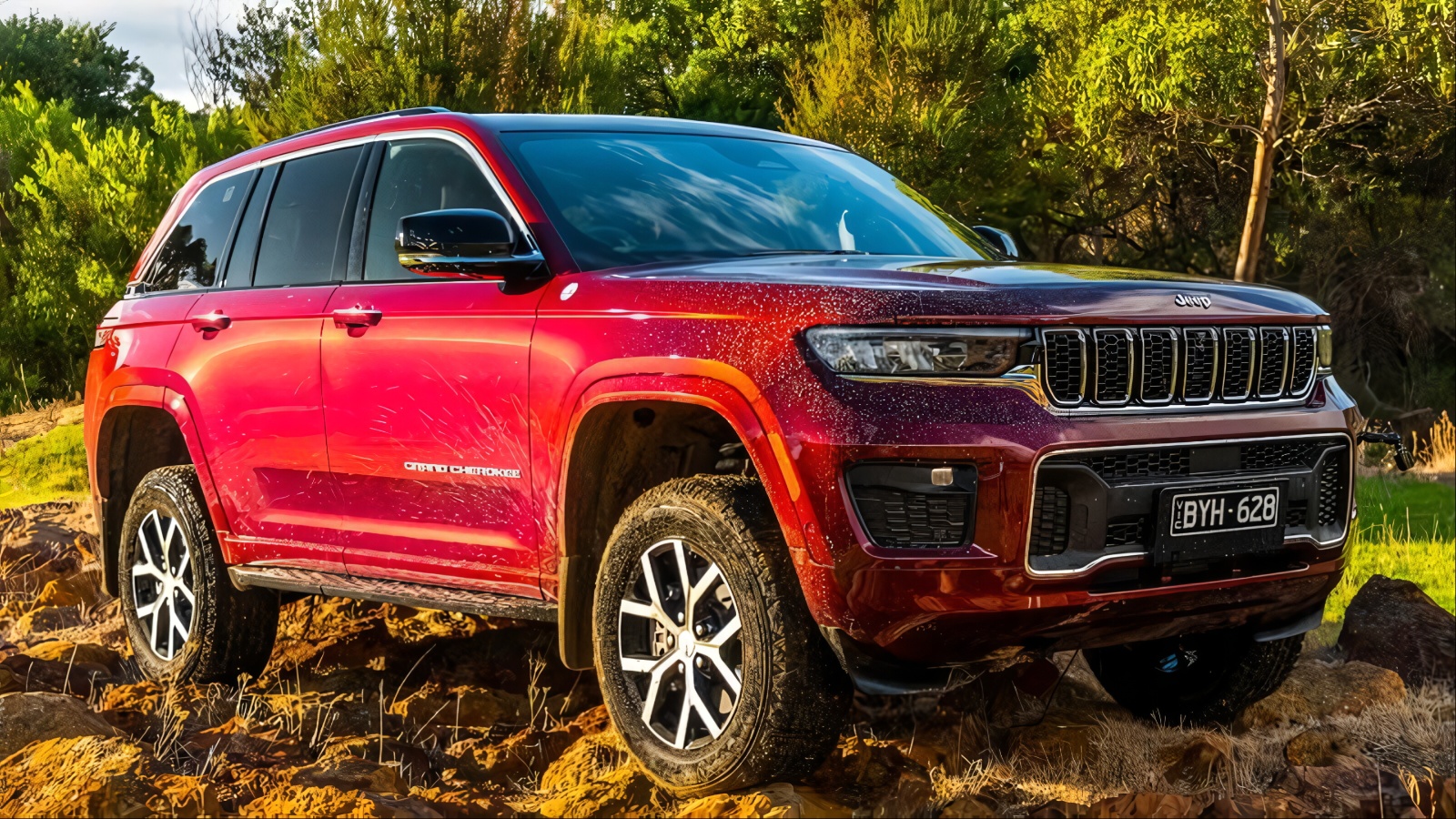
2. Jeep Grand Cherokee (2011–2016)
The Grand Cherokee is capable and comfortable. It also has several known weak points. The 3.6-liter Pentastar V6 can develop oil filter housing leaks. Early versions of that housing are the usual culprit.
Another concern is the electronic module that controls power distribution. Failures can cause stalling, no-start, and random electrical faults. Models with air suspension are riskier. The air springs and compressors wear out with age.
Replacing air suspension parts can cost $1,000 to $2,500 per corner. Some owners swap to coil springs to avoid the cost. The 8-speed automatic can also act up. Rough shifts and software problems are reported.
Owner forums and repair shops mention the same problems again and again. Recalls have covered several related issues. Expect repair bills between $1,500 and $3,500 for common faults. A module replacement alone can run $800 or more.
Ask whether the oil leak repair was done. Look for suspension warning lights during your test drive. Avoid air suspension trims unless you have a service record.
The base coil spring versions are simpler and cheaper to own. A 5.7-liter V8 version avoids the Pentastar leak but burns more fuel. Pick based on repair history, not just power.
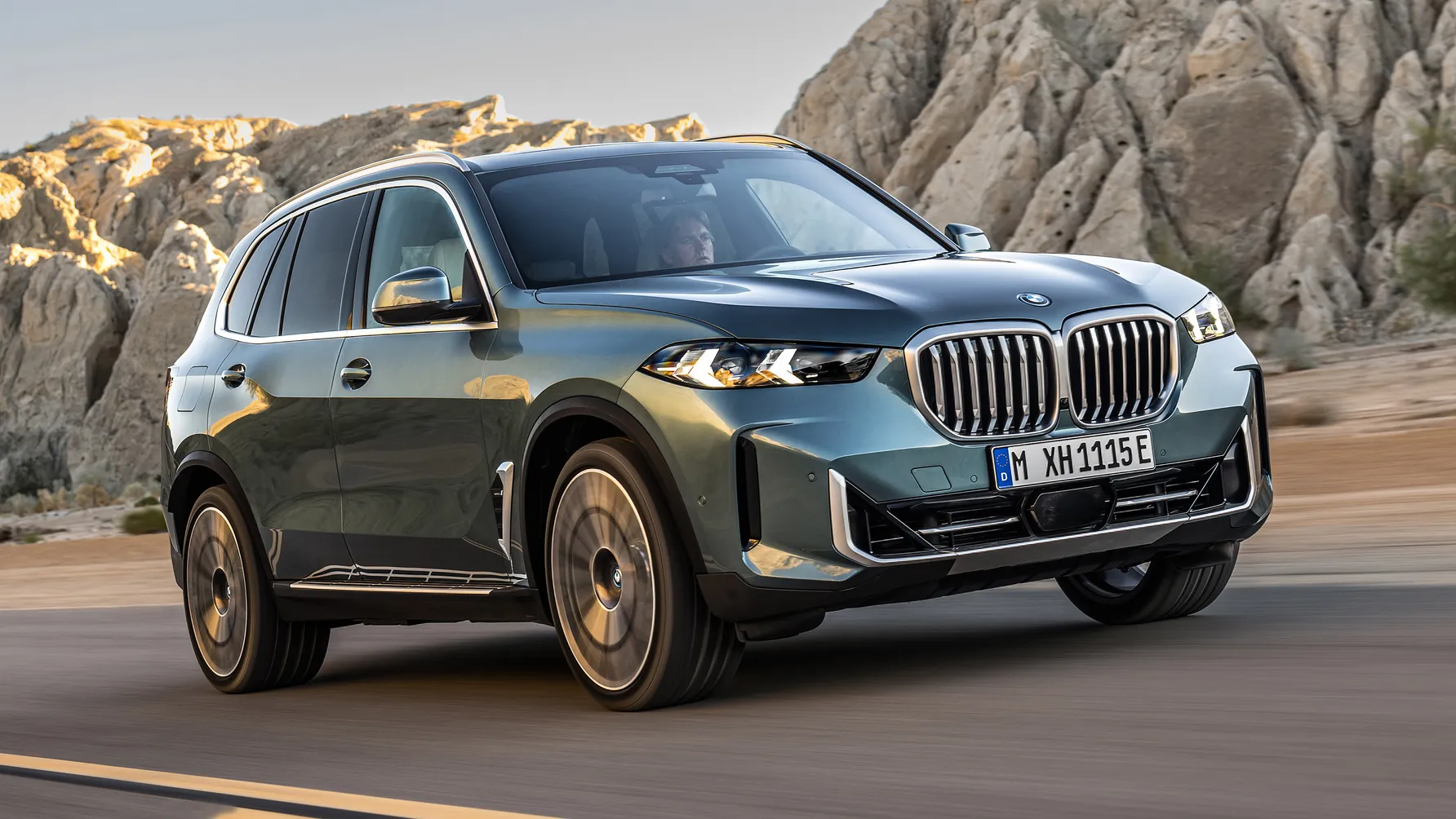
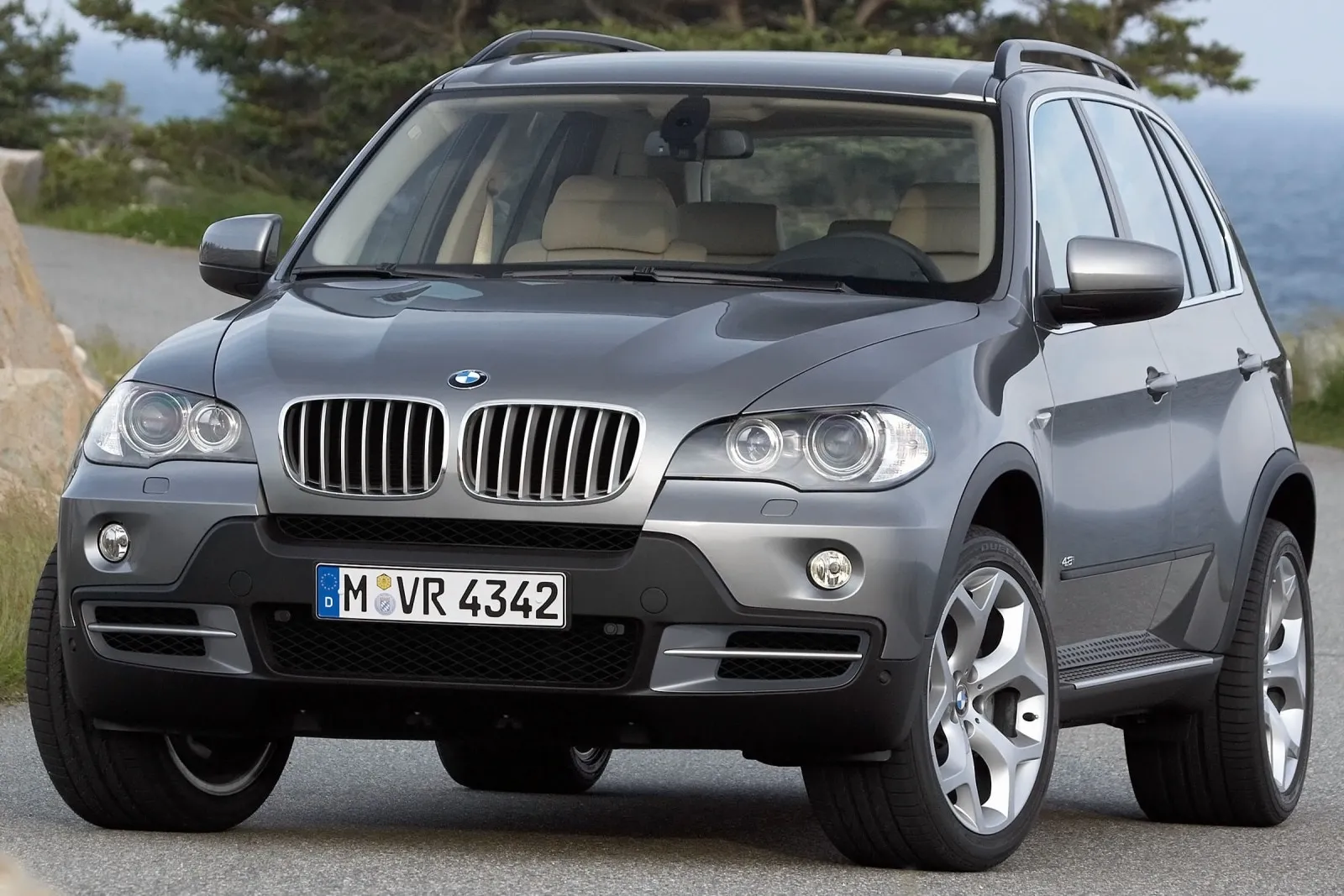
3. BMW X5 (2007–2013, especially the V8)
The X5 drives well. The early twin-turbo V8 is a known money pit. The N63 engine in the X5 50i has well-documented problems. Oil consumption, valve stem seals, and timing chain stretch are the main ones.
The turbochargers sit in the “hot-V” of the engine. Heat shortens the life of seals and hoses. BMW extended warranty coverage on some of these engine parts. It also revised the engine in later years.
Even so, many used cars are out of coverage now. Repairs fall squarely on the owner. A timing chain job can cost $3,000 to $6,000. A full engine rebuild can reach $10,000 or more.
Oil leaks from valve covers and gaskets are common on many BMW engines. Cooling system parts, like plastic fittings, also fail with age. The six-cylinder models are generally easier to live with. They still need regular maintenance to stay healthy.
Check for oil on the engine and under the car. Ask whether any recall or warranty repairs were completed. Have a BMW specialist scan for stored fault codes. Do this before you pay. If a clean V8 example is cheap, ask why. The answer is often a deferred repair.
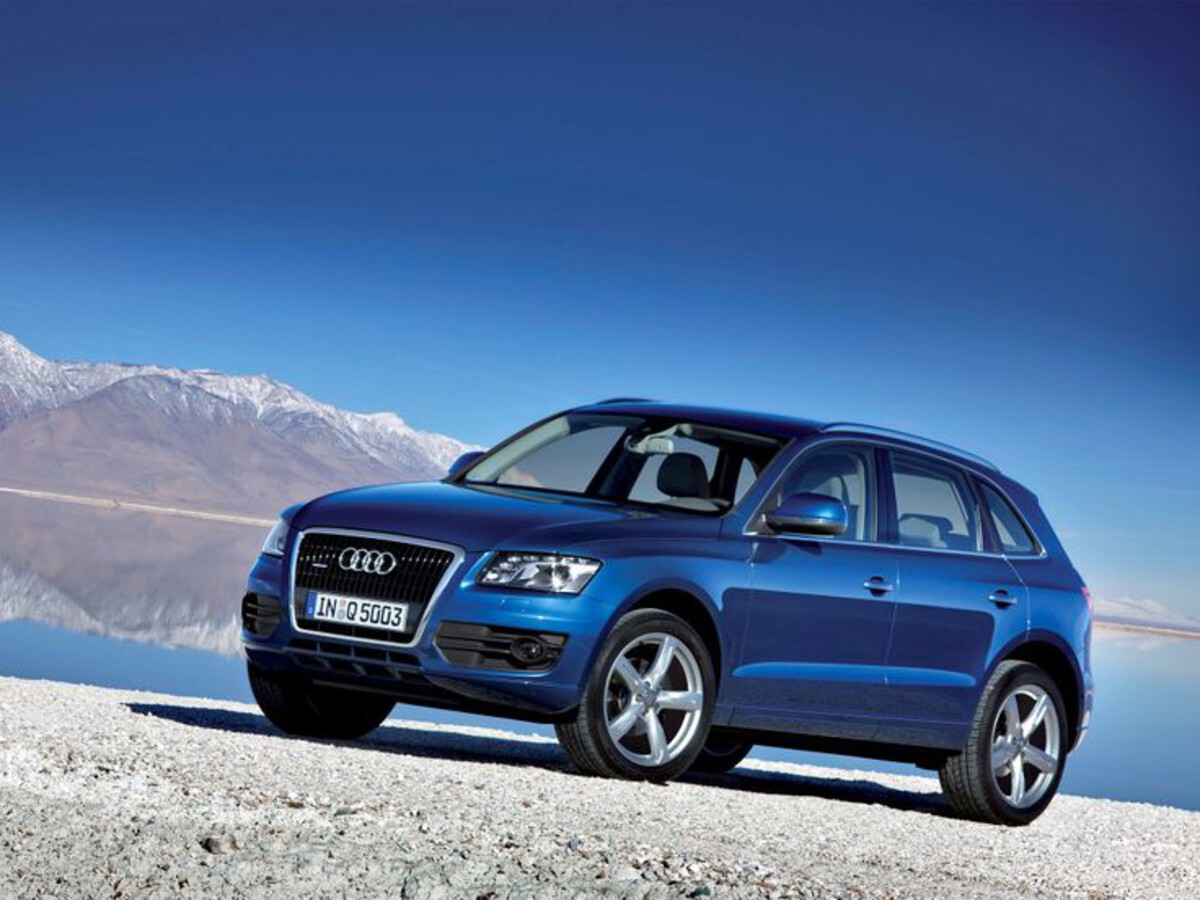
4. Audi Q5 (2009–2012, 2.0T)
The first-generation Q5 is stylish and refined. The 2.0-liter turbo engine has a troubled history. These engines were known to burn excessive amounts of oil. Audi faced a class action over the issue, and a settlement followed.
Piston ring design was cited as a cause. Low oil levels can quickly harm the engine. Timing chain tensioners are another weak spot. A failed tensioner can cause serious engine damage.
Repair costs are high. A tensioner and chain job often costs $2,500 to $4,500. An engine replacement can pass $8,000. Some owners find that costs exceed the car’s value.
The Q5 also has expensive routine service. Sunroof drains, water pumps, and carbon buildup add to the bill. Later model years improved the engine. A pre-2013 model deserves extra scrutiny.
Ask the seller how often they add oil between changes. A vague answer is a red flag. Check whether the piston ring or tensioner repair was done. Look for a dealer or specialist invoice. The supercharged V6 versions are stronger. They cost more to buy but may cost less over time.
5. Mercedes-Benz ML-Class (2006–2011)
The ML is a solid family hauler on paper. Age and complexity change the story. The 3.5-liter V6 in 2006 to 2008 models had balance shaft gear wear. This problem is widely reported by technicians.
When the gear fails, repair is major. Costs often reach $3,000 to $5,000 or more. Models with Airmatic air suspension carry extra risk. Air struts and compressors fail with age.
Each air strut can cost $1,000 to $2,000 installed. A sagging corner is the usual first sign. Electrical gremlins also appear. Control modules, sensors, and the 4Matic system can need work.
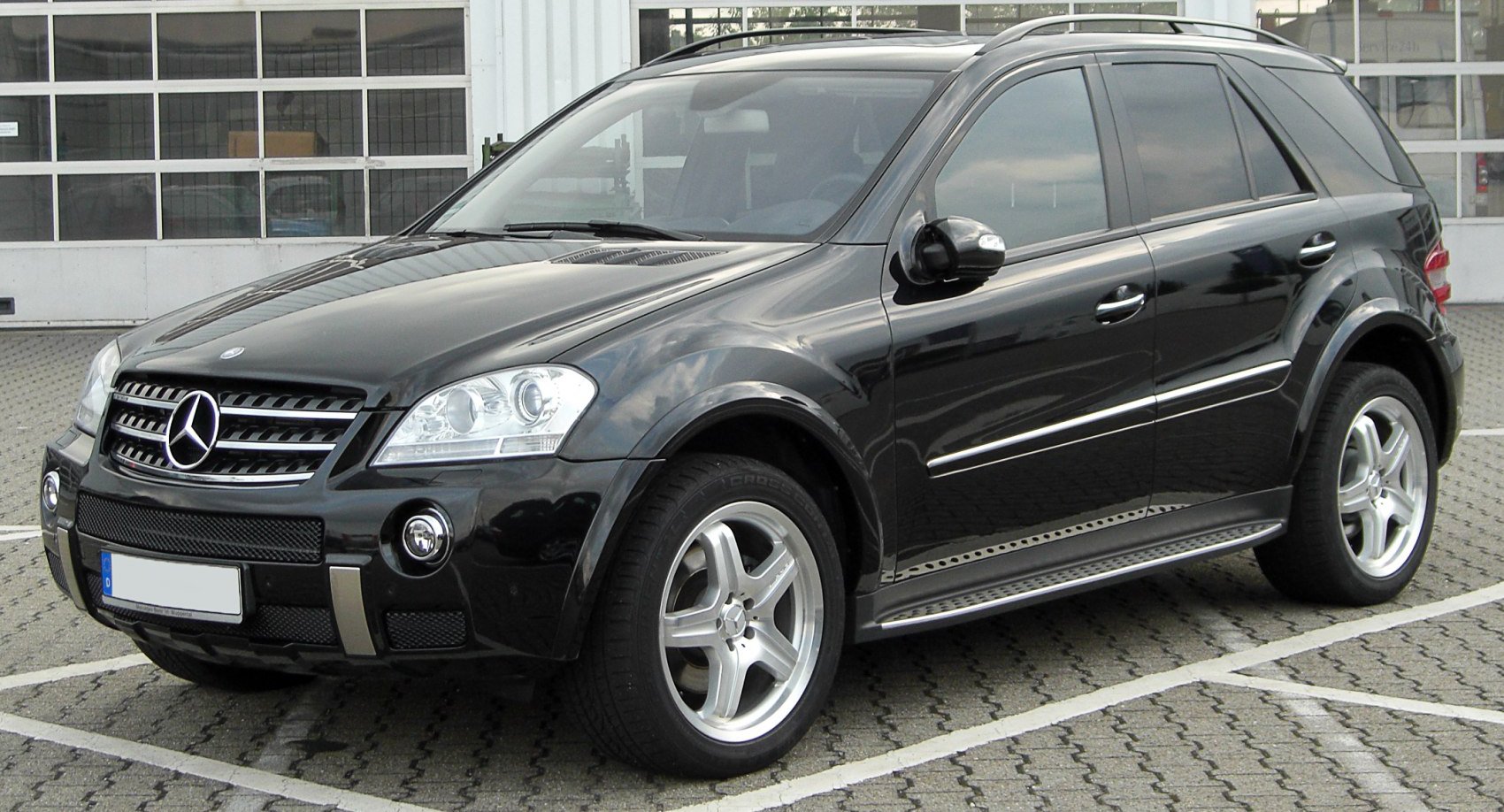
Diesel BlueTEC versions bring their own costs. Emissions parts, like the urea system, are expensive. Oil leaks from seals and gaskets are common on older units. Small leaks should not be ignored.
A specialist inspection is wise. Ask for a scan of every module, not only the engine. Choose a car with documented major services. Records of suspension work are a good sign.
A newer GLE replaced the ML, with improvements. Even so, air suspension still needs a budget. Skip any unit with warning lights on the dash. Fix costs usually exceed the seller’s estimate.
6. Volvo XC90 (First Generation, 2003–2014)
The first XC90 has a loyal following. It also has some pricey weak spots. Early automatic transmissions are a known concern. Many 2003 to 2006 models saw failures, especially with poor fluid care.
A rebuilt or replacement unit can cost $3,500 to $6,000. Some owners report failures before 100,000 miles. The turbocharged five-cylinder engines can suffer from a clogged crankcase ventilation system. The blockage causes oil leaks and seal damage.
That repair is cheap if caught early. It becomes expensive when seals blow. The AWD system uses a Haldex coupling. It needs fluid and filter service to last.
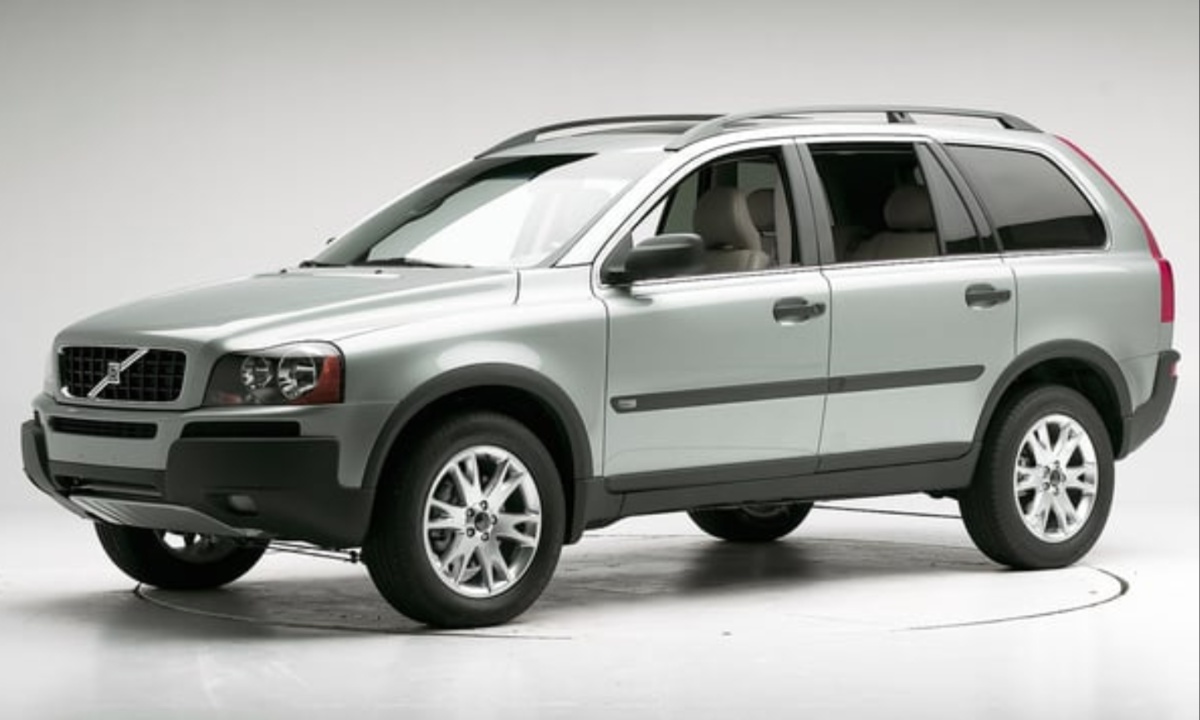
Suspension bushings and control arms wear out. Front-end clunks are a typical sign. The 4.4-liter V8 is rarer and costs more to maintain. Parts availability is also lower.
Check for evidence of ventilation system cleaning. Look at the transmission service history. A smooth-shifting car is a good sign. Hesitation or flaring between gears is a bad sign.
Budget for suspension refreshes on high-mileage examples. Small repairs add up quickly. Later models, after 2007, are generally regarded as better. Even so, age takes its toll.
7. Ford Explorer (2011–2019)
The Explorer is popular and easy to find used. Two issues deserve close attention. The Power Transfer Unit sends power to the rear wheels. It has a reputation for overheating and failing.
Replacement often costs $1,500 to $2,500. Fluid changes can extend its life. The 3.5-liter V6 uses an internal water pump. If the pump leaks, coolant can mix with oil.
That can destroy the engine. Replacing the pump means major disassembly and a bill of $2,000 to $3,500 or more. Some owners also reported exhaust fumes in the cabin. Ford issued service guidance, and investigations followed.
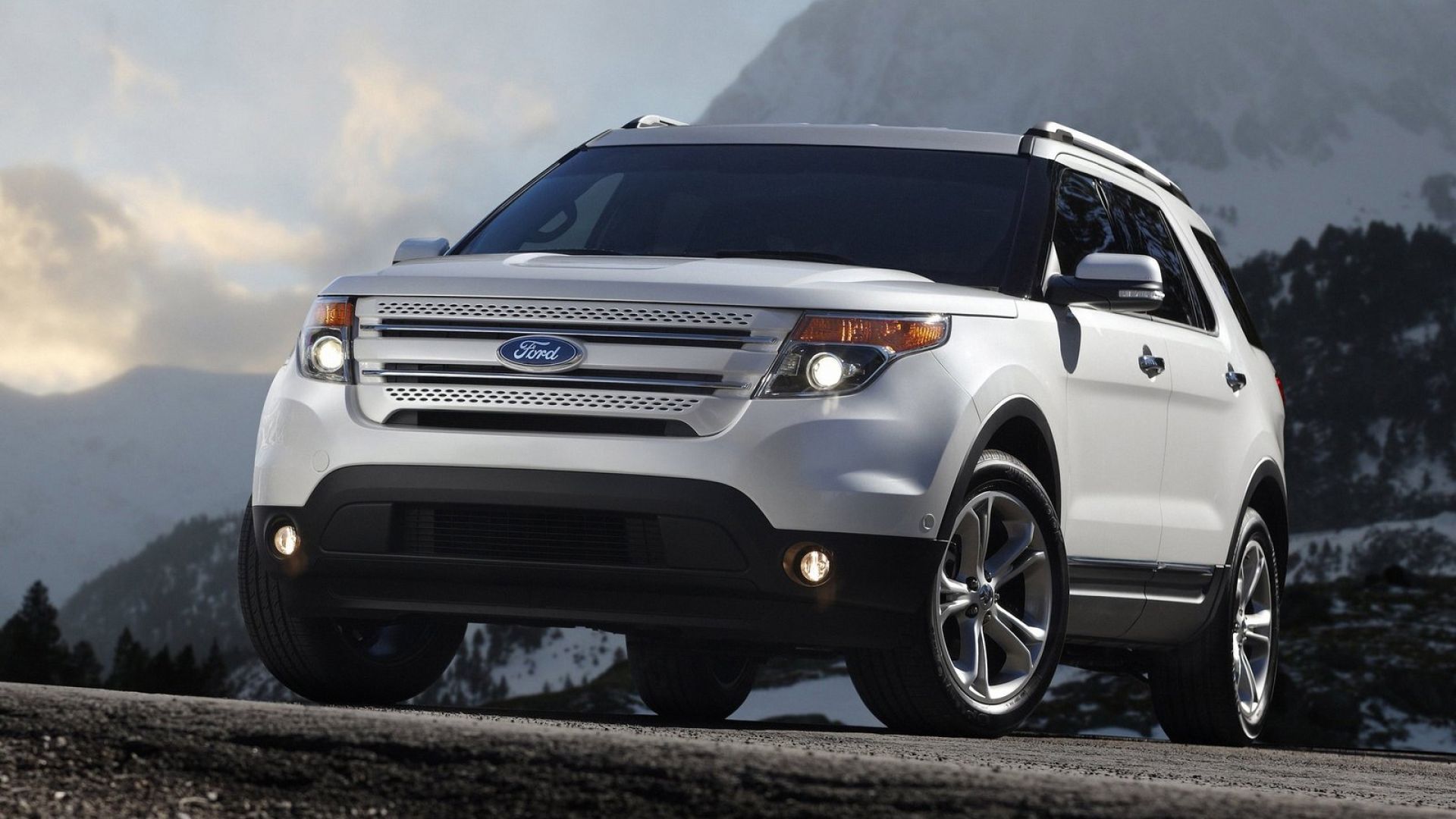
Other common complaints involve suspension parts and electronics. The touchscreen system also draws complaints. Check for any sign of coolant loss. A sweet smell or low coolant level is a warning.
Ask whether the PTU fluid was ever changed. A whining sound from the rear is a bad sign. Choose a model with documented cooling system service. That alone can save you thousands. The EcoBoost versions add turbo complexity. Check their records carefully.
8. Subaru Forester (2009–2018)
Subaru’s symmetrical AWD has a strong following. Its engines have had notable flaws. The older 2.5-liter EJ engine had head gasket problems. These were most common in earlier years of the design.
Repair usually costs $1,500 to $3,000. The job is labor-heavy because the engine is horizontally opposed. Newer 2.5-liter FB engines had oil consumption complaints. A class action covered some 2011 to 2014 models, and settlements followed.
Excess oil use can lead to engine damage if ignored. Owners must check levels often. Subaru’s CVT is another area to watch. Some owners report shudder and early failures.

CVT replacement can cost $3,500 to $5,500. Fluid service helps, but not always. Wheel bearings and struts also wear with age. They are minor compared with engine or CVT issues.
Ask about oil consumption directly. Review service records for any engine repairs. Test drive the CVT through the full range of speeds. Any shudder or whine should concern you. Manual transmission models avoid the CVT risk. They are harder to find but simpler.
9. Nissan Murano and Pathfinder (2009–2014)
These Nissans use a continuously variable transmission. That component is the main concern. Complaints about CVT failure are widespread. Shuddering, overheating, and loss of power are common.
Nissan extended CVT warranty coverage on some model years. Coverage depends on VIN and model, so verify it. Out of coverage, a replacement can cost $3,500 to $5,500. That can be a large share of the vehicle’s price.
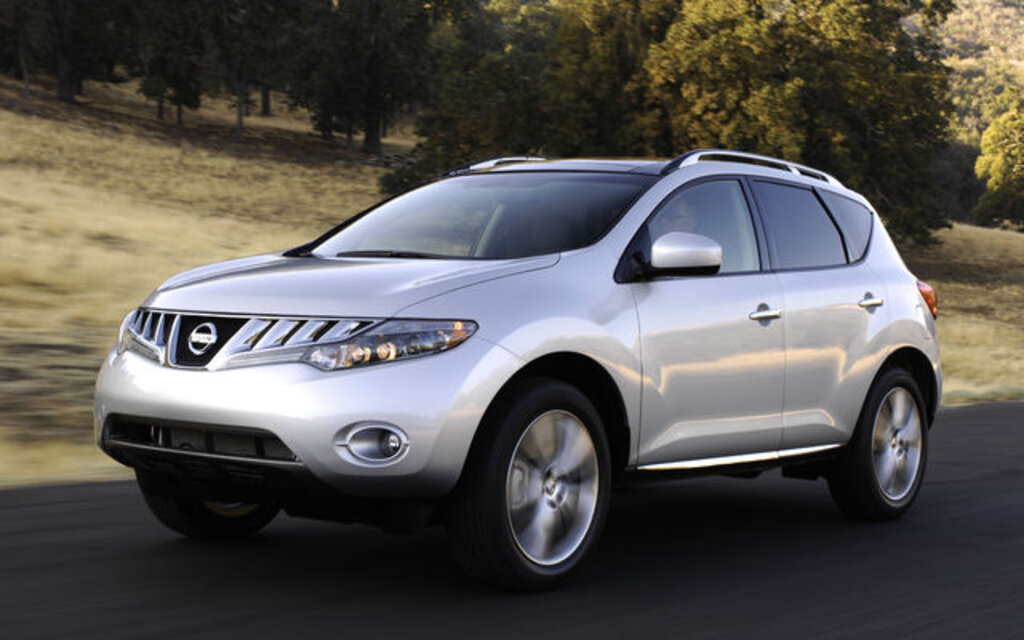
The Pathfinder had a design change in 2013. It moved to a unibody car-based platform with the CVT. Murano owners also report cooling and suspension issues. Wheel bearings and engine mounts wear out as well.
The AWD system itself is usually reliable. The transmission is the weak link. Ask for proof of CVT fluid changes. Nissan-specific fluid is required. Check whether any warranty repair was performed. A replaced unit with paperwork is often safer.
Test drive and listen for whine and shudder. Pay attention at low speeds. If you want a Nissan SUV, newer models after 2015 are improved. Verify the specific year.
10. Porsche Cayenne (2003–2010)
The Cayenne is a performance SUV at a bargain price. That price hides large bills. Early V8 engines used plastic coolant pipes in the engine valley. They can crack with age and heat.
A coolant leak can lead to overheating and engine damage. The repair costs $1,500 to $3,000, and more if damage occurs. The air suspension is another expensive area. Compressors, valve blocks, and struts fail with age.
Parts are expensive, and labor rates at Porsche specialists are high. A single strut can cost over $1,500. Transmission and transfer case issues also appear on some units. Torque converter and cooling problems are among them.
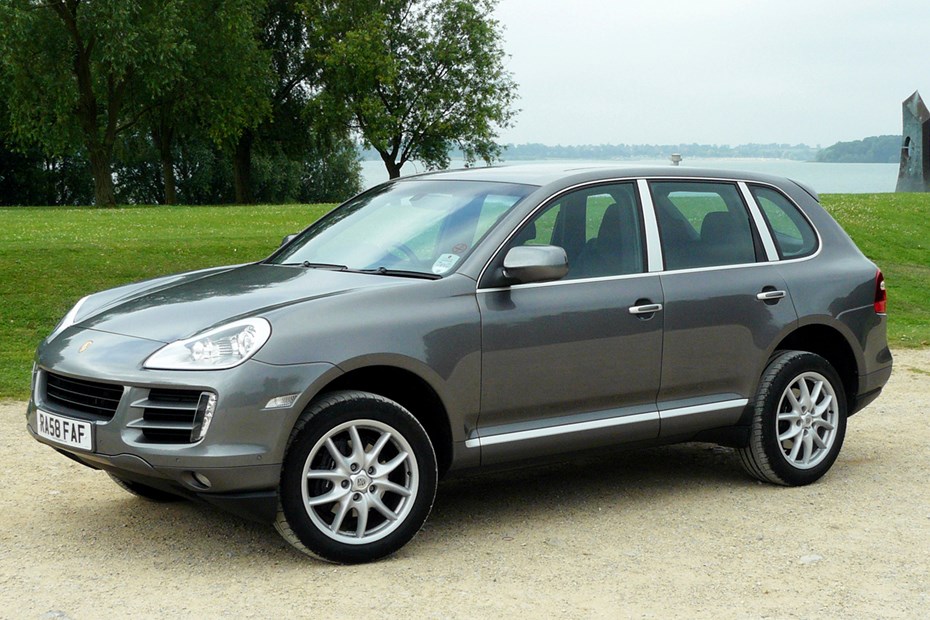
Water pumps and ignition parts are routine failures too. Even simple jobs cost more than on mainstream SUVs. The V6 models are less costly to buy. They are not immune to age-related problems.
Look for proof that the coolant pipes were replaced. Ask for suspension and transmission records. A pre-purchase inspection by a Porsche specialist is essential. It often costs $200 to $400 and can save thousands. Prepare a repair budget of $3,000 or more per year. If that number scares you, look elsewhere.