Automakers are increasingly favoring large touchscreens because they create a modern appearance, reduce manufacturing costs, and make vehicles more appealing to buyers. However, this shift has pushed everyday functions like climate control onto digital displays.
Adjusting the cabin temperature should be a simple, quick task, yet in many newer vehicles, it now requires drivers to look at the screen, navigate through menus, and wait for the controls to respond.
A Swedish car magazine tested this in 2026. Drivers adjusted climate settings, changed radio stations and dimmed the display at highway speed. The average distance travelled during those tasks rose to 813 metres. In 2022, it was 756 metres.
Even the best performer, the Volvo XC60, needed 485 metres. That is a long stretch of road with divided attention. Regulators have noticed. Euro NCAP began scoring physical controls in 2026. It did not ban touch-based climate controls, though. China has also moved to require physical buttons for some functions.
Carmakers are reacting too. Volkswagen, Mercedes-Benz and Polestar have all admitted they went too far. Yet many cars on sale today still bury basic comfort settings inside menus.
This list covers eight of them. Every point rests on reviews, test results and company statements. Some problems can be fixed with software. Others need a full redesign.
1. Tesla Model 3
Tesla made the all-screen cabin famous. The Model 3 remains its purest example. One central display runs nearly everything. Temperature arrows sit at the bottom of the screen. Fan speed, airflow mode and seat heaters need extra taps.
The original Model 3 had no physical way to aim the vents. Drivers dragged a finger across a diagram on the screen. A leading US consumer testing group called this out in its road test.
The refreshed Model 3 went further. It dropped the steering column stalks. Turn signals, wipers and the horn moved to touch-sensitive spots on the wheel.
That matters for climate too. Drivers already look away to the screen. Now they may also hunt for controls on the wheel. A British review called the loss of stalks infuriating at times. It also wished for real climate buttons. It noted that everything from heated and cooled seats to airflow direction needs the touchscreen.
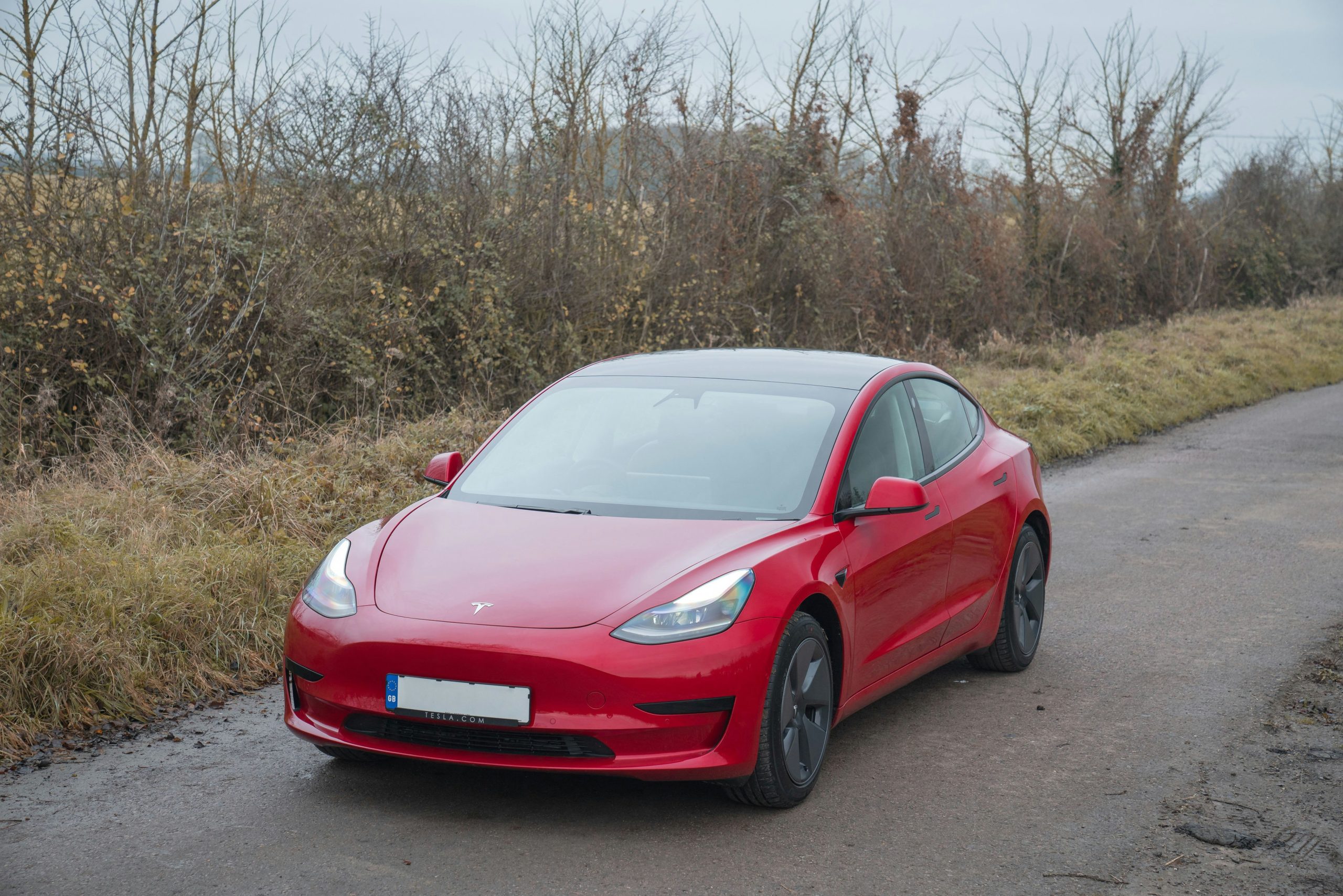
The 2024 car does give rear passengers an 8-inch screen of their own. That helps them. It does nothing for the driver who wants to clear a fogged windscreen fast.
Tesla has shown some flexibility. The updated Model Y kept its turn signal stalk. Reports say stalks are also coming to the 2026 Model 3 in China, with a retrofit offered in the US. Still, no physical climate button has arrived.
To be fair, the story is not one-sided. The Swedish test found Tesla’s touch-heavy layout beat several rivals that offer buttons. Auto mode also handles most weather without input.
Many owners enjoy the clean design. They say one finger on a vent diagram beats fiddling with plastic louvres. But “good enough most days” is not the same as safe. When the windscreen fogs, you want a control your hand can find blind. The Model 3 asks you to look. That is the core complaint.
2. Volkswagen ID.4
The ID.4 is the clearest case of an EV that confused style with usability. Volkswagen has said so itself. Below the screen sits a touch slider. It handles temperature and volume. There is no click, no bump and no feedback.
Reviewers described the sliders as finicky. They worked properly only some of the time. At first, they were not even backlit. Try finding them at night on a rough road. Your finger drifts. The temperature jumps the wrong way.
The steering wheel adds to the problem. It uses touch-sensitive pads instead of buttons. A brush of the thumb can trigger something you did not want.
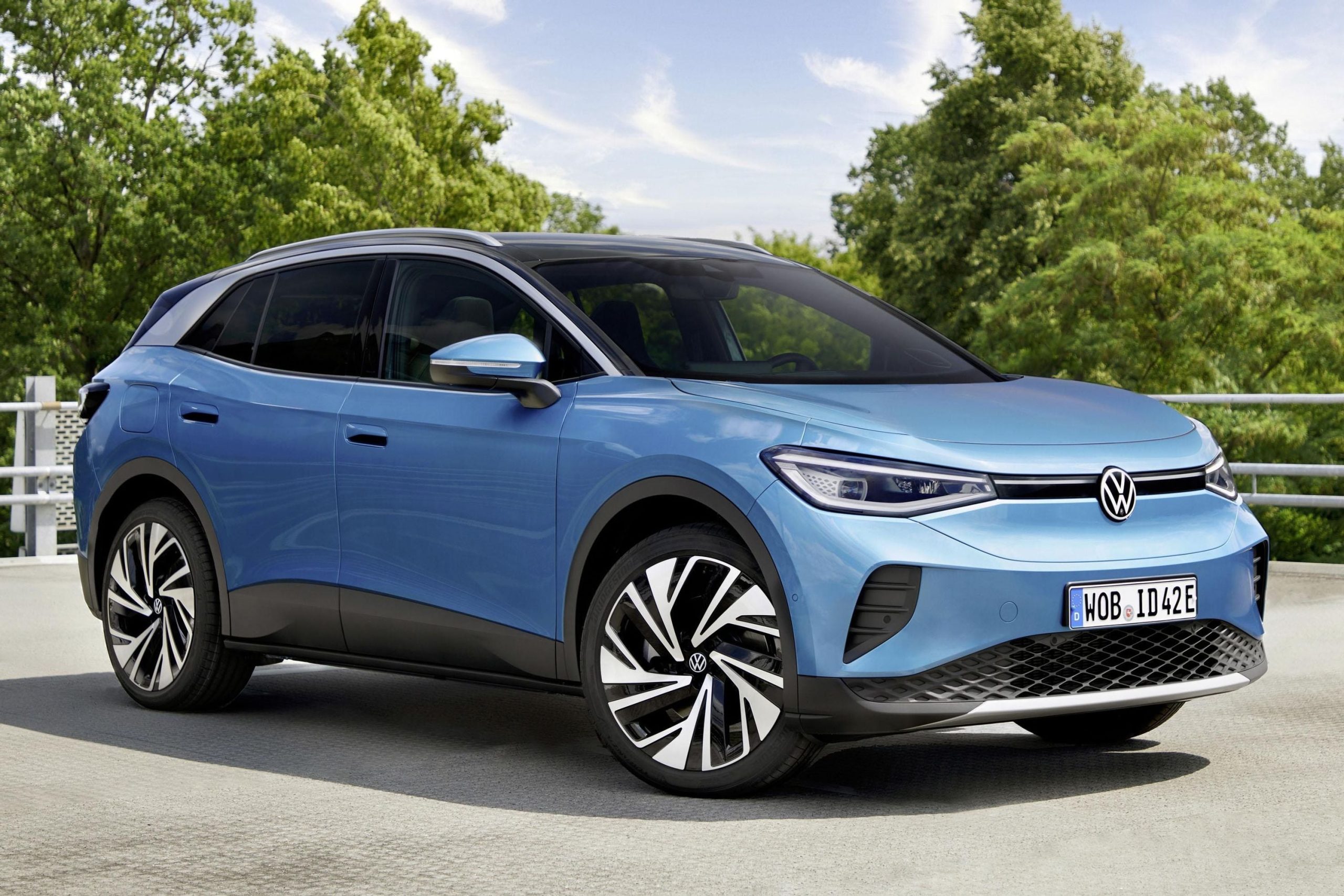
Other climate settings live in the screen menus. Fan speed, airflow and seat heating need more taps. Each tap pulls your eyes from the road. Volkswagen’s CEO admitted the touch-heavy layouts did a lot of damage to the brand. The design chief said customers expect real switches for important functions. The company has also vowed not to repeat the mistake.
The proof is in its newer concept cars. The ID.2all shows a row of backlit physical buttons for climate. It also has a rotary controller below the screen.
A motoring site pointed out the awkward truth. The production ID.4 cannot match that concept’s physical controls for climate and windows. That leaves current ID.4 owners with the old setup. Software updates can improve menus. They cannot add a button.
Used buyers should test the car at night before signing anything. Slide the temperature up and down without looking. If it feels like guesswork, that is because it is. The ID.4 is a decent family EV in many ways. Its climate controls are not one of them.
3. Volkswagen Golf GTI (Mk8)
The Golf is a legend. Its eighth generation is also a cautionary tale. The Mk8 launched with a simplified cabin. Physical controls were swapped for touch ones. The climate slider below the screen became the symbol of the problem.
Reviewers described that slider as dreaded. It was not illuminated at first. It took Volkswagen several years to add backlighting. Think about what that means. A fast hatchback, driven at night, with a temperature control you cannot see. That is a design miss.
The steering wheel had similar issues. Touch panels replaced the old buttons. They sit close together and are easy to hit by accident. For a car built to be driven hard, this feels odd. A GTI driver wants quick, confident inputs. Instead, they get flat surfaces and no feedback.
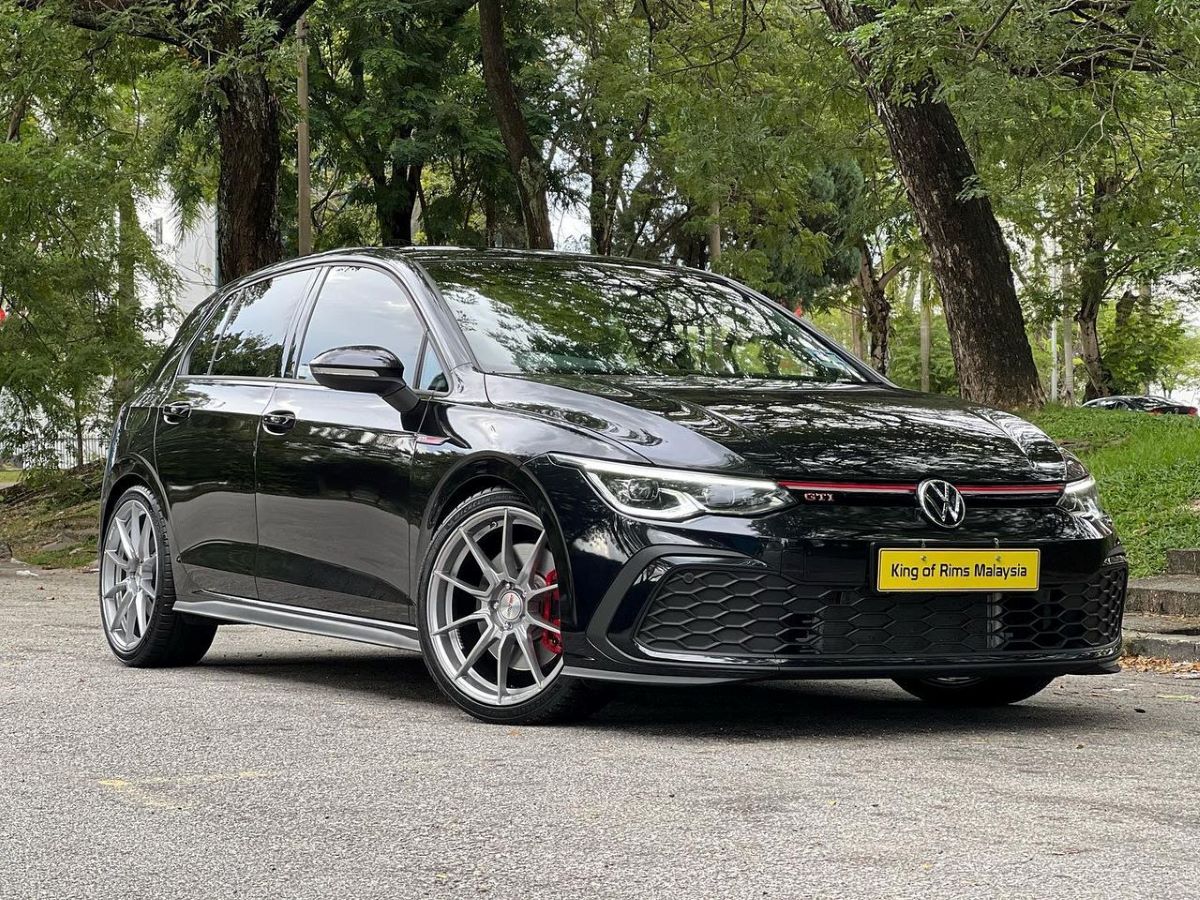
Volkswagen’s leadership has criticised the layout openly. The company has promised physical buttons in future models. Some of that is already visible.
The 2025 GTI regained physical steering wheel buttons. Oddly, the sister Golf R did not. Reports differ on how far the changes reach, so check the exact model year.
Earlier cars keep the touch slider. That is the version most used buyers will meet. A fair note: the Golf GTI drives brilliantly. Many owners accept the interior as a trade-off. Voice control also covers some temperature changes.
But a trade-off should not involve safety. You should never need to look down to warm the cabin. The Mk8 shows how a great car can be let down by a small panel. Volkswagen learned the lesson. Buyers of older cars are still living with it.
4. Mercedes-Benz CLA (2026)
Mercedes sells luxury. Its newest CLA sells screens. The new CLA has a 14-inch central touchscreen. An optional Superscreen adds a passenger display under one huge glass panel. It looks dramatic and is also overkill.
Climate is where it gets annoying. Only temperature and maximum defrost stay always visible. Fan speed and airflow mode hide behind a tiny climate icon.
That icon opens a second screen. On a smooth road, it is manageable. On a bumpy one, it is a game of precision. The same road test described the controls as maddening. It said nearly every function, including climate, runs through the screen. Even the few physical controls were criticised as compromised.
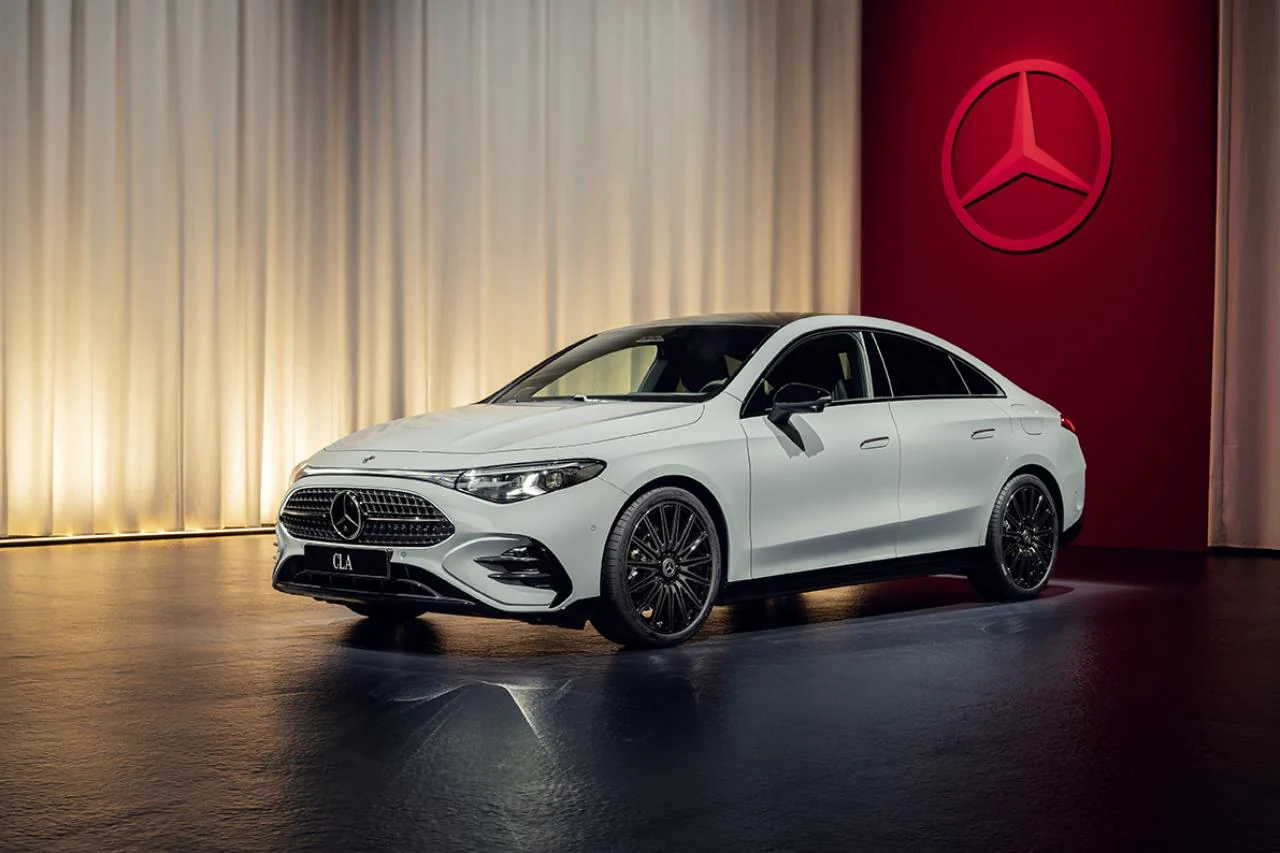
The steering wheel uses touch-sensitive buttons. They are known for being sensitive and easy to trigger. They also attract fingerprints. The Swedish touchscreen test backs this up. The Mercedes CLA was the second-worst performer. Drivers travelled 1,116 metres to finish the tasks. Only the Mazda CX-60 did worse, at 1,137 metres.
Mercedes has noticed. Its CEO admitted the brand may have gone too far. He promised a return to sensible analog controls, such as a physical volume knob.
Some small steps have arrived. Seat adjustment buttons in the CLA are mechanical again. One reviewer praised their satisfying click. Yet the climate system still lacks proper physical controls. Reviewers have asked Mercedes to follow Volkswagen and Polestar and bring them back.
Voice control helps. “Hey Mercedes, warmer” works fairly well. But voice is not reliable in noisy cabins or with accents. The CLA is an efficient and well-built small sedan. It is a shame that a premium badge comes with a budget-feeling climate interface.
5. Mazda CX-5 (2026)
This one stings because of what Mazda used to be. For years, Mazda defended physical controls. Its older cars pair a rotary dial with proper climate buttons. They have knurled knobs and satisfying clicks. Owners praised them.
Then the 2026 CX-5 arrived. The rotary controller is gone. So are the physical climate buttons. In their place sits a 12.9-inch touchscreen on most trims. The top trim gets a 15.6-inch display. Nearly everything runs through it.
Physical buttons have become increasingly rare, with one US reviewer identifying just three remaining controls for front defrost, rear defrost, and hazard lights. Nearly every other function is handled through the touchscreen.
Mazda has made some effort to improve accessibility by keeping the climate controls fixed along the bottom of the display, making them easier to locate. However, the smooth glass surface still lacks the physical feedback that traditional buttons provide.
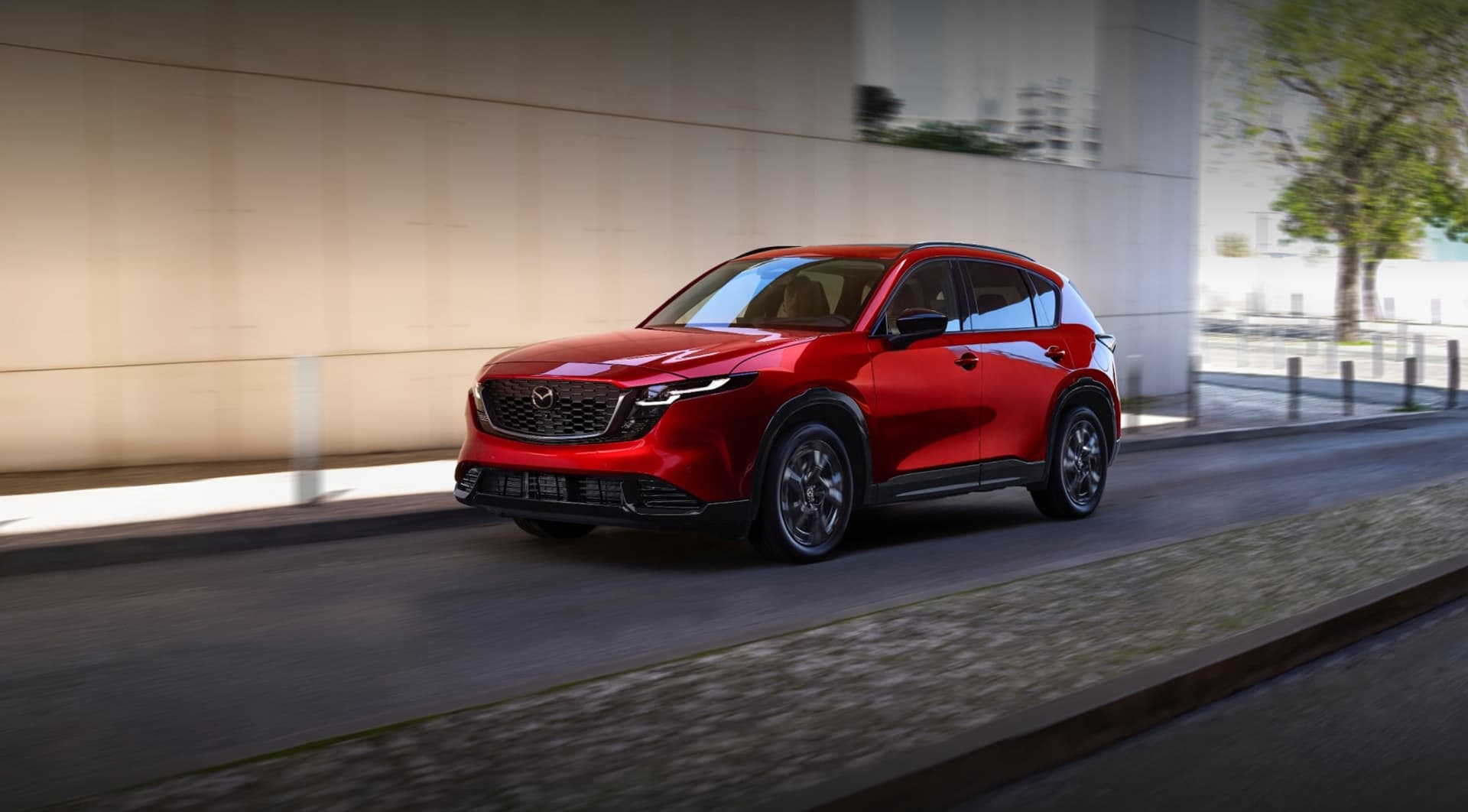
The steering wheel also changed. Mazda’s old buttons were replaced by flat touch pads. A major US testing group said they are hard to use without looking down.
There is a bright side. The new software runs on a Google-based system. It is quick and clearly laid out. Voice commands can adjust volume, temperature, and fan speed if the connected services are active.
Mazda argues that big screens are not more distracting than buttons. Many drivers disagree. One motoring site noted Mazda could have pleased almost everyone by keeping climate as conventional buttons.
The Swedish test adds an irony. Mazda’s older CX-60 finished worst there, at 1,137 metres. So the old system was not perfect either. Still, a change from tactile to touch feels like a step back.
The CX-5 is the brand’s best seller. Many buyers will meet this layout for the first time. If you loved the old Mazda feel, test drive the new one carefully.
6. Ford Mustang Mach-E
The Mach-E has had this issue since launch day. It also still has it. A 15.5-inch portrait screen dominates the dash. It looks impressive. Passengers often gasp when they first see it.
Climate controls live on that screen. A fixed bar at the bottom shows the temperature. Seat heating, fan speed and other options need more taps. A key complaint was the volume knob. It sits on the screen’s lower edge. One reviewer called its placement a major annoyance.
Ford listened in part. A software update let the knob also control climate functions. After tapping the climate area, drivers could adjust temperature, fan speed, and seat heaters with it.
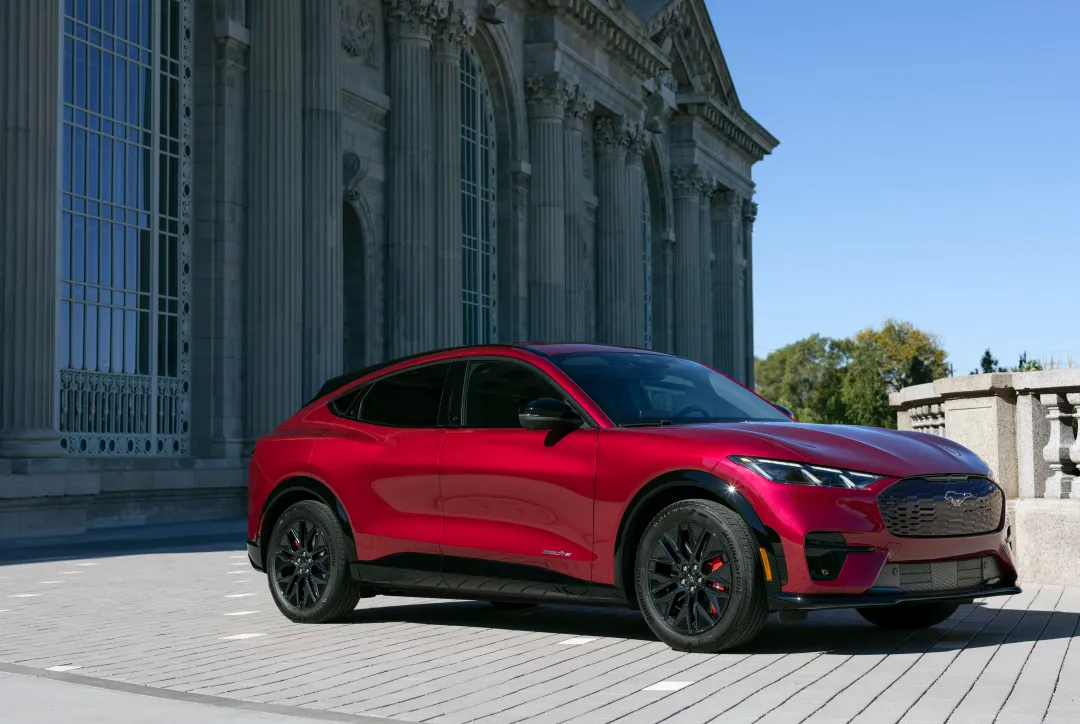
That was a clever fix. It also shows the problem. Ford needed to repurpose a volume dial because the car had no real climate controls. A reviewer for a 2025 Mach-E said the car could really benefit from physical climate controls.
A 2026 expert review gave the user interface only 5 out of 10. It also listed frustrating touchscreen controls for almost everything as a key weakness.
Owners agree. Forum threads ask for more buttons on the next generation. Some point to newer Ford trucks with simple physical climate keys as a better example.
There are positives. The software is quick and well laid out. The voice system is decent. Many tasks feel fine once learned. But the screen is big, and the target areas for fan speed and vents are small. On a bumpy road, they become hard to hit.
Ford’s own CEO has said the company is still trying to figure out the future of controls. That is honest. It is also not reassuring for buyers today. The Mach-E drives like a proper Mustang. Its cabin controls feel more like a tablet.
7. Polestar 2
Polestar sells Scandinavian simplicity. In the Polestar 2, simplicity went a little too far. The cabin has very few physical controls. Buttons are limited to the steering wheel, seats, stalks and a volume dial. Almost everything else sits in the touchscreen.
Climate is part of that. A 11.5-inch screen holds permanent climate controls along the bottom edge. They stay in the same spot, which is sensible.
But a British review noted they can be tricky on the move. The car’s stiff suspension makes accurate taps harder. It also noted the lack of physical controls for rear heated seats.
Even a glovebox opens only through the screen or voice. That tells you how far the minimal approach goes. Some reviewers adapted. An Australian tester said they grew used to using the touchscreen for climate. They still wished for physical dials and buttons.
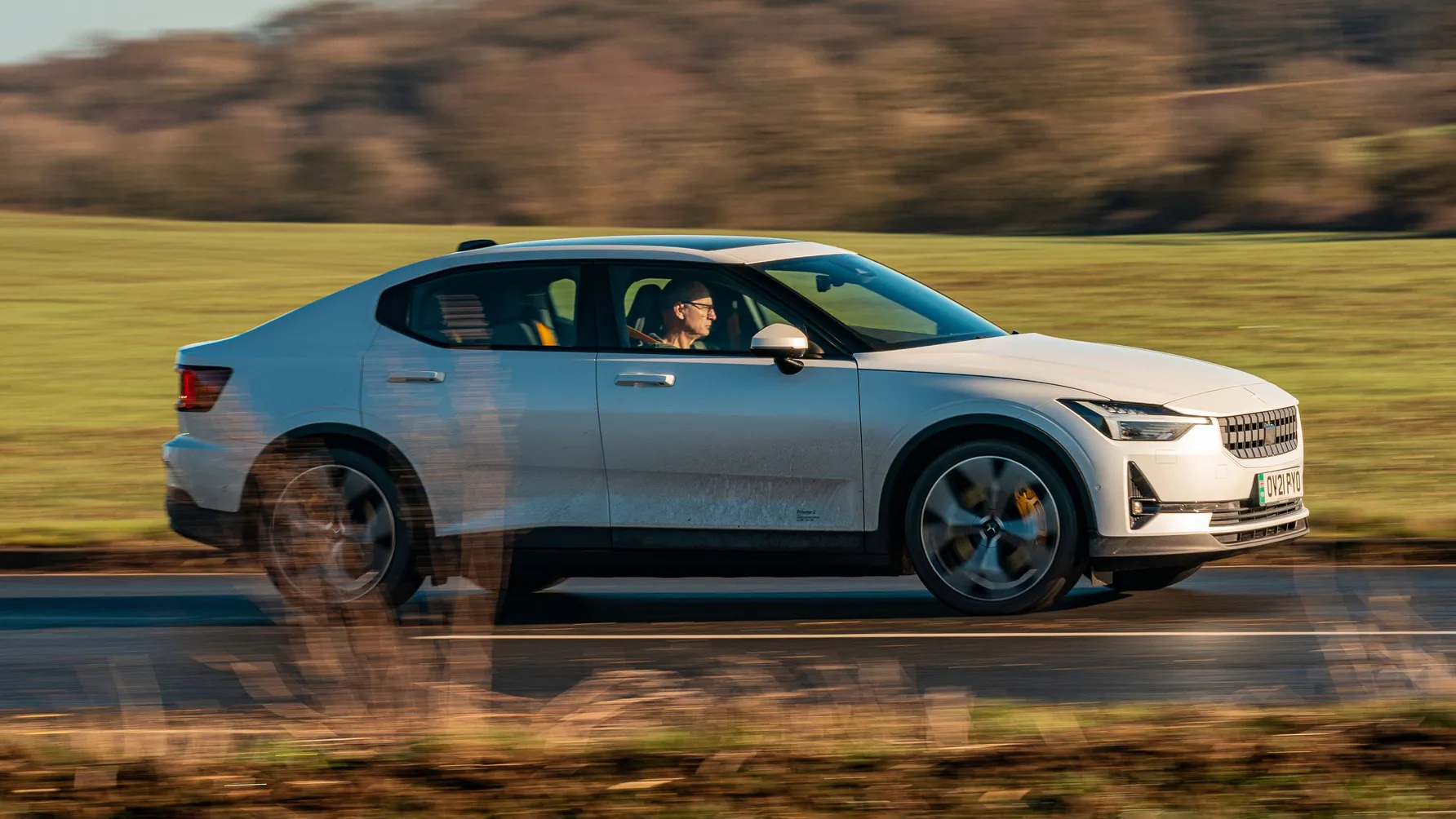
Others had worse experiences. Some owners of Polestar 2 and similar Volvo-based cars report software glitches. When the system freezes, the climate controls freeze with it.
Polestar has now admitted the issue. Its CEO said the owner community of around 60,000 keeps asking for tactile controls. The brand says future models will bring them back.
The Polestar 3 refresh is expected to add tactile steering wheel buttons. A concept car also hints at a return to real switchgear. Design leaders confirmed more physical controls are coming.
Part of this is regulation. Euro NCAP scoring now rewards physical controls. Cars without them can no longer easily earn a top safety rating. Remember the Swedish test, too.
The Volvo XC60, from a related brand, was the best performer. So Polestar’s engineers know what good looks like. For now, the Polestar 2 remains a stylish, quick EV. Its climate controls are workable, but never effortless.
8. Rivian R1S
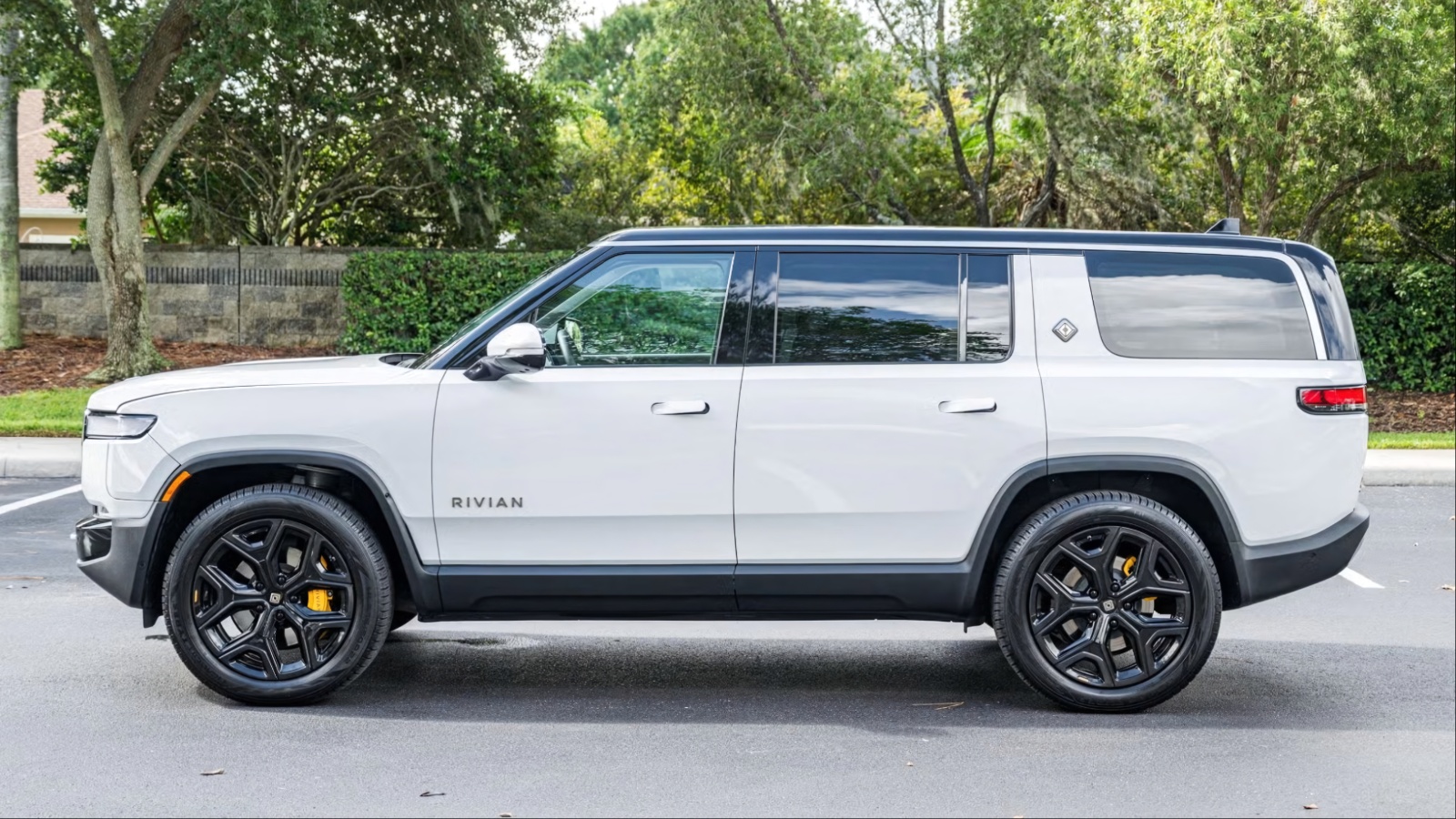
The Rivian R1S is a rugged luxury SUV that costs close to $100,000 in its Gen 2 form. It has no physical climate controls at all. Everything sits inside a large 16-inch screen. A row of icons stays at the bottom. Temperature can be changed with simple arrows from almost anywhere.
That part works fine. The rest is harder. Fan speed hides behind a tap on the temperature. Vent direction is a touchscreen setting. Heated seats also live in the display.
One review called cabin controls Rivian’s biggest misstep. The writer said Rivian told them it did not want to box itself in with choices it could not reverse. Another reviewer wished for more actual buttons and said everything needs extra concentration.
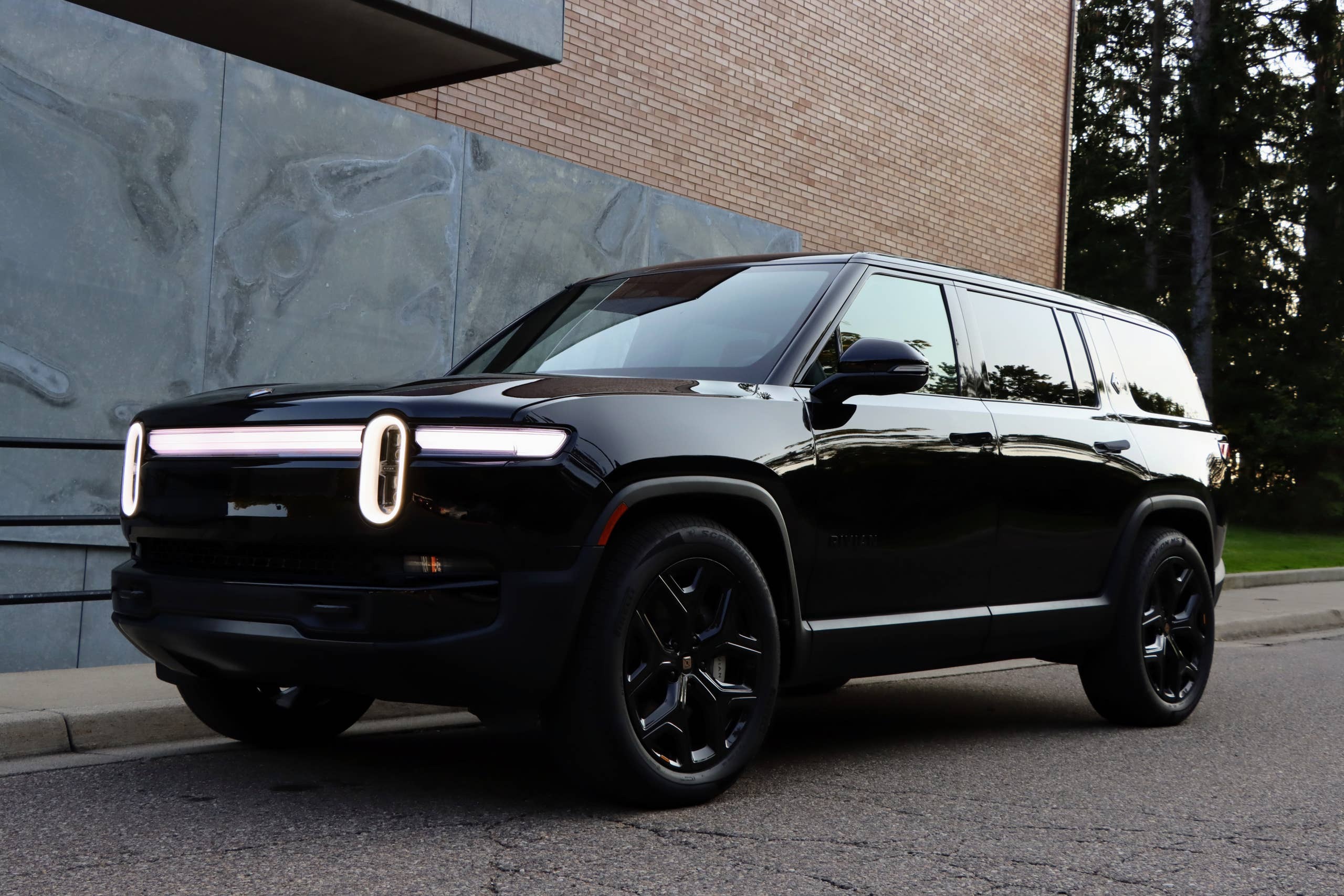
Rivian’s CEO has explained the thinking. Dropping physical climate controls saves money. It also makes the interior look cleaner and allows software-based improvements.
Owners are split. Some say the touchscreen works fine. One forum post said a good touchscreen design is possible. Others miss the simple fan knob of old cars.
A forum user listed the most frustrating issue as the fan. In an older car, you twist a knob and air blasts out. Here, you tap and go through. Rivian has made small steps. It has added a clever volume replacement using haptic halo controls.
Motor1 called the idea clever, but maybe too clever. It shows the company knows owners want fixed controls. Early rear climate screens also drew criticism. One 2022 tester had a rear climate system that would not respond, even after unlocking from the front.
There is a middle view. A reviewer who started sceptical grew a little more comfortable after a week. That is common with touch systems. People adapt.
Yet adaptation is not the same as good design. A $100,000 SUV should not need a week of training to adjust the fan. The R1S is brilliant off-road. Its climate controls feel like they belong on a phone.