A used diesel truck looks like a smart buy. It promises strong torque, serious towing power, and a long engine life. That promise holds true for many engines. But some model years carry repair bills that can wreck a budget.
I checked owner reports, recall records, and repair cost ranges before writing this list. Prices change by region, shop, and truck condition. Treat every figure here as a rough estimate, not a quote.
The trucks below are not all hopeless. Some became reliable after smart upgrades. Others have documented flaws that cost thousands. The pattern is easy to spot. Emissions hardware, fuel systems, and cooling parts cause most of the big bills. Labor is heavy because diesel engines sit deep in tight bays.
A low price often hides a deferred repair. The seller may be passing the problem to you. Smart buyers ask for records first. Before buying any truck on this list, do three things.
Have a diesel specialist inspect it. Scan for stored codes and check the oil and coolant. Then ask which known fixes were already done. Knowledge protects your wallet. Let’s go through seven trucks that deserve extra caution.
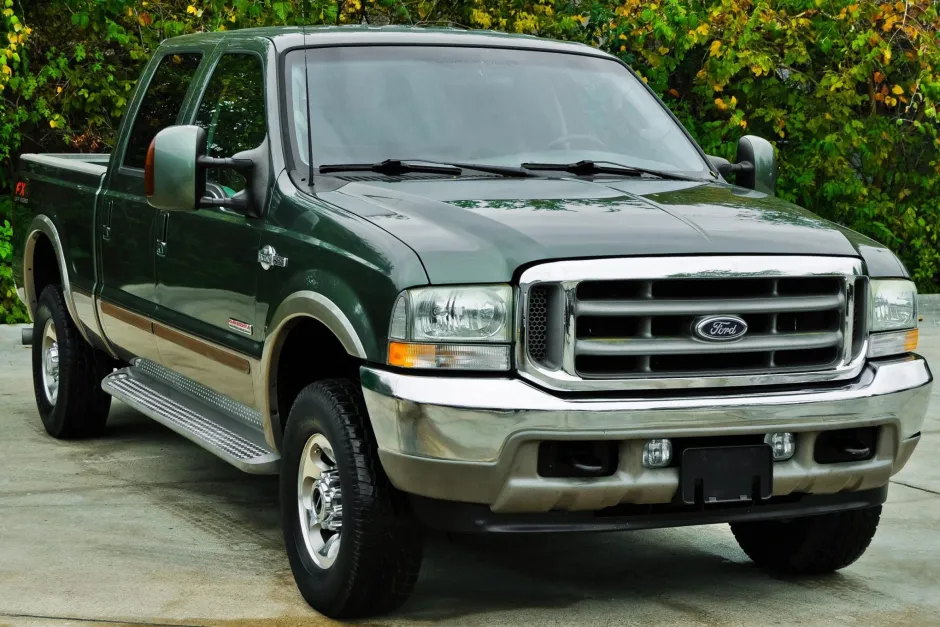
1. 2003–2007 Ford F-250 and F-350 with the 6.0L Power Stroke
This engine is the most famous money pit in the diesel truck world. It replaced the trusted 7.3L and had to meet tougher emissions rules. The new design brought weak points that still haunt used buyers.
The EGR cooler is the first problem. It uses engine coolant to cool exhaust gas before it returns to the intake. When it clogs or cracks, coolant can enter the intake and burn off as white smoke.
The oil cooler often starts the chain reaction. It can clog with debris and restrict coolant flow. The EGR cooler then overheats and fails. Head gaskets are the next risk. The factory head bolts stretch under heat and boost. Once clamping force drops, the gaskets leak or blow.
Costs climb quickly. Owner and shop reports put head gasket jobs near $3,000 to $5,000. A cooling job alone often runs $1,200 to $2,500. The FICM is another weak spot. This module feeds the injectors with 48 volts. When voltage sags, the truck stumbles, stalls, or refuses to start.
HEUI injectors can also wear out. Sticking injectors cause hard starts and rough idle. A full set can run several thousand dollars installed. The variable geometry turbo can stick from soot buildup. That causes weak boost and heavy smoke. Repairs range from a few hundred to a few thousand dollars.
Mechanics call the full fix “bulletproofing.” It usually includes ARP head studs, upgraded coolers, and a FICM check. A complete package commonly lands between $4,000 and $8,000.
A properly fixed truck can run for a long time. The key is paper proof. Ask for receipts, not promises. Inspect the coolant closely. Milky or oily coolant is a red flag. Walk away from any truck that loses coolant with no visible leak.
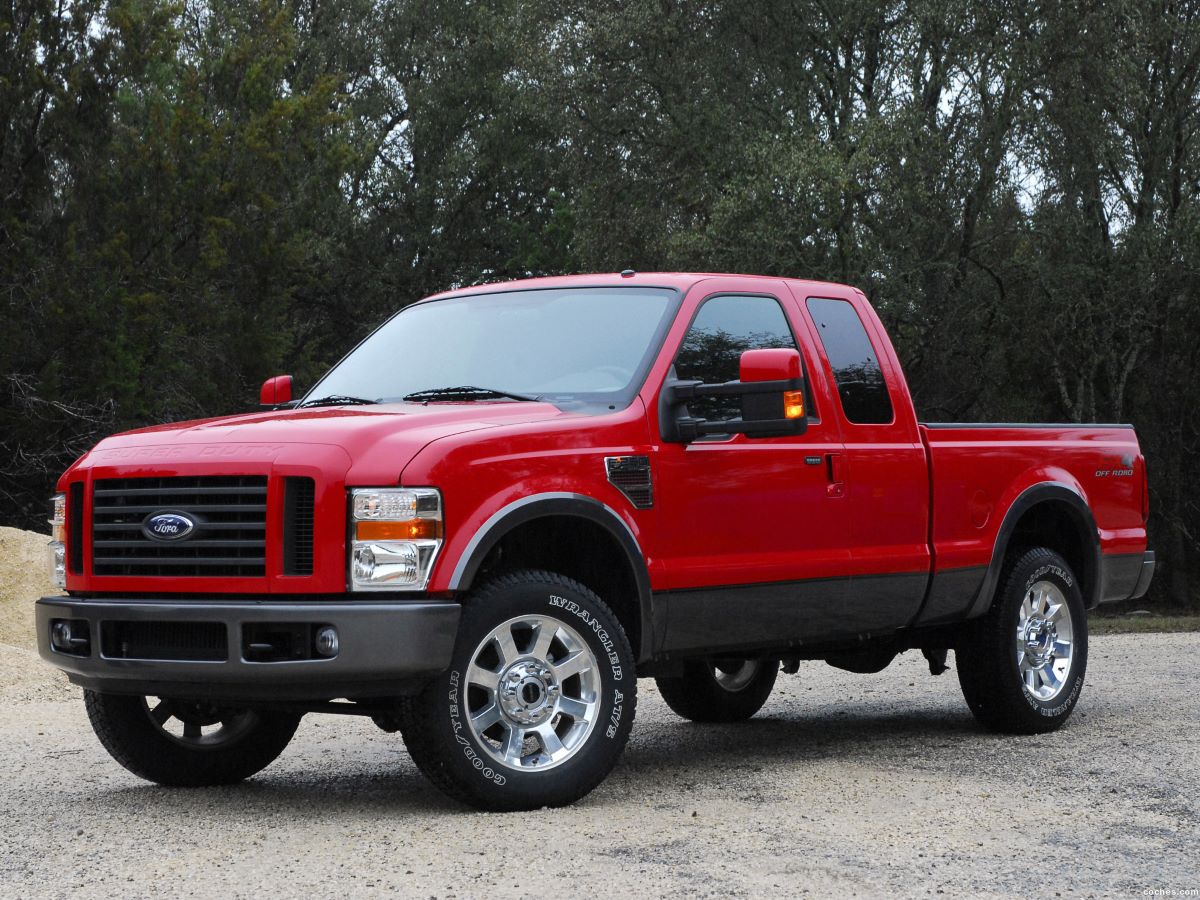
2. 2008–2010 Ford F-250 and F-350 with the 6.4L Power Stroke
Ford hoped this engine would fix the 6.0L’s reputation. It was stronger in some ways but brought new problems. Its high cost of repair surprises many buyers.
The biggest complaint is fuel in the oil. The particulate filter needs extra fuel to burn off soot. Some of that fuel slips past the rings and thins the oil.
Thin oil wears bearings faster. Owners must watch the oil level and change it often. A rising dipstick level is a warning sign. The EGR cooler is another known failure point. Soot clogs it and heat cracks it. Leaks can push coolant into the exhaust system.
The twin-turbo setup adds cost and complexity. A small turbo feeds a larger one. Replacing the set can cost several thousand dollars. The diesel particulate filter also causes trouble. It can clog and trigger power loss. Replacement can run into the thousands.
Fuel injectors have a mixed record. Some owners report failures with misfires and smoke. A full injector set is a major expense. The radiator is a frequent leak point. Failed radiators can lead to overheating if ignored. Always inspect the cooling system under load.
An engine replacement is rare but costly. Shop quotes often reach five figures. That cost can exceed the truck’s value. Oil analysis is a smart move here. A lab report can show fuel dilution and wear metals. It costs little compared with a major repair.
Many of these trucks have been upgraded. Look for new coolers, new filters, and clean service history. Pay more for proof of care. The 6.4 can tow hard and feel fast. But it punishes neglect. Buy one only if you can afford surprise repairs.
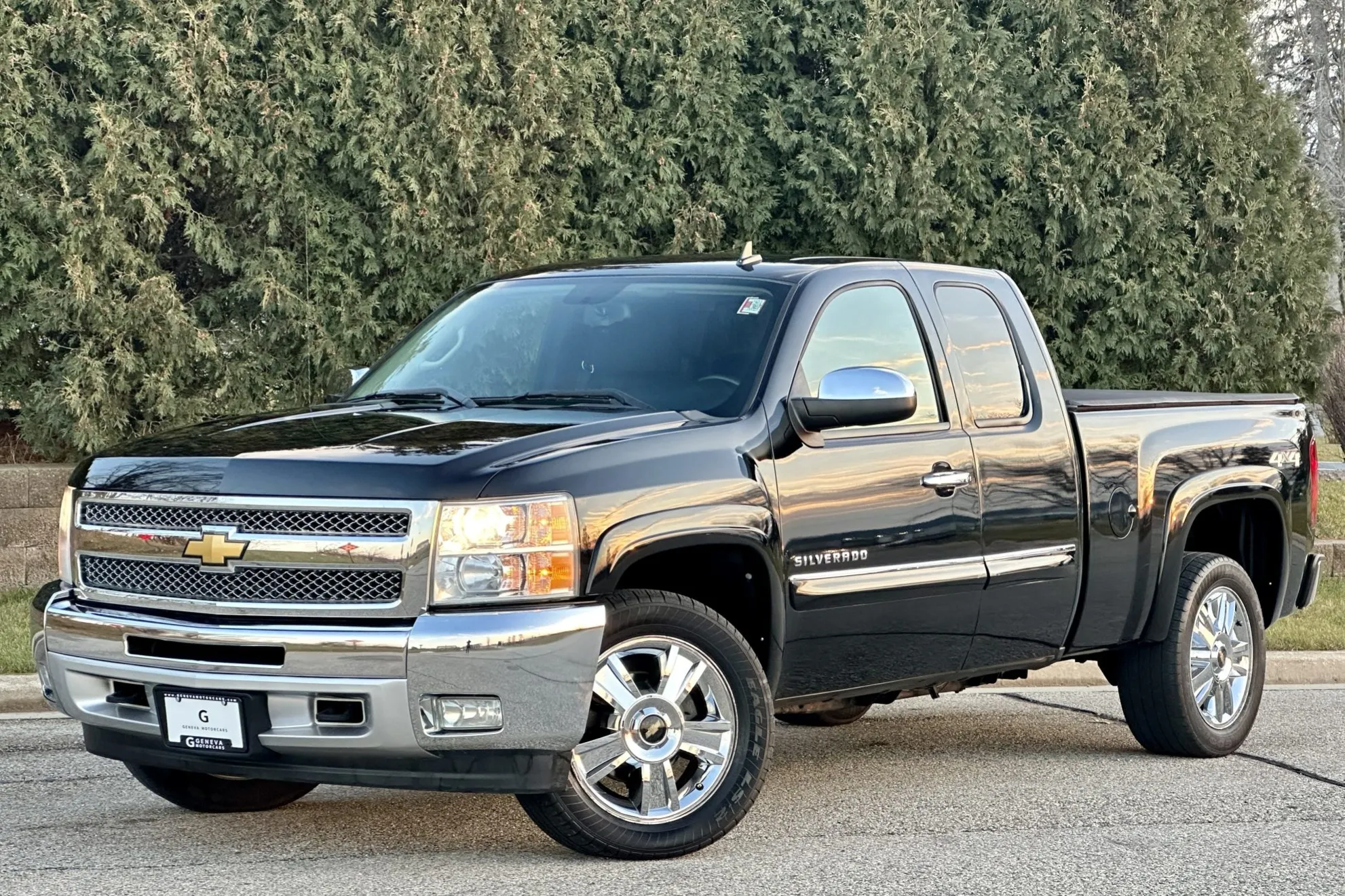
3. 2011–2016 Chevrolet Silverado and GMC Sierra HD with the LML Duramax
This Duramax is strong, smooth, and powerful. It pairs well with the Allison transmission. Yet one part makes it a risk. That part is the Bosch CP4.2 high-pressure fuel pump. It replaced the older CP3 design. Many owners and shops blame its tolerance for low-lubricity fuel.
When the pump fails, it can shed metal debris. The debris spreads through the rails, lines, and injectors. The truck often stalls or refuses to restart.
Repair costs are severe. Shop and owner reports range from about $8,000 to $15,000. Some complaints go higher. A full fix replaces the pump, all eight injectors, rails, lines, and filters. The tank must also be cleaned. Skipping steps invites a repeat failure.
A lawsuit over the pumps gained class status in 2023. A settlement reportedly worth about $50 million followed in 2025. Eligibility depends on location and model, so check the terms.
Many owners prevent the problem with a conversion. A CP3 kit costs roughly $2,500 to $3,500. That is far cheaper than a failure. Warning signs include hard starts and power loss. Metal flakes in the fuel filter are a serious clue. Stop driving at once if you find them.
This truck has other costs too. DEF heaters and NOx sensors can fail. Those repairs are smaller but still add up. Ask the seller if the pump was converted.
Ask for filter change records. A converted truck is far safer. Without a conversion, you carry a risk. It may never fail. But the price of losing that bet is huge.
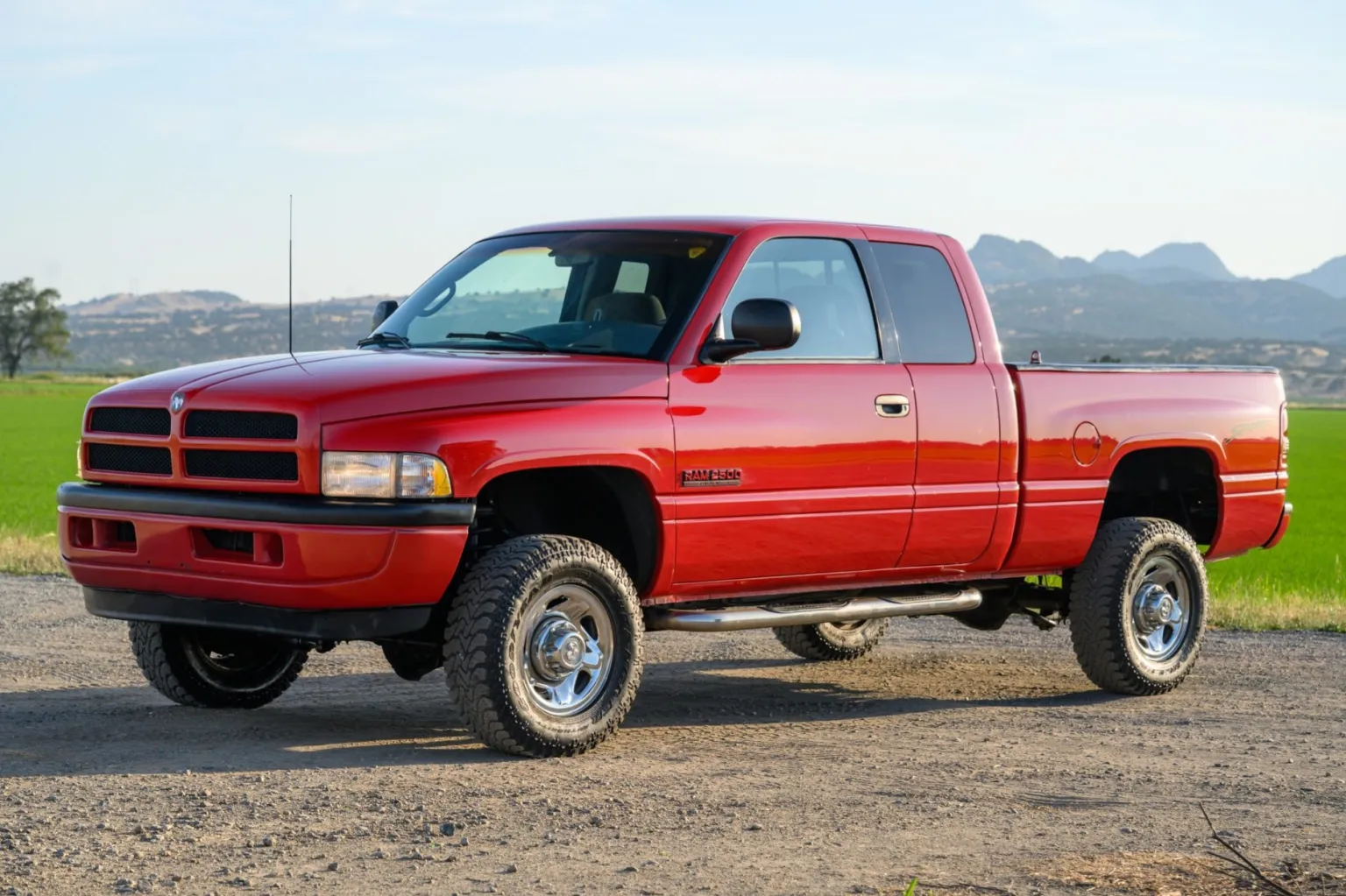
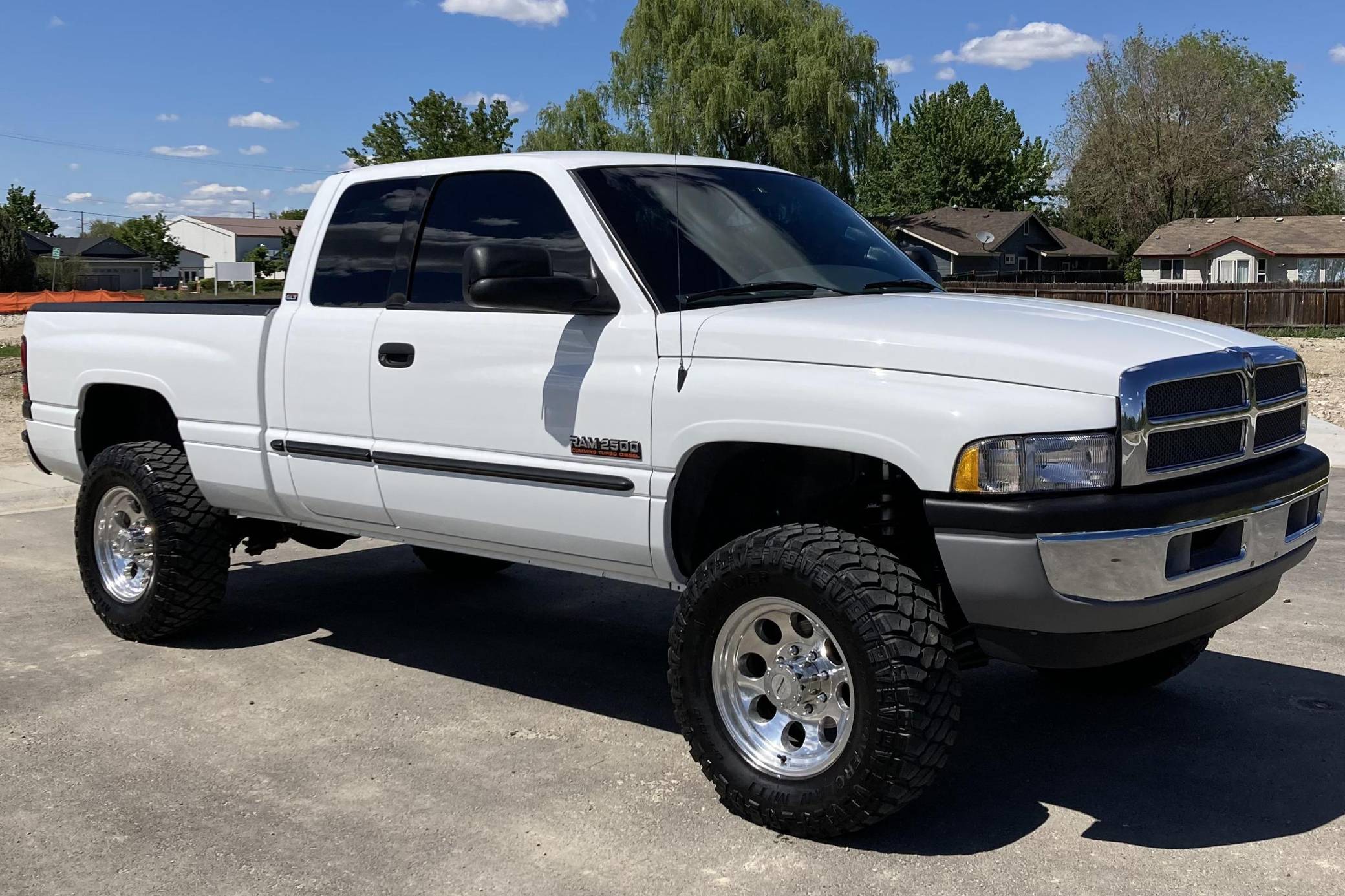
4. 1998.5–2002 Dodge Ram 2500 and 3500 with the 5.9L Cummins and VP44 Pump
Many people praise the old Cummins as a legend. The engine block is tough. But the fuel system on these years has a weak link. That link is the Bosch VP44 injection pump. It uses electronics mounted on the pump itself. Heat and weak fuel supply can kill it.
A failing VP44 causes stalling, misfires, and no-start trouble. Some trucks die without warning. The failure can strand you far from home. Replacement often costs $2,000 to $3,500 or more. Parts and labor vary by shop. Cheap rebuilt pumps can fail again.
The lift pump matters a lot. The factory lift pump is weak and often fails. Low fuel pressure shortens the VP44’s life. Many owners add an upgraded lift pump. That helps protect the injection pump. Ask whether this was done.
The 24-valve engine also has the “killer dowel pin” concern. A small pin in the gear housing can back out. If it drops into the gear train, serious damage can follow.
Catching the pin early helps. A repair can run from a modest sum to several thousand dollars. Preventive fixes cost far less than engine rebuilds. The automatic transmission is another soft spot. The 47RE can struggle under heavy towing and power upgrades. A rebuild often costs several thousand dollars.
Steering box wear and front-end looseness are also common. Check for wandering and play in the wheel. Those repairs add up. Good examples do exist. Many have upgraded fuel systems and strong service records. Judge the truck by its history, not its reputation.
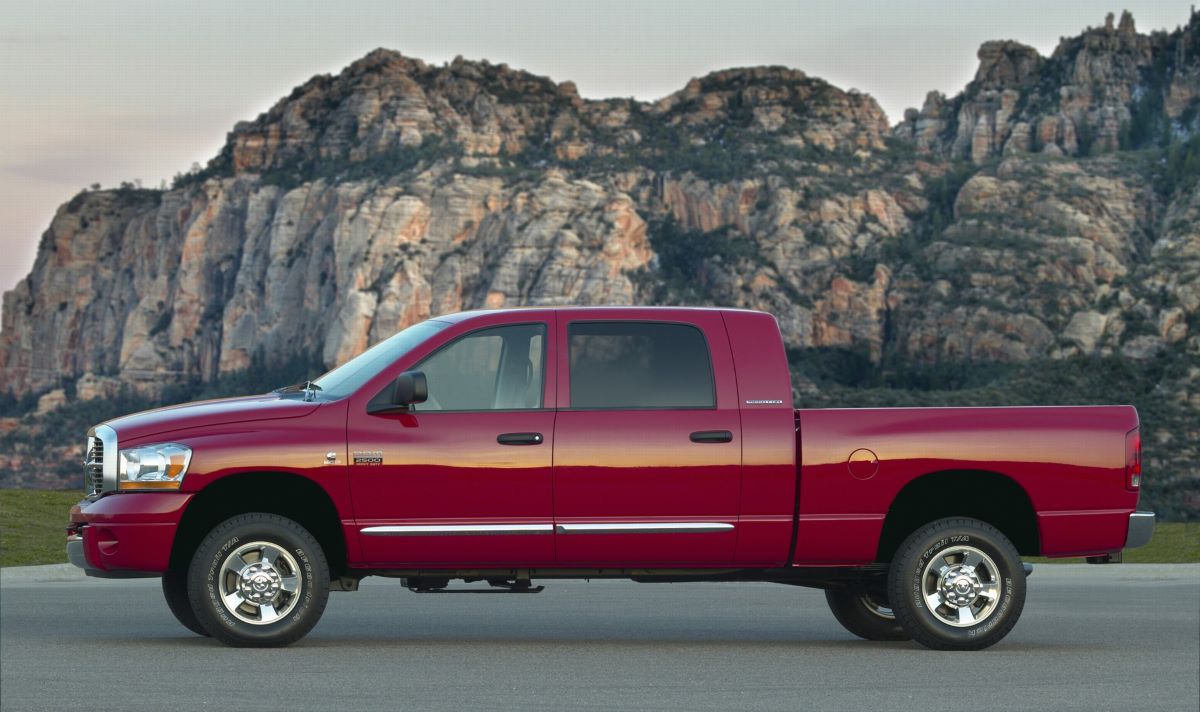
5. 2007.5–2012 Ram 2500 and 3500 with the 6.7L Cummins
This engine is strong and widely loved. Its basic design handles heavy loads well. Its emissions equipment is the expensive part. The diesel particulate filter is a major cost. It traps soot and burns it off in cycles. Short trips and failed regeneration can clog it.
Replacement filters can cost thousands of dollars. Prices depend on parts and labor. Aftermarket options vary in quality and legality. The EGR system is another trouble area. The cooler and valve can clog or leak. A failed cooler may cost $1,500 to $3,000 or more.
Trucks from 2010 onward added urea-based exhaust treatment. This system uses diesel exhaust fluid and a catalyst. Sensors, heaters, and the catalyst can all fail.
DEF problems often trigger limp mode. The truck may cut power or limit speed. Repairs can cost several hundred to several thousand dollars. The exhaust brake and turbo actuator can also fail. Sticking parts cause poor boost control. Repair bills are moderate but frustrating.
The 68RFE automatic transmission is a concern on some trucks. Heavy towing and tuning can stress it. Rebuilds are expensive. Front axle parts can wear early on heavy trucks. Ball joints and track bars deserve a check. Look for worn tires and loose steering.
Ask for service records on emissions parts. Learn whether the filter was replaced or cleaned. Check for any warning lights during a test drive. Be careful with deleted trucks.
Removing emissions equipment is illegal for road use in the United States. It can also cause failed inspections and legal trouble. The core engine can last very long. The hidden risk is everything bolted to it. Budget for emissions repairs before you buy.
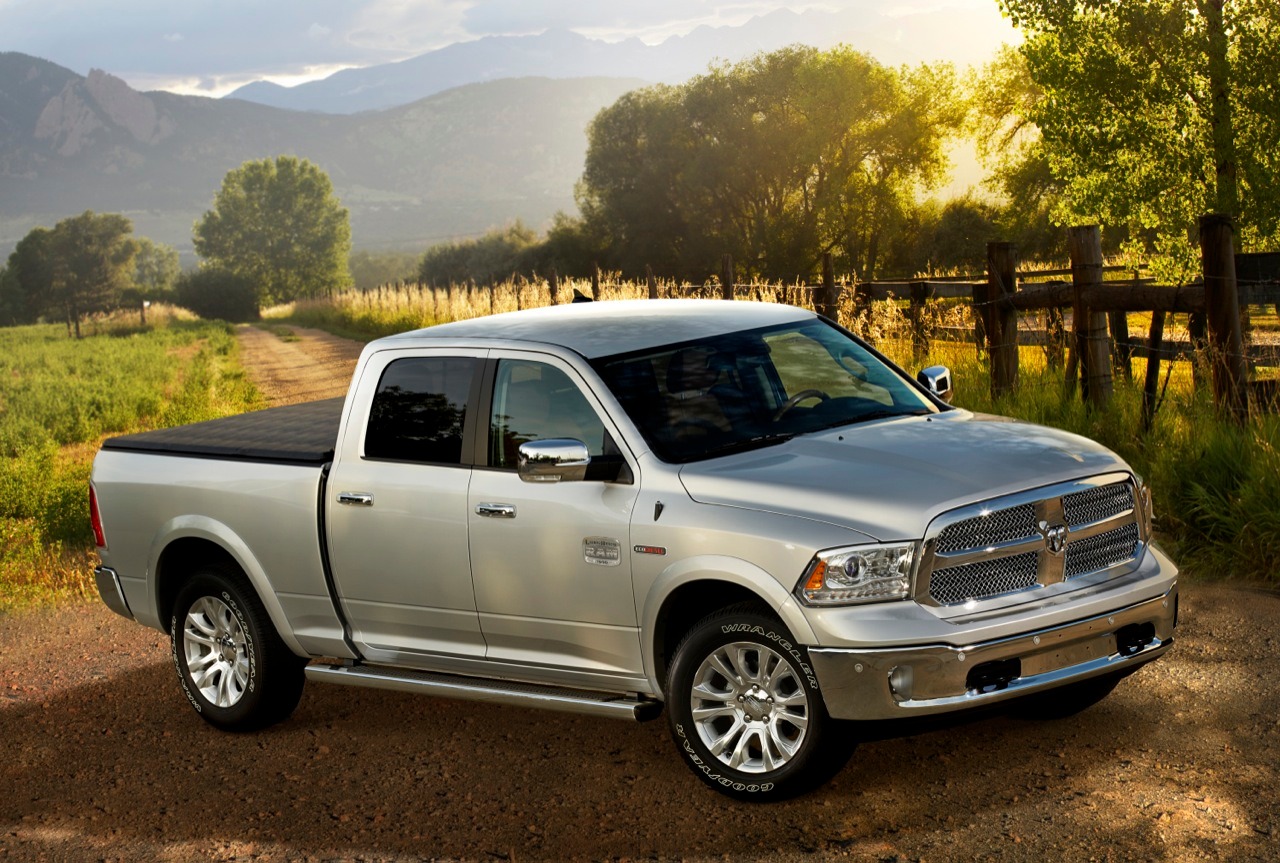
6. 2014–2019 Ram 1500 with the 3.0L EcoDiesel
This truck brought diesel torque to the half-ton class. It offers strong fuel economy and smooth towing. Its ownership costs can still bite. The EGR cooler has a documented problem. A safety recall covered about 107,980 trucks from 2014 to 2019. The cooler can crack and let vaporized coolant reach the intake.
The recall warned that this mixture can burn in the intake manifold. That raises fire risk. Check the VIN to confirm the repair was completed. Parts supply was an issue for some owners. Reports described delays at dealers. A lawsuit later claimed the recall remedy fell short.
A second recall covers the high-pressure fuel pump. A failing pump can send debris into the fuel system. That can stall the engine. Fuel system damage is costly. Repairs can reach many thousands of dollars if debris spreads. Early detection matters.
The engine also faced an emissions scandal. Regulators accused the maker of using hidden software on 2014 to 2016 trucks. A settlement in 2019 required fixes and payouts.
Check whether the software update was done. Ask about any changes in fuel economy. Records help here. Other reported issues include oil cooler leaks and sensor faults. Some owners also report turbo and transmission complaints. Many trucks run fine, so results vary.
Repair costs are high because parts are specialized. The engine comes from an Italian supplier. Few independent shops know it well. Run the VIN through the official recall lookup.
Ask for repair orders showing EGR cooler work. Check coolant level after a long test drive. This truck can be a good buy. But only with proof of completed recalls. Without proof, price it as a risk.
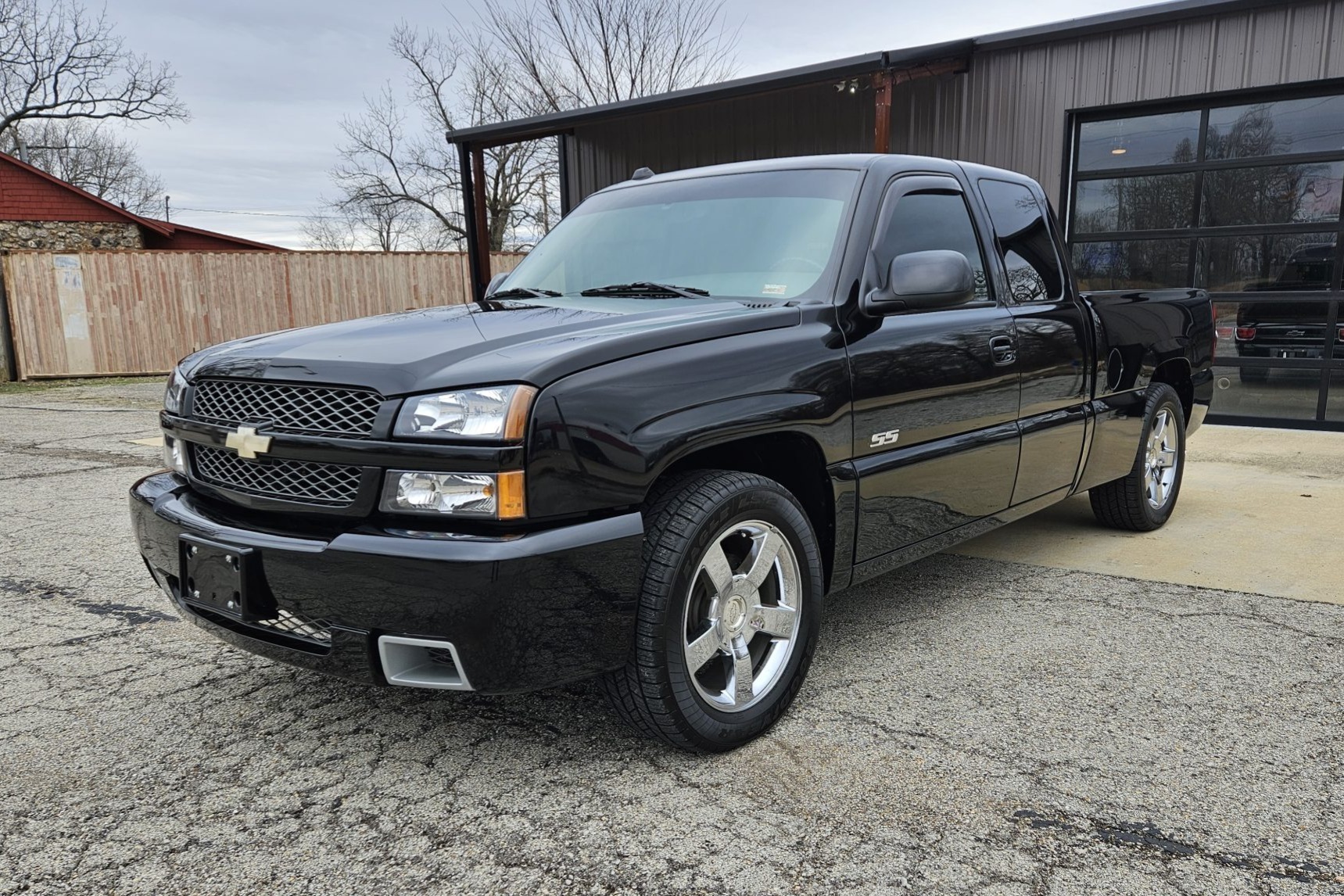
7. 2001–2004 Chevrolet Silverado and GMC Sierra HD with the LB7 Duramax
The first Duramax shocked rivals with power and smoothness. It still impresses many drivers today. But its early injectors have a bad record. The LB7 injectors are the main concern. They can fail from internal wear and cracking. Failures often show as hard starts, smoke, or a loud knock.
A bad injector can leak fuel into the cylinder. In severe cases, it can cause coolant or fuel to enter where it should not. Ignoring symptoms can damage the engine.
Replacement is not cheap. A full set with labor often costs $4,000 to $7,000. Prices vary by parts quality and shop rates. The injectors sit under the valve covers. Labor is heavy because access is tight. Mistakes can cause more damage.
GM once offered warranty help for some injector failures. That coverage has long expired. Do not assume any protection exists now. The LB7 also has other aging concerns. Fuel lines and harness connectors can leak or corrode. Overflow and return lines may need replacement.
The Allison transmission is generally strong. Still, age and towing can wear it down. A rebuild can cost several thousand dollars. Front suspension parts wear on these heavy trucks. Torsion bar components and ball joints deserve inspection. Worn parts affect handling and tire life.
Check for fuel in the oil and rough idle. Ask whether the injectors were replaced. Look for a receipt showing quality parts. A truck with new injectors can be a bargain. One with original injectors is a gamble. Price it with a repair fund in mind.