Luxury cars are known for premium interiors, advanced technology, refined performance, and comfortable driving experiences. However, a prestigious badge does not always guarantee long-term dependability. Some luxury car brands face greater challenges with vehicle longevity, maintenance costs, and ownership reliability than their competitors.
Brand-level dependability rankings offer useful insights for buyers who want more than attractive styling and impressive performance. Understanding how these manufacturers compare with industry benchmarks can help consumers make informed purchasing decisions.
This article examines ten luxury car brands that fall below the luxury industry average, highlighting their longevity figures, ownership considerations, and factors that influence long-term vehicle durability.
1. Volvo: 2.2%
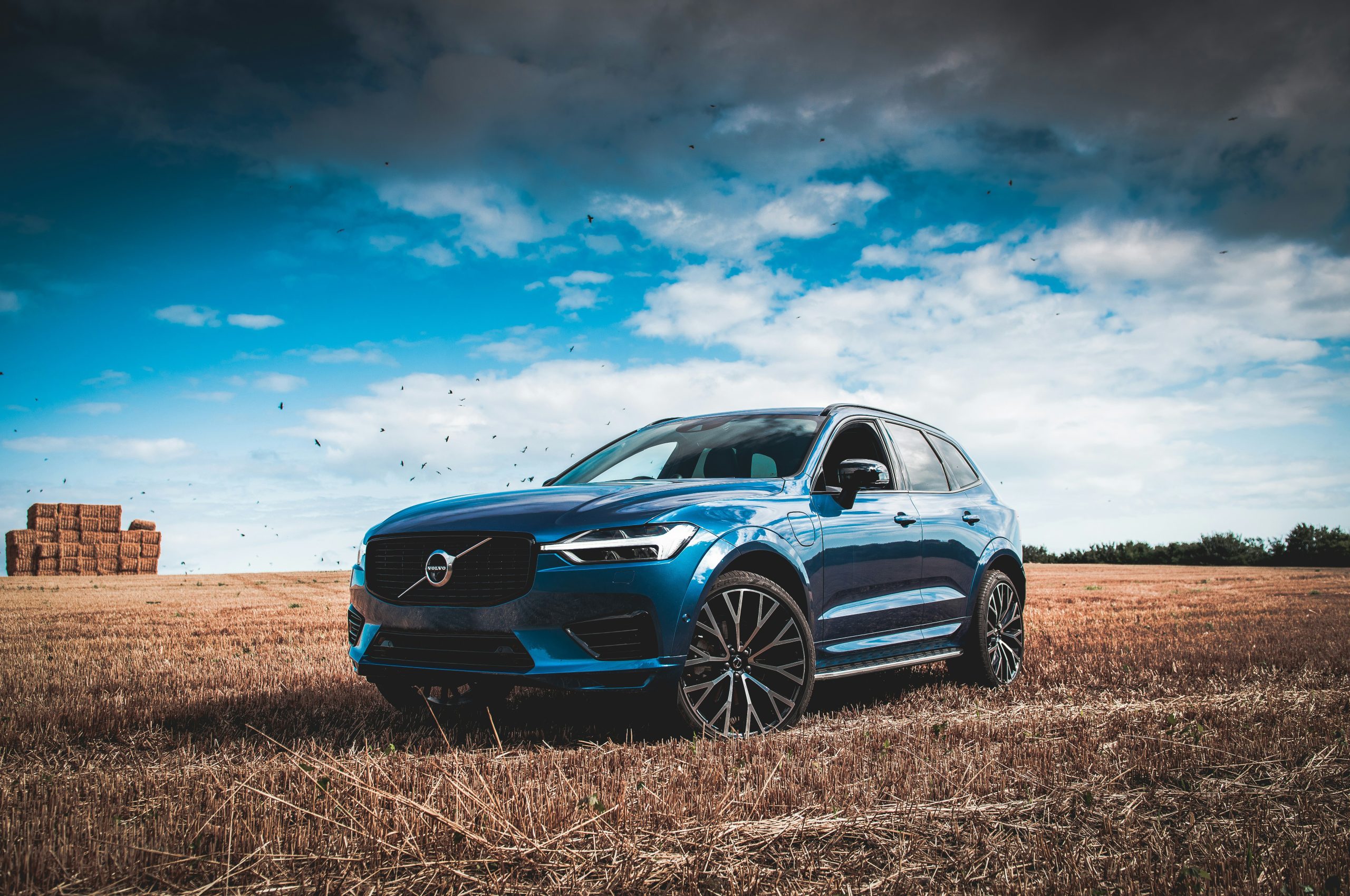
Volvo occupies the highest position among the ten brands in this comparison, with a 2.2% predicted chance of reaching 250,000 miles. The Swedish manufacturer has established a reputation for safety, understated design, and comfortable vehicles. Its lineup includes premium sedans, SUVs, and electric vehicles designed around modern technology and practical luxury.
Volvo vehicles generally appeal to drivers who appreciate sophisticated interiors and safety-focused engineering. Features such as advanced driver assistance, comprehensive safety systems, and comfortable seating contribute to the brand’s appeal. However, advanced electronics can introduce additional maintenance requirements as vehicles age.
The 2.2% result remains below the luxury industry average of 3.2%. This suggests that Volvo vehicles, as a brand group, have a lower predicted likelihood of reaching the 250,000-mile milestone than the average luxury vehicle included in the study.
Maintenance history is particularly important when purchasing a used Volvo. Buyers should examine service records, transmission performance, engine condition, suspension components, and electronic systems before completing a purchase. Preventive maintenance can help identify problems before they become expensive repairs.
Volvo’s newer models also incorporate increasingly sophisticated technology. Hybrid powertrains, touchscreen infotainment systems, and electronic driver assistance features make the vehicles more advanced, but they can increase the complexity of repairs. Proper servicing is essential to maintain their performance.
The brand’s position should not discourage every potential buyer. A well-maintained Volvo with documented service history can provide years of comfortable transportation. Individual model reliability and manufacturing year deserve attention because brand-wide figures cannot explain every vehicle’s performance.
For consumers considering long-term ownership, Volvo offers a balance of safety, comfort, and Scandinavian styling. However, buyers seeking the strongest statistical chance of reaching 250,000 miles may want to compare it with higher-ranked luxury manufacturers.
2. Infiniti: 2.1%
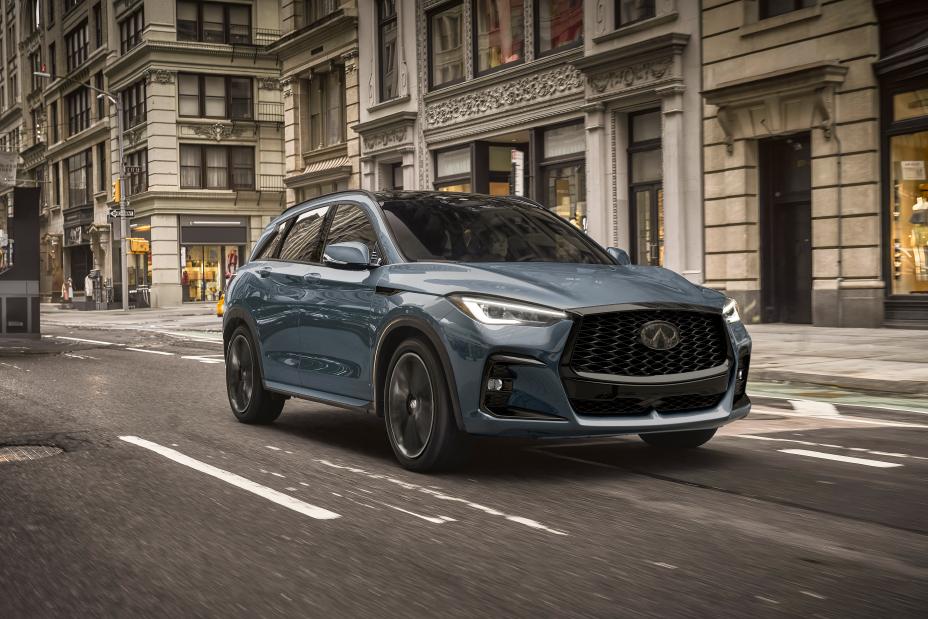
Infiniti ranks second among the ten brands, recording a 2.1% predicted probability of reaching 250,000 miles. Nissan’s luxury division has built its identity around comfortable interiors, responsive performance, and premium styling. Its vehicles compete in several segments, including luxury sedans and family-oriented SUVs.
The manufacturer has traditionally attracted customers looking for upscale features without moving entirely into the pricing territory of some European competitors. Infiniti vehicles often provide generous interior space, comfortable seating, and powerful engine options.
However, its 2.1% longevity figure falls below the 3.2% luxury average. This indicates that the brand’s lineup has a lower predicted likelihood of reaching the study’s high-mileage benchmark.
Used Infiniti buyers should pay particular attention to engine servicing, transmission condition, cooling systems, and electronic equipment. The condition of these components can influence long-term ownership expenses, particularly when a vehicle has accumulated substantial mileage.
Different Infiniti models can have significantly different maintenance requirements. A naturally aspirated engine, for example, may involve different long-term considerations from a turbocharged powertrain. Buyers should research the exact model year and engine configuration rather than assuming every vehicle shares the same reliability profile.
The brand’s premium features also deserve consideration during a used-car inspection. Power seats, climate control, cameras, infotainment equipment, and driver assistance technology can require repairs as vehicles age. A complete inspection can help identify existing problems.
Infiniti can remain a reasonable option for buyers who value comfort, performance, and premium equipment. However, its position below the industry average suggests that long-term durability should be evaluated carefully before purchasing a high-mileage example.
3. Mercedes-Benz: 1.7%
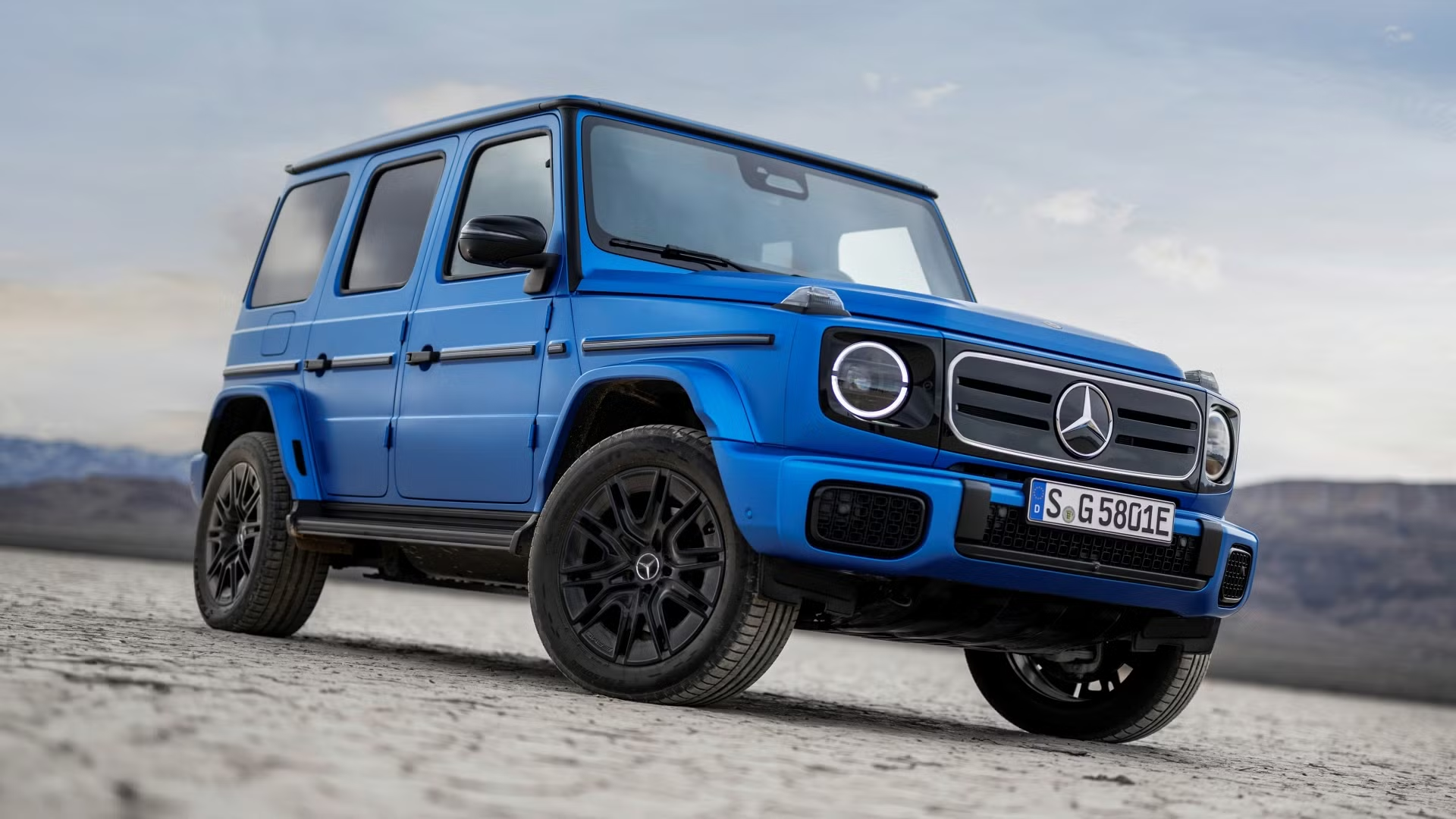
Mercedes-Benz records a 1.7% predicted chance of reaching 250,000 miles, placing it third among the ten brands. The German manufacturer is widely associated with premium engineering, elegant interiors, advanced safety equipment, and refined driving characteristics.
Its extensive lineup includes compact luxury cars, executive sedans, performance vehicles, and large SUVs. Mercedes-Benz also invests heavily in digital technology, driver assistance features, and sophisticated powertrain systems.
The brand’s longevity figure is below the 3.2% luxury industry average. This does not mean Mercedes-Benz vehicles cannot cover substantial distances. Many examples have accumulated high mileage through consistent servicing and responsible ownership.
The complexity of modern Mercedes-Benz vehicles is an important ownership consideration. Advanced suspension systems, turbocharged engines, electronic controls, and sophisticated infotainment equipment can increase repair costs when components require replacement.
Regular servicing is particularly important for maintaining engine and transmission performance. Buyers should check whether previous owners followed manufacturer-recommended maintenance schedules and whether major repairs were completed using appropriate parts.
The condition of the suspension, cooling system, electrical equipment, and drivetrain should also receive attention during an inspection. Neglected maintenance can turn an otherwise attractive used luxury vehicle into an expensive ownership proposition.
Mercedes-Benz remains appealing to drivers who value refinement, comfort, and performance. However, buyers who prioritize exceptionally long service life should consider the individual model’s history and projected maintenance expenses before making a decision.
4. Buick: 0.6%
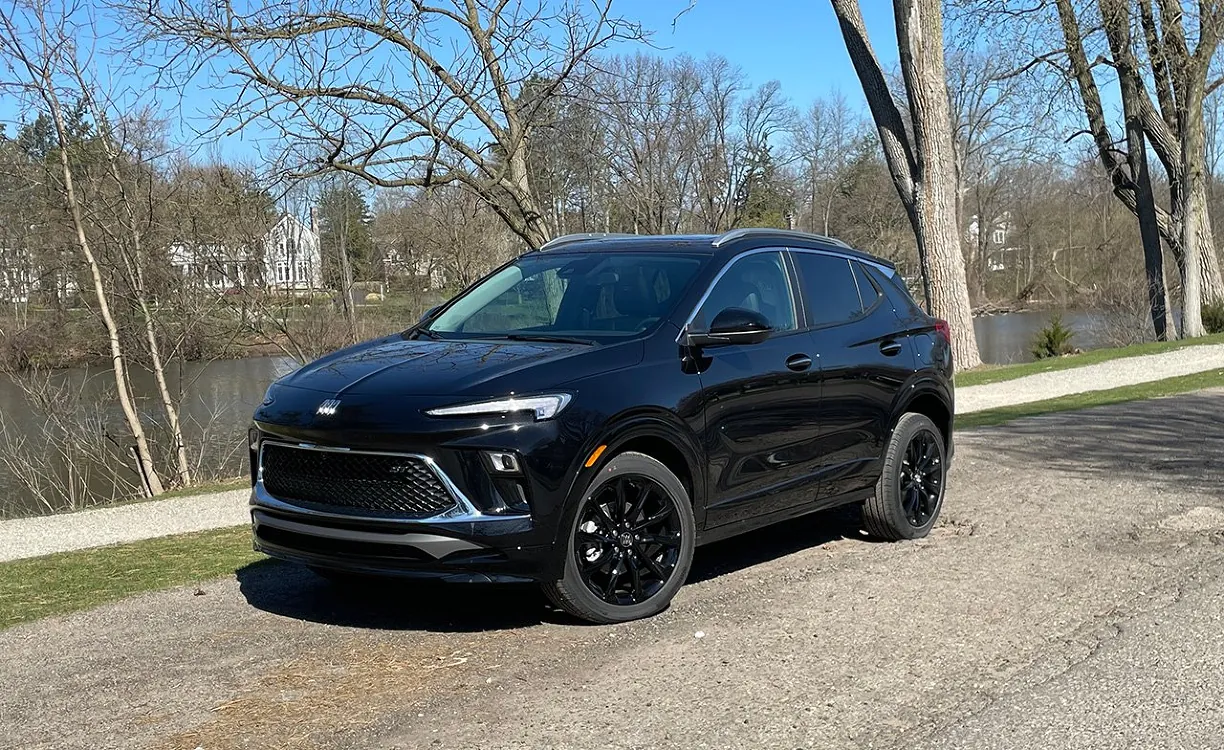
Buick records a 0.6% predicted chance of reaching 250,000 miles. The American manufacturer occupies a premium position within the General Motors portfolio, offering vehicles that emphasize comfort, practical features, and accessible luxury.
Its lineup has traditionally attracted customers who prefer quiet cabins, smooth suspension systems, and convenient everyday transportation. Buick SUVs also appeal to families seeking additional passenger space and modern safety equipment.
The 0.6% result places Buick well below the 3.2% luxury industry average. This is a substantial difference, indicating that vehicles from the brand have a comparatively low predicted likelihood of reaching the study’s highest mileage milestone.
Buyers should pay close attention to the condition of the engine, transmission, cooling system, and suspension. The specific model and production year matter because different Buick vehicles use different mechanical components and technologies.
Routine servicing can play an important role in controlling ownership expenses. Timely oil changes, fluid inspections, brake maintenance, and attention to warning lights help reduce the risk of preventable mechanical problems.
A used Buick should also receive a thorough electronic inspection. Modern vehicles contain multiple control modules and comfort-related systems that may develop faults over time. Diagnosing these issues correctly can prevent unnecessary parts replacement.
Buick’s position does not automatically make every model a poor purchase. A carefully maintained example with a complete service history may provide dependable everyday transportation. However, buyers seeking exceptional high-mileage potential should compare available alternatives.
5. Porsche: 0.5%
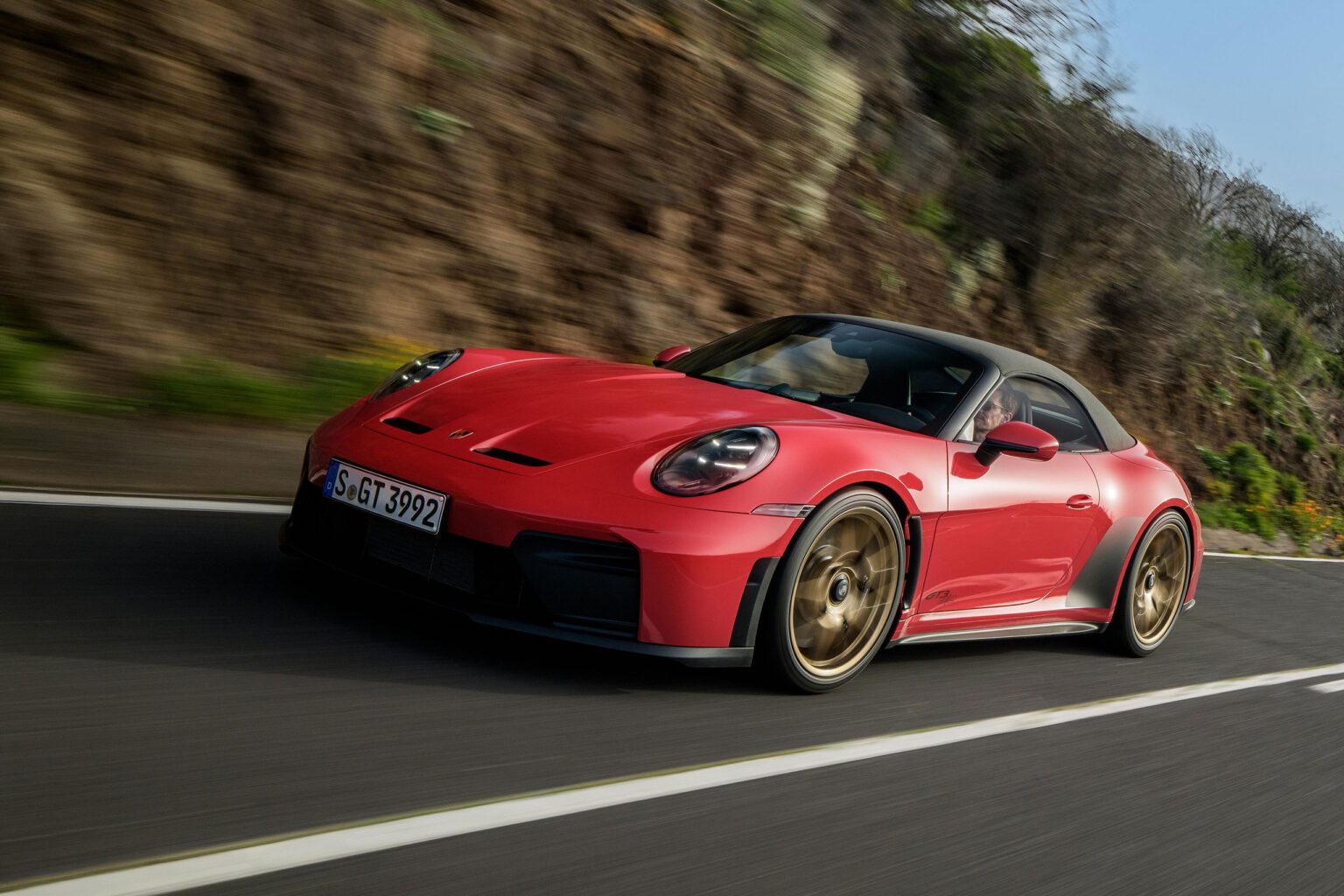
Porsche records a 0.5% predicted chance of reaching 250,000 miles in the study. The German performance manufacturer has a strong reputation for sports-car engineering, precise handling, powerful engines, and distinctive vehicle design.
Its range includes the 911, 718, Cayenne, Macan, Panamera, and Taycan. These vehicles serve different customer needs, ranging from dedicated performance driving to everyday family transportation.
Porsche’s 0.5% result is significantly below the luxury industry average. However, the figure should be considered alongside the brand’s product mix and typical ownership patterns. Performance vehicles may experience different usage, maintenance, and replacement patterns from ordinary passenger cars.
Maintenance expenses can be substantial, especially for vehicles with high-performance engines, specialized transmissions, and complex suspension systems. Replacement components and specialist labour can add considerably to ownership costs.
Used Porsche buyers should examine service records, engine condition, transmission operation, suspension components, brake systems, and evidence of previous accident damage. A pre-purchase inspection by a qualified Porsche specialist can help identify costly problems.
Driving habits also influence vehicle longevity. Repeated hard acceleration, track use, aggressive driving, and delayed servicing can place additional stress on mechanical components. Responsible driving and appropriate maintenance can support a longer service life.
Porsche remains an attractive choice for enthusiasts who value driving enjoyment and engineering quality. However, its low predicted 250,000-mile probability suggests that buyers should approach long-term ownership with realistic maintenance expectations.
6. BMW: 0.4%
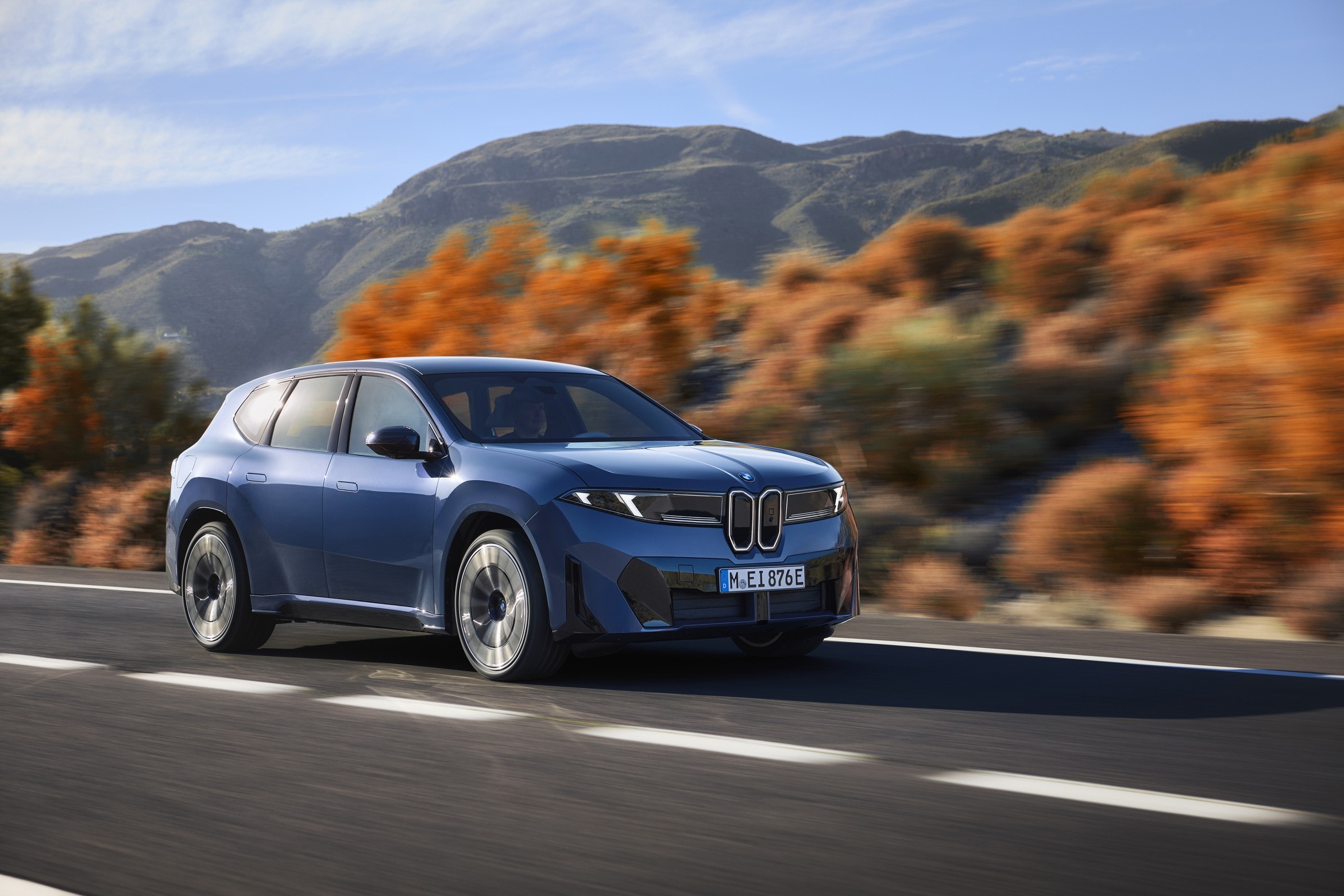
BMW records a 0.4% predicted probability of reaching 250,000 miles. The manufacturer is known for performance-focused engineering, responsive handling, premium interiors, and a wide selection of luxury vehicles.
Its lineup includes the 3 Series, 5 Series, 7 Series, X3, X5, and several high-performance M models. These vehicles appeal to drivers who appreciate a combination of everyday comfort and engaging driving characteristics.
The 0.4% result places BMW below the luxury industry average. This finding is relevant to buyers who plan to retain a vehicle for an extended period and want to understand the statistical likelihood of reaching exceptionally high mileage.
BMW vehicles can feature sophisticated engines, turbocharging, advanced transmissions, and electronically controlled suspension systems. These technologies contribute to performance and comfort, but they may require specialized servicing as vehicles age.
Engine cooling systems, oil leaks, electrical components, and transmission behaviour deserve particular attention when purchasing a used BMW. Repair costs can vary considerably depending on the model, engine, and availability of qualified technicians.
A complete service history is essential. Buyers should verify that previous maintenance was performed at appropriate intervals and that known model-specific issues have been addressed. An independent inspection can also help uncover problems that are not immediately visible during a test drive.
BMW remains attractive to people who prioritize driving dynamics and premium design. However, its position in this longevity comparison highlights the importance of budgeting for maintenance rather than focusing exclusively on the initial purchase price.
7. Audi: 0.3%
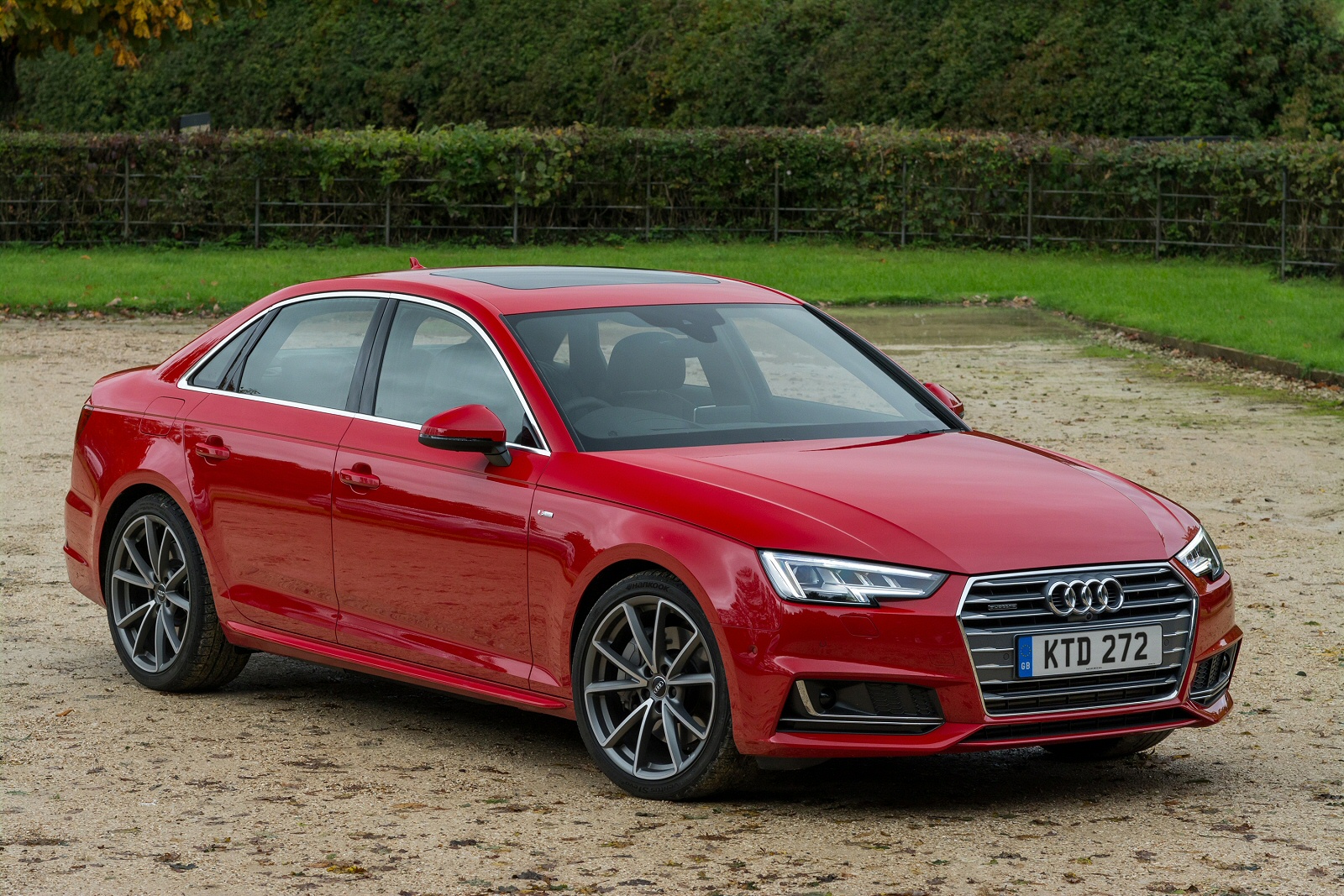
Audi records a 0.3% predicted chance of reaching 250,000 miles. The German manufacturer has established itself through understated styling, sophisticated interiors, advanced technology, and its widely recognized Quattro all-wheel-drive system.
Its lineup covers several categories, including compact luxury cars, executive sedans, performance vehicles, and premium SUVs. Audi vehicles often attract buyers who appreciate modern design and a technology-focused driving experience.
The brand’s 0.3% longevity result is substantially below the luxury industry average of 3.2%. This indicates a lower predicted chance of reaching the study’s 250,000-mile threshold across the vehicles included in the research.
Audi ownership can involve additional maintenance considerations because many models feature turbocharged engines, sophisticated transmissions, and complex electronic systems. These components require appropriate servicing and attention as mileage increases.
Used Audi buyers should examine the engine, transmission, cooling system, suspension, and electronic features. All-wheel-drive components should also receive attention where applicable. A detailed inspection can help identify problems that might otherwise result in unexpected repair bills.
Maintenance records are particularly valuable when purchasing a pre-owned Audi. Buyers should confirm that fluid changes, scheduled servicing, and necessary component replacements have been completed according to the vehicle’s requirements.
Audi continues to appeal to consumers seeking refined interiors, modern technology, and confident road performance. However, its position below the industry average makes careful model selection and maintenance planning especially important.
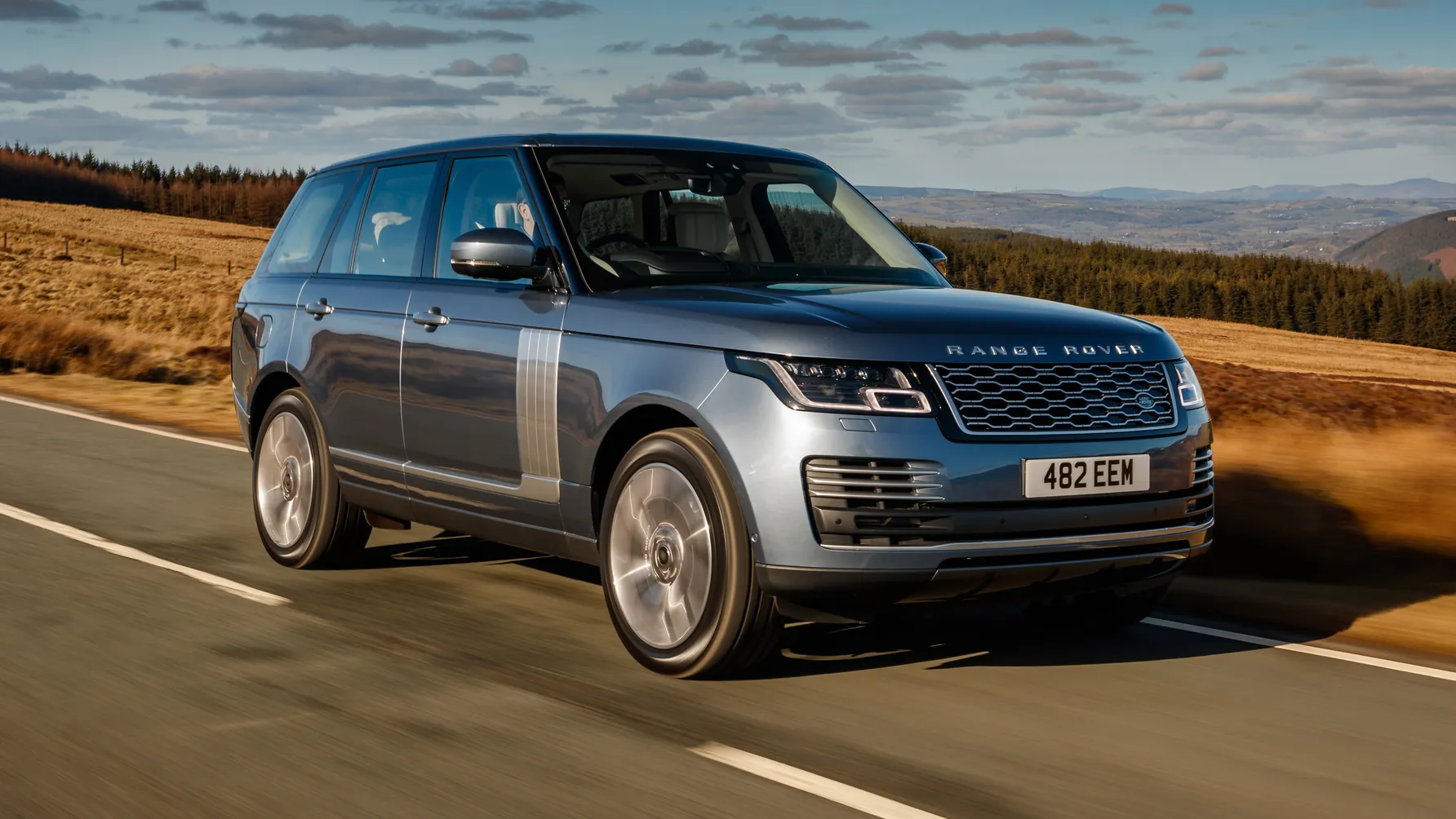
8. Land Rover: 0.1%
Land Rover records a 0.1% predicted chance of reaching 250,000 miles. The British manufacturer specializes in premium SUVs that combine upscale interiors, strong road presence, and off-road capability.
Its vehicles are designed to offer a distinctive combination of luxury and versatility. Models such as the Range Rover, Defender, and Discovery serve customers who want premium comfort alongside the ability to handle demanding terrain.
The 0.1% result places Land Rover near the bottom of the luxury longevity comparison. It is considerably below the industry average, suggesting that its vehicles have a low predicted probability of reaching 250,000 miles under the study’s methodology.
Modern Land Rover vehicles incorporate advanced suspension technology, sophisticated four-wheel-drive systems, powerful engines, and extensive electronic equipment. These systems create an impressive driving experience but can require specialized maintenance.
Potential buyers should inspect the air suspension, drivetrain, cooling system, electrical equipment, and engine condition. Water leaks, warning lights, unusual noises, and inconsistent suspension operation should receive professional attention.
Land Rover maintenance can also be expensive because some repairs require specialized parts, diagnostic equipment, and experienced technicians. Buyers should investigate local service availability before purchasing an older or high-mileage model.
The brand remains appealing for drivers who need a capable premium SUV with distinctive styling and strong off-road credentials. However, buyers who prioritize maximum vehicle longevity should carefully compare its ownership requirements with competing manufacturers.
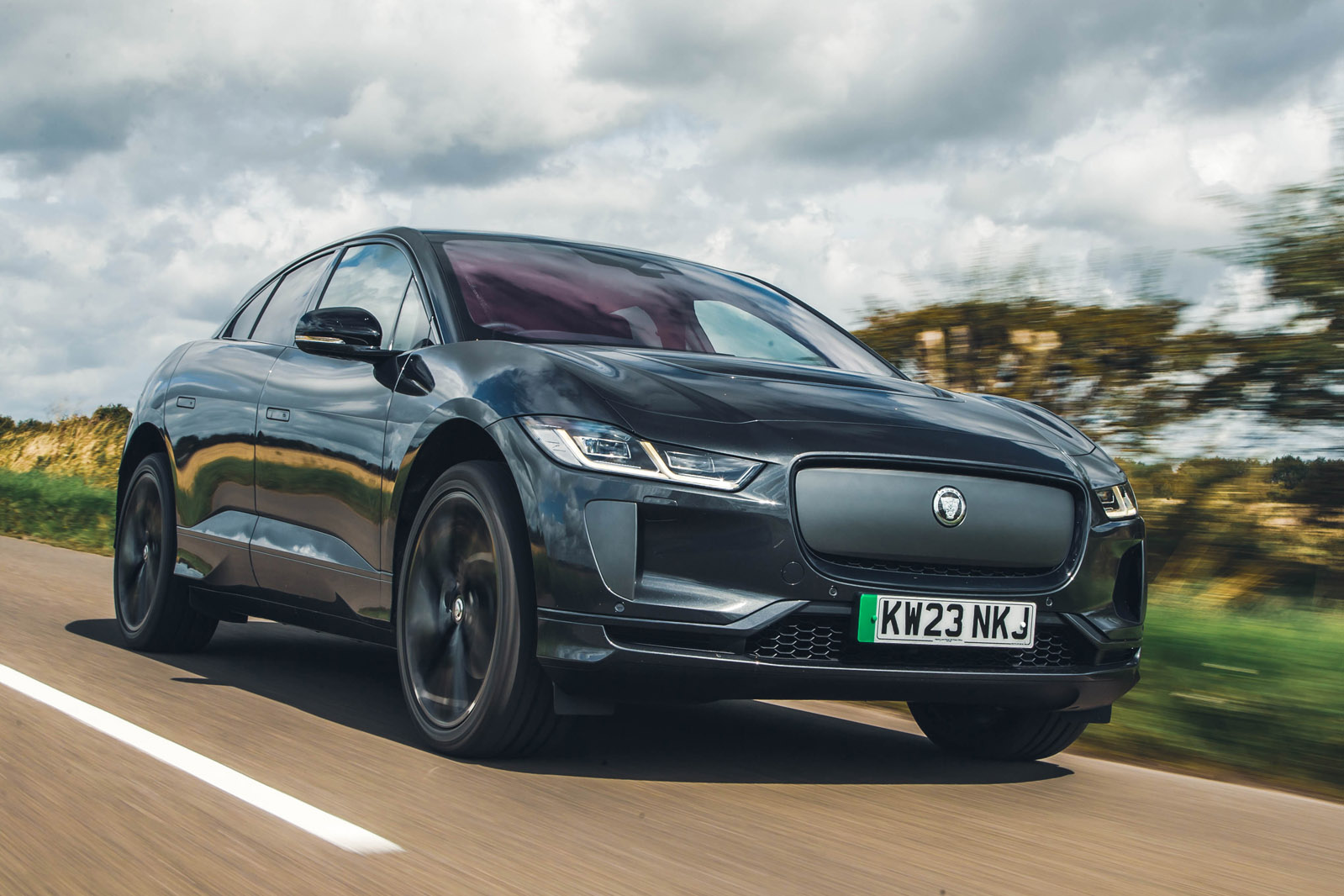
9. Jaguar: 0.0%
Jaguar records a displayed predicted longevity figure of 0.0% in the 2025 iSeeCars comparison. The British luxury manufacturer has historically been associated with elegant styling, powerful engines, refined cabins, and performance-oriented vehicles.
Its previous lineup included premium sedans and SUVs designed to compete with established European luxury manufacturers. Models such as the F-Type, XF, XE, and F-Pace offered different combinations of performance and everyday usability.
The displayed 0.0% figure places Jaguar at the bottom of this particular comparison alongside Maserati. However, it is important to understand that a rounded percentage does not prove that no Jaguar can reach 250,000 miles.
Long-term ownership can require careful attention to engine servicing, transmission operation, cooling systems, electrical equipment, and suspension components. The exact requirements depend on the vehicle’s model year and powertrain.
Buyers considering a used Jaguar should request complete service records and arrange an independent inspection. Particular attention should be given to warning lights, fluid leaks, electronic faults, and any history of major mechanical repairs.
Specialist servicing is also worth considering. Access to technicians familiar with Jaguar vehicles can make diagnostics more accurate and help prevent unnecessary replacement of expensive components.
Jaguar continues to have a distinctive position in the luxury automotive market because of its design heritage and performance character. Nevertheless, the study’s longevity estimate indicates that buyers should be cautious when evaluating long-term ownership costs.
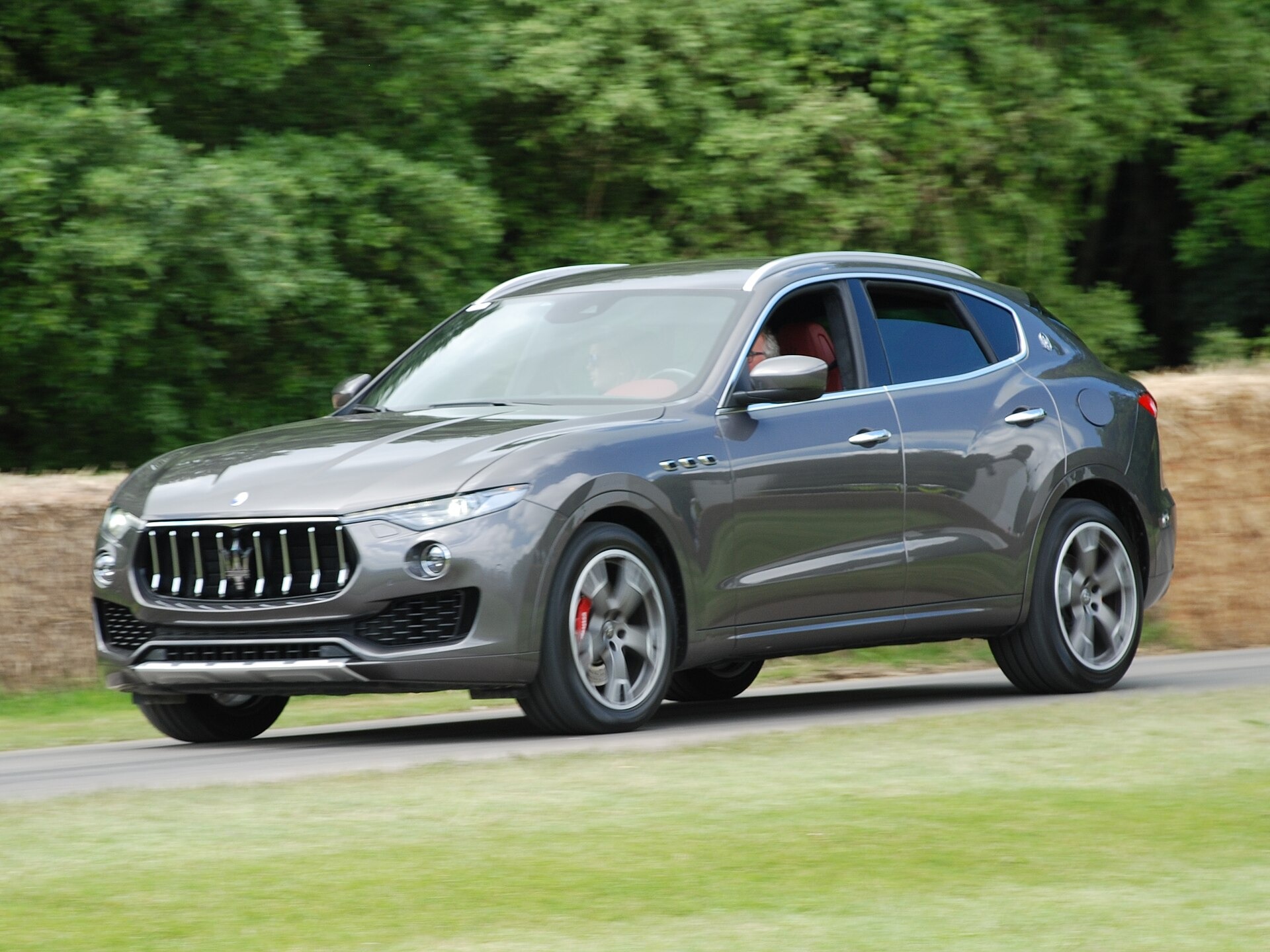
10. Maserati: 0.0%
Maserati shares the lowest displayed position in the comparison, with a predicted 250,000-mile probability of 0.0%. The Italian manufacturer is associated with exclusive styling, distinctive engine character, premium interiors, and performance-focused vehicles.
Its lineup has included models such as the Ghibli, Quattroporte, Levante, Grecale, and MC20. These vehicles appeal to buyers who want a distinctive alternative to more common German luxury brands.
The displayed longevity percentage is substantially below the luxury industry average. As with Jaguar, the rounded figure should not be interpreted as proof that individual Maserati vehicles cannot achieve exceptionally high mileage.
Ownership expenses are an important consideration. Specialist parts, labour requirements, and complex mechanical systems can make some repairs considerably more expensive than those associated with mainstream vehicles.
Used Maserati buyers should investigate engine health, transmission performance, cooling systems, suspension components, and electronic equipment. A comprehensive service history is especially valuable when evaluating vehicles with higher mileage.
It is also important to understand the vehicle’s previous usage. Frequent performance driving, inconsistent maintenance, and extended periods without servicing can influence the condition of mechanical components.
Maserati offers a distinctive luxury experience for customers who value Italian design and performance. However, its position in the longevity comparison suggests that prospective owners should prioritize maintenance planning, specialist support, and a detailed pre-purchase inspection.