
Voice command technology has become an important feature in modern vehicles across the United States. Drivers increasingly expect their cars to understand everyday speech, respond accurately, and control navigation, entertainment, calls, and climate settings without requiring manual input.
However, not every vehicle delivers the same level of performance. Some systems recognize natural speech more effectively, while others struggle with accents, background noise, or complicated instructions. Evaluating dependable voice technology requires looking beyond marketing claims.
This article examines ten vehicles with promising voice command systems, using vehicle dependability and technology experience as reference points for a practical comparison.

1. BMW 5 Series
The BMW 5 Series is a strong candidate for drivers who want sophisticated voice interaction alongside premium cabin technology. Its iDrive infotainment platform combines navigation, entertainment, vehicle settings, and smartphone connectivity.
The integrated BMW Intelligent Personal Assistant allows drivers to communicate with the vehicle using natural conversational instructions for supported functions.
The system is designed to recognize common requests without requiring drivers to remember a long list of fixed commands. Depending on the model year and equipment, users can request navigation destinations, adjust certain climate settings, manage entertainment, and access vehicle information. This flexibility makes everyday operation more convenient.
BMW’s voice technology benefits from its connection with the wider iDrive interface. Drivers can use spoken instructions for selected functions while passengers can continue using the central display. The combination provides flexibility for people who prefer voice controls but still want access to traditional infotainment menus.
Recognition quality depends on microphone performance, cabin noise, language settings, and software configuration. Clear speech generally produces better results than complicated instructions containing several unrelated requests. Keeping the vehicle software updated can also help maintain compatibility and improve the available features.
From a VDS (Vehicle Dependability Study) perspective, buyers should examine the dependability information for the exact model year rather than assuming that premium construction guarantees fewer problems.
The study can provide useful ownership context, particularly when considering electronic and infotainment complaints. The TXI (Tech Experience Index) perspective is relevant when evaluating the convenience and usability of BMW’s technology package.
The 5 Series is particularly suitable for professionals and frequent travelers who regularly use navigation, phone connectivity, and entertainment controls. Its technology-rich interior offers several ways to manage common tasks, making it a practical option for drivers who value convenience during longer journeys.
Prospective buyers should confirm which Intelligent Personal Assistant features are available on their preferred trim. Connected services, subscription requirements, and regional software differences can affect functionality. A test drive is useful for checking whether the system recognizes normal speaking patterns and responds consistently.
2. Mercedes-Benz E-Class
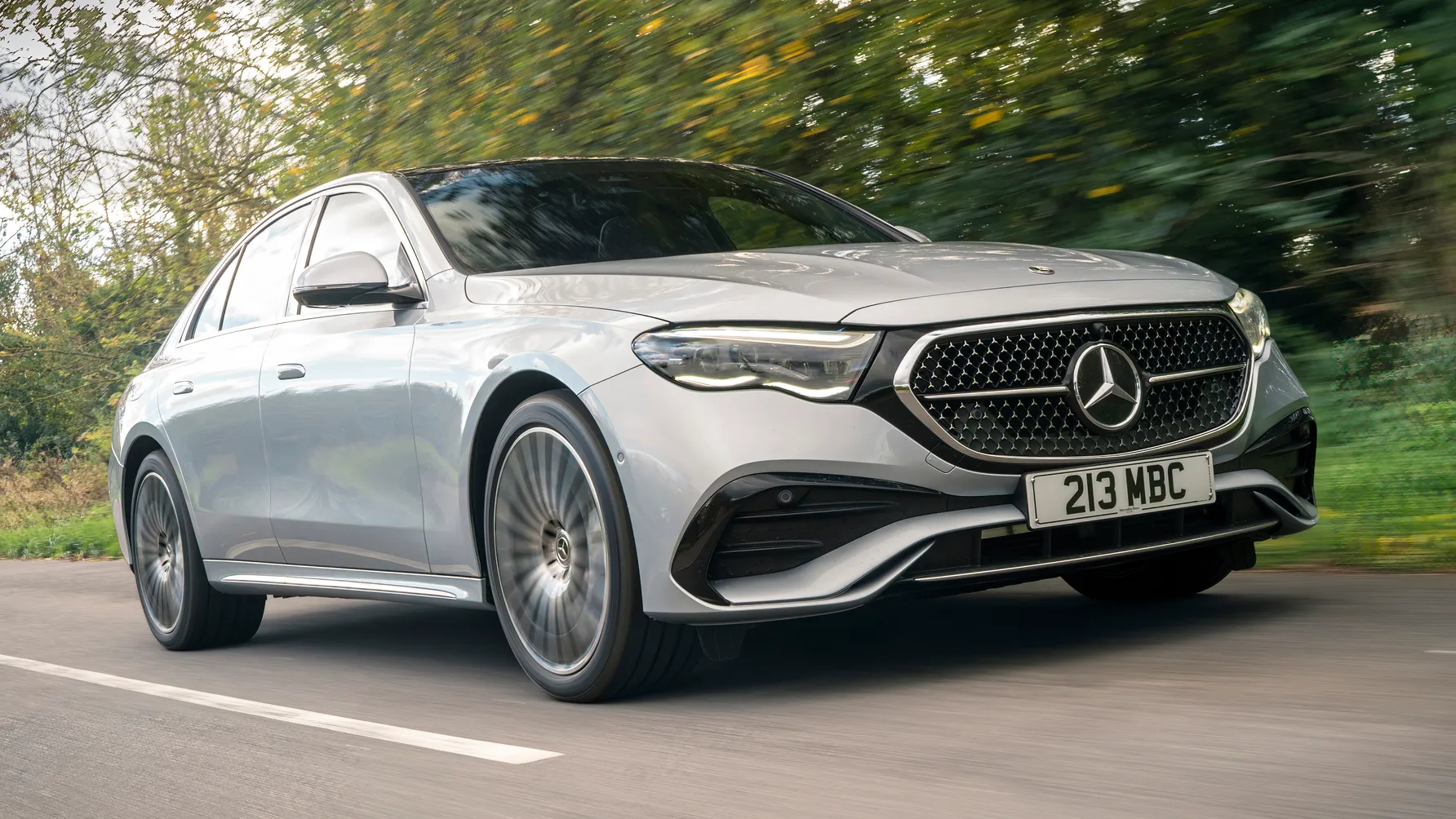
The Mercedes-Benz E-Class features the MBUX infotainment system, which places voice interaction at the center of its digital cabin experience. The system is designed to understand natural requests and provide access to selected vehicle functions through spoken instructions. Its conversational approach reduces dependence on memorized commands.
The familiar voice activation phrase allows drivers to access supported functions without searching through several menus. Depending on equipment and software availability, users can request navigation assistance, control entertainment, adjust selected climate settings, and obtain certain vehicle information.
One advantage of MBUX is its integration with the vehicle’s wider digital interface. Information requested through voice commands can appear on the infotainment display, allowing drivers to confirm that the system understood their instructions. This visual support can make interactions easier to manage.
The E-Class also offers a premium cabin environment that supports comfortable technology use. Microphone placement, cabin insulation, and infotainment integration all influence how well spoken instructions are recognized. These factors are important when evaluating performance during highway travel or in busy urban conditions.
For a VDS cross-reference, buyers should review model-year-specific dependability information and pay attention to electronic system complaints. Luxury vehicles often include more advanced equipment, which makes it particularly important to assess the reliability of individual technology components instead of relying on brand reputation.
The TXI perspective helps buyers consider whether the available technology feels intuitive during daily use. A feature-rich interface is valuable only when drivers can operate it without unnecessary confusion. Mercedes-Benz provides a sophisticated experience, but the number of available settings may require some initial familiarization.
The E-Class suits buyers looking for a premium sedan with advanced voice assistance, connected services, and extensive digital functionality. Checking the specific MBUX generation, software package, and regional feature availability is essential before purchasing a particular model.
3. Ford F-150
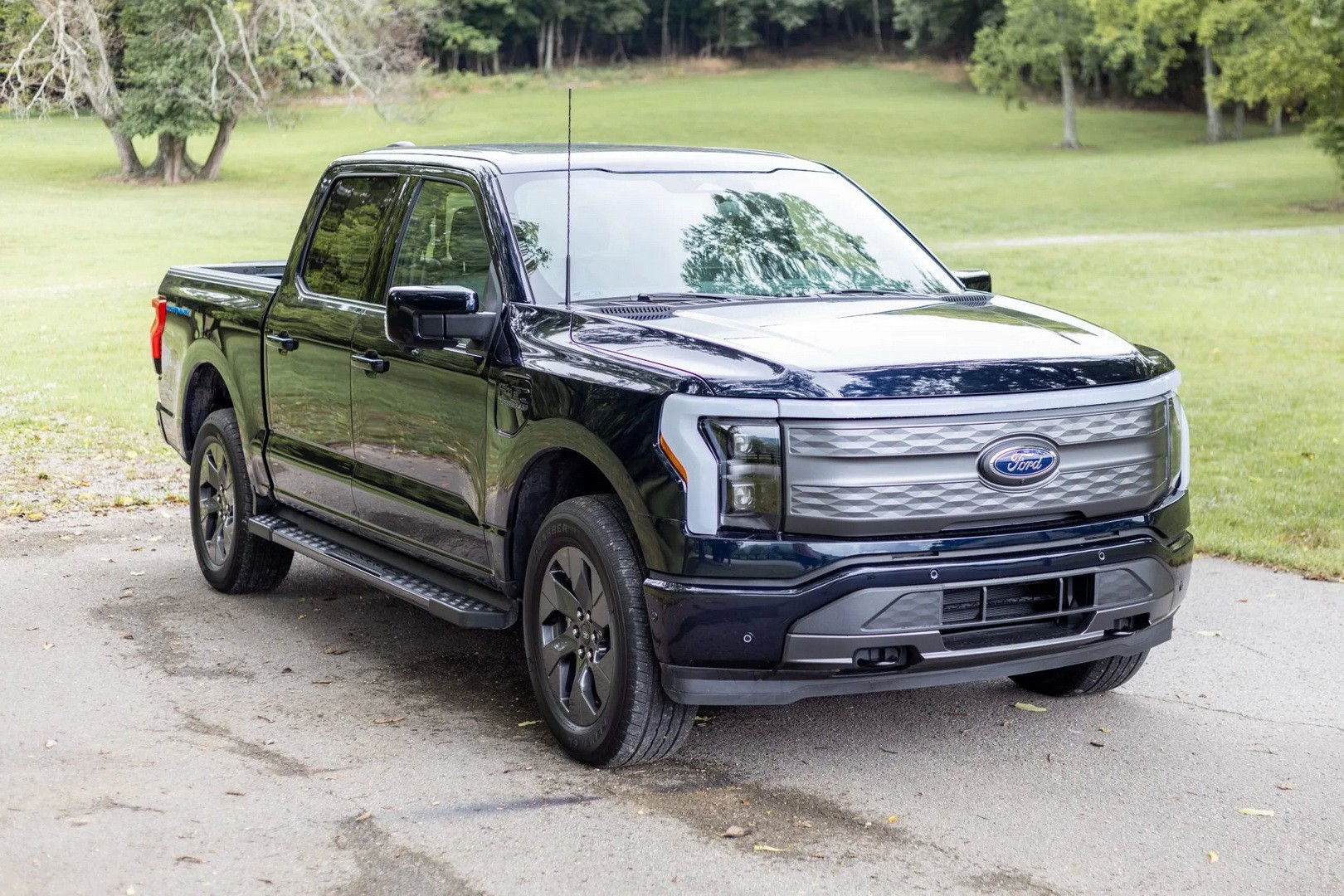
The Ford F-150 is a practical choice for American drivers who want voice commands in a versatile pickup truck. Its SYNC infotainment system has developed through several generations, offering improved connectivity, touchscreen integration, and spoken control features. Newer configurations provide a more modern interface than earlier versions.
SYNC allows drivers to use voice commands for supported navigation, phone, and entertainment functions. The available capabilities vary by model year and trim, but the system is designed to reduce the need for manual interaction with the infotainment display. This is particularly useful for drivers who spend considerable time behind the wheel.
The F-150’s interior is designed around work and everyday transportation. Drivers may use the vehicle for commuting, business activities, recreational travel, and hauling equipment. Voice assistance can simplify routine operations by making commonly used functions easier to access while keeping attention on the road.
Ford has also offered smartphone integration through Apple CarPlay and Android Auto on compatible configurations. These platforms provide access to familiar voice assistants, including Siri and Google Assistant. Their availability gives drivers additional flexibility when using navigation, sending messages, or selecting music.
The VDS reference is important because pickup trucks frequently experience demanding usage conditions. Buyers should review the dependability results for the specific F-150 model year and investigate any reported infotainment or electrical issues. A strong reputation for utility should not automatically be interpreted as proof of flawless voice technology.
From a TXI perspective, the F-150 offers an interesting combination of vehicle functions and connected technology. Its usefulness depends on how well drivers can access the available features without unnecessary menu navigation. The screen layout, steering-wheel controls, and voice interface all contribute to the experience.
4. Chevrolet Silverado 1500
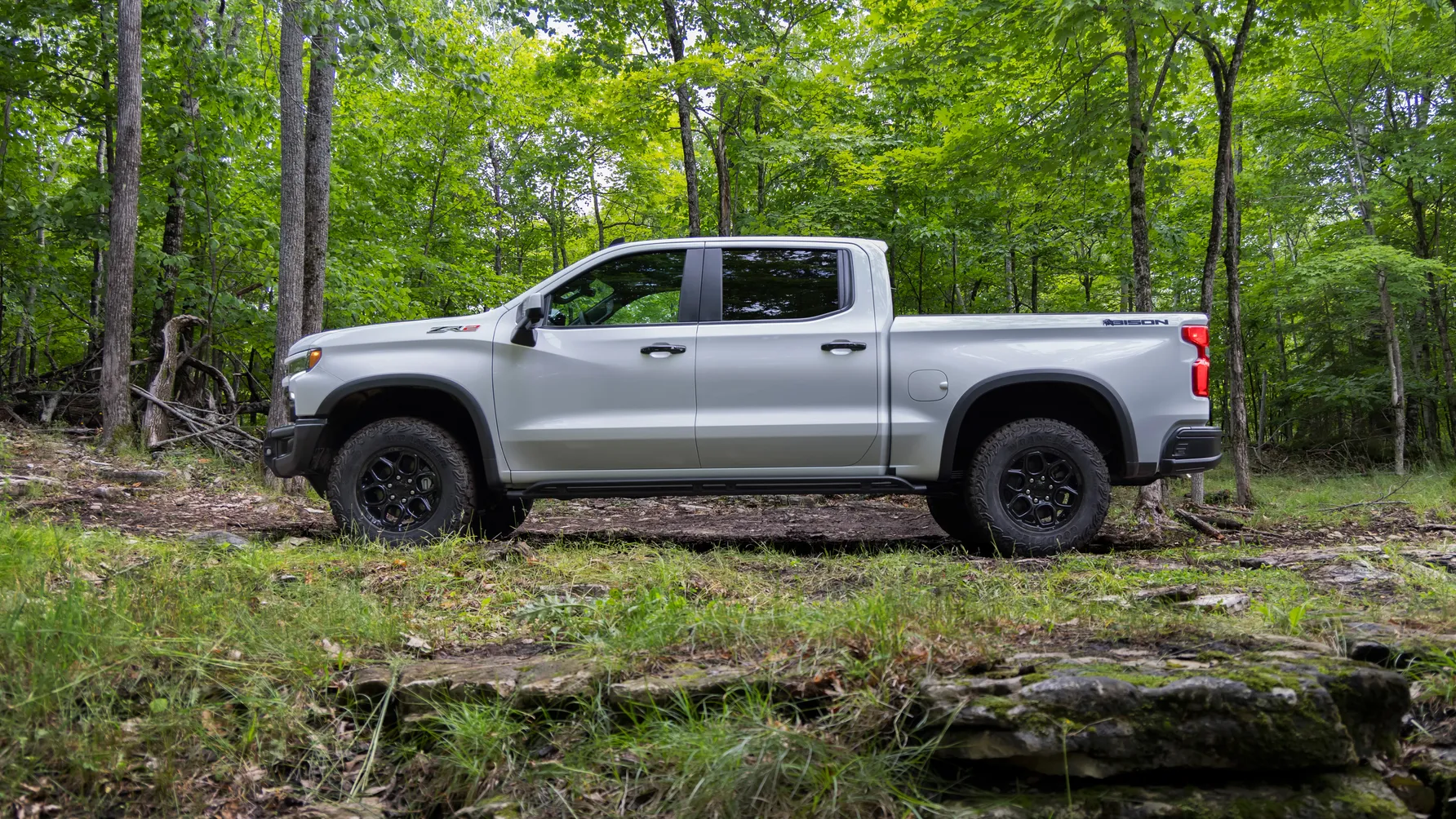
The Chevrolet Silverado 1500 offers a modern infotainment experience that combines voice interaction, smartphone connectivity, and available Google-based services. Depending on model year and configuration, the truck may include Google built-in functionality, providing access to supported applications and voice assistance through the vehicle’s infotainment interface.
Google Assistant integration can make common tasks more convenient. Drivers may use spoken instructions to request directions, search for destinations, manage supported entertainment features, and access selected vehicle functions. The experience depends on the installed system, account configuration, and available connectivity.
The Silverado is designed for a wide range of American drivers. It serves personal transportation needs, work-related activities, towing requirements, and recreational use. In each situation, an accessible voice interface can help reduce the amount of time spent interacting with physical controls.
One important advantage is the availability of smartphone connectivity on compatible configurations. Apple CarPlay and Android Auto support can extend familiar phone-based voice features into the vehicle. This allows drivers to use established applications rather than depending entirely on the manufacturer’s native system.
The VDS cross-reference should focus on the Silverado’s specific model year and ownership history. Buyers should investigate reported infotainment interruptions, connectivity problems, and software-related concerns. Such information provides more useful context than general assumptions about pickup truck durability.
The TXI perspective is relevant because the Silverado’s digital experience involves several connected features. Voice assistance, display responsiveness, navigation, and smartphone compatibility contribute to how convenient the system feels. A successful ownership experience requires these functions to work together consistently.
5. Hyundai Palisade
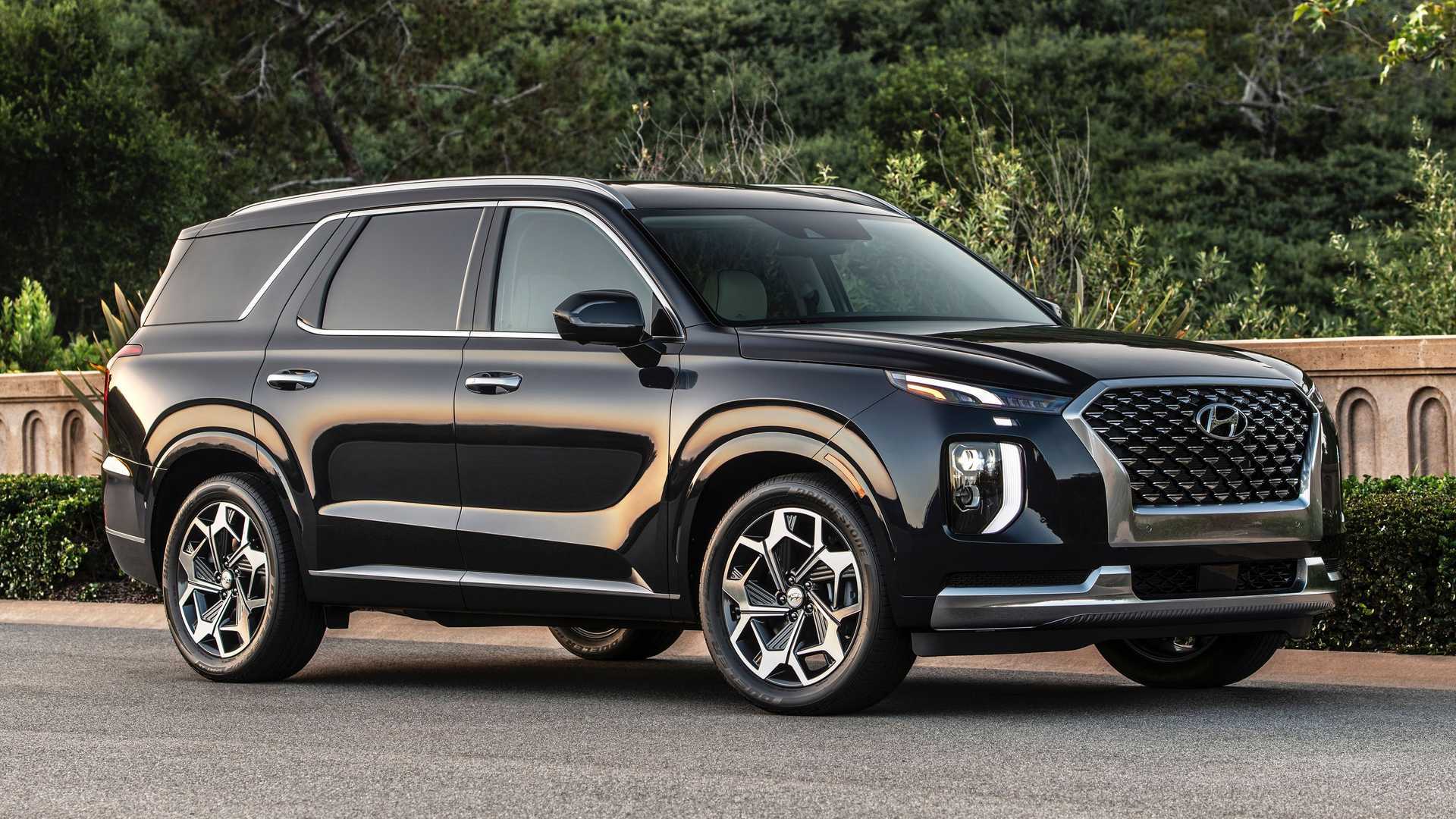
The Hyundai Palisade is a family-oriented SUV with a technology package designed to support everyday convenience. Depending on the model year and trim, its infotainment system includes voice command functionality, smartphone integration, and connected services. These features make it easier for families to access navigation and entertainment.
Hyundai’s infotainment technology provides spoken access to selected vehicle functions. Drivers can use available commands for navigation, phone connectivity, and audio settings. The precise features depend on the installed system, making model-year verification important when comparing different Palisade versions.
A major advantage of the Palisade is its family-focused cabin layout. The vehicle offers multiple seating rows, practical storage areas, and technology features intended to support passengers. Voice assistance can make common operations easier, particularly when the driver is managing navigation during family trips.
Smartphone integration adds further convenience. Compatible Apple CarPlay and Android Auto systems allow users to access familiar applications and supported voice assistants. This can be particularly helpful for people who prefer using their existing navigation applications instead of switching between different platforms.
For VDS-related evaluation, buyers should check the Palisade’s model-year-specific dependability results. Electronic equipment, infotainment operation, and software performance deserve attention alongside mechanical components. Long-term consistency matters because families often depend on their vehicles for regular transportation.
The TXI reference provides a useful framework for understanding technology satisfaction. The Palisade’s digital features should be assessed according to ease of use, responsiveness, and the consistency of voice recognition. A system that handles routine requests efficiently can improve the experience for drivers and passengers.
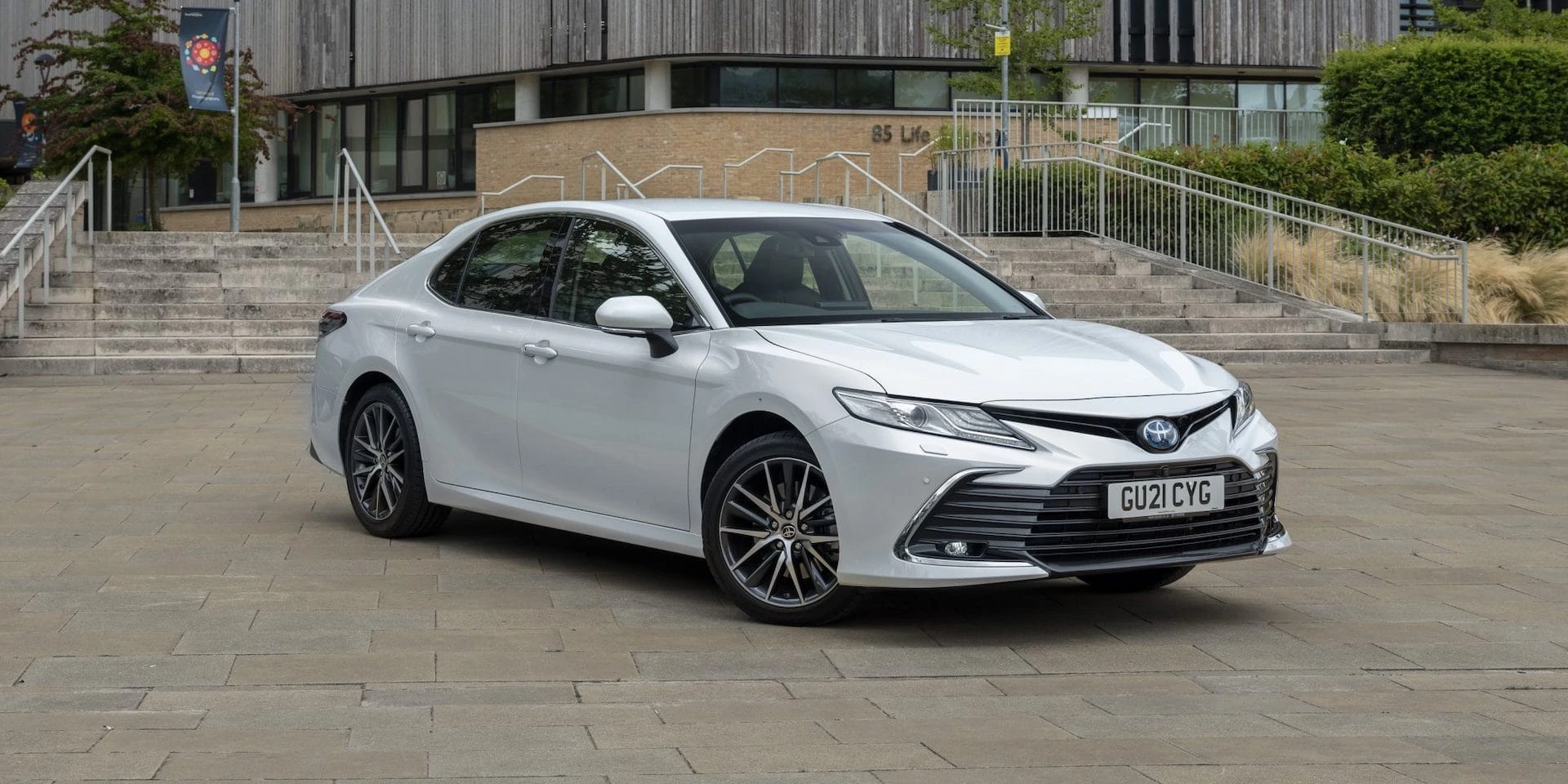
6. Toyota Camry
The Toyota Camry has a long-standing position in the American sedan market because of its practical design, everyday comfort, and established ownership appeal. Modern versions offer improved infotainment technology, smartphone connectivity, and voice-related functions. The available features vary according to model year and equipment.
Toyota’s multimedia platform supports voice interaction for selected functions. Drivers can access compatible navigation, entertainment, and phone features through the system. Newer configurations provide a more connected experience than older infotainment generations, making it important to distinguish between different model years.
The Camry is particularly appealing to commuters who spend considerable time traveling through urban areas and on highways. Voice assistance can help manage common tasks without requiring constant touchscreen interaction. Navigation requests, music selection, and phone-related functions are useful examples of everyday applications.
Smartphone integration provides another layer of convenience. Compatible versions support Apple CarPlay and Android Auto, allowing drivers to use familiar applications and their associated voice assistants. This reduces the need to learn an entirely different system for common communication and navigation tasks.
The VDS perspective is especially relevant when examining the Camry because dependability is an important consideration for long-term ownership. Buyers should consult the relevant model-year study and consider reported problems separately from general brand reputation. Historical performance should not be treated as a guarantee for every individual vehicle.
For the TXI comparison, the Camry’s technology should be evaluated according to its ease of use and consistency. A straightforward infotainment interface can be more useful than an extensive feature list if drivers can access common functions quickly. Voice command responsiveness remains an important part of that experience.
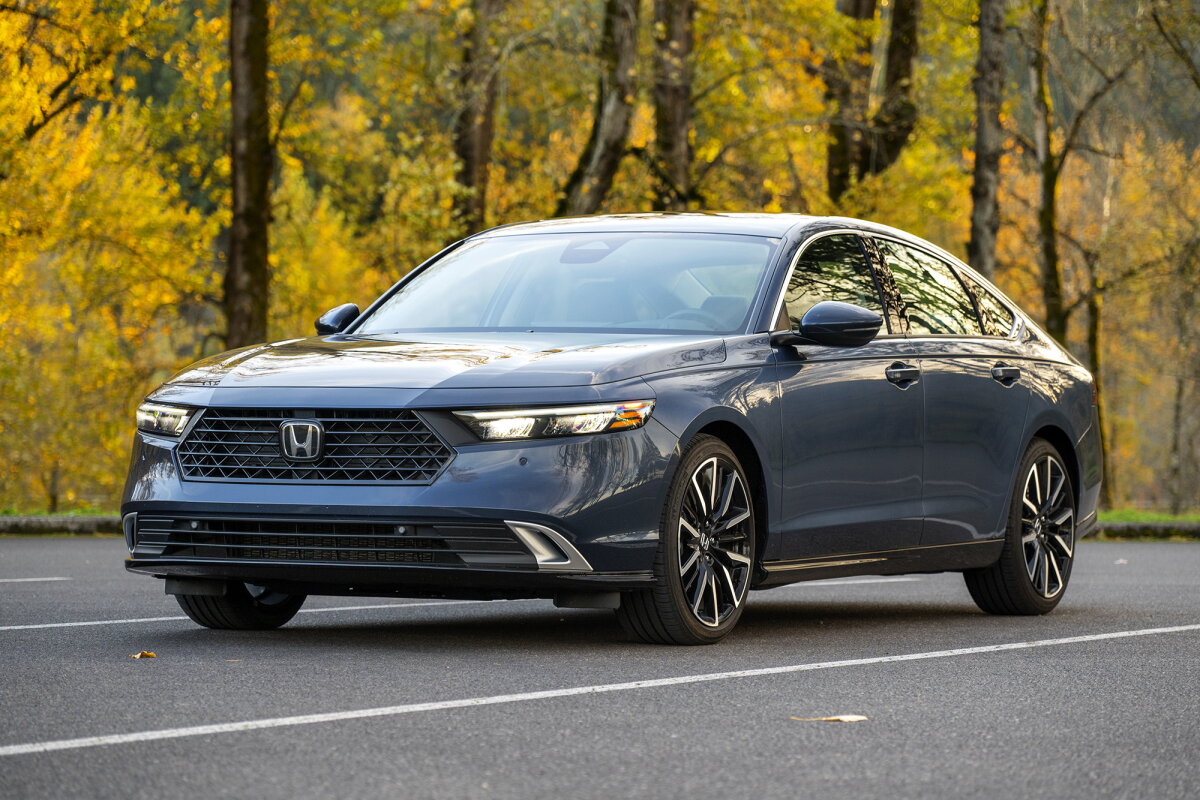
7. Honda Accord
The Honda Accord combines a practical interior, comfortable driving characteristics, and modern infotainment features. Recent versions offer improved connectivity and voice-related technology, with equipment varying according to trim and model year. Some configurations provide Google built-in, while others rely on Honda’s infotainment interface and smartphone integration.
Google built-in-equipped versions can offer access to Google Assistant and supported applications. This provides a familiar method of requesting directions, managing compatible entertainment services, and accessing selected vehicle functions. Drivers who already use Google’s ecosystem may find the experience easier to understand.
The Accord’s infotainment design focuses on combining digital features with accessible physical controls. This arrangement can be useful for drivers who prefer a mixture of touchscreen and voice operation. Familiar controls can also make the learning process easier for new owners.
Apple CarPlay and Android Auto support on compatible configurations provides additional voice functionality. Drivers can use Siri or Google Assistant through supported smartphone connections. This flexibility is valuable for people who regularly use messaging, navigation, and music applications.
When considering VDS results, buyers should examine the Accord’s specific model year and compare reported dependability information with the equipment installed. The study can provide context about vehicle ownership, but it does not establish that every infotainment feature will perform identically across all trims.
The TXI perspective is useful for evaluating the Accord’s technology experience. Voice responsiveness, interface clarity, smartphone compatibility, and software consistency all influence owner satisfaction. A vehicle can provide excellent mechanical performance while still requiring improvements in its digital interface.

8. Genesis GV80
The Genesis GV80 is a luxury SUV that places considerable emphasis on cabin technology and passenger comfort. Its infotainment system offers voice interaction alongside navigation, connected services, and entertainment features. The precise capabilities depend on model year, trim, and regional equipment.
Genesis has developed its digital interface to provide convenient access to several vehicle functions. Voice commands can support selected navigation and entertainment operations, helping drivers manage common tasks without relying entirely on touchscreen controls. The available functions should be confirmed for the specific vehicle.
The GV80’s cabin is designed to provide a premium experience. Its digital displays and integrated controls create a technology-focused environment. When voice recognition works consistently, drivers can access useful features while maintaining a more natural driving routine.
Smartphone integration also contributes to convenience. Compatible configurations provide access to supported phone connectivity features, allowing users to bring familiar applications into the vehicle. Availability and functionality should be verified for the relevant model year and market.
The VDS reference can help buyers understand the wider ownership dependability picture. However, the GV80 should be assessed using its own model-year information rather than assuming that every Genesis model has identical results. Buyers should pay particular attention to electronic equipment and infotainment-related complaints.
The TXI perspective is important when evaluating the GV80 because luxury vehicles often include extensive digital equipment. Owners should consider whether the technology is intuitive and whether commonly used functions respond consistently. A sophisticated interface must also remain convenient during everyday driving.
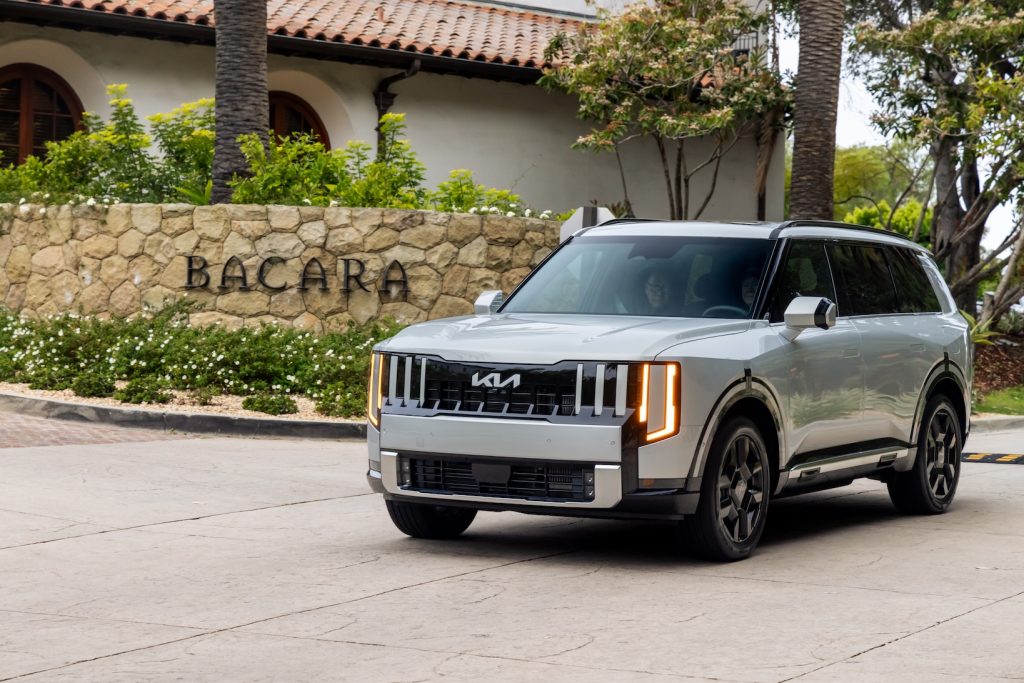
9. Kia Telluride
The Kia Telluride is a popular family SUV that combines passenger space, practical equipment, and modern infotainment features. Its available voice command technology supports selected functions through the vehicle’s multimedia interface. The exact experience varies according to model year and trim level.
Kia’s infotainment platform provides access to navigation, entertainment, and connected features. Drivers can use supported spoken instructions to perform common operations. The system is designed to reduce unnecessary manual interaction and provide easier access to frequently used functions.
The Telluride’s spacious cabin makes it a practical choice for families who regularly travel with multiple passengers. Voice commands can be particularly useful when the driver needs to manage directions or entertainment settings during longer trips. Passengers can also benefit from the vehicle’s connectivity options.
Apple CarPlay and Android Auto support on compatible versions provides access to familiar smartphone voice assistants. This allows drivers to continue using applications they already understand. It also provides an alternative when the native voice interface does not support a particular request.
The VDS cross-reference should include the specific Telluride model year and its available dependability information. Buyers should review reports concerning electrical equipment, infotainment stability, and software operation. Such checks help identify potential ownership concerns before making a purchase.
For the TXI perspective, the Telluride offers a useful combination of multimedia functions and practical cabin technology. Drivers should evaluate how easily the interface handles navigation, entertainment, and phone requests. Responsiveness and straightforward operation are more valuable than a long list of rarely used features.

10. Subaru Outback
The Subaru Outback combines a practical wagon-style design with SUV-inspired utility. Modern versions offer infotainment technology, smartphone integration, and voice command capabilities. Depending on model year and configuration, drivers can access selected functions through the vehicle’s multimedia system.
Subaru’s infotainment platform has developed to offer improved connectivity and more convenient digital controls. Voice interaction can support compatible phone, navigation, and entertainment functions. The precise level of functionality depends on the software generation and available equipment.
The Outback is designed for drivers who want versatility for daily transportation and recreational travel. Its cabin technology can support longer journeys by providing access to navigation and communication features. Voice commands are useful when drivers want to reduce interaction with the central display.
Compatible Apple CarPlay and Android Auto features offer additional flexibility. These systems allow users to connect familiar smartphone applications and access supported voice assistants. The ability to use an established phone-based system can make the vehicle easier to operate for many drivers.
For VDS comparisons, buyers should examine the Outback’s individual model-year results. It is important to distinguish general vehicle dependability from the reliability of the infotainment system. Any available reports concerning software interruptions, screen responsiveness, and connectivity deserve attention.
The TXI perspective helps assess the Outback’s digital experience beyond the number of available features. The quality of the interface, ease of learning, and reliability of common commands all influence satisfaction. Drivers should consider how the system performs during ordinary commuting and longer journeys.