
Buying a dependable vehicle is only half the challenge. Fuel, insurance, maintenance, repairs, and depreciation can make an apparently affordable car expensive to keep.
Buyers can refer to two valuable research sources when evaluating vehicle reliability and ownership expenses. J.D. Power’s U.S. Vehicle Dependability Study (VDS) examines problems reported by owners after three years of ownership, while AAA’s Your Driving Costs research provides estimates of the costs associated with owning and operating a new vehicle.
The vehicles below combine strong VDS results with relatively economical vehicle categories, giving shoppers a practical starting point for long-term ownership decisions.
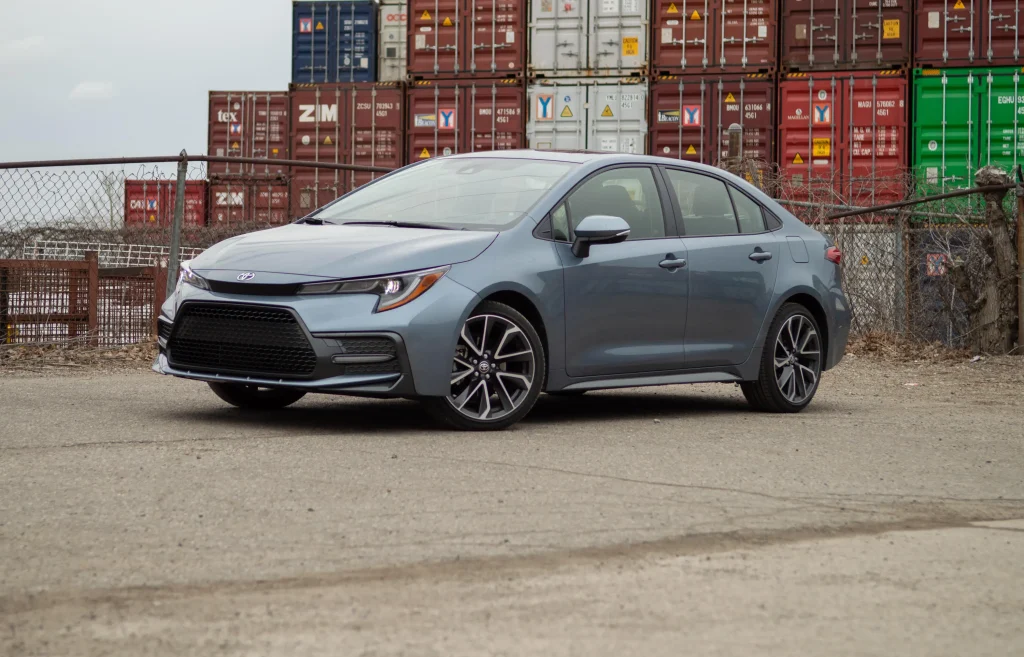
1. Toyota Corolla
The Toyota Corolla earns its place on this list through a combination of strong dependability results and an affordable vehicle category. In J.D. Power’s 2026 U.S. Vehicle Dependability Study, the 2023 Corolla ranked highest in the compact-car segment.
The study measures problems reported by original owners after three years, covering areas such as the powertrain, climate controls, interior, exterior, and infotainment. That makes the result more meaningful than simply relying on a manufacturer’s reputation.
The Corolla’s appeal is also connected to its straightforward approach to everyday transportation. It is a compact sedan designed around practical commuting, manageable dimensions, and efficient use of fuel.
Buyers who do not need a large SUV or powerful performance car can avoid paying for extra size and capability they may rarely use. Its relatively modest footprint can also make parking and urban driving easier.
AAA’s 2026 Your Driving Costs study places small sedans at an average of 61.73 cents per mile, the least expensive vehicle category in its comparison. At 15,000 miles annually, that works out to approximately $9,260 per year.
This is a category estimate, not a Corolla-specific ownership quote, and actual costs depend on insurance, location, trim, and driving habits.
For shoppers prioritizing predictable transportation, the Corolla is a sensible candidate. Its VDS segment award provides evidence of strong three-year dependability, while AAA’s small-sedan figures demonstrate why choosing a compact car can help control expenses.
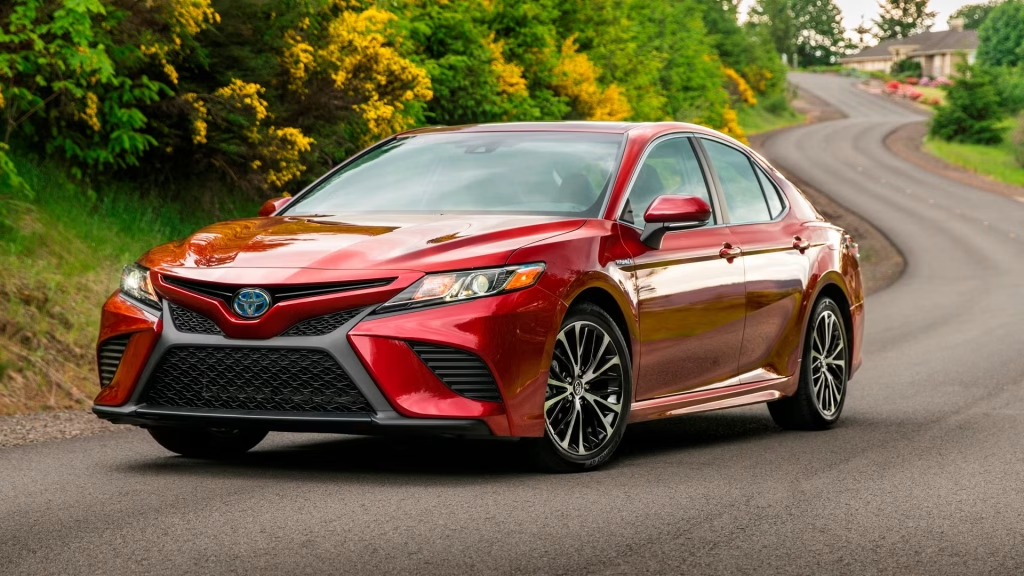
2. Toyota Camry
A buyer who wants more cabin space without moving into an SUV should consider the Toyota Camry. It secured the highest position in the midsize-car segment of J.D. Power’s 2026 Vehicle Dependability Study.
The result was based on feedback from owners of 2023 model-year vehicles, assessed after three years of use. J.D. Power examined 184 specific problem areas, including mechanical systems, infotainment, seating, driving experience, and vehicle controls.
The Camry’s strength is that it combines family-friendly space with a conventional sedan layout. Its larger cabin makes it more suitable than a compact car for some passengers and longer journeys, while its lower ride height and car-based design avoid the size and weight associated with many SUVs.
That can make it an appealing middle ground for households that need everyday practicality but do not require three rows of seating.
AAA’s 2026 study reports an average cost of 70.37 cents per mile for medium sedans. At 15,000 miles annually, the category benchmark is approximately $10,556.
This figure includes estimated ownership and operating expenses, rather than just fuel or scheduled servicing. It is not a Camry-specific quote, and individual insurance premiums, financing arrangements, and depreciation can change the result.
The Camry stands out for two key reasons. It ranked highest in its vehicle segment in J.D. Power’s VDS, and its vehicle class generally has lower ownership and operating costs than several larger categories included in AAA’s comparison.
Buyers should still compare the exact trim and powertrain they intend to purchase, since equipment and purchase price influence long-term expenses.
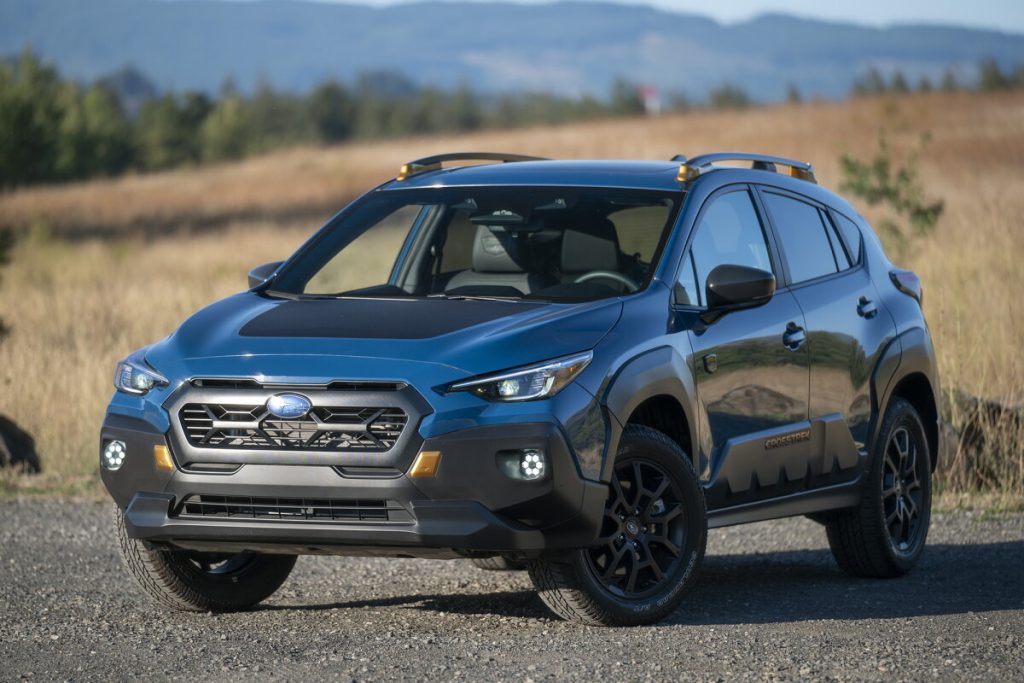
3. Subaru Crosstrek
The Subaru Crosstrek is a useful choice for drivers who want the higher seating position and practicality of an SUV without moving into a large, expensive vehicle. It ranked highest in the small SUV category of J.D. Power’s 2026 Vehicle Dependability Study, based on feedback from owners of 2023 model-year vehicles after three years of ownership.
That recognition matters because the study considers problems experienced during real ownership, rather than relying only on specifications or manufacturer claims.
J.D. Power examines 184 problem areas, including the powertrain, interior, exterior, infotainment, climate systems, and driving assistance technology. The Crosstrek’s segment result gives buyers evidence that it performed well against other small SUVs in this particular study.
Its compact dimensions also make it easier to use as a daily vehicle than a full-size SUV. Drivers get a practical cabin and useful cargo space without having to manage the footprint of a three-row family vehicle. That can be especially valuable for people who regularly drive in crowded urban areas or have limited parking space.
AAA’s 2026 Your Driving Costs study puts the average cost of a gas-powered compact SUV at 77.7 cents per mile, based on 15,000 miles of annual driving.
The comparable hybrid category costs 74.7 cents per mile. These are category-wide estimates, not a Crosstrek-specific ownership calculation, so actual fuel, insurance, depreciation, and repair expenses will differ.
The Crosstrek is therefore a strong candidate for buyers seeking a small SUV with a positive three-year dependability result.
Before purchasing, compare insurance quotes and inspect the specific vehicle’s service history, since a good model-level result cannot guarantee that an individual used example has been maintained properly.
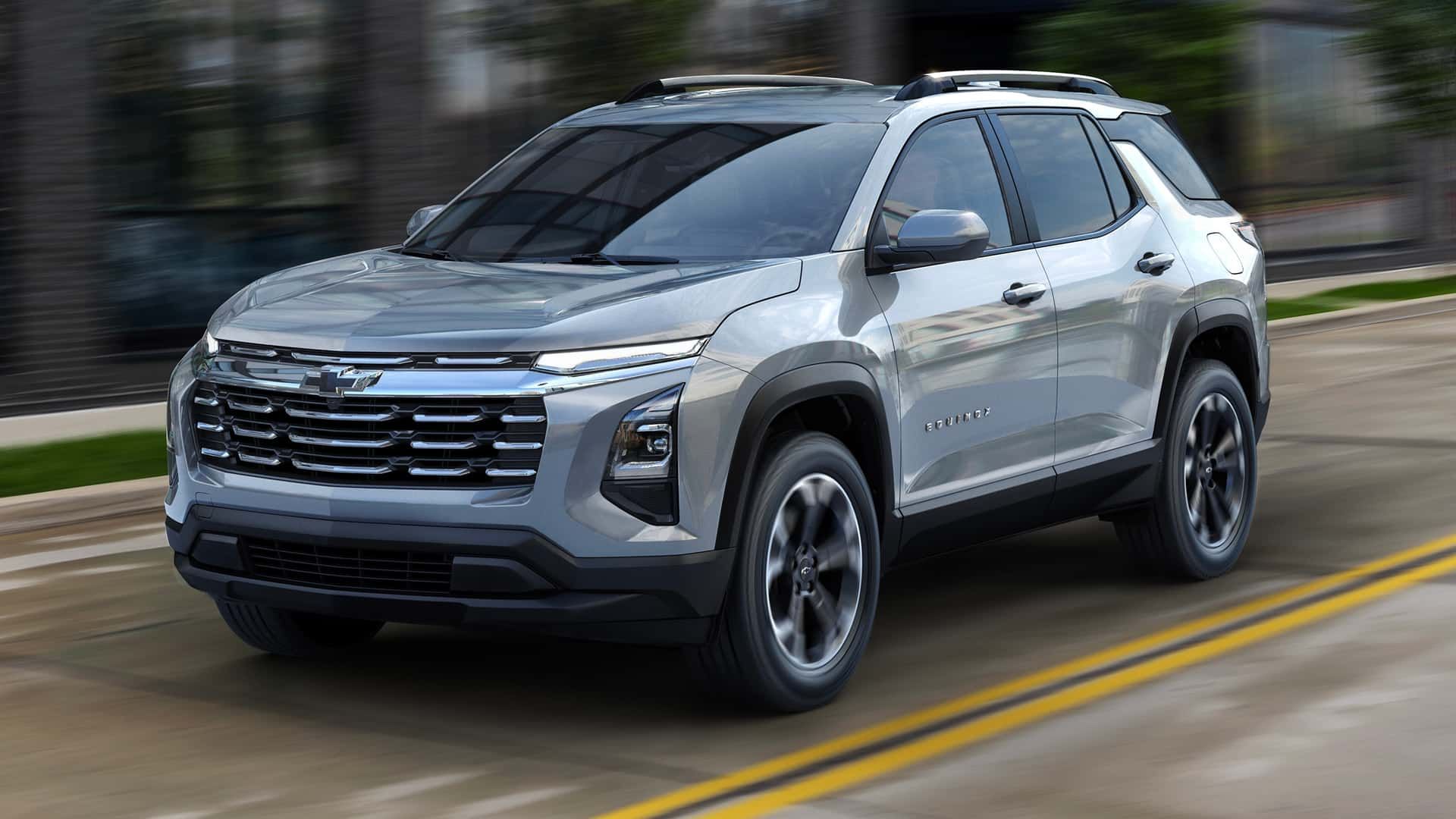
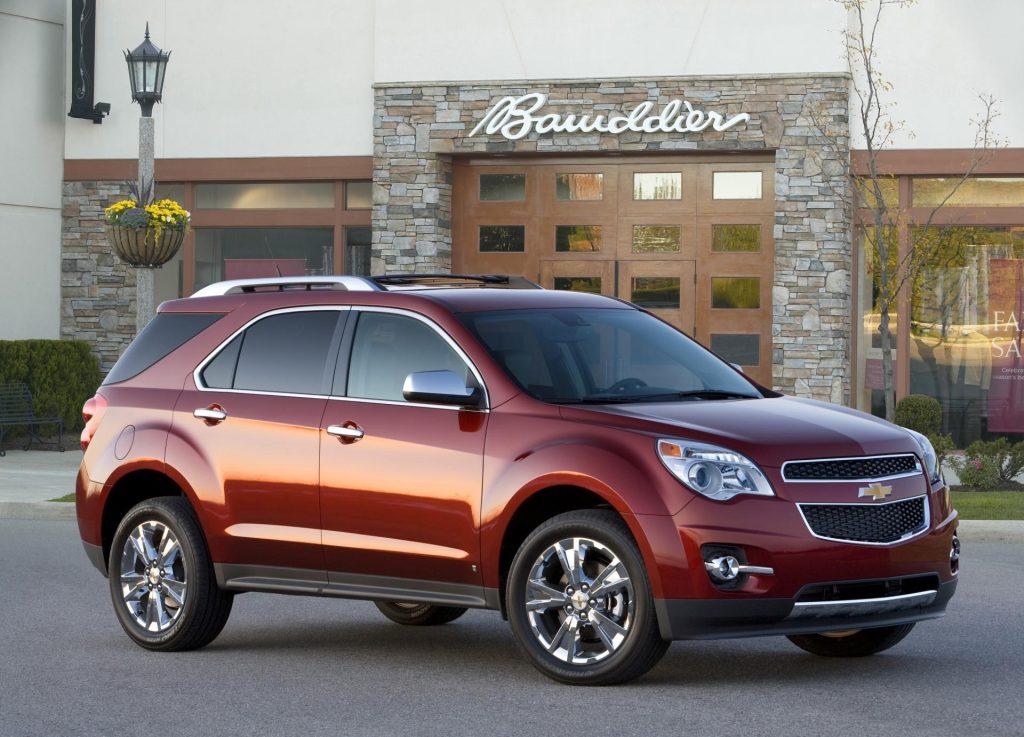
4. Chevrolet Equinox
Compact SUVs are popular among buyers looking for a combination of passenger space, everyday practicality, and affordability. The Chevrolet Equinox has another strong point in its favor, earning the top ranking in the compact SUV category of J.D. Power’s 2026 Vehicle Dependability Study.
The award was based on problems reported by owners of 2023 model-year vehicles after three years of use.
The VDS is not simply a survey asking whether owners like their vehicles. It evaluates 184 specific problem areas across nine categories, including powertrain, climate, interior, exterior, infotainment, and vehicle controls.
The Equinox’s segment-leading position means it performed better than competing models in the study’s compact SUV category. It does not mean the vehicle is problem-free, but it offers a measurable reason to consider it.
The Equinox also avoids the additional size of a three-row SUV. For households that need room for passengers, shopping, and luggage but rarely carry more than five people, that can be a sensible compromise.
Choosing a vehicle that matches actual needs can help prevent unnecessary spending on a larger engine, extra seating, or additional equipment.
AAA’s 2026 ownership-cost comparison estimates gas-powered compact SUVs at 77.7 cents per mile, assuming 15,000 miles of annual driving. That is approximately $11,655 per year when calculated from the published rate.
AAA’s hybrid compact SUV benchmark is lower, at 74.7 cents per mile. These figures represent category averages, not the exact cost of owning an Equinox.
For buyers considering a used example, maintenance records matter as much as the study result. Check for completed recalls, inspect the tires and brakes, and obtain an independent mechanical inspection.
The Equinox combines a strong VDS segment result with the cost profile of a mainstream compact SUV, making it worth comparing with other vehicles in its class.
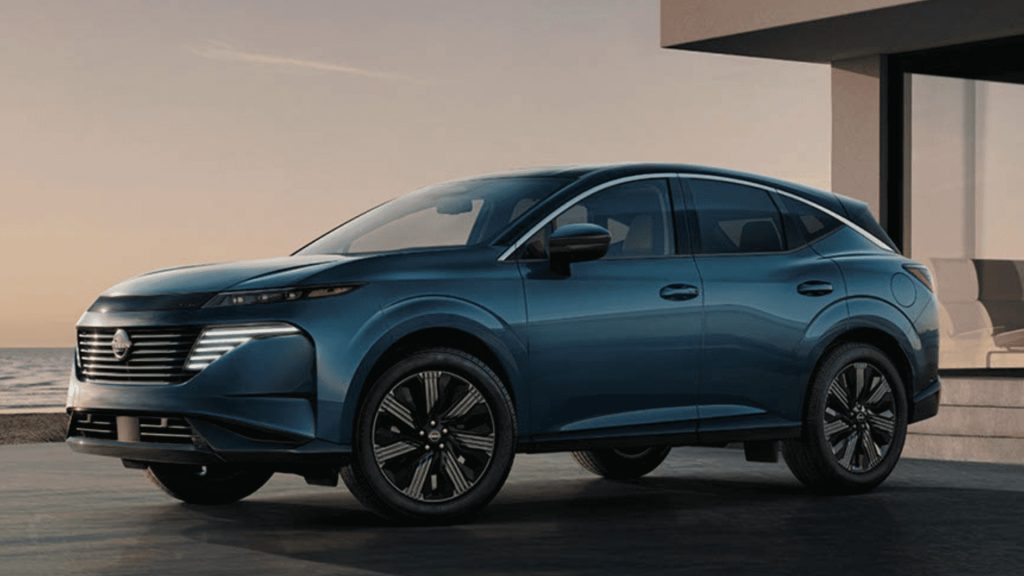
5. Nissan Murano
The Nissan Murano stands out for buyers who want a more spacious SUV but do not necessarily need three rows of seating. It ranked highest in the midsize SUV segment of J.D. Power’s 2026 Vehicle Dependability Study.
The result came from owners of 2023 model-year vehicles who reported problems experienced during their first three years of ownership.
The study assesses 184 problem areas, covering everything from engine and transmission concerns to infotainment, climate controls, interior components, and driver-assistance features.
A leading segment position gives the Murano a meaningful advantage in a comparison with other midsize SUVs, although it should not be interpreted as a guarantee that every vehicle will remain trouble-free.
Its two-row layout is a practical distinction. Families that need additional passenger and cargo room compared with a compact SUV may find it suitable while avoiding the size of a large three-row vehicle. That can also make everyday parking and maneuvering less demanding than with a full-size SUV.
AAA’s 2026 Your Driving Costs study estimates that gas-powered medium SUVs cost 96.2 cents per mile to own and operate when driven 15,000 miles annually. The hybrid medium SUV benchmark is 91.3 cents per mile.
These figures include more than fuel, but they are category averages rather than Murano-specific estimates. At the gas category rate, the annual calculation comes to approximately $14,430.
This is an important reminder that a dependable vehicle is not automatically a cheap vehicle to own. Midsize SUVs generally involve higher expenses than smaller sedans, so buyers should budget for fuel, insurance, tires, and depreciation before deciding.
The Murano’s VDS recognition makes it a credible candidate for shoppers prioritizing dependability in this category. A used vehicle should still receive a mechanical inspection, and buyers should compare insurance premiums and service costs for the specific model year they intend to purchase.
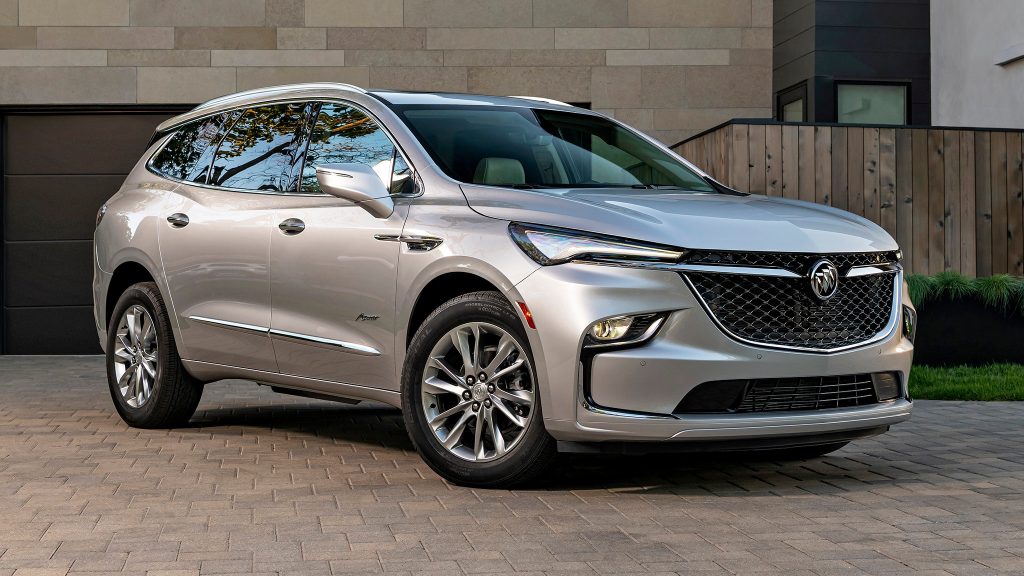
6. Buick Enclave
For households that regularly travel with several passengers, the Buick Enclave offers a different ownership proposition from the smaller vehicles on this list.
It ranked highest in the upper midsize SUV segment of J.D. Power’s 2026 Vehicle Dependability Study, alongside the Toyota 4Runner, which tied for the top position. The award reflects feedback from owners of 2023 model-year vehicles after three years of use.
The Enclave’s three-row configuration is its main practical advantage. It gives families the flexibility to carry more passengers without moving directly into a full-size SUV. That can be useful for larger households, carpooling and road trips where occasional additional seating matters.
However, buyers should remember that a larger vehicle generally requires more fuel and can cost more to insure and maintain than a compact sedan.
The VDS result is a useful reliability indicator because J.D. Power measures 184 problem areas across nine categories. These include powertrain, driving experience, climate systems, exterior components, infotainment and interior equipment.
The Enclave’s high ranking suggests that owners reported relatively fewer problems than competing vehicles in its segment.
AAA’s 2026 study does not provide a specific ownership-cost estimate for the Buick Enclave. However, its medium SUV category offers a useful point of comparison, with gas-powered models averaging 96.2 cents per mile and hybrids averaging 91.3 cents. Since the Enclave is a larger three-row SUV, these figures should be viewed as general industry benchmarks rather than an accurate estimate of its actual operating costs.
Anyone considering an Enclave should calculate fuel and insurance expenses using their own annual mileage and location.
For a used model, inspect the transmission operation, suspension, brakes and electronic features, and check its service history. Its VDS recognition makes it worth considering, but the purchase should still depend on the condition and cost of the individual vehicle.
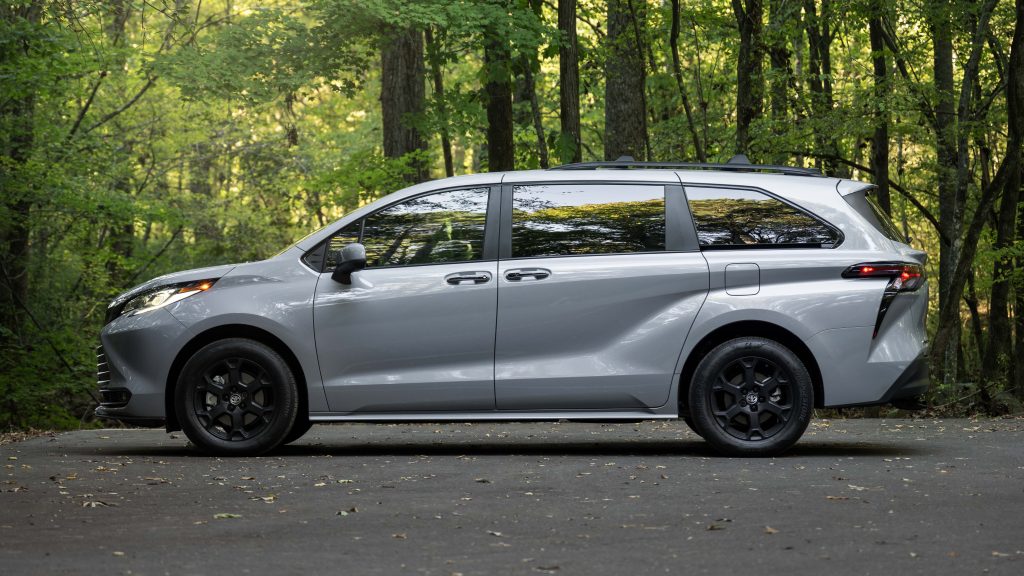
7. Toyota Sienna
The Toyota Sienna makes a strong case for families who need passenger capacity but would rather choose a minivan than a large SUV. It ranked highest in the minivan segment of J.D. Power’s 2026 Vehicle Dependability Study. The recognition was based on owner feedback for 2023 model-year vehicles after three years of ownership.
A minivan’s everyday usefulness comes from its layout. Sliding rear doors make it easier for passengers to enter in tight parking spaces, while three rows of seating provide flexibility for families and group travel.
The Sienna also offers a substantial cargo area when the rear seats are configured or folded as designed. These practical details can make it a better match for family duties than a similarly priced sedan.
The VDS result adds a data-backed reason to consider it. J.D. Power’s study measures 184 problem areas, including the powertrain, interior, exterior, infotainment, climate systems and driving assistance technology.
The Sienna’s segment-leading position indicates that it performed strongly against other minivans in the study. It does not mean that every model year or individual vehicle will have identical reliability.
AAA’s 2026 Your Driving Costs study does not provide a separate minivan cost-per-mile figure. It reports an average annual ownership and operating cost of $12,863 across new vehicles, or approximately $1,071.92 per month.
That is a broad national benchmark, not a Sienna estimate. Actual expenses depend on purchase price, depreciation, insurance, fuel, financing and mileage.
The Sienna is worth considering for drivers who need space and want a strong dependability result in the minivan category. Before buying, check the hybrid system’s service history, tire condition, brakes and operation of powered doors and other equipment.
A pre-purchase inspection remains important, particularly for used examples with high family-use mileage.
8. Toyota Tacoma
Pickup trucks can become expensive to own because their size, tires, fuel requirements and repair needs differ from those of ordinary passenger cars. The Toyota Tacoma is worth considering for buyers who need truck capability but do not require a full-size pickup.
It ranked highest in the midsize pickup segment of J.D. Power’s 2026 Vehicle Dependability Study, based on feedback from owners of 2023 model-year vehicles.
The Tacoma’s segment result is particularly relevant to buyers who plan to keep a truck for several years. J.D. Power examines 184 problem areas, including powertrain performance, exterior components, interior equipment, infotainment and driving assistance systems.
Its ranking provides evidence of strong three-year dependability compared with other eligible midsize pickups.
Choosing a midsize truck can also help avoid some of the costs associated with larger pickups. Its smaller physical footprint may be easier to park, while its truck-bed configuration provides utility for equipment, home-improvement supplies and recreational gear.
Buyers should still select a configuration that matches their actual towing and payload requirements rather than paying for unnecessary capability.
AAA’s 2026 study estimates that gas-powered pickup trucks cost $1.108 per mile to own and operate at 15,000 miles annually. The hybrid pickup benchmark is $1.074 per mile. These are category-wide figures, not Tacoma-specific costs. At the gas-powered category rate, the estimated annual expense is approximately $16,620.
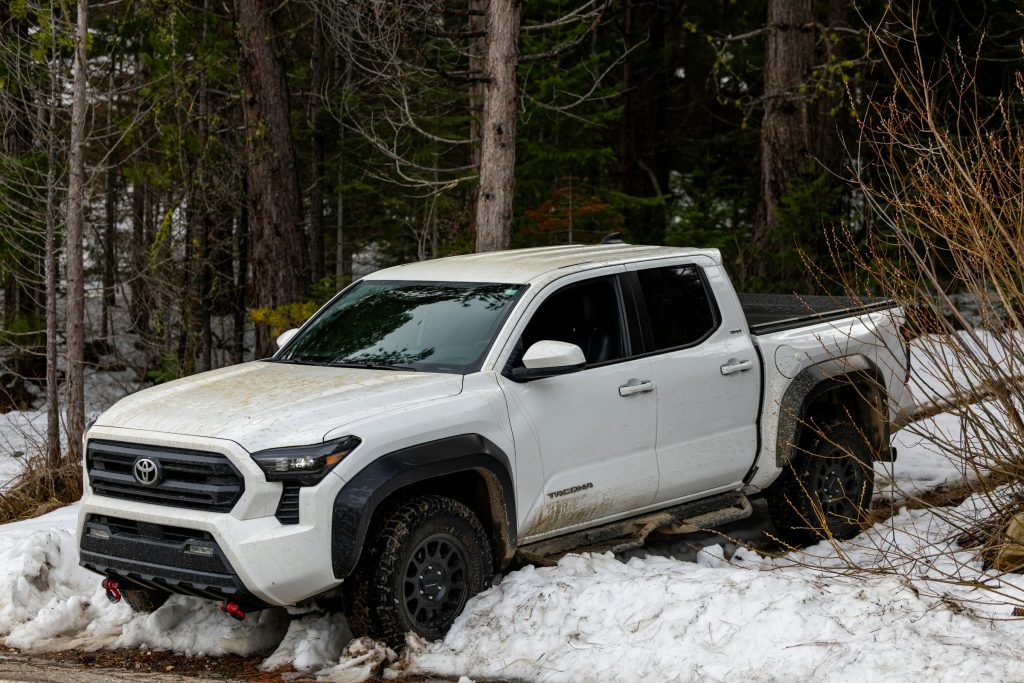
This comparison highlights an important distinction between reliability and affordability. Even a dependable pickup can be expensive to own once fuel, insurance, tire replacement, and depreciation are taken into account. The Tacoma’s strong VDS performance makes it a competitive choice in its segment, but buyers should also consider its overall ownership costs based on how they intend to use the vehicle.
For a used Tacoma, inspect the frame and underbody for corrosion, check the suspension and drivetrain, and review maintenance records. A thorough inspection is particularly important if the truck has been used for towing, off-road driving or heavy work.
9. Chevrolet Tahoe
Large SUVs are rarely the cheapest vehicles to run, but dependability can still make a meaningful difference to long-term ownership.
The Chevrolet Tahoe ranked highest in the large SUV category of J.D. Power’s 2026 Vehicle Dependability Study. Its recognition was based on reports from owners of 2023 model-year vehicles after three years of use.
The Tahoe is designed for households that need substantial passenger space, cargo capacity and the ability to handle demanding journeys. Its three-row layout makes it suitable for larger families, while its full-size construction provides the space and utility that smaller crossovers cannot match.
However, these benefits come with higher ownership expenses. Larger SUVs typically consume more fuel and may also involve greater costs for insurance, routine maintenance, and replacement tires.
The VDS recognition provides a useful starting point for assessing its dependability. J.D. Power evaluates 184 specific problem areas, including engine and transmission performance, climate systems, electronics, interior components and infotainment.
The Tahoe’s top position means it was the highest-ranked eligible model in its large SUV segment. It does not establish that the vehicle has no recurring problems or that every model year performs identically.
AAA’s 2026 study does not provide a separate Tahoe ownership-cost estimate. Its published average for all new vehicles is $12,863 annually, but that figure should not be presented as the cost of running a full-size SUV. A Tahoe’s actual expenses depend on its engine, trim, annual mileage, insurance, depreciation and financing.
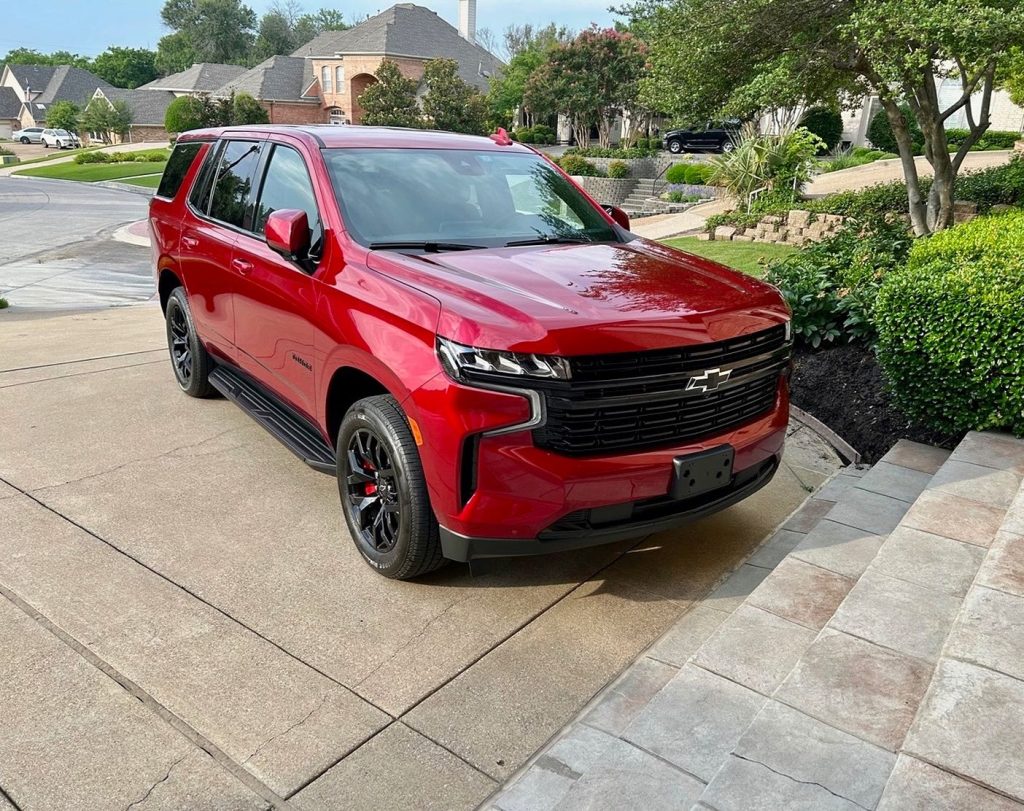
Potential buyers should calculate fuel costs using their expected mileage and local prices. On used examples, inspect the brakes, tires, suspension, engine, transmission and electronic equipment.
The Tahoe is a reasonable option for buyers who genuinely need full-size capacity and value its VDS result, but smaller vehicles will generally be more economical for routine commuting.
10. Ram 1500
The Ram 1500 rounds out this list as a full-size pickup with a strong result in the latest J.D. Power dependability study. It ranked highest in the large light-duty pickup category of the 2026 U.S. Vehicle Dependability Study.
The assessment used owner feedback from 2023 model-year vehicles after three years of ownership, making it relevant to shoppers evaluating long-term use rather than just initial quality.
A full-size truck is built for a different purpose from a compact sedan or crossover. Its appeal lies in the combination of passenger comfort, cargo-bed utility and available towing capability.
For owners who regularly transport equipment, work materials or recreational gear, those features can justify the additional running costs. Someone who mainly drives through city traffic, however, may find that a smaller vehicle is more economical.
The Ram’s VDS ranking is significant because the study examines 184 problem areas across nine categories, including powertrain, climate, interior, exterior, infotainment and driving assistance.
The model’s top position indicates that it performed strongly against eligible competitors in the large light-duty pickup segment. It is not a guarantee that every engine, trim or individual truck will have the same reliability record.
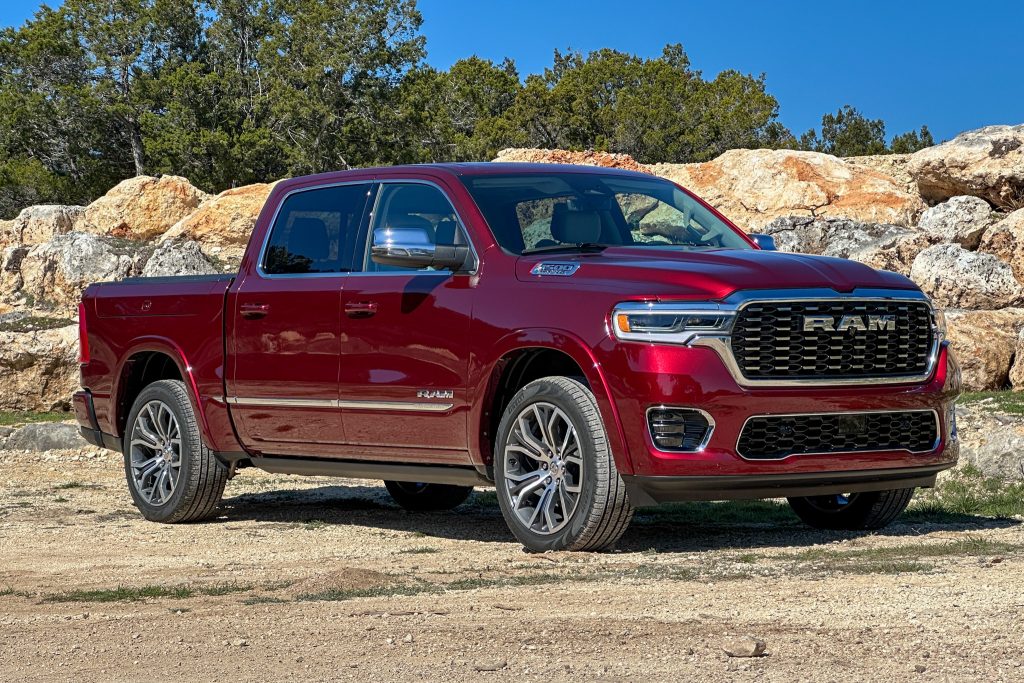
AAA’s 2026 ownership-cost research estimates gas-powered pickups at $1.108 per mile, based on 15,000 miles of annual driving. Its hybrid pickup benchmark is $1.074 per mile. These figures cover the pickup category rather than the Ram 1500 specifically. The gas benchmark translates to approximately $16,620 annually.
Before purchasing, compare the truck’s engine and trim, insurance quote, fuel requirements and expected depreciation. Used buyers should also examine the suspension, drivetrain, brakes, frame and towing history.
The Ram 1500 deserves consideration for people who need a full-size truck and want a model with a leading VDS result, but it should not be mistaken for a low-cost alternative to a small car.
