A vehicle can look attractive in a showroom and still become an expensive ownership decision.
To identify models that deserve extra caution, this list compares Consumer Reports’ 2026 predicted-reliability ratings with J.D. Power’s dependability findings and documented U.S. safety investigations or recalls.
It is important to clarify that no single independent study recommends avoiding every vehicle on this list. Instead, these models have shown weaker reliability results or raised more concerns than their competitors. This does not mean every individual vehicle is defective, but it does give prospective buyers good reason to research each model carefully before making a purchase.
The focus is on recurring owner-reported problems, technical trouble spots, and documented defects that deserve attention before purchase.
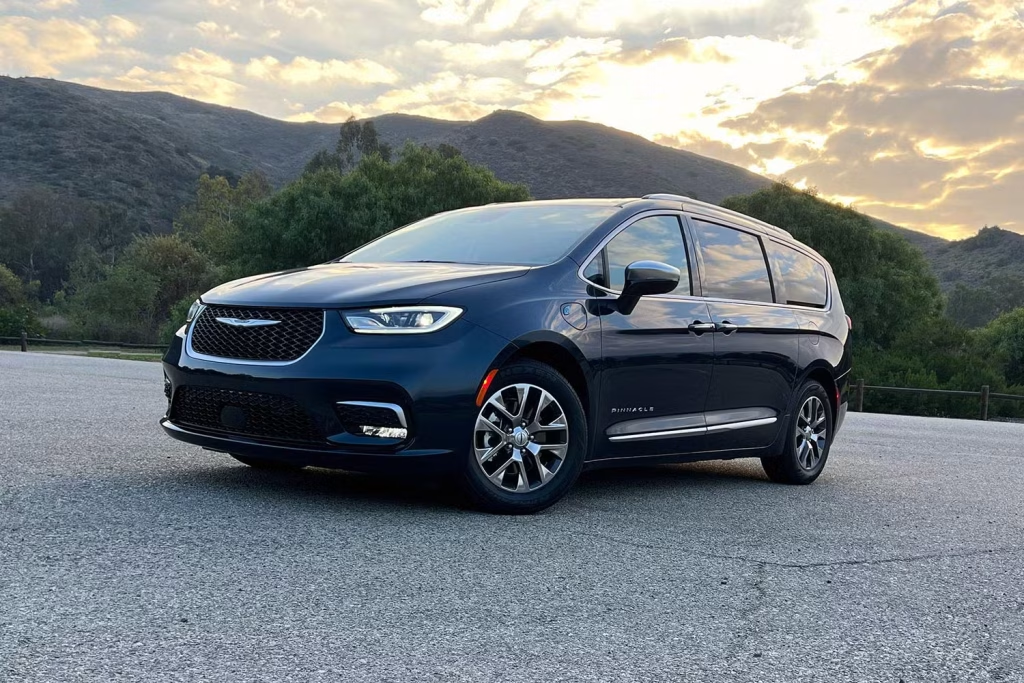
1. Chrysler Pacifica Hybrid
The Chrysler Pacifica Hybrid deserves serious scrutiny because its reliability concerns extend beyond minor electrical annoyances. Consumer Reports gave the 2026 model a predicted reliability score of 26 out of 100, placing it among the ten lowest-rated vehicles in its survey.
The publication’s research draws on owner reports covering 20 potential trouble areas, including the engine, transmission, hybrid battery, charging system, and in-car electronics.
There is also a significant U.S. safety record behind the concern. NHTSA Recall 23V-010 covered approximately 67,118 Pacifica Plug-in Hybrid vehicles from the 2017 through 2023 model years.
An internal transmission wiring connector could short circuit, potentially causing the engine to shut down unexpectedly and the vehicle to lose motive power.
The matter did not end with the original recall. NHTSA subsequently opened Recall Query RQ24-004 after receiving reports alleging stalls, reduced power, and loss of motive power following the recall remedy.
Its April 2024 information request referred to 100 reports associated with the remedy. An investigation or recall query is not proof that every repaired vehicle remains unsafe, but it is an important reason to examine the repair history carefully.
The Pacifica Hybrid also faced a separate 2024 high-voltage battery fire-risk recall involving certain 2017-2021 vehicles. Buyers should verify every campaign by VIN, including whether the battery and transmission-related remedies have been completed.
For shoppers considering a used example, an independent inspection and complete dealership records are essential. This is a model where unresolved recall work or unclear repair documentation should be a reason to walk away.
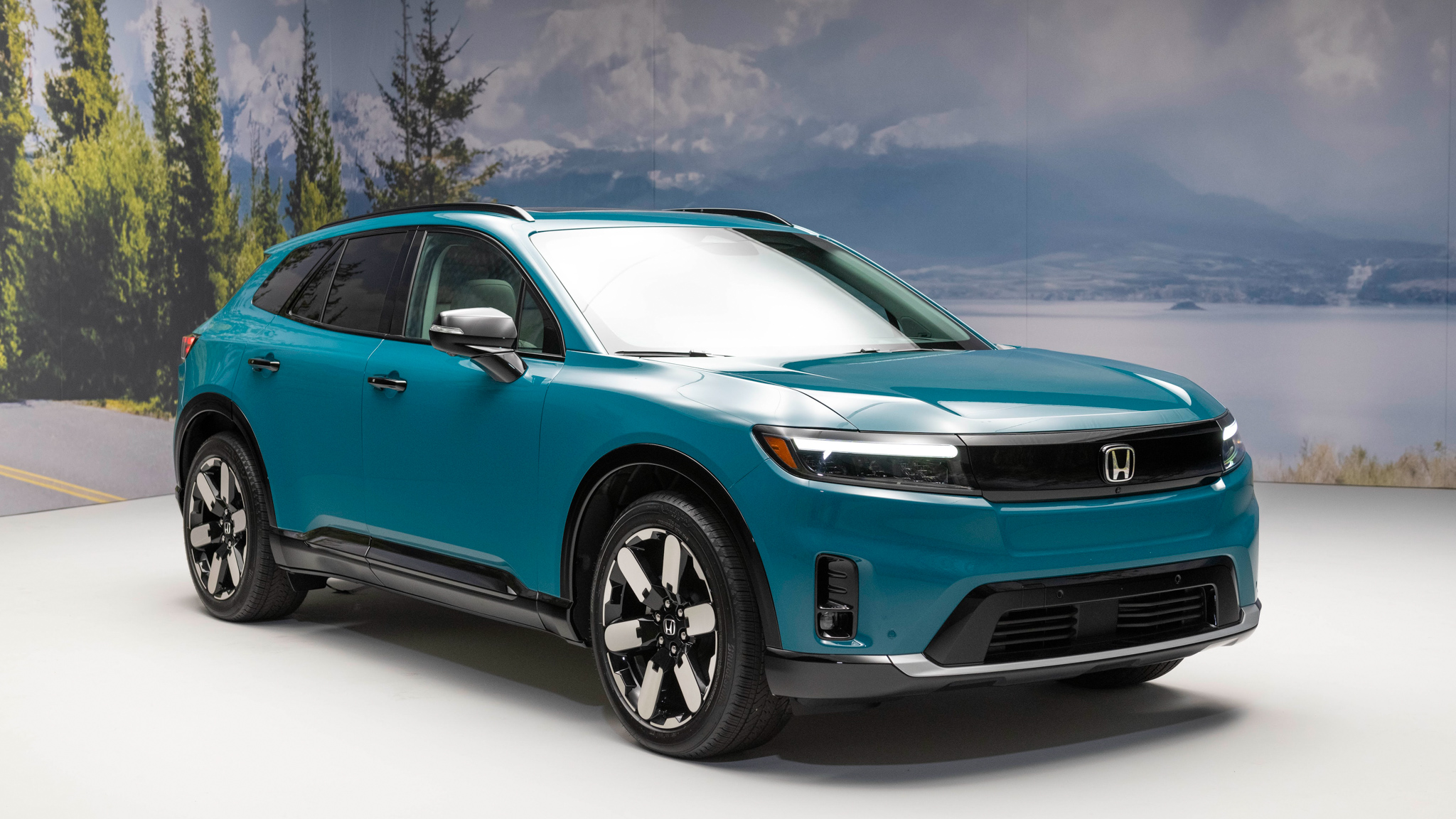
2. Honda Prologue
Honda’s reputation for dependable vehicles does not automatically extend to every newly introduced model. The Prologue received a predicted reliability score of 25 out of 100 in Consumer Reports’ 2026 rankings, placing it near the bottom of the publication’s list.
The survey identified concerns involving the EV battery, charging, climate system, electrical accessories, body hardware, and in-car electronics.
The U.S. recall record adds another layer to the picture. In 2024, Honda recalled certain Prologue vehicles because a defective right-front lower control arm could fracture, potentially reducing or eliminating vehicle control.
NHTSA campaign 24V-540 covered a small group of 39 vehicles, so this particular defect should not be exaggerated into a widespread failure.
A larger software-related campaign followed in 2026. Recall 26V-112 covered certain 2024 Prologues because software defects could cause the instrument panel and center display to go blank.
That could remove important information, including the speedometer and rearview-camera image. Honda identified 45,562 Prologues as potentially involved in that campaign.
Another 2026 recall, campaign 26V-306, covered certain 2024-2025 Prologues whose rearview-camera image could become distorted or blank. The remedy involves camera replacement. These campaigns concern specific production populations, so a buyer must check the VIN rather than assume every vehicle is affected.
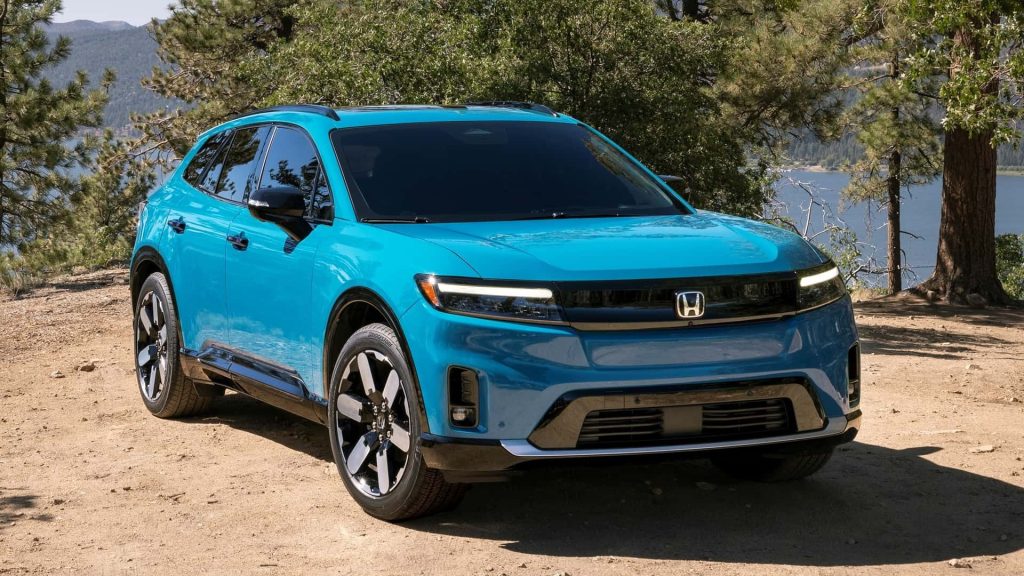
The Prologue is not automatically a bad purchase, but its low predicted-reliability score and documented software and hardware campaigns justify caution. Anyone shopping for a used one should confirm that all applicable recalls are completed and test the displays, charging operation, climate controls, and camera system before signing a contract.
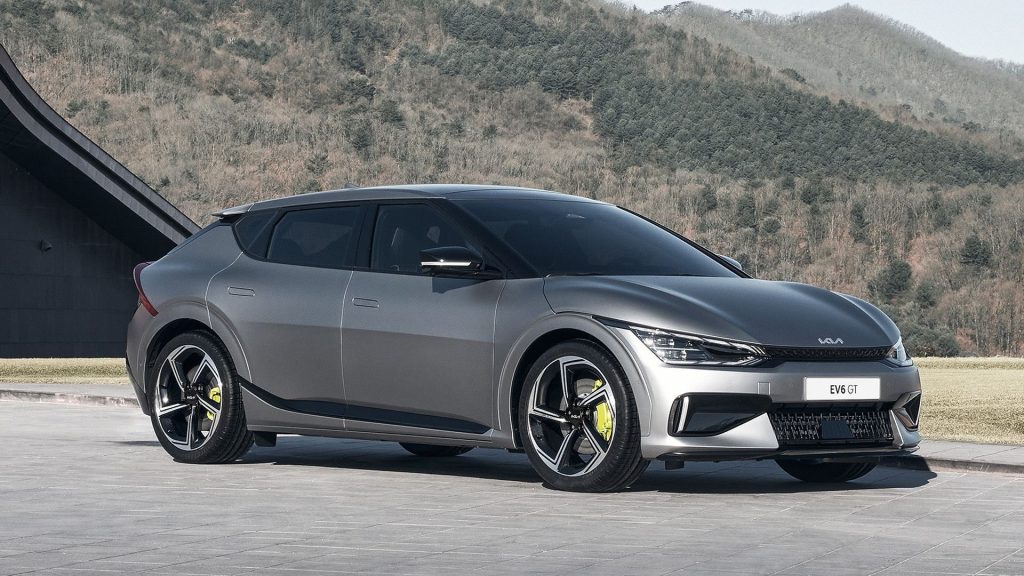
3. Kia EV6
Consumer Reports 2026 predicted reliability: 25/100.
The Kia EV6 is one of the clearest examples of why a strong electric-car design does not automatically translate into dependable ownership. Consumer Reports placed it among the ten least reliable vehicles in its 2026 rankings, giving it a predicted reliability score of 25 out of 100.
The publication’s owner surveys consider trouble areas such as the electric motor, high-voltage battery, charging equipment, climate system, and electrical accessories.
A major concern for some earlier EV6 vehicles involved the Integrated Charging Control Unit, commonly called the ICCU. Kia issued U.S. safety recalls for certain vehicles because an ICCU fault could interrupt 12-volt battery charging.
If the condition progressed, the vehicle could lose motive power. This was a safety-related defect, not simply a problem with charging convenience.
The wider industry data also deserves context. J.D. Power’s 2026 Vehicle Dependability The study recorded 193 problems per 100 vehicles for Kia as a brand, compared with the industry average of 204.
Kia’s overall brand performance was therefore above average, despite the EV6 receiving a poor reliability prediction from Consumer Reports. These findings do not conflict because they measure different things. The brand-level result reflects reliability across the manufacturer’s broader lineup, while the Consumer Reports assessment focuses specifically on the EV6.
Buyers should not automatically reject every EV6, but they should check the VIN for outstanding recalls and obtain proof that applicable ICCU repairs have been completed. During a test drive, verify charging operation, warning lights, infotainment, and climate controls.
A low predicted-reliability score makes a careful inspection and a clear warranty position especially important before committing to a used example.
4. Kia EV9
Consumer Reports 2026 predicted reliability: 24/100.
The Kia EV9 brings three-row electric SUV practicality to the market, but its early ownership record deserves caution.
Consumer Reports assigned the 2026 model a predicted reliability score of 24 out of 100, placing it among the lowest-rated vehicles in its annual reliability ranking. The prediction draws on available owner feedback from recent model years and related Kia electric vehicles.
The 2024 EV9’s recall history is another reason to check the vehicle carefully. Consumer Reports’ recall information showed seven NHTSA recalls for that model year.
One later campaign, announced in July 2026, covered certain 2022-2024 EV6 and 2024 EV9 vehicles because high-voltage battery cells could contain misaligned electrodes, potentially creating a fire risk. The remedy involves replacing the high-voltage battery system assembly on affected vehicles.
A separate 2026 recall involved certain 2025-2026 EV9 vehicles because incorrect routing of the occupant detection system could prevent the front passenger airbag from being deactivated when a child or child seat occupied the seat.
That is a serious safety issue, although it applies only to vehicles identified by the recall’s production and VIN criteria.
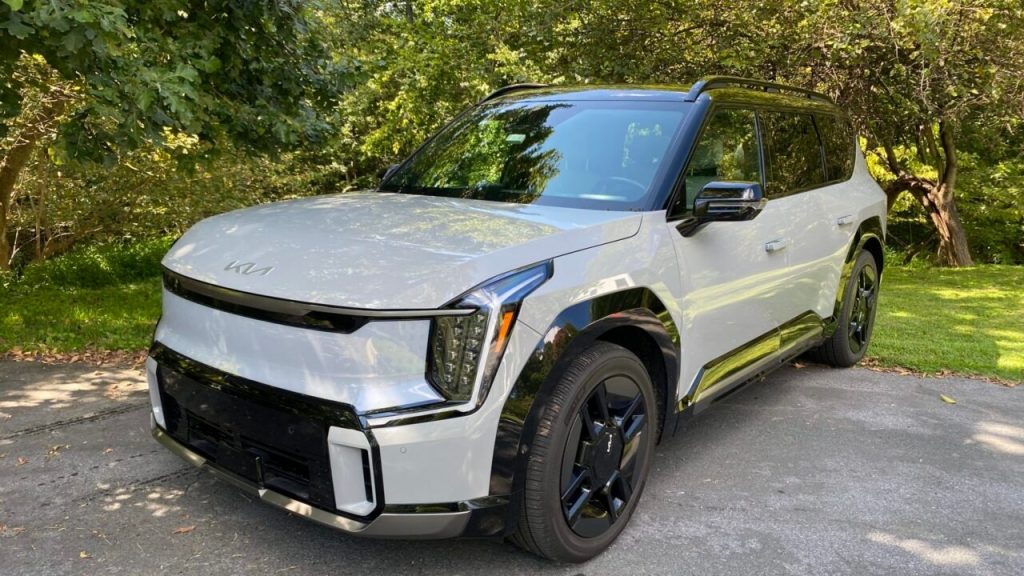
J.D. Power’s brand-level findings provide a broader perspective. Kia recorded 193 problems per 100 vehicles in its 2026 Vehicle Dependability Study, outperforming the industry average of 204. While this result does not eliminate the reliability concerns associated with the EV9, it highlights an important distinction between a manufacturer’s overall performance and the reliability of an individual model.
For a used EV9, verify every recall by VIN, check battery-related repair records and test the displays, charging equipment and driver-assistance systems. If a seller cannot document completed safety work, postponing the purchase is the sensible choice.
5. Mazda CX-90
Consumer Reports 2026 predicted reliability: 23/100
Mazda has traditionally built its reputation around driving enjoyment and well-finished interiors, but the CX-90’s early reliability record has been disappointing. Consumer Reports gave the 2026 model a predicted reliability score of 23 out of 100, placing it among the ten lowest-rated vehicles in its 2026 rankings.
The prediction uses owner feedback from the 2024 and 2025 models, rather than assuming that the latest version has already accumulated years of ownership data.
The model’s early technical campaigns provide further reasons for caution. NHTSA Recall 24V-814 covered approximately 80,915 vehicles, including certain 2024-2025 Mazda CX-90 and 2025 CX-70 models.
A software problem in the Dash Electrical Supply Unit could affect the defroster, seat-belt warning, 360-degree monitor, and, on applicable plug-in hybrid vehicles, high-voltage battery cooling. Mazda’s remedy involved reprogramming the unit.
Another campaign, NHTSA Recall 24V-817, covered approximately 14,902 vehicles. Incorrect inverter software in certain 2024 CX-90 and 2025 CX-70 plug-in hybrid models could trigger warning lights and cause a loss of drive power while operating in electric mode. Dealers were instructed to install improved software.
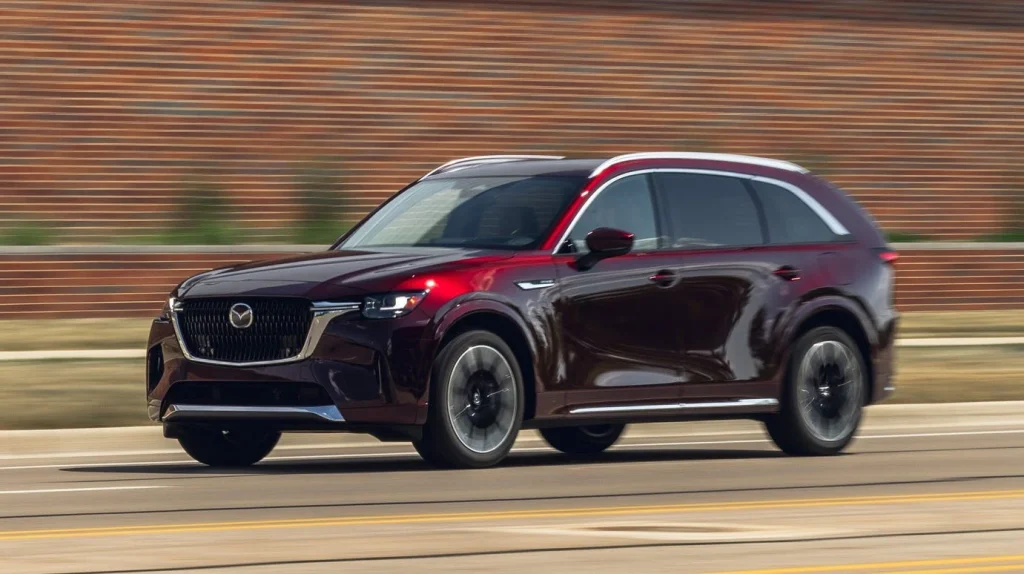
The wider Mazda brand result was also weaker than average in J.D. Power’s 2026 VDS. Mazda recorded 210 problems per 100 vehicles, compared with the industry average of 204. This is a brand-level result, not a separate CX-90 score, but it adds context to the model-specific concerns.
The CX-90 may appeal to buyers seeking a premium-feeling three-row SUV, but reliability-conscious shoppers should compare alternatives before deciding. Check the VIN for completed campaigns, review software-update records, and have the engine, transmission, and electrical systems inspected before purchasing a used example.
6. Genesis GV60
Consumer Reports 2026 predicted reliability: 21/100
The Genesis GV60 combines luxury equipment with an electric powertrain, but its reliability forecast is a substantial concern.
Consumer Reports assigned the 2026 model a predicted reliability score of 21 out of 100, placing it near the bottom of the 2026 vehicle rankings. The prediction uses information from 2023, 2024 and 2025 models, supplemented by Genesis brand reliability data.
This is not an isolated concern limited to one model. Consumer Reports ranked Genesis 21st among brands for new-car reliability in its 2026 Automotive Report Card and stated that none of its current models had average or better predicted reliability. That broader result makes the GV60’s low score more significant for buyers comparing luxury electric SUVs.
J.D. Power’s 2026 VDS also placed Genesis above the industry average problem count, with 208 problems per 100 vehicles, compared with 204 for the industry.
This is a brand-wide figure covering vehicles after three years of ownership, not a GV60-specific score. It should be read as supporting context rather than proof that every Genesis model has the same problems.
There is also a documented software-related safety campaign. NHTSA Recall 26V-019 covered certain 2025-2026 Genesis vehicles, including the GV60. A software error could cause the instrument-panel display to fail, potentially hiding important information such as the speedometer.
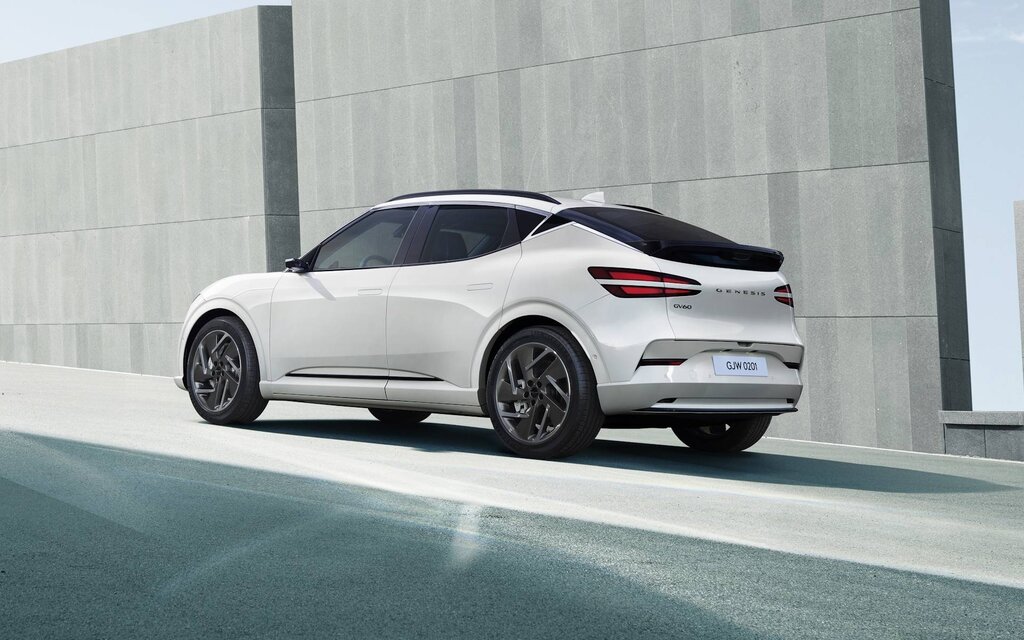
The remedy involved a software update, either over the air or through a dealer. The campaign covered multiple Genesis and Hyundai models, not just the GV60.
A used GV60 should receive a detailed inspection of its battery system, charging equipment, displays and electrical accessories. Buyers should also confirm recall completion and understand the remaining battery warranty. Its luxury presentation is attractive, but the reliability evidence makes a cautious purchase decision essential.
7. Mazda CX-90 Plug-in Hybrid
Consumer Reports 2026 predicted reliability: 20/100
The plug-in hybrid version of the Mazda CX-90 deserves separate attention because its additional electrified hardware introduces another set of components that owners need to maintain.
Consumer Reports gave the 2026 CX-90 Plug-in Hybrid a predicted reliability score of 20 out of 100, lower than the conventional CX-90’s score of 23. Its forecast uses owner information from the 2024 and 2025 models.
Owner feedback for earlier examples has identified concerns involving the high-voltage battery system. Consumer Reports’ 2025 model-year reliability page includes an owner report of a battery malfunction shortly after purchase.
Individual reports do not establish how frequently the problem occurs across the entire production population, but they are relevant when considering a used vehicle with an electrified powertrain.
The model also falls within the scope of Mazda’s 2024 inverter-software recall. NHTSA campaign 24V-817 covered certain 2024 CX-90 and 2025 CX-70 plug-in hybrid vehicles.
Incorrect inverter software could illuminate malfunction warning lights and cause a loss of drive power while operating in electric mode. Mazda’s remedy was to install updated software.
The broader industry findings add perspective. J.D. Power reported that plug-in hybrids averaged 281 problems per 100 vehicles in its 2026 VDS, the highest figure among the powertrain categories it assessed.
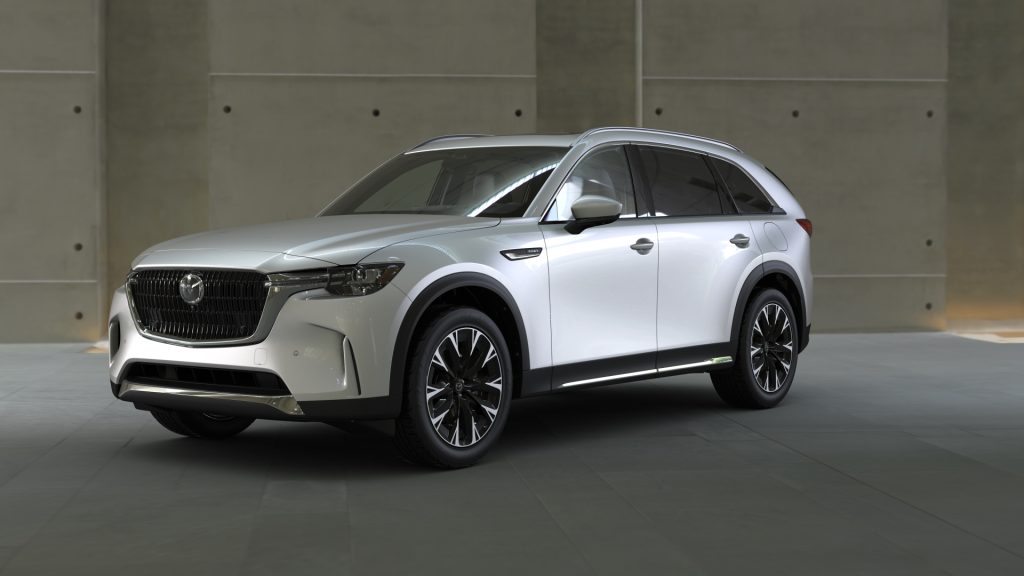
Conventional gasoline vehicles averaged 198, while battery-electric vehicles averaged 237. These figures describe powertrain categories, not the CX-90 specifically.
The CX-90 PHEV may suit drivers who can charge regularly and want electric commuting with gasoline backup. However, shoppers should verify recall completion, battery health, charging performance and warranty coverage. Anyone unable to confirm the vehicle’s service and repair history should consider a less complicated alternative.
8. Chevrolet Blazer EV
Consumer Reports 2026 predicted reliability: 19/100
The Chevrolet Blazer EV entered the market as an important electric addition to Chevrolet’s SUV lineup, but its early reliability performance has been far from reassuring.
Consumer Reports gave the 2026 model a predicted reliability score of 19 out of 100, putting it among the ten lowest-rated vehicles in the publication’s 2026 rankings. Its prediction is based on owner information from the 2024 and 2025 models.
The early ownership experience has included concerns associated with software and vehicle electronics. These systems are especially important in an electric vehicle because charging, battery management, displays and driver information rely heavily on electronic controls. A software issue can therefore affect more than entertainment or convenience.
The model has also appeared in significant U.S. safety campaigns. In October 2026, NHTSA Recall 26V-717 covered certain 2024-2027 Chevrolet Blazer EV and related Cadillac electric vehicles. A software defect in the brake system control module could cause a loss of braking under certain driving conditions.
GM’s remedy is a software update, delivered over the air or through a dealership. The campaign involved multiple GM models, so its total affected-vehicle figure should not be interpreted as the number of Blazer EVs involved.
J.D. Power’s 2026 VDS placed Chevrolet at 178 problems per 100 vehicles, substantially below the industry average of 204. That is a relatively strong brand-level result, but it does not cancel out the Blazer EV’s weaker model-specific Consumer Reports rating.
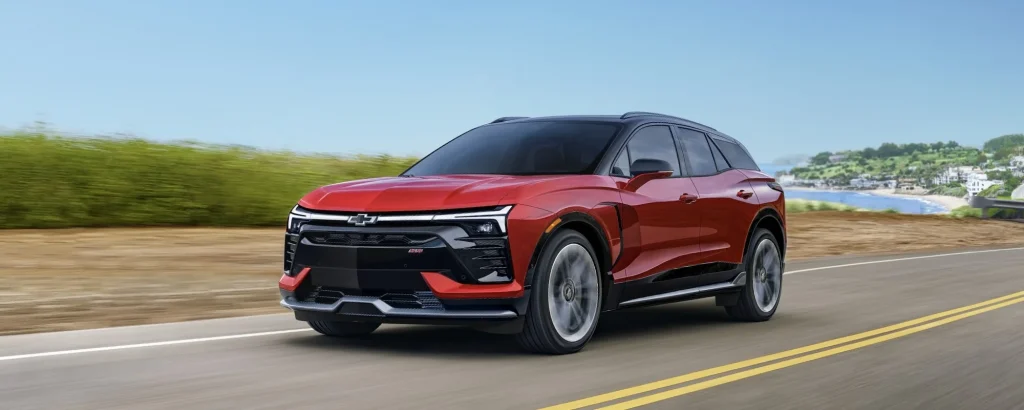
Buyers should check the VIN for every applicable recall, confirm that the brake software remedy has been installed and test charging, displays, cameras and driver-assistance features. A thorough inspection and clear warranty information are particularly important when purchasing an early-production electric SUV.
9. Rivian R1T
Consumer Reports 2026 predicted reliability: 18/100
The Rivian R1T is an ambitious electric pickup with impressive performance and practical utility, but its reliability record is a major reason for caution.
Consumer Reports assigned it a predicted reliability score of 18 out of 100 in its 2026 rankings, making it the second-lowest-rated vehicle in the ten-model list. The prediction draws on information from the 2023 and 2024 models, together with Rivian’s brand-level reliability data.
Rivian’s wider brand position also deserves attention. Consumer Reports placed Rivian last in its 2026 Automotive Brand Report Card. Its analysis identified reliability and owner satisfaction as important weaknesses.
The publication also described the R1T as the least reliable electric vehicle in its survey. This is a broader assessment, not a claim that every R1T will experience identical problems.
The truck has also faced safety-related software campaigns. In September 2026, NHTSA Recall 26V-? Wait, the relevant campaign listed in the available recall information concerns the rearview-camera image.
Certain 2022-2026 R1T vehicles were included because a notification could obstruct the camera image while reversing. Rivian released an over-the-air software update to address the issue.

These issues matter because an electric pickup relies on interconnected electronic systems for vehicle controls, displays, cameras and power management. Repairs may also require specialist service facilities, depending on the problem and the owner’s location.
Anyone considering a used R1T should review its service records, inspect the suspension and underbody, test charging equipment and check all camera and display functions. Confirm recall completion directly with Rivian using the VIN.
The truck may be attractive for its capabilities, but its low reliability rating makes it a difficult recommendation for buyers whose main priority is trouble-free ownership.
10. GMC Acadia
Consumer Reports 2026 predicted reliability: 14/100
The GMC Acadia finishes this list with the lowest predicted reliability score among all ten vehicles. Consumer Reports assigned the 2026 model just 14 out of 100, making it the lowest-rated vehicle in its 2026 least-reliable list.
Its redesigned generation has had limited time to establish a long-term record, but early owner feedback and the publication’s reliability analysis have raised concerns.
The problem is not limited to one isolated complaint. Consumer Reports’ 2025 Acadia reliability information identifies concerns involving in-car electronics, including infotainment, cameras and sensors.
Its 2024 and 2025 model-year pages also describe the vehicles as much less reliable than others from the same model years. These findings make the Acadia a particularly important vehicle to inspect carefully when shopping for a recent used example.
The wider GMC brand result provides additional context. J.D. Power recorded 229 problems per 100 vehicles for GMC in its 2026 Vehicle Dependability Study, compared with an industry average of 204.
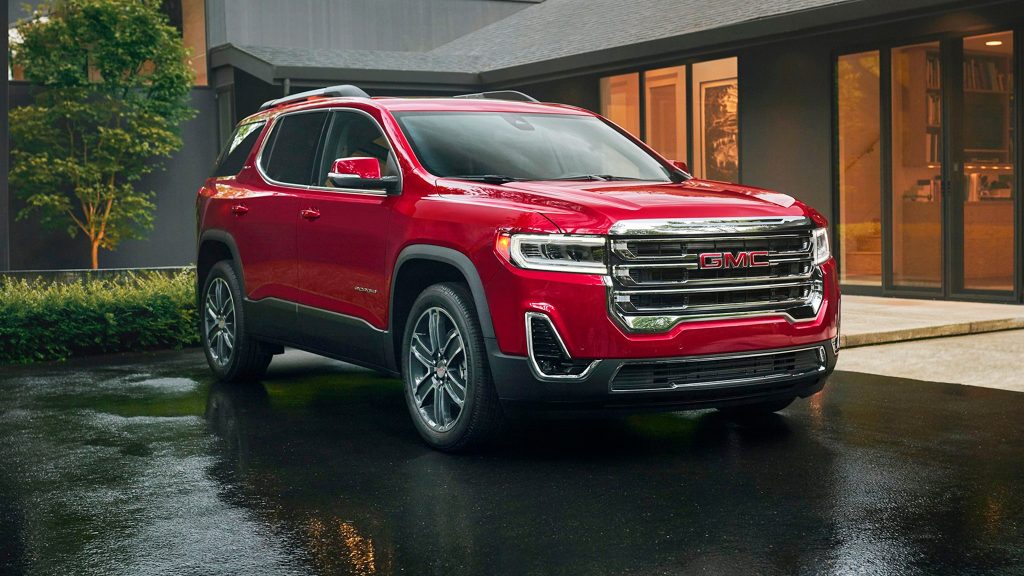
That places the brand above the average problem count. However, this is a brand-level result based on 2023 model-year vehicles, not a separate score for the redesigned Acadia.
The Acadia’s size and three-row layout may appeal to families, but a spacious cabin is less useful if electronic equipment or other systems repeatedly require attention. Prospective buyers should test the infotainment system, cameras, sensors, climate controls and power-operated features. A professional inspection and a VIN-based recall check are essential.
Given its exceptionally low Consumer Reports score and GMC’s weaker brand-level VDS result, the Acadia is the strongest candidate on this list for buyers to postpone purchasing until more long-term reliability data becomes available.