Pickup trucks are designed to handle demanding workloads, long-distance travel, towing, and everyday driving. However, engine problems can affect their performance, reliability, and ownership costs.
The National Highway Traffic Safety Administration (NHTSA) collects consumer complaints about vehicle defects, including engine stalling, excessive oil consumption, overheating, abnormal noises, and unexpected power loss. Several popular pickup truck models have attracted attention for engine-related concerns reported by owners.
Understanding these problems can help buyers make informed decisions when shopping for a used truck. Here are ten pickup trucks associated with notable engine complaint patterns and mechanical concerns worth understanding.
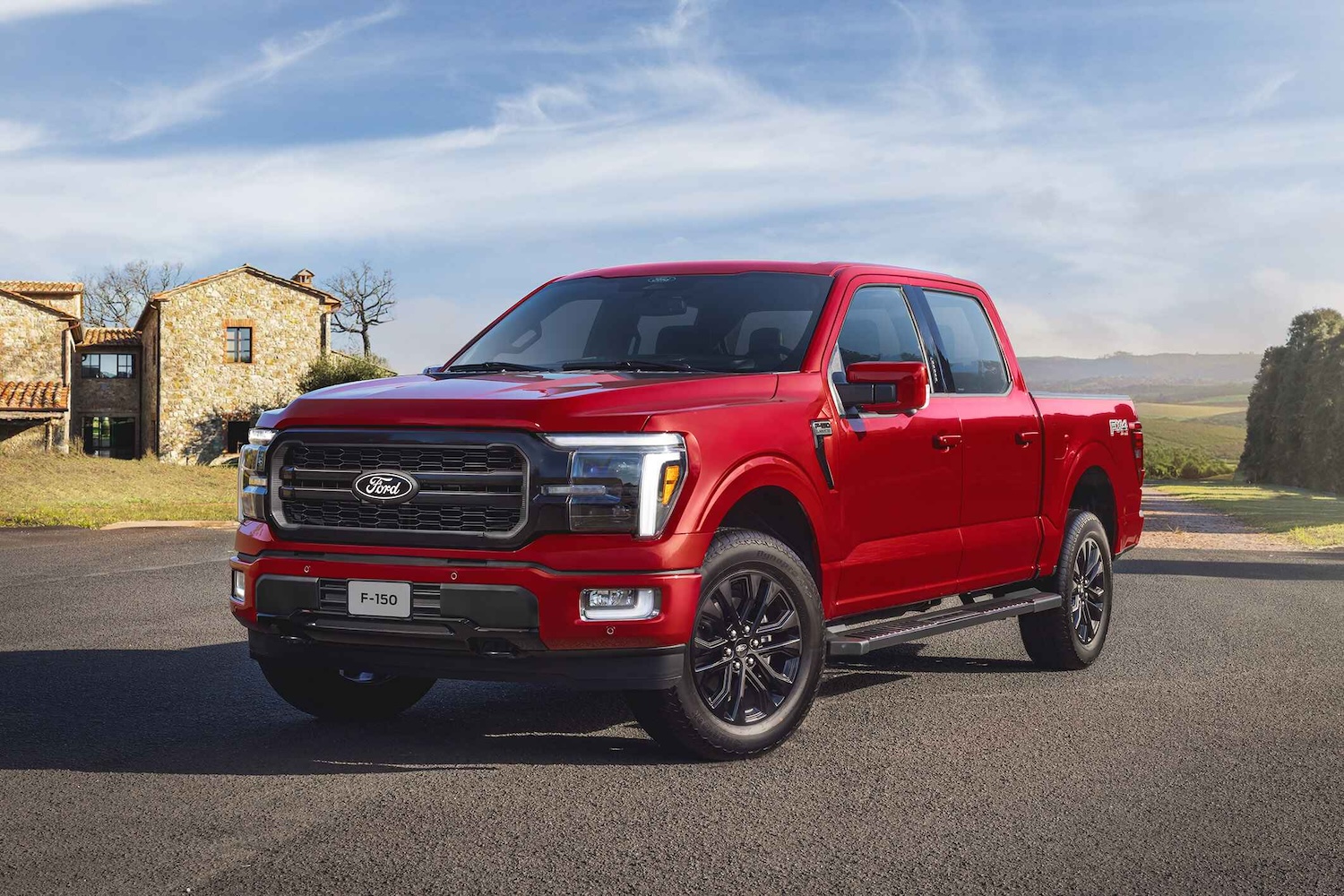
1. Ford F-150
The Ford F-150 has a long history of strong sales in the American pickup market. Its wide selection of engines includes V6, V8, and turbocharged EcoBoost options. However, several model years have attracted engine-related complaints involving mechanical noise, timing components, oil consumption, and unexpected power loss.
Owners of certain F-150 models equipped with the 3.5-liter EcoBoost engine have reported problems involving the cam phasers. These components control valve timing and play an important role in engine operation. Faulty cam phasers can produce rattling noises during startup and may affect engine performance.
Timing chain concerns have also appeared in complaints involving some EcoBoost-equipped trucks. Excessive timing chain wear can interfere with proper engine timing. If the problem becomes severe, it can lead to poor performance, warning lights, rough running, and expensive repairs.
Older F-150 models equipped with the 5.4-liter Triton V8 have experienced concerns involving spark plugs, ignition coils, and timing chain components. Some owners have reported spark plug removal difficulties, misfires, and unusual engine noises. Repair expenses can increase when multiple ignition or timing components require attention.
The 5.0-liter V8 has also attracted reports involving oil consumption and other lubrication-related concerns in certain model years. Oil consumption can become a serious issue when owners do not notice declining oil levels. Insufficient lubrication can increase internal engine wear and potentially cause major damage.
Engine stalling and hesitation are additional concerns reported across certain F-150 configurations. These symptoms can have several causes, including fuel delivery problems, electronic throttle issues, ignition faults, or sensor failures. Proper diagnostic testing is necessary before identifying the actual source.
Used truck buyers should pay particular attention to maintenance records, engine startup behavior, oil levels, and stored diagnostic trouble codes. A professional inspection can help identify developing problems before they become expensive repairs. Buyers should also check the VIN for outstanding recalls and review relevant NHTSA complaints.
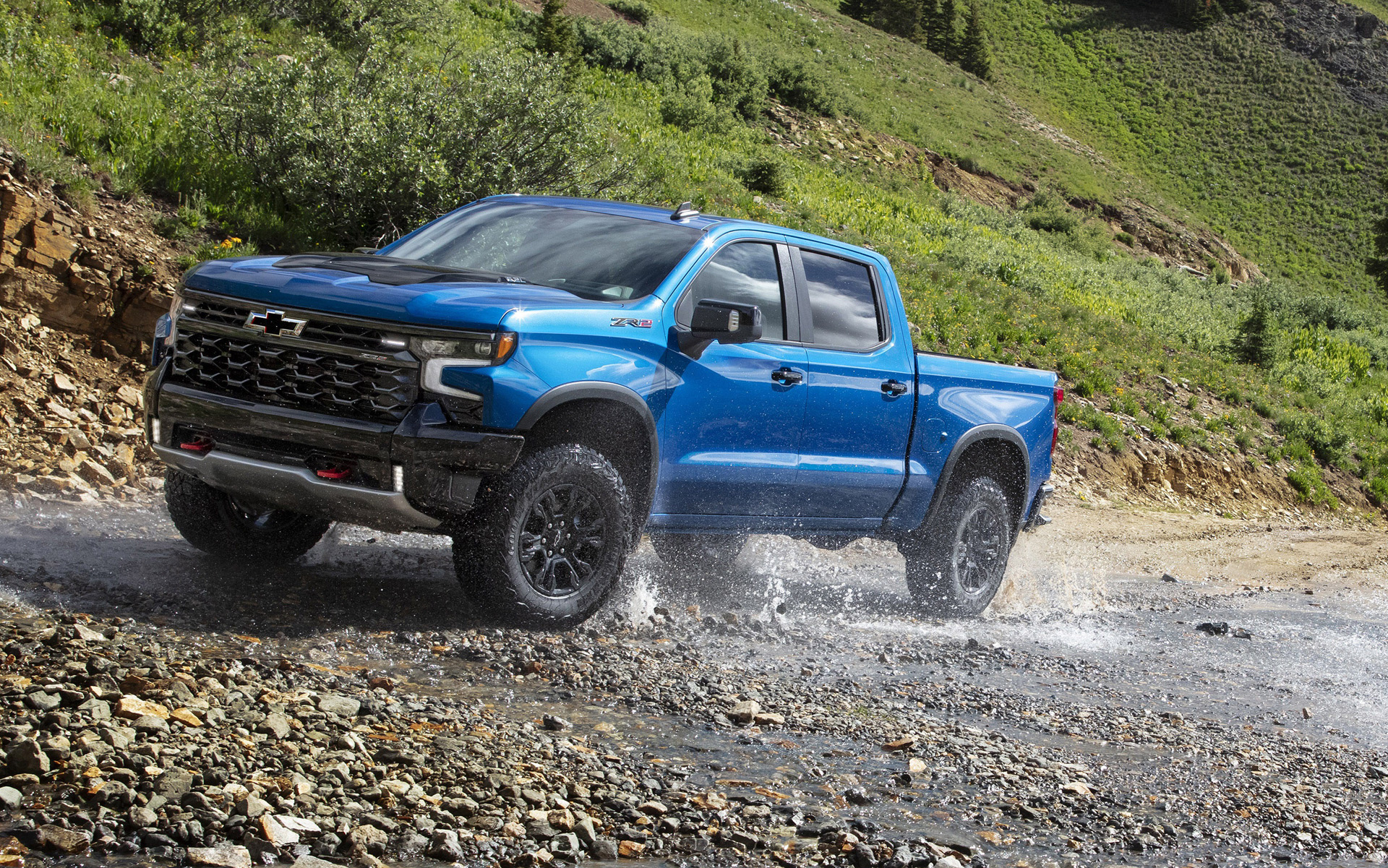
2. Chevrolet Silverado 1500
The Chevrolet Silverado 1500 is a widely recognized full-size pickup with several engine choices. Its popular powertrains include naturally aspirated V8 engines and turbocharged four-cylinder options. However, certain engine families and model years have generated complaints involving internal engine components, oil consumption, and performance problems.
The 5.3-liter V8 has attracted attention for issues involving its Active Fuel Management system. This technology deactivates selected cylinders under certain driving conditions to improve fuel efficiency. Problems involving lifters and related components can cause ticking noises, misfires, rough operation, and reduced engine performance.
Lifter failure is a particularly expensive concern when it requires significant internal engine work. A damaged lifter can affect valve operation and potentially cause additional damage to the camshaft. Owners may notice an abnormal ticking sound, an illuminated check engine light, or a noticeable reduction in power.
Some Silverado owners have also reported excessive oil consumption in certain model years. Low oil levels can increase friction between internal components and accelerate engine wear. Regular oil checks are important, particularly for used trucks with higher mileage or incomplete service histories.
The 6.2-liter V8 has also received attention because of engine failure concerns and manufacturer recall activity affecting certain vehicles. Internal bearing problems can lead to serious mechanical damage. Buyers should check whether their specific vehicle is included in any applicable recall or service campaign.
Turbocharged four-cylinder Silverado models have their own set of potential concerns. Complaints involving hesitation, unusual noises, and engine performance should be investigated carefully. Turbocharger-related symptoms can sometimes resemble problems involving fuel delivery, ignition, or electronic engine controls.
Before purchasing a used Silverado, inspect the engine for leaks, unusual noises, misfires, and signs of poor maintenance. Ask for documentation of previous engine repairs and recall work. A qualified mechanic can also evaluate the condition of the engine and identify warning signs that may not be obvious during a short test drive.
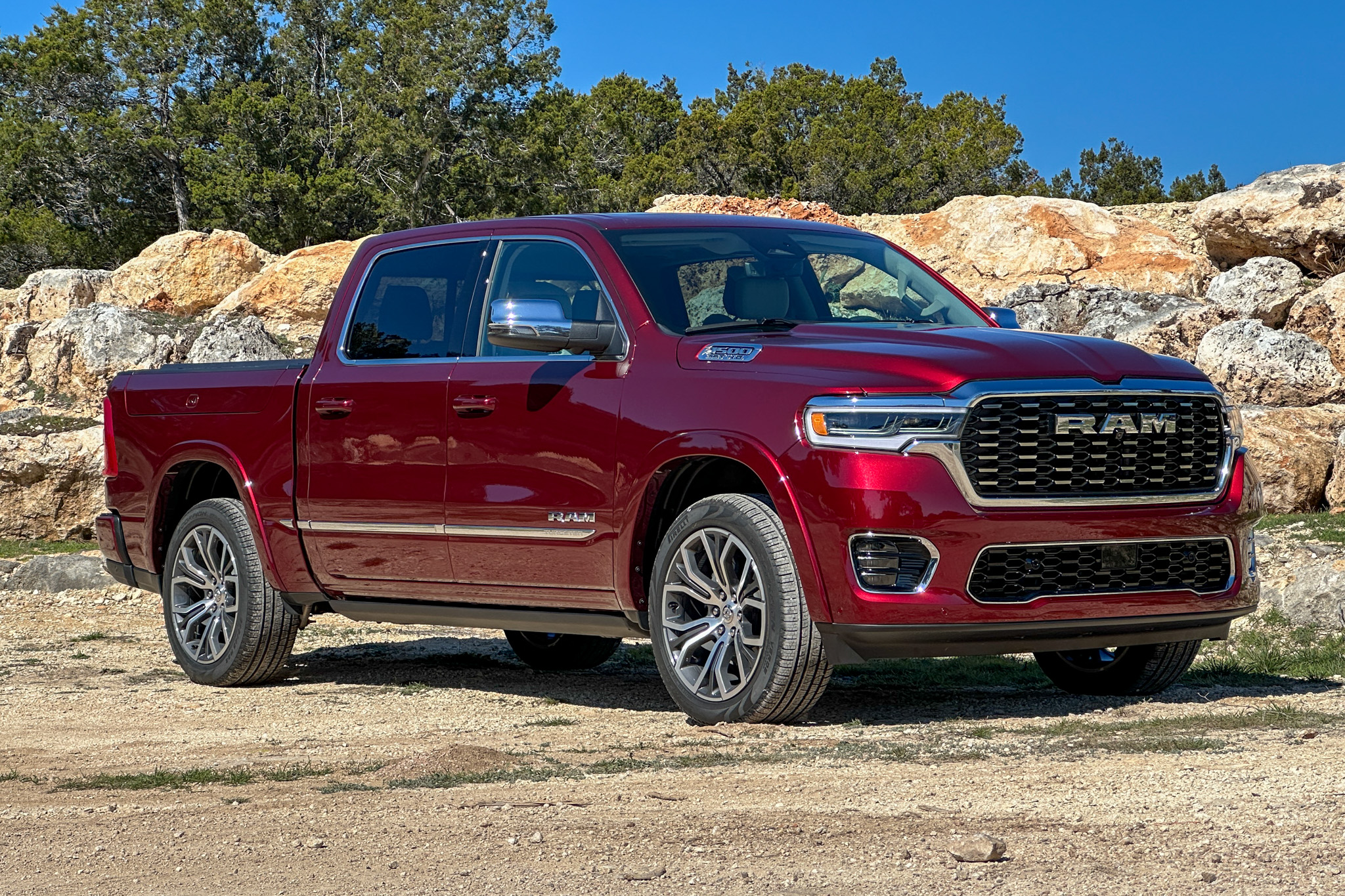
3. Ram 1500
The Ram 1500 combines strong towing capability with several engine configurations. Depending on the model year, buyers may find Hemi V8, Pentastar V6, EcoDiesel V6, and Hurricane inline-six engines. Each powertrain has different maintenance requirements and potential mechanical concerns.
The 5.7-liter Hemi V8 has received attention for ticking noises associated with lifter and camshaft problems. These noises may be linked to lubrication concerns, component wear, or other mechanical faults. Persistent ticking should never be ignored because continued operation can increase repair costs.
Lifter failure can interfere with the movement of engine valves. In severe cases, damaged lifters may contribute to camshaft wear and engine misfires. Owners may experience rough idling, reduced power, unusual sounds, or warning lights. A proper mechanical diagnosis is necessary to confirm the cause.
Some Ram 1500 models equipped with the 3.0-liter EcoDiesel engine have faced concerns involving emissions equipment, oil leaks, and engine-related components. Diesel powertrains have additional systems that require specialized maintenance. Problems with these systems can affect performance and increase repair expenses.
The 3.6-liter Pentastar V6 has also experienced reports involving oil cooler housing leaks and related lubrication issues in certain applications. Oil leaks can become difficult to locate when they originate from components positioned beneath other engine parts. Regular inspection helps prevent unnoticed fluid loss.
Owners of newer Ram 1500 models should also pay attention to warning lights, engine hesitation, rough operation, and unexpected changes in fuel economy. These symptoms do not necessarily indicate internal engine failure, but they deserve professional attention. Electronic controls and fuel systems can also contribute to similar problems.
Used Ram buyers should review the truck’s maintenance history and confirm that recommended oil changes were completed. Listen carefully during cold starts and check for evidence of previous engine repairs. VIN-based recall searches and an independent inspection can help reduce the risk of purchasing a truck with unresolved mechanical concerns.
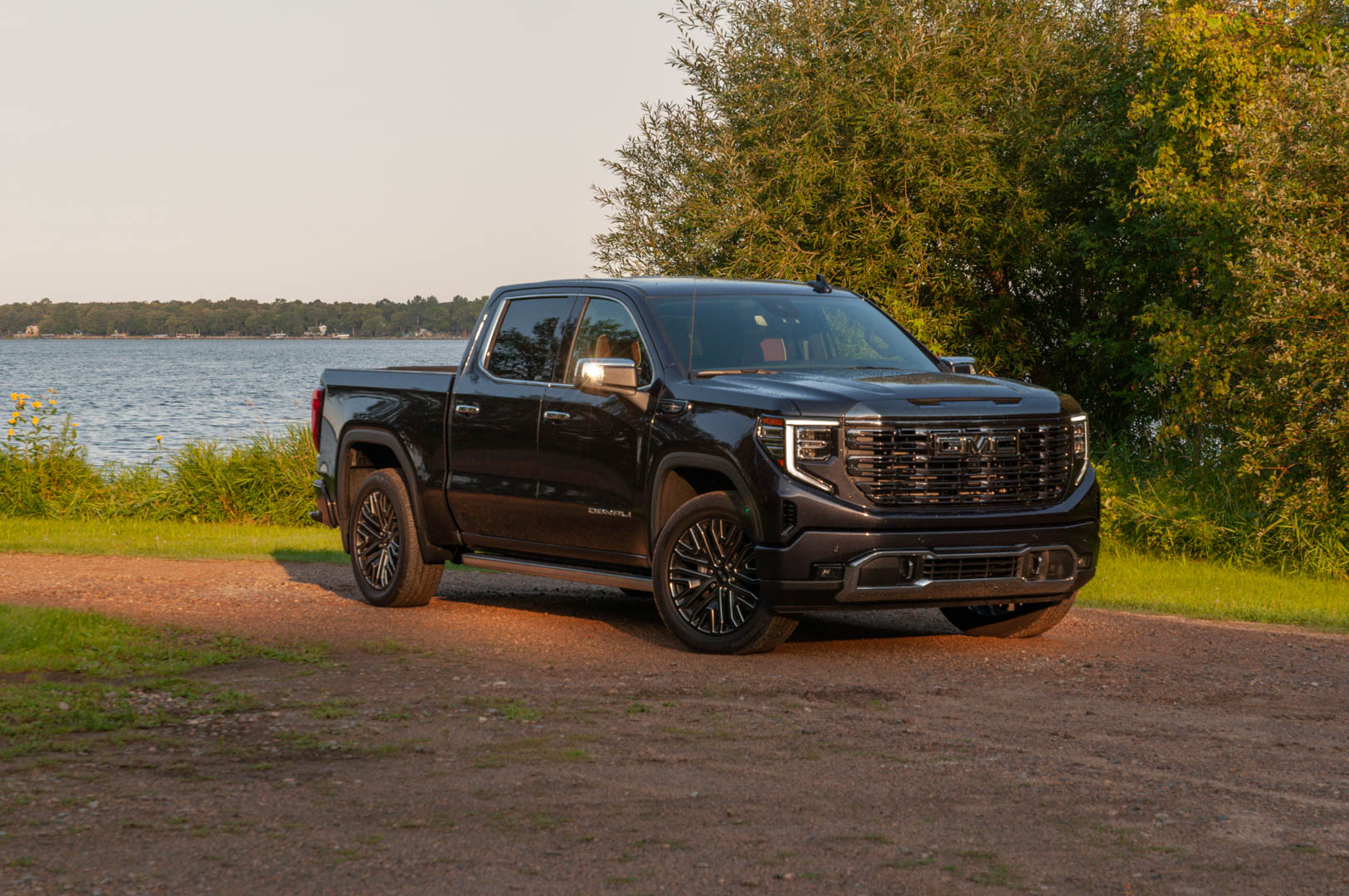
4. GMC Sierra 1500
The GMC Sierra 1500 shares several powertrain options with the Chevrolet Silverado. Its available engines have included 5.3-liter and 6.2-liter V8 configurations, turbocharged four-cylinder engines, and other powertrain choices. Similar engineering means certain engine concerns appear across both truck families.
The 5.3-liter V8 has attracted complaints involving lifter failures and Active Fuel Management components. When lifters malfunction, drivers may hear ticking or knocking sounds. Misfires and rough engine operation can also develop, particularly when the problem affects valve movement.
Camshaft damage can occur when a failing lifter continues operating without proper correction. This can turn a relatively localized mechanical issue into a more extensive engine repair. Owners who notice persistent abnormal noises should arrange an inspection rather than continue driving without a diagnosis.
The 6.2-liter V8 has received attention for internal engine damage concerns in certain model years. Bearing-related failures can lead to severe engine problems, including loss of power or complete engine failure. Applicable recalls and manufacturer repair programs should be checked by VIN.
Oil consumption is another issue worth monitoring in certain Sierra configurations. Frequent drops in oil levels may indicate leaks, internal consumption, or maintenance-related problems. Owners should follow the manufacturer’s recommended oil specifications and service intervals.
Some Sierra owners have also reported engine hesitation, rough idling, and warning lights. These symptoms can be associated with fuel system problems, ignition components, sensors, or electronic controls. Diagnostic trouble codes can help technicians narrow down the possible causes.
A used Sierra should receive a detailed inspection before purchase. Buyers should request maintenance documentation, check for previous engine replacement work, and verify recall completion. An inspection by a technician familiar with General Motors engines can provide useful information about the truck’s mechanical condition.
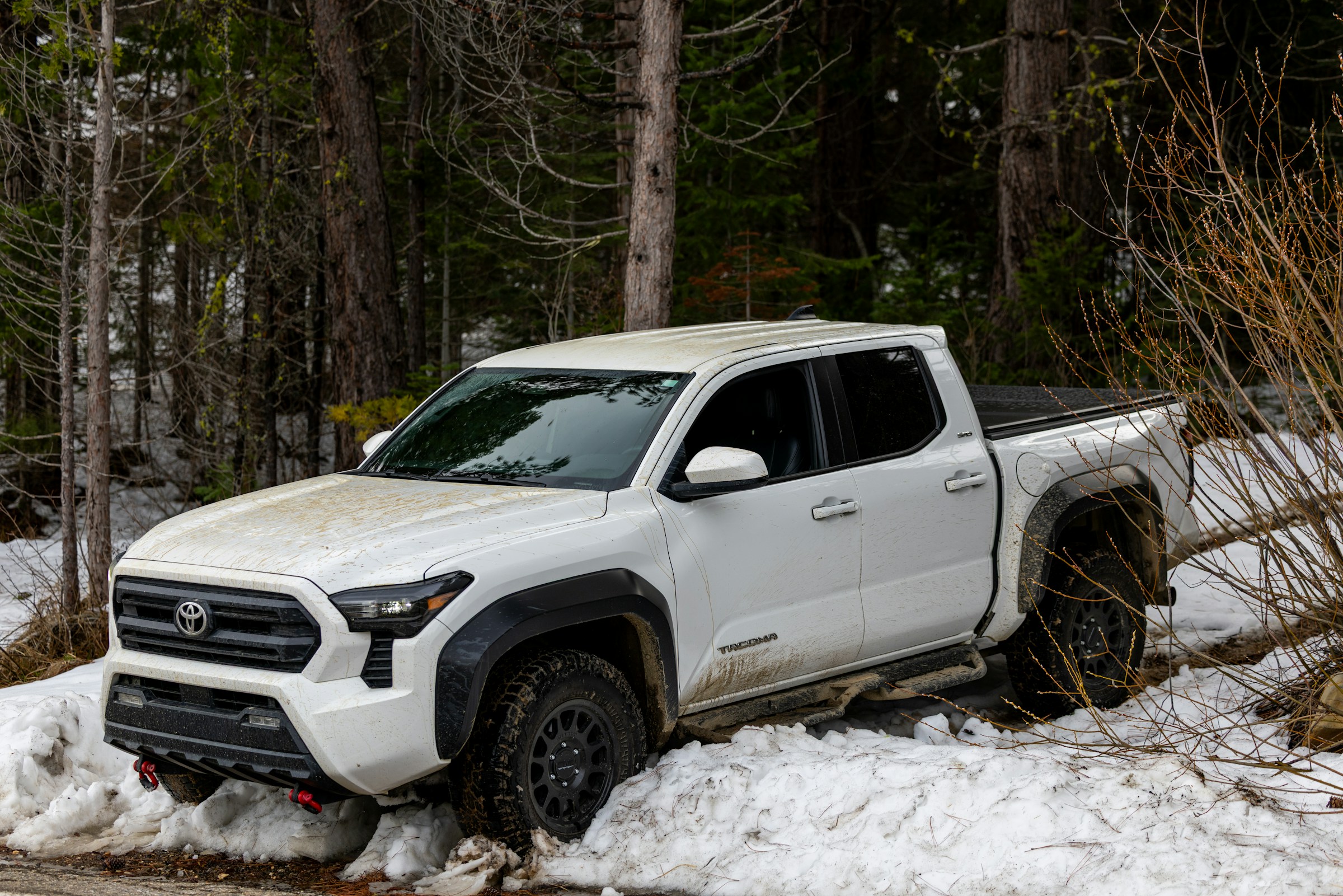
5. Toyota Tacoma
The Toyota Tacoma has developed a strong reputation among midsize pickup buyers. Its popularity comes from its practical dimensions, off-road capability, and long-standing appeal in the used truck market. However, some model years have generated engine-related complaints that deserve attention.
Older Tacoma models equipped with the 2.7-liter four-cylinder engine and 4.0-liter V6 have generally different mechanical characteristics. Potential problems vary according to mileage, maintenance, driving conditions, and engine design. Buyers should avoid assuming that every Tacoma has the same reliability profile.
Certain Tacoma model years have attracted reports involving engine performance, rough running, oil leaks, and unusual noises. These complaints can involve several mechanical or electronic systems. A proper diagnosis is necessary because similar symptoms may come from unrelated components.
The third-generation Tacoma introduced a 3.5-liter V6 engine in many configurations. Some owners have reported concerns involving hesitation, inconsistent acceleration, and engine response. Transmission behavior can also influence how drivers perceive acceleration problems, so the entire powertrain should be evaluated.
Oil leaks and cooling system concerns deserve attention in higher-mileage examples. A leak around engine seals or related components can gradually reduce fluid levels. Overheating can cause serious damage, particularly when cooling system problems remain unresolved.
The fourth-generation Tacoma introduced a turbocharged 2.4-liter engine in place of the previous naturally aspirated V6. This newer powertrain has different mechanical requirements and should be evaluated according to its own service history, recalls, and complaint records. Long-term reliability conclusions require sufficient ownership data.
Used Tacoma buyers should inspect service records, engine oil condition, cooling system performance, and signs of previous repairs. A cold-start inspection can reveal unusual noises that may disappear once the engine warms up. Checking the VIN for applicable recalls is also essential.
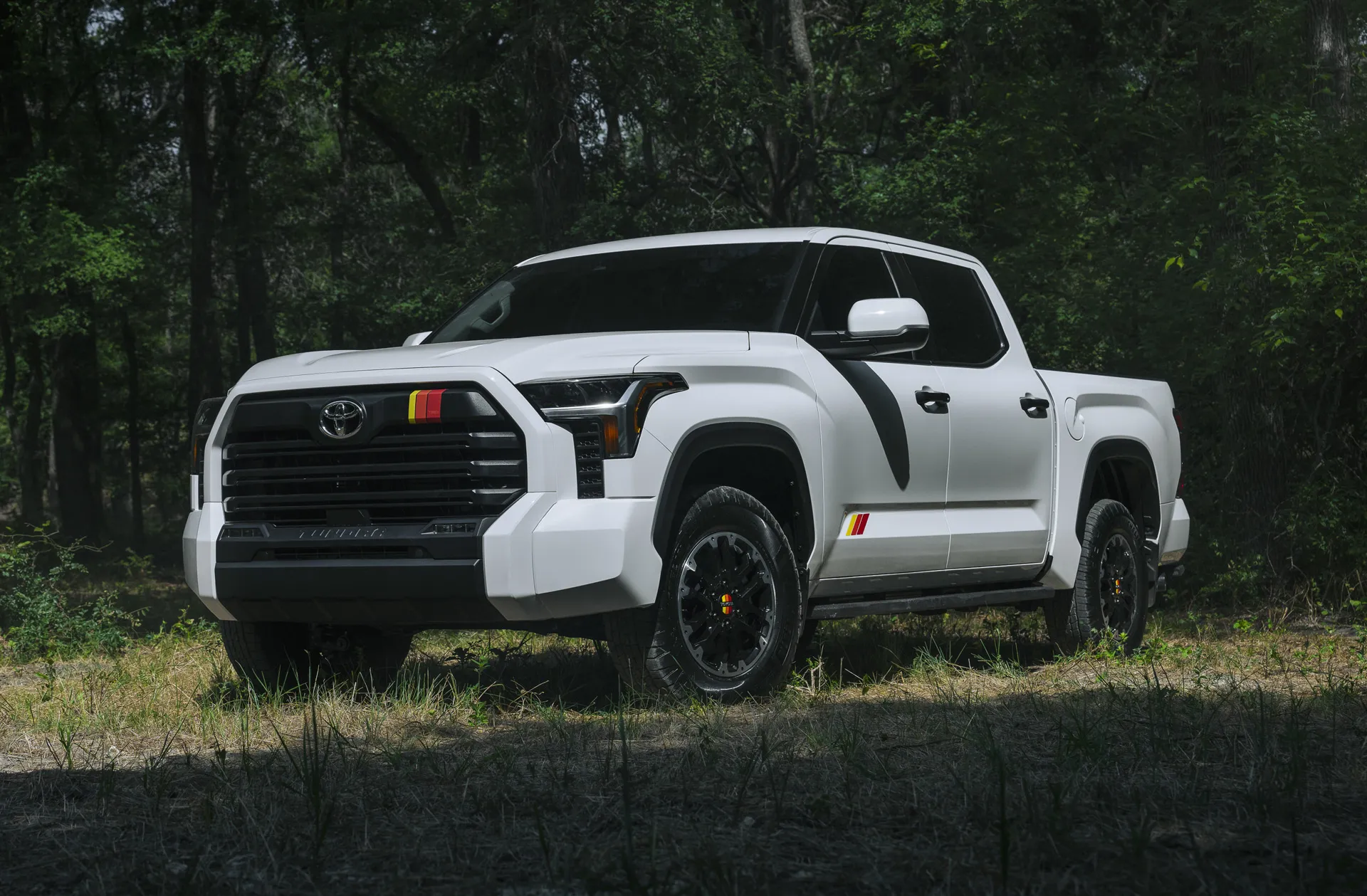
6. Toyota Tundra
The Toyota Tundra is a full-size pickup known for its towing ability and powerful engine options. Older models were available with naturally aspirated V8 engines, while newer generations introduced twin-turbocharged V6 powertrains. This change brought different maintenance requirements and mechanical considerations.
The newer 3.4-liter twin-turbo V6 has attracted significant attention because of engine manufacturing debris concerns affecting certain production vehicles. Metal debris inside an engine can damage internal components and potentially cause engine failure. Toyota has issued recall actions addressing affected vehicles.
This issue highlights why buyers should distinguish between an isolated manufacturing defect and ordinary wear-related problems. A recall involving a specific production period does not automatically mean every Tundra equipped with that engine is affected. VIN verification is essential.
Older Tundra models equipped with the 5.7-liter V8 have their own maintenance considerations. Some owners have reported oil leaks around engine components and other age-related mechanical concerns. High mileage, neglected servicing, and harsh operating conditions can increase the likelihood of problems.
The twin-turbocharged engine also introduces additional components that require proper inspection. Turbocharger plumbing, cooling systems, lubrication, and electronic engine management all contribute to reliable operation. Unusual noises, smoke, or warning lights should be investigated promptly.
Engine performance complaints can include hesitation, rough idling, reduced acceleration, and unexpected warning lights. These symptoms may be associated with sensors, ignition systems, fuel delivery, or mechanical problems. A qualified technician should examine the vehicle before expensive parts are replaced.
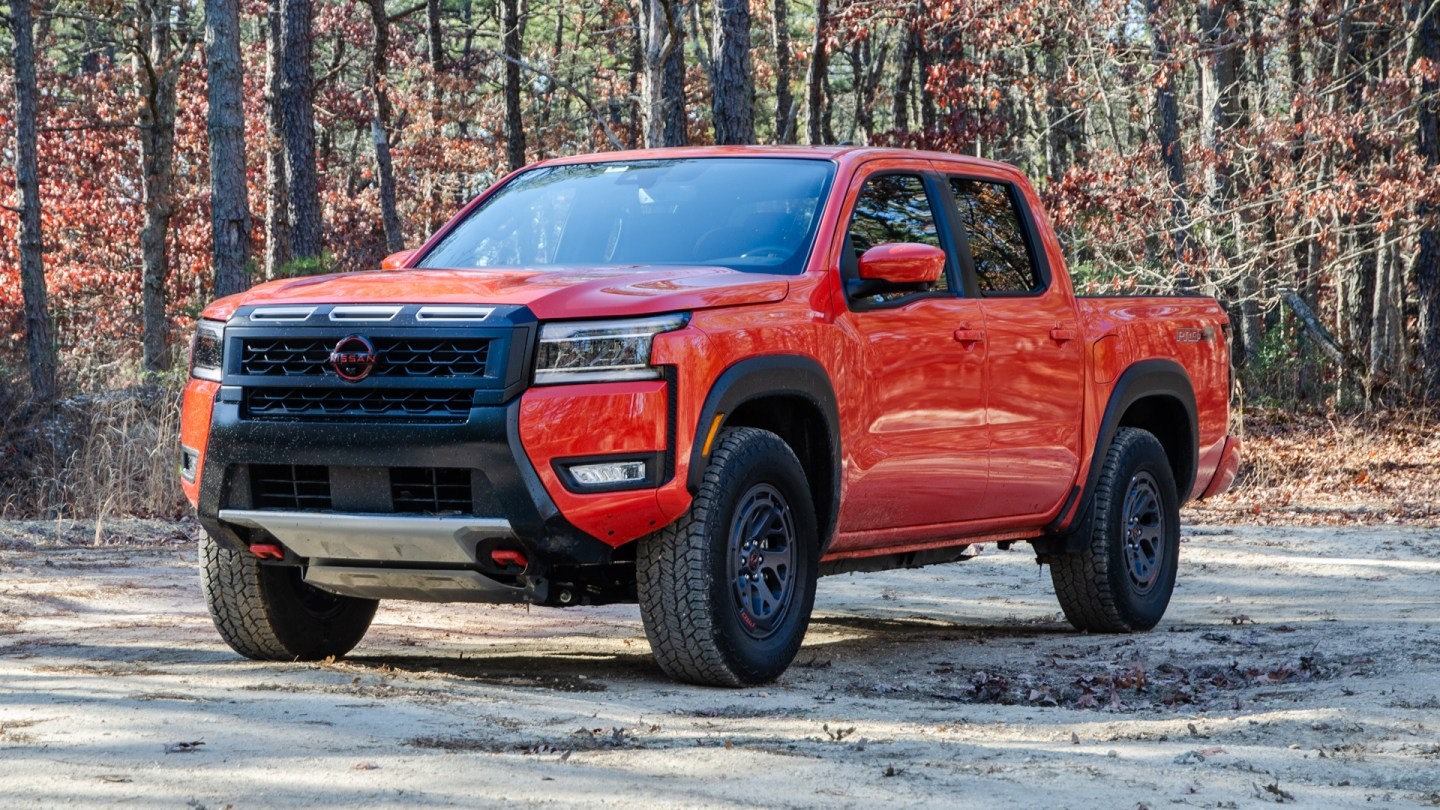
7. Nissan Frontier
The Nissan Frontier is a midsize pickup designed for everyday transportation, light commercial work, and recreational use. Its engine options have changed across generations, with earlier models using four-cylinder and V6 engines and newer versions receiving a 3.8-liter V6.
Some older Frontier models have attracted complaints involving engine performance, rough running, and mechanical wear. These issues can vary considerably depending on the engine, model year, mileage, and service history. Buyers should evaluate individual vehicles rather than relying solely on the model’s reputation.
The 4.0-liter V6 used in earlier Frontier models has been associated with timing chain guide and tensioner concerns in certain applications. Excessive wear can create rattling noises, particularly during startup. If the issue progresses, it may affect engine timing and require expensive repairs.
Coolant leaks and overheating should also be checked during an inspection. Cooling system problems can lead to serious engine damage when coolant levels fall or temperatures rise beyond normal operating limits. Evidence of previous overheating deserves careful investigation.
The newer 3.8-liter V6 offers a different engine design and should not automatically be associated with problems found in earlier generations. Buyers should examine its maintenance history, operating condition, and available complaint information separately. A newer design does not eliminate the need for regular maintenance.
Engine hesitation, misfires, and warning lights can occur for various reasons. Ignition coils, sensors, fuel delivery components, and electrical connections may contribute to these symptoms. Diagnostic testing is generally more reliable than replacing parts based on guesswork.

8. Ford Ranger
The Ford Ranger is a midsize pickup that returned to the American market for the 2019 model year after a period of absence. Modern Rangers commonly use a turbocharged 2.3-liter EcoBoost four-cylinder engine. Earlier generations used different naturally aspirated and diesel powertrains in various markets.
The 2.3-liter EcoBoost engine combines turbocharging with direct fuel injection. This design offers a balance of power and efficiency, but it also requires attention to lubrication, cooling, ignition, and fuel system maintenance. Problems in these areas can affect engine performance.
Some Ranger owners have reported concerns involving hesitation, rough idling, abnormal engine noises, and warning lights. Such symptoms may involve ignition components, sensors, fuel delivery, or software-related issues. A diagnostic scan can help determine whether the engine has recorded relevant trouble codes.
Turbocharger-related problems can also affect acceleration and engine response. Damaged hoses, boost leaks, wastegate concerns, or other turbocharger faults may cause reduced performance. However, similar symptoms can result from unrelated engine management issues.
Oil leaks and cooling system problems deserve attention, especially in used vehicles with higher mileage. Consistent maintenance is important for turbocharged engines because engine oil plays a critical role in lubrication and component protection. Incorrect oil specifications can create additional risks.
Earlier Ranger generations have different potential problem areas. Older engines may experience age-related gasket deterioration, ignition problems, cooling system leaks, and timing component wear. These concerns should be assessed according to the particular engine installed in the vehicle.
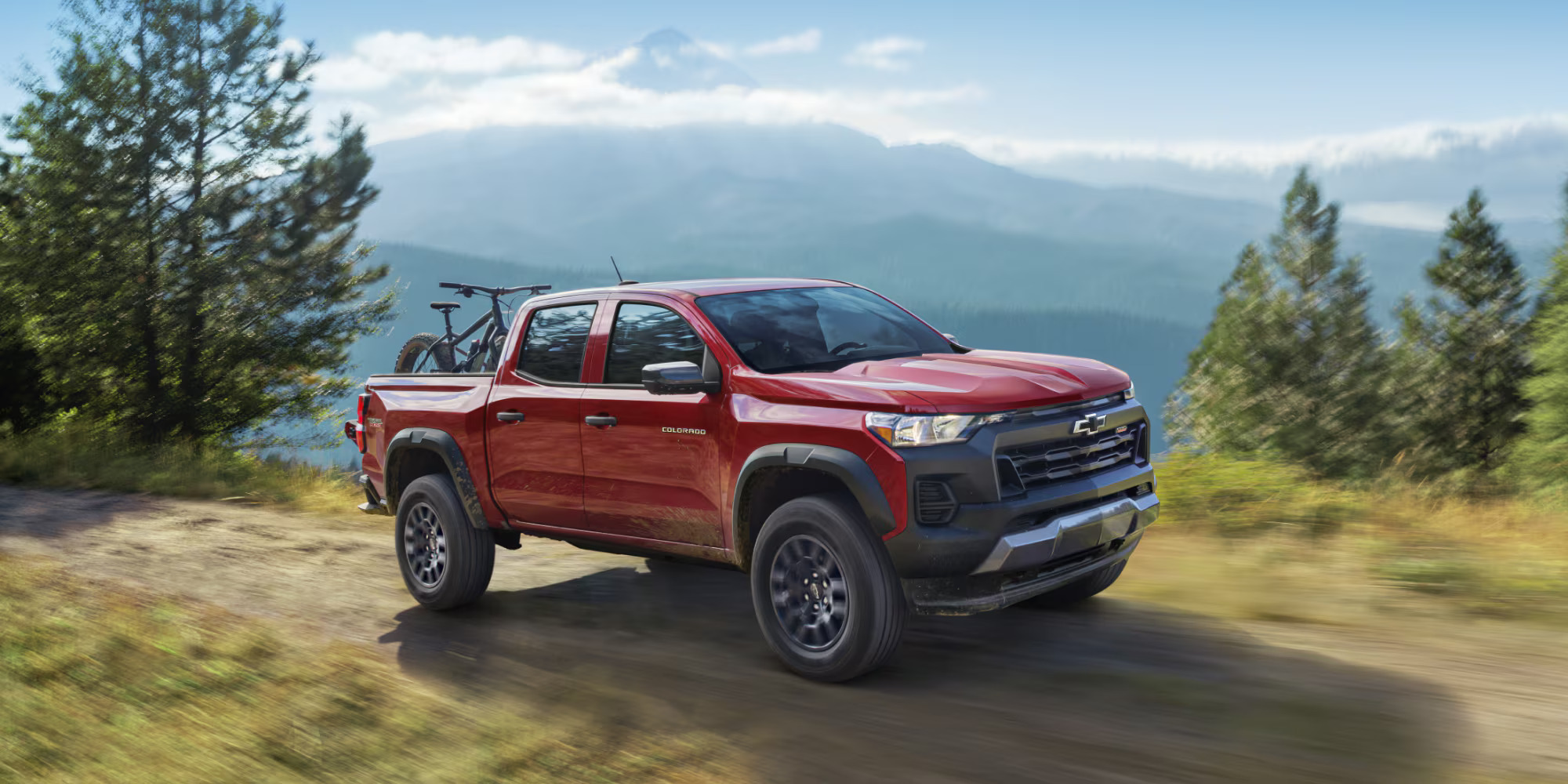
9. Chevrolet Colorado
The Chevrolet Colorado competes in the midsize pickup segment and has been offered with several engine configurations over different generations. These include four-cylinder, V6, and diesel options. Engine-related complaints vary depending on the specific powertrain and production year.
The 3.6-liter V6 used in certain Colorado models has attracted concerns involving timing chain wear in earlier applications. Timing chain problems can affect engine synchronization and may produce warning lights, rough operation, or reduced performance. Severe cases can require extensive repairs.
Some owners have also reported oil leaks and engine performance concerns. Oil leaks may originate from seals, gaskets, or other engine components. Regular inspections help identify developing problems before low oil levels cause additional mechanical damage.
The 2.8-liter Duramax diesel engine has different maintenance requirements from gasoline powertrains. Diesel emissions equipment, fuel delivery components, and related systems can create performance concerns when they malfunction. Proper servicing is important for maintaining dependable operation.
Cold-start behavior can provide useful information about an engine’s condition. Excessive smoke, prolonged cranking, abnormal noises, and rough running may indicate underlying mechanical or fuel system problems. These symptoms should be examined rather than treated as normal characteristics.
Certain Colorado models have also received complaints involving hesitation, stalling, and reduced acceleration. These symptoms can originate from engine controls, ignition components, fuel delivery, or other vehicle systems. A complete diagnostic inspection is necessary to identify the actual cause.
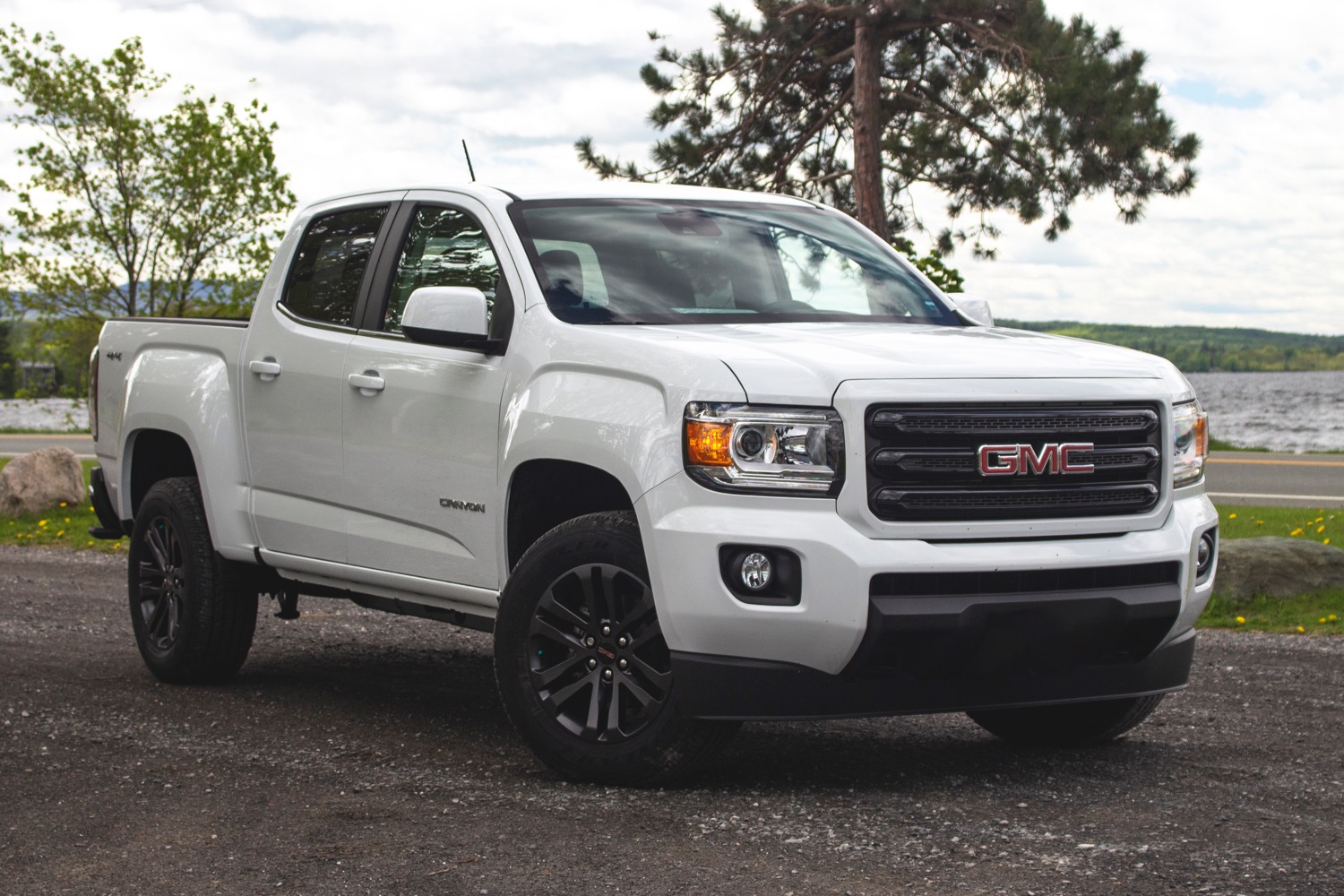
10. GMC Canyon
The GMC Canyon shares much of its engineering with the Chevrolet Colorado. It has been offered with several gasoline and diesel powertrains, depending on the model year. Its engine complaint patterns therefore overlap with those of its Chevrolet counterpart.
Earlier Canyon models equipped with the 3.6-liter V6 have faced concerns involving timing chain components. Excessive wear can interfere with engine timing and affect performance. Warning lights, rough operation, and unusual noises may indicate that further inspection is necessary.
Oil leaks are another maintenance concern worth checking in used examples. Gaskets, seals, and other engine components can deteriorate with age and mileage. Ignoring small leaks may eventually lead to low oil levels and increased engine wear.
The 2.8-liter Duramax diesel option requires attention to its fuel and emissions systems. Diesel engines operate differently from gasoline engines and have additional components that require specialized servicing. Problems involving emissions equipment can sometimes trigger warning lights and reduced engine performance.
Gasoline-powered Canyon models may also experience misfires, rough idling, hesitation, or inconsistent acceleration. These symptoms can result from ignition faults, fuel delivery problems, sensors, or mechanical wear. Proper diagnostic testing helps avoid unnecessary repairs.
Newer Canyon generations use different powertrain technology, including a turbocharged 2.7-liter four-cylinder engine. Its maintenance requirements differ from those of earlier V6 and diesel configurations. Buyers should review complaints and recalls for the precise model year rather than treating every Canyon as mechanically identical.