Buying a used SUV can save money, but transmission problems can quickly turn an affordable vehicle into an expensive ownership burden. Some SUVs develop shifting delays, slipping gears, rough acceleration, or complete transmission failures before reaching 100,000 miles.
These problems can affect everyday driving, fuel efficiency, and long-term reliability. Understanding which models have reported transmission concerns helps buyers make informed decisions before purchasing a used vehicle.
From compact crossovers to larger family SUVs, certain models deserve additional attention during inspections. This guide examines ten SUVs associated with notable transmission complaints and explains the problems buyers should watch for.
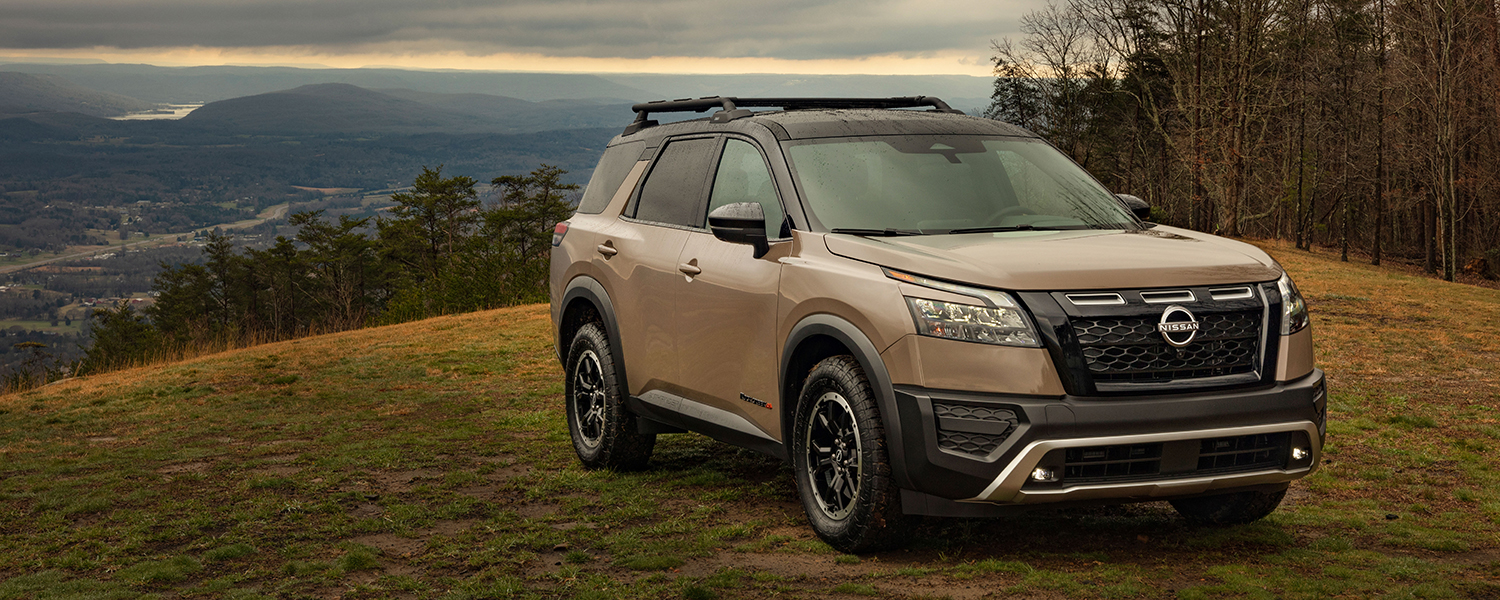
1. Nissan Pathfinder
The Nissan Pathfinder has experienced notable transmission reliability concerns, particularly in certain model years equipped with continuously variable transmissions (CVTs).
Owners have reported symptoms such as shuddering, hesitation, delayed acceleration, and unusual noises during operation. These complaints have made transmission condition an important consideration when shopping for a used Pathfinder.
The 2013 to 2016 Pathfinder models deserve particular attention. These vehicles use Nissan’s CVT technology, which has been associated with overheating concerns and inconsistent power delivery. Some drivers have experienced noticeable vibrations while accelerating, especially when the vehicle is under additional load.
Transmission shuddering can make normal driving uncomfortable. Drivers may notice the vehicle vibrating when accelerating from a stop or maintaining a steady speed. In certain situations, the transmission may struggle to deliver smooth power, creating an unpredictable driving experience.
Overheating is another concern reported by some Pathfinder owners. Excessive transmission temperatures can affect internal components and accelerate wear. Repeated overheating may eventually lead to expensive repairs or complete transmission replacement.
Repair costs depend on the extent of the damage. Minor issues may involve fluid servicing or related components, while severe failures can require a complete CVT replacement. Used buyers should request maintenance records and check whether previous transmission repairs were performed.
A thorough inspection should include a test drive under different driving conditions. Pay attention to acceleration delays, unusual vibrations, warning lights, and changes in engine speed without corresponding vehicle movement. These symptoms may indicate transmission trouble.
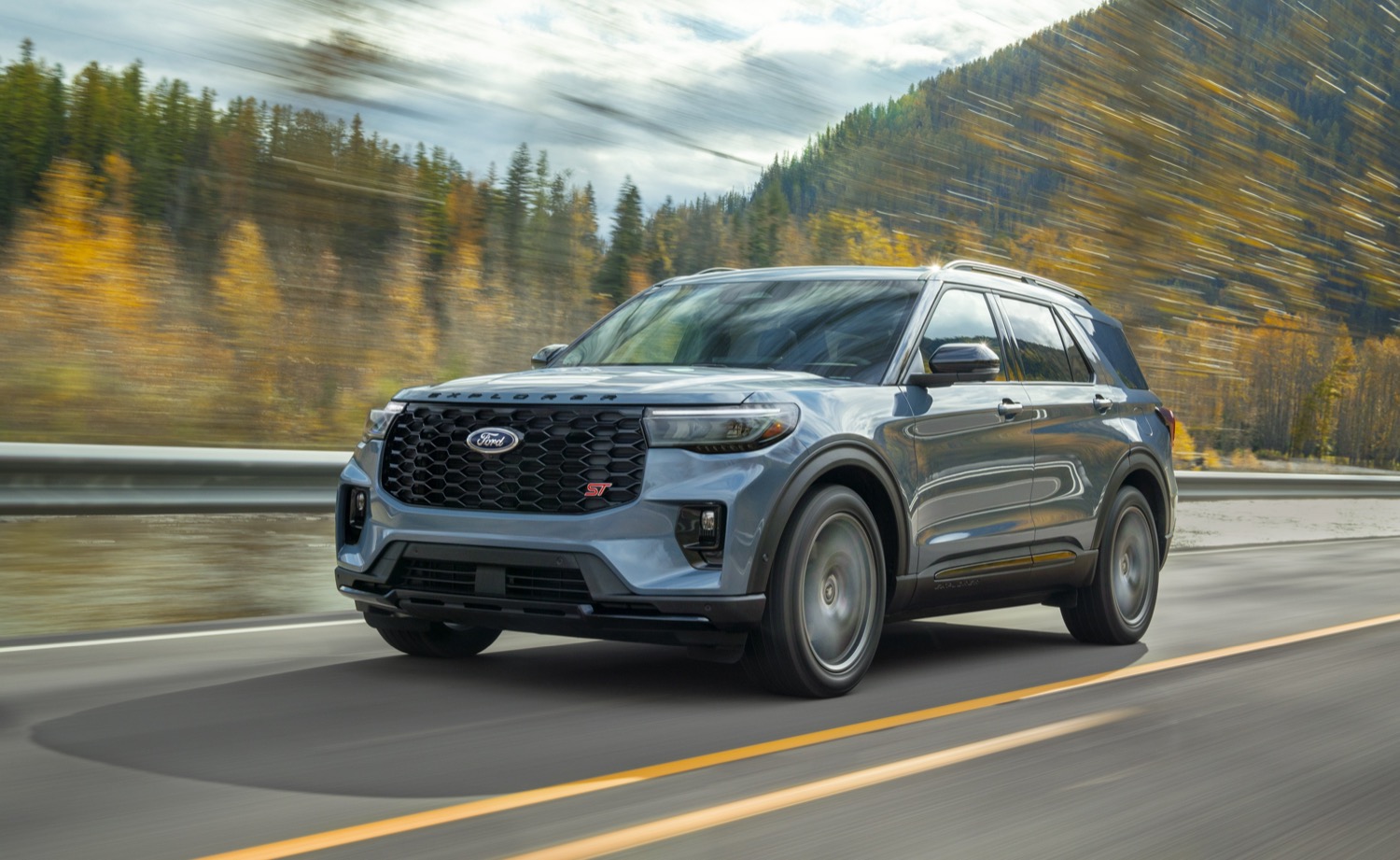
2. Ford Explorer
The Ford Explorer has been a popular midsize SUV for decades, but certain generations have experienced transmission complaints. Reported problems include harsh shifting, delayed gear engagement, slipping, and unexpected changes between gears. These issues can affect driving comfort and raise concerns about long-term ownership expenses.
Some 2011 to 2019 Explorer models deserve careful inspection because owners have reported inconsistent transmission performance. The six-speed automatic transmission used in several configurations has received complaints involving rough shifts and hesitation. Actual reliability varies by model year, engine, maintenance history, and driving conditions.
Harsh shifting is among the symptoms drivers may notice first. The vehicle might produce a noticeable jolt when changing gears, particularly during low-speed driving. Repeated rough shifts should not be ignored because they may indicate problems involving internal components, hydraulic pressure, or electronic controls.
Delayed engagement can also create frustration. When selecting Drive or Reverse, the transmission may take longer than expected to respond. This behavior can become more noticeable as the vehicle ages or when transmission components experience excessive wear.
Electronic control problems may contribute to shifting irregularities. Modern automatic transmissions depend on sensors, control modules, and hydraulic systems to select appropriate gears. A malfunctioning component can affect shifting behavior even when the transmission itself has not suffered major internal damage.
Repair expenses vary significantly. A sensor or control-related repair may cost considerably less than rebuilding or replacing the transmission. Buyers should obtain a professional diagnostic inspection instead of assuming every shifting problem requires a complete transmission replacement.
Before purchasing a used Explorer, test the vehicle during city driving, highway acceleration, and parking maneuvers. Listen for unusual noises and observe whether gear changes feel consistent. Check service documentation for previous transmission work, fluid leaks, and recurring warning lights.

3. Jeep Cherokee
The Jeep Cherokee, particularly certain models from the 2014 to 2019 period, has attracted attention because of transmission complaints involving its nine-speed automatic transmission. Owners have reported rough shifting, hesitation, delayed engagement, and unpredictable gear selection. These concerns can make everyday driving less comfortable.
The nine-speed automatic transmission was designed to improve efficiency and provide smooth power delivery. However, some early applications experienced calibration and software-related problems. Drivers sometimes noticed frequent gear changes, hesitation, or rough transitions during acceleration.
Low-speed operation has been a common area of concern. Some vehicles may hesitate when moving away from a complete stop or produce uncomfortable shifts during traffic conditions. These behaviors can make the SUV feel less refined than expected.
Transmission software updates have been used to address certain shifting complaints. In some cases, updated programming improves gear selection and reduces harsh shifts. However, software updates cannot repair damaged internal components or resolve every mechanical problem.
Buyers should pay close attention to the vehicle’s maintenance history. Records showing dealership inspections, software updates, and previous transmission repairs can provide useful information about how the vehicle has been maintained.
A proper test drive should include slow acceleration, moderate acceleration, reverse engagement, and highway cruising. Watch for repeated hesitation, sudden jerking, slipping, or unusual engine-speed changes. Any persistent symptoms deserve professional evaluation.
Repair expenses depend on the underlying cause. Electronic calibration work may be relatively affordable, while mechanical transmission damage can result in substantial bills. Obtaining a diagnostic report before purchase can help prevent unexpected expenses.
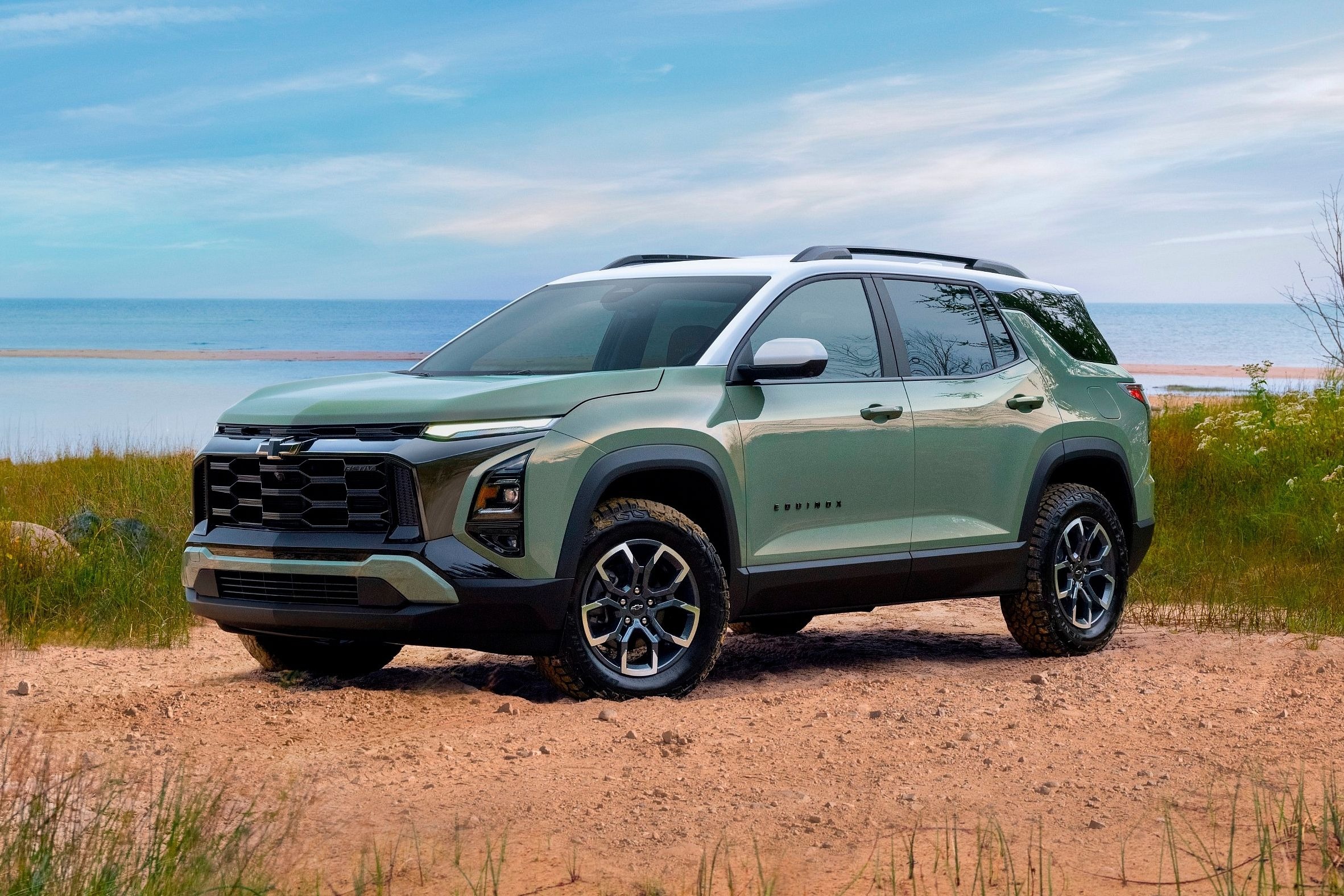
4. Chevrolet Equinox
The Chevrolet Equinox is a popular compact SUV that offers practical passenger space, comfortable driving characteristics, and convenient everyday usability. However, certain model years have received complaints involving automatic transmission performance. Symptoms reported by owners include slipping, rough shifting, delayed engagement, and unusual noises.
Some 2010 to 2017 Equinox models deserve additional attention during a used-car inspection. Transmission reliability can vary according to the engine, transmission configuration, production year, and previous maintenance. Buyers should avoid treating every Equinox as equally affected.
Rough shifting can become noticeable during acceleration or when the vehicle changes gears at lower speeds. Drivers may experience a sudden movement or hesitation rather than the smooth transitions expected from an automatic transmission.
Transmission slipping is more concerning. It occurs when engine speed increases without a corresponding increase in vehicle speed. This behavior can indicate worn internal components, hydraulic problems, or other transmission-related faults.
Fluid condition is another important inspection point. Burnt-smelling or contaminated transmission fluid may indicate excessive heat or internal wear. Low fluid levels can also contribute to shifting problems, although the correct inspection procedure depends on the specific transmission design.
A professional inspection should include a diagnostic scan and a road test. Technicians can examine stored fault codes, inspect for leaks, and evaluate shifting behavior under different operating conditions. These checks can reveal problems that may not appear during a brief test drive.
Transmission repair expenses vary based on the severity of the issue. Minor electrical or control-related repairs may be manageable, while extensive internal damage can make rebuilding or replacement considerably more expensive.
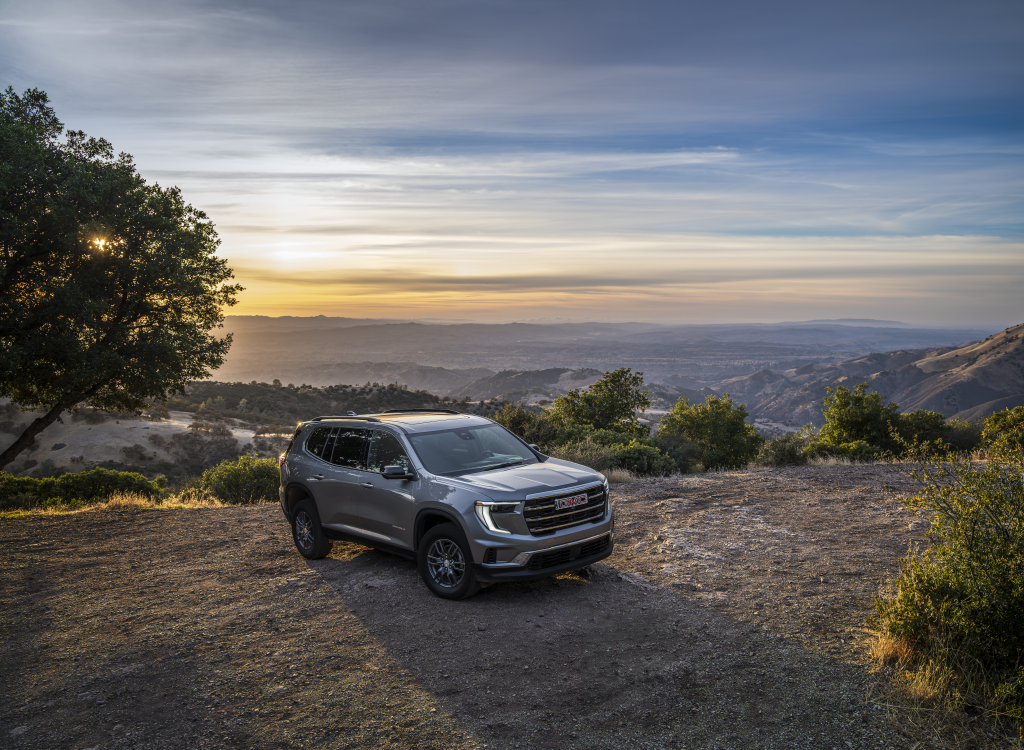
5. GMC Acadia
The GMC Acadia offers three-row seating, a spacious cabin, and family-oriented practicality. However, certain model years have experienced transmission-related complaints involving shifting quality, slipping, and mechanical reliability. These concerns deserve attention when considering an older used Acadia.
Some first-generation Acadia models, particularly those produced during the late 2000s and early 2010s, have been associated with transmission complaints. Owners have reported rough gear changes, delayed engagement, and transmission failures. Vehicle condition and maintenance history remain important factors.
Repeated shifting problems can affect the vehicle’s drivability. Drivers may notice hesitation when accelerating or sudden changes in power delivery. Such symptoms can become more pronounced during stop-and-go traffic or when carrying passengers and cargo.
Transmission slipping requires particular attention. If the engine revs without the vehicle accelerating as expected, the transmission may not be transferring power properly. Continued driving with this condition can increase damage and repair expenses.
Some transmission problems may originate from control systems or related components rather than major internal damage. Sensors, solenoids, and hydraulic pressure irregularities can affect shifting performance. Proper diagnosis is necessary before choosing a repair.
Buyers should also investigate the vehicle’s service history. Regular maintenance, documented fluid services where applicable, and records of previous repairs can help establish whether the transmission has received appropriate attention.
During a test drive, evaluate the Acadia in both city and highway conditions. Check how it behaves when shifting from Park into Drive or Reverse. Pay attention to delayed engagement, unusual vibration, warning lights, and unexpected gear changes.
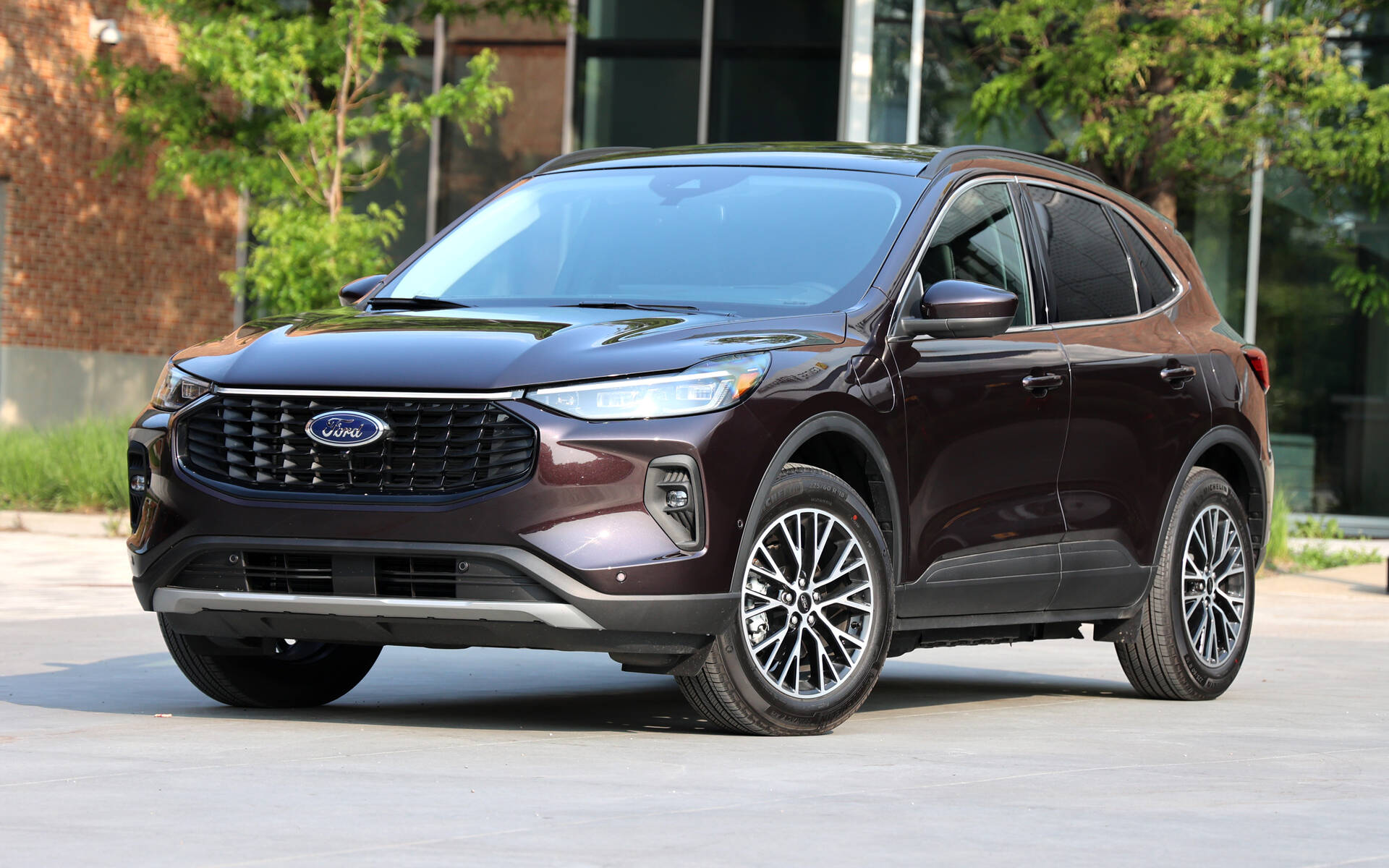
6. Ford Escape
The Ford Escape has been available with several transmission configurations throughout its production history. Certain model years have attracted complaints involving shifting delays, slipping, rough gear changes, and transmission failure. These concerns make careful model-year research important for used buyers.
Some 2013 to 2019 Escape models have received complaints involving automatic transmission behavior. The specific symptoms and reliability patterns vary depending on the engine and transmission combination. Buyers should investigate the exact powertrain installed in the vehicle they are considering.
Harsh shifting can appear during ordinary driving. The transmission may produce noticeable jolts when changing gears, particularly at lower speeds. In some cases, the vehicle may hesitate before responding to accelerator input.
Transmission slipping can create more serious performance problems. Drivers may notice rising engine RPM without the expected increase in road speed. This symptom should receive immediate attention because continued operation may worsen existing damage.
Electronic and hydraulic systems also influence transmission performance. A faulty sensor, control module, or solenoid can interfere with normal gear selection. A diagnostic scan can help technicians distinguish between electronic faults and internal mechanical problems.
Used buyers should review maintenance records carefully. Previous transmission replacements, recurring warning lights, fluid leaks, and repeated repair visits may indicate an unresolved reliability issue.
A comprehensive test drive should include different speeds and driving conditions. Check acceleration from a complete stop, moderate throttle response, reverse engagement, and highway cruising. Any hesitation or unusual shifting should be investigated before purchase.
The Escape remains attractive because of its manageable size, practical interior, and convenient everyday driving experience. However, buyers should select a well-maintained example with a documented repair history and satisfactory transmission performance.
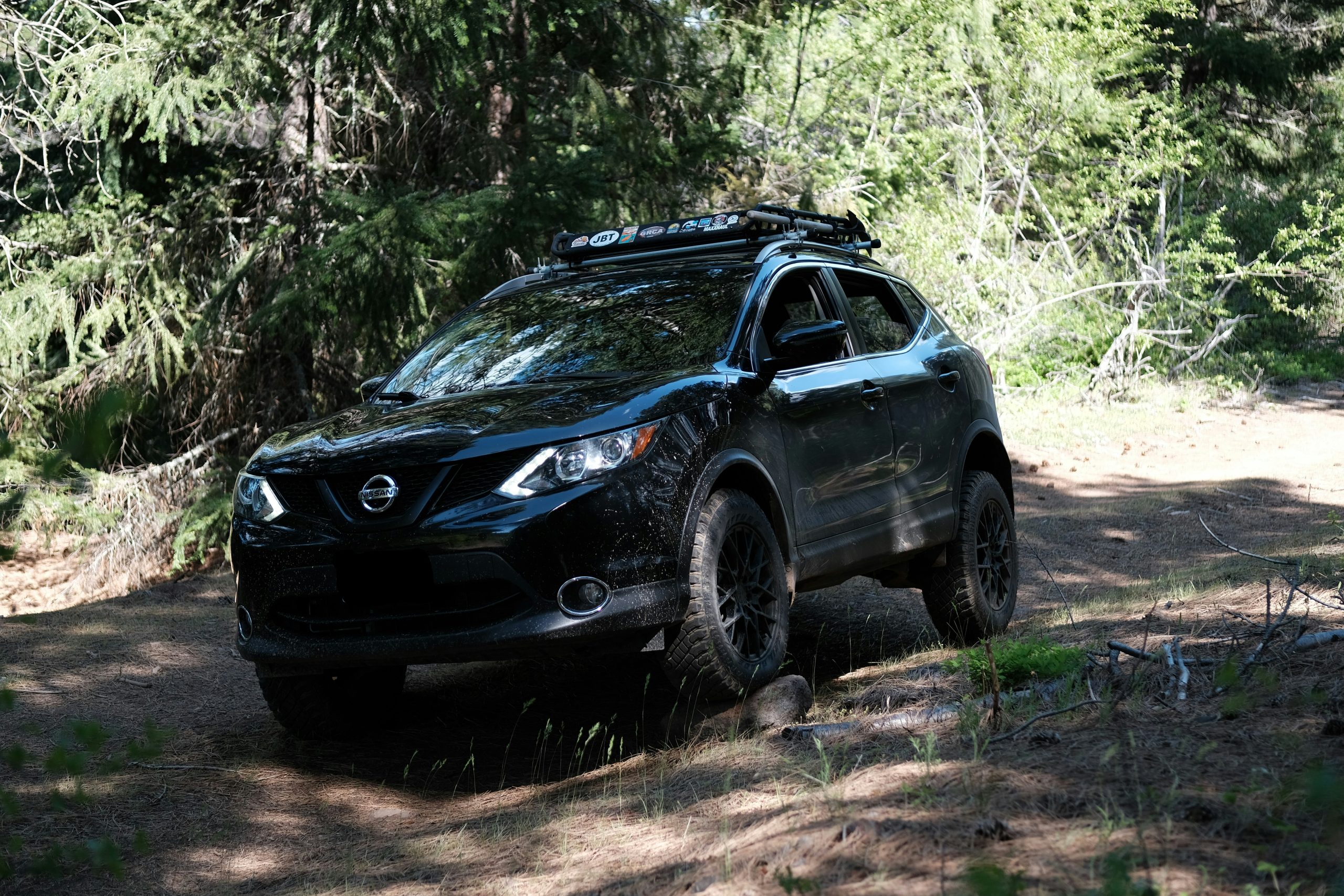
7. Nissan Rogue
The Nissan Rogue has experienced transmission complaints involving its continuously variable transmission. Certain model years have been associated with reports of shuddering, hesitation, overheating, and reduced acceleration. These problems can become expensive when they involve major CVT components.
The 2014 to 2018 Rogue models deserve particular attention during used-vehicle inspections. Some owners have reported inconsistent power delivery and vibrations during acceleration. However, not every vehicle from these years develops transmission problems.
A CVT operates differently from a traditional automatic transmission. Instead of using a fixed set of conventional gears, it continuously adjusts its transmission ratio. This design can provide smooth acceleration and improved efficiency, but it requires appropriate maintenance and temperature management.
Shuddering is a symptom worth investigating. Drivers may experience vibration while accelerating from low speeds or maintaining steady movement. Such behavior can indicate transmission-related problems, although other mechanical components can sometimes produce similar symptoms.
Overheating can affect CVT performance and long-term durability. Vehicles used in demanding conditions, including heavy traffic and frequent high-load driving, may experience additional thermal stress. Proper diagnosis is important when temperature-related warnings or reduced performance appear.
Repair costs can be substantial if the CVT requires replacement. Routine maintenance or minor component repairs may cost less, but severe internal damage can create a significant financial burden. Buyers should request invoices for any previous transmission work.
Before buying a used Rogue, test it at different speeds and pay attention to acceleration consistency. Check for unusual noises, warning messages, delayed response, and signs of previous overheating. A qualified technician should inspect the vehicle’s transmission system.
The Rogue offers comfortable seating, useful cargo capacity, and convenient features for everyday transportation. Nevertheless, buyers should carefully evaluate CVT condition and service history before choosing a used example.
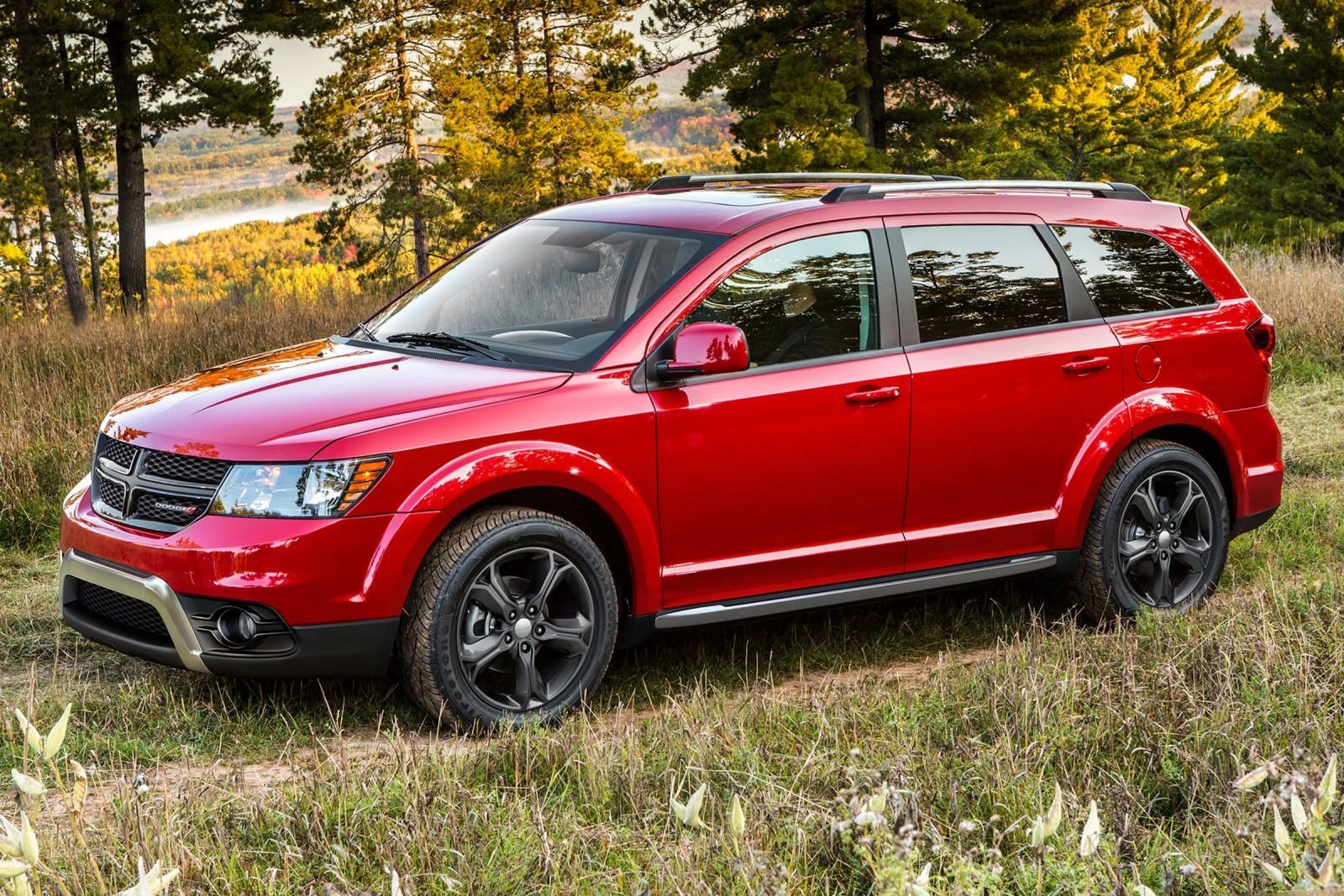
8. Dodge Journey
The Dodge Journey has been sold with several automatic transmission configurations, and certain model years have received complaints involving shifting performance and transmission reliability. Owners have reported rough gear changes, delayed engagement, slipping, and unexpected transmission behavior.
Older Journey models, particularly examples from the late 2000s and early 2010s, deserve careful evaluation. Transmission performance varies according to the engine and drivetrain configuration, making it important to identify the exact version before assessing reliability.
One concern reported by drivers involves rough transitions between gears. The vehicle may produce noticeable jolts during acceleration or when slowing down. Such behavior can result from mechanical wear, electronic problems, or hydraulic irregularities.
Delayed engagement is another symptom that buyers should investigate. When selecting Drive or Reverse, the transmission should respond without an unusually long delay. Repeated hesitation may indicate an underlying problem that requires professional diagnosis.
Transmission fluid condition and leakage should also be checked. Low fluid levels can affect hydraulic operation and contribute to shifting problems. Burnt-smelling fluid may suggest excessive heat or internal wear.
The Journey’s age and previous usage can influence its transmission condition. Vehicles used for frequent family trips, heavy passenger loads, or demanding driving conditions may have experienced greater mechanical stress.
A used-car inspection should include a complete diagnostic scan and road test. Check gear engagement, acceleration response, shifting consistency, and unusual sounds. Ask the seller whether the transmission has previously been repaired or replaced.
The Dodge Journey offers affordable used-car pricing and practical interior space. However, a low purchase price should not distract buyers from potential repair expenses. Choosing an example with verified maintenance records is essential.

9. Volkswagen Tiguan
The Volkswagen Tiguan combines compact SUV practicality with European driving characteristics. Certain model years have received complaints involving transmission performance, particularly regarding shifting behavior, hesitation, and drivetrain-related faults. Buyers should investigate the exact transmission fitted to each vehicle.
Some earlier Tiguan models equipped with automatic transmissions have experienced reports of rough gear changes and delayed engagement. The frequency and nature of these concerns vary by model year, transmission type, and maintenance history.
Drivers may notice hesitation when accelerating from a stop. In some cases, the transmission can produce uncomfortable shifts during low-speed driving. These symptoms may be associated with mechanical wear, software calibration, or electronic control problems.
Dual-clutch transmissions require particular consideration where fitted. Unlike conventional torque-converter automatics, dual-clutch systems use clutch assemblies to manage gear changes. Their operating characteristics differ, and clutch wear can influence low-speed smoothness.
Transmission warning lights and stored diagnostic codes should never be ignored. Electronic faults can affect shifting behavior and may indicate problems involving sensors, control units, or other transmission components.
Maintenance history plays an important role in evaluating a used Tiguan. Buyers should review service invoices and verify that the correct transmission maintenance procedures were followed. A history of recurring gearbox repairs deserves additional investigation.
A test drive should include slow traffic, normal acceleration, reverse engagement, and highway driving. Observe whether the vehicle changes gears smoothly and responds consistently to accelerator input. Unusual noises or repeated hesitation require professional attention.
The Tiguan offers a refined cabin, comfortable handling, and practical passenger space. However, buyers should understand the specific transmission technology used in their chosen model and arrange a specialist inspection before purchasing.
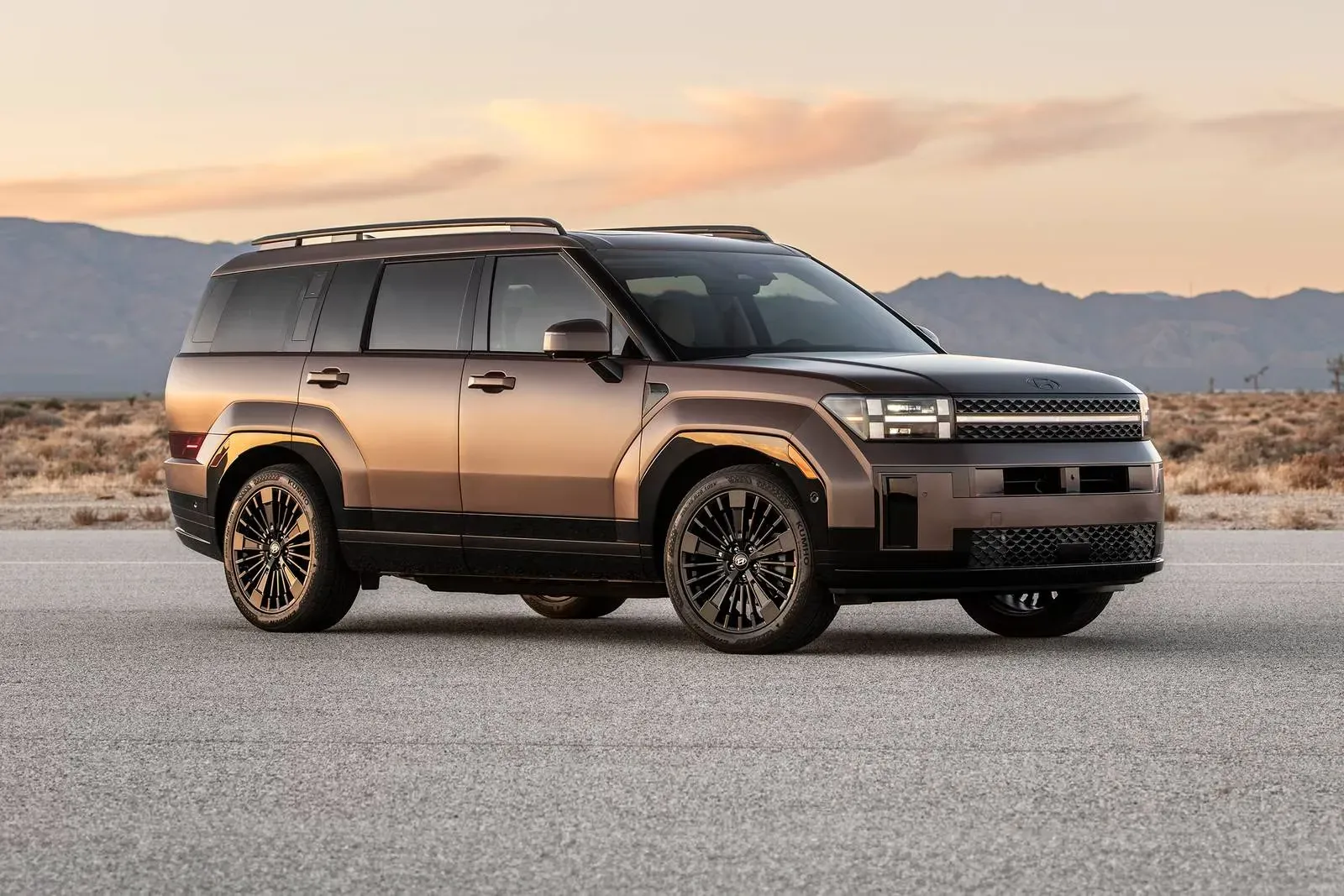
10. Hyundai Santa Fe
The Hyundai Santa Fe has earned popularity as a comfortable family SUV, but certain model years have experienced complaints involving automatic transmission performance. Reported symptoms include harsh shifting, hesitation, slipping, and delayed engagement.
Some Santa Fe models from the 2010s deserve additional attention when shopping in the used market. Transmission reliability differs between generations and powertrain configurations, so buyers should research the exact model year rather than relying on the vehicle’s name alone.
Rough shifting may become noticeable during acceleration or when slowing down. Drivers might feel sudden movements as the transmission changes gears. These symptoms can result from worn components, hydraulic issues, or electronic control problems.
Delayed engagement can also indicate developing trouble. When shifting from Park into Drive or Reverse, the vehicle should respond predictably. Repeated delays or unusual noises may suggest a transmission issue requiring further inspection.
Slipping is particularly concerning because it can affect the vehicle’s ability to transfer engine power to the wheels. An increase in engine speed without corresponding acceleration should be treated as a warning sign.
Buyers should check whether the vehicle has received regular servicing and whether previous transmission complaints were properly addressed. Repair invoices can help establish whether a problem was resolved or simply treated temporarily.
During a test drive, assess the vehicle’s behavior in different conditions. Check for consistent acceleration, smooth gear changes, warning lights, and unusual vibrations. A professional inspection can help identify issues that may not be immediately noticeable.
The Santa Fe remains a practical choice for families seeking comfort, useful interior space, and everyday versatility. However, careful research and a detailed transmission inspection are important before buying an older model.