
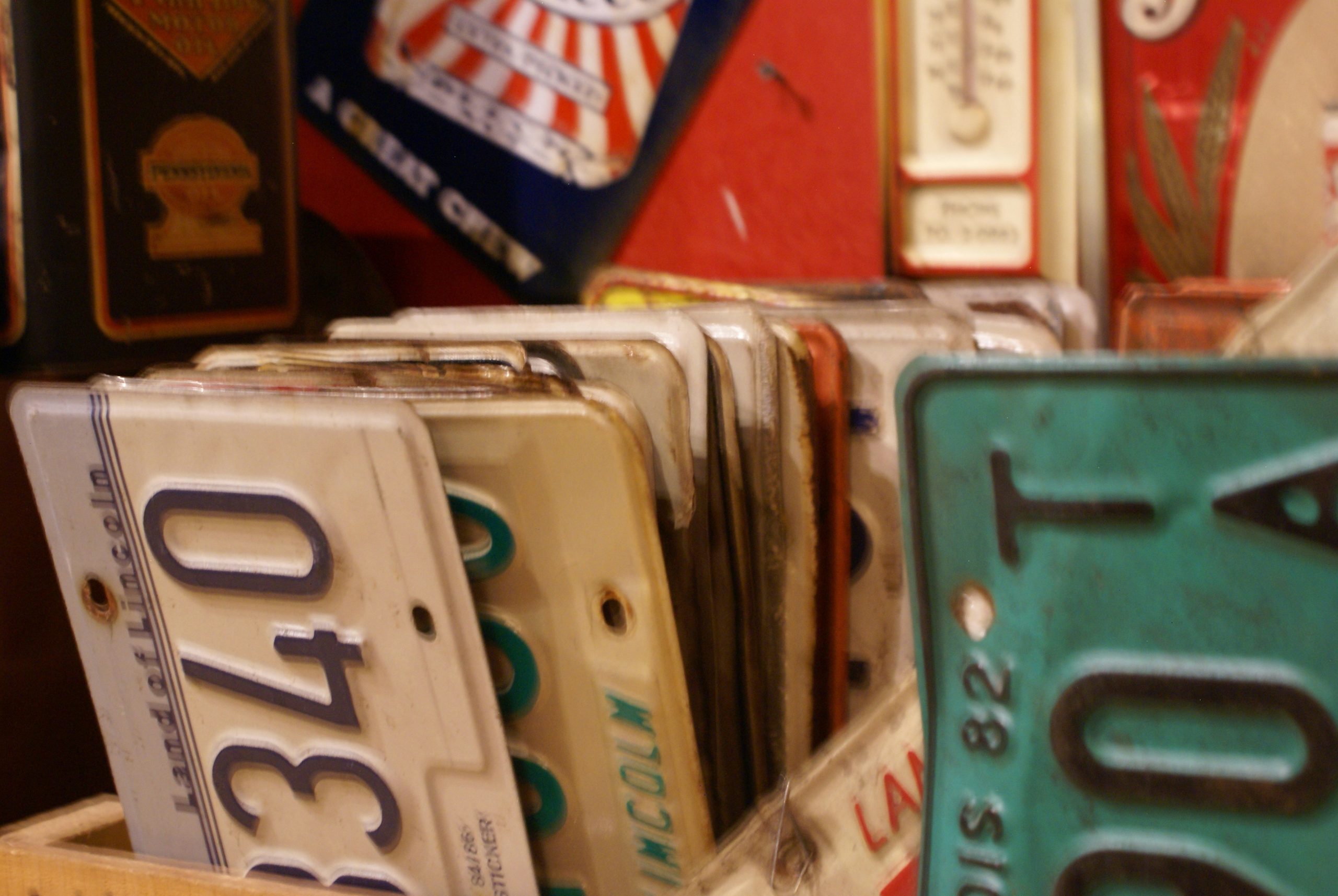
License plate cloning is a growing concern for vehicle owners, as criminals can copy a legitimate registration number and attach it to a different vehicle. This type of fraud can create serious problems for innocent drivers, including unexpected traffic fines, police inquiries, and legal complications.
Many car owners remain unaware that their registration details have been copied until they receive an unusual notice or encounter an unexpected issue. Recognizing the warning signs early can help you protect your vehicle, avoid unnecessary trouble, and take appropriate action before the situation becomes more complicated.

1. You Receive Traffic Fines for Places You Have Never Visited
Receiving a traffic fine for an offence committed in a location you have never visited can be an important warning sign. If the notice identifies your registration number but places your vehicle in an unfamiliar area, it may indicate that someone else is using a copied plate.
Traffic enforcement cameras record registration numbers when vehicles pass through monitored roads. If a cloned plate is involved, the camera may associate the other vehicle’s actions with your registration details.
Check the date, time, location, and offence mentioned in the notice. Compare these details with your personal schedule, travel records, and any available evidence showing where your car was at that moment.
Pay attention to repeated notices from different locations. A single incorrect fine could result from a reading error, but several notices involving places you have never visited deserve closer attention.
Photographs attached to traffic notices can provide valuable information. Look closely at the vehicle shown in the image and compare its make, model, colour, body style, and other identifying features with your own car.
If the vehicle in the photograph clearly differs from yours, save the notice and its supporting images. Avoid ignoring the fine simply because you believe it was issued incorrectly.
Contact the issuing traffic authority through its official complaint or appeal process. Explain the discrepancy and request a review of the photographic evidence.
Keeping copies of all notices and correspondence can help establish a clear record if further fraudulent activity occurs.
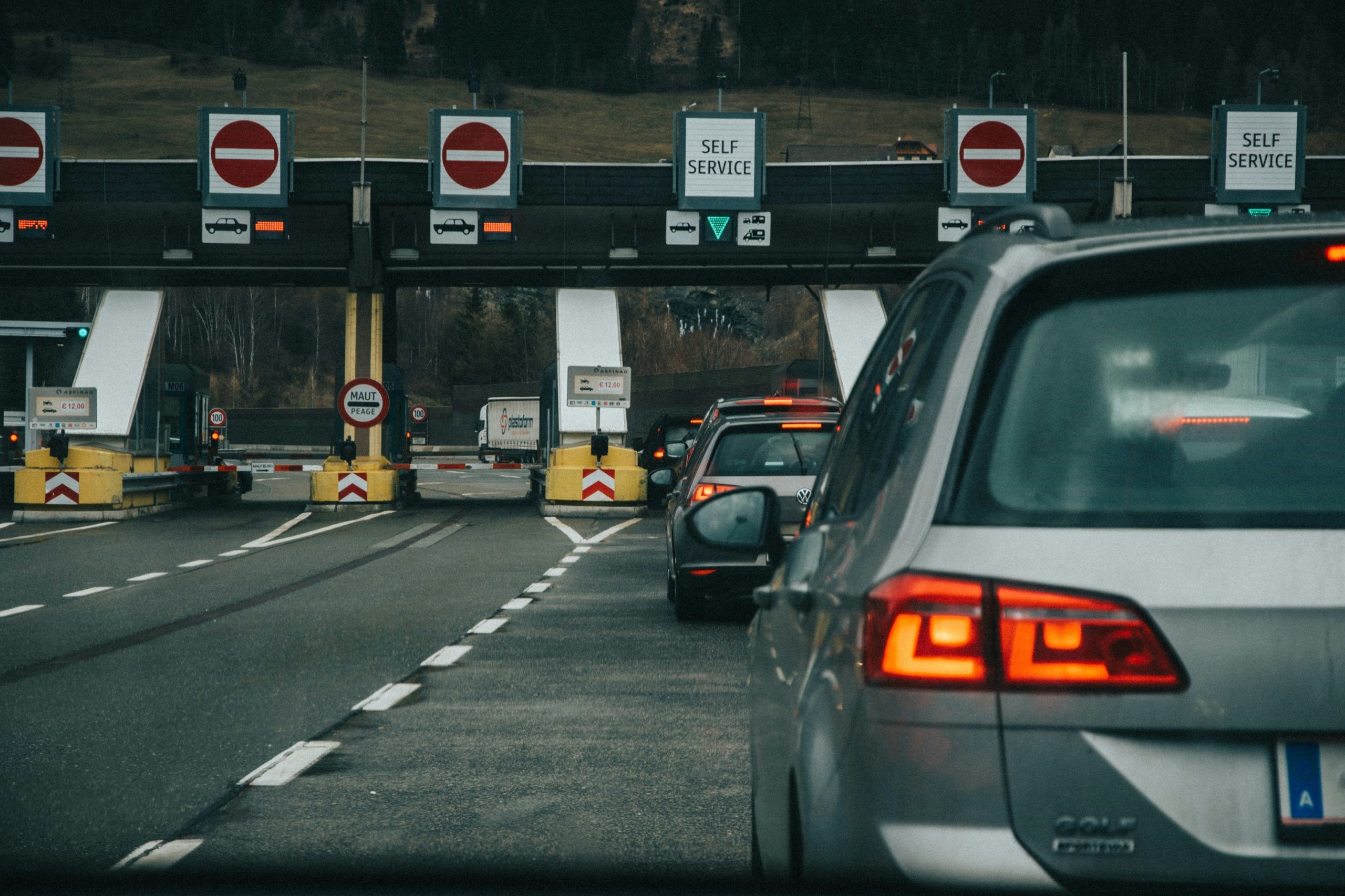
2. You Receive Toll Charges for Roads You Did Not Use
Unexpected toll charges can indicate that someone is using your registration number without your permission. Many modern toll systems rely on electronic identification, number plate recognition, or a combination of payment technologies to record vehicle movements.
If you receive a toll notification for a road you did not travel on, check whether the charge is linked to your actual vehicle registration. An unfamiliar toll location may suggest an error or possible plate cloning.
This issue can become more concerning when multiple charges appear within a short period. For example, your account may show toll transactions from different cities on days when your car remained parked at home.
Review the transaction details carefully. Look for the date, time, toll plaza, vehicle category, and any available photographic evidence.
In some situations, toll systems may incorrectly identify a vehicle because of unclear images or technical problems. Therefore, an unexpected charge should be investigated before assuming criminal activity.
If the toll operator provides a vehicle photograph, compare it with your car. Differences in the vehicle’s appearance can help establish that the registration number may have been copied.
Contact the toll operator or relevant transport authority to dispute suspicious transactions. Ask them to preserve the available photographs and transaction records for further investigation.
Regularly checking toll statements and vehicle-related payment notifications can help you identify unusual activity before it develops into a larger problem.
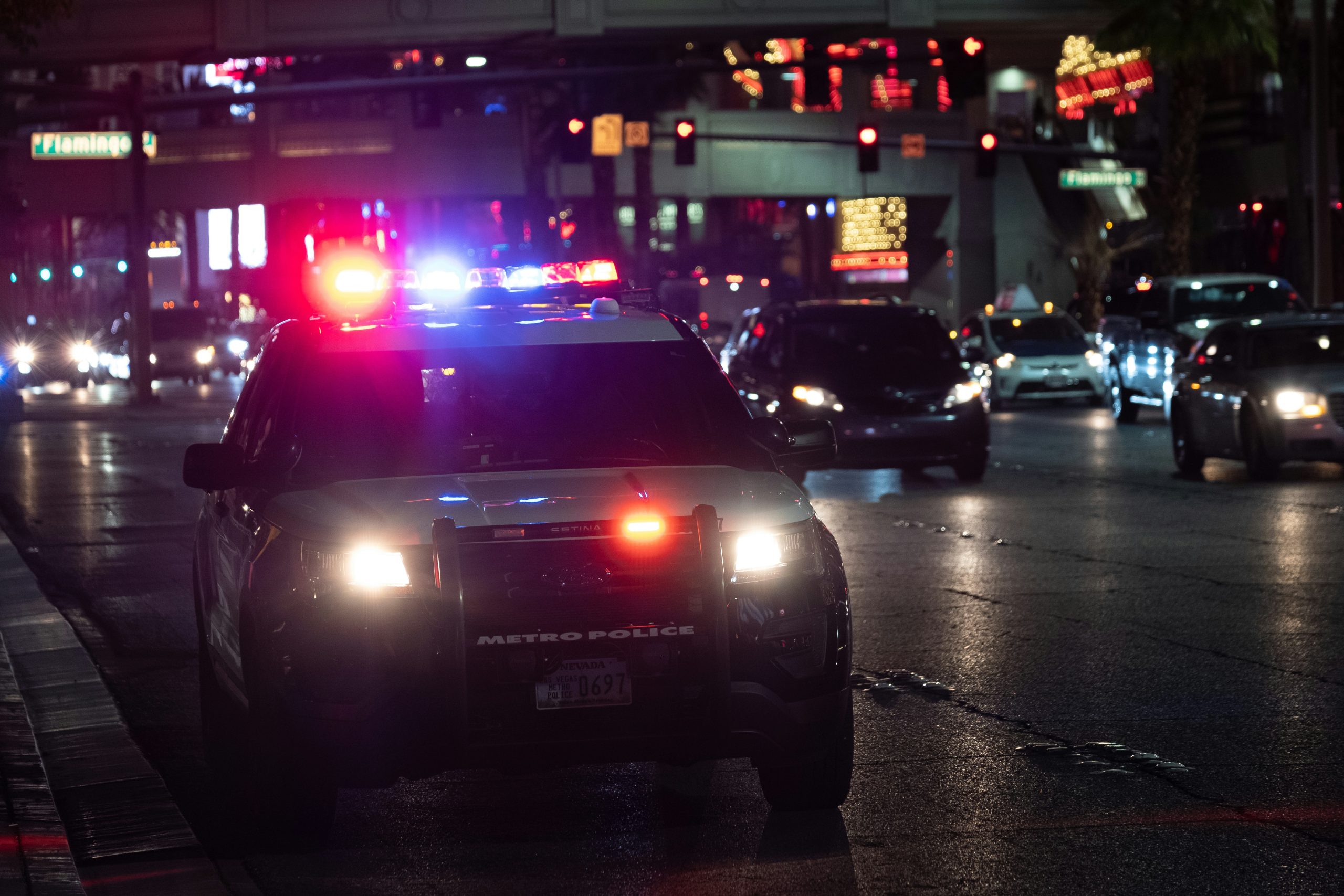
3. Police Contact You About an Incident Involving Your Vehicle
Unexpected contact from the police about an incident involving your registration number can be alarming. You may be asked to provide information about an accident, traffic violation, suspicious activity, or other event connected to your vehicle.
If you were not present at the reported location, the possibility of license plate cloning should be considered. Someone may have used a copied registration number while driving a different vehicle.
Police officers may initially rely on registration information when identifying a vehicle involved in an incident. This can lead them to contact the registered owner, even when the actual vehicle belongs to someone else.
Stay calm and cooperate with the investigating officers. Ask for the incident reference number, date, time, location, and available details about the vehicle involved.
Provide accurate information about your whereabouts and the location of your car at the relevant time. Parking receipts, workplace attendance records, photographs, and other reliable documents may help support your explanation.
You should also ask whether officers have photographs or video footage showing the vehicle. These records can help establish whether the car involved matches your actual vehicle.
If there are noticeable differences between the two vehicles, explain them clearly. Mention distinguishing features such as body damage, stickers, accessories, colour, or model variations.
Do not ignore official communication or assume the matter will disappear by itself. Prompt cooperation and a formal complaint can help prevent further confusion and protect your legal position.
4. The Vehicle in Official Photographs Does Not Match Yours
Photographic evidence is particularly useful when investigating suspected license plate cloning. Traffic cameras, toll systems, and parking enforcement equipment may capture images of vehicles displaying registration numbers.
If an official photograph shows your registration number on a vehicle that looks different from yours, it is a strong reason to investigate further. The difference may be obvious, such as a sedan being recorded when you own an SUV.
Sometimes, the differences are more subtle. The other vehicle may have different headlights, wheel designs, mirrors, bumpers, or body modifications.
Even small details can help distinguish two vehicles carrying identical registration numbers. Pay attention to the vehicle’s shape, manufacturer, model, colour, and visible features.
Compare the photograph with recent pictures of your own car. Images taken from different angles can make the comparison easier and provide useful supporting evidence.
Check whether the official image clearly displays the registration number. Poor lighting, dirt, damaged characters, and camera distortion can sometimes cause incorrect readings.
Save the original photograph or download the complete notice whenever possible. Avoid editing the evidence, as original records are more useful during an official investigation.
If you identify clear differences, submit the photographs to the relevant traffic authority or police department. Request that the evidence be reviewed and the registration discrepancy formally recorded.

5. You Notice Unfamiliar Vehicles Carrying Your Registration Number
Finding another vehicle displaying your registration number is a direct and serious warning sign. It may mean someone has physically reproduced your plate and installed it on a different car.
You might notice the vehicle in a parking area, on a public road, near your neighbourhood, or in photographs shared by another person. The discovery can be particularly concerning when the vehicle has no connection to you.
If you are certain that another vehicle is displaying your registration number, avoid confronting the driver. There is no need to put yourself in an uncomfortable or potentially dangerous situation.
Record the location, date, and time when you noticed the vehicle. If it is safe and lawful to do so, take photographs that show the registration plate and the vehicle’s identifying features.
Do not attempt to remove the plate, block the vehicle, or interfere with its operation. Such actions could create unnecessary complications and may affect an investigation.
Report the discovery to the police or relevant vehicle registration authority. Provide the available photographs and explain that your legitimate registration number appears to be displayed on a different vehicle.
A timely report creates an official record and gives authorities an opportunity to investigate whether the vehicle is involved in registration fraud.
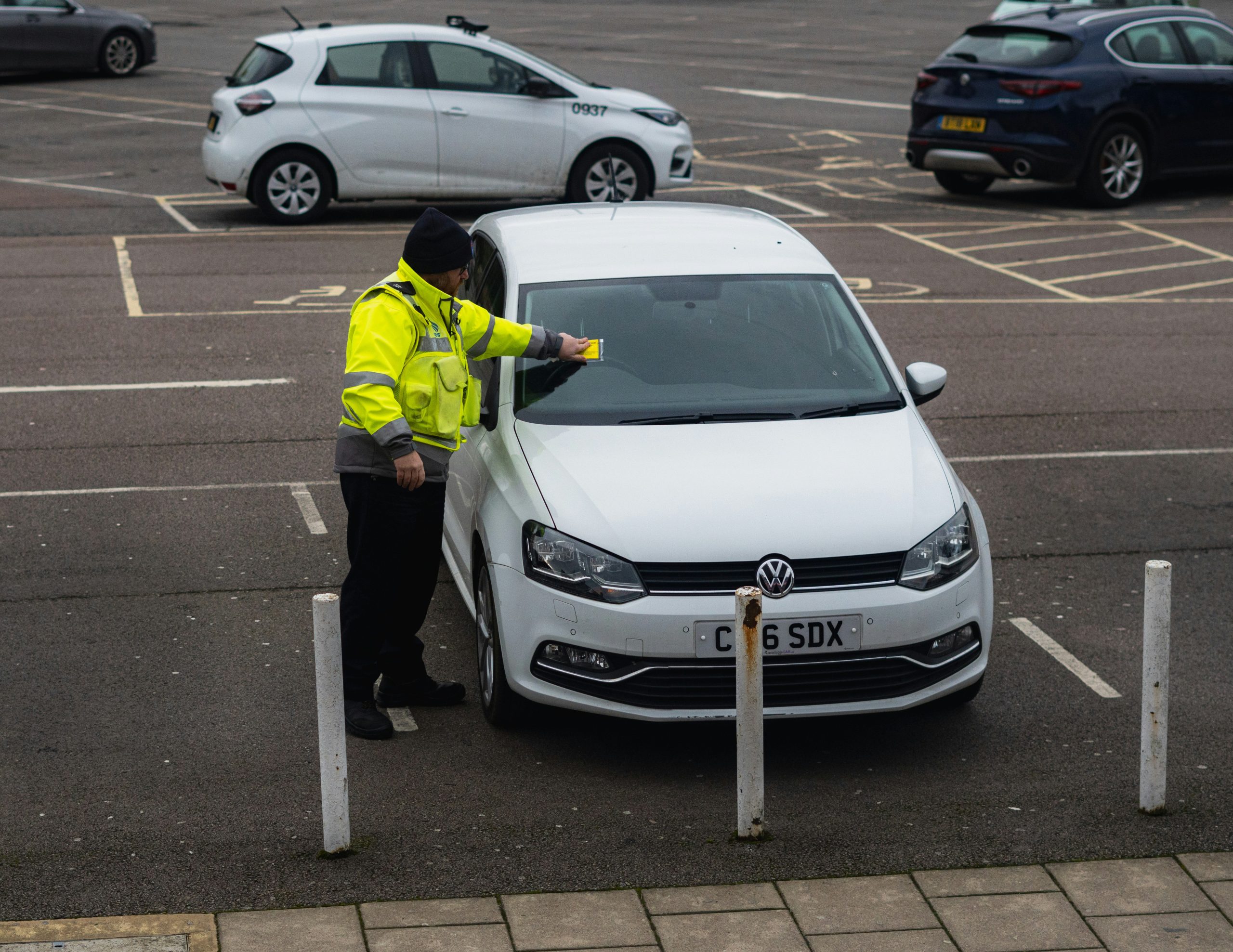
6. You Receive Parking Tickets for Places You Never Parked
Unexpected parking tickets can be another indication that your vehicle registration details have been copied. Parking enforcement systems often use registration numbers to identify vehicles and issue penalty notices.
If you receive a parking fine for a location where your car was never parked, check the details immediately. The notice may relate to a vehicle displaying a cloned version of your number plate.
Start by examining the date, time, parking location, and offence description. Compare these details with your daily activities and available records.
Some parking notices include photographs of the vehicle. These images can help determine whether the vehicle recorded by the enforcement system is actually yours.
Look for differences in body style, colour, manufacturer, wheel design, and other visible characteristics. A clear mismatch can support your claim that the registration number has been duplicated.
Remember that parking authorities can also make administrative errors. A camera may misread a character, or an officer may enter an incorrect registration number while issuing a ticket.
For this reason, review the evidence before making a formal complaint. Keep a copy of the original notice and any photographs supplied by the parking operator.
Submit a dispute through the official parking authority process and explain why the vehicle shown cannot be yours. Include supporting photographs or other relevant documents where available.
If similar parking tickets continue to arrive, consider reporting the pattern to the police as suspected registration plate cloning rather than treating every notice as an isolated mistake.
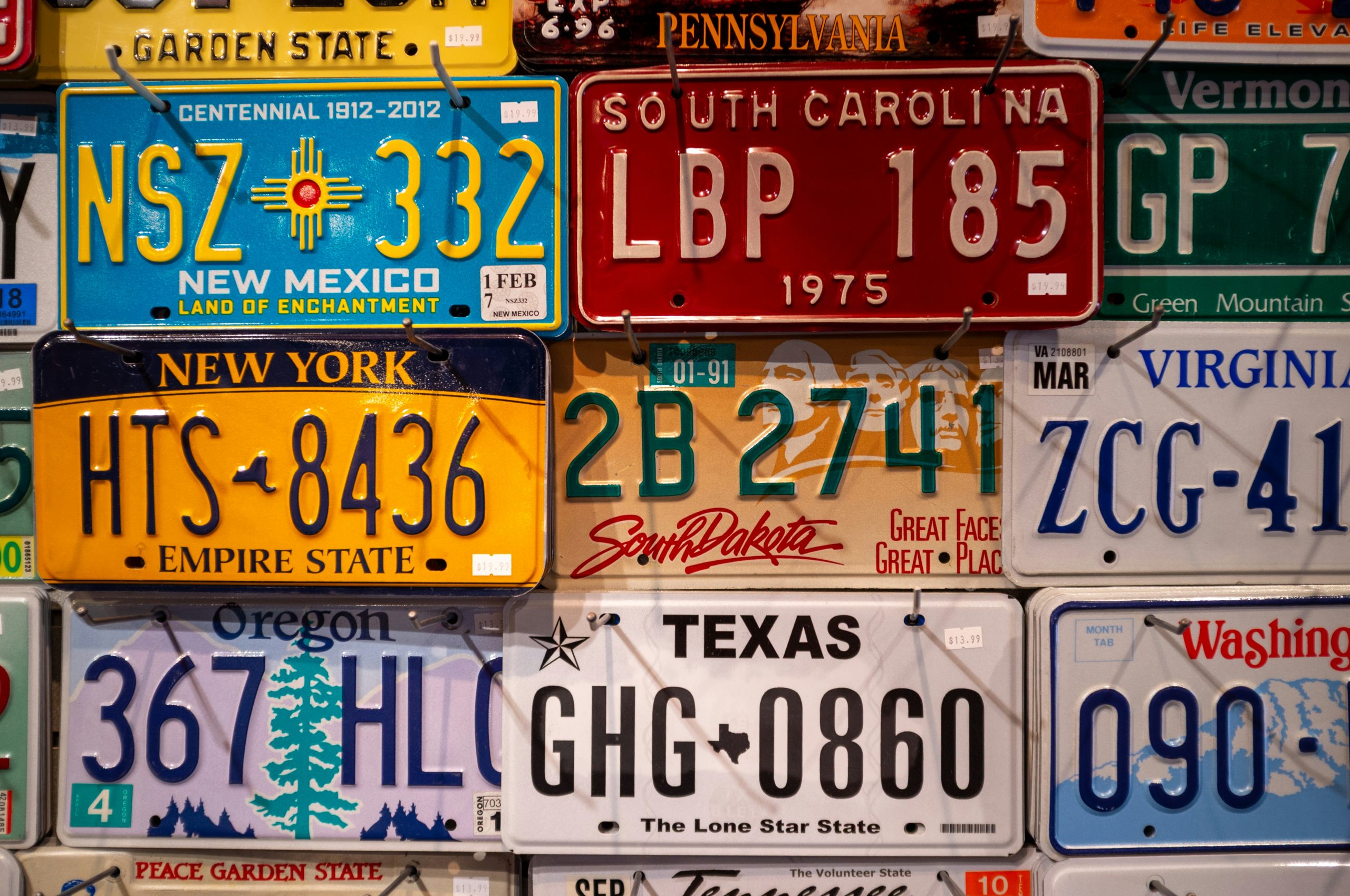
7. Your Vehicle Registration Details Appear in Suspicious Reports
Your vehicle registration number is connected to several official records. These records may include traffic violations, parking information, toll transactions, insurance documentation, and law enforcement reports.
If your registration number begins appearing in reports that have no connection to your activities, it deserves attention. You might receive calls, letters, or official notifications about incidents you know nothing about.
For example, someone may report a vehicle carrying your number plate for dangerous driving, an accident, or suspicious activity. Authorities may then attempt to contact you because your registration details identify you as the registered owner.
Unexpected insurance-related enquiries can also raise questions. A report involving a vehicle with your registration number may create confusion when the actual vehicle involved is not yours.
Pay close attention to the details provided in every communication. Record the reference number, reporting organisation, date, location, and nature of the incident.
Do not share sensitive personal or financial information with unknown callers. Verify the identity of the organisation by contacting it through an independently confirmed official telephone number or website.
If a report includes a photograph or vehicle description, compare it with your car. Differences can help establish that the incident may involve a cloned registration plate.
Contact the appropriate authority and explain that your registration details may be being misused. Ask whether there are other reports associated with the same number.
Maintaining a written record of suspicious communications can help investigators identify patterns and connect separate incidents involving the same cloned registration number.
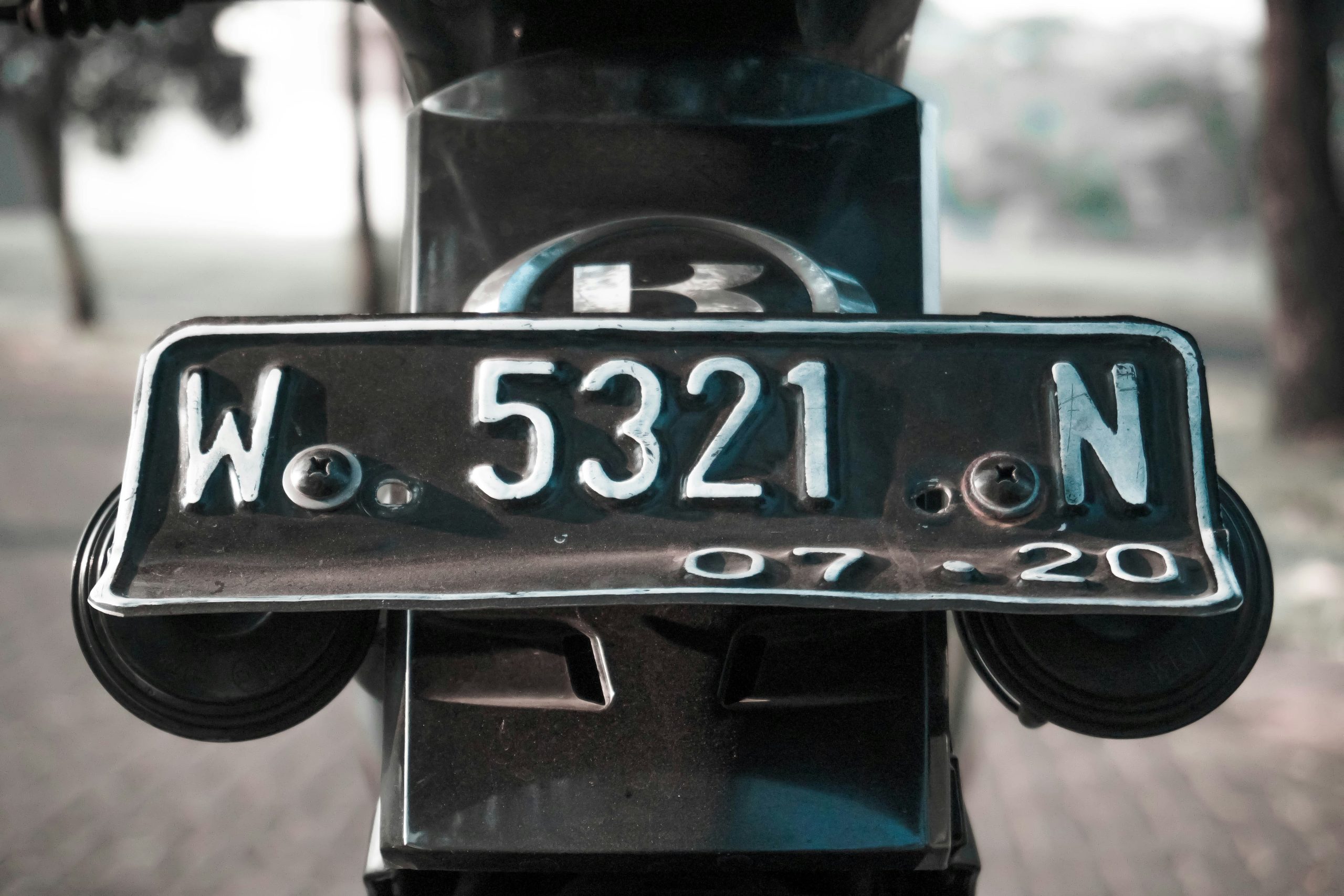
8. You Notice Signs of Tampering With Your Own Number Plates
Physical changes to your own number plates can also indicate a security concern. Someone may have attempted to remove, replace, damage, or interfere with your registration plates.
Check your front and rear plates regularly, especially if your vehicle is parked in an open public area. Look for missing screws, loose fittings, damaged holders, scratches, or unusual marks around the mounting points.
A plate that suddenly looks different from its previous condition should receive attention. You may also notice that the font, spacing, reflective surface, or registration characters do not match the original plate.
In some situations, criminals may attempt to access a parked vehicle to inspect its registration details or remove information that can help them reproduce the plate. Unusual interference around the plate area should therefore be documented.
Take clear photographs of any visible damage or changes. Capture the entire vehicle and close-up images of the affected areas so that the condition can be recorded.
Check whether your registration plates meet the legal requirements in your jurisdiction. If they are damaged or missing, arrange for lawful replacement through an authorised provider.
If you suspect deliberate tampering, report it to the police and explain why you believe the incident may be connected to registration fraud. Avoid making repairs before documenting significant evidence.
Regular vehicle inspections can help you identify suspicious changes early. They also make it easier to distinguish ordinary wear and tear from signs of possible interference.
