Apple CarPlay has become a familiar feature for drivers who enjoy connecting their iPhones to their vehicle’s infotainment systems. From accessing navigation and music to making hands-free calls, the technology makes everyday driving more convenient.
However, some automakers are moving away from Apple’s popular smartphone integration system. General Motors is leading this change, particularly with its newer electric vehicles, many of which arrive with Google-powered infotainment systems instead.
This decision has caught the attention of drivers who expect CarPlay to be available in their next vehicle. Whether you are considering an electric SUV, a luxury Cadillac, or a full-size electric pickup, knowing which models lack Apple CarPlay can help you make a more informed decision. Here are 10 vehicles that have dropped or omitted the feature.
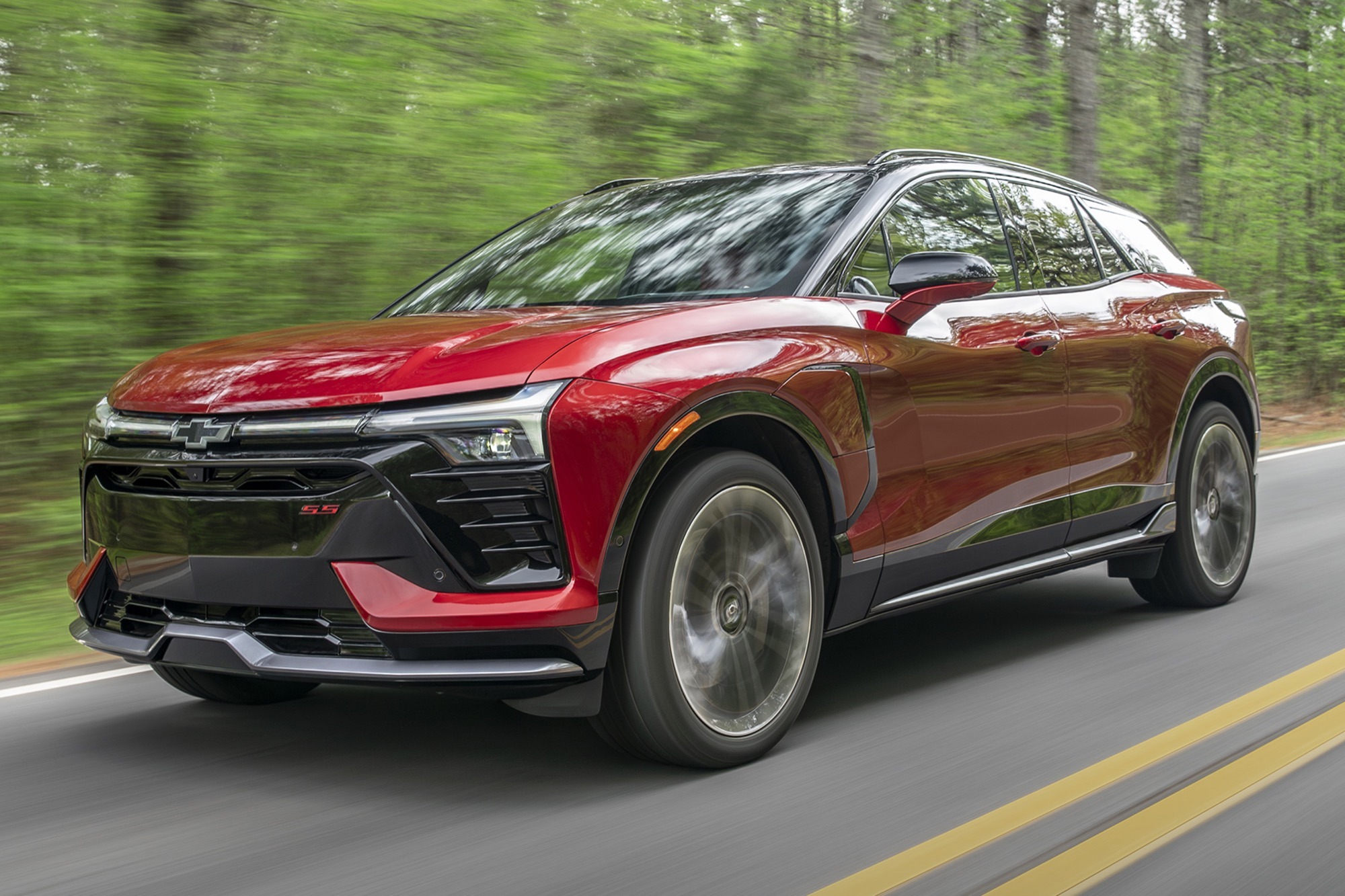
1. Chevrolet Blazer EV
The Chevrolet Blazer EV marked an important change in General Motors’ approach to in-car technology when it arrived for the 2024 model year.
Although drivers of earlier Chevrolet vehicles had become accustomed to Apple CarPlay, this electric SUV introduced a different infotainment experience. GM decided not to include Apple’s smartphone integration software, choosing its own Google-based infotainment platform instead.
For drivers who regularly connect their iPhones to their vehicles, this decision may require some adjustment. Apple CarPlay provides convenient access to familiar applications, including Apple Maps, Apple Music, phone contacts, and messaging services.
Without it, Blazer EV owners must rely on the vehicle’s built-in software and available applications. The native Google system brings several useful features to the dashboard.
Drivers can access Google Maps for directions, use Google Assistant for voice commands, and enjoy compatible entertainment applications.
Since these services are integrated into the vehicle, users do not need to depend entirely on a connected smartphone for basic infotainment functions.
Still, the absence of CarPlay is worth considering before purchasing this electric SUV. Drivers who prefer Apple’s interface may find the experience less familiar, particularly during their first few weeks of ownership.
The Blazer EV demonstrates GM’s intention to build a more independent infotainment experience rather than relying on Apple’s technology.
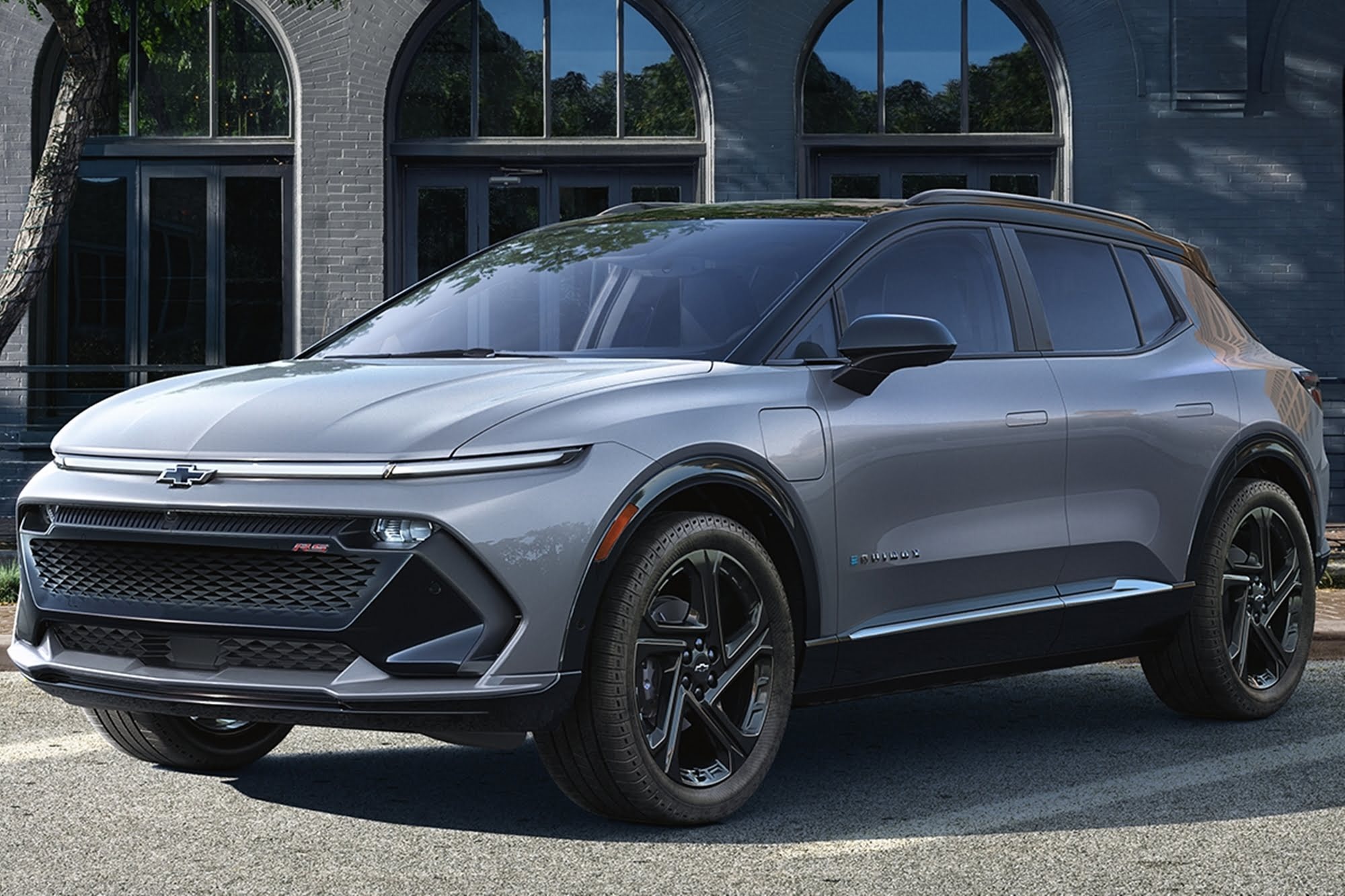
2. Chevrolet Equinox EV
Affordable electric transportation is one of the Chevrolet Equinox EV’s main attractions, but its infotainment arrangement deserves attention before buyers make a decision. Unlike several older Chevrolet models, the Equinox EV arrived without Apple CarPlay.
GM selected its Google-powered infotainment platform, making smartphone integration different from what many longtime Chevrolet customers might expect.
Imagine getting into the driver’s seat, connecting your iPhone, and expecting your usual CarPlay dashboard to appear. That familiar experience is unavailable in this electric SUV. Instead, the vehicle provides a built-in digital environment designed around Google’s services and applications.
The system offers access to Google Maps, Google Assistant, and compatible applications through the vehicle’s infotainment interface.
This arrangement can be convenient for drivers who already use Google’s services regularly. Having navigation and voice assistance integrated into the dashboard also reduces the need to mirror every function from a smartphone.
This missing feature may be a drawback for drivers who regularly use Apple Maps or prefer Apple’s familiar interface. The Equinox EV is more than just a conventional Chevrolet with an electric powertrain. Its infotainment system and connected features also reflect GM’s newer approach to in-car technology.
That does not automatically make the vehicle unsuitable for iPhone owners. Bluetooth connectivity and other available smartphone features can still support everyday communication and entertainment needs.
Nevertheless, drivers should understand that the Equinox EV does not provide the traditional Apple CarPlay experience available in many earlier Chevrolet vehicles.
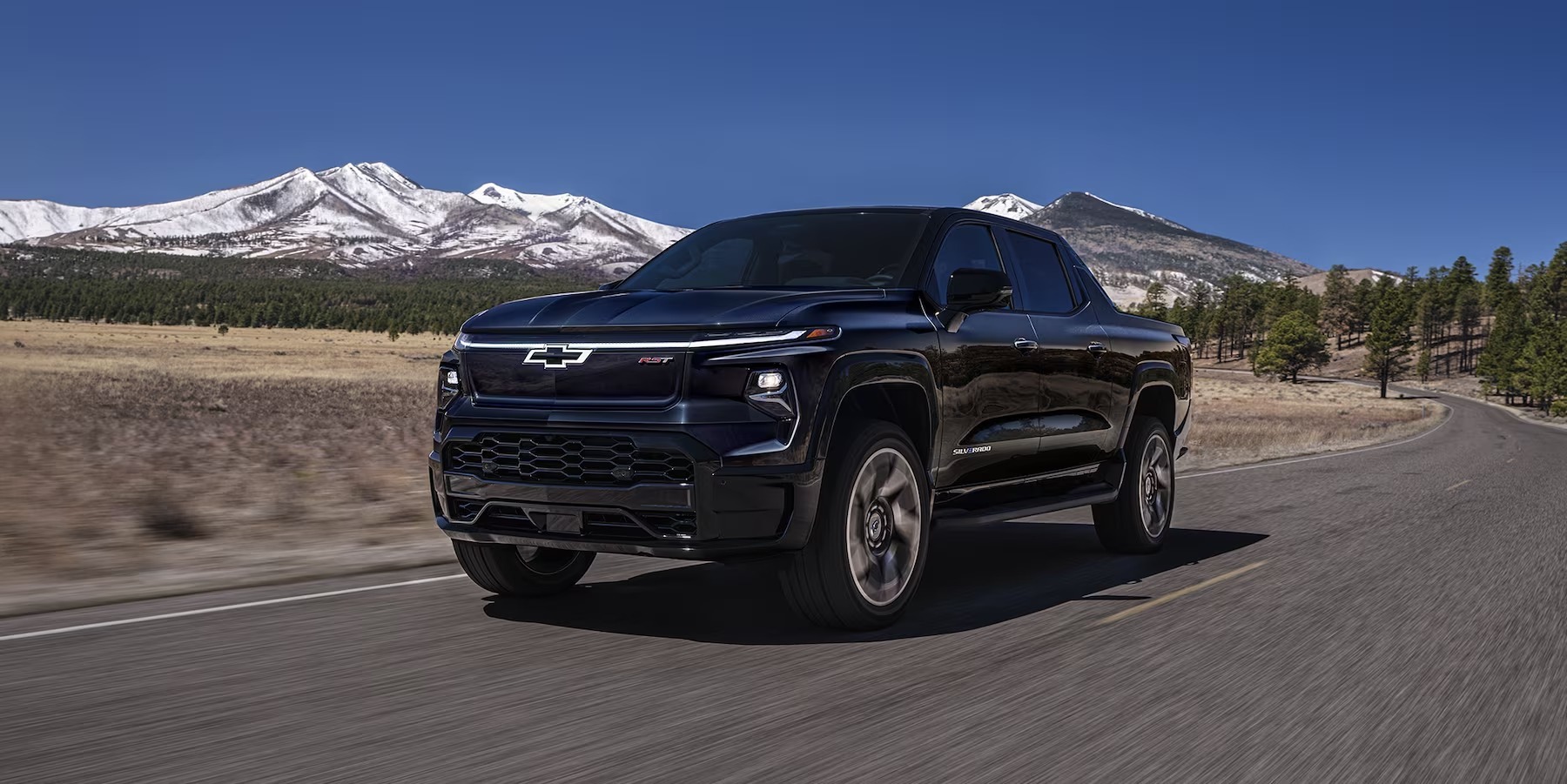
3. Chevrolet Silverado EV
Trucks are supposed to be tough, simple, and dependable, which makes the Silverado EV an interesting case. It ships without CarPlay and relies on GM’s integrated Google infotainment platform.
For work crews, contractors, and weekend haulers, this change affects the daily routine more than you might think. Many truck owners keep their phones mounted and use mirrored apps for navigation, music, and messages.
With the built-in system, those functions live inside the truck itself. Google-based maps and voice controls can handle most needs, and the large screen offers easy-to-read information.
The trade-off is that your phone is no longer the star of the show. Plan ahead if you use specialized apps for job sites or scheduling, because they may not appear on the native system.
A mounted phone or a separate tablet can fill that gap, though you will want to follow local laws and avoid distractions. If towing matters to you, check how the system displays trailer information and route planning, since range can change when pulling a load.
Take a long test drive, and use the infotainment the way you would on a real workday. Ask a salesperson to explain features, and request a demonstration of the voice commands. A truck should fit your routine, so choose confidently.
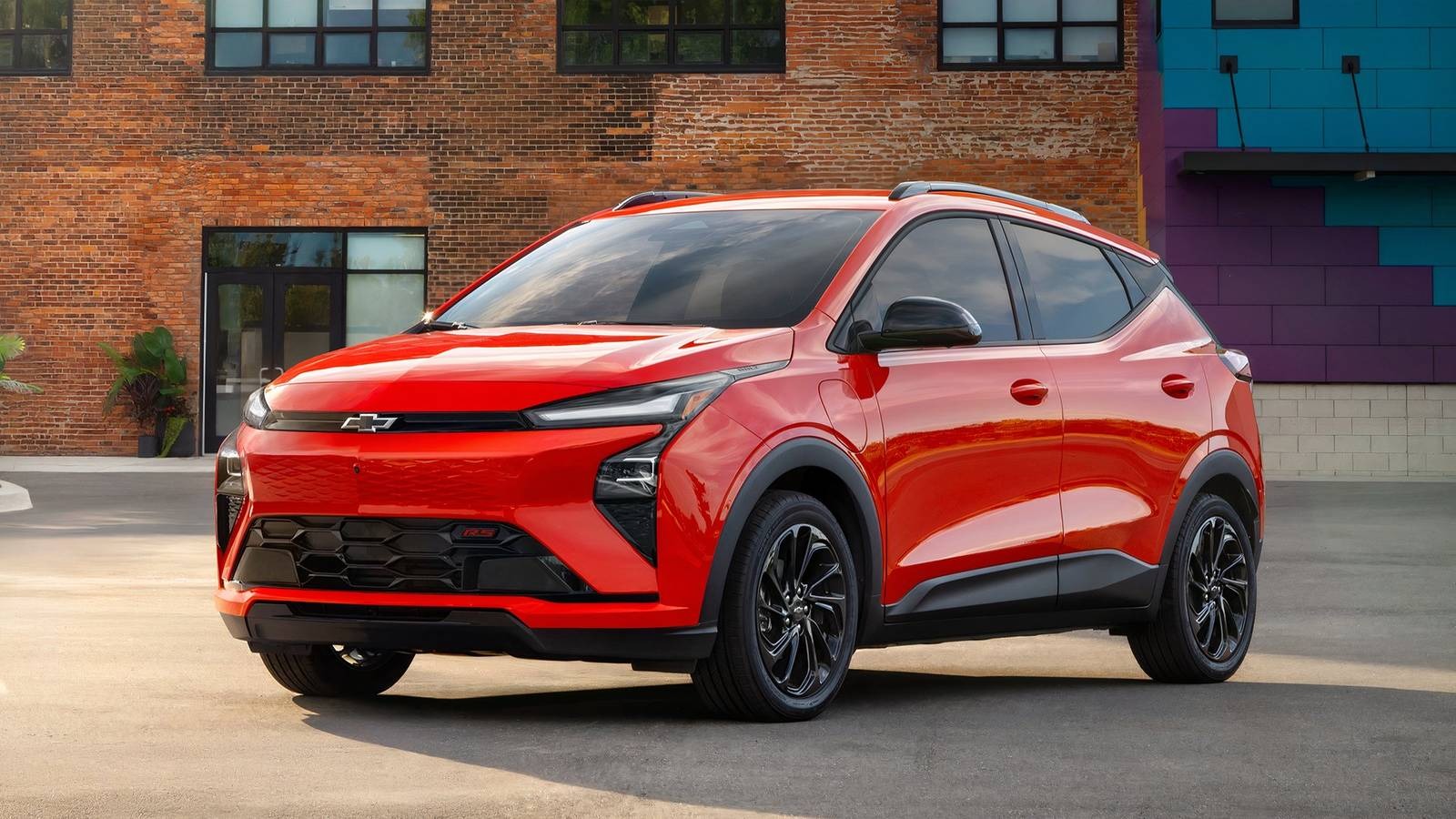
4. Chevrolet Bolt (2027 Redesign)
The Chevrolet Bolt name has a history that makes its 2027 redesign particularly interesting. Earlier Bolt EV and Bolt EUV models offered Apple CarPlay, allowing owners to connect compatible iPhones and use familiar applications through their vehicle displays.
Drivers who appreciated that arrangement may be surprised to discover that the redesigned 2027 Bolt takes a different approach.
The newer model drops Apple CarPlay as part of GM’s broader move toward its native Google-powered infotainment environment.
This means the redesigned Bolt no longer provides the same smartphone projection experience that helped make previous versions appealing to many technology-conscious drivers.
For returning Bolt owners, the difference could feel like losing a familiar part of the driving routine. Instead of opening Apple Maps or accessing an Apple Music playlist through CarPlay, drivers must use the vehicle’s supported infotainment services.
The Google-based setup offers its own advantages, particularly for people who regularly use Google Maps and Google Assistant. Its integrated design gives access to selected apps without relying on Apple’s platform.
Still, this decision may influence how previous Bolt owners feel about upgrading. Someone who has enjoyed CarPlay for years might expect the feature to remain available in a newer version of the same vehicle.
Unfortunately, the 2027 redesign does not maintain that particular feature. Anyone considering the redesigned Bolt should check its infotainment specifications before committing.
The vehicle retains the Bolt identity, but its technology experience differs from that of its earlier generations.
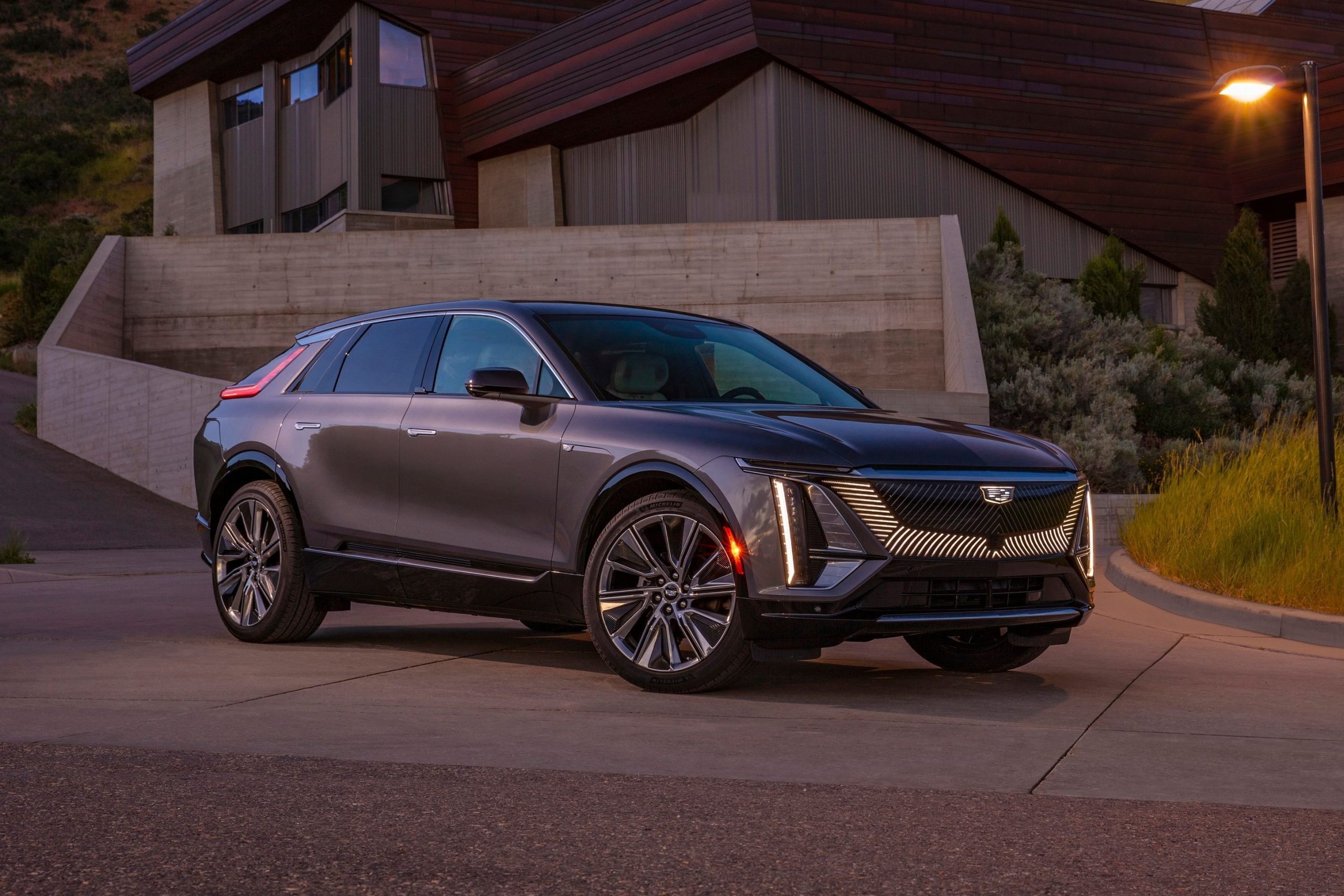
5. Cadillac Lyriq
The Cadillac LYRIQ offers a modern electric driving experience, combining luxury appointments with an advanced infotainment system. Unlike several other General Motors electric vehicles, however, the LYRIQ has retained Apple CarPlay compatibility.
The electric SUV features Google’s built-in infotainment technology, providing access to Google Maps, Google Assistant, and compatible applications directly through its central display. Drivers can also connect compatible iPhones using wireless Apple CarPlay.
This combination gives owners flexibility when choosing how to access navigation, music, calls, and other smartphone features.
The LYRIQ is an interesting exception to GM’s broader decision to phase out Apple CarPlay in many of its newer electric vehicles. Rather than abandoning Apple’s smartphone integration system, Cadillac has continued offering it alongside its Google-powered platform.
For iPhone users shopping for a luxury electric SUV, this is an important distinction. The LYRIQ demonstrates that not every GM electric vehicle has eliminated the familiar CarPlay experience.
Buyers should still confirm the equipment and connectivity specifications for their particular model year and market.
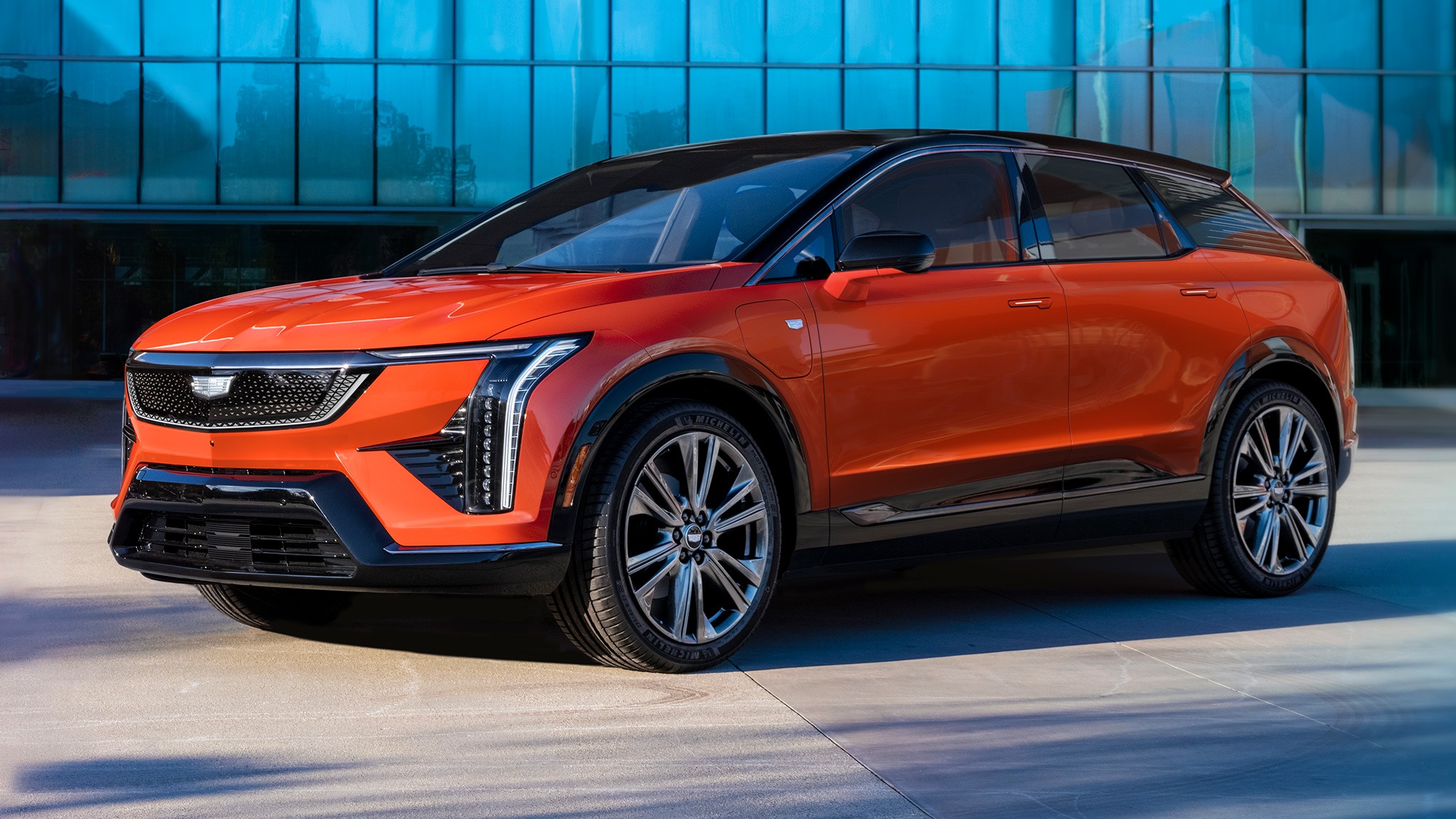
6. Cadillac Optiq
Not every luxury electric SUV needs to be enormous to deliver a premium driving experience. The Cadillac Optiq brings a more accessible size to Cadillac’s electric lineup while maintaining the brand’s focus on upscale design and modern cabin technology.
The Cadillac Lyriq delivers a premium electric driving experience, with a thoughtfully designed interior and an expansive digital display. However, its advanced infotainment system comes with an unexpected drawback for many iPhone users, as it does not offer Apple CarPlay integration.
The decision means that drivers cannot use Apple’s traditional smartphone projection interface on the central infotainment display, even when they own a compatible iPhone.
This arrangement changes how people interact with their vehicle’s digital features. Instead of relying on their familiar Apple dashboard, owners can access supported Google services directly through the car’s operating system.
Google Maps handles navigation, and Google Assistant provides voice assistance for compatible commands. Consider the daily convenience of asking for directions, selecting music, or checking a destination without having to operate your phone manually.
The built-in system aims to provide these functions through the vehicle itself. For drivers already comfortable with Google’s applications, this can be a straightforward arrangement.
Yet the absence of CarPlay remains an important purchasing consideration. Someone moving from a Cadillac or another vehicle equipped with Apple integration may find the change frustrating at first.
The Optiq deserves attention from anyone comparing premium electric SUVs, but its infotainment specifications should be part of that evaluation. Its modern cabin does not include every connectivity feature that smartphone users might expect.
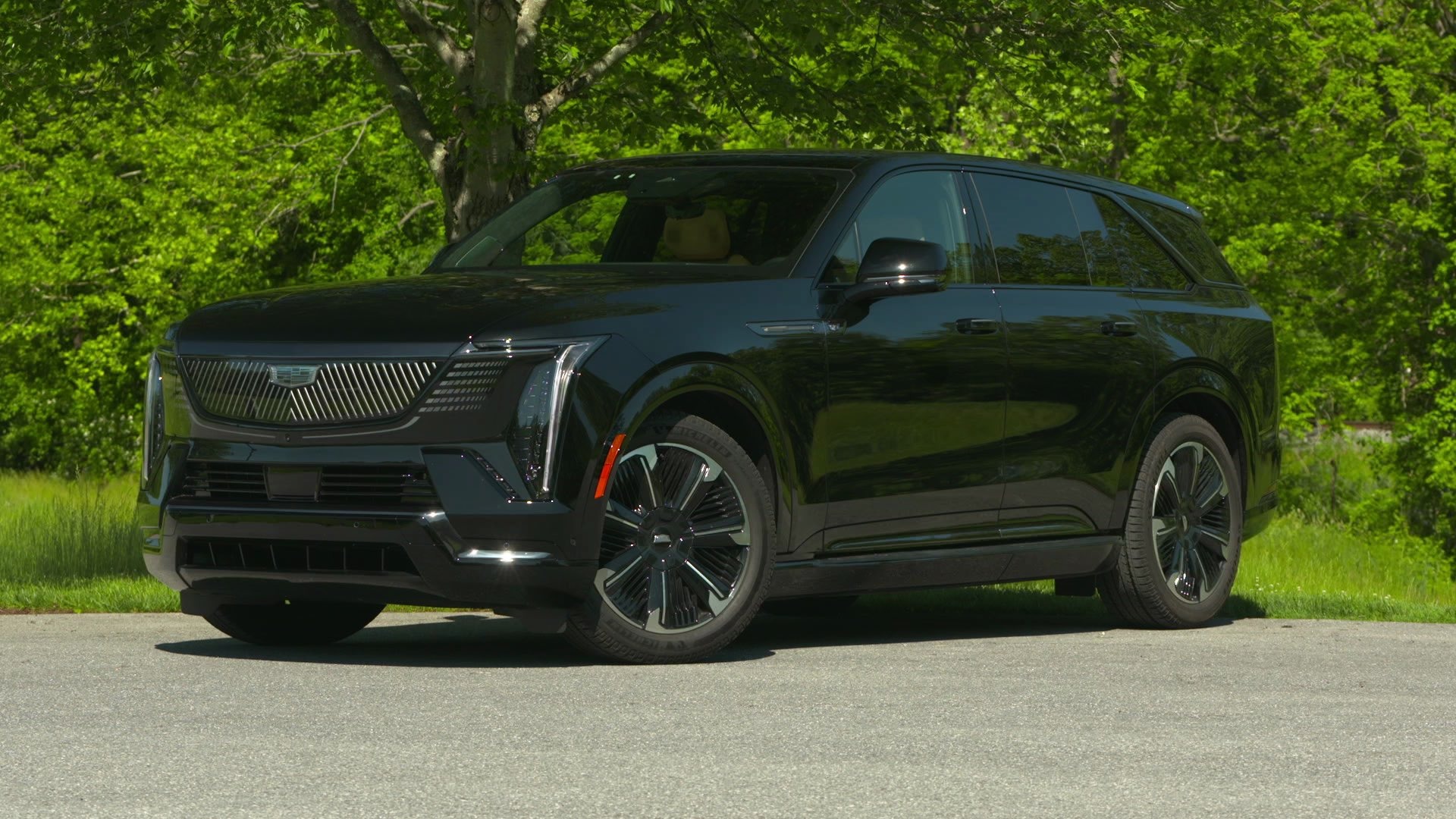
7. Cadillac Escalade IQ
The Cadillac Escalade has long been associated with a spacious interior, upscale appointments, and an impressive presence on the road. The electric Escalade IQ carries that identity into GM’s electric vehicle lineup, bringing a large luxury SUV with an advanced digital cabin.
However, its infotainment architecture comes with a major difference from what some traditional Escalade owners may expect.
The Escalade IQ does not support Apple CarPlay. GM built the vehicle around its newer Google-powered software architecture, meaning the familiar Apple smartphone interface is not available through the infotainment display.
For a vehicle positioned in the luxury segment, this omission deserves attention. People spending a considerable amount on a premium SUV may assume that popular smartphone connectivity features will be included.
The Escalade IQ shows why checking the actual equipment list matters more than relying on assumptions based on a vehicle’s price or brand reputation.
Its native infotainment environment offers Google services designed to work directly with the vehicle. Drivers can use Google Maps for navigation and Google Assistant for supported voice-controlled functions. This provides a different type of digital convenience without requiring traditional CarPlay integration.
Still, longtime Escalade drivers who use Apple devices may need time to become comfortable with the new interface. Their preferred applications and familiar dashboard arrangement will not appear in the same way they did in CarPlay-equipped vehicles.
The Escalade IQ combines luxury appointments with GM’s newer software direction. Anyone considering this electric SUV should examine its connectivity features alongside its interior space, driving capabilities, and other equipment.
8. Cadillac Vistiq
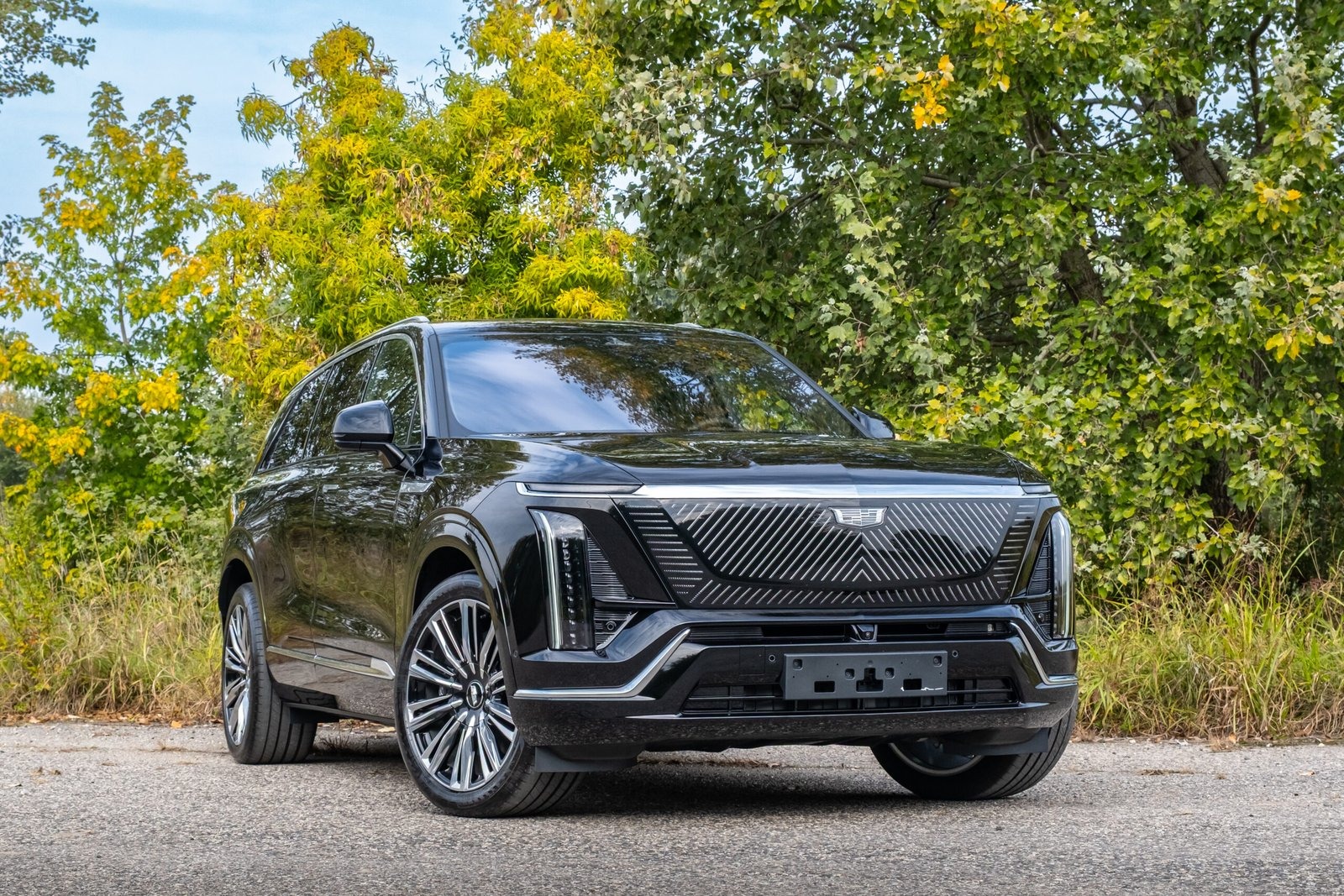
The Vistiq is a luxury electric SUV introduced without CarPlay support, and it adds a three-row option to GM’s lineup of EVs. Families who need extra seating may find it appealing, though the software choice deserves attention.
When you carry kids, friends, or relatives, infotainment matters beyond the front seat. Rear passengers want music, movies, or games, and the driver wants clear directions and easy controls.
The built-in system covers many of those needs, but it does not mirror your iPhone. That can be a mild inconvenience or a real obstacle, depending on your habits.
If your household uses Apple devices heavily, test how well they connect through Bluetooth and available apps. Check whether streaming services you rely on are supported natively.
Look for features like rear-seat entertainment or multiple charging ports, which can help on long trips. Ask about the app store, voice assistant, and navigation accuracy.
Consider a family road trip scenario, and imagine everyone using the vehicle at once. A good system should keep the peace. Take a full test drive with your phone connected, and try typical tasks without help from the salesperson.
If the experience feels intuitive, the missing CarPlay may not bother you. If it feels awkward, keep shopping.
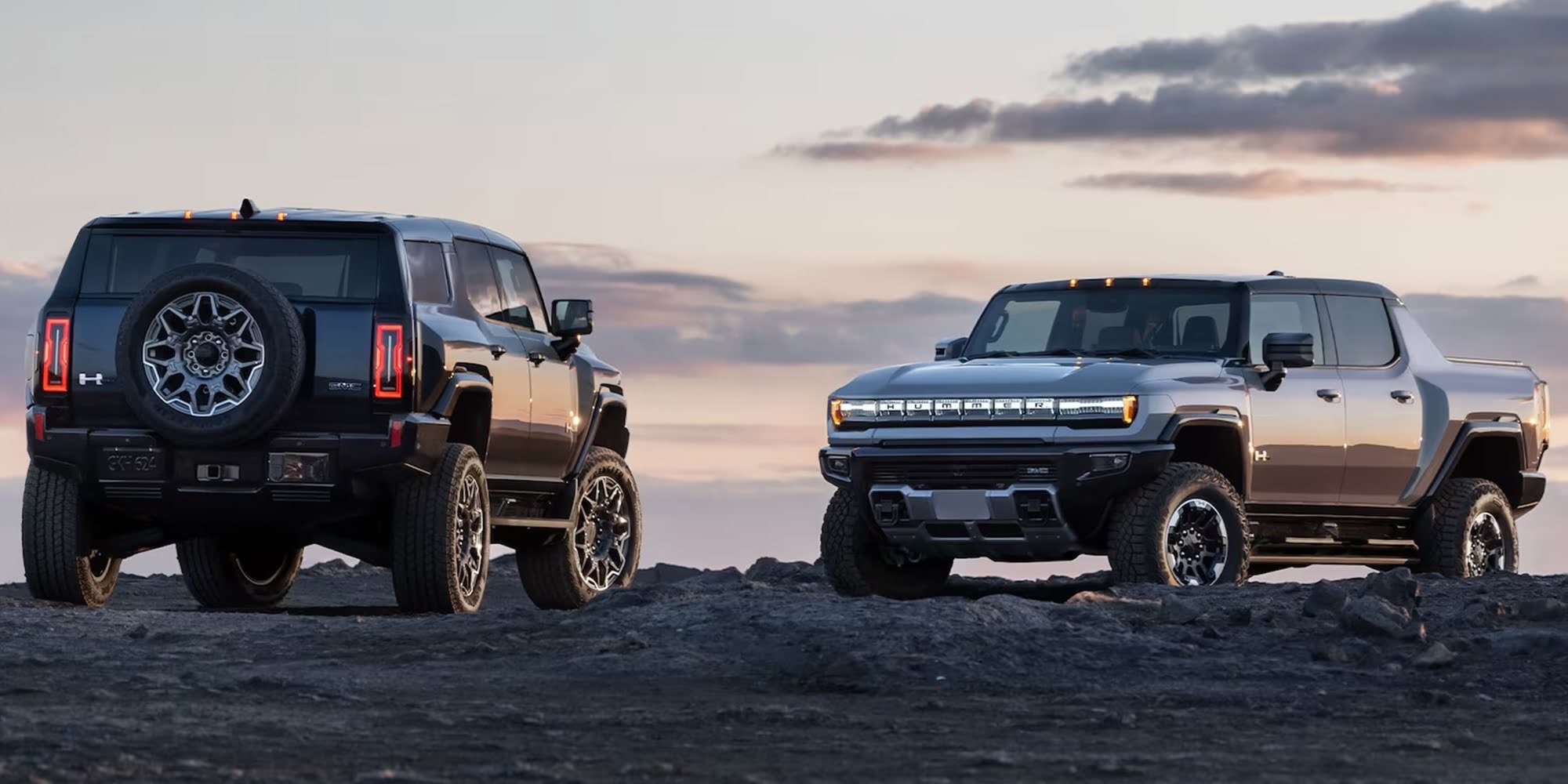
9. GMC Hummer EV
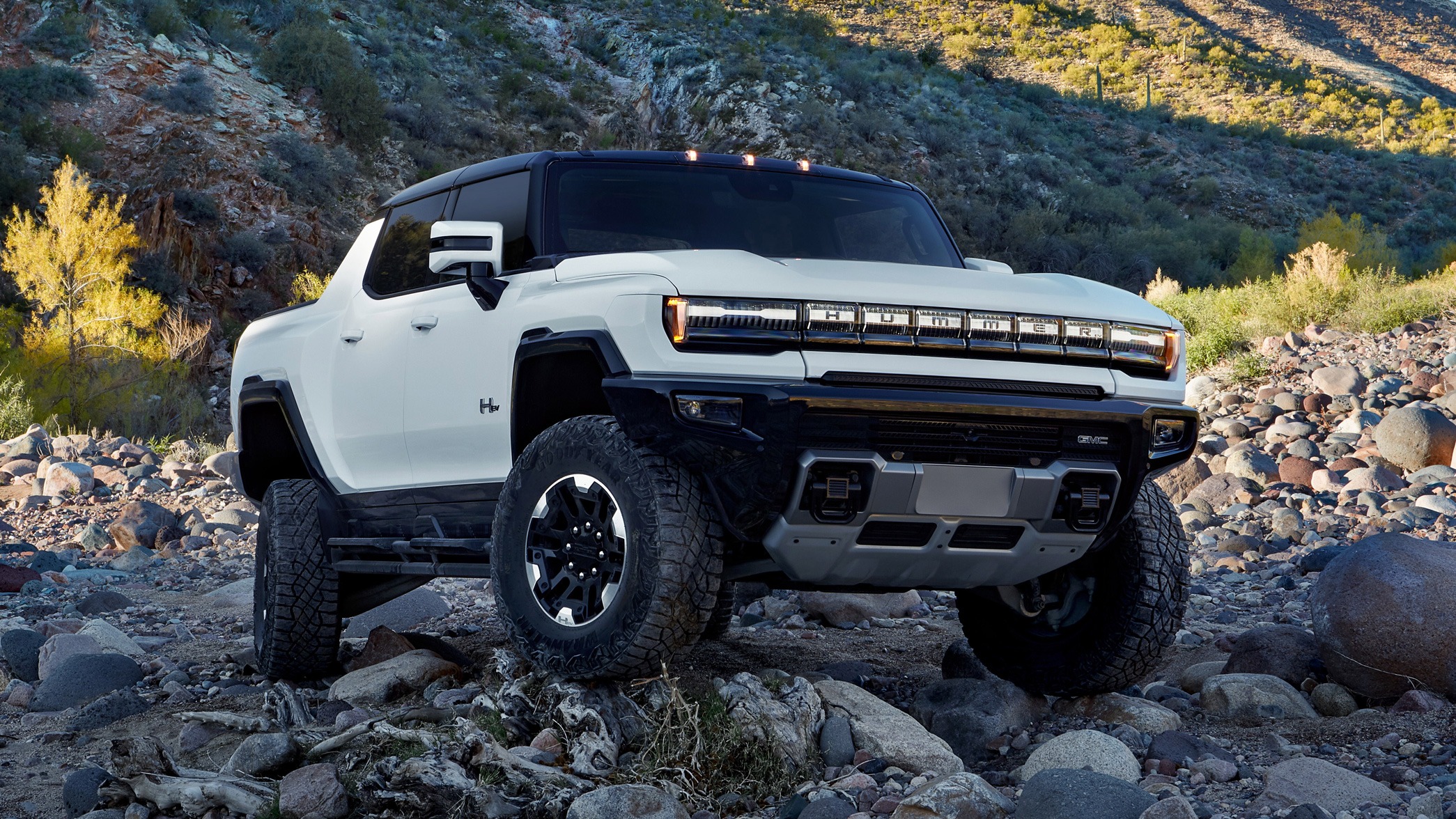
The GMC HUMMER EV stands out for its rugged design, impressive performance, and cutting-edge technology. However, the 2026 model year brought a notable change to its infotainment system, as GMC discontinued support for both Apple CarPlay and Android Auto.
Interestingly, earlier versions of the electric pickup and SUV offered both smartphone integration systems. The decision to eliminate them came with an updated infotainment platform as General Motors continued moving toward its own Google-powered digital environment.
The newer system provides access to integrated Google services, including Google Maps and compatible applications. Drivers can use the built-in navigation and voice assistance features without relying on traditional smartphone projection.
For iPhone users, however, the change may require some adjustment. Familiar applications that previously appeared through Apple CarPlay will no longer be projected onto the vehicle’s infotainment screen.
This is particularly worth considering for drivers who regularly depend on Apple Maps, Apple Music, or other CarPlay-compatible applications.
The HUMMER EV remains an interesting option for drivers who enjoy off-road adventures and advanced electric vehicle technology. Nevertheless, anyone considering the 2026 model should spend time going through its infotainment system before purchasing.
Buyers should also keep in mind that this change is specific to the 2026 model year. Earlier HUMMER EV models still offer Apple CarPlay, meaning the feature has not been removed from every version of the vehicle.
10. GMC Sierra EV
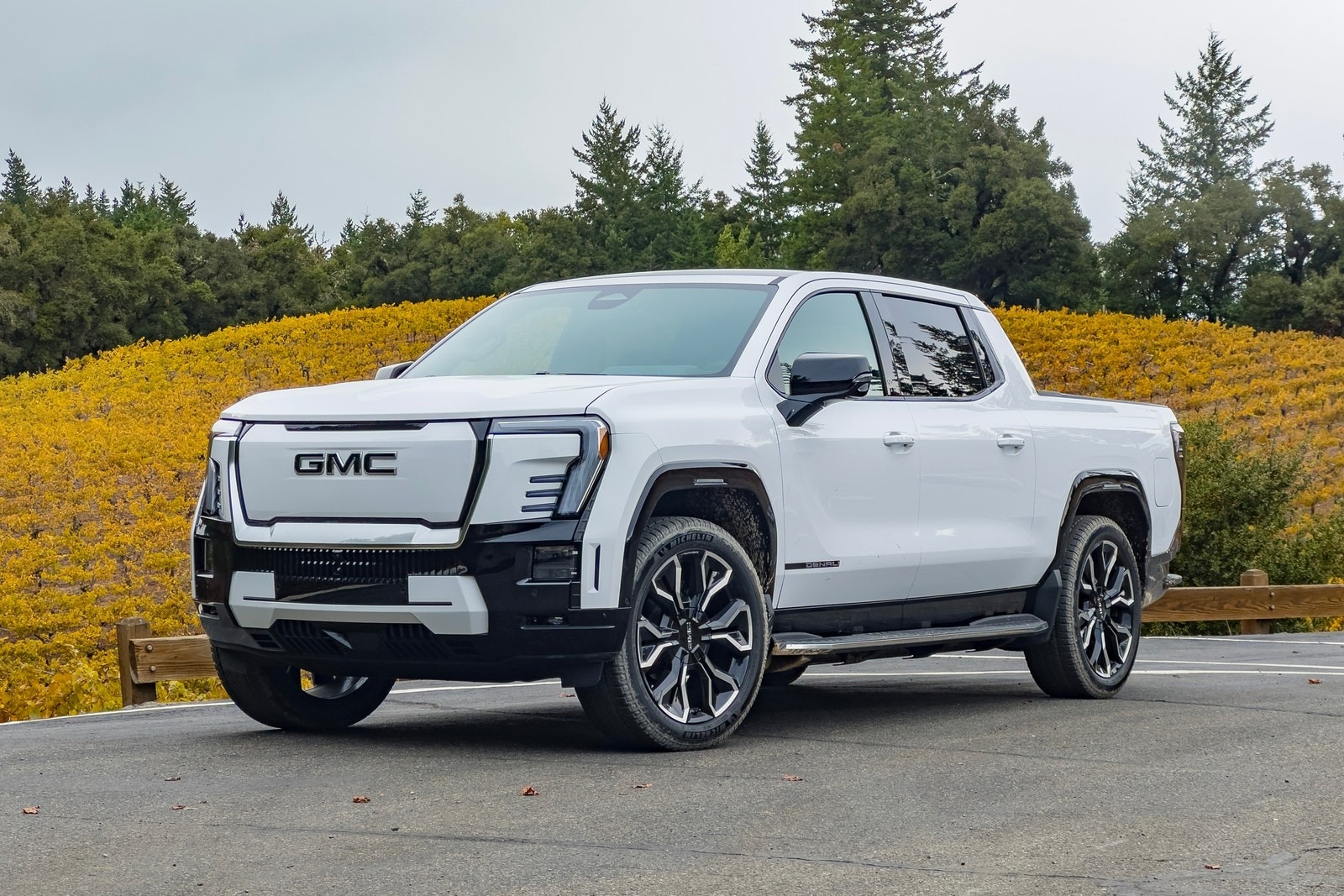
Our final pick is a truck built for work and play. The GMC Sierra EV was built without CarPlay, using GM’s native Google-based system instead. Truck shoppers often care about practical matters, and this one affects daily tasks like navigation, calls, and playlists.
The built-in system can handle all of them, though it changes how you interact with your phone. For contractors and tradespeople, the transition may be manageable if the essentials work well.
Voice commands can reduce distractions, and the integrated maps can help plan routes and charging stops. Still, anyone who relies on iPhone-specific apps should test them carefully.
Check whether your scheduling tools, messaging apps, and audio services have native versions. If not, a phone mount may remain part of your setup, though you should follow local laws and prioritize safe driving.
Think about range too, because towing and hauling can change how far you travel on a charge. A strong navigation system helps you plan with confidence.
Visit a dealership, spend time with the interface, and ask questions about updates and app support. Compare the Sierra EV with other electric trucks to see how each handles connectivity.
A truck should fit the way you work and live. Choose the one that feels natural, and your daily drive will be much easier.