
“Lifetime fluid” sounds like a dream. No more service visits, no more bills, just drive. The catch is that “lifetime” usually refers to the warranty period or a typical ownership window, not the entire life of your vehicle. Heat, friction, and additive breakdown wear fluids down whether the label admits it or not.
If you plan to keep your car past the warranty, a little maintenance can prevent a very expensive surprise. Here are twelve popular vehicles where “lifetime” fluid claims deserve a second look, so you can protect your transmission, differentials, and your wallet for the long haul.

1. BMW X5
The BMW X5 delivers a refined driving experience, impressive performance, and sophisticated all-wheel-drive technology. However, its transmission and differential fluids deserve attention, particularly in models equipped with ZF eight-speed automatic transmissions and xDrive systems.
BMW has used lifetime fluid language for certain driveline components, leading some owners to believe that factory-filled lubricants never require replacement.
Unfortunately, transmission fluid performs several demanding jobs, including lubricating moving components, controlling hydraulic pressure, and helping manage operating temperatures.
As mileage increases, friction materials, microscopic debris, and repeated heat cycles can affect fluid condition. The same concern applies to differential lubricants and transfer-case fluid, which protect components responsible for distributing power to the wheels.
ZF, the transmission manufacturer, provides maintenance recommendations for its automatic transmissions that differ from the idea of permanent fluid. Depending on the specific transmission and operating conditions, periodic servicing may be appropriate.
For X5 owners planning long-term ownership, checking the exact transmission model and following suitable service guidance is a sensible approach. Towing, frequent short trips, heavy traffic, and spirited driving can place additional demands on the drivetrain.
A transmission that operates smoothly today still deserves preventive care. Replacing deteriorated fluid at an appropriate interval can help protect expensive components and reduce the likelihood of avoidable repairs.

2. BMW X6
A BMW X6 combines sporty styling with the mechanical sophistication expected from a premium SUV. Its powerful engines, automatic transmissions, and available xDrive systems deliver confident performance, but these features also depend on properly maintained lubricants.
The concern begins when owners interpret lifetime fluid descriptions as instructions to ignore transmission and differential maintenance.
Factory recommendations can vary according to model year, engine, transmission specification, and market. Some service schedules do not list routine fluid replacement under ordinary operating conditions.
That does not mean the lubricants remain chemically unchanged. Automatic transmission fluid contains additives that support lubrication, friction control, corrosion protection, and temperature management.
Repeated exposure to heat and mechanical stress gradually reduces their effectiveness. The front and rear differentials also need clean, suitable gear oil.
These components operate under substantial pressure, particularly when the vehicle accelerates hard, carries heavy loads, or travels on challenging roads.
Consider an X6 that has covered substantial mileage without any driveline fluid service. Even if there are no warning lights or obvious symptoms, an inspection can help identify whether maintenance is due.
Owners should consult the correct BMW service information and seek advice from a qualified technician familiar with the vehicle. Guessing fluid specifications or using an unsuitable replacement can create additional problems.
The X6 may be engineered for durability, but its drivetrain still relies on fluids that need proper care. A thoughtful maintenance plan can help preserve smooth operation and protect expensive mechanical assemblies.

3. BMW X7
Big luxury SUVs carry big loads, and the X7 is no exception. It features sealed or lifetime-labeled driveline fluids, and skipping service can lead to costly differential or transmission repairs once the warranty ends.
That timing is worth remembering. A car can feel perfect for years and then develop trouble just after coverage expires, leaving you with the bill.
Three rows of seats mean this SUV often carries a full family, plus luggage, plus a long road trip. That extra weight raises heat in the drivetrain. Fluids that work hard deserve fresh replacements. Start by asking a specialist what service interval they recommend for your driving habits.
If you tow a boat or camper, or live somewhere hilly or hot, ask about shorter intervals. Choose a shop that uses the right fluid for each component, since transmissions, differentials, and transfer cases may each need a different product.
Mixing them up can cause real harm. Request a written invoice listing exactly what was drained and refilled. If you are buying used, treat missing records as a negotiating point, and consider scheduling a fluid service right after purchase for peace of mind.
The cost is small compared with a transmission replacement. An X7 is a major investment, and a few hundred dollars in maintenance helps protect it for many years.
4. Chevrolet Silverado 1500
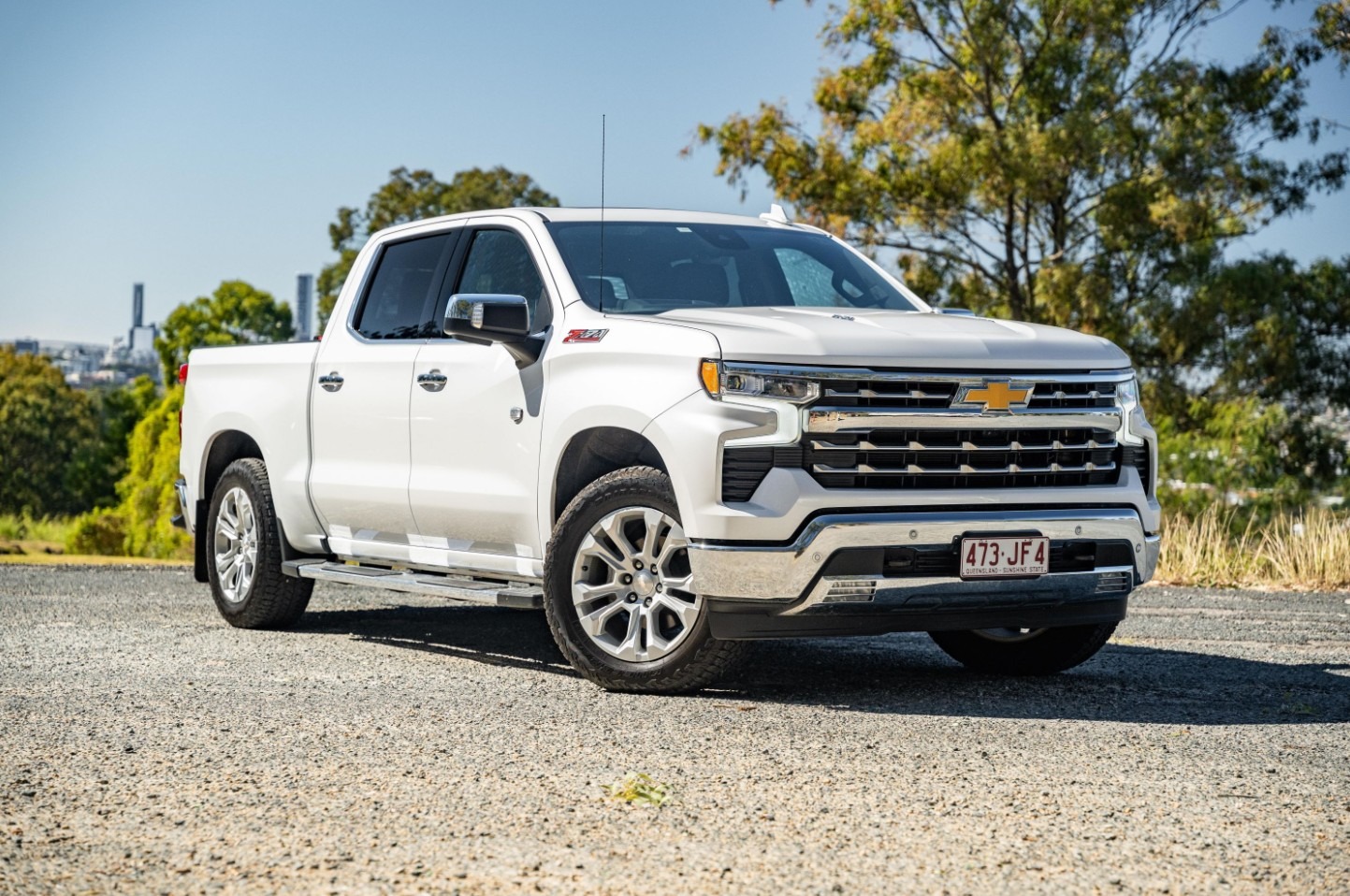
Trucks are built to work, and the Silverado 1500 is often advertised with no scheduled fluid change under normal driving. The phrase “normal driving” hides a lot.
Hot weather, stop-and-go traffic, and towing all degrade transmission fluid much sooner than a gentle highway cruise. Many truck owners tow trailers, haul loads, or idle on job sites, which means they rarely qualify as normal.
Heat is the enemy here. Transmission fluid that overheats loses its ability to lubricate and cool, and clutches begin to wear. By the time shifting feels rough or slips, damage may already be done.
Check your owner’s manual for the severe-service schedule, which usually calls for earlier fluid changes than the normal one. Honestly assess your habits. Do you pull a trailer?
Drive in city traffic? Carry heavy payloads? If so, you probably fall under severe use. Ask a mechanic to inspect your fluid, and consider a drain and fill every 50,000 miles or so, depending on conditions.
Use the correct fluid specified for your model year. Keep a record of each service, and photograph the fluid so you can compare its condition later.
A truck with a healthy transmission keeps its resale value, and that value matters if you ever trade up. A little attention now keeps the work truck working.

5. Ford F-150
The Ford F-150 has earned its reputation as a versatile pickup, serving everyone from daily commuters to contractors and recreational towing enthusiasts.
Its available ten-speed automatic transmission is designed to deliver efficient gear changes and support a wide range of driving demands.
Still, long service intervals and lifetime fluid assumptions can leave owners uncertain about when transmission maintenance is necessary.
The ten-speed transmission depends on carefully specified automatic transmission fluid. This lubricant supports hydraulic pressure, clutch operation, cooling, and internal lubrication. When exposed to repeated high temperatures and mechanical stress, its condition can deteriorate.
A truck used for heavy towing faces different demands from one driven mainly on open highways. Frequent acceleration, low-speed maneuvering with a trailer, and prolonged operation under load can increase heat inside the transmission.
Some owners wait until they notice delayed engagement, unusual shifting, or other symptoms before investigating fluid maintenance. Unfortunately, these signs may indicate that wear has already begun.
Ford’s maintenance recommendations vary by model year, transmission, and operating conditions. Owners should consult the relevant owner’s manual rather than rely on generalized claims about all F-150 models.
It is also important to understand that transmission servicing involves more than simply draining old fluid. The correct specification, filling procedure, temperature requirements, and service equipment all matter.
For drivers planning to keep an F-150 beyond its warranty period, preventive transmission care deserves a place in the maintenance budget. A well-maintained transmission has a better chance of delivering dependable performance during years of demanding use.
6. Toyota Camry
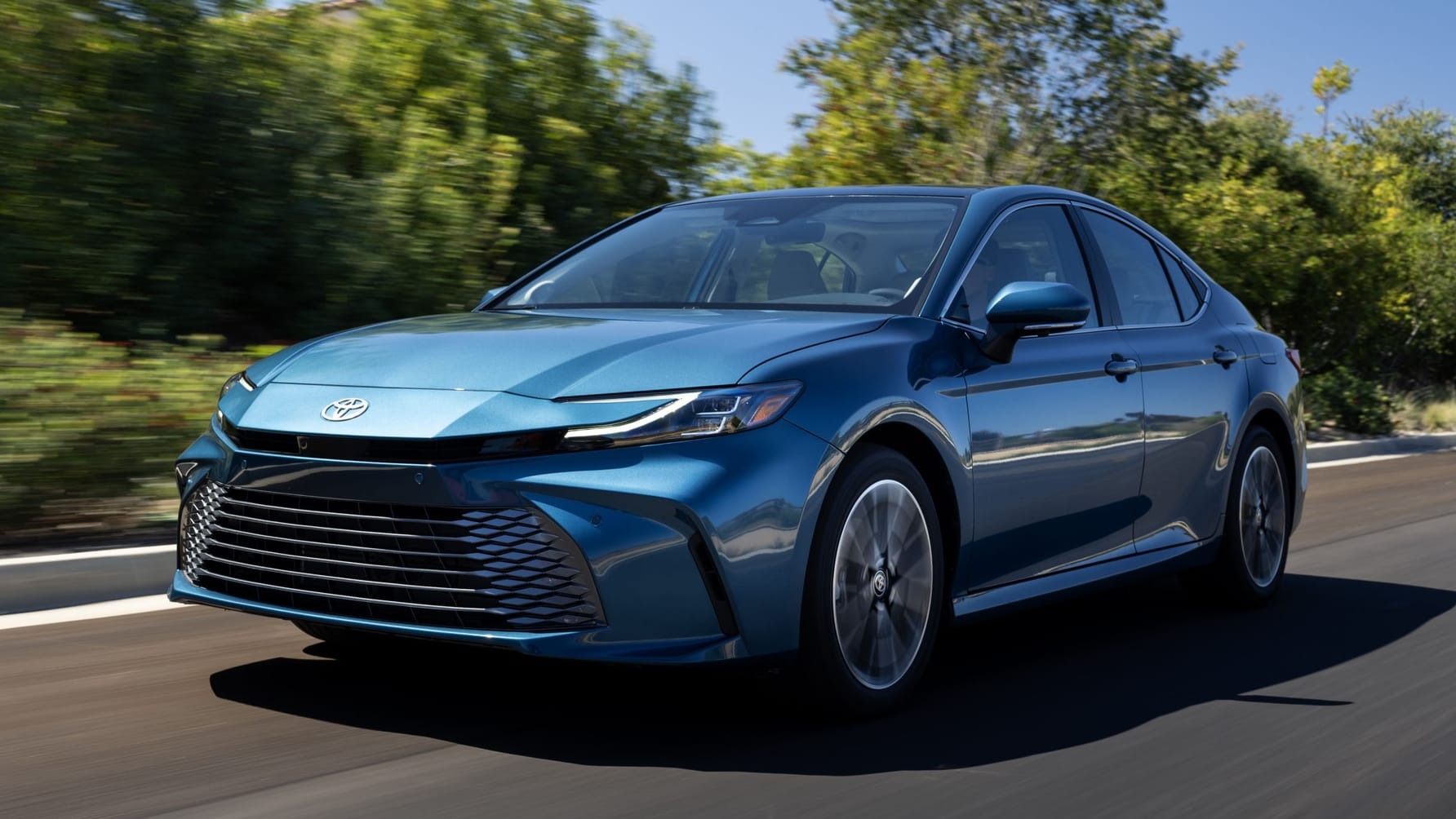
Toyota’s reputation for dependable vehicles makes the Camry a popular choice among drivers who value comfort and practical ownership. However, even a reliable sedan depends on healthy transmission fluid to maintain proper operation.
Many modern Camry models use automatic transmissions filled with Toyota ATF WS. These transmissions may have a sealed-style design without a conventional transmission dipstick, which can make fluid maintenance seem less straightforward.
That design should not be confused with a transmission that never needs attention. Automatic transmission fluid gradually experiences heat exposure, friction, and additive depletion during regular operation.
Imagine a Camry that spends most of its working life in congested traffic. Repeated acceleration, braking, and low-speed driving place ongoing demands on the transmission. Hot climates and frequent heavy loads can add to those demands.
Toyota’s maintenance requirements depend on the specific model year and driving conditions. Some schedules distinguish between ordinary and severe operating conditions, with additional inspections or fluid services recommended for certain circumstances.
Owners should avoid choosing a replacement fluid simply because it carries a similar label. Toyota ATF WS has specific performance requirements, and using an incompatible lubricant may affect transmission operation.
Because sealed-style transmissions require particular procedures, fluid-level checks and replacement are best handled by someone familiar with the correct Toyota service process.
A Camry can deliver many years of dependable transportation, but reliability is supported by appropriate maintenance. Paying attention to transmission fluid is a practical way to protect one of the vehicle’s most expensive mechanical systems.

7. Toyota RAV4
For drivers who want the practicality of an SUV without the size of a full-size truck, the Toyota RAV4 offers an appealing combination of passenger space, fuel efficiency, and everyday usability. Its transmission deserves the same attention as its engine, tires, and brakes.
The RAV4 has been offered with several transmission designs, including conventional automatic transmissions and continuously variable transmissions in certain versions. These systems do not all use the same lubricant or follow identical service requirements.
Some owners hear that their RAV4 has lifetime transmission fluid and assume that replacement is unnecessary. That belief can be costly if the vehicle regularly operates under conditions that accelerate fluid deterioration.
A CVT relies on specially formulated fluid to support lubrication, cooling, and the friction characteristics needed for its internal components. Conventional automatic transmissions also depend on carefully engineered fluid to maintain hydraulic performance and protect moving parts.
Repeated exposure to heat can weaken fluid additives. Contamination from normal component wear can also affect its ability to perform as intended.
The correct maintenance approach starts with identifying the transmission installed in the specific RAV4. Hybrid models, gasoline versions, and different model years may have different drivetrain arrangements and fluid requirements.
Owners should consult Toyota’s official maintenance information before arranging service. Using ordinary automatic transmission fluid in a system designed for a particular CVT lubricant, for example, is not an acceptable shortcut.
Regular inspection and appropriate replacement can help reduce unnecessary transmission wear. For a vehicle expected to provide dependable transportation for many years, fluid maintenance should never be dismissed simply because the original lubricant was described as long-lasting.
8. Lexus GS 350
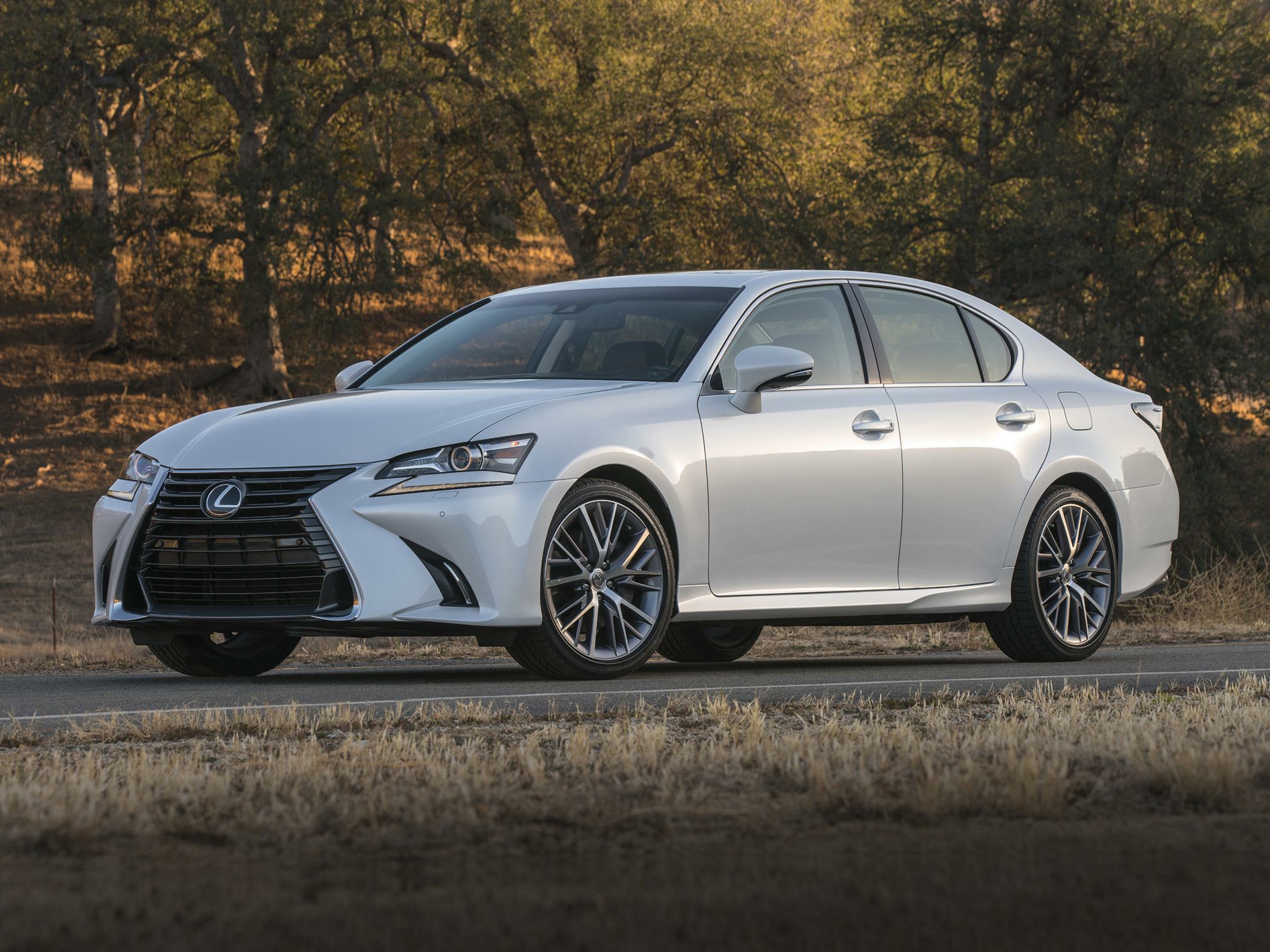
The Lexus GS 350 is known for its smooth ride, strong acceleration, and premium engineering. Its automatic transmission plays an important role in delivering that refined driving experience, but the fluid inside it needs proper attention.
Depending on the model year and transmission configuration, the GS 350 uses Toyota-specified automatic transmission fluid, including ATF WS in applicable versions.
Some factory maintenance schedules describe this fluid as a lifetime fill, which can leave owners believing that replacement is unnecessary.
One important factor to consider is that transmission fluid gradually loses its effectiveness over time due to repeated exposure to heat, friction, and normal wear during operation.
Tiny particles from internal wear may also accumulate in the lubricant. Although the transmission might continue shifting smoothly, its fluid may no longer provide the same level of protection.
Drivers who frequently accelerate hard, travel through heavy traffic, or drive in hot conditions may place additional demands on their transmissions. Ignoring fluid maintenance can increase the risk of premature wear and expensive repairs.
GS 350 owners should check the maintenance requirements for their exact model year and use only the approved fluid specification. A Lexus dealership or experienced transmission specialist can recommend a suitable service schedule based on mileage and driving habits.
Keeping the transmission properly maintained can help preserve smooth gear changes, protect internal components, and support dependable performance for many years.
9. Ram 1500
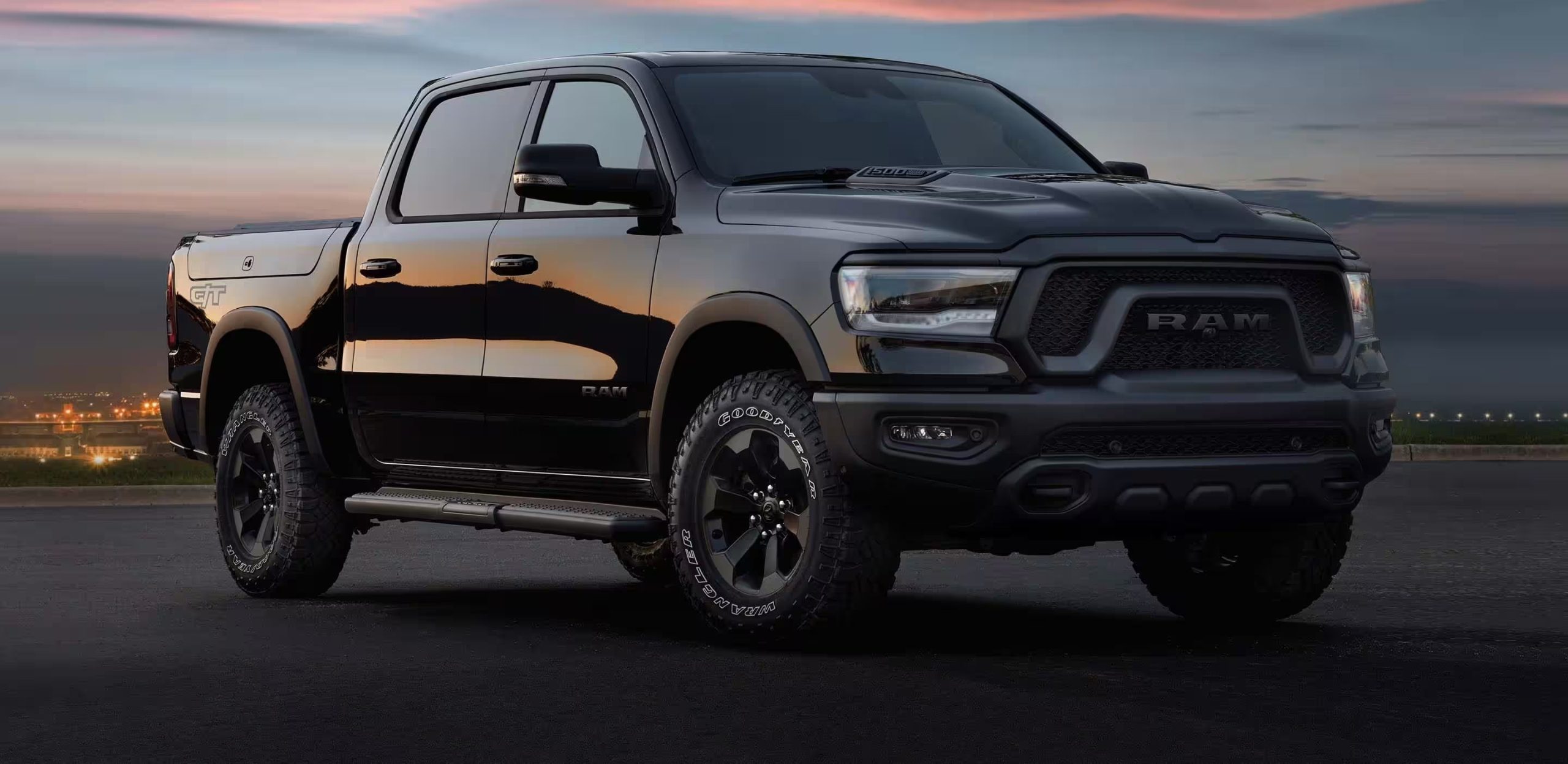
Many Ram 1500 trims use ZF-built 8-speed transmissions marketed with lifetime fluid by the automaker, while the transmission maker itself specifies interval servicing.
That mismatch should catch your attention. When the company that builds the transmission recommends periodic service, it is worth taking seriously.
Ram trucks often tow, haul, and work in demanding conditions, which makes fluid care even more important. Towing a heavy trailer on a hot day can push transmission temperatures high enough to break down fluid quickly. Look at your own use and decide honestly.
If you tow regularly, drive in mountains, or run in dusty conditions, schedule service earlier than a casual commuter would. Ask a mechanic who works with ZF transmissions about the best interval and the correct fluid.
Using a generic product may cause shifting problems or premature wear. A proper service may include replacing the filter, and some designs require special procedures to get the fluid level exactly right.
Keep your service records and invoices in one place. If you are buying a used Ram, ask whether the transmission has been serviced, and treat missing records as a reason to negotiate.
Spending money on maintenance now can prevent a bill that rivals the cost of a small used car. A tough truck deserves smart, regular care.

10. Mini Cooper S
The Mini Cooper S has faced scrutiny and lawsuits over lifetime transmission fluid claims when some transmissions failed early. That history carries a lesson for every owner.
These cars are fun, quick, and full of personality, and many drivers push them hard on twisty roads. Spirited driving generates heat, and heat shortens fluid life.
Generations such as the R53, R56, and R60 have different transmissions and different needs, so check what your specific car uses. Some owners report that early fluid changes helped their cars run better and last longer.
Be sure to ask a Mini specialist about the best interval, and confirm the correct fluid for your gearbox, whether manual or automatic. Do not assume a service shop knows every detail, so bring your owner’s manual and ask questions.
Watch for symptoms such as rough shifting, whining noises, or clutch problems. Those signs can point to fluid trouble or deeper wear. If you are buying a used Mini, ask for service history and have the car inspected by a specialist before you commit.
A low price can hide expensive repair risks. Treat fluid changes as routine, not optional. A Mini rewards attentive owners with years of fun, and consistent care keeps that fun affordable.
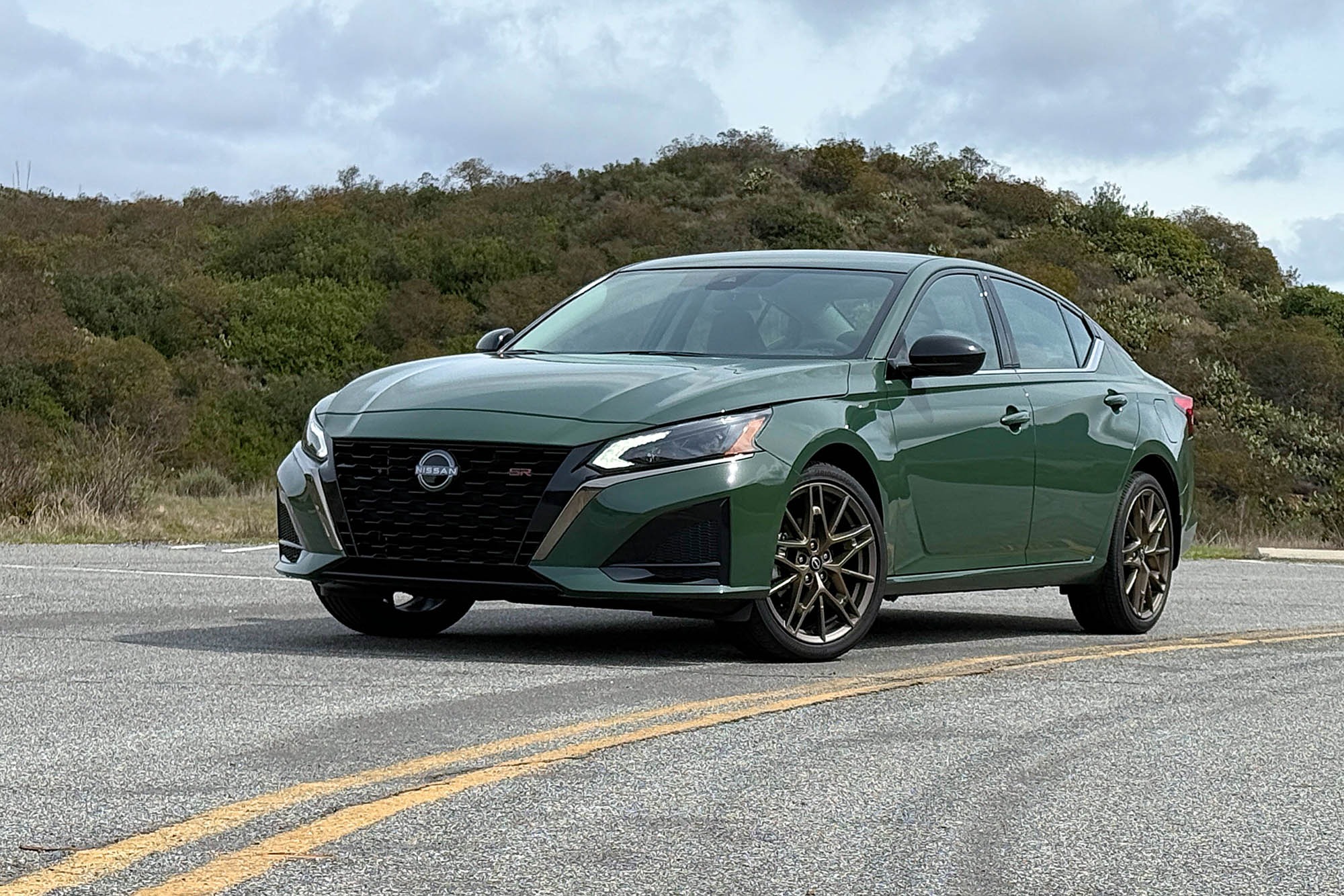
11. Nissan Altima
The Nissan Altima is a familiar midsize sedan that has offered comfortable seating, practical features, and fuel-efficient powertrains across several generations. Yet its continuously variable transmission has made fluid maintenance a particularly important subject for owners.
Nissan CVTs operate differently from conventional automatic transmissions. Instead of relying on a fixed set of traditional gear ratios, they use a pulley-and-belt or chain arrangement, depending on the design, to provide continuously variable ratios.
This operating system requires specially formulated CVT fluid. The lubricant supports internal lubrication, cooling, hydraulic operation, and the friction characteristics needed for reliable power transfer.
Problems can arise when drivers assume that factory-filled CVT fluid will remain suitable indefinitely. Heat and mechanical stress can gradually affect its protective properties, while contamination may further reduce its effectiveness.
An Altima frequently driven in congested traffic, hot weather, or demanding conditions may place additional demands on its CVT. Some vehicles have experienced transmission complaints involving shuddering, hesitation, overheating, and premature failure.
These symptoms should not automatically be blamed on old fluid, since mechanical defects and other issues can produce similar behavior. However, checking the maintenance history and fluid condition is a sensible starting point.
Nissan’s service recommendations vary by model year and CVT specification. Owners should consult the correct maintenance information and use the fluid approved for their particular transmission.
Ordinary automatic transmission fluid is not a suitable substitute for a Nissan CVT fluid specification. Incorrect products or improper servicing procedures can create additional problems.
For Altima owners hoping to avoid expensive transmission repairs, following the recommended inspection and replacement guidance is a sensible investment in vehicle longevity.

12. Ford Fiesta
The Ford Fiesta may be smaller than the other vehicles on this list, but its transmission maintenance requirements should never be overlooked.
Several generations were offered with different manual and automatic transmission designs, including the PowerShift dual-clutch system that attracted considerable attention because of reliability complaints.
Some Fiesta owners have been confused by long service intervals and assumptions that transmission lubricants do not require regular attention. Yet the transmission still relies on suitable lubrication and proper maintenance to protect its internal components.
The PowerShift system deserves particular care because its dry-clutch and wet-clutch configurations have different designs and service requirements. It is therefore inaccurate to apply one maintenance recommendation to every Fiesta equipped with an automatic transmission.
Reports of shuddering, hesitation, clutch problems, and transmission failures have affected certain models. These complaints cannot all be attributed to fluid condition, but they demonstrate why owners should understand the specific gearbox installed in their vehicle.
For applicable wet-clutch transmissions, fluid quality and servicing procedures are important considerations. Manual transmissions also require suitable lubricants to protect gears, bearings, and other internal parts.
Owners should check their vehicle identification details, model year, and transmission specification before arranging maintenance. A qualified Ford technician can establish the correct service requirements and determine whether existing symptoms indicate a mechanical fault.
Used Fiesta buyers should pay close attention to transmission history. A vehicle with incomplete maintenance records may require a professional assessment before purchase.
The Fiesta can remain an economical and practical car, but its small size does not make transmission repairs inexpensive. Appropriate servicing, accurate fluid selection, and early attention to unusual behavior can help owners avoid preventable mechanical expenses.