Hybrid vehicles can deliver excellent fuel economy, but crossing 100,000 miles brings a different set of ownership considerations. Battery condition, inverter cooling, regenerative braking components, engine wear, and transmission-related systems all deserve attention as mileage increases.
However, there is no reliable U.S. database that ranks hybrid models by verified complaints specifically filed after their odometers passed 100,000 miles.
Rather than inventing complaint totals, this article uses iSeeCars’ long-term vehicle lifespan research to identify hybrids with lower projected chances of reaching 250,000 miles, alongside documented ownership considerations. These figures provide a more defensible starting point for high-mileage used-car inspections.
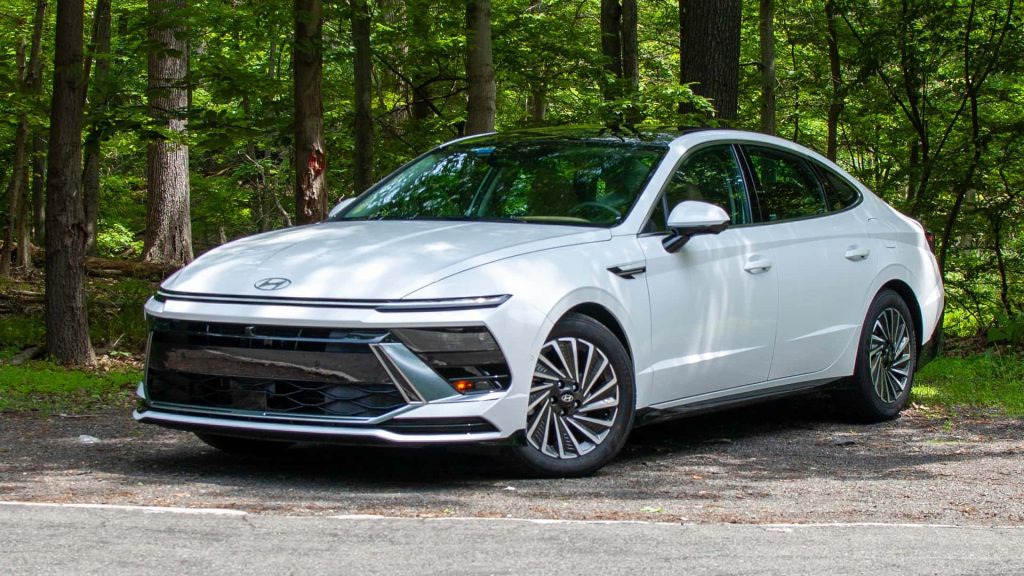
1. Hyundai Sonata Hybrid
The Hyundai Sonata Hybrid deserves attention from high-mileage used-car shoppers because its estimated long-term survival probability is relatively low in iSeeCars’ 2026 hybrid longevity research.
The study gives it a 0.3% chance of reaching 250,000 miles, substantially below the hybrid segment’s 8.2% average. This does not mean the Sonata Hybrid commonly fails at 100,000 miles, but it does make a detailed inspection important when considering an older, heavily driven example.
The Sonata Hybrid combines a gasoline engine with an electric motor and lithium-ion battery. Its hybrid system is designed to reduce fuel consumption through electric assistance and regenerative braking.
As mileage increases, buyers should pay attention to the condition of the hybrid battery, cooling equipment, power electronics, and conventional engine components.
One area worth checking is the hybrid battery cooling system. Restricted airflow or neglected cooling passages can affect battery temperature management. A qualified technician should inspect the cooling intake and check the hybrid system for stored diagnostic trouble codes.
The transmission also deserves attention. Hyundai uses a six-speed automatic transmission in this hybrid, rather than the continuously variable transmission found in some competing hybrids. During a test drive, check for unusual shifting behavior, hesitation, or warning messages.
Service records matter more than a seller’s general assurance that the vehicle has been maintained. Request documentation for engine oil changes, transmission servicing where applicable, cooling-system maintenance, and previous hybrid-system repairs.
The 0.3% figure is a statistical longevity estimate, not proof of a specific mechanical defect. Nevertheless, a Sonata Hybrid approaching or exceeding 100,000 miles should receive a professional hybrid-system inspection before purchase.
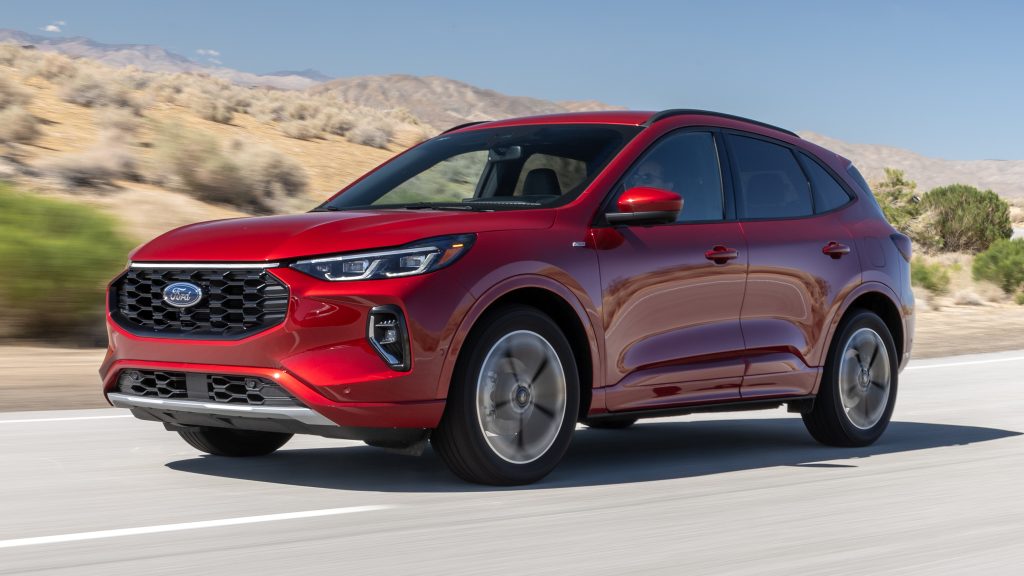
2. Ford Escape Hybrid
The Ford Escape Hybrid is another model that deserves a careful evaluation when its odometer approaches six figures.
According to iSeeCars’ 2026 longevity study, it has an estimated 0.7% probability of reaching 250,000 miles, compared with an 8.2% average for hybrids and electric vehicles in the study. This is a longevity estimate, not evidence that 99.3% of Escape Hybrids experience a major failure.
The Escape Hybrid uses a 2.5-liter four-cylinder engine paired with an electric motor and an electronically controlled continuously variable transmission. Its powertrain is designed to balance gasoline and electric operation, allowing the engine to shut off during certain driving conditions and recover energy through regenerative braking.
At higher mileage, buyers should pay particular attention to the hybrid battery, inverter, cooling system, and transmission operation. A hybrid battery can gradually lose capacity with age and use, potentially affecting electric assistance and fuel economy. However, reduced battery performance should not automatically be confused with complete battery failure.
Ford’s hybrid system also depends on effective cooling. The technician should inspect the relevant cooling components, check for stored powertrain codes, and confirm that the vehicle transitions smoothly between electric and gasoline operation.
A test drive should include city traffic, moderate acceleration, and highway driving. Listen for unusual noises and observe whether the gasoline engine starts and stops smoothly. Check for warning messages relating to the hybrid system, charging system, or powertrain.
Buyers should also investigate the vehicle’s recall history and remaining warranty coverage. Ford’s hybrid-component warranty varies by model year and applicable coverage requirements, so verify it using the VIN.
The Escape Hybrid can be economical transportation, but its low projected 250,000-mile probability makes a documented maintenance history particularly valuable when shopping for a high-mileage example.
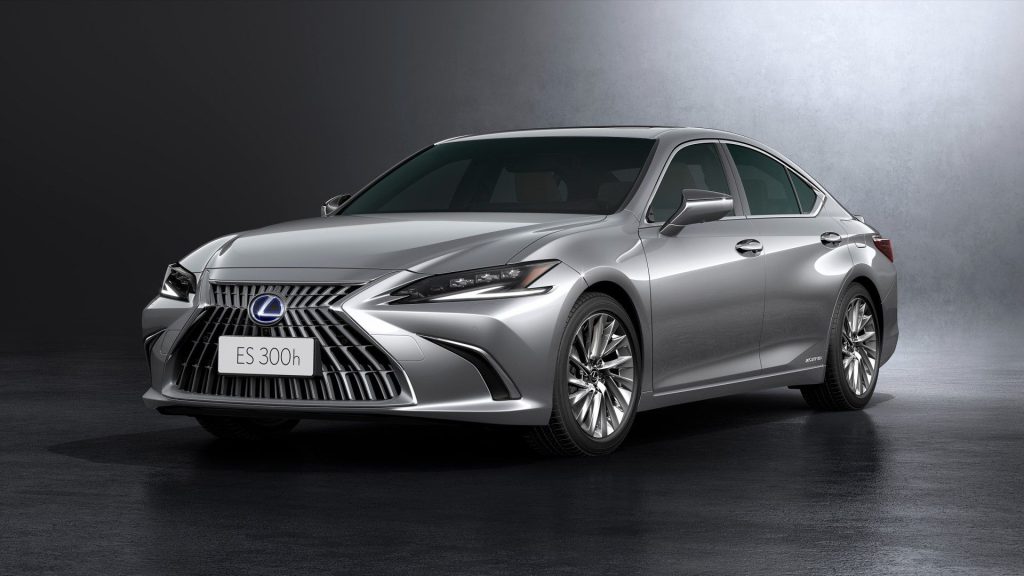
3. Lexus ES Hybrid
The Lexus ES Hybrid is an interesting case because it combines the premium comfort expected from Lexus with a fuel-efficient gasoline-electric powertrain.
However, iSeeCars’ 2026 longevity study gives it just a 5.1% estimated probability of reaching 250,000 miles, below the hybrid and electric vehicle segment average of 8.2%. This is a statistical projection based on vehicle mileage patterns, not evidence that the model regularly experiences major failures after 100,000 miles.
For someone shopping in the used market, the vehicle’s hybrid battery and associated electrical components deserve attention as mileage increases. Battery performance can gradually change with age and use, potentially affecting the amount of electric assistance available.
A professional hybrid-system diagnostic check can help identify abnormal battery behavior before purchase.
The gasoline engine, cooling system, and transmission also require attention. The ES Hybrid uses an electronically controlled continuously variable transmission, and buyers should check for unusual noises, warning messages, or inconsistent operation during a test drive. Previous maintenance records can provide useful evidence of how the vehicle has been treated.
Another consideration is the condition of the brake system. Regenerative braking reduces reliance on conventional friction brakes in many driving situations, but brake fluid, calipers, and other components still require proper maintenance.
Do not interpret the 5.1% estimate as a prediction that an individual ES Hybrid will fail before reaching 250,000 miles. It simply indicates a lower modeled probability than the segment average. A well-maintained example with documented servicing can still be worth considering, particularly when supported by an independent inspection.
4. Toyota RAV4 Hybrid
The Toyota RAV4 Hybrid has a strong reputation as a practical family SUV, but its position in iSeeCars’ 2026 longevity research is less impressive than some buyers might expect.
The study estimates a 5.9% chance of reaching 250,000 miles, placing it below the hybrid and electric vehicle segment average of 8.2%. This does not establish a widespread reliability problem or prove that RAV4 Hybrid models commonly fail after 100,000 miles.
Its hybrid powertrain combines a gasoline engine with electric motors and a battery pack to improve fuel efficiency. As mileage increases, buyers should examine the hybrid battery’s condition, cooling arrangements, inverter operation, and electronic control systems.
A specialist diagnostic inspection is particularly useful because certain hybrid-system problems may not produce obvious symptoms during a short drive.
The cooling system deserves attention as well. Check for coolant leaks, unusual temperature warnings, and evidence of neglected maintenance. On applicable all-wheel-drive versions, inspect the rear electric-drive system and verify that no warning messages or abnormal noises are present.
The conventional suspension and braking components should not be overlooked simply because the vehicle uses hybrid technology. Worn shocks, bushings, wheel bearings, and brake components can all create additional expenses on a high-mileage SUV.
Toyota’s maintenance history is especially useful when evaluating an older example. Request records for scheduled servicing, fluid replacements, brake inspections, and any previous hybrid-system repairs.
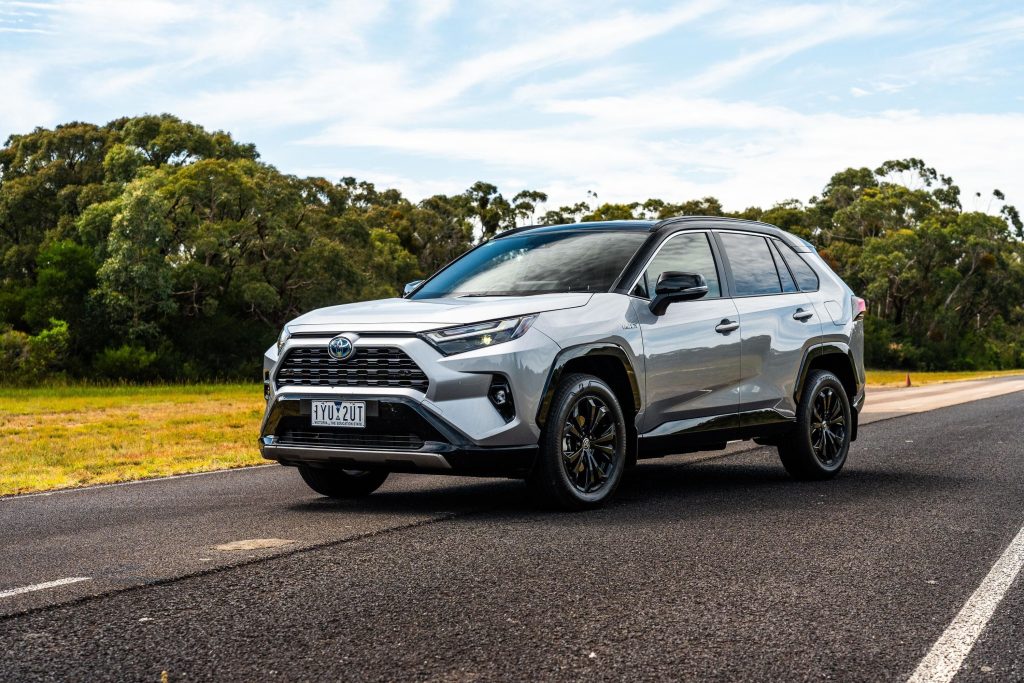
The 5.9% estimate is a modeled probability, not a failure rate. A RAV4 Hybrid with 120,000 miles and consistent maintenance may be a better purchase than a neglected example with considerably fewer miles.
5. Toyota Prius
The Toyota Prius has become one of the most recognizable hybrid cars in the United States, largely because of its fuel efficiency and long-running presence in the market.
The Prius performs better in this study than several lower-ranked hybrid models. According to iSeeCars, approximately 11.5% of Prius vehicles are estimated to have the potential to reach at least 250,000 miles. This is notably higher than the 8.2% average recorded for the hybrid and electric vehicle segment.
The Prius benefits from a hybrid system that has been developed across multiple generations. However, a long production history does not mean every used example will deliver trouble-free ownership.
Battery condition, maintenance records, cooling-system condition, suspension wear, and the health of the gasoline engine all deserve attention when evaluating a high-mileage car.
Buyers should also distinguish between the age of the vehicle and the number displayed on its odometer. A Prius that has covered 150,000 miles with documented servicing may be a more sensible purchase than one with fewer miles but an incomplete maintenance history.
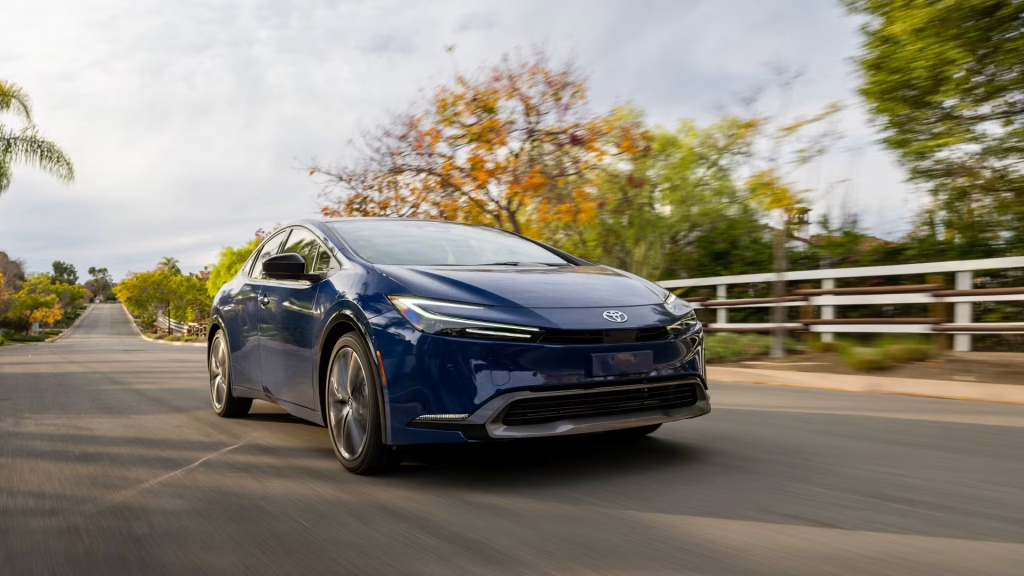
A pre-purchase inspection should include a scan for stored hybrid-system fault codes and an assessment of the high-voltage battery.
The 11.5% figure is a model-level statistical estimate, not a guarantee that an individual Prius will reach a quarter-million miles. Nevertheless, its result places it among the stronger-performing hybrids in this particular longevity comparison.
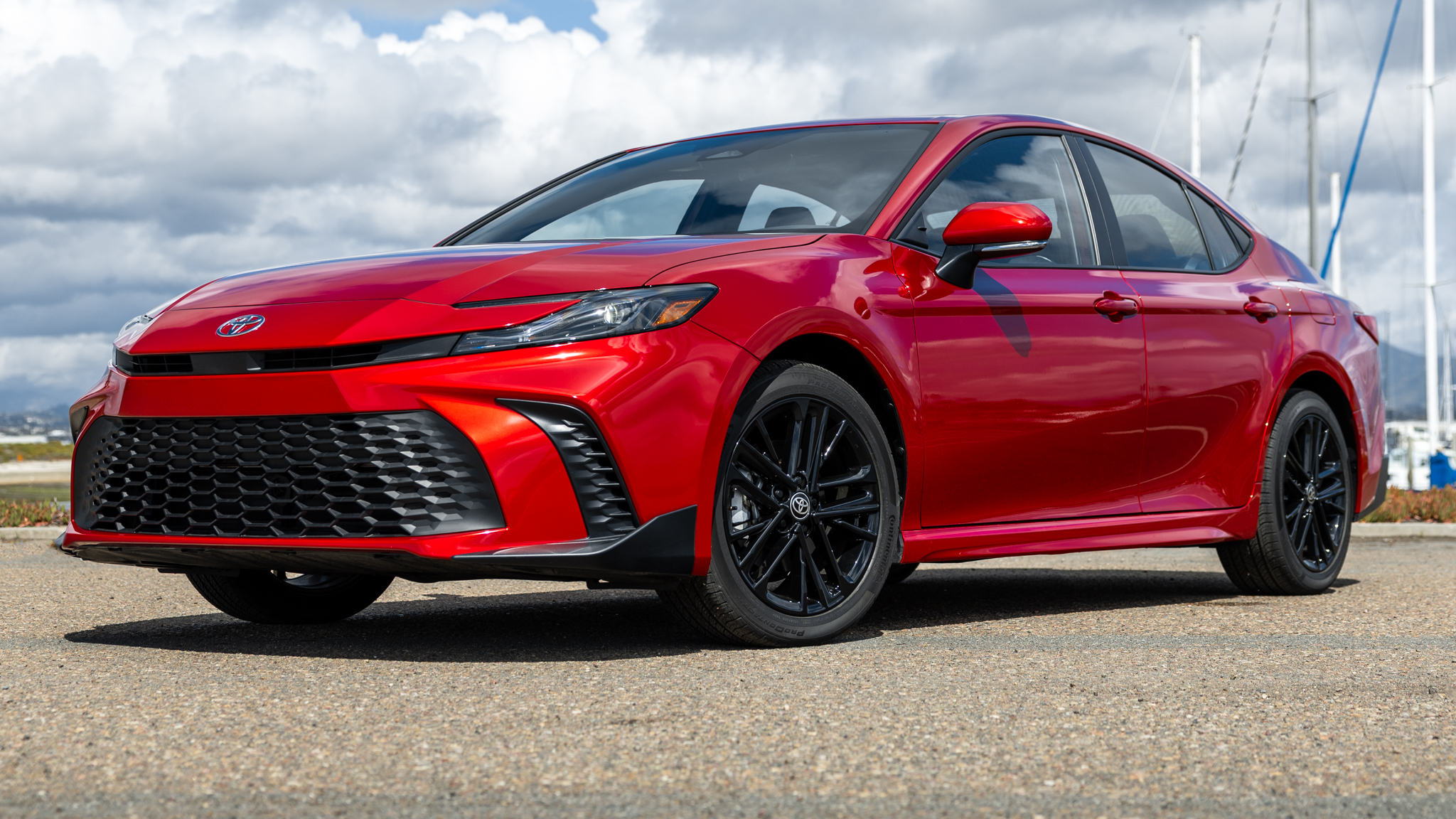
6. Toyota Camry Hybrid
The Toyota Camry Hybrid matches the Prius with an estimated 11.5% chance of reaching 250,000 miles, according to iSeeCars’ 2026 longevity study.
That is approximately 1.4 times the 8.2% average reported for the hybrid and EV category. Its position suggests that the Camry Hybrid has a stronger long-term mileage outlook than several other models included in the comparison.
The Camry’s appeal comes from combining everyday sedan practicality with a gasoline-electric powertrain. It offers buyers a conventional four-door layout while using electric assistance to improve fuel economy, particularly in driving conditions involving frequent stops and slower speeds.
Its popularity also means that used-car shoppers can find examples across several model years and mileage ranges.
However, a high-mileage Camry Hybrid still needs a careful inspection. The hybrid battery, inverter cooling system, engine, transmission-related components, brakes, and suspension should all be checked.
Maintenance records are particularly important because skipped servicing can undermine the durability of an otherwise capable vehicle.
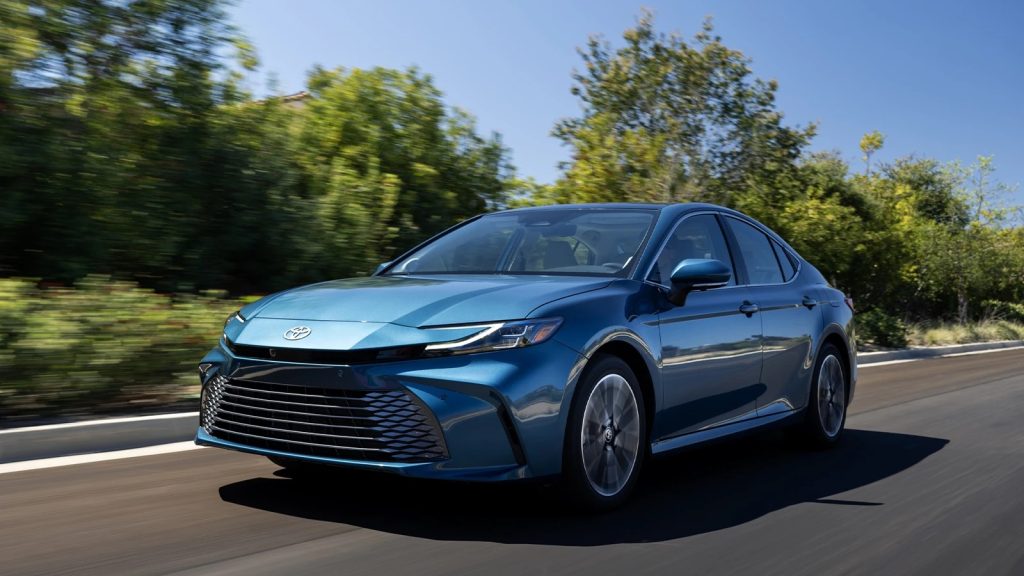
It is also worth remembering that the study does not identify which components fail most frequently or establish a complaint rate after 100,000 miles. Its percentage is based on estimated vehicle longevity, not a list of mechanical defects.
The Camry Hybrid’s result is encouraging, but buyers should assess each used example individually rather than relying on the Toyota badge alone.
7. Toyota Avalon Hybrid
The Toyota Avalon Hybrid performs considerably better than the Prius and Camry Hybrid in iSeeCars’ 2026 longevity comparison. Its estimated probability of reaching 250,000 miles is 17.4%, more than twice the 8.2% hybrid and EV segment average. That places it among the stronger long-distance performers in the study.
The Avalon was positioned as a larger, more comfort-focused sedan, offering a spacious cabin and a hybrid powertrain designed to reduce fuel consumption.
It was discontinued after the 2022 model year in the United States, so buyers considering one today will be shopping in the used-car market. That makes the condition of the individual vehicle especially important.
A well-maintained Avalon Hybrid can be an appealing choice for someone who wants a comfortable sedan with the potential for extended service life. But shoppers should not assume that its longevity estimate eliminates the risks associated with an older hybrid.
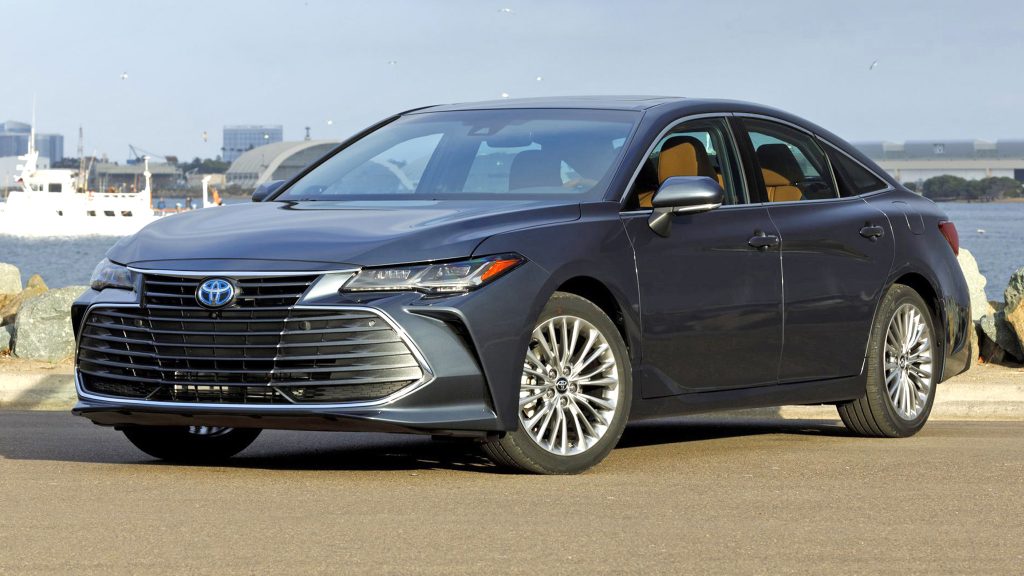
The high-voltage battery, cooling fans and ducts, inverter, engine, and suspension should be inspected before purchase. Evidence of regular oil changes and scheduled maintenance is equally important.
The 17.4% estimate does not mean that nearly one in five Avalon Hybrids will definitely reach 250,000 miles. It is a statistical projection based on the study’s vehicle data. Still, the model’s result is notably above the hybrid category average and gives it a strong position in this ranking.
8. Honda Accord Hybrid
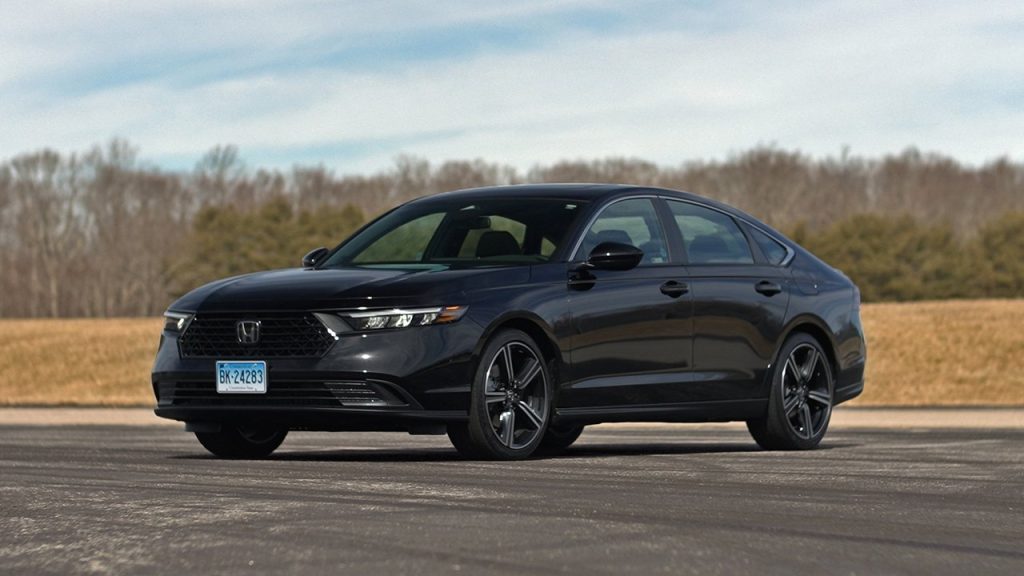
The Honda Accord Hybrid ranks ahead of several well-known Toyota hybrids, with an estimated 18.5% chance of reaching 250,000 miles in the 2026 iSeeCars study. That is approximately 2.3 times the 8.2% average for the hybrid and EV category. Its result makes it one of the strongest-performing hybrid sedans in the comparison.
The Accord Hybrid combines a spacious passenger cabin with Honda’s two-motor hybrid system. Depending on the model year, the system’s operating characteristics and equipment differ, so used-car shoppers should check the specifications for the exact vehicle they are considering.
The model’s longevity estimate is encouraging, but it should not be confused with a warranty or a prediction for every individual car.
When inspecting a high-mileage Accord Hybrid, buyers should pay attention to the hybrid battery’s condition, warning lights, cooling-system operation, engine performance, brakes, and suspension.
A diagnostic scan can help identify stored faults that may not be obvious during a short test drive. Service records should also show that the vehicle has received maintenance at the appropriate intervals.
The Accord’s 18.5% estimate is a meaningful result because it places the sedan well above the segment average. However, iSeeCars does not use this figure to identify specific failure points or measure complaints after 100,000 miles. It estimates the likelihood of reaching a high odometer reading using its broader vehicle data.
9. Toyota Highlander Hybrid
The Toyota Highlander Hybrid records one of the strongest results in this comparison, with a 20.7% estimated chance of reaching 250,000 miles. That is approximately 2.5 times the 8.2% hybrid and EV segment average. Among the hybrid models included in the 2026 iSeeCars study, only the Lexus RX Hybrid performs better.
The Highlander Hybrid combines three-row SUV practicality with a gasoline-electric powertrain. Its ability to accommodate passengers and cargo while offering improved fuel economy over comparable conventional SUVs has helped make it an attractive option for families.
Its strong longevity estimate also makes it worth considering among used hybrid SUVs. However, the vehicle’s size and family-oriented role mean that its previous usage deserves attention. An example that has regularly carried heavy loads or spent years in demanding driving conditions may have different wear patterns from one used primarily for commuting.
Buyers should inspect the suspension, brakes, tires, engine, hybrid battery, and cooling systems. A full diagnostic check is advisable, particularly if the vehicle has accumulated substantial mileage.
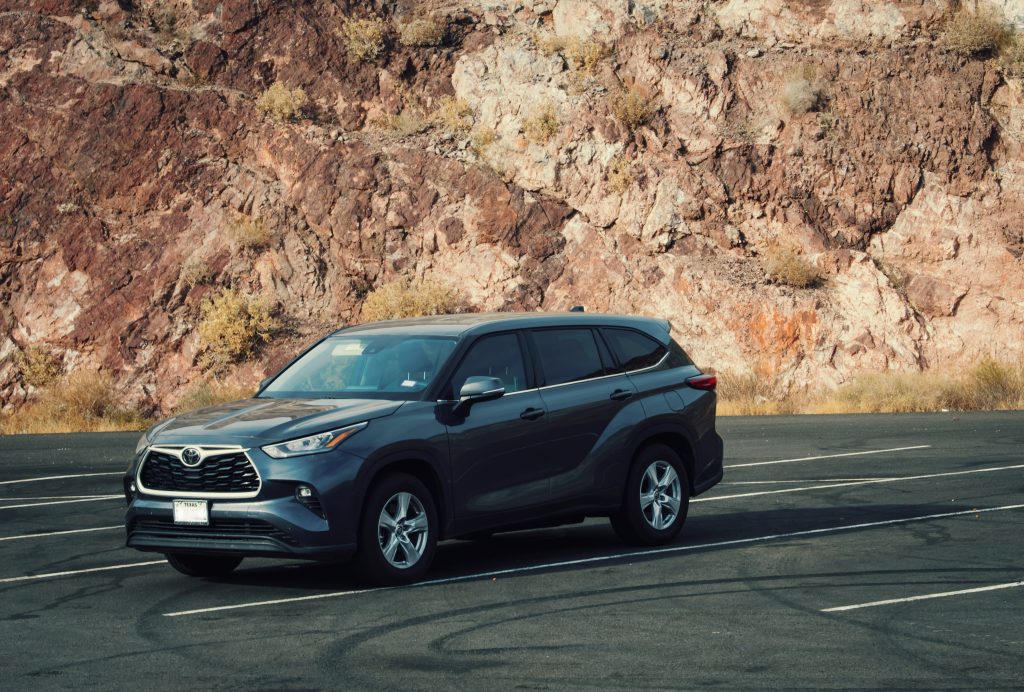
The Highlander’s 20.7% figure is a statistical estimate rather than proof that every model is exceptionally reliable. It does not reveal the number of complaints filed after 100,000 miles or identify a particular component responsible for failures.
What it does show is that the model has a strong projected chance of reaching 250,000 miles compared with the broader hybrid category.
10. Lexus RX Hybrid
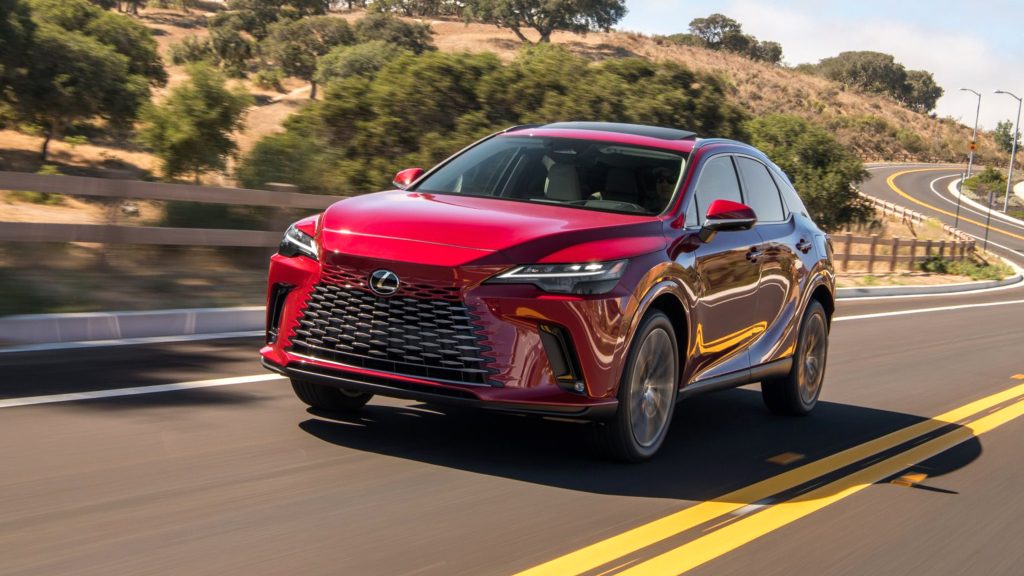
The Lexus RX Hybrid takes the top position in this longevity comparison, with an estimated 28.9% chance of reaching 250,000 miles. That is approximately 3.5 times the 8.2% average for the hybrid and EV category. Its result is also substantially higher than the estimates for the Toyota Highlander Hybrid and Honda Accord Hybrid.
The RX Hybrid combines the comfort and equipment expected from a luxury SUV with a gasoline-electric powertrain. It has been offered across multiple generations, with differences in engines, hybrid systems, and features depending on the model year. Buyers should therefore avoid treating every RX Hybrid as mechanically identical.
A high-mileage example still needs a thorough inspection. The hybrid battery, inverter, cooling system, engine, suspension, brakes, and electronic equipment should be checked. Luxury vehicles can also have additional comfort and convenience systems that may become expensive to repair as they age.
A detailed service history and an independent inspection are particularly valuable when buying one outside the original warranty period.
The RX Hybrid’s 28.9% estimate makes it the strongest performer among the hybrids in the 2026 iSeeCars study. It does not mean that 28.9% of owners will avoid repairs, nor does it establish that the model has the fewest complaints after 100,000 miles.
It indicates a comparatively strong statistical likelihood of reaching 250,000 miles, making the RX Hybrid the leading vehicle in this particular ranking.