Diesel trucks are built for demanding workloads, but their modern emissions equipment can become an expensive source of frustration for owners. Diesel particulate filters, diesel exhaust fluid systems, exhaust gas recirculation components, and NOx sensors must work together to control harmful exhaust emissions.
When one component develops a fault, drivers may encounter warning lights, failed regeneration cycles, reduced engine power, or costly repairs. U.S. NHTSA complaint records reveal recurring emissions-related concerns across several diesel engine families.
This list examines ten documented examples, using complaint figures where available and manufacturer service records to distinguish established problems from speculation.
1. 6.7L Cummins Turbo Diesel in Ram 2500 and Ram 3500
164 DPF, DEF, or regeneration-related complaints | 7,667 total owner complaints
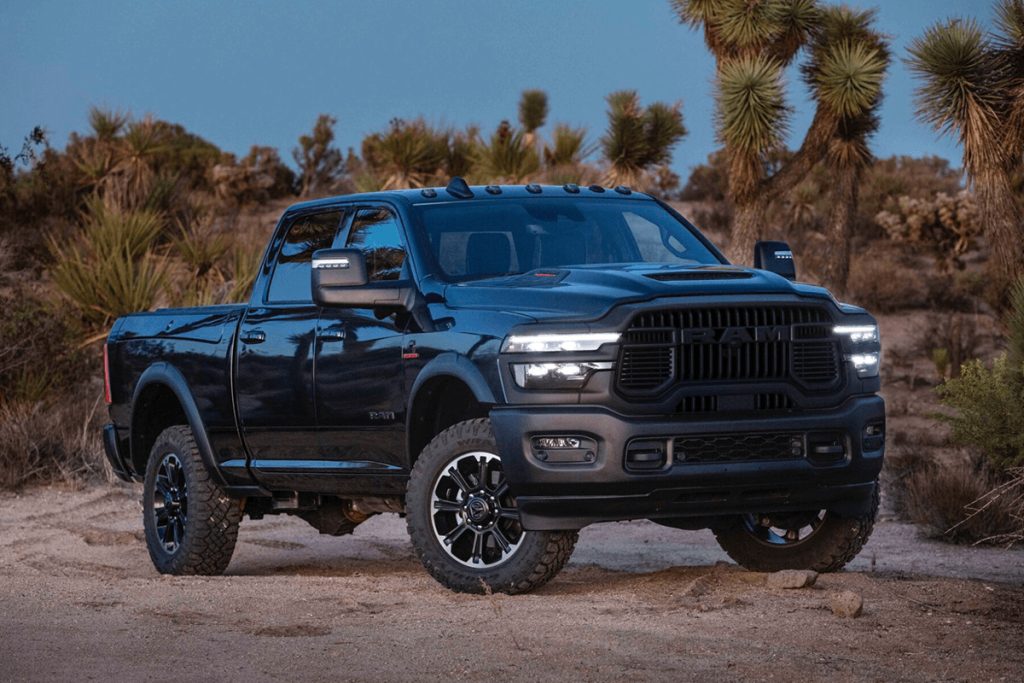
The 6.7-liter Cummins diesel used in Ram heavy-duty pickups has one of the highest documented numbers of emissions-related owner complaints in the engine comparison.
The Lemon Index’s analysis of NHTSA records identified 164 complaints mentioning the diesel particulate filter (DPF), diesel exhaust fluid (DEF), or regeneration system, representing approximately 2.1% of the 7,667 complaints associated with this engine family.
One recurring concern involves frequent DPF regeneration. The filter captures particulate matter from diesel exhaust and periodically burns accumulated soot through a process called regeneration.
When regeneration happens too frequently or cannot complete successfully, drivers may experience warning messages, increased fuel consumption, and service requirements. One NHTSA owner report cited by the analysis describes repeated regeneration cycles accompanied by a P2459 fault code.
The DEF and selective catalytic reduction (SCR) systems introduce additional potential trouble spots. Problems involving the DEF pump, injector, quality sensor, or NOx sensors can trigger emissions warnings and, under certain conditions, a countdown to reduced vehicle speed.
There is also significant manufacturer documentation involving these systems. Stellantis issued an emissions-system warranty extension covering eligible 2013-2019 Ram 2500 and 3500 pickups equipped with the 6.7-liter Cummins engine after completion of specified emissions recalls.
Covered components include DPF and SCR assemblies, NOx sensors, DEF tanks, pumps, injectors, and EGR components.
For used-truck buyers, checking completed emissions recalls and warranty eligibility is essential. A diagnostic scan and inspection of regeneration history can also reveal problems that a short test drive might miss.
2. 6.7L Power Stroke in Ford F-250 and F-350 Super Duty
147 DPF, DEF, or NOx-related complaints | 5,640 total owner complaints
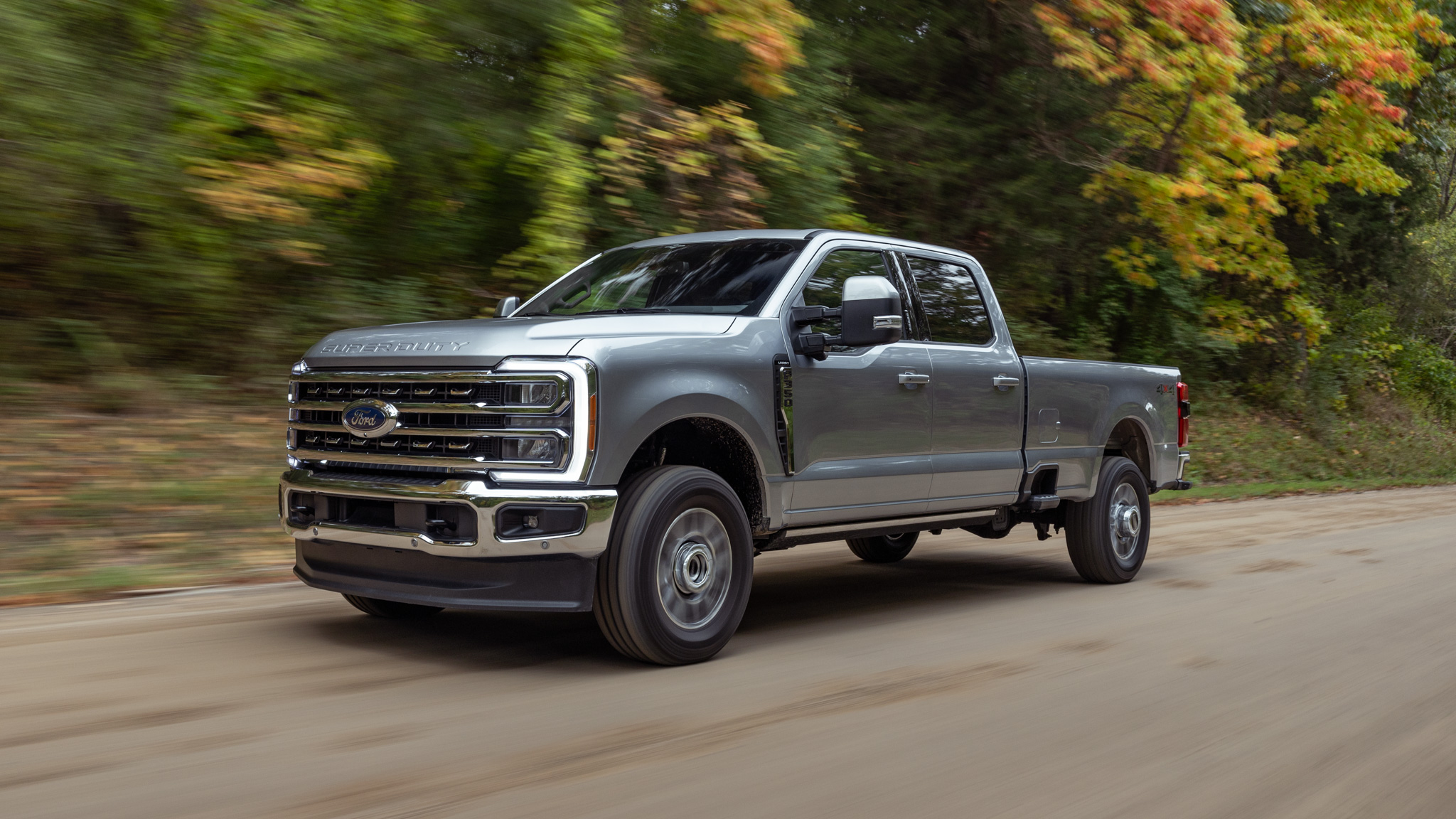
Ford’s 6.7-liter Power Stroke V8 is widely used in Super Duty pickups designed for heavy towing and commercial work. Despite its substantial performance capabilities, emissions equipment has generated a noticeable number of owner complaints.
The Lemon Index identified 147 complaints mentioning the DPF, DEF, or NOx sensor systems among 5,640 complaints associated with this engine family. That represents approximately 2.6% of the recorded complaints.
One frequently mentioned problem involves the DEF heater. Diesel exhaust fluid can freeze at relatively low temperatures, so vehicles use heating equipment to maintain proper operation in cold conditions.
If the heater or its wiring develops a fault, the truck may display emissions warnings and require repairs. An owner complaint from a 2020 Super Duty specifically describes a DEF heater failure and concerns about its wiring harness.
NOx sensors are another important part of the system. These sensors monitor nitrogen oxide levels in the exhaust and provide information used by the engine’s emissions controls. Incorrect readings can trigger warning messages or interfere with normal SCR operation.
Ford’s emissions-related service documentation also identifies NOx sensor concerns in certain vehicles. Its 2026 Customer Satisfaction Program 25M01 covers certain 2021 F-150 3.0-liter diesel models and 2020-2022 Super Duty trucks with the 6.7-liter diesel, providing for NOx sensor replacement when required after dealer evaluation.
For prospective buyers, the important checks include DEF heater operation, sensor fault codes, DPF regeneration history, and evidence of previous emissions-system repairs. A truck that has recently had its warning light cleared may still have an unresolved underlying fault.
The 147 complaints do not mean every Power Stroke engine will develop these problems. They do establish that its aftertreatment system deserves careful attention when purchasing a used Super Duty.
3. 6.6L Duramax L5P in Chevrolet Silverado 2500HD and GMC Sierra 2500HD
72 DPF, DEF, or NOx-related complaints | 1,229 total owner complaints
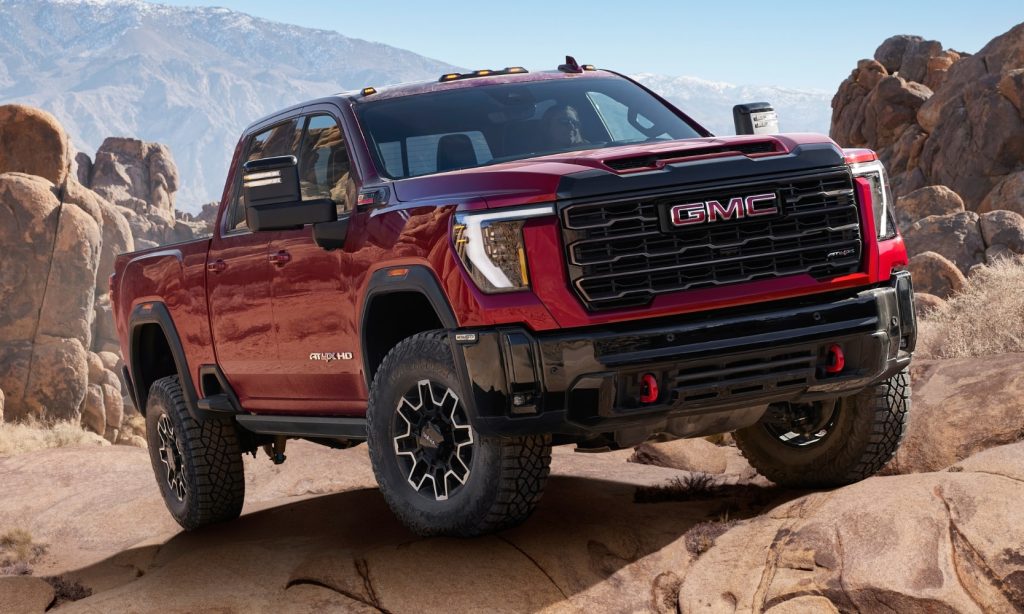
General Motors’ 6.6-liter Duramax L5P is a modern heavy-duty diesel engine found in Chevrolet and GMC HD pickups. Its emissions equipment has generated a notable number of owner reports, particularly involving diesel exhaust fluid systems.
Lemon Index’s analysis of NHTSA complaints identified 72 reports mentioning the DPF, DEF, or NOx sensor systems, representing approximately 5.9% of the 1,229 complaints associated with this engine generation.
The DEF system is the most frequently mentioned emissions-related concern in a separate analysis of 185 owner complaints. It identified 54 reports involving the DEF tank, heater, pump, sensors, or fluid-quality monitoring. Of those, 25 specifically mentioned the tank heater. Some owners also described electrical connector and wiring problems.
The DEF heater matters because the fluid must remain usable in cold conditions. If the heating equipment fails, the truck may register a fault and display emissions-system warnings. Depending on the nature of the problem and applicable control strategy, the vehicle may eventually enter a reduced-power condition.
GM’s service and recall documentation should be checked against the specific vehicle identification number. A general complaint count does not establish that every L5P has the same defect, nor does it establish that every truck qualifies for a repair program.
Used buyers should inspect the DEF tank assembly, heater wiring, NOx sensor history, and DPF regeneration records. A diagnostic scan should identify stored emissions-related trouble codes, even if the dashboard currently shows no warning.
The L5P remains a capable heavy-duty engine, but its aftertreatment equipment deserves particular attention when evaluating a used Silverado or Sierra diesel.
4. 6.6L Duramax LML in Chevrolet Silverado 2500HD and GMC Sierra 2500HD
33 DPF or DEF-related complaints | 779 total owner complaints
The 2011-2016 Duramax LML generation deserves attention from used heavy-duty truck buyers because its emissions system is a recurring subject in owner reports. Lemon Index identified 33 complaints mentioning the DPF, DEF, or regeneration system, accounting for approximately 4.2% of the 779 complaints associated with this engine generation.
The LML introduced selective catalytic reduction technology alongside the diesel particulate filter. This arrangement uses DEF to help reduce nitrogen oxide emissions, while the DPF captures soot produced during combustion. Both systems need to operate correctly for the truck to meet its emissions requirements.
One possible source of trouble is the DEF delivery system. The tank, pump, heater, injector, and associated sensors all contribute to correct fluid delivery and emissions control. A fault in one component can produce warning messages or prevent the system from completing its normal operating functions.
Another costly component to watch on the LML is the Bosch CP4.2 high-pressure fuel pump. The complaint analysis recorded 83 reports involving this part. However, these reports fall under fuel-system concerns rather than emissions-related problems. Keeping the two categories separate provides a clearer picture when evaluating the engine’s reliability.
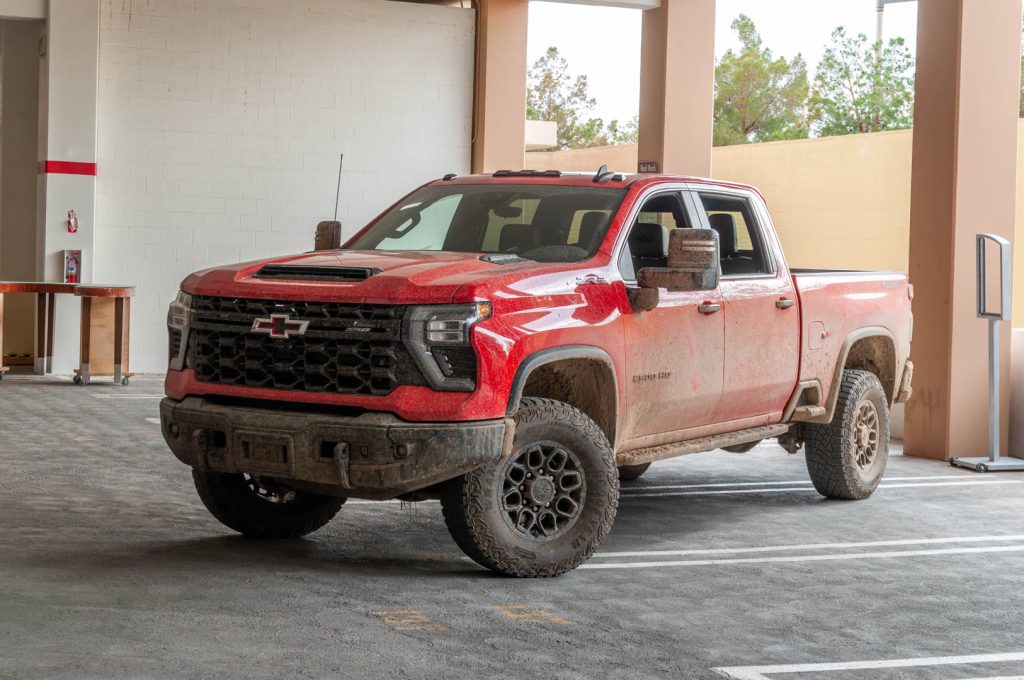
A used-truck inspection should include a scan of the emissions control modules, DEF system operation, and DPF regeneration history. Ask whether previous owners have replaced the DEF pump, tank assembly, NOx sensors, or particulate filter.
The 33 emissions-related reports do not establish a universal failure. They do show why the LML’s aftertreatment system deserves attention before purchasing a used Silverado or Sierra.
5. 6.4L Power Stroke in Ford F-250 and F-350 Super Duty
13 DPF or regeneration-related complaints | 572 total engine complaints
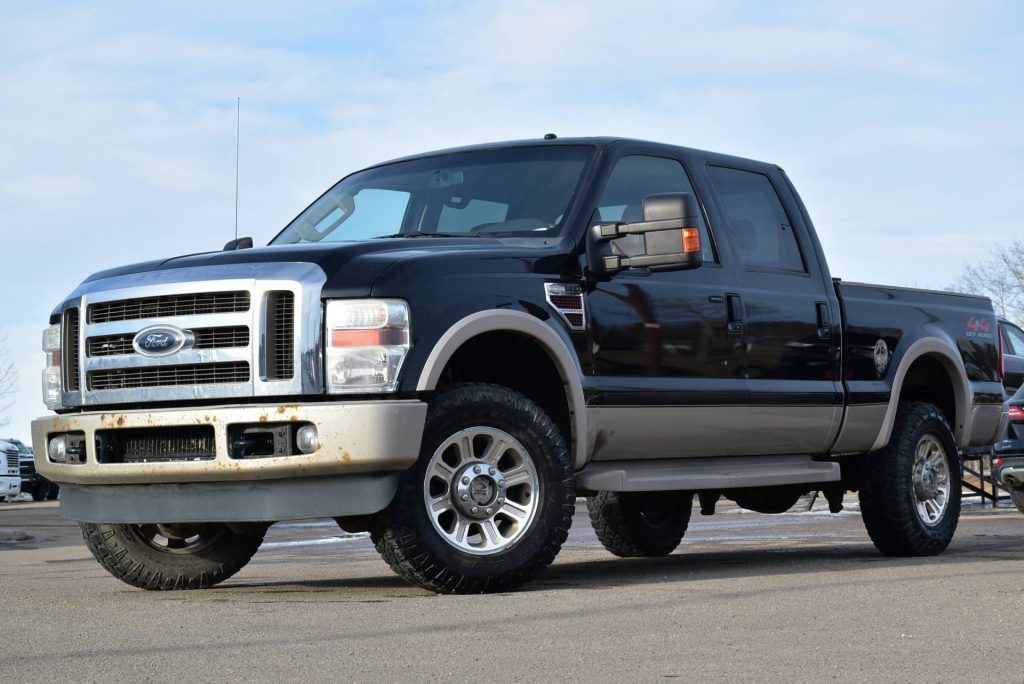
Ford’s 6.4-liter Power Stroke V8 was used in 2008-2010 Super Duty pickups and introduced a more complicated emissions-control arrangement than earlier diesel generations.
Lemon Index’s analysis of NHTSA owner reports identified 13 complaints mentioning the diesel particulate filter or regeneration system, representing approximately 2.3% of the 572 complaints associated with this engine family.
The DPF was designed to capture particulate matter from diesel exhaust and periodically remove accumulated soot through regeneration. When the process cannot complete properly, the truck may develop warning messages, increased fuel consumption, or reduced performance.
Repeated regeneration problems can also indicate an underlying issue involving sensors, exhaust temperature, fuel delivery, or the filter itself.
The 6.4-liter engine uses additional emissions equipment, including exhaust gas recirculation and diesel oxidation technology. These components work together to control pollutants, but their operation depends on correct temperatures, sensor readings, and exhaust flow.
The engine’s age makes maintenance history particularly important. Many surviving examples have accumulated substantial mileage and may have been used for towing, commercial work, or other demanding applications. Poor maintenance or previous modifications can complicate diagnosis.
A pre-purchase inspection should include a check of DPF condition, regeneration history, exhaust temperature sensors, EGR operation, and stored diagnostic codes.
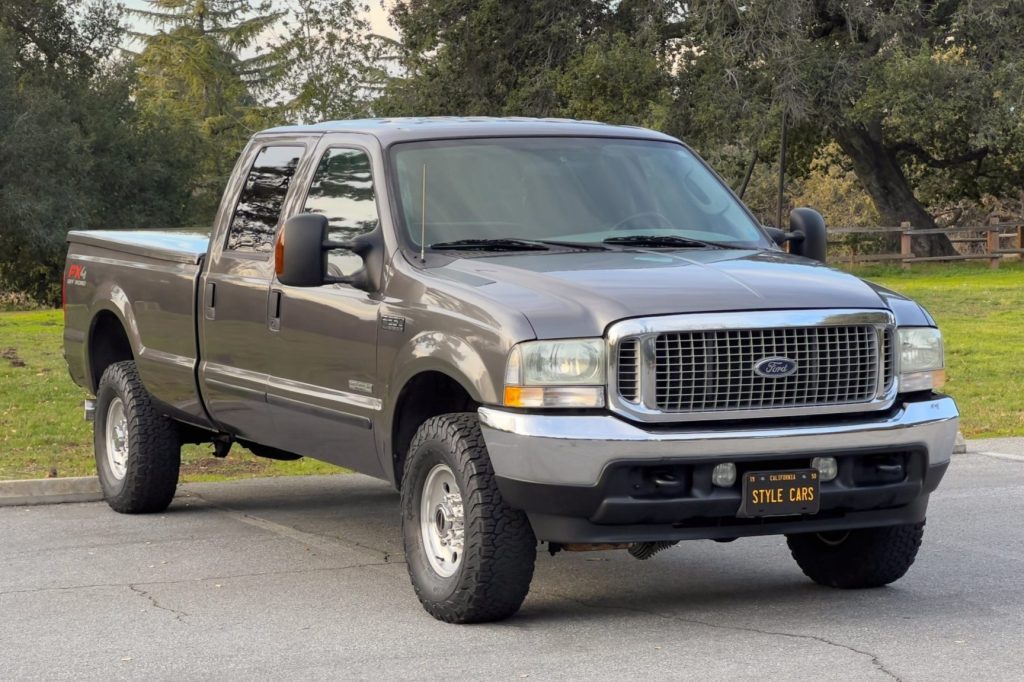
Buyers should also look for evidence of previous exhaust modifications or deleted emissions equipment. Such modifications can create legal and inspection problems under federal and state emissions laws.
The 13 complaints are not a complete measure of every DPF problem experienced by owners. They are documented reports within the dataset, not a verified failure rate. Nevertheless, they provide a useful reason to inspect the 6.4 Power Stroke’s aftertreatment equipment carefully.
6. 6.0L Power Stroke in Ford F-250 and F-350 Super Duty
150 EGR-related complaints | 1,708 total engine complaints
The 6.0-liter Power Stroke deserves a place in this discussion because its exhaust gas recirculation system has generated a notable number of owner complaints.
Lemon Index identified 150 reports mentioning the EGR valve or cooler, representing approximately 8.8% of the 1,708 complaints associated with this engine generation. This is one of the clearest emissions-related complaint patterns in the older heavy-duty diesel group.
The EGR system reduces nitrogen oxide emissions by routing a controlled amount of exhaust gas back into the engine’s intake. The EGR cooler lowers the temperature of those gases before they re-enter the combustion process.
If the cooler develops a leak or becomes restricted, the engine can experience overheating concerns, coolant loss, or other drivability problems.
The system’s condition is especially important because the 6.0-liter Power Stroke already has a complicated ownership history involving cooling and oil-system concerns. However, those other mechanical issues should not automatically be classified as emissions failures.
Used buyers should pay attention to unexplained coolant loss, white exhaust smoke, overheating, and signs of pressure developing in the cooling system. These symptoms do not independently prove an EGR cooler failure, but they justify further testing.
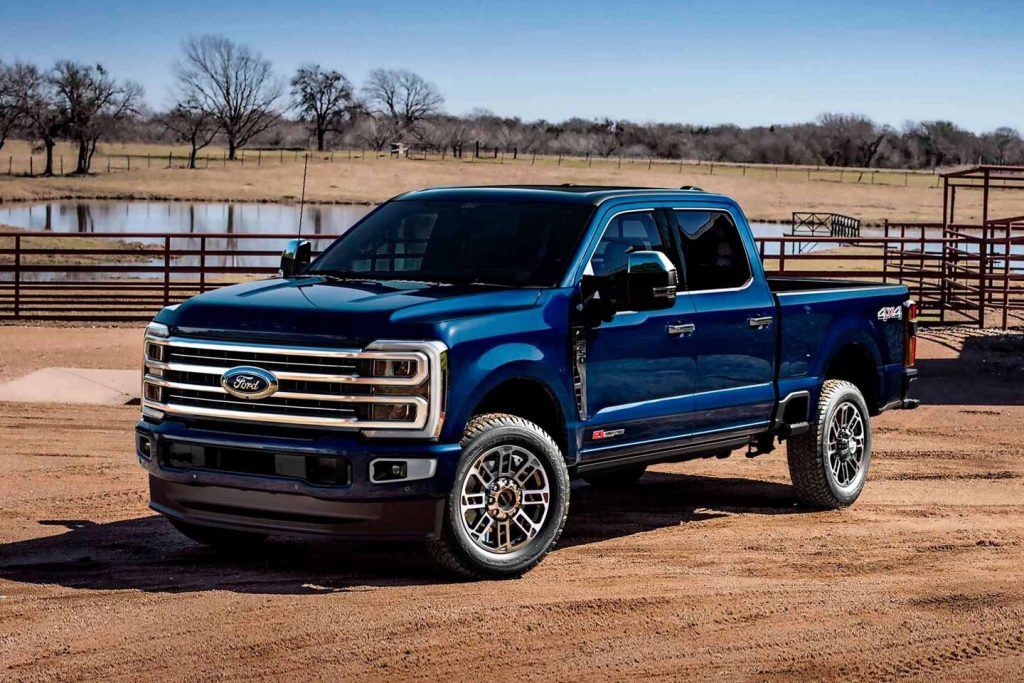
A qualified diesel technician should inspect the EGR valve and cooler, perform appropriate cooling-system pressure checks, and review stored diagnostic trouble codes. Documentation of previous EGR replacements or related repairs can also help establish whether the problem has been addressed.
The 150 reports are owner complaints, not 150 independently confirmed failed coolers. Nevertheless, the unusually high concentration makes EGR condition an important part of any pre-purchase inspection involving this engine.
7. 3.0L EcoDiesel in Ram 1500
45 DEF/SCR/NOx complaints | 30 DPF or regeneration complaints
The 3.0-liter EcoDiesel used in the Ram 1500 deserves attention because its emissions complaints involve several different components rather than one isolated part.
An analysis of 1,785 NHTSA owner complaints covering 2014-2019 EcoDiesel pickups identified 45 reports mentioning DEF, SCR, or NOx sensors and another 30 mentioning the DPF or regeneration system. The analysis also identified 146 EGR valve or cooler complaints.
These systems perform different jobs. The EGR system helps control nitrogen oxide formation during combustion, while the DPF captures soot from exhaust gases. The DEF-based SCR system treats exhaust downstream to reduce nitrogen oxide emissions. A fault in any of these areas can produce warning lights and require specialist diagnosis.
The EGR system is particularly important when evaluating this engine. The complaint analysis found that 146 reports mentioned the EGR valve or cooler, approximately 8% of the total. A malfunctioning cooler can affect coolant circulation and engine operation, while EGR valve problems can interfere with the correct flow of recirculated exhaust gases.
Ram also issued recalls and service campaigns involving certain EcoDiesel vehicles. Buyers should check the exact VIN through NHTSA and Stellantis rather than assuming every 2014-2019 truck received the same repairs.
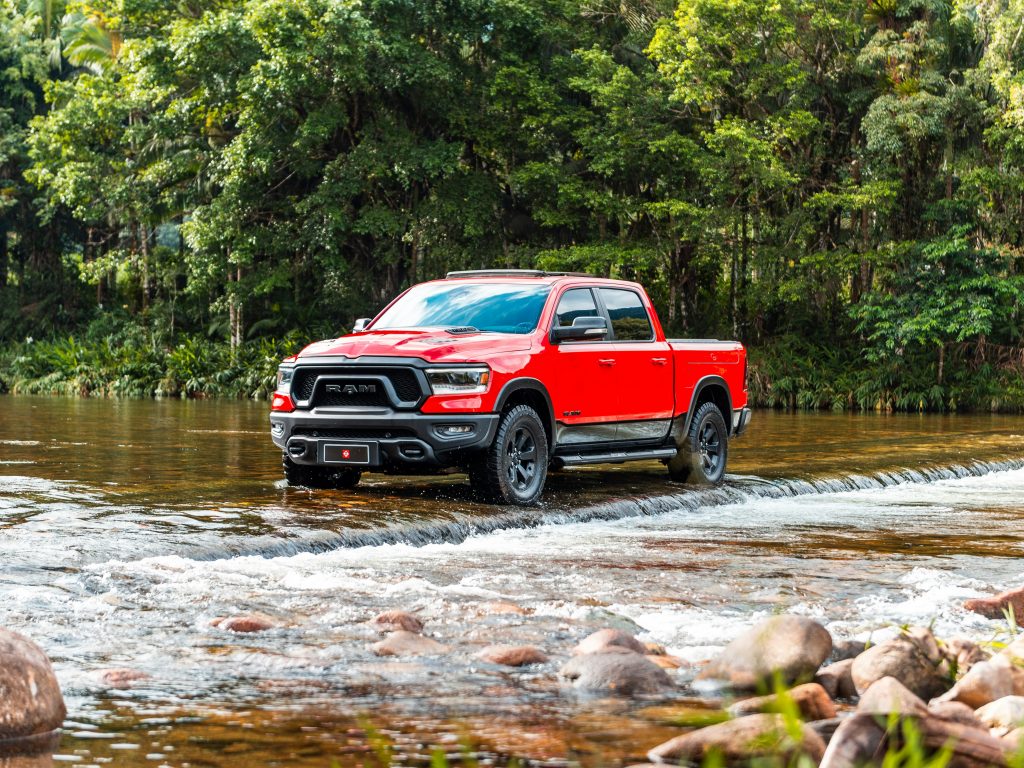
During an inspection, ask for evidence of EGR-related work, DEF system repairs, DPF replacement, and completed recall procedures. The technician should also review emissions-related diagnostic codes and confirm that the truck’s original emissions equipment remains installed.
These figures are complaint counts, not confirmed failures or a comparison of failure rates. Nevertheless, they make the EcoDiesel an engine worth examining carefully before purchasing a used Ram 1500.
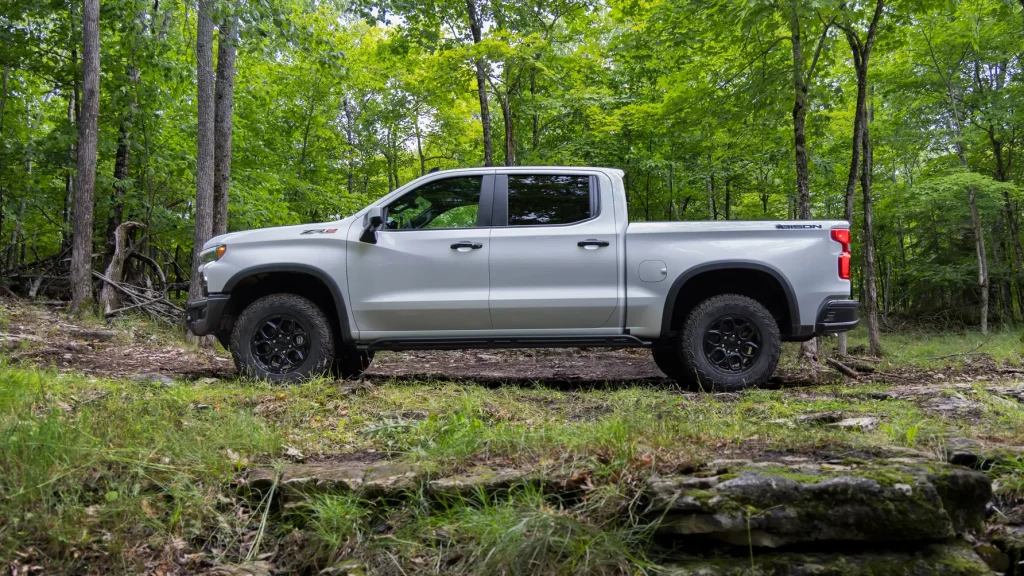
8. 3.0L Duramax LM2 and LZ0 in Chevrolet Silverado 1500 and GMC Sierra 1500
68 DEF/SCR/NOx complaints | 12 DPF or regeneration complaints
General Motors’ 3.0-liter Duramax diesel provides a smaller-displacement alternative to the larger engines found in heavy-duty pickups. However, its emissions equipment has also generated owner reports.
An analysis covering 2020-2026 LM2 and LZ0 engines identified 68 complaints mentioning DEF, SCR, or NOx sensors and 12 mentioning the DPF or regeneration system, among 1,190 total complaints.
The DEF-related reports represent the most significant emissions category in this dataset. The SCR system injects diesel exhaust fluid into the exhaust stream to reduce nitrogen oxide emissions. Its operation depends on accurate sensor readings, correct fluid delivery, and properly functioning electronic controls.
The DPF has a separate responsibility. It collects soot and periodically performs regeneration to remove accumulated particulate matter. Frequent incomplete regeneration can trigger warnings and require additional diagnosis.
One important distinction is that the LM2 and LZ0 are different generations of the 3.0-liter Duramax. Their equipment and specifications are not identical, so a repair history for one should not automatically be applied to the other.
Used buyers should request a scan of the emissions control system and inspect previous service records for DEF tank, sensor, injector, and DPF work. It is also sensible to ask whether any software updates or manufacturer service procedures have been completed.
A low complaint count does not guarantee trouble-free ownership, just as a higher count does not prove that every truck will fail. The 68 DEF/SCR/NOx reports simply make this system an important inspection point.
For shoppers considering a diesel half-ton pickup, the 3.0-liter Duramax can offer an appealing balance of towing ability and highway efficiency, provided its emissions equipment has been properly maintained.
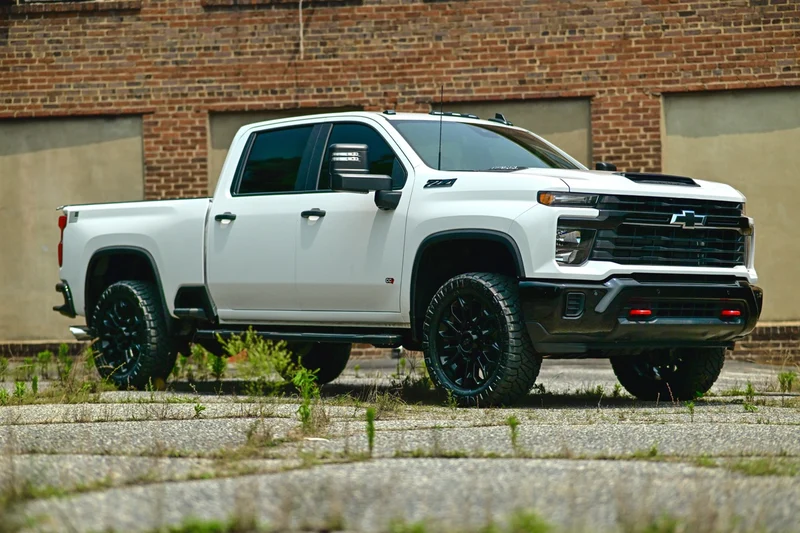
9. 6.6L Duramax LMM in Chevrolet Silverado 2500HD and GMC Sierra 2500HD
2% DPF-related complaint share | 283 total owner complaints
The 2007-2010 Duramax LMM is an older heavy-duty diesel generation that introduced a diesel particulate filter to the Silverado and Sierra HD lineup. Its emissions-related complaint numbers are lower than those of several newer engines, but the available records still identify DPF and regeneration concerns.
An analysis of 283 owner complaints associated with the combined LB7-LMM group found that approximately 2% mentioned the DPF or regeneration system.
The LMM’s emissions equipment includes an exhaust gas recirculation system, diesel oxidation catalyst, and DPF. The filter captures soot particles and periodically burns accumulated material through regeneration.
When this process is interrupted repeatedly, the truck may experience warning messages, increased exhaust backpressure, or reduced performance.
It is important to distinguish the LMM from earlier Duramax engines. The LB7 and LLY generations predate the LMM’s DPF arrangement, so their emissions equipment and potential failure points are different. The combined complaint figure should not be treated as an LMM-only DPF failure count.
For used buyers, the DPF’s condition and service history deserve particular attention. Ask whether the filter has been cleaned or replaced and whether the truck has experienced repeated regeneration warnings. A diagnostic scan can also help identify stored exhaust-pressure and temperature-sensor faults.
Inspect the exhaust for evidence of unauthorized modifications. Removing or disabling factory emissions equipment can violate federal law and create problems with state inspection requirements.
The available 2% figure is a share of owner complaints, not the percentage of trucks that have suffered DPF failure. The LMM should therefore be evaluated using its actual maintenance history, mileage, and diagnostic condition rather than a generalized reliability label.
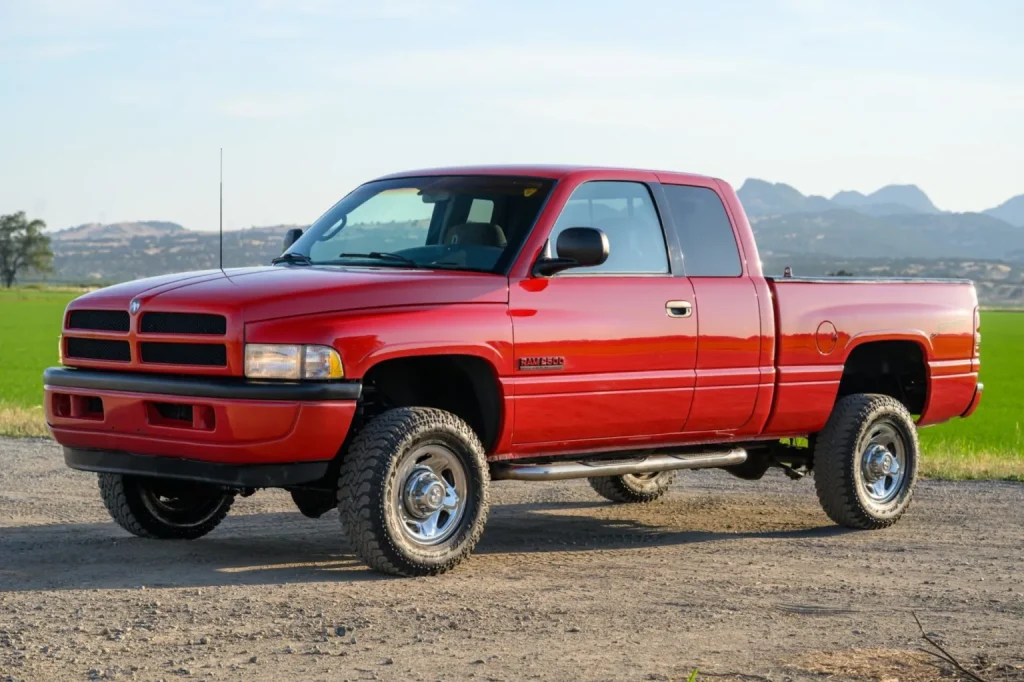
10. 5.9L Cummins in Dodge Ram 2500 and 3500
1% DPF-related complaint share | 3,245 total owner complaints
The 5.9-liter Cummins rounds out the list, although it comes with an important distinction. Emissions-related complaints make up a relatively small portion of its reported issues, largely because most versions were produced before newer diesel trucks adopted modern DEF and SCR systems.
Lemon Index’s analysis of 3,245 owner complaints identified approximately 1% mentioning the DPF or regeneration system. This is a much smaller share than the figures reported for several later diesel generations.
The 5.9-liter Cummins was used across multiple generations of Dodge Ram heavy-duty pickups. Its earlier versions relied on a different emissions-control arrangement from the newer 6.7-liter engines. The later 2007 model-year trucks introduced more advanced emissions equipment, including a diesel particulate filter on applicable configurations.
That distinction matters when purchasing a used example. A 2004 truck and a 2007 truck should not be assumed to have identical exhaust systems simply because they share the same basic engine displacement.
On applicable later models, DPF condition and regeneration history should be checked. Look for warning messages, evidence of repeated incomplete regeneration, exhaust leaks, and stored sensor-related diagnostic codes.
The 5.9-liter engine also has other commonly discussed ownership concerns, including fuel-system and injector issues. However, those are separate mechanical categories and should not be counted as emissions-system failures. The complaint analysis identifies fuel-system concerns in approximately 7% of reports, while the DPF-related share is approximately 1%.
For buyers, the strongest approach is to identify the exact engine year and emissions configuration before arranging an inspection. Ask for maintenance invoices and verify that the factory emissions equipment remains intact.
The relatively low DPF complaint share does not prove that the 5.9 Cummins is failure-proof. It simply shows that emissions-related reports represent a smaller portion of its documented owner complaints.