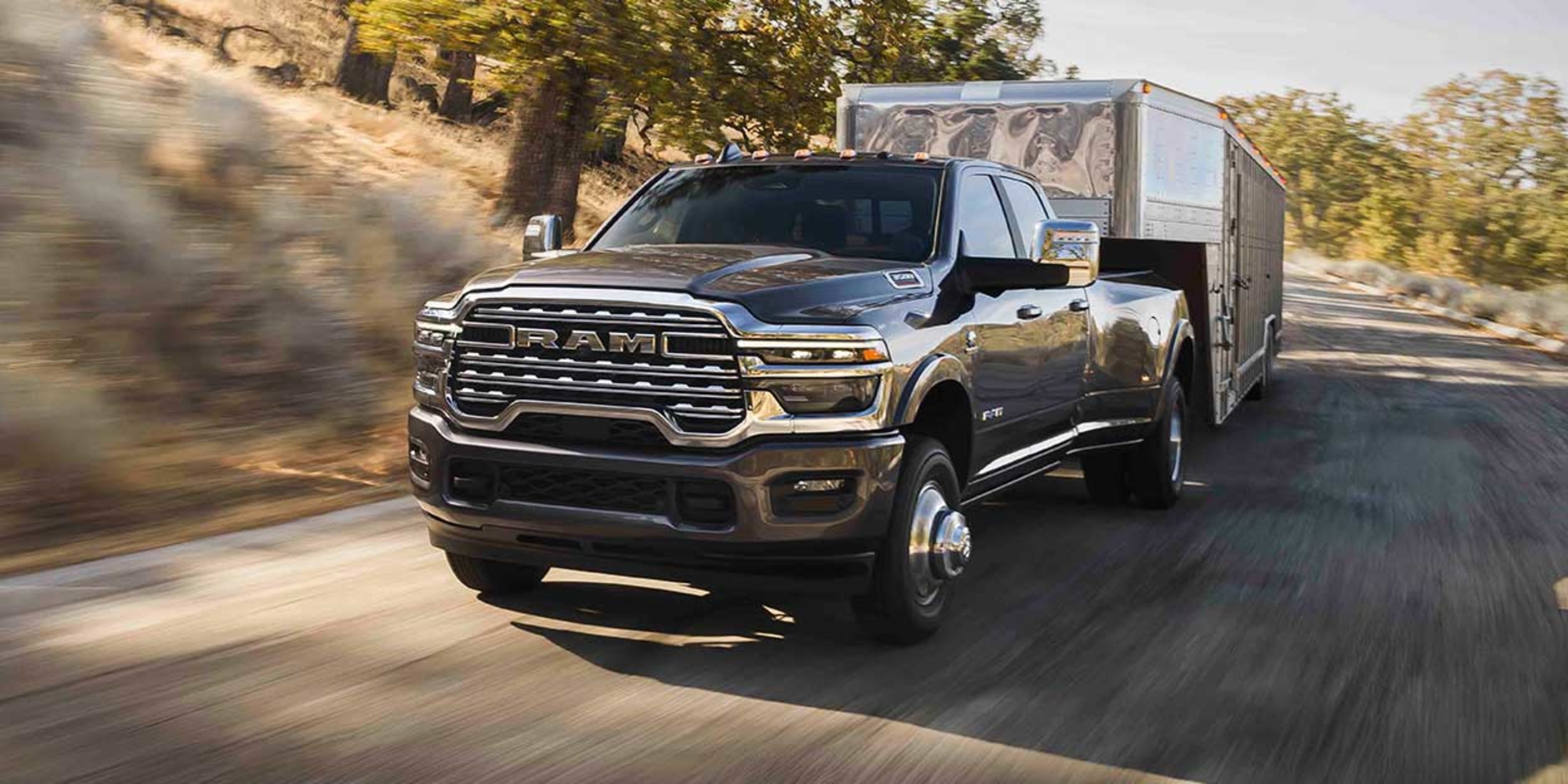
Some pickup trucks and commercial vehicles are taking considerably longer to sell than others in the United States, creating potential negotiating opportunities for buyers. High dealership inventory does not necessarily mean a truck is unreliable or unpopular, but it can indicate that supply is outpacing recent customer demand.
CarEdge’s October 27, 2026, inventory snapshot identifies several models with more than 150 days of supply, including heavy-duty pickups and commercial vehicles.
The following list focuses on vehicles with unusually high inventory relative to recent sales, rather than suggesting that American buyers have completely abandoned these trucks.
1. Jeep Gladiator
210 days of supply | 14,693 listed | 3,151 sold in 45 days
The Jeep Gladiator is facing one of the more noticeable inventory challenges in the American pickup market. CarEdge’s October 27, 2026, national inventory snapshot recorded 210 days of supply, with 14,693 vehicles available at dealerships and 3,151 sold during the previous 45 days.
That is a substantial amount of inventory compared with its recent sales pace, making the Gladiator one of the more negotiable pickups in the current market.
Part of the challenge may come from its specialized design. Unlike conventional midsize pickups, the Gladiator combines a removable-roof, open-air experience with a traditional truck bed.
That combination appeals to off-road enthusiasts, but it is not necessarily what every pickup buyer wants. Customers prioritizing towing, payload, fuel economy, or everyday comfort may prefer a more conventional alternative.
The 2026 Gladiator uses a 3.6-liter Pentastar V6 producing 285 horsepower and 260 lb-ft of torque, paired with an eight-speed automatic transmission.
The Jeep lists a starting MSRP of $39,820 for the Sport before its $1,995 destination charge. Depending on configuration, the maximum towing capacity reaches 7,700 pounds, while the maximum payload reaches 1,720 pounds.
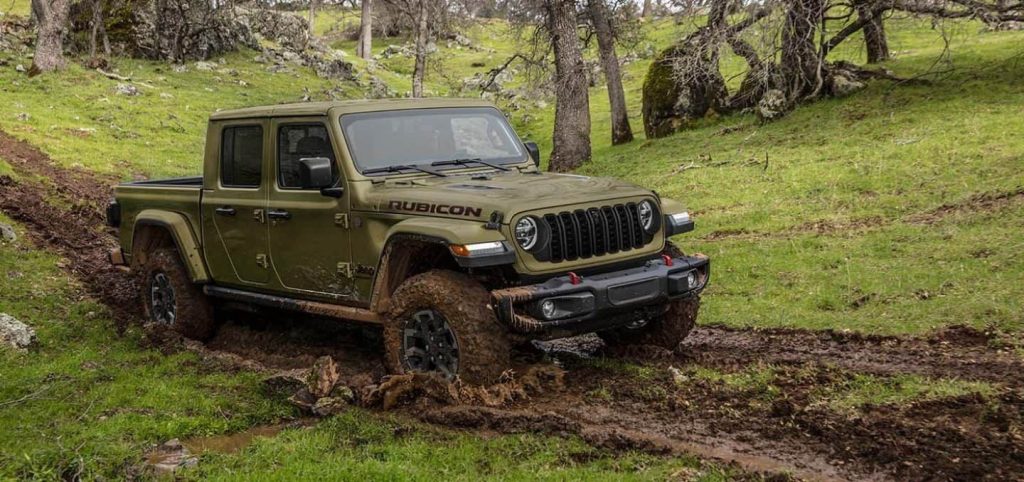
Its inventory position is worth watching because the October data also shows supply increasing from 200 days on October 1 to 210 days on October 27. That upward movement suggests dealerships were accumulating stock faster than recent sales could clear it.
A prospective buyer should compare Sport, Willys, Rubicon, and Mojave configurations carefully. Not every trim serves the same purpose, and a discounted off-road package is not automatically the best everyday pickup.
2. Ram 2500
187 days of supply | 31,000 listed | 7,464 sold in 45 days
Heavy-duty pickups are designed for demanding work, but their high purchase prices can narrow the pool of potential customers. The 2026 Ram 2500 is an example of a capable truck carrying substantial dealership inventory.
CarEdge recorded 187 days of supply in its October 27, 2026 snapshot, with 31,000 vehicles listed and 7,464 sold during the preceding 45 days.
These figures do not suggest that American buyers have abandoned heavy-duty trucks. Instead, they show that the available inventory is large relative to the recent sales rate. The distinction matters because commercial operators and private owners often purchase these vehicles according to specific towing, payload, and equipment requirements.
Ram offers the 2026 2500 with a 6.4-liter HEMI V8 producing 405 horsepower and 429 lb-ft of torque. Buyers can also choose the available 6.7-liter High-Output Cummins turbo-diesel inline-six, which produces 430 horsepower and 1,075 lb-ft of torque. The maximum listed towing capacity reaches 20,000 pounds, depending on configuration.
The diesel version is particularly attractive to customers who regularly pull heavy equipment trailers or large recreational vehicles. However, the gasoline engine may be more economical for owners who do not frequently use the truck’s maximum towing capability.
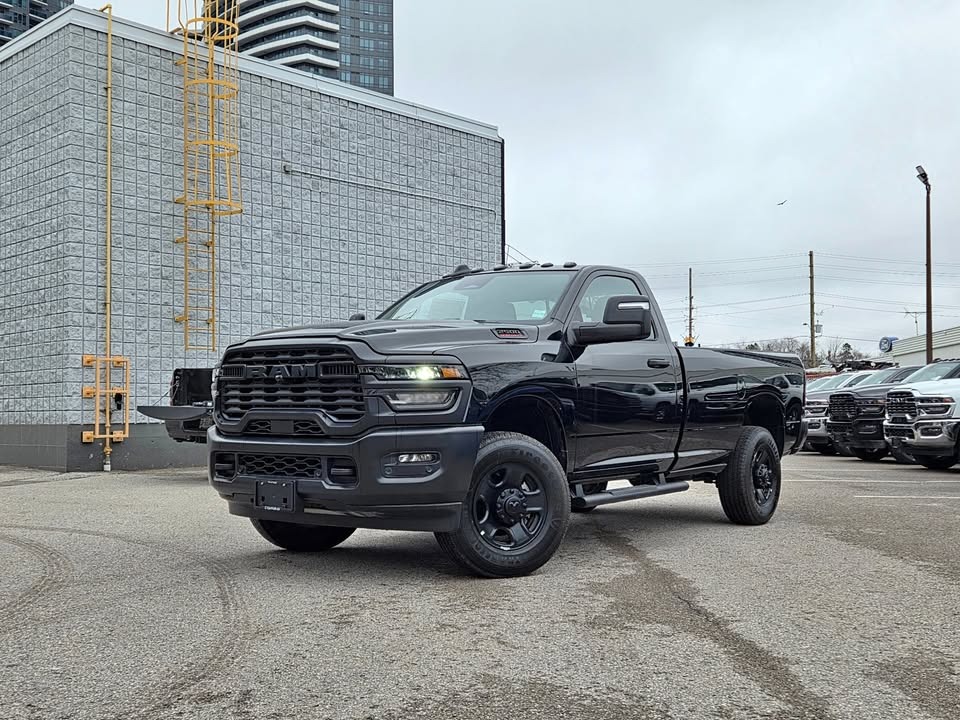
There is also a pricing consideration. A heavily equipped Laramie or Limited can cost considerably more than a basic Tradesman, so comparing average prices without considering trim differences can produce misleading conclusions.
With more than 31,000 examples listed nationally, buyers have a reason to request competing dealer quotations. Ask about aged inventory, manufacturer incentives, and the exact truck’s towing configuration before negotiating. A high inventory figure creates an opportunity, not a guaranteed discount.
3. Ram 3500
185 days of supply | 15,093 listed | 3,663 sold in 45 days
The Ram 3500 sits in an especially demanding corner of the pickup market. It is built for customers who need serious towing and hauling capability, but that specialization also means it does not appeal to the average truck shopper.
CarEdge’s October 27, 2026, inventory report recorded 185 days of supply, with 15,093 examples listed at dealerships and 3,663 sold during the preceding 45 days.
One reason buyers may hesitate is the financial commitment involved. Heavy-duty trucks can become expensive once buyers add diesel power, dual rear wheels, larger cabs, towing equipment, and premium interior packages.
Someone who only needs a pickup for commuting or occasional home improvement projects may find a midsize or half-ton truck considerably more practical.
The 2026 Ram 3500 offers two principal engine choices. Its 6.4-liter HEMI V8 produces 405 horsepower and 429 lb-ft of torque, while the available high-output 6.7-liter Cummins turbo-diesel generates 430 horsepower and 1,075 lb-ft. Ram lists maximum towing capacity at 36,610 pounds and maximum payload at 7,590 pounds, depending on configuration.
Those figures make the truck relevant to commercial operators, agricultural businesses, and recreational vehicle owners who regularly move extremely heavy loads. However, maximum ratings are configuration-specific.
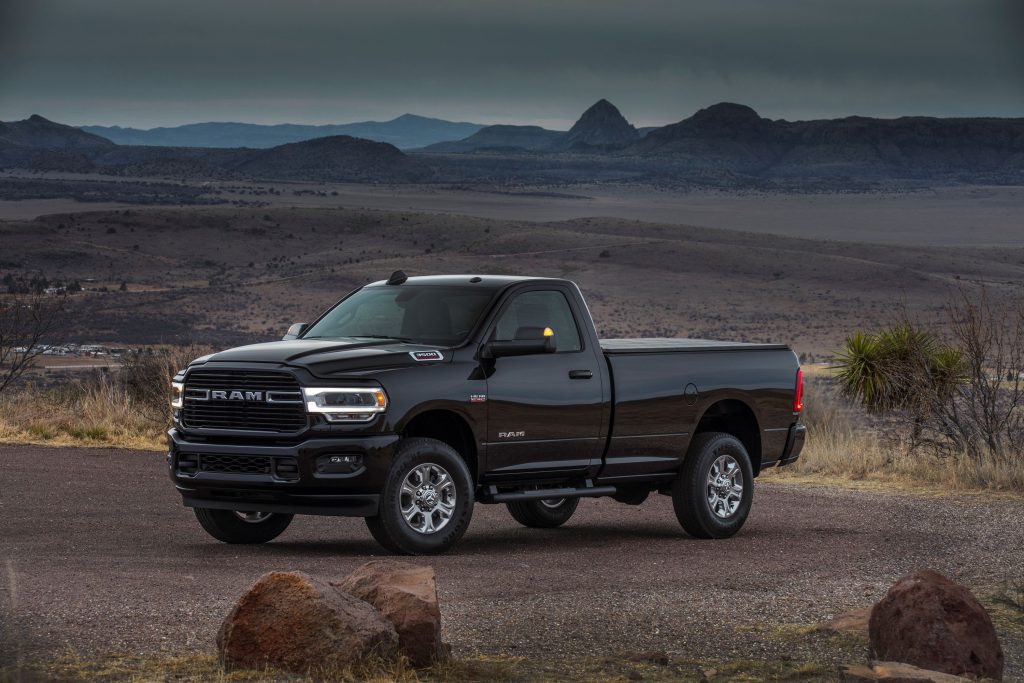
Buyers must check the door-jamb payload label, axle configuration, hitch equipment, and trailer ratings rather than relying on the highest advertised number.
The inventory situation also gives prospective customers an opportunity to compare different cab and bed combinations. A dealer holding a dual-rear-wheel model may be more interested in moving it than a dealership with strong local demand for that configuration.
Ask for the complete selling price and compare diesel maintenance, insurance, and fuel costs before purchasing.
4. Ram 1500
170 days of supply | 86,527 listed | 22,892 sold in 45 days
Unlike its heavy-duty siblings, the Ram 1500 competes in America’s mainstream full-size pickup segment. It sells in considerably greater numbers, yet its inventory position suggests that dealerships still have plenty of trucks to move.
CarEdge recorded 170 days of supply on October 27, 2026, with 86,527 vehicles listed and 22,892 sold during the previous 45 days. Supply had also increased from 156 days at the beginning of October.
That increase is worth noting because the Ram 1500 is not a low-volume specialty vehicle. It competes directly with the Ford F-150, Chevrolet Silverado 1500, and GMC Sierra 1500. Buyers in this segment often compare monthly payments, towing capability, cabin comfort, and available technology before making a decision.
When dealerships have a large number of similar vehicles available, price becomes an important competitive factor.
The 2026 lineup includes the 3.6-liter Pentastar V6 with eTorque and two versions of the 3.0-liter Hurricane twin-turbocharged inline-six.
The standard-output Hurricane produces 420 horsepower and 469 lb-ft of torque, while the high-output version delivers 540 horsepower and 521 lb-ft. An eight-speed automatic transmission is standard across the lineup.
Ram offers multiple trims, including Tradesman, Big Horn, Laramie, Limited, and performance-oriented configurations. That variety can make inventory comparisons confusing. A lower-priced Tradesman should not be compared directly with a fully equipped Limited without accounting for the differences in equipment.
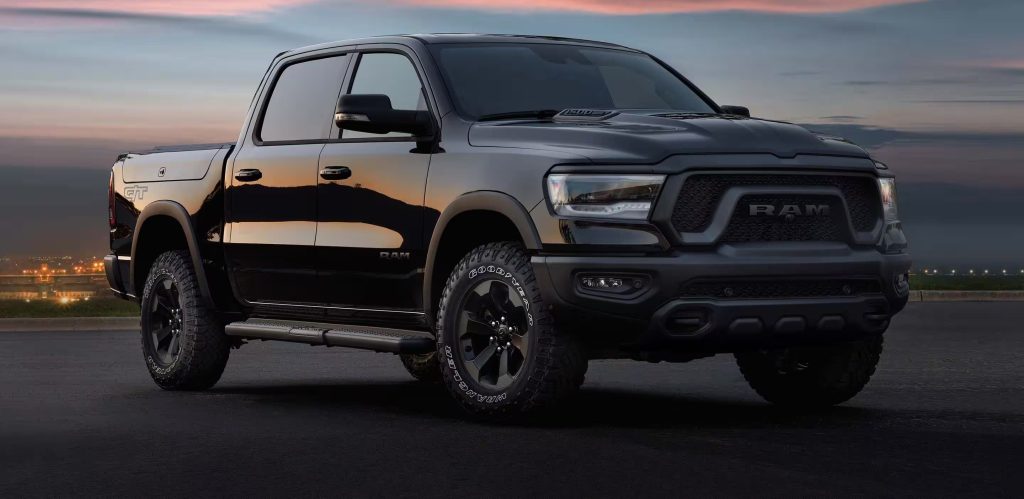
For buyers, the 170-day supply provides a strong reason to collect several written offers. Ask dealerships about vehicles already on their lots, particularly configurations with unpopular color or equipment combinations.
The objective should be a competitive transaction price, not simply the largest advertised rebate.
5. GMC Sierra 1500
104 days of supply | 53,625 listed | 23,118 sold in 45 days
The GMC Sierra 1500 is not experiencing the same extreme inventory imbalance as some heavy-duty pickups, but its dealership supply is still worth watching. CarEdge’s October 27, 2026, national snapshot recorded 104 days of supply, with 53,625 vehicles listed and 23,118 sold during the previous 45 days.
This places it above the commonly used 90-day benchmark for identifying vehicles with relatively generous inventory.
The Sierra competes in one of America’s most important vehicle categories, where buyers frequently compare it with the Ford F-150 and Chevrolet Silverado. Its challenge is not a lack of capability.
Rather, customers have several closely matched alternatives, and a dealership carrying numerous similar configurations may need to offer competitive pricing to secure a sale.
The 2026 Sierra 1500 offers several engine choices, including a 2.7-liter TurboMax four-cylinder producing 310 horsepower and 430 lb-ft of torque, a 5.3-liter V8 producing 355 horsepower and 383 lb-ft, and a 6.2-liter V8 delivering 420 horsepower and 460 lb-ft. An available 3.0-liter Duramax turbo-diesel produces 305 horsepower and 495 lb-ft.
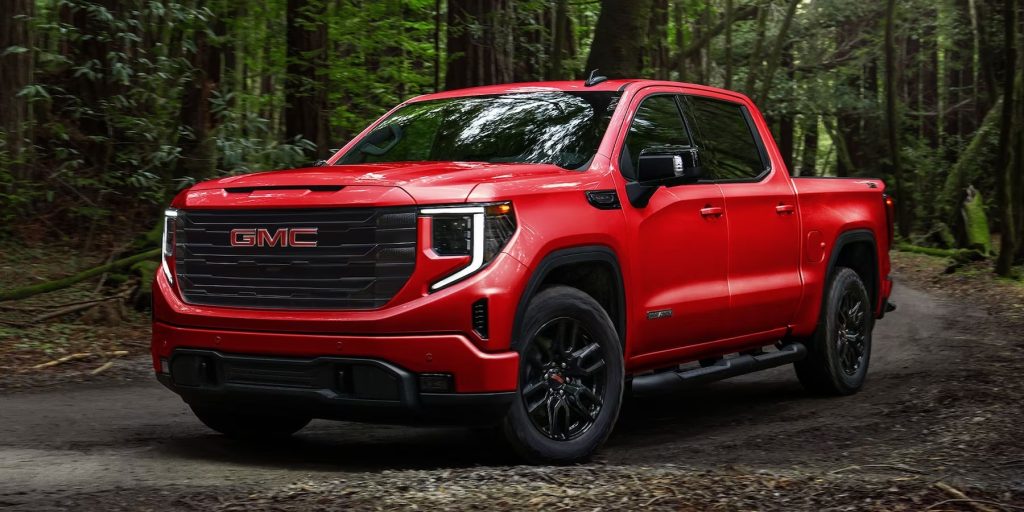
Its trim range is another factor buyers should consider. The Pro is aimed at practical work use, while SLT, AT4, Denali, and Denali Ultimate configurations add progressively more comfort, technology, and specialized equipment.
A buyer interested in a premium pickup should compare the Denali against a similarly equipped Silverado High Country. Meanwhile, customers who primarily need a dependable work truck may find better value in the Pro or SLE.
The 104-day supply does not indicate a collapsing market, but it gives customers a reasonable opportunity to negotiate. Compare written out-the-door quotations rather than accepting the first advertised monthly payment.
6. Chevrolet Silverado 1500
100 days of supply | 80,860 listed | 36,439 sold in 45 days
Few vehicles are as important to the American pickup market as the Chevrolet Silverado 1500. It remains a high-volume truck, yet its substantial dealership inventory provides buyers with more choices than they may find in tighter-supply segments.
CarEdge recorded 100 days of supply on October 27, 2026, with 80,860 vehicles listed and 36,439 sold during the previous 45 days.
The Silverado’s inventory position is particularly interesting because its supply increased from 92 days on October 1. That eight-day increase suggests dealerships had accumulated additional inventory relative to the recent sales pace. It does not mean the truck is unpopular, but it does give shoppers a reason to compare prices across competing Chevrolet locations.
Chevrolet offers the 2026 pickup with multiple powertrains. The available 2.7-liter TurboMax produces 310 horsepower and 430 lb-ft of torque, while the 5.3-liter EcoTec3 V8 generates 355 horsepower and 383 lb-ft.
Buyers seeking more performance can select the 6.2-liter V8, which produces 420 horsepower and 460 lb-ft. The available 3.0-liter Duramax diesel develops 305 horsepower and 495 lb-ft.
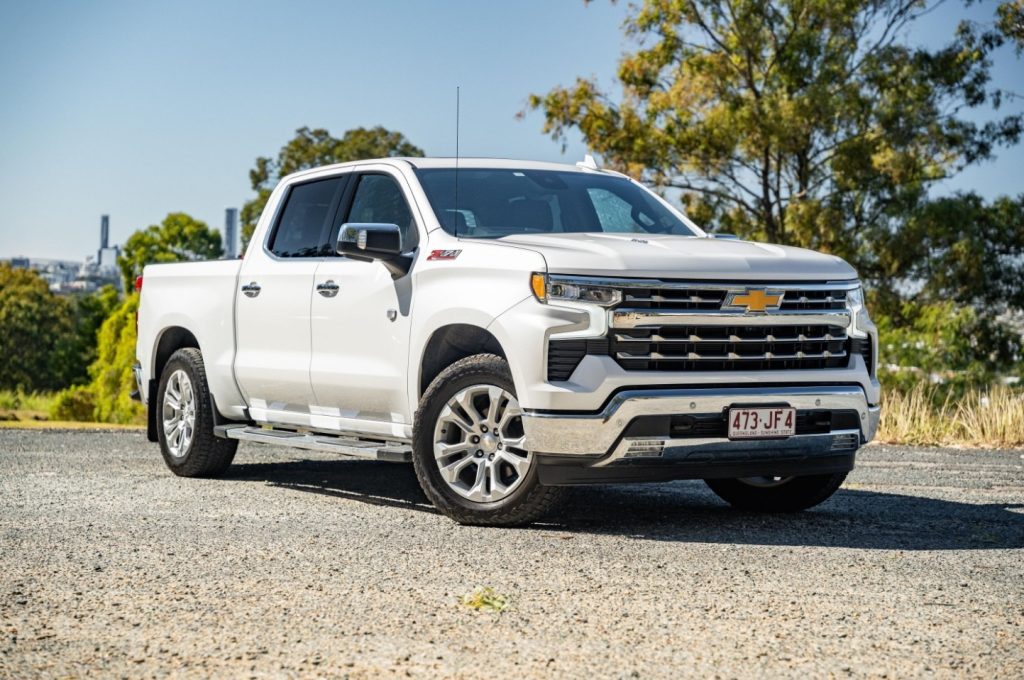
The Silverado also provides a wide selection of cab styles, bed lengths, and trim levels. Work Truck and Custom models serve customers prioritizing practical utility, whereas LTZ and High Country versions offer a more luxurious driving experience.
One useful strategy is to compare identical engine and cab combinations across dealerships. A lower-priced truck may have fewer towing features or a different axle ratio, making it an unsuitable comparison.
With more than 80,000 listings in the national snapshot, buyers should not feel pressured to accept an average deal. Request a written quotation and negotiate dealer-installed accessories separately.
7. Ford F-150
96 days of supply | 90,356 listed | 42,177 sold in 45 days
The Ford F-150 has one of the largest dealership inventories in the country, although its sales volume remains considerably higher than that of many competing pickups.
CarEdge’s October 27, 2026 snapshot counted 90,356 vehicles on dealer lots, with 42,177 sold during the previous 45 days. That translated into 96 days of supply, up from 81 days at the beginning of October.
This is an important distinction. The F-150 is not a truck that Americans have stopped purchasing. It remains a major seller, but dealerships are carrying enough inventory to give customers additional opportunities to compare configurations and negotiate.
Ford’s 2026 lineup includes several powertrain choices. The 2.7-liter EcoBoost V6 produces 325 horsepower and 400 lb-ft of torque, while the 5.0-liter Ti-VCT V8 delivers 400 horsepower and 410 lb-ft. The available 3.5-liter EcoBoost V6 produces 400 horsepower and 500 lb-ft. Ford also offers hybrid and high-performance Raptor configurations.
The F-150’s enormous trim selection can make purchasing decisions complicated. XL and STX models appeal to practical buyers, XLT provides a useful equipment balance, and Lariat, King Ranch, and Platinum versions target customers seeking more premium interiors. The Raptor serves a very different purpose, emphasizing high-performance off-road capability.
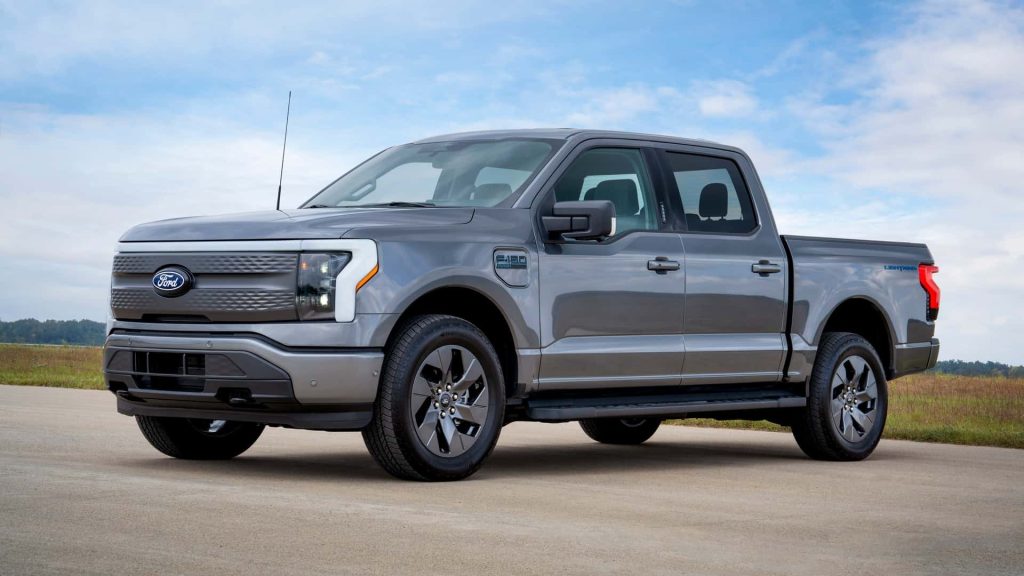
Ford’s inventory increased by 15 days of supply during October, which is a meaningful change for such a high-volume nameplate. Buyers should compare dealer stock by engine, cab, bed, and package instead of negotiating around a generic F-150 advertisement.
The best opportunity may involve a configuration that a dealership has several examples of but local buyers are overlooking. A competitive written offer is more useful than assuming every F-150 deserves the same discount.
8. Mercedes-Benz Sprinter Cab Chassis
327 days of supply | 15 sold in the previous 45 days
Commercial truck buyers looking for specialized work vehicles may find an unusual opportunity in the Mercedes-Benz Sprinter Cab Chassis.
CarEdge’s November 2026 slow-selling vehicle ranking placed the 2025-2026 model among the slowest-moving commercial vehicles in America, reporting 327 days of market supply and only 15 sales during the previous 45 days.
Its limited sales volume makes it important to interpret this figure carefully, but the inventory imbalance is still worth noting.
Unlike a conventional pickup, the Sprinter Cab Chassis is designed as a foundation for commercial body installations. Businesses can use it for applications such as delivery vehicles, utility trucks, service bodies, and specialized work equipment.
Its appeal depends heavily on the type of business purchasing it, which naturally limits its potential customer base compared with mainstream pickups.
The 2026 American-market lineup includes 3500XD and 4500 configurations. Mercedes-Benz lists a starting MSRP of $54,130 for the 3500XD and $56,660 for the 4500 in the standard-wheelbase configuration.
Both use a 2.0-liter four-cylinder high-output diesel engine producing 211 horsepower and 332 lb-ft of torque. The 3500XD offers up to 6,433 pounds of payload, while the 4500 reaches 7,506 pounds.
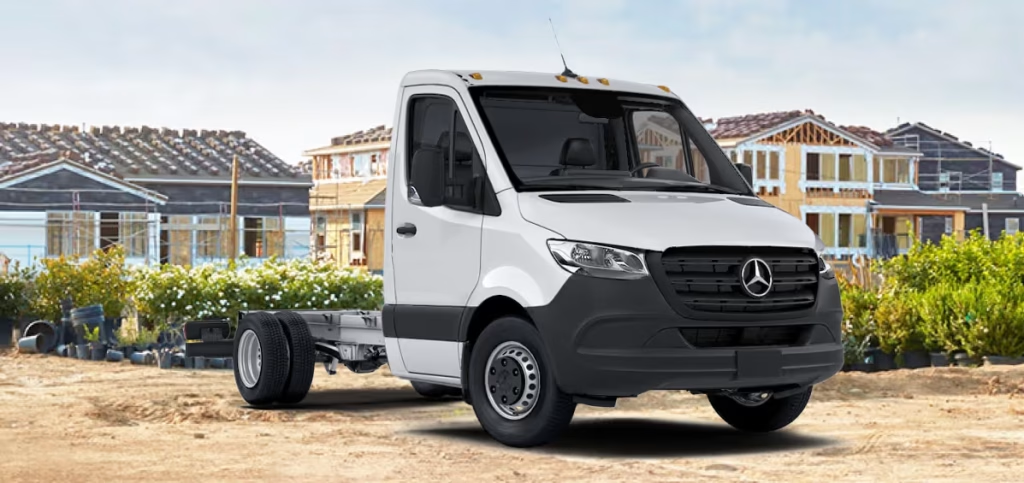
The vehicle’s specialized purpose is also the reason its inventory position should not be compared directly with an F-150 or Silverado. Buyers often need a particular wheelbase, frame rating, and body conversion, so the available stock may not match every business requirement.
For fleet managers, the useful question is whether a dealership already has the correct configuration available. Request a quotation that includes the chassis, body installation, warranty arrangements, and delivery costs.
9. Mercedes-Benz Sprinter Crew Van
206 days of supply | 156 sold in the previous 45 days
Unlike the cab-chassis model, the Sprinter Crew Van is designed for a different range of commercial applications. However, both versions cater to a more specialized group of buyers, which can limit their appeal in the broader market.
CarEdge’s October 27, 2026 national inventory ranking recorded 206 days of supply, with 156 examples sold during the previous 45 days. This placed it among the slower-selling commercial vehicles tracked in the United States.
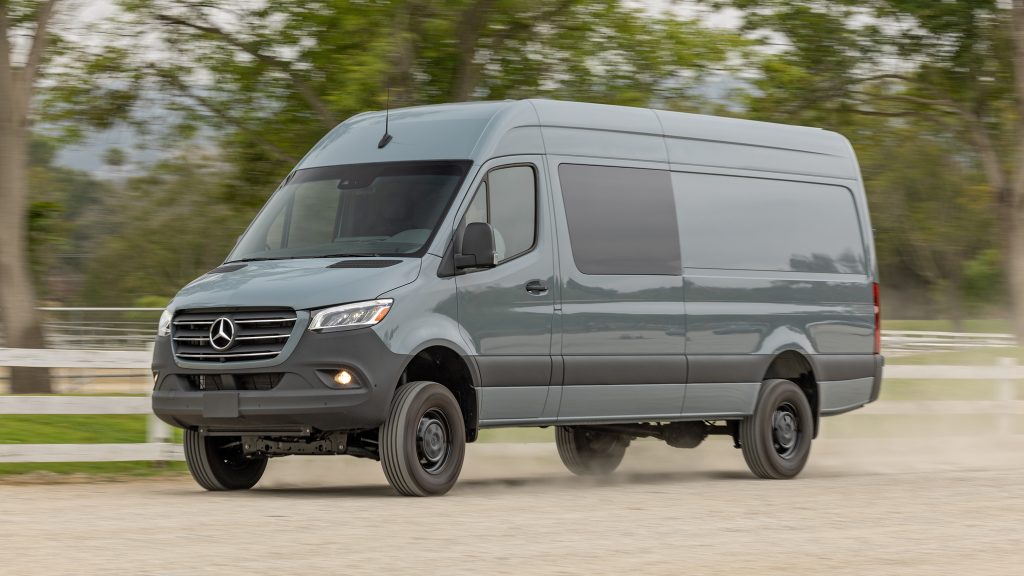
Its layout combines passenger accommodation with a cargo area, making it suitable for businesses that regularly transport both employees and equipment. Construction companies, maintenance teams, and specialist service operators may appreciate this arrangement, particularly when a conventional passenger van does not provide enough usable cargo space.
The 2026 Sprinter Crew Van is available with different wheelbase and roof configurations. Buyers can also select between gasoline and diesel powertrains depending on the model configuration. These choices affect the vehicle’s operating characteristics, carrying capacity, and suitability for particular commercial jobs.
One reason its sales numbers should be treated differently from passenger pickups is the purchasing process. A business may need to arrange specialized shelving, electrical equipment, partitions, or other modifications before the vehicle can enter service. That makes its buying cycle more complicated than simply selecting a truck from a showroom.
For businesses planning a fleet purchase, the high inventory figure may provide an opportunity to negotiate on a vehicle that already matches their requirements. Ask dealerships whether they have unsold Crew Vans with completed equipment installations or standard factory configurations available for immediate delivery.
Do not assume a high supply automatically means a major discount. Compare the chassis specification, passenger seating, cargo dimensions, payload rating, and warranty coverage before accepting an offer.
A properly configured Crew Van can be a useful business investment, but buying the wrong version simply because it carries a lower sticker price can create expensive operational problems later.
10. Ford Transit Cutaway
143 days of supply | 115 sold in the previous 45 days
The Ford Transit Cutaway rounds out this list because it highlights another part of the American commercial vehicle market where inventory can accumulate.
CarEdge’s November 2026 slow-selling vehicle ranking recorded 143 days of supply for the 2025-2027 Transit Cutaway, with 115 examples sold during the preceding 45 days. Although its inventory position is less extreme than the Sprinter Cab Chassis, it still indicates a relatively slow sales pace.
The Transit Cutaway is not designed to compete with ordinary consumer pickups. Instead, Ford provides an incomplete commercial platform that businesses can convert into box trucks, delivery vehicles, shuttle applications, and other specialized work vehicles.
Its appeal depends on the intended conversion, which can make purchasing decisions more complicated.
Ford offers the 2026 model with a 3.5-liter PFDi V6 producing 275 horsepower and 260 lb-ft of torque. Buyers can also choose a 3.5-liter EcoBoost V6 delivering 300 horsepower and 400 lb-f of torque. Both engines are paired with a 10-speed automatic transmission, and available intelligent all-wheel drive provides additional traction for suitable configurations.
The platform has a gross vehicle weight rating ranging from 9,070 to 11,000 pounds, depending on configuration. Maximum payload ranges from 4,480 to 6,452 pounds. These figures are particularly important for businesses because the completed body, equipment, passengers, and cargo all affect the usable carrying capacity.
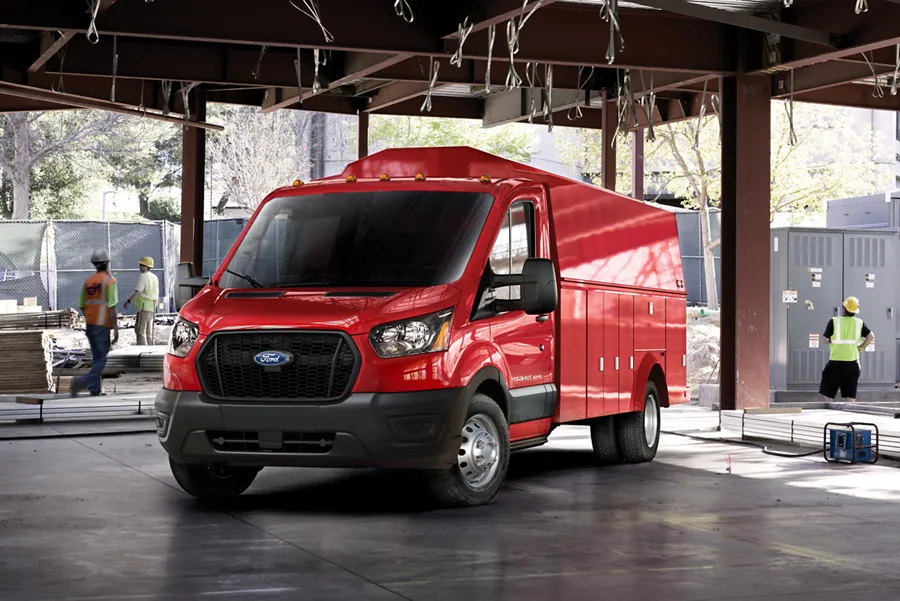
For buyers, the best opportunity may come from dealerships holding an unconverted chassis that can be configured for a specific business requirement. However, conversion expenses must be included when calculating the actual purchase cost.
Fleet managers should obtain separate quotations for the chassis and body installation, verify the final vehicle weight, and confirm that the completed vehicle meets their operational requirements. A competitive chassis price is useful only when the finished truck can perform the job it was purchased for.