
A sedan may look like a bargain on the used-car market, but a low asking price can hide expensive mechanical problems. Certain model years have developed reputations for engine failures, transmission trouble, steering issues, or excessive oil consumption.
These problems are not necessarily found in every vehicle, but documented recalls, manufacturer warranty extensions, and federal investigations can help buyers identify years that deserve extra caution.
This list highlights six U.S.-market sedan model years with verified concerns, explaining what went wrong, which versions were affected, and what buyers should inspect before making a purchase.
1. 2011 Hyundai Sonata
The 2011 Hyundai Sonata deserves caution because certain examples were affected by an engine-manufacturing problem that could lead to premature connecting-rod bearing wear. Hyundai’s recall campaign addressed excessive metal debris left behind during engine manufacturing.
If debris restricts oil flow through the connecting-rod passages, the bearings can wear prematurely. Continued driving with a damaged bearing can cause engine failure and an unexpected stall.
This was not a minor service issue. Hyundai’s recall documentation identified the possibility of metallic knocking noises that increase with engine speed, along with an illuminated check engine light. If the bearing deteriorates far enough, the engine may seize.
Hyundai also extended coverage for the affected engine short block to 10 years or 120,000 miles for qualifying 2011 and 2012 Sonatas manufactured at its Alabama facility. That coverage will expire in 2026, but the original program demonstrates the seriousness of the concern.
The important qualification is that the recall did not cover every 2011 Sonata. The campaign applied to specified vehicles equipped with the 2.0-liter turbocharged or 2.4-liter GDI gasoline engines and built at the relevant manufacturing facility.
Hybrid models were not included in that particular campaign. Buyers must therefore check the exact VIN and engine rather than relying on the model year alone.
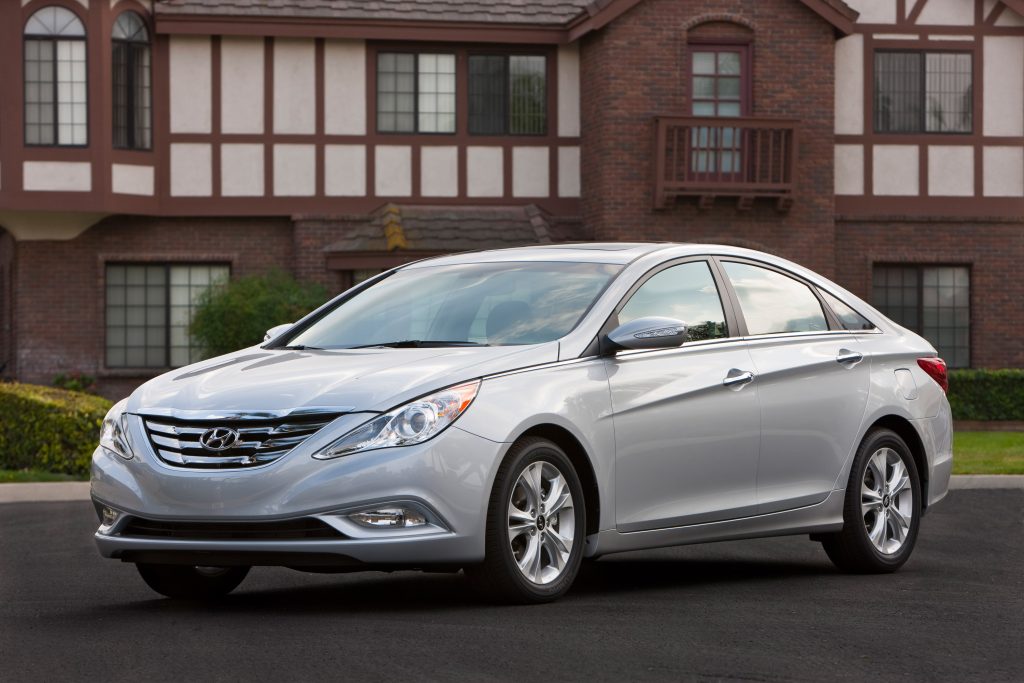
When inspecting one, listen for persistent knocking, check for warning lights, and request documentation of any engine replacement or recall repair.
A pre-purchase inspection should include a diagnostic scan and an examination of the engine’s service history. An unresolved recall or unexplained engine noise is a strong reason to avoid that specific car.
2. 2011 Kia Optima
A stylish midsize sedan can still become an expensive ownership proposition when its engine has a documented manufacturing concern.
The 2011 Kia Optima is one example. It was included in NHTSA recall 17V-224, which covered certain 2011-2014 Optima models, along with specified Kia Sorento and Sportage vehicles. The recall identified machining errors that could cause premature wear in the engine’s connecting-rod bearings.
The consequences were potentially severe. As bearing wear progresses, the engine can develop abnormal noise and eventually seize. An engine that stops operating while the car is moving can leave the driver without power, creating a crash risk.
Kia’s recall report listed approximately 618,160 vehicles across all the affected models and model years combined. That is not the number of 2011 Optimas affected, so it would be misleading to attribute the entire figure to this sedan.
Kia’s remedy involved inspecting the engine assembly and replacing it when necessary, free of charge for vehicles covered by the campaign. However, a used-car buyer in 2026 should not assume that an old recall automatically means the current engine is healthy.
Some vehicles may have received replacement engines, while others may have incomplete repair histories or subsequent mechanical problems.
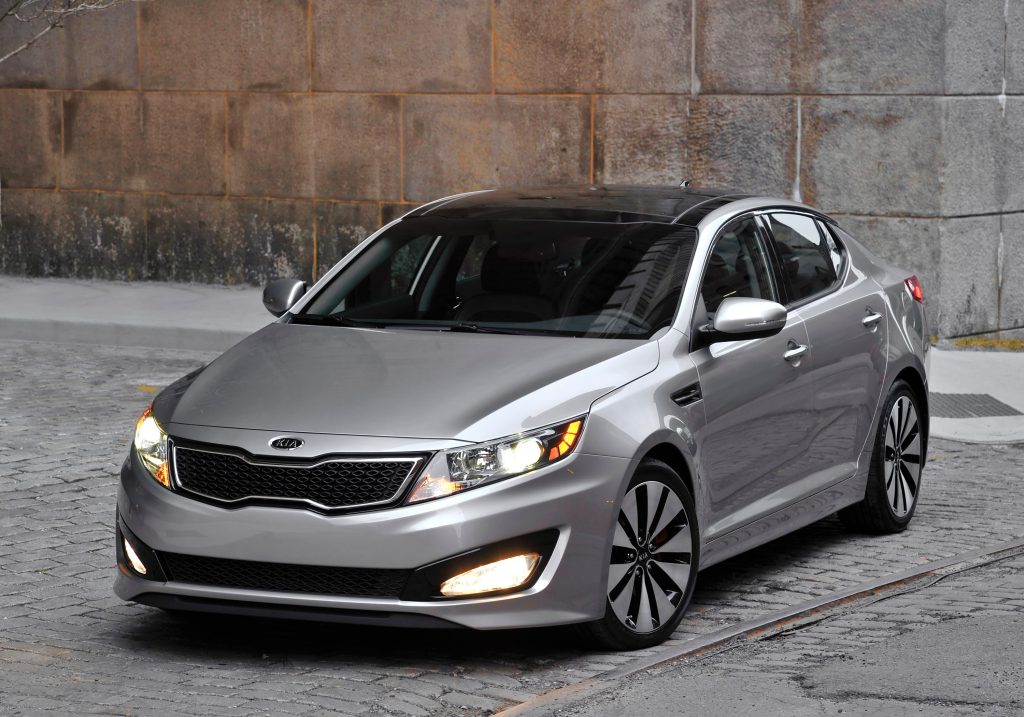
Before purchasing a 2011 Optima, verify its VIN against the recall database and request paperwork showing the outcome of the engine inspection. During a test drive, pay attention to knocking sounds, hesitation, warning lights, and irregular engine operation.
Have a qualified mechanic check the engine and scan its control module. The model is not automatically a bad purchase, but an example with uncertain engine history deserves a much closer look.
3. 2010 Ford Fusion
The 2010 Ford Fusion is worth approaching cautiously because of documented complaints involving sudden loss of electric power steering assistance.
NHTSA opened a preliminary investigation in September 2016 after receiving reports that drivers could unexpectedly lose steering assistance, making the vehicle harder to control, particularly during low-speed maneuvers.
The agency initially recorded 547 complaints, 12 alleged crashes, and four reported injuries in its investigation summary.
The investigation was later expanded. NHTSA’s engineering analysis documented 718 unique consumer claims, while Ford supplied additional field reports and warranty information. The agency eventually closed the investigation in February 2024 without requiring another recall.
The investigation found no evidence of a safety-related defect pattern that would require additional action. It is important to note that although the issue was reported and investigated, this does not indicate that all 2010 Ford Fusion vehicles have steering defects.
The steering system deserves particular attention when inspecting a used example. Warning messages, unusually heavy steering, intermittent assistance, or stored power-steering fault codes should be investigated before purchase. A seller’s claim that the problem happens only occasionally is not a reason to dismiss it.
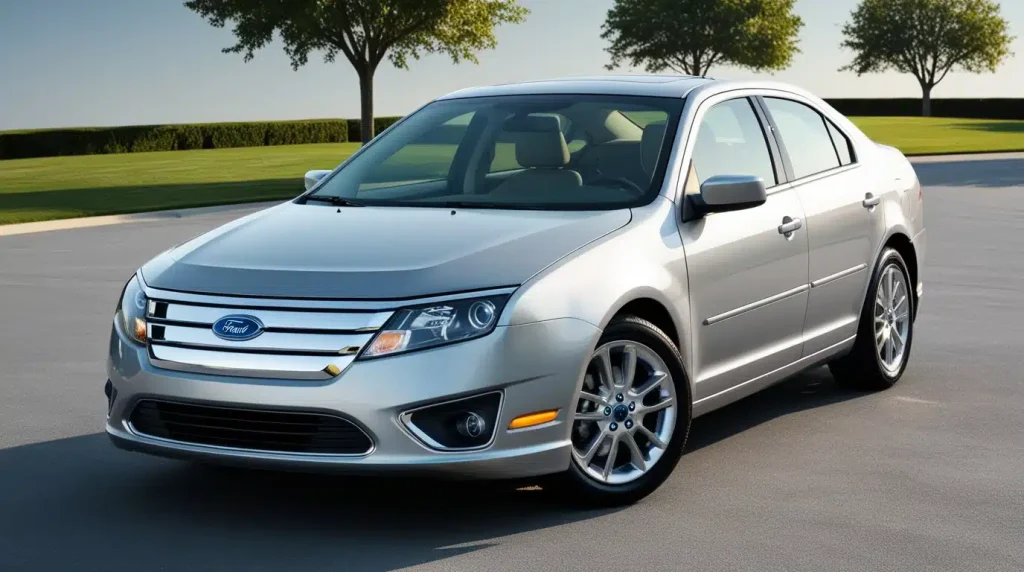
Also, do not confuse the 2010 model with the separate 2011-2012 Fusion recall involving electric power steering. That earlier campaign covered different model years and does not automatically apply to a 2010 vehicle.
A professional inspection should include the steering gear, electrical connections, control module, and diagnostic history. The 2010 Fusion can still be a usable sedan, but an example with unexplained steering problems is a poor gamble. Buyers should demand repair documentation rather than relying on a short, uneventful test drive.
4. 2012 Ford Focus
The 2012 Ford Focus is a model year that used Ford’s DPS6 six-speed automatic transmission, a dual-clutch design that became associated with persistent complaints about shifting behavior.
Owners reported symptoms such as hesitation, shuddering during acceleration, jerky gear changes, and delayed engagement. These concerns were serious enough for Ford to introduce multiple customer satisfaction programs and warranty extensions for affected vehicles.
One documented problem involved the transmission’s input-shaft seals. Ford explained that leaking seals could allow fluid to contaminate the clutch, producing excessive shudder during light acceleration.
Its Customer Satisfaction Program 14M01 covered certain 2012-2014 Focus vehicles equipped with the DPS6 transmission, subject to production date and eligibility requirements. The program extended coverage for specified clutch, input-shaft seal, and software repairs.
A separate program addressed possible transmission control module failures. Ford’s May 2023 program supplement extended TCM coverage to 10 years or 150,000 miles from the warranty start date for eligible vehicles.
Symptoms could include intermittent loss of transmission engagement, a no-start condition, or loss of power. That coverage period has now expired for a 2012 vehicle, but the manufacturer documentation confirms the nature of the concern.
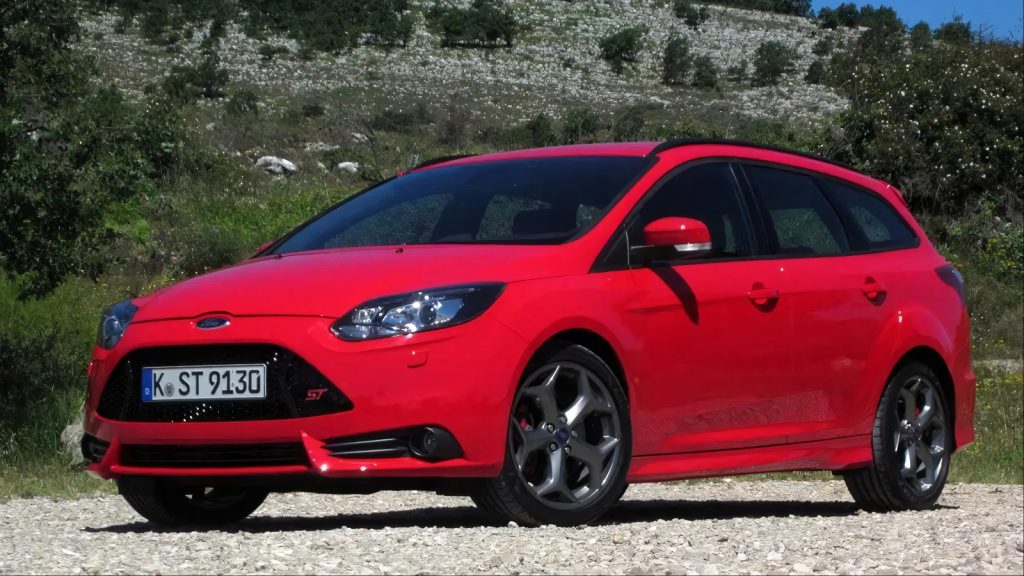
The biggest warning sign during a test drive is inconsistent transmission behavior. Pay attention to shuddering when pulling away, hesitation between gears, and sudden loss of drive.
Ask for invoices showing previous clutch, seal, or TCM work. A 2012 Focus with a documented transmission history may be manageable, but an automatic example that still exhibits these symptoms is best avoided. Manual-transmission versions do not use the DPS6 automatic, so the same concerns should not be applied to them.
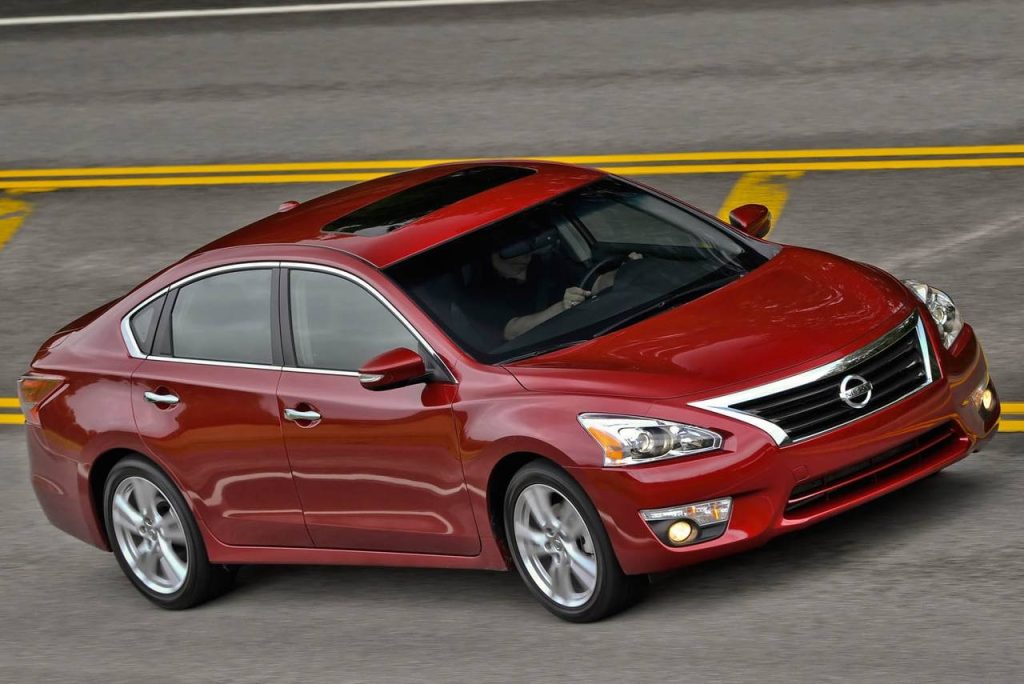
5. 2013 Nissan Altima
The 2013 Nissan Altima deserves careful consideration because of concerns involving its continuously variable transmission, commonly called a CVT. Unlike a conventional automatic transmission with fixed gear ratios, a CVT changes its effective ratio continuously.
When problems develop, drivers may experience shuddering, hesitation, unusual whining noises, or inconsistent acceleration. These symptoms can make everyday driving frustrating and may indicate expensive transmission work is needed.
Nissan subsequently introduced a CVT warranty extension covering certain 2013-2016 Altima models. Under the May 2020 program, coverage for eligible vehicles was extended from the original five years or 60,000 miles to seven years or 84,000 miles, whichever came first.
The extension covered the CVT assembly and specified internal components, along with related parts and reprogramming. It was a manufacturer warranty enhancement, not a recall requiring every vehicle to receive a replacement transmission.
That distinction matters when evaluating a used 2013 Altima. The existence of an extended warranty demonstrates that Nissan addressed customer concerns, but it does not establish that every transmission failed.
The coverage has also expired for these vehicles by 2026, meaning a current owner may face repair costs that were previously covered.
During a test drive, accelerate gently and then more firmly at different speeds. Watch for engine revs rising without a corresponding increase in road speed, vibration, delayed response, or abnormal transmission noise.
Request service invoices and ask whether the CVT has ever been replaced. A specialist inspection is advisable before committing to the purchase.
The Altima can be comfortable and economical to operate, but a 2013 example with a questionable CVT history presents a meaningful financial risk.
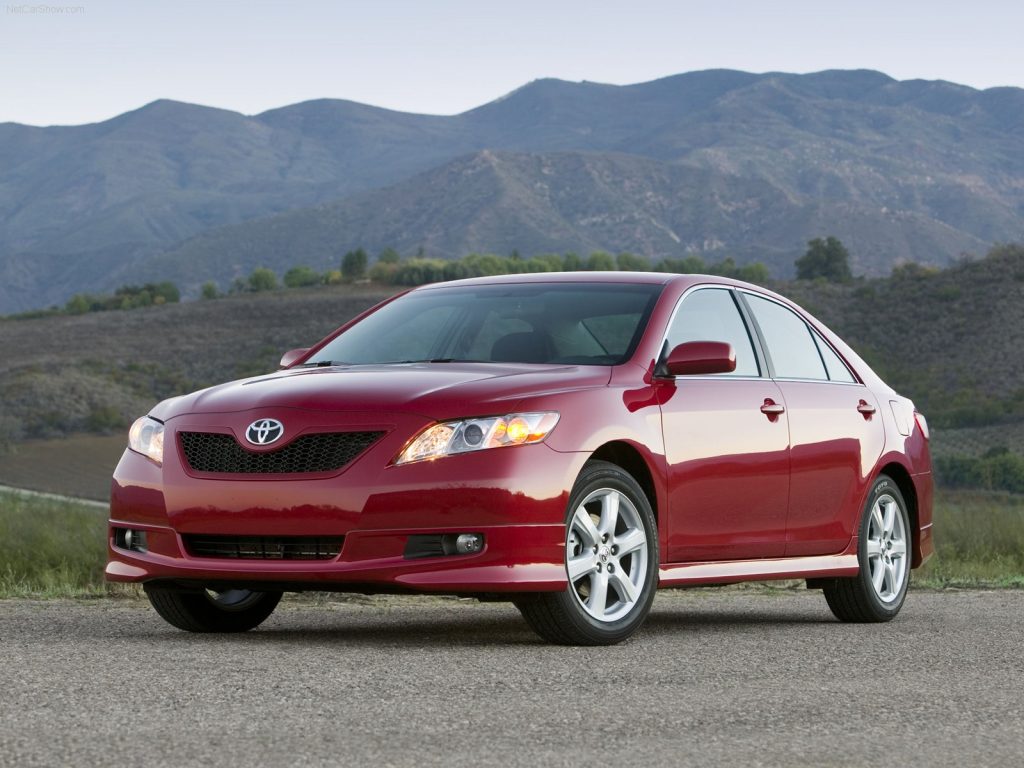
6. 2007 Toyota Camry
The 2007 Toyota Camry is often associated with a reputation for dependable everyday transportation, but certain four-cylinder examples have a documented excessive oil-consumption concern.
Toyota acknowledged receiving reports of this condition and introduced Warranty Enhancement Program ZE7 for specified vehicles equipped with the 2AZ-FE engine.
The program included certain 2007-2009 Camry models and provided a process for testing oil consumption and replacing eligible engine parts when the condition was confirmed.
The issue matters because an engine that consumes too much oil can become damaged if its oil level is allowed to fall too low. Drivers may find themselves adding oil frequently between scheduled changes, sometimes without seeing an obvious external leak. Ignoring the problem can contribute to inadequate lubrication and increased internal engine wear.
Toyota’s technical documentation identified the affected 2AZ engine applications and provided a specific inspection procedure.
Eligibility under the warranty enhancement program depended on the vehicle meeting its requirements and passing the prescribed oil-consumption assessment. It did not mean that every 2007 Camry was defective, and the program should not be confused with a safety recall.
For a used example, the engine type is important. Ask whether the car has the 2.4-liter four-cylinder engine and request records of any oil-consumption test or piston-related repair.
Check the dipstick before and after a meaningful test drive, look for blue exhaust smoke, and inspect for signs of neglected oil changes. A mechanic can also check for leaks and assess engine condition.
A 2007 Camry with documented repairs and consistent maintenance may still be a reasonable purchase. However, one that consumes oil rapidly or has no credible service history should be treated as a costly risk.