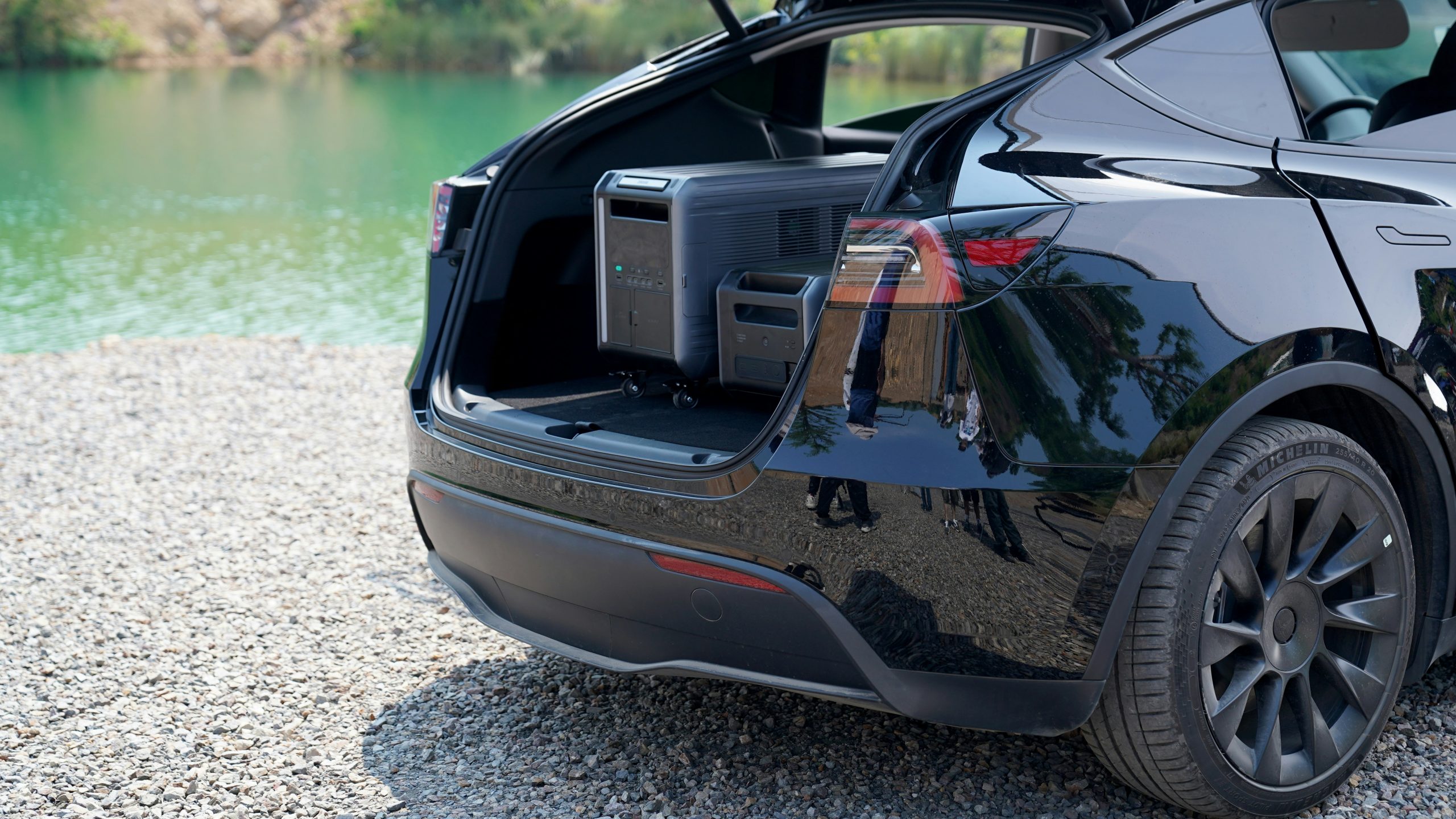
Keeping your car prepared for unexpected situations can make every journey safer, easier, and less stressful. Whether you drive to work, travel with family, or take occasional road trips, having a few essential supplies in your trunk can help you handle common roadside problems.
A flat tyre, dead battery, sudden weather change, or minor emergency can happen without warning. Rather than relying entirely on roadside assistance, it is wise to carry useful items that can make a difficult situation more manageable. From basic tools to emergency supplies, these nine trunk essentials deserve a permanent place in your vehicle.
1. Spare Tyre and Tyre Changing Tools
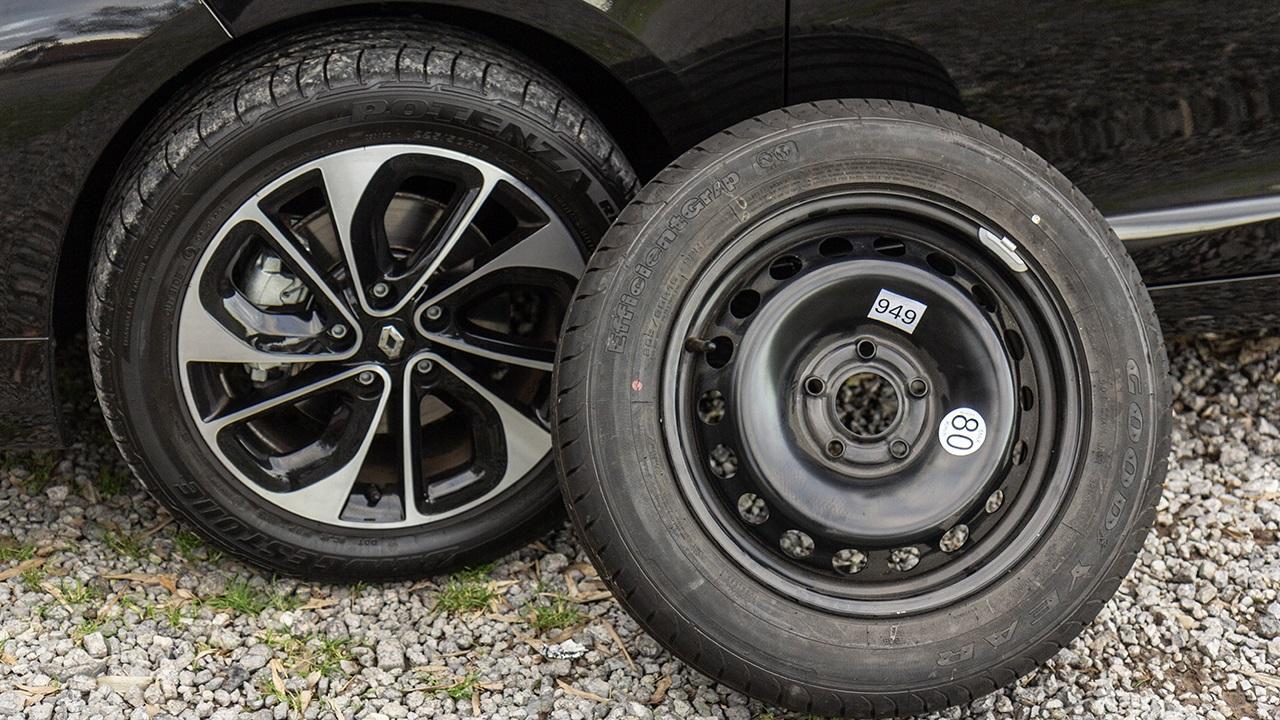
A spare tyre is among the most important items to keep in your car trunk. A puncture or sudden tyre failure can happen on city roads, highways, or during long-distance journeys. Having a suitable spare allows you to replace a damaged tyre and continue your journey when conditions permit. Before travelling, check whether your vehicle comes with a full-size spare or a temporary space-saver tyre.
A spare tyre is useful only when it is in good condition. Check its air pressure regularly and inspect the rubber for cracks, damage, or signs of ageing. Tyres lose pressure over time, even when they are not being used. Following the pressure recommendations in your vehicle manual helps ensure that the spare is ready when required.
You should also keep a properly fitting jack in the trunk. A car jack lifts the vehicle so you can remove a damaged wheel and install the spare. Make sure you understand how to position it correctly before an emergency occurs. Using a jack incorrectly can damage your vehicle or cause serious injuries.
A lug wrench is equally important because it helps loosen and tighten the wheel nuts. Some vehicles include a basic wrench, while others may require a compatible tool. Check that the wrench fits your wheel nuts securely. A suitable extension can also make removing tightly fitted nuts easier.
Wheel chocks are useful when changing a tyre because they help prevent the vehicle from rolling. Place them against the wheels that remain on the ground, following safe tyre-changing procedures. If you do not have dedicated wheel chocks, avoid relying on loose objects that can move unexpectedly.
Learn how to change a tyre in a safe location before attempting it beside a road. Park on firm, level ground away from moving traffic, switch off the engine, engage the parking brake, and follow your owner’s manual. Never crawl underneath a vehicle supported only by a jack.
If your car has a tyre pressure monitoring system, check whether changing a wheel requires any additional steps. Some vehicles also have special locking wheel nuts that require a unique key. Keep that key with your tyre-changing equipment so you are not left searching for it during an emergency.
2. Jumper Cables or a Portable Jump Starter
A dead car battery can interrupt your plans without warning. Leaving headlights switched on, using electrical accessories for extended periods, or dealing with an ageing battery can prevent your engine from starting. Keeping jumper cables or a portable jump starter in your trunk can help you respond to this common problem.
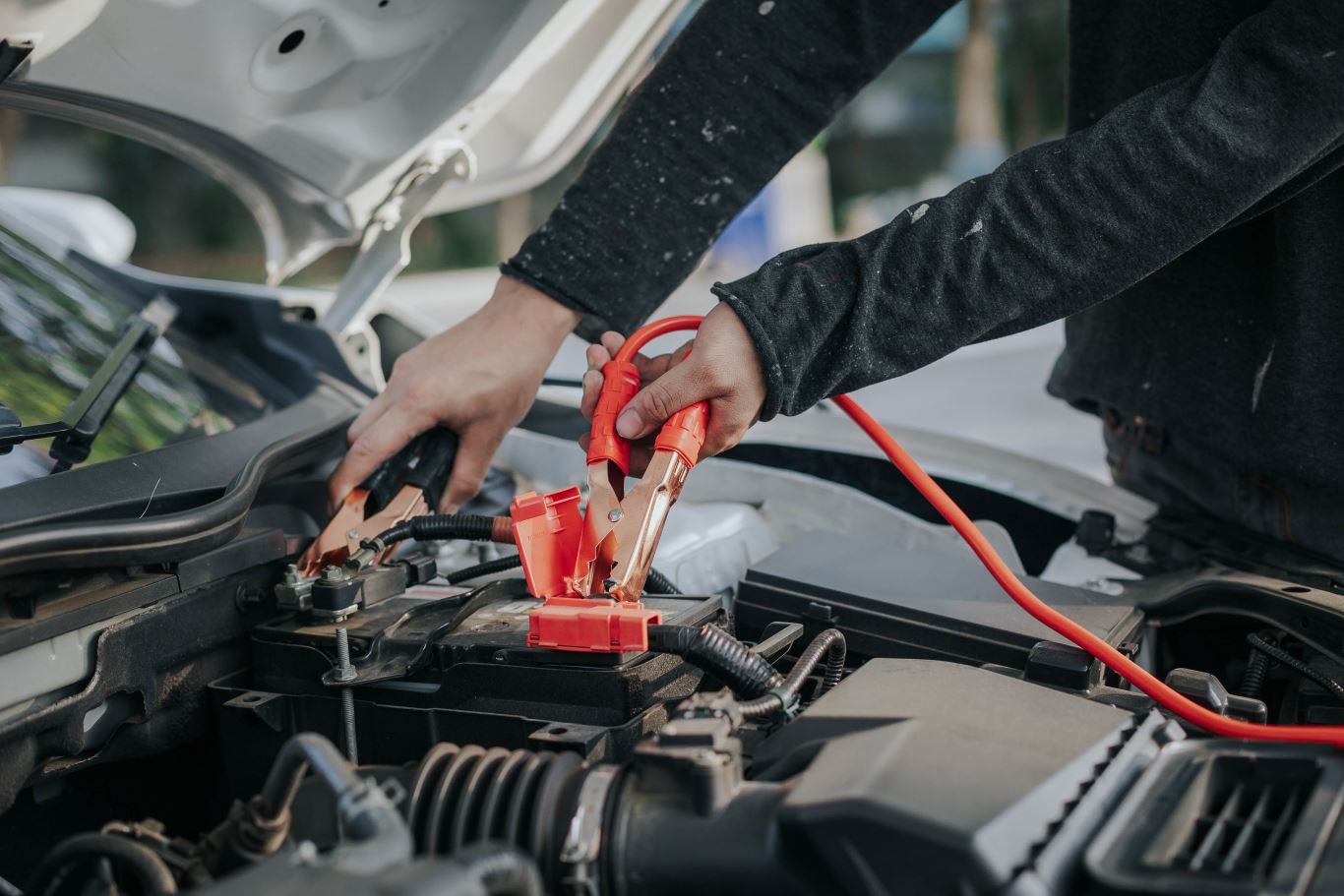
Traditional jumper cables allow you to connect your vehicle’s battery to a compatible working battery. They are particularly useful when another driver is available to provide assistance. Choose cables with suitable thickness, sufficient length, and strong clamps to ensure a reliable connection.
Before using jumper cables, read your vehicle manual carefully. Modern vehicles may have designated jump-start terminals and specific connection instructions. Incorrect connections can damage electrical components, create sparks, or cause battery-related injuries.
A portable jump starter provides a more independent option. These compact devices contain a rechargeable battery that can supply enough power to start many passenger vehicles. You do not need another vehicle to assist you, which makes them particularly useful when travelling alone.
Choose a jump starter that matches your vehicle’s engine size and battery requirements. Check the manufacturer’s specifications before purchasing. Some models include built-in safety protections against reverse polarity, short circuits, and incorrect connections.
Battery maintenance is important when carrying a portable jump starter. Recharge it according to the manufacturer’s instructions and inspect it periodically. Leaving it unused for months without checking its charge can make it unreliable when you need it most.
It is also helpful to keep a pair of protective gloves with your battery equipment. Gloves can protect your hands from dirt and minor contact hazards while handling cables. Avoid touching exposed electrical connections or attempting repairs if you are unsure about the procedure.
3. First Aid Kit
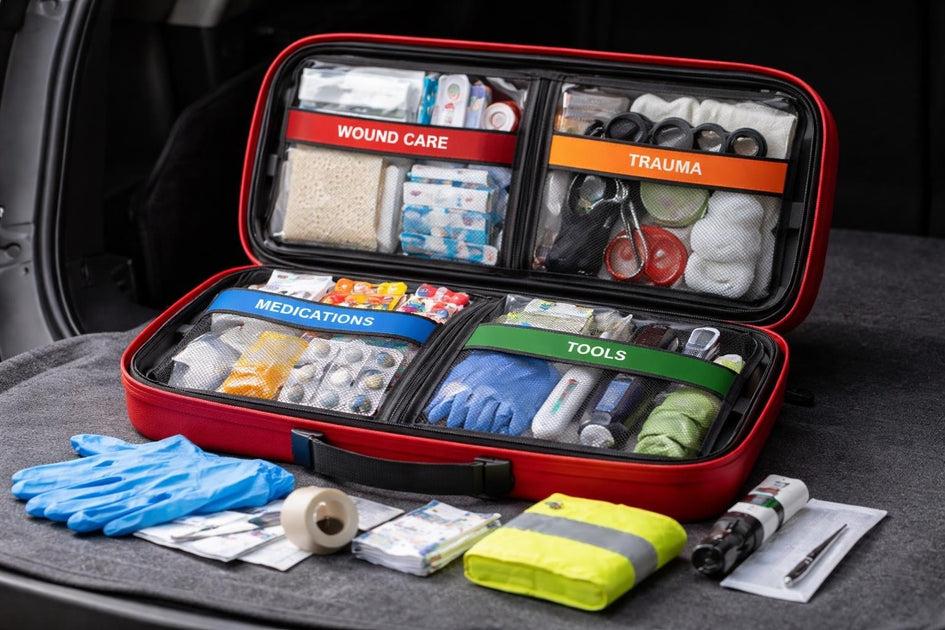
A well-stocked first aid kit deserves a permanent place in every vehicle. Minor cuts, scrapes, burns, and other small injuries can happen during road trips, outdoor activities, or routine travel. Having basic medical supplies nearby allows you to provide initial care while arranging professional assistance when necessary.
Start with adhesive bandages in different sizes. These are useful for covering minor cuts and protecting small wounds from dirt. Include sterile gauze pads, medical tape, and wound dressings to manage injuries that require additional coverage.
Antiseptic wipes or an appropriate wound-cleaning solution can help clean minor injuries. Check product instructions and expiry dates before use. Keep supplies sealed and replace them when damaged or expired to maintain their effectiveness.
Disposable medical gloves are another useful addition. They provide a protective barrier when helping someone who is injured. Choose gloves that fit comfortably and keep several pairs in their original packaging to maintain cleanliness.
Include a pair of blunt-ended scissors and tweezers for basic first aid tasks. Scissors can help cut medical tape or gauze, while tweezers may assist with removing small, superficial splinters. Avoid attempting to remove deeply embedded objects or treating serious injuries without medical guidance.
A triangular bandage and elastic bandage can provide additional support when managing minor injuries. These supplies are useful for securing dressings or supporting an injured area. However, serious fractures, heavy bleeding, and suspected spinal injuries require professional medical attention.
You may also include a basic emergency blanket. It takes up little storage space and can help someone retain body heat while waiting for assistance. Keep it sealed until needed and understand that it is not a replacement for proper medical treatment.
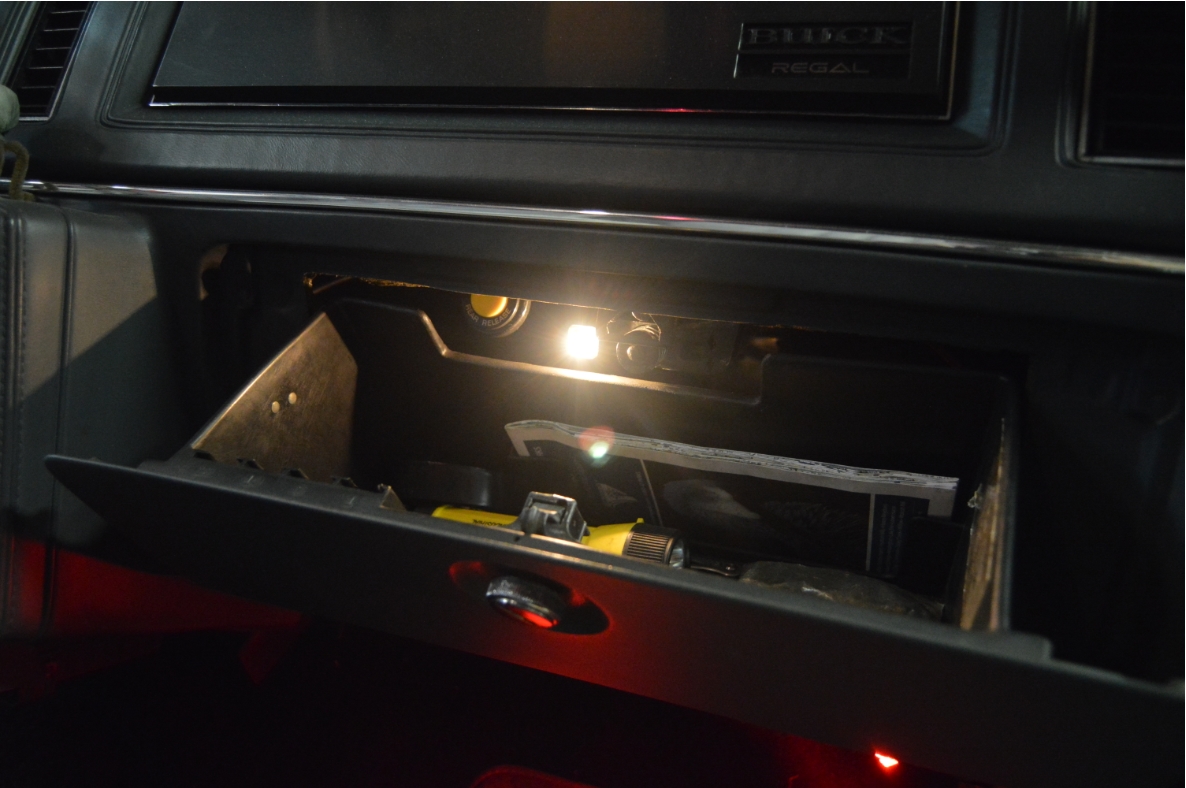
4. Flashlight and Extra Batteries
A reliable flashlight is essential when travelling after sunset or driving through areas with limited lighting. A vehicle breakdown at night can make even a simple task difficult. A flashlight helps you inspect your surroundings, locate tools, read instructions, and make yourself more visible to others.
Choose a compact LED flashlight with a strong beam and durable construction. LED models generally use less energy than older bulb-based alternatives and offer good illumination for their size. A waterproof or water-resistant design can also be useful during rainy weather.
Keep spare batteries in your trunk if your flashlight uses replaceable cells. Store them according to the manufacturer’s recommendations and check their condition periodically. Batteries that leak or lose power can make emergency equipment unreliable.
A rechargeable flashlight is another practical choice. Some models can be charged through USB connections, making them convenient for regular use. If you choose this type, remember to recharge it periodically and check its battery level before longer journeys.
A headlamp can be even more convenient when you need both hands free. It can help when checking a tyre, organising tools, or inspecting an area around the vehicle. Adjustable straps and multiple brightness settings make headlamps suitable for different situations.
Consider keeping a small reflective vest alongside your lighting equipment. If your vehicle stops on a dark roadside, wearing a reflective vest can make you more visible to approaching drivers. Use hazard lights and position yourself in a safe location away from moving traffic.
Avoid pointing bright lights directly into the eyes of other drivers. Use your flashlight carefully and remain aware of passing vehicles. Good visibility is important, but safe positioning should always come first.
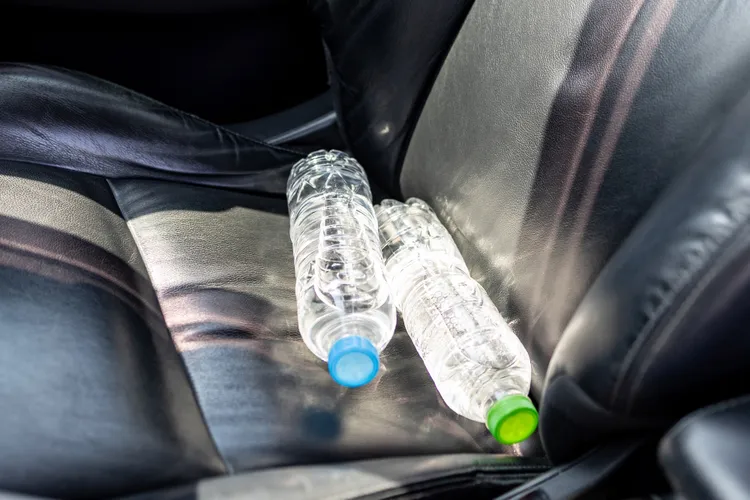
5. Emergency Water and Non-Perishable Snacks
Keeping drinking water in your trunk is a sensible way to prepare for unexpected delays. Traffic congestion, vehicle breakdowns, road closures, and long journeys can leave you waiting for assistance. Having water available helps you stay hydrated when access to shops or other facilities is limited.
Choose sealed drinking water bottles that are suitable for storage. Check the manufacturer’s storage recommendations and avoid exposing bottled water to excessive heat for extended periods. Vehicle interiors and trunks can become extremely hot, particularly during summer.
Replace stored water regularly according to the packaging guidance. Inspect bottles for leaks, damaged seals, or unusual changes in appearance. Keeping a few smaller bottles can also make storage and distribution more convenient.
Non-perishable snacks are equally useful. Packaged crackers, dry biscuits, nuts, and suitable energy bars can provide quick nourishment during unexpected delays. Choose foods that can tolerate normal storage conditions and do not require refrigeration.
Pay attention to food expiry dates. High temperatures can affect the quality and shelf life of certain products, even when their packaging remains sealed. Replace snacks regularly and avoid storing items that melt easily or become spoiled in warm conditions.
If you regularly travel with children, consider keeping snacks that are familiar and suitable for their age. Individual portions can make food easier to distribute without opening larger packages. Be mindful of allergies and choking risks when selecting products.
A reusable water bottle can also be helpful, especially when you have access to safe drinking water during your journey. Clean it regularly and keep it in a suitable container to prevent spills and contamination.

6. Reflective Warning Triangle and Safety Vest
Roadside visibility is extremely important when your vehicle breaks down. Other drivers may not notice a stopped car immediately, particularly at night, during heavy rain, or on roads with poor lighting. A reflective warning triangle can help alert approaching traffic to a stationary vehicle.
A warning triangle is designed to reflect vehicle headlights and make a roadside hazard more noticeable. Keep it in an accessible part of your trunk rather than placing it beneath heavy luggage. Familiarise yourself with its assembly instructions before you need to use it.
When placing a warning triangle, follow local traffic regulations and the manufacturer’s instructions. Position it only when you can do so safely. Never walk into moving traffic or put yourself at risk to set up roadside warning equipment.
A reflective safety vest is another valuable item. Wearing one can make you easier to see when you need to leave your vehicle. This is particularly useful on poorly lit roads, during bad weather, and in locations where passing vehicles may have limited visibility.
Choose a vest with bright fluorescent material and reflective strips. Keep it in the passenger compartment, preferably within easy reach of the driver’s seat. If it is stored beneath luggage in the trunk, you may have to step outside before you can put it on.
Hazard warning lights should also be used when appropriate. They alert other drivers that your vehicle is stopped or experiencing a problem. However, they do not replace a warning triangle or the need to move to a safe location.
If your vehicle breaks down on a highway, try to stop in a safe place away from moving traffic. Where possible, move behind a suitable safety barrier and contact roadside assistance. Do not remain close to the vehicle if there is a risk of being struck by passing traffic.
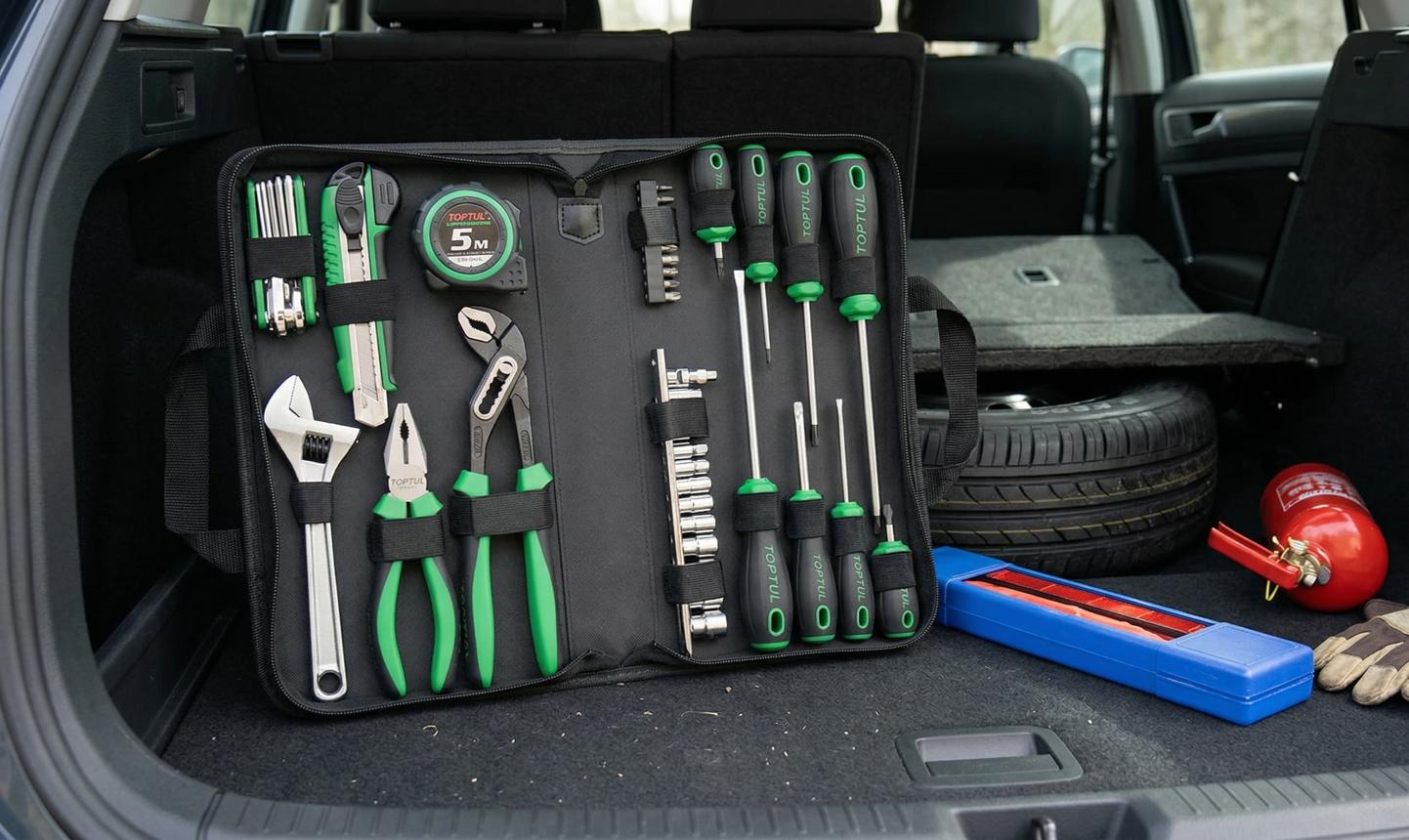
7. Basic Tool Kit
A compact tool kit can help you handle minor vehicle-related problems and simple adjustments while travelling. You do not need a professional mechanic’s collection of equipment. A few practical tools can be enough for basic tasks that do not require specialist knowledge.
Start with a set of screwdrivers in different sizes. Both flat-head and Phillips-head screwdrivers can be useful for tightening compatible screws and handling minor accessories. Choose a compact set with comfortable handles and secure storage.
A combination plier is another useful addition. It can help grip small components and perform simple tasks around the vehicle. Keep it clean and store it in a protective case to prevent damage to other items in your trunk.
An adjustable spanner or a small set of compatible wrenches can also be helpful. These tools are suitable for certain basic mechanical adjustments. However, always follow the vehicle manufacturer’s recommendations before attempting to tighten or loosen components.
Duct tape and electrical tape can provide temporary assistance in limited situations. Duct tape may help secure loose non-critical items, while electrical tape can be useful for certain insulation tasks. Neither should be treated as a permanent repair for damaged vehicle wiring, hoses, or safety components.
A tyre pressure gauge is another practical tool to include. It allows you to check tyre pressure and identify when inflation is required. Maintaining the correct pressure improves handling, supports tyre longevity, and helps maintain fuel efficiency.
Cable ties can also come in handy for organising loose items or temporarily securing non-critical components. Keep several sizes in a small pouch. Avoid using them to repair damaged parts that could affect steering, braking, engine operation, or other essential systems.
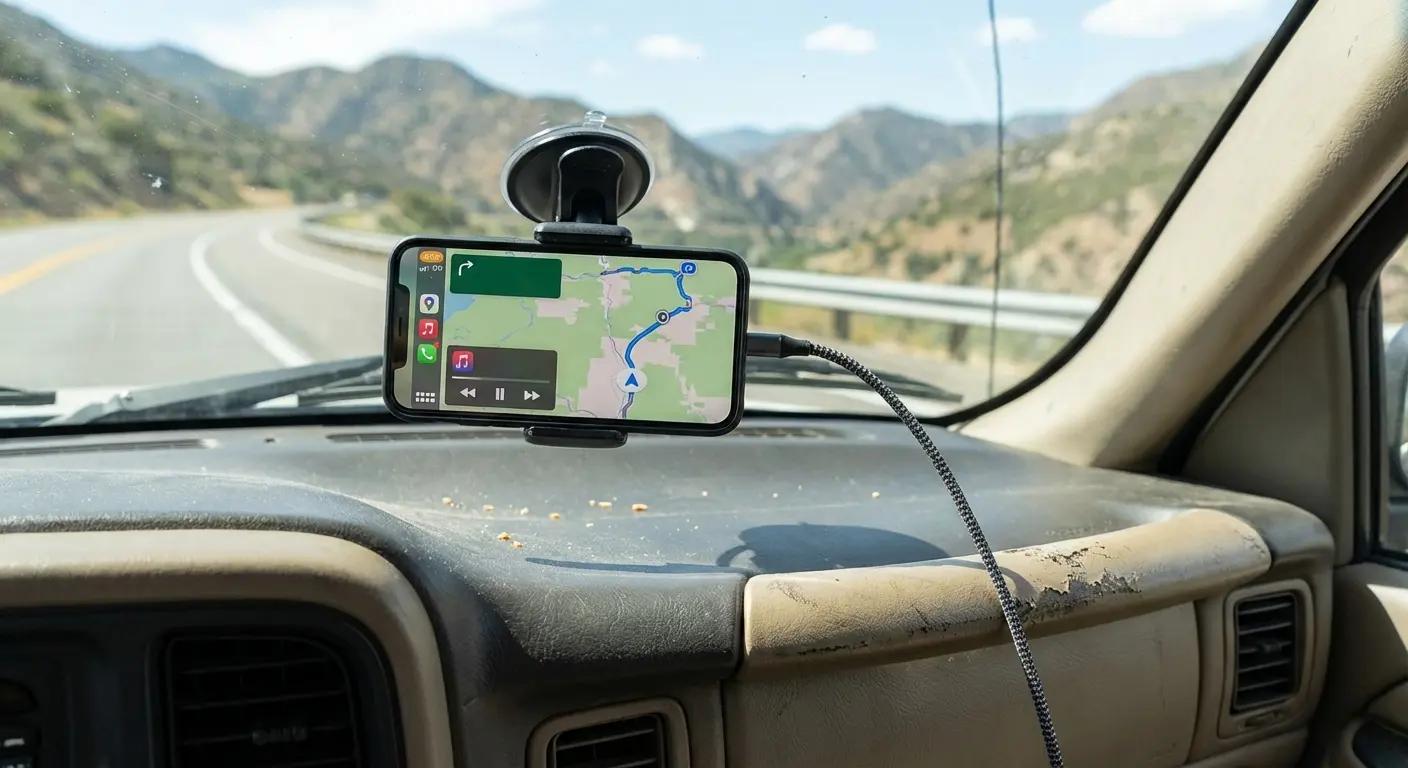
8. Portable Phone Charger and Power Bank
A working mobile phone is essential during many roadside emergencies. You may need to contact family members, call roadside assistance, access navigation, or request emergency services. A portable power bank can help keep your phone charged when your vehicle’s electrical system is unavailable.
Choose a power bank with sufficient capacity for your regular phone usage. A model with around 10,000 mAh capacity is a practical starting point for many users, though actual charging performance depends on the device and power bank specifications.
Check whether the power bank supports your phone’s charging standard. Some devices require USB-C connections, while others may use different cables. Keeping a compatible charging cable with your power bank prevents unnecessary inconvenience.
A car USB charger can provide an additional charging option. It connects to a compatible vehicle power outlet and allows you to charge your phone while driving. Choose a reputable product with suitable electrical protections and compatibility with your vehicle.
Remember that a power bank also needs regular charging. Check its battery level every few weeks, particularly before long journeys. Avoid leaving unsuitable lithium-ion batteries exposed to excessive heat, direct sunlight, or conditions outside the manufacturer’s recommended temperature range.
A small waterproof pouch can help protect your charging accessories from dust, moisture, and accidental spills. Store the cable, charger, and power bank together so you can access them quickly when necessary.
You may also consider keeping a printed list of important phone numbers in your vehicle. This can be useful if your phone is damaged, lost, or completely discharged. Include roadside assistance, family contacts, and relevant emergency numbers.
9. Rain Gear and Warm Clothing
Weather can change quickly, and an unexpected breakdown can leave you exposed to uncomfortable conditions. Keeping basic rain gear and spare clothing in your trunk helps you stay more comfortable while waiting for assistance or dealing with minor travel disruptions.
A compact umbrella is a useful starting point. It can protect you from light rain while walking to a nearby shop or waiting for help. Choose a sturdy model that folds neatly and fits into a storage compartment.
A lightweight raincoat or waterproof jacket provides better protection when you need both hands free. This can be particularly useful when handling luggage or carrying essential supplies. Select a comfortable design that can be folded into a small storage pouch.
A spare pair of socks and a basic change of clothes can also be useful during long journeys. Wet clothing can become uncomfortable, especially when travelling with children. Keeping clean, dry garments available can make an unexpected delay easier to manage.
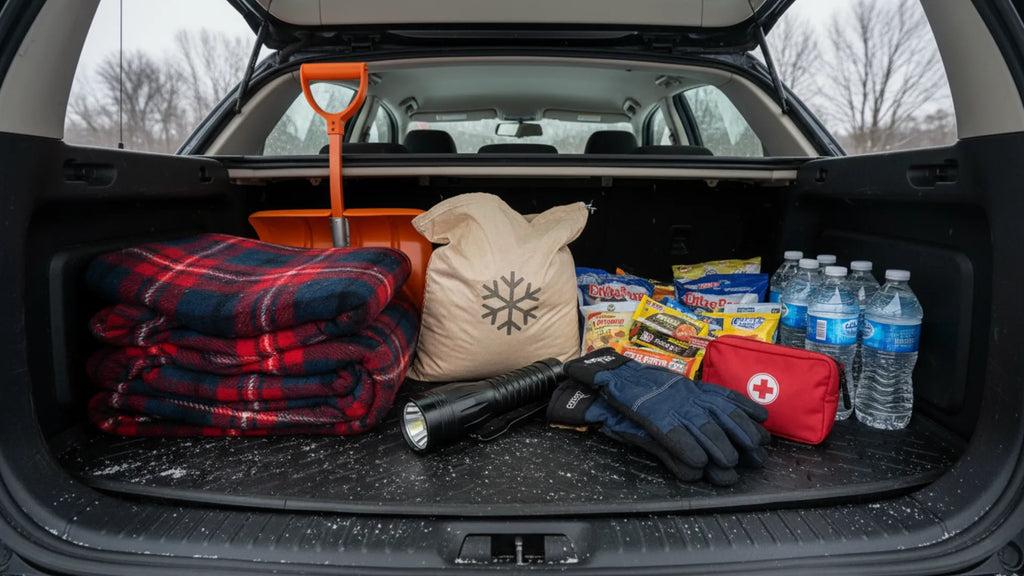
A lightweight blanket is another worthwhile addition. It can provide warmth during cold weather and may be useful for passengers who feel uncomfortable in a chilly vehicle. Choose a compact blanket that does not occupy too much trunk space.
During winter travel, consider keeping a warm cap, gloves, and an additional layer of clothing. These items are particularly useful when travelling through colder regions or areas where temperatures drop significantly after sunset.
If you frequently drive during the rainy season, include a small absorbent towel. It can help dry wet hands, clean minor spills, and wipe moisture from certain interior surfaces. Store it in a separate waterproof bag to keep other supplies dry.