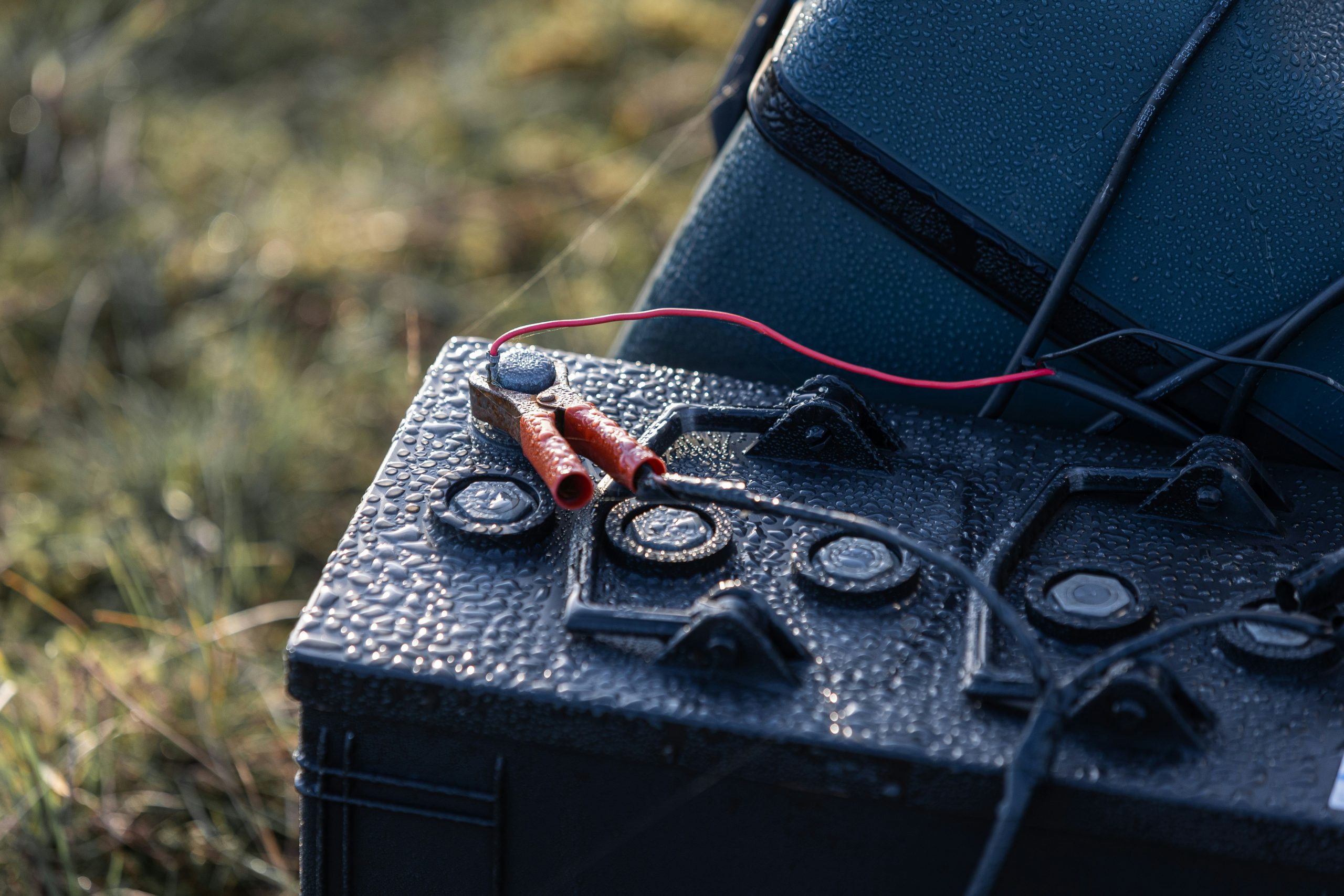
Car batteries play an essential role in starting the engine and powering electrical components. However, many drivers unknowingly shorten battery life through everyday short-trip habits. Frequent short journeys may seem harmless, but they can prevent the charging system from restoring the energy used during engine startup.
Over time, this repeated energy loss can lead to weak performance, slow cranking, and unexpected starting problems. Simple changes in driving routines and vehicle maintenance can help prevent premature battery failure. Understanding which habits put extra pressure on a battery allows drivers to make better decisions and keep their vehicles reliable.
1. Taking Too Many Short Drives
Frequent short drives are among the most common reasons car batteries lose their charge prematurely. Starting an engine requires a considerable amount of electrical energy, particularly when the vehicle has been parked for several hours. The alternator needs time to replace the electricity consumed during startup.
When a driver takes a journey lasting only a few minutes, the charging system may not have enough time to restore that energy. Repeating this routine every day can gradually reduce the battery’s available charge.
Many people use their cars for quick trips to nearby shops, schools, offices, and markets. While these journeys save time, they may not provide sufficient driving time for proper battery recovery.
Cold weather can make the situation worse because batteries generally become less efficient at lower temperatures. Engines may also require more effort to start under cold conditions, increasing the electrical demand.
A battery that repeatedly operates without receiving enough charge can gradually become weaker. This may result in slow engine cranking, dim headlights, and difficulties starting the vehicle.
Drivers who regularly make short journeys should pay attention to changes in starting performance. A vehicle that starts normally in the morning but struggles after several days of frequent short trips may have a charging or battery-related problem.
Combining several nearby errands into a single journey can help reduce repeated engine starts. This simple adjustment may give the alternator more time to replace the energy used during startup.
For vehicles that are primarily used for short-distance travel, periodic battery testing and appropriate charging can help prevent unexpected breakdowns.

2. Leaving Electrical Accessories Running
Modern vehicles contain numerous electrical accessories that make driving more comfortable. Headlights, interior lights, infotainment systems, charging ports, and climate control features all place demands on the vehicle’s electrical system.
Leaving these accessories running while the engine is switched off can drain the battery. The alternator only generates electricity when the engine is operating, so electrical equipment running with the engine off relies on stored battery power.
Many drivers forget to switch off headlights or interior lights after parking. Even a relatively small electrical load can become a problem when it remains active for several hours.
Using the car’s entertainment system while waiting in a parking area can also consume battery energy. The same applies to charging mobile phones or running other electronic devices when the engine is not operating.
Some modern vehicles automatically switch off certain accessories to prevent excessive battery discharge. However, these protection systems do not eliminate every risk, particularly when multiple electrical components remain active.
Repeated battery discharge can reduce its ability to hold a charge. If the battery becomes deeply discharged, it may require an external charger before the vehicle can start again.
Drivers should make it a habit to check that lights, screens, and other electrical equipment are switched off before leaving the vehicle.
It is also worth checking whether the vehicle has an accessory or parking mode that allows electronics to operate without the engine running. Understanding how these features work can help prevent unnecessary battery drain.
3. Starting the Engine Repeatedly During Errands
Some drivers switch off their engines whenever they stop for a quick errand. While turning off the engine can reduce fuel consumption and unnecessary idling, repeatedly restarting the vehicle can place additional demands on the battery.
Each engine start requires a short burst of electrical power. The starter motor draws substantial current to turn the engine, and the battery must supply this energy every time the ignition is activated.
When several stops happen within a short period, the battery may experience repeated energy demands without enough time to recover between them.
For example, a driver visiting multiple shops in different locations may start and stop the engine several times within an hour. If each journey lasts only a few minutes, the charging system may struggle to replace the energy consumed.
This habit can become particularly problematic when the battery is already old, weak, or partially discharged. A healthy battery generally handles normal starting demands better than one nearing the end of its service life.
Drivers should plan nearby errands efficiently to reduce unnecessary trips and repeated starts. Combining destinations into a single route can help limit the number of times the engine needs to be started.
Vehicles equipped with automatic start-stop technology are designed to manage repeated engine restarts. These systems typically use suitable battery technology and charging controls to handle additional demands.
However, drivers should not assume that every vehicle battery is designed for frequent restarting. Conventional batteries and start-stop batteries have different operating requirements.
Following the manufacturer’s recommendations for battery type, maintenance, and driving conditions can help prevent premature wear.
4. Ignoring Battery Warning Signs
Car batteries rarely fail without showing any noticeable symptoms. In many cases, drivers receive early warnings through changes in engine starting performance or electrical operation.
Slow engine cranking is a common sign of a weak battery. If the engine takes longer than usual to start, the battery may not be supplying sufficient power to the starter motor.
Dim headlights can also indicate a potential electrical problem. When battery voltage becomes low, some electrical components may not operate as expected, particularly when the engine is switched off.
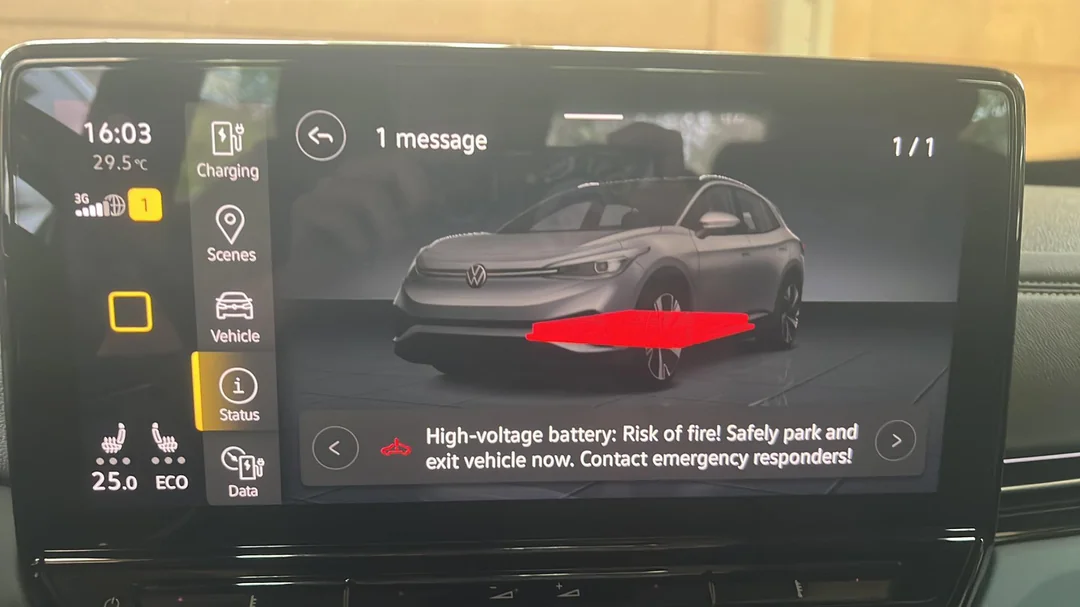
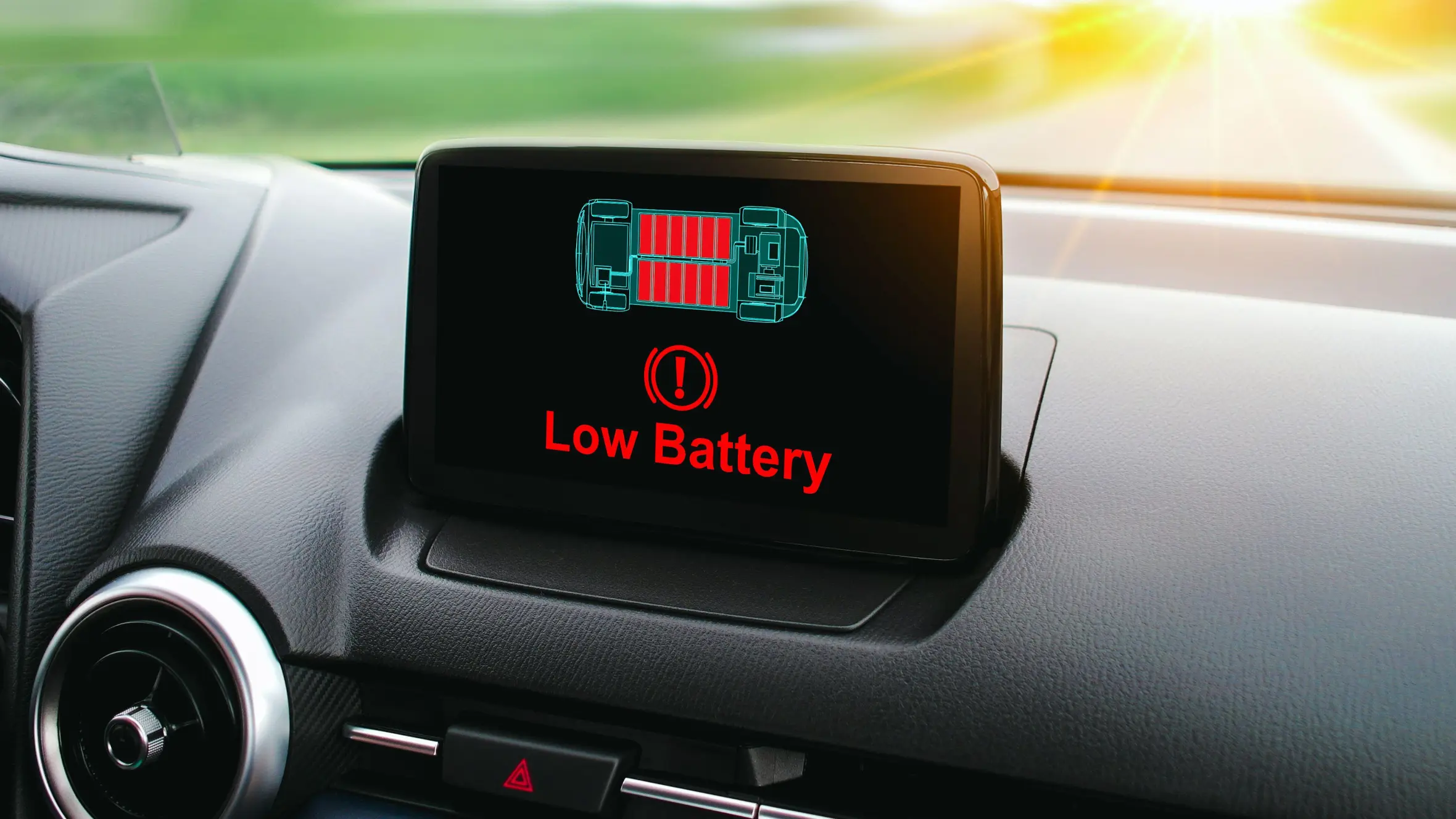
Dashboard warning lights should never be ignored. A battery-shaped warning symbol often indicates a charging system problem rather than simply a defective battery.
Unusual clicking sounds during startup may suggest insufficient electrical power or a problem with the starter system. Loose connections and corroded terminals can also produce similar symptoms.
Some drivers continue using their vehicles even when starting problems become noticeable. This can increase the chances of being stranded in a parking area or at an inconvenient location.
Regular battery inspections help identify problems before they become serious. A professional technician can check battery condition, charging voltage, terminal connections, and the performance of the starting system.
Drivers should also pay attention to repeated electrical issues, such as flickering dashboard lights or electronic systems resetting unexpectedly.
Taking action when early symptoms appear can prevent unnecessary inconvenience and help determine whether the battery, alternator, starter, or wiring needs attention.
5. Driving With an Old or Weak Battery
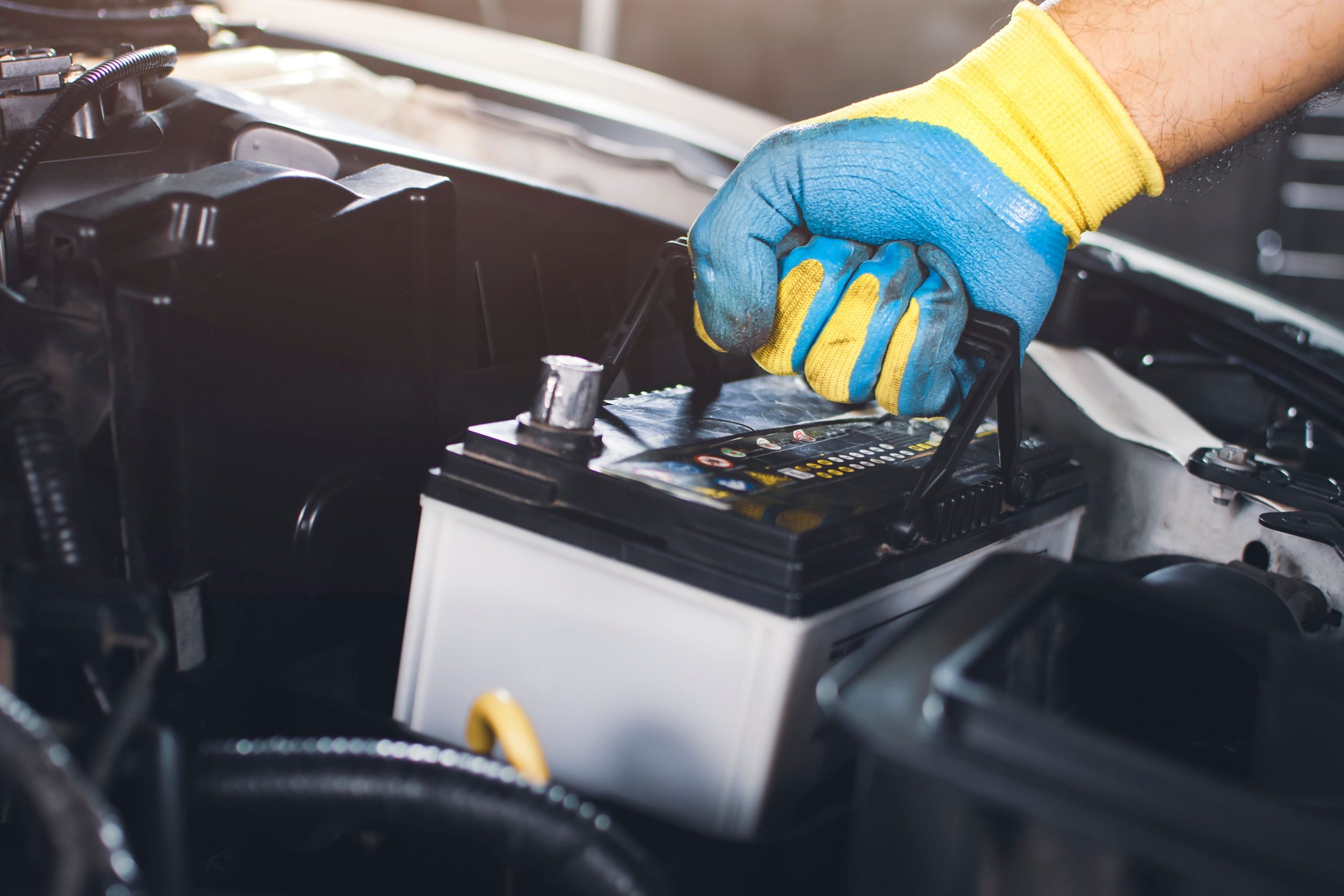
Battery age has a significant effect on its ability to store and deliver electrical energy. As a battery gets older, its internal components gradually deteriorate, reducing its performance and reliability.
Most conventional car batteries last approximately three to five years, depending on their quality, climate, maintenance, vehicle usage, and charging conditions. Some batteries may last longer, while others require replacement sooner.
Short-distance driving can make battery ageing more noticeable. An older battery may struggle to recover from repeated engine starts because its ability to accept and retain a charge has already declined.
Drivers who frequently travel short distances should be especially attentive to battery condition. A battery that performs adequately during longer journeys may show problems when used mainly for brief trips.
High temperatures can also accelerate battery deterioration. Excessive heat may increase internal chemical reactions and contribute to the loss of battery capacity over time.
Low temperatures create different challenges by reducing available starting power and increasing the energy required to start an engine.
Checking the manufacturing date and service history can help drivers understand how old their batteries are. However, age alone does not determine whether replacement is necessary.
A professional battery load test or conductance test can provide a clearer picture of its condition. These checks help determine whether the battery can still deliver sufficient starting power.
Replacing a weak battery before it fails completely can prevent unexpected starting problems. Drivers should always select a replacement that matches the vehicle manufacturer’s specifications.
6. Allowing Corrosion to Build Up on Battery Terminals
Battery terminals provide the electrical connection between the battery and the vehicle’s electrical system. Their condition plays an important role in reliable starting and charging performance.
Over time, corrosion can develop around battery terminals and cable connections. It often appears as a white, blue, or greenish deposit, depending on the materials involved.
Corrosion increases electrical resistance and can interfere with the flow of current. This may lead to slow starting, inconsistent electrical performance, and charging difficulties.
Many drivers overlook terminal corrosion because it does not always cause immediate problems. However, even a relatively small amount of buildup can affect an already weak battery.
Short-trip driving may make existing electrical problems more noticeable because the battery receives less opportunity to recover between engine starts.
Loose terminal connections can create similar symptoms. If the cables are not securely attached, the electrical system may struggle to deliver the power needed for starting.
Regular visual inspections can help identify corrosion, damaged cables, and loose connections before they cause major difficulties.
Battery cleaning should be performed carefully using appropriate protective equipment and manufacturer-approved procedures. Drivers who are unfamiliar with battery maintenance should ask a qualified technician to handle the work.
It is also important to ensure that terminals are properly tightened after servicing. Clean, secure connections support reliable electrical performance and help the charging system operate correctly.
7. Using the Air Conditioner and Other Electrical Features Before Starting
Modern vehicles contain several electrical systems that can place demands on the battery. Air conditioning controls, cabin fans, heated seats, entertainment systems, and lighting may all contribute to electrical consumption.
Some drivers switch on multiple accessories before starting the engine. Depending on the vehicle, these features may draw power from the battery while the engine is still switched off.
The starter motor already requires a substantial amount of energy during engine startup. Adding unnecessary electrical loads can increase the demand on a battery that may already be partially discharged.
This becomes more noticeable when the vehicle is used for frequent short journeys. The battery may have limited opportunities to recover the energy consumed by repeated starts and accessory use.
In most modern cars, the electrical system manages accessory operation automatically. Some features are temporarily disabled during engine cranking to prioritise starting power.
However, vehicle designs differ, so drivers should understand how their particular model manages electrical loads.
A practical habit is to start the engine before using power-intensive accessories whenever the vehicle manufacturer’s instructions allow it.
Drivers should also avoid running the cabin fan, entertainment system, and other electrical equipment for extended periods while parked with the engine switched off.
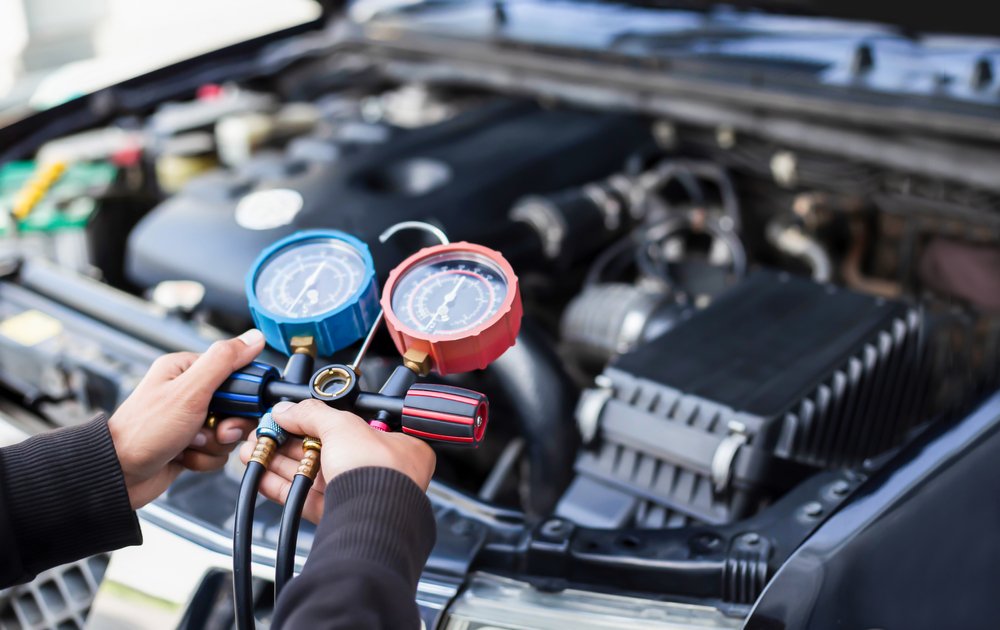
Air conditioning systems generally operate most effectively when the engine is running, but their actual electrical demands vary by vehicle design.
Being mindful of accessory usage can reduce unnecessary battery discharge and support dependable starting performance.
8. Ignoring Parasitic Battery Drain
Parasitic battery drain refers to the electricity consumed by vehicle components when the engine and ignition are switched off. Some electrical consumption is normal because modern cars need power for security systems, clocks, onboard computers, and memory functions.
Problems arise when a component continues drawing more electricity than intended after the vehicle has been parked.
Faulty interior lights, malfunctioning control modules, aftermarket accessories, and damaged wiring can all contribute to excessive battery drain.
Short-trip drivers may notice this problem more frequently because their batteries already have limited opportunities to regain the energy used during starting.
A battery that is repeatedly drained overnight may struggle to start the engine the following morning. If the problem continues, its condition can deteriorate further.
Many drivers assume that a replacement battery will solve repeated starting issues. However, if an electrical component continues consuming excessive power, even a new battery may eventually become discharged.
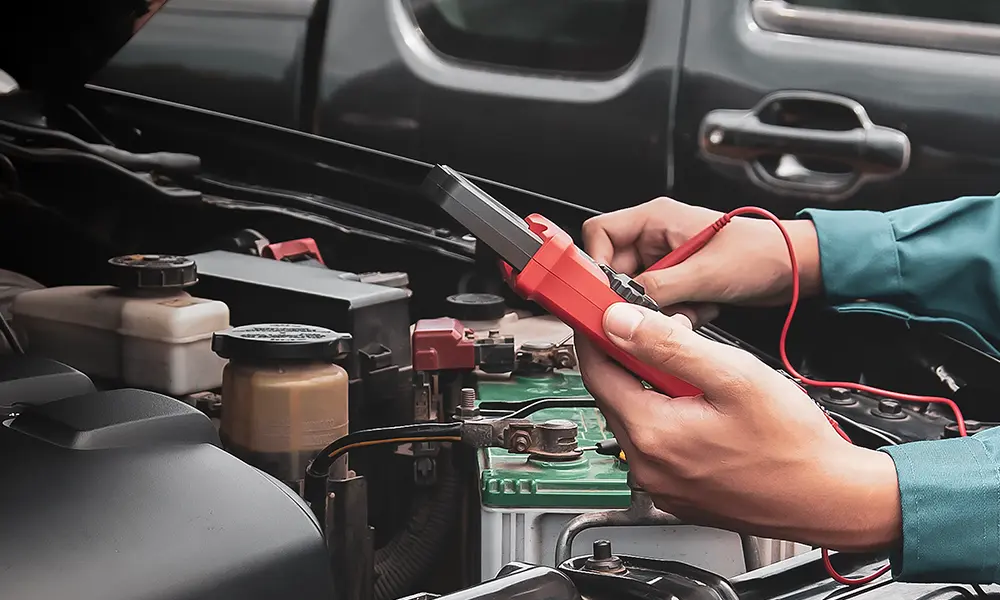
Identifying parasitic drain requires checking the vehicle’s electrical system and measuring the current drawn when the car is properly shut down.
A qualified automotive technician can inspect electrical circuits, accessories, fuses, and control modules to locate the source of excessive consumption.
Drivers should be cautious when installing aftermarket electronics, including dash cameras, tracking devices, and audio equipment. Incorrect installation or unsuitable wiring can create unwanted battery drain.
Addressing the actual electrical fault is more effective than repeatedly charging or replacing the battery without identifying the underlying cause.

9. Skipping Regular Battery Maintenance and Testing
Regular battery maintenance is important for every vehicle, particularly those used mainly for short journeys. Without periodic checks, small battery problems can develop into major starting issues.
Many drivers only think about battery condition when the engine refuses to start. By that stage, the battery may already be significantly discharged or damaged.
A routine battery inspection can reveal problems such as corrosion, loose connections, physical damage, and signs of leakage.
Battery testing also helps determine whether the unit can maintain sufficient voltage and deliver the current required for starting. These checks are especially useful before long trips or seasonal weather changes.
Drivers should follow the maintenance recommendations provided in their vehicle owner’s manual. Different battery types have different servicing requirements.
For example, maintenance-free batteries generally do not require regular electrolyte refilling. Serviceable flooded batteries may require specific checks, which should be performed according to manufacturer instructions.
Keeping the battery properly secured is equally important. Excessive vibration caused by loose mounting can damage internal components and shorten battery life.
A suitable battery charger or maintenance charger can help drivers who rarely use their vehicles. Smart chargers monitor charging conditions and adjust their output to suit the battery.
It is also sensible to have the alternator and charging system inspected during routine vehicle servicing. A battery may appear defective when the actual problem involves insufficient charging.
Consistent maintenance, timely testing, and correct charging practices can help drivers avoid unexpected battery failures and unnecessary replacement expenses.