A dead key fob can turn a simple car journey into an unexpected inconvenience. Whether the remote stops unlocking the doors, fails to start the engine, or responds only occasionally, the problem often comes down to a few common mistakes. Many drivers waste time trying random fixes without understanding what causes the issue.
From ignoring early warning signs to replacing the wrong battery, small errors can make the situation more frustrating and expensive. Knowing what to avoid can help you restore your key fob’s function, protect its internal components, and prevent similar problems from interrupting your daily driving routine.
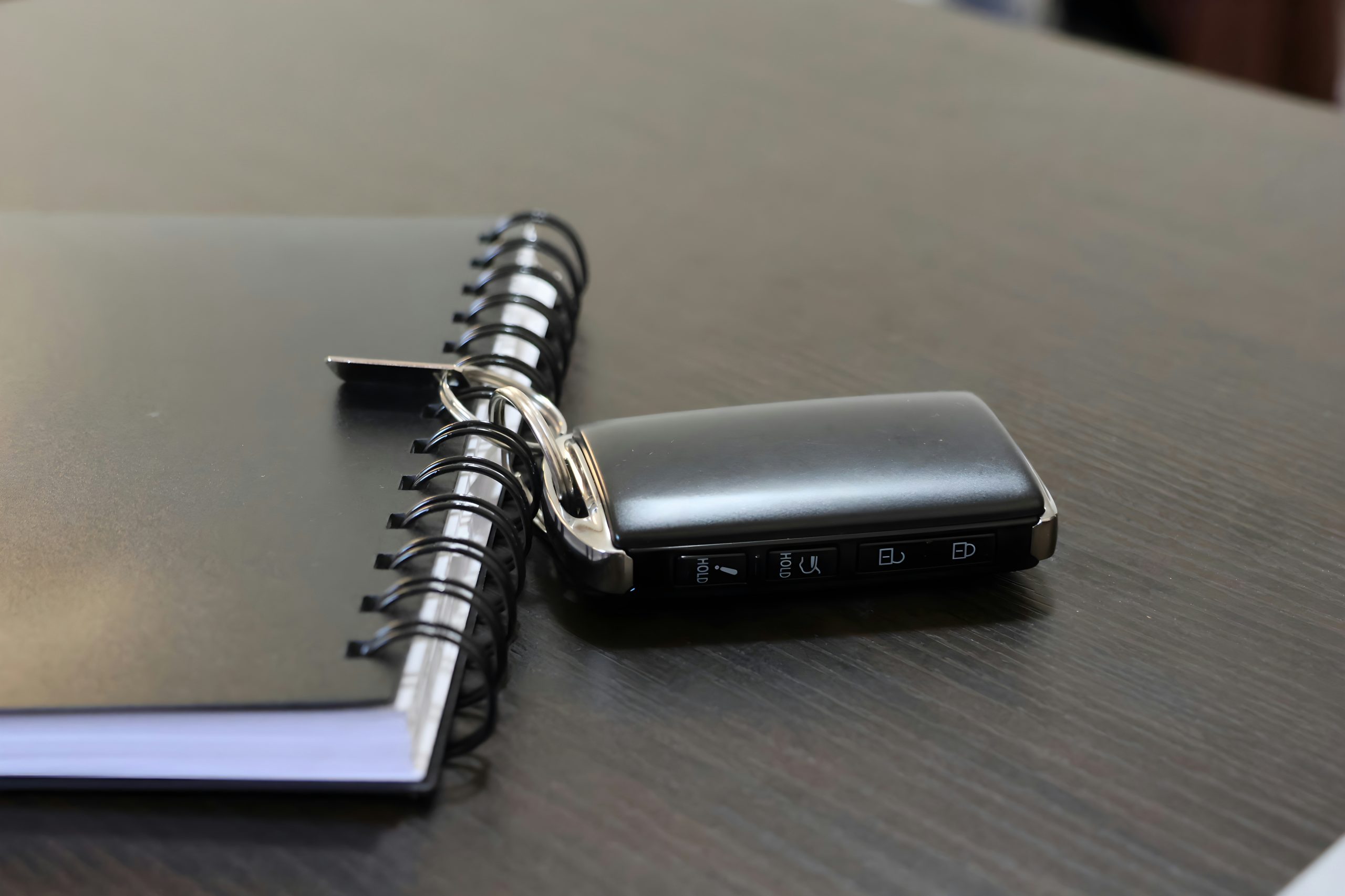
1. Ignoring the Early Warning Signs of a Weak Key Fob Battery
A key fob rarely stops working without giving some warning. In many cases, the battery gradually loses power, causing the remote to respond inconsistently. Drivers who ignore these early symptoms may eventually find themselves unable to unlock their vehicles using the remote.
One common warning sign is reduced operating range. You may need to stand closer to your car or press the button several times before the doors unlock. This change often indicates that the battery is running low and needs attention.
Another symptom is delayed response. When you press the unlock button, the vehicle may take several seconds to react. Sometimes, the remote works immediately, while other times it requires repeated attempts. These inconsistent responses can become more frequent as battery power decreases.
Some modern vehicles display a low key fob battery warning on the dashboard. This notification is designed to give drivers time to replace the battery before the remote stops functioning. Ignoring it can leave you without convenient access to your vehicle.
Drivers should also pay attention when the remote works only at certain angles or distances. While interference and physical damage can cause similar symptoms, a weak battery is a common possibility worth checking first.
Another mistake is assuming that the key fob is permanently damaged simply because its buttons respond poorly. Replacing the entire remote without testing its battery can lead to unnecessary expenses.
Regular attention to warning signs helps prevent unexpected access problems. If your remote starts behaving differently, check the battery condition and consult the vehicle manual for the correct replacement procedure.
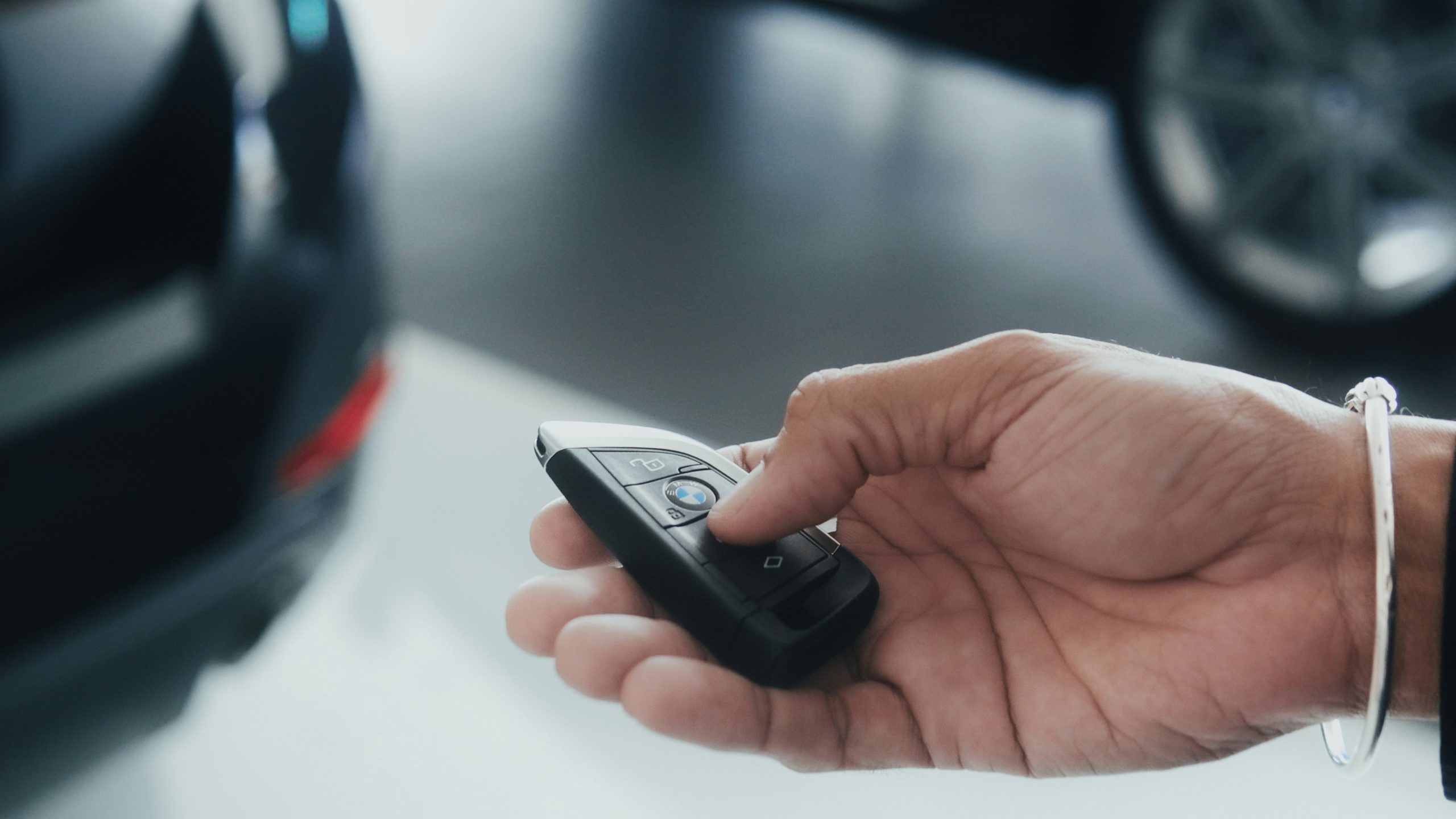
2. Installing the Wrong Battery in the Key Fob
Choosing the wrong battery is a frequent mistake when dealing with a dead key fob. Many remote keys use small coin-cell batteries that look similar, making it easy to purchase an incompatible replacement.
Battery numbers such as CR2032, CR2025, and CR2016 can appear almost identical. However, these batteries have different thicknesses and capacities. Using the wrong type may prevent the key fob from working correctly or stop the battery compartment from closing properly.
Another problem occurs when drivers assume that every car remote uses the same battery. Battery requirements vary according to the vehicle manufacturer, model, production year, and key design. Checking the owner’s manual is the safest way to identify the correct option.
Physical size is important because the battery must fit securely inside its designated compartment. A battery that is too thick may damage the cover or put pressure on internal components. A smaller battery may not maintain reliable contact with the terminals.
Voltage is equally important. Most commonly used key fob coin cells provide 3 volts, but drivers should never rely on appearance alone when selecting a replacement. The battery specification printed in the manual or on the original cell should guide the purchase.
Some people also install rechargeable batteries without checking compatibility. Standard key fob circuits are designed for specific battery types, and using an unsuitable power source can affect performance.
Before installing a replacement, compare its model number, voltage, and dimensions with the original battery. Taking a few minutes to verify these details can save time and prevent additional problems.
3. Inserting the Battery in the Wrong Direction
Buying the correct battery does not guarantee that the key fob will work. Its positive and negative sides must be positioned correctly. Installing the cell in the wrong direction is a simple error that can make a fresh battery appear completely dead.
Most coin-cell batteries have a positive side marked with a plus sign. The negative side is usually the opposite surface. However, the correct orientation depends on the design of the particular key fob.
Before removing the old battery, observe how it is positioned inside the compartment. Taking a quick photograph can help you remember the arrangement during replacement.
Some key fobs have markings inside the battery compartment that indicate the correct orientation. These markings should be checked before inserting the new cell. Avoid guessing based on the position of the buttons or the shape of the casing.
Forcing a battery into place is another mistake. If it does not sit comfortably in the compartment, check its orientation and size. Excessive pressure can bend the metal contacts or damage the plastic housing.
Battery contacts also need to remain clean and properly positioned. If a contact becomes bent during replacement, the battery may not supply power to the circuit board. This can cause intermittent operation or complete failure.
After installing the battery, close the casing carefully and test the buttons. If the remote does not respond, reopen it and verify the battery position before assuming that a more serious fault has occurred.
Following the correct installation procedure protects the internal components and reduces the likelihood of repeated battery replacement.
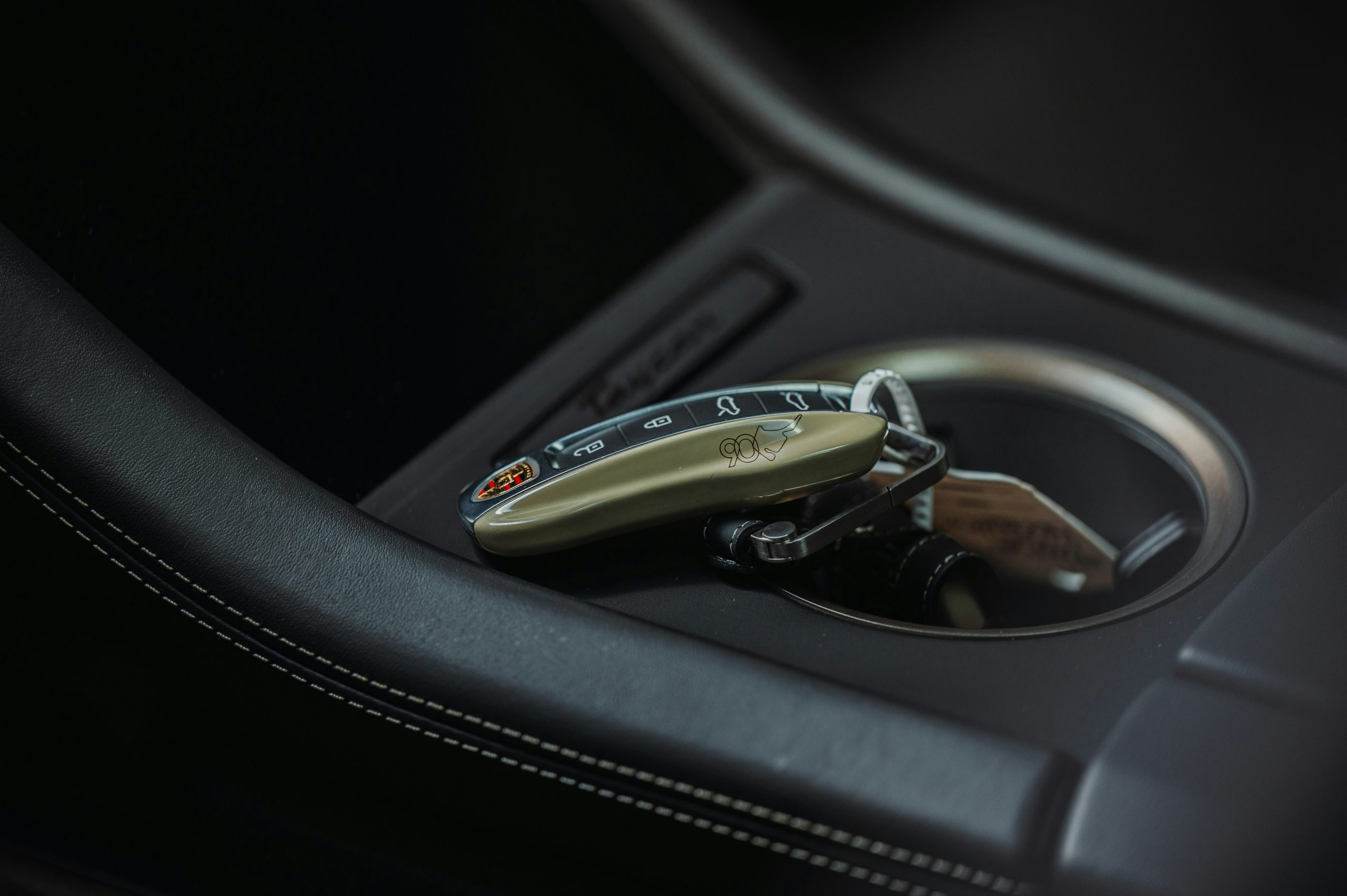
4. Using Excessive Force When Opening the Key Fob
A key fob may look like a simple plastic device, but its casing contains delicate electronic components. Using excessive force to open it can create problems that are more expensive than replacing the battery.
Many remote keys have small clips that hold the two halves of the casing together. These clips are designed to release with gentle pressure using an appropriate opening tool or the method described in the owner’s manual.
Using a large screwdriver or sharp knife can damage the casing. Such tools may leave deep marks, break the plastic clips, or slip toward the internal circuit board.
Another common mistake is twisting the casing aggressively. If the housing does not separate easily, there may be a hidden screw or a specific opening point that needs attention. Applying more force without checking the design can cause unnecessary damage.
Some key fobs also contain small rubber button pads that sit between the outer buttons and the circuit board. These components can shift or become damaged during careless handling, affecting button response.
The internal circuit board is particularly sensitive to physical pressure. Bending it or damaging its electrical connections may stop the remote from transmitting signals to the vehicle.
Drivers should use a plastic opening tool whenever possible. It helps separate the casing while reducing the risk of scratches and broken clips. Working on a clean, well-lit surface also makes it easier to keep track of small components.
If the key fob is difficult to open or has a complicated design, professional assistance is a sensible choice. A careful approach can prevent a minor battery replacement task from becoming a complete key fob repair.

5. Forgetting to Check for Dirt, Moisture, and Corrosion
A dead key fob is not always caused by a weak battery. Dirt, moisture, and corrosion can interfere with the electrical connections inside the remote, preventing it from functioning properly.
Key fobs are handled frequently and often spend hours inside pockets, handbags, or vehicle storage compartments. Over time, dust and small particles can collect around the buttons and casing openings.
Moisture creates a more serious problem. Rain, accidental spills, or exposure to damp environments can allow water to enter the remote. Even a small amount of liquid may affect the electronic circuit.
Corrosion can develop when moisture reaches metal battery contacts or other electrical connections. It may appear as a white, green, or bluish deposit around the affected areas. These deposits can interfere with the flow of electricity.
Some drivers make the mistake of replacing the battery repeatedly without inspecting the compartment. If corrosion remains on the contacts, installing a new battery may not solve the problem.
Cleaning should be performed carefully. Remove the battery and follow manufacturer guidance before attempting any maintenance. Avoid pouring liquid cleaners into the casing or using excessive force on the circuit board.
A key fob exposed to significant moisture should be inspected by a qualified technician. Simply allowing it to dry may not remove corrosion or restore damaged electrical connections.
Keeping the remote clean and dry helps maintain its performance. Avoid storing it near liquids, leaving it in wet clothing, or exposing it to conditions that could damage its internal electronics.
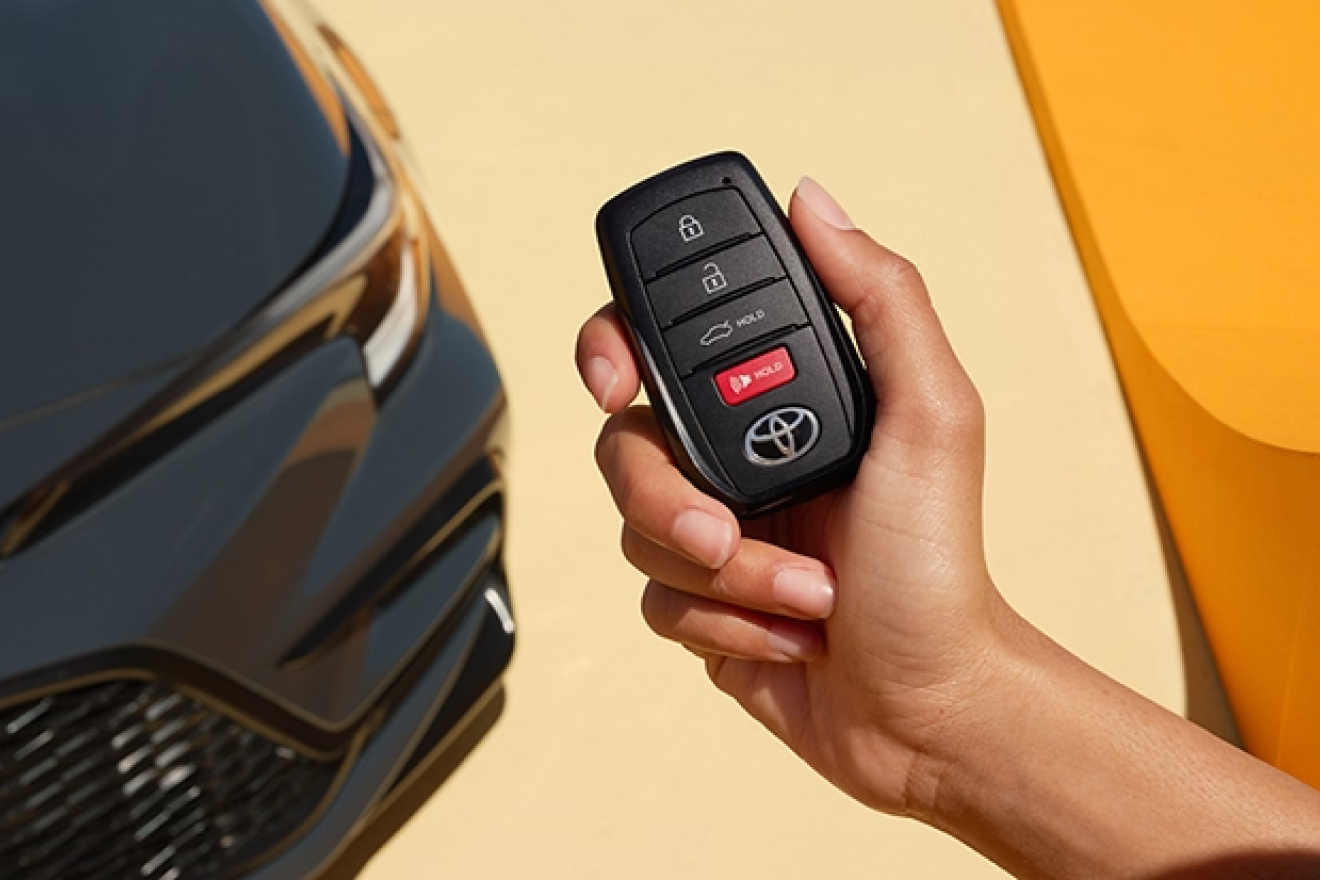
6. Assuming the Key Fob Needs Reprogramming
When a key fob stops working, some drivers immediately assume that it has lost its programming. This assumption can lead to unnecessary visits to a dealership or automotive locksmith.
A key fob communicates with the vehicle through an electronic system. If the remote stops responding after its battery becomes weak, the issue may simply involve insufficient power rather than a programming failure.
Replacing the battery is usually the first step worth checking. If the remote begins working again, there may be no need for any additional setup.
However, certain vehicles have specific procedures for replacing or synchronising a key fob. These requirements vary by manufacturer and model. The owner’s manual can explain whether a battery replacement requires any special steps.
Another mistake is following random programming instructions found online. Procedures intended for a different vehicle may not work with your model. Some methods can also create confusion if they involve entering specific ignition or button sequences.
Drivers should also understand the difference between remote locking functions and engine immobiliser functions. A remote may fail to unlock the doors while the vehicle still recognises its transponder for starting. These systems do not always operate in exactly the same way.
If a replacement battery does not restore functionality, check whether the remote has physical damage, worn buttons, or damaged electrical contacts. These faults may require professional diagnosis.
Reprogramming should be considered when there is a clear reason to suspect a pairing issue. A qualified automotive locksmith or authorised service centre can determine whether the key needs resynchronisation, repair, or replacement.

7. Overlooking the Car’s Keyless Entry System
Drivers often focus entirely on the key fob when it stops working. However, the vehicle itself may also be responsible for the problem. A malfunctioning keyless entry system can prevent a working remote from communicating with the car.
Modern vehicles use several electronic components to detect and respond to key fob signals. These may include antennas, receivers, control modules, and other communication systems.
If the vehicle’s receiver is not functioning properly, pressing the remote buttons may produce no response. Replacing the key fob battery will not necessarily solve this type of problem.
Radio frequency interference is another possibility. Certain electronic devices and nearby sources of radio signals can temporarily interfere with communication between the vehicle and remote.
Drivers should also check whether the vehicle battery is discharged. A weak or completely drained car battery can affect electrical systems, including central locking and keyless entry functions.
Testing a spare key fob can help narrow down the issue. If the spare remote works normally, the original key may have a fault. If neither remote works, the vehicle’s electrical system deserves closer attention.
Some vehicles provide an emergency method for starting the engine when the key fob battery is depleted. This may involve placing the remote near a designated backup reader or holding it against a specific location inside the vehicle.
The correct procedure varies by manufacturer, so consult the owner’s manual rather than experimenting with different positions. Understanding the vehicle’s backup entry and starting features can make a dead key fob less stressful.
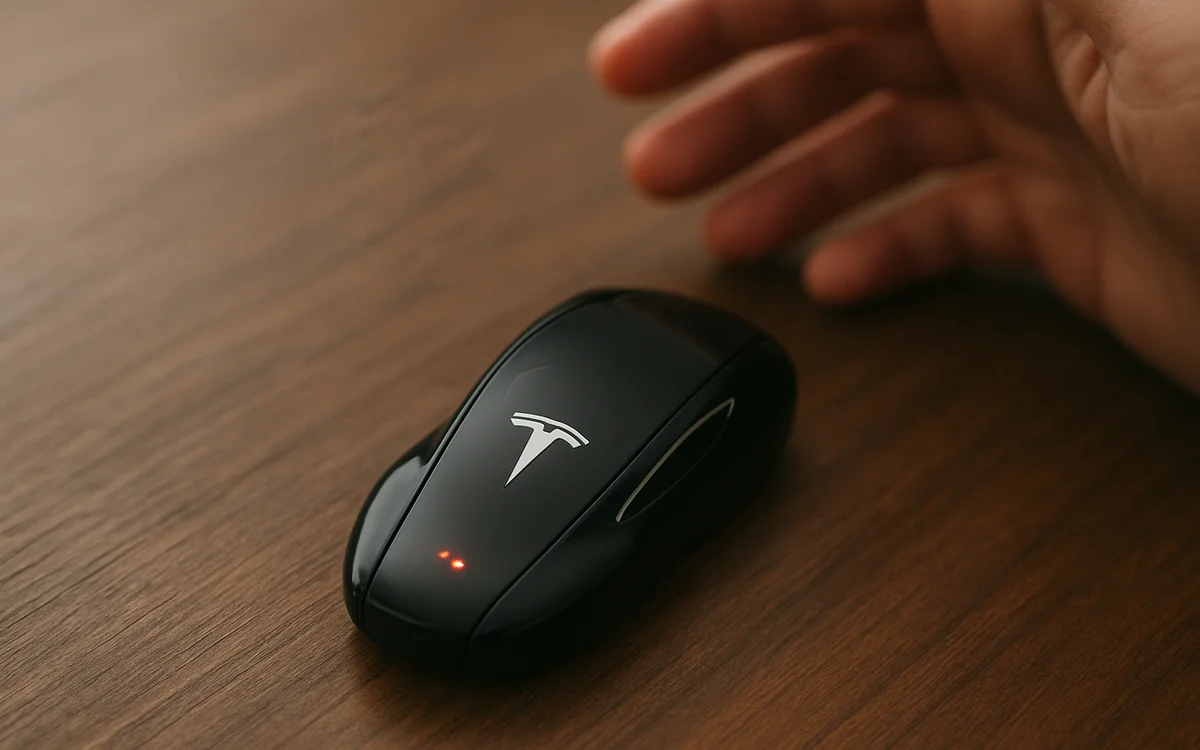
8. Waiting Until the Key Fob Completely Stops Working Before Replacing It
Many drivers postpone replacing a weak key fob battery because the remote still works occasionally. This habit can create avoidable inconvenience, particularly when the vehicle is parked far from home or in an unfamiliar location.
A gradually weakening battery may provide enough power for basic functions during the early stages. However, its performance can become increasingly unreliable over time.
One problem with delaying replacement is that the remote may stop working when you need it most. You might discover the issue while carrying shopping bags, travelling in poor weather, or trying to access your vehicle in a busy parking area.
Another concern is the additional time spent troubleshooting. When a remote stops working unexpectedly, drivers may begin checking the battery, buttons, casing, and vehicle system under unnecessary pressure.
Keeping a spare compatible battery at home can help prevent this situation. It is a relatively simple precaution that allows you to replace the old cell when warning signs first appear.
Drivers should also consider the age of their key fob battery. Battery life varies according to usage, battery quality, temperature, and remote design. There is no single replacement interval that applies to every vehicle.
Some people wait for a dashboard notification before taking action. While this warning can be helpful, not every vehicle provides the same type of notification. Paying attention to changes in remote performance remains important.
A planned battery replacement is generally easier than dealing with a completely unresponsive remote. Addressing the problem early can help you maintain reliable vehicle access and avoid unnecessary disruption.
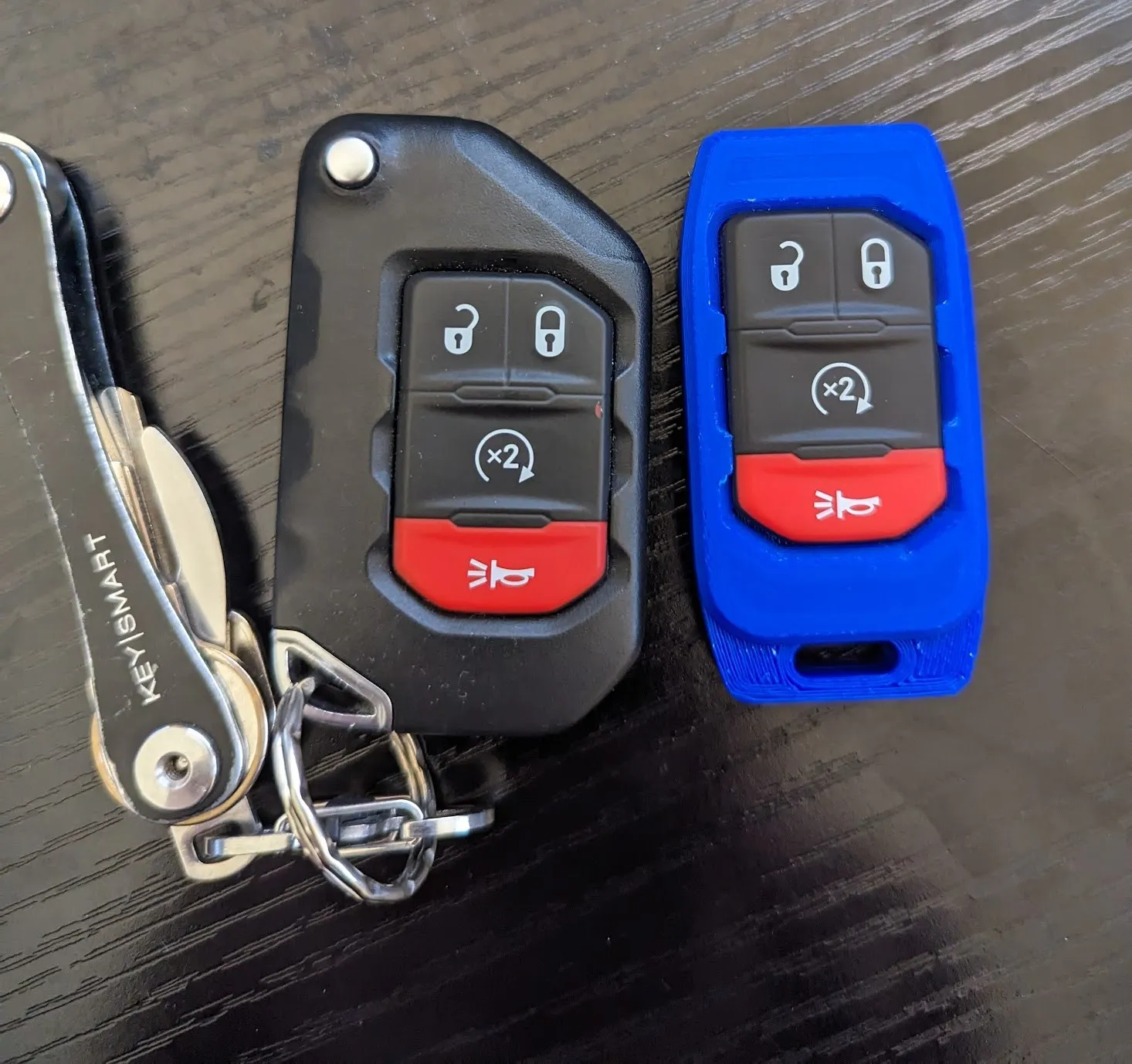
9. Neglecting to Keep a Spare Key or Backup Plan
A working key fob is essential for convenient vehicle access, but relying on a single remote can leave drivers unprepared when it fails. Having a backup key or understanding the vehicle’s emergency procedures can make a significant difference.
Many vehicles are supplied with two keys or remotes. However, owners sometimes store the spare in an unknown location or fail to check whether it still works. When the primary remote stops functioning, this can create an additional problem.
A spare key should be stored somewhere safe and accessible. It should not be left inside the vehicle or in an easily visible location where it could be stolen.
Another important step is learning how to unlock the vehicle manually. Many modern key fobs contain a concealed mechanical key that can operate the driver’s door lock.
The emergency key may be hidden inside the remote casing and released using a small latch or button. The location and removal process depend on the key design, so the owner’s manual should provide the correct instructions.
Drivers should also understand how to start their vehicles when the key fob battery is dead. Some models have a designated backup detection area that allows the immobiliser system to recognise the remote even when its battery is depleted.
Keeping a compatible spare battery in a suitable storage location is also useful. Coin-cell batteries should remain in their original packaging until needed and be stored safely away from children and pets because accidental swallowing can cause serious internal injuries.
Finally, check the spare remote periodically. Make sure its buttons work, its battery is in good condition, and the mechanical key is available. A little preparation can prevent a minor electronic problem from becoming a major inconvenience.