An engine that suddenly shuts down at highway speed can turn an ordinary journey into a dangerous situation, particularly when surrounding traffic is moving at 65 or 70 mph.
Across the United States, drivers have submitted complaints to the National Highway Traffic Safety Administration (NHTSA) describing unexpected engine shutdowns, sudden power losses, and vehicles that struggle to restart.
Some complaints have led to formal investigations involving electronic throttle bodies, fuel pumps, and electrical components. These reports do not automatically establish a manufacturing defect, but they highlight recurring problems that deserve attention from used-car buyers and existing owners.
1. 2007 Jeep Wrangler
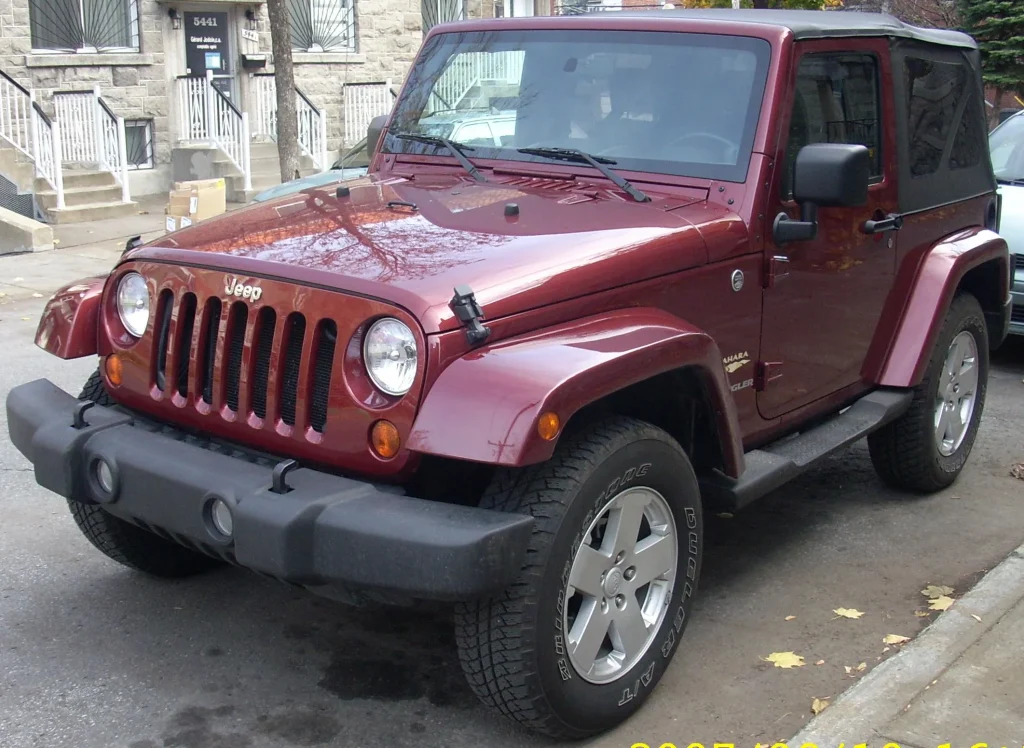
The 2007 Jeep Wrangler attracted significant attention from federal safety investigators after owners repeatedly reported unexpected engine shutdowns while driving. NHTSA opened Preliminary Evaluation PE07-027 on May 29, 2007, after receiving 53 consumer complaints involving engine stalling in this model year.
What made the reports particularly concerning was that most owners described the engine stopping suddenly without warning while travelling at highway speeds.
The investigation also identified another potential complication. In 12 complaints, drivers reported losing electrical power at approximately the same time as the engine stalled.
This reportedly affected vehicle lighting, creating an additional hazard when the incident occurred on poorly lit roads or during nighttime driving. The combination of an unexpected engine shutdown and a possible loss of lighting could leave a driver with very little time to react to surrounding traffic.
Unlike complaints involving gradual power reduction, several Wrangler owners described a sudden interruption that required them to move out of traffic and attempt to restart the vehicle.
NHTSA specifically noted that most complainants had experienced more than one stalling incident. This repeated pattern was one of the reasons the agency opened an investigation to assess the frequency, scope, and safety consequences of the reported condition.
However, the 53 complaints should not be interpreted as 53 confirmed mechanical failures. The investigation was opened to establish whether an underlying defect existed, not to declare every 2007 Wrangler defective.
Anyone considering an older example should review its service history, investigate any previous electrical or engine shutdown complaints, and have the charging and electrical systems professionally inspected before purchase.
2. 2009-2010 Volkswagen Jetta TDI
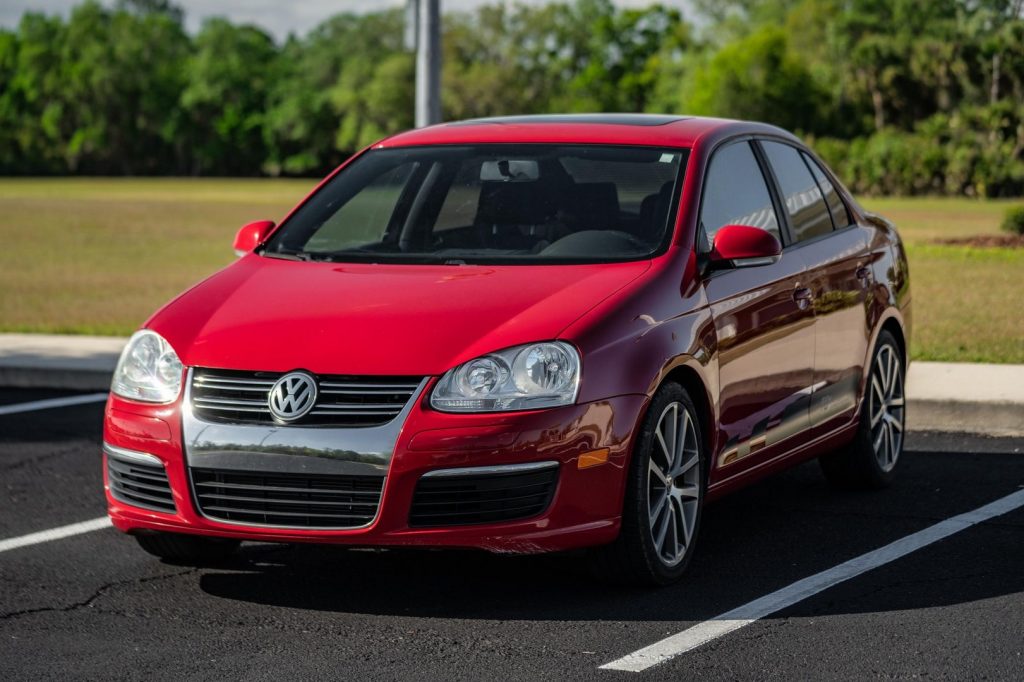
The 2009-2010 Volkswagen Jetta TDI is another vehicle with documented reports of sudden power loss and engine stalling at highway speeds. This time, the concern involved the high-pressure fuel pump (HPFP), an important component responsible for delivering diesel fuel to the engine at the required pressure.
When the pump fails, the resulting fuel-system problems can cause rough running, reduced engine power, and potentially a complete engine shutdown.
NHTSA investigated the issue under Preliminary Evaluation PE10-034, which was subsequently upgraded to Engineering Analysis EA11-003 on February 7, 2011. The investigation covered certain 2009-2010 Jetta TDI models, along with the 2010 Volkswagen Golf TDI and Audi A3 TDI.
Across the affected vehicles, the agency and Volkswagen had received 160 complaints and field reports involving engine stalling or power loss. Approximately half of those reports described an actual engine-stall incident, with many alleging that the shutdown happened at highway speeds in traffic.
Volkswagen attributed many high-pressure fuel-pump failures to gasoline contamination in diesel fuel, explaining that gasoline can reduce the lubrication needed by the pump. The company also reported 121 misfueling incidents acknowledged by customers or dealers.
Consequently, the investigation examined both potential fuel contamination and the durability of the pump itself rather than establishing one universal cause for every reported failure.
For used-car buyers, the Jetta TDI deserves particular attention because a fuel-pump failure can affect more than the pump alone. Metal debris from internal wear may contaminate other fuel-system components, potentially making repairs substantially more expensive.
Buyers should request documented fuel-system maintenance and investigate any previous HPFP replacement or contamination-related repairs.
3. 2013 Ford Escape 1.6L EcoBoost
The 2013 Ford Escape equipped with the 1.6-liter EcoBoost engine became the subject of an NHTSA investigation after owners reported sudden engine shutdowns while driving.
Unlike complaints involving occasional hesitation or rough idling, these reports described a more serious situation in which the vehicle could lose power without warning, potentially leaving drivers unable to maintain their speed in traffic.
NHTSA opened Preliminary Evaluation PE18-007 on July 16, 2018, after receiving 40 vehicle owner questionnaire reports involving the 2013 Escape. The agency identified an estimated population of approximately 127,000 vehicles.
According to the investigation summary, complainants alleged that engine overheating caused the sudden stalling, with some vehicles experiencing delayed restarting or an inability to restart immediately after shutting down. Two crashes were also listed in the initial complaint summary, although no injuries were reported.
The 1.6-liter turbocharged engine makes this investigation particularly important for used-car buyers. A cooling-system problem that allows engine temperatures to rise excessively can trigger protective shutdown behavior or cause serious mechanical damage.
If the engine stops while travelling at highway speed, the driver may have to maneuver toward the shoulder while dealing with reduced propulsion.

It is important to distinguish the reported symptoms from a confirmed universal defect. PE18-007 was opened to investigate the frequency, scope, and potential safety consequences of the allegations. The initial 40 complaints were not proof that every 2013 Escape would experience the problem.
Anyone purchasing this particular configuration should pay close attention to cooling-system repairs, overheating history, coolant loss, and previous engine replacements. A professional inspection should include a cooling-system pressure test and a review of stored diagnostic trouble codes.
4. 2022-2024 Nissan Versa (Manual Transmission)
A relatively recent compact sedan also attracted federal attention because of reports involving engine stalling and reduced power.
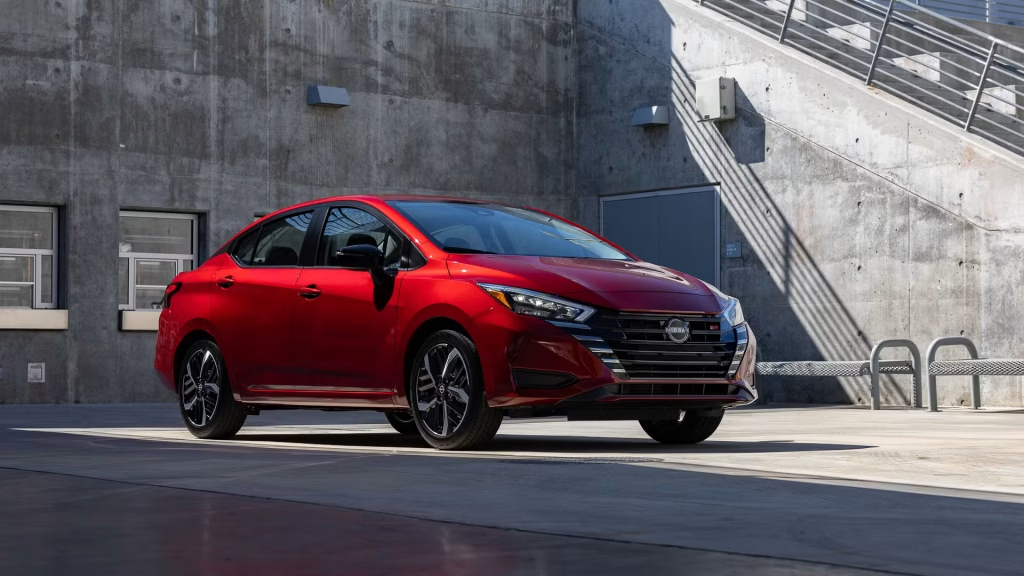
The 2022-2024 Nissan Versa equipped with a manual transmission became the subject of NHTSA Preliminary Evaluation PE24-007, opened on March 7, 2024. The investigation focused on complaints describing a loss of engine performance after a vehicle stalled and was restarted.
NHTSA initially received 20 consumer complaints and multiple field reports. Its subsequent information request documented 39 reports alleging reduced motive power without warning.
Drivers described situations in which the engine stalled and, following a restart, the vehicle entered a limited-performance mode. Some complaints indicated that the car could struggle to maintain speeds above 30 mph or accelerate sufficiently to avoid a potential traffic hazard.
The underlying issue was associated with the vehicle’s electronic valve timing control system. Under certain conditions, restarting the engine within five seconds of a stall could trigger a fail-safe mode with limited engine torque.
This was particularly concerning when drivers encountered the condition in moving traffic, because the vehicle might not respond normally when acceleration was required.
Nissan has taken steps to address the issue through a service campaign aimed at affected vehicles. Technical Service Bulletin NTB25-024, issued on April 28, 2025, instructed dealers to replace the valve timing control unit and install updated software on eligible models. Nissan also introduced these changes in vehicles produced after July 9, 2024.
NHTSA closed its preliminary evaluation on October 2, 2025, after reviewing the corrective action and subsequent reports.
Buyers should still verify whether an earlier vehicle received the required repair. This case demonstrates why checking completed service campaigns matters just as much as checking conventional safety recalls
5. 2010 Volkswagen Golf TDI
The 2010 Volkswagen Golf TDI became part of a federal investigation into high-pressure fuel-pump failures that could cause sudden engine stalling and loss of power. The problem was significant because the affected component played a central role in delivering diesel fuel to the engine.
When the pump failed internally, metal debris could circulate through the fuel system, potentially affecting multiple components rather than producing an isolated mechanical problem.
NHTSA initially investigated complaints involving the 2009-2010 Jetta TDI before expanding its engineering analysis to additional Volkswagen Group diesel vehicles. The 2010 Golf TDI was included in this wider investigation, identified as EA11-003.
The agency examined 713 non-duplicated complaints and manufacturer reports involving the broader population of affected diesel vehicles, with 178 complaints submitted directly to NHTSA.
Volkswagen identified high-pressure fuel-pump failure as an important source of customer complaints involving stalling and loss of power. However, the manufacturer also argued that contaminated diesel fuel, particularly fuel containing gasoline, could damage the pump by reducing the lubrication necessary for proper operation.
This distinction mattered because the investigation considered both pump durability and fuel quality rather than automatically attributing every failure to a manufacturing defect.
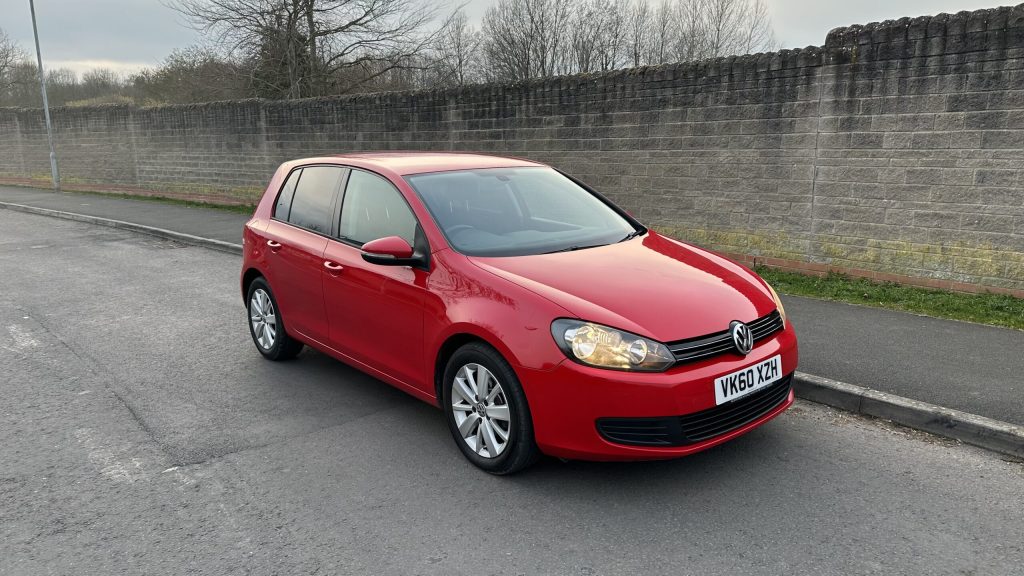
For Golf TDI owners, the potential consequences extended beyond an illuminated warning light. A failing pump could cause rough engine operation, reduced acceleration and eventual stalling. Repairs could become expensive if metal contamination spread through the injectors, fuel lines and other system components.
Anyone shopping for a used example should request documentation of previous fuel-pump repairs and inspect the complete fuel-delivery system. A history of sudden shutdowns, difficult restarting, or unexplained power loss deserves further investigation before purchasing the vehicle.
6. 2010 Audi A3 TDI
The 2010 Audi A3 TDI shares an important connection with the Volkswagen diesel vehicles involved in NHTSA’s high-pressure fuel-pump investigation. Although Audi marketed the A3 as a premium compact vehicle, its 2.0-liter TDI diesel powertrain was part of the same wider engineering concern.
The investigation examined whether failures inside the high-pressure fuel pump could contaminate the fuel system and eventually cause the engine to lose power or stall.
NHTSA’s Engineering Analysis EA11-003 covered 2009-2012 Volkswagen and Audi TDI vehicles, including the Audi A3. The broader investigation involved an estimated population of 241,279 vehicles and 713 non-duplicated complaints and manufacturer reports.
The original investigation had started after reports involving fuel-pump failures in certain diesel models, with owners describing rough engine operation, power loss and unexpected shutdowns.
The high-pressure fuel pump is especially important in a common-rail diesel engine because it supplies fuel at extremely high pressure to the injection system. If internal pump components wear excessively, metal particles can enter the fuel circuit.
This contamination may interfere with injectors and other precision components, potentially creating repair bills that extend far beyond replacing the original pump.
Fuel contamination was also a major consideration. Volkswagen argued that gasoline mixed into diesel fuel could reduce lubrication and contribute to pump failure. NHTSA therefore examined available engineering information, field experience and fuel-testing results before closing the investigation in March 2015.
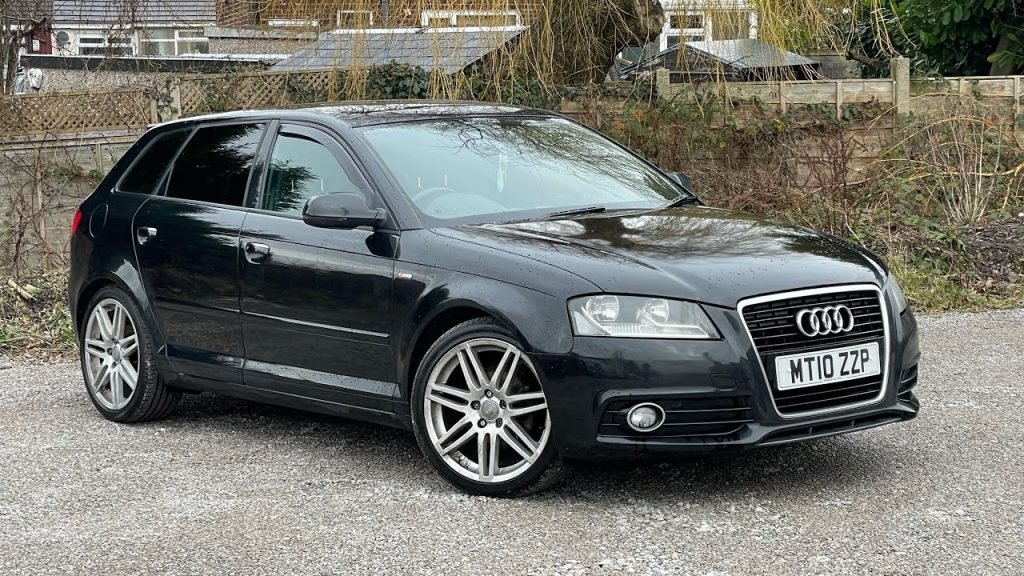
A used A3 TDI should be inspected with particular attention to its fuel-system history. Ask whether the high-pressure pump has been replaced, whether metal debris was discovered and whether contaminated components were cleaned or replaced.
A previous pump replacement without supporting documentation of the remaining fuel-system condition deserves closer scrutiny.
7. Volkswagen Eos (2008-2009)
The Volkswagen Eos offers another example of how a transmission problem can produce symptoms that drivers may initially mistake for an engine failure. Certain 2008-2009 Eos models equipped with the Direct Shift Gearbox (DSG) transmission were included in NHTSA investigation PE09-035.
The investigation examined reports of sudden loss of motive power while driving, including situations in which the transmission could effectively disconnect the engine from the wheels.
The DSG is a six-speed dual-clutch automatic transmission that uses electronically controlled hydraulic mechanisms to operate its clutches and select gears. Its control system monitors operating conditions and can reduce engine torque or interrupt power transmission when it detects certain faults.
However, NHTSA identified a concern involving the gearbox temperature sensor wiring harnesses, which could trigger inappropriate transmission behavior.
In the investigation, NHTSA received 40 complaints directly, while Volkswagen reported another 139 complaints. The combined investigation record contained 172 complaints after accounting for duplicate reports.
The affected population was estimated at approximately 69,000 vehicles across the different Volkswagen and Audi models covered by the investigation.
Drivers described sudden power interruptions, and some reports indicated that the transmission appeared to shift into Neutral unexpectedly. A flashing PRNDS gear indicator was another reported warning sign. In certain circumstances, the driver had to stop and restart the vehicle before normal operation could resume.

Volkswagen addressed the identified wiring-harness concern through recall 09V-333. Consequently, used Eos buyers should verify whether the applicable recall repair was completed.
During an inspection, pay attention to transmission warning lights, delayed engagement, unexpected neutral selection and unusual shifting behavior. A road test and diagnostic scan by a Volkswagen specialist are sensible precautions before purchasing an older Eos.
8. Volkswagen GTI (2008-2009)
The 2008-2009 Volkswagen GTI combines a turbocharged gasoline engine with a dual-clutch transmission in certain configurations, but the transmission became the subject of a significant safety investigation.
NHTSA included these vehicles in Preliminary Evaluation PE09-035 after receiving reports of sudden loss of motive power involving Volkswagen’s DSG gearbox. The concern was particularly serious because the interruption could occur while the vehicle was moving rather than only during parking or low-speed maneuvering.
The six-speed DSG transmission uses two wet-running clutches controlled by an electrohydraulic mechatronic unit. It is designed to deliver quick gear changes, but the system also depends on accurate temperature monitoring and electronic communication.
NHTSA examined a potential problem involving the gearbox temperature sensor wiring harness. An electrical fault could cause the transmission control system to interpret operating conditions incorrectly and interrupt the transfer of power.
In its initial investigation, NHTSA received 23 reports involving 2008-2009 Volkswagen Jetta, GTI, GTI R32 and Eos vehicles. Some drivers described the transmission apparently shifting into Neutral without warning.
Others reported that the flashing PRNDS indicator appeared during the incident. NHTSA eventually recorded 40 direct complaints and 139 manufacturer complaints across the wider investigation.
Volkswagen responded with recall 09V-333, which addressed the affected DSG temperature-sensor wiring harnesses. This means the GTI’s documented concern should not be confused with a general failure of every turbocharged engine fitted to the model.
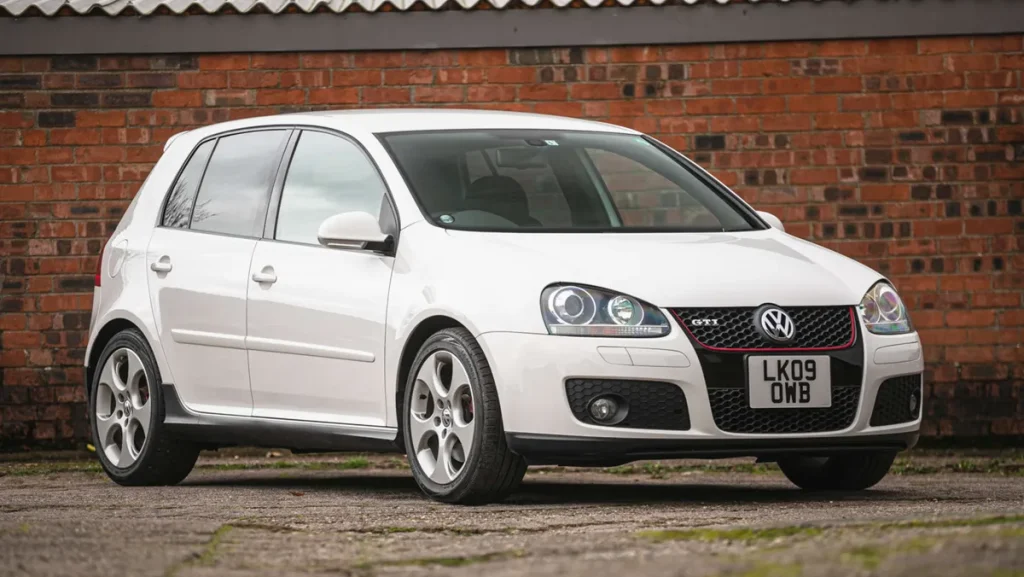
For used-car shoppers, checking the transmission recall history is essential. A specialist should inspect the mechatronic system, scan for stored transmission faults and evaluate clutch engagement during a road test.
If the gear indicator flashes or the transmission unexpectedly disengages, the vehicle should receive professional attention before further highway driving.
9. Audi TT (2008-2009)
The Audi TT rounds out this list with another example of sudden power interruption associated with a dual-clutch transmission. Certain 2008-2009 Audi TT models equipped with the DSG gearbox were included in NHTSA investigation PE09-035.
The investigation examined reports that the transmission could malfunction at different vehicle speeds and cause an unexpected interruption in motive power.
The problem involved the transmission’s temperature-sensing electrical system. The DSG uses a mechatronic controller to manage clutch operation and gear selection. When the system detects excessive gearbox temperature, it can progressively reduce engine torque.
If the temperature continues rising, the controller may open the clutch to protect the transmission. However, NHTSA also investigated whether wiring-harness problems could trigger an incorrect response and result in an unexpected loss of propulsion.
The federal investigation covered an estimated 69,000 vehicles across several Volkswagen and Audi models. NHTSA received 40 direct complaints, while Volkswagen reported another 139. The agency closed its preliminary evaluation on November 19, 2009, following Volkswagen’s recall 09V-333 addressing the identified wiring-harness concern.
For an Audi TT owner, the practical warning signs include a flashing PRNDS indicator, unexpected loss of acceleration, delayed gear engagement and transmission behavior that changes after the vehicle becomes hot.
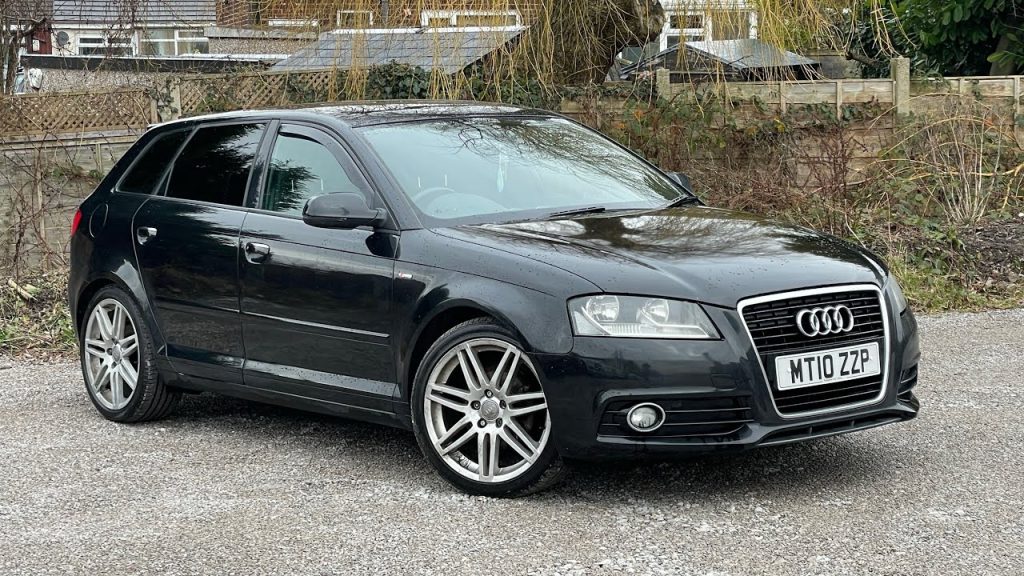
These symptoms should not automatically be attributed to the engine because the documented investigation concerned the transmission’s electronic control system.
Buyers considering a used TT should request proof that the relevant recall work was performed. A qualified Audi technician should also check the transmission control module for stored faults and inspect the gearbox’s operation under different driving conditions.
Ignoring intermittent power interruptions is a poor gamble when the vehicle is expected to handle regular highway journeys.