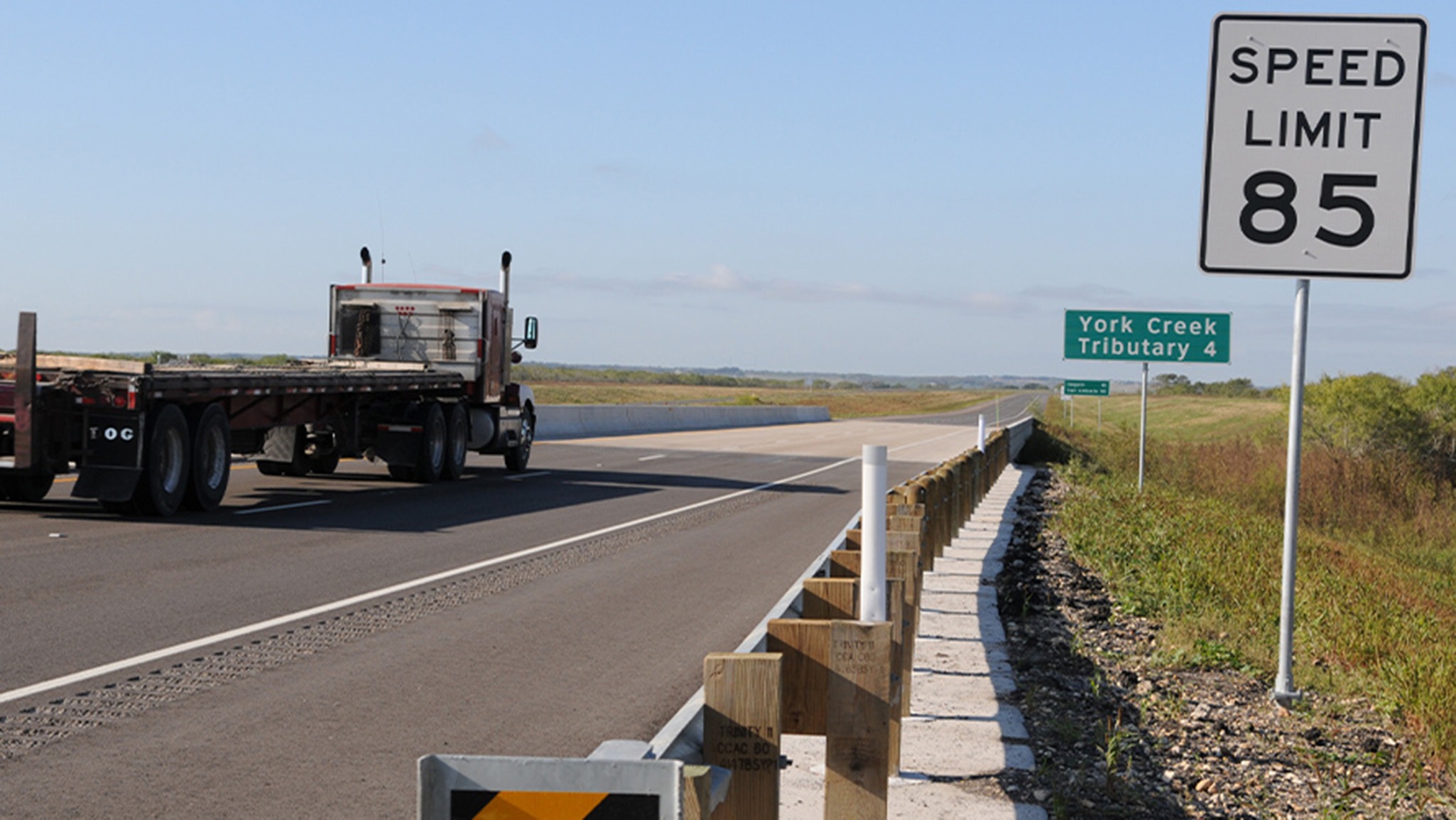
For drivers who enjoy long highway journeys, speed limits can make a considerable difference to the travel experience. Across the United States, some states allow motorists to drive faster on selected highways, particularly in rural areas where roads are designed for higher speeds and traffic is often lighter. Texas leads the country with an impressive 85 mph limit on part of one highway, while several other states permit speeds of up to 80 mph.
These higher limits come with responsibilities, though. Road conditions, weather, traffic, and vehicle safety still matter, regardless of what the posted signs allow. Here are eight US states with some of the highest legal speed limits and what makes their highway rules worth knowing.
1. Texas
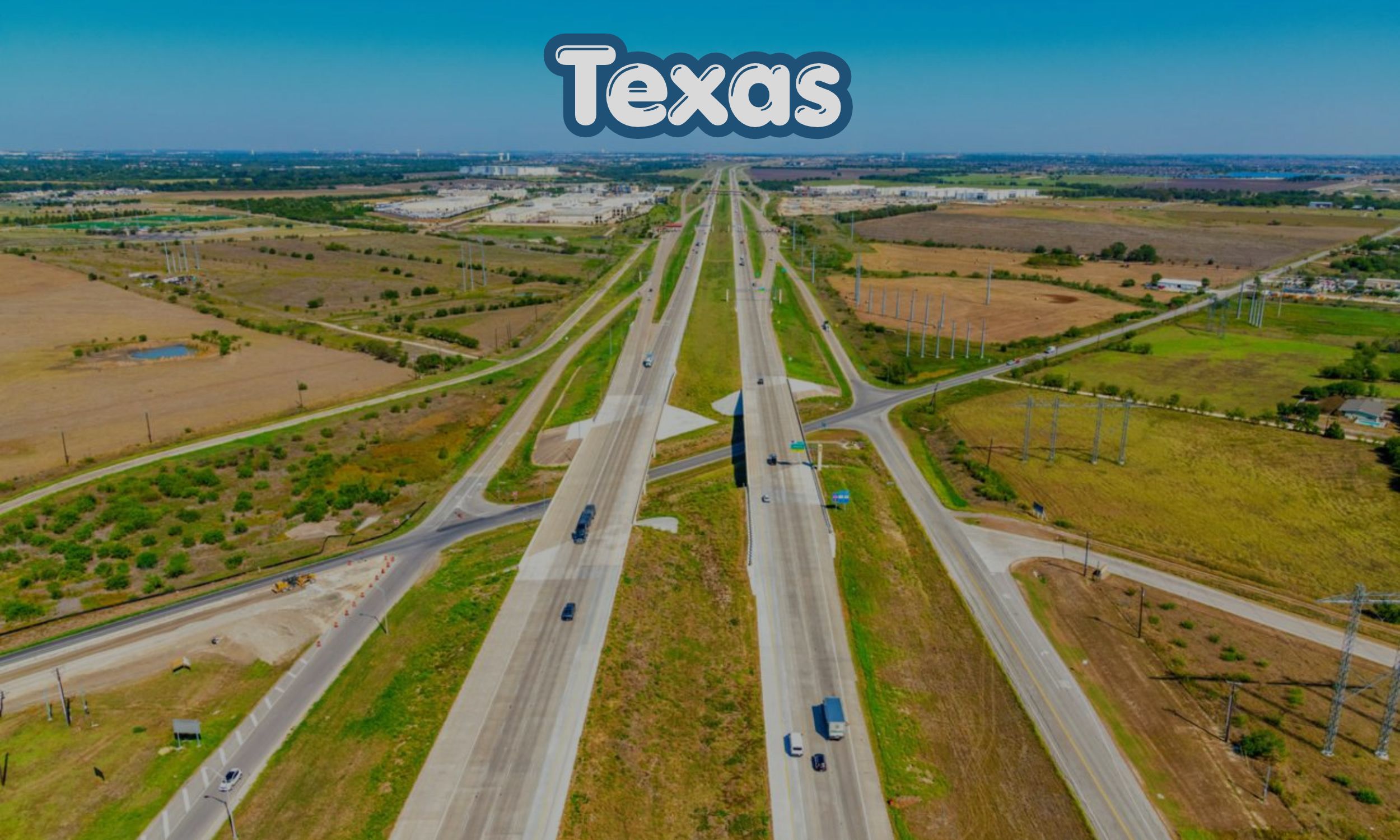
Texas takes the top spot among US states with the highest posted speed limits. A section of State Highway 130 allows motorists to travel at speeds of up to 85 mph, making it the location of the highest posted speed limit in the United States.
This exceptional speed limit reflects Texas’s approach to managing traffic on selected highways designed for faster long-distance travel.
State Highway 130 provides an alternative route around the busy Austin metropolitan area, helping motorists avoid some of the congestion associated with major urban roads.
Its design accommodates faster traffic, with wide lanes, controlled access, and long stretches that make driving more convenient than traveling through crowded city streets. The highway is particularly useful for commuters, business travelers, and motorists passing through central Texas.
Texas also permits speed limits of up to 80 mph on selected rural highways. These higher limits reflect the state’s extensive road network, relatively long travel distances, and the need for efficient transportation between cities and smaller communities.
However, drivers should remember that the 85 mph speed limit applies only to the designated section of State Highway 130 where appropriate signs authorize it.
Other sections may have lower restrictions depending on road design and traffic conditions. Weather, road construction, and heavy traffic can also make high-speed driving unsafe.
For motorists planning a Texas road trip, State Highway 130 offers an interesting example of how speed regulations vary across the country. Checking posted signs and adjusting driving speeds to road conditions remain essential for a safe journey.
2. Idaho
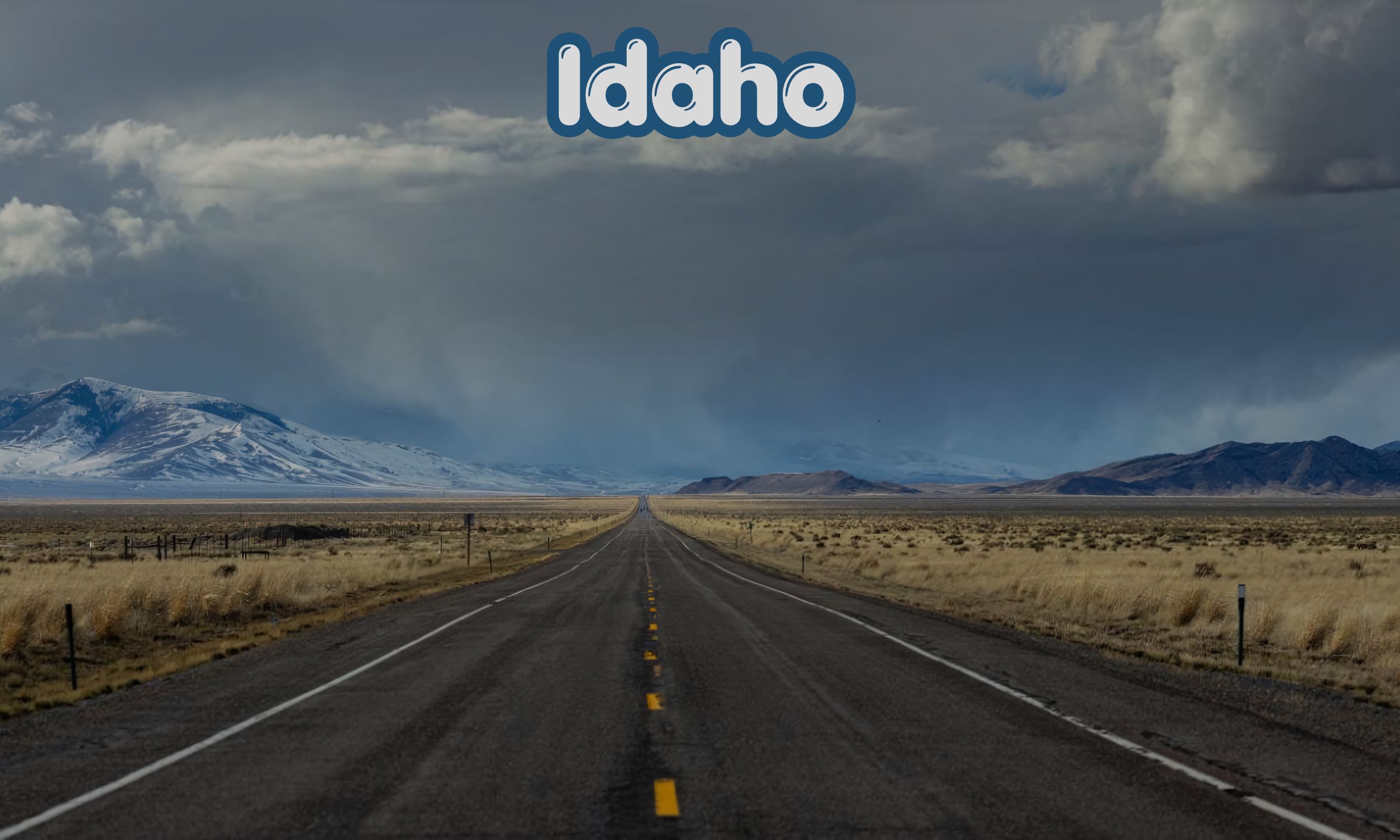
Idaho is another state where motorists can legally travel at speeds of up to 80 mph on selected rural interstate highways. Its open roads, mountainous surroundings, and wide stretches of highway make it a popular destination for people taking long-distance road trips.
Much of Idaho’s interstate system passes through areas with relatively low population density. This allows transportation authorities to establish higher speed limits on suitable highway sections while maintaining safety requirements.
Interstate 84 and Interstate 86 are among the major routes connecting communities and neighboring states. Drivers using these highways may encounter different speed restrictions depending on the location and road conditions.
The state’s higher limits are particularly useful for motorists traveling between cities or crossing large rural areas. Still, 80 mph should never be treated as a target speed when conditions are unfavorable.
Snow, rain, fog, and icy pavement can make driving hazardous, especially during colder months. Idaho motorists should also watch for changing speed signs near construction zones and urban areas.
3. Montana
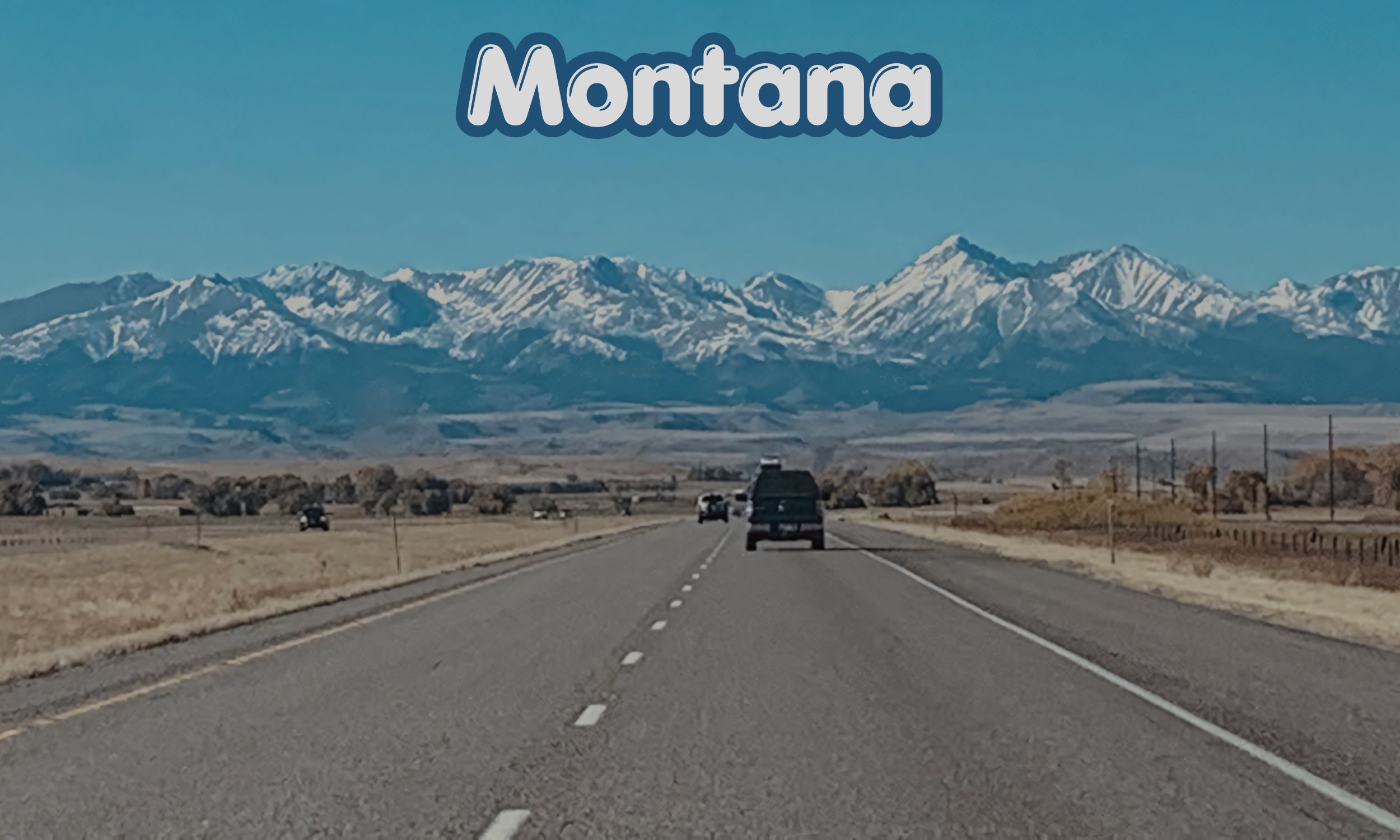
Big Sky Country lives up to its name, and Montana lets you stretch out with an 80 mph limit on rural interstates. Lower limits often apply to large trucks, so you may notice commercial vehicles traveling slower than passenger cars.
Give them space, and pass only when you have a clear, safe gap. Distances here feel enormous. Towns can be far apart, and you may drive for long stretches without seeing a gas station, so fill up whenever it makes sense.
Cell coverage can drop in remote areas, so download maps before you leave and tell someone your route. Weather changes fast, especially near mountains. A sunny morning can turn into a snowy afternoon, even in shoulder seasons.
Keep an emergency kit in your vehicle, along with a spare tire in good condition. Watch for deer, elk, and other animals crossing the road, particularly at dusk. Hitting one can cause serious damage and injury.
Use high beams when no other cars are around, and slow down in areas marked with wildlife warnings. Long, straight highways can cause drowsiness, so rotate drivers if possible and pull over when you feel tired.
Montana rewards travelers who plan ahead, and the empty roads make the journey feel like a true escape.
4. Nevada
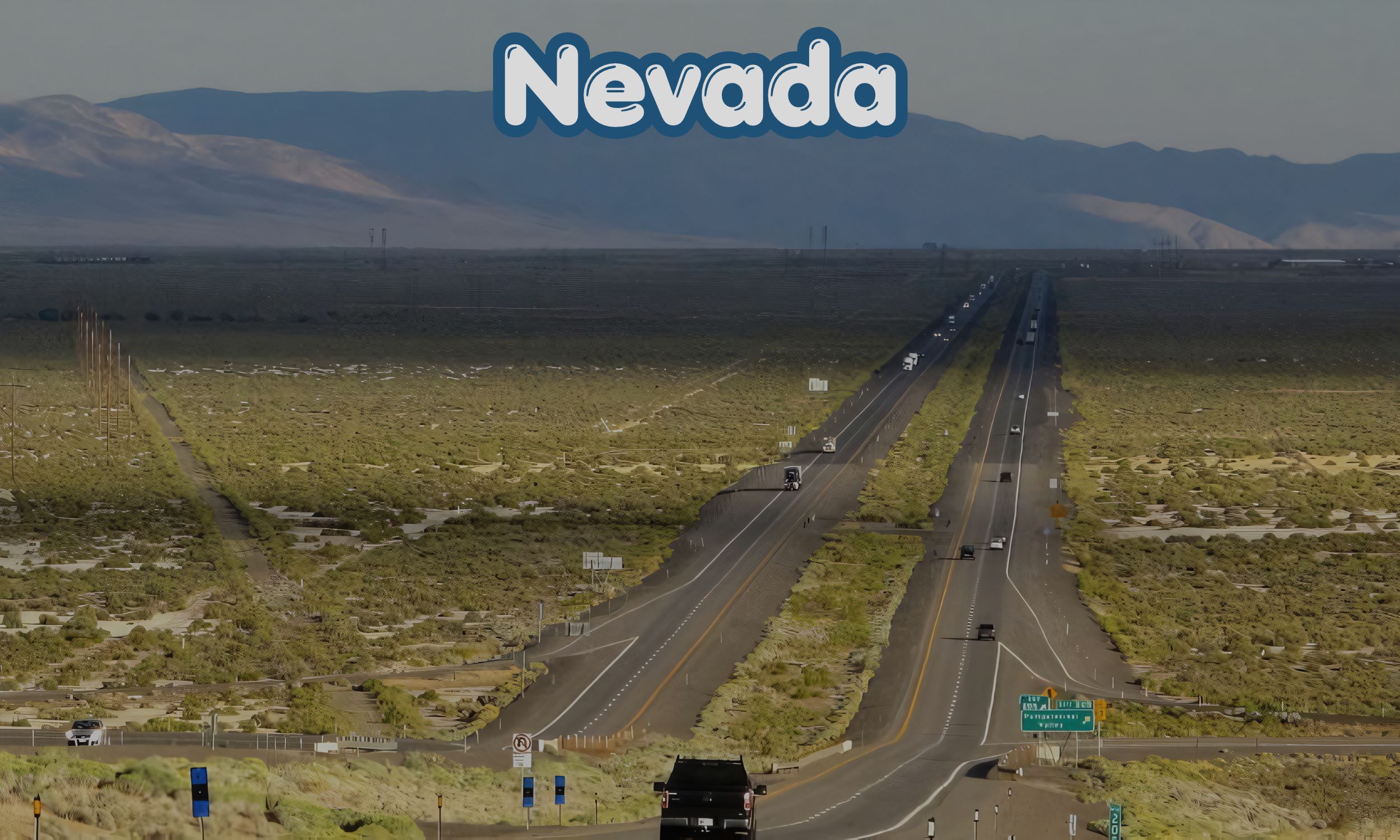
Nevada stretches across deserts, basins, and ranges, and designated rural interstate segments allow speeds up to 80 mph. Those long, open stretches make the state a favorite for road trippers heading to or from the West Coast.
Heat is the big concern. Summer temperatures can climb past triple digits, and that stresses cars as much as people. Check your coolant, oil, and tire pressure before you go. Carry extra water, both for passengers and for the vehicle, and keep a sunshade handy.
Fuel stops can be spaced far apart, so top off your tank early rather than gambling on the next exit. If your car breaks down, stay with it, since vehicles provide shade and make you easier to find.
Cell service can disappear on remote highways, so keep a paper map or offline map as backup. Nevada also has stretches where limits drop near cities, casinos, and construction areas, and enforcement is common.
Do not let the wide-open feeling tempt you into a speed that makes you uncomfortable. Wind can push lighter vehicles around, and dust storms occasionally reduce visibility.
If that happens, slow down, turn on your lights, and pull off safely if needed. A prepared driver enjoys the desert far more than a rushed one.
5. North Dakota
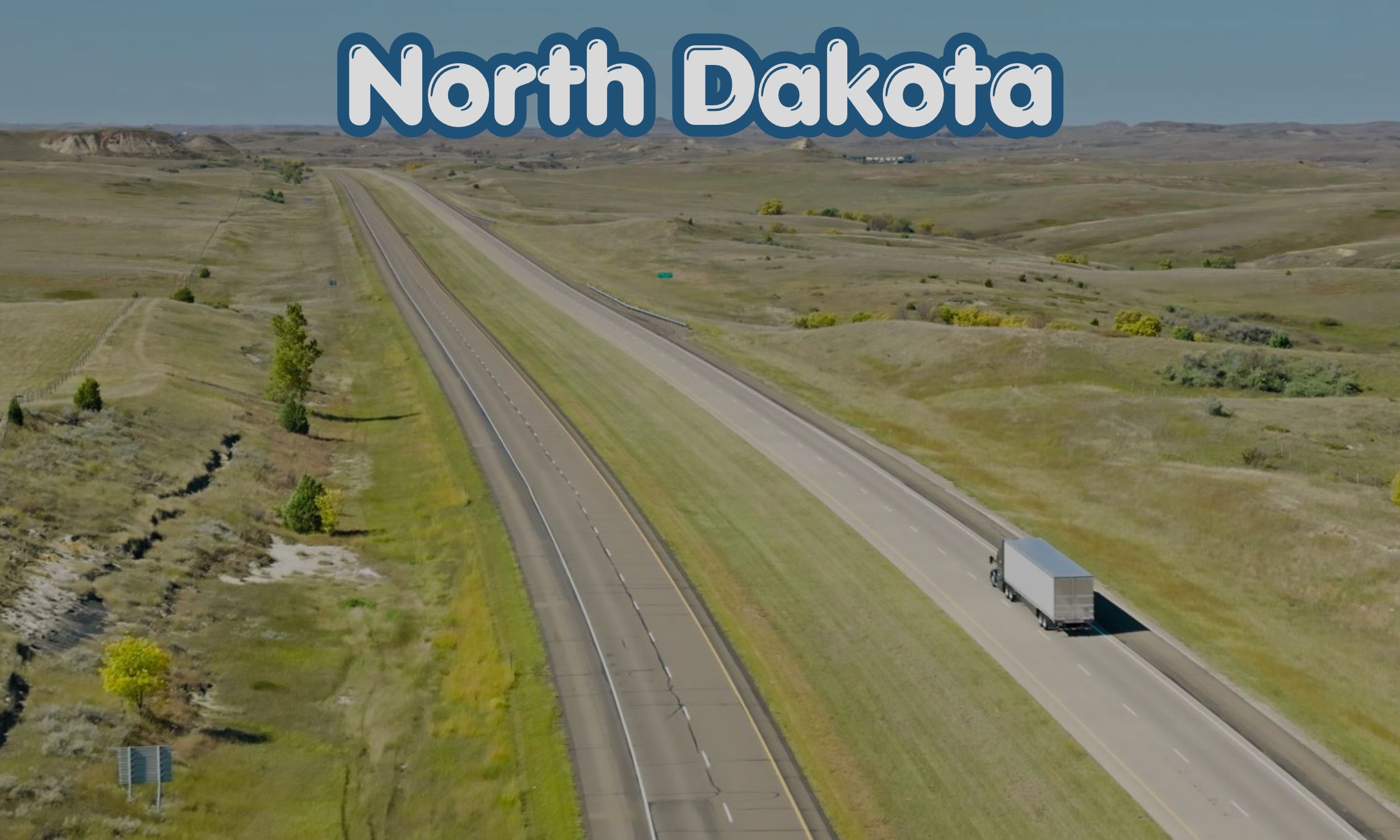
Flat horizons and endless fields define much of North Dakota, and select highway stretches allow up to 80 mph. The straight roads make driving feel easy, but that comfort can lull you into complacency.
Stay alert. Winter is the real challenge in this state. Blowing snow can create whiteout conditions in minutes, and black ice can form on roads that look clear. If conditions turn dangerous, delay your trip.
Check road reports and weather forecasts before you leave, and follow any travel advisories. In summer, thunderstorms and strong winds sweep across the plains, sometimes producing hail, so watch the sky. Keep your headlights on, which helps other drivers see you at a distance.
Agricultural traffic is common, including slow-moving farm equipment on some roads, so approach hills and curves with care. Pass only when you have a clear view.
Fuel up regularly, since stations can be spread out, and carry a charged phone and an emergency kit. Long drives can make you drowsy, so pull over for coffee or a short walk.
Take your time, and enjoy the quiet beauty of the prairie, which feels peaceful when you are not in a hurry. Safe driving here comes down to respecting the weather and trusting your own judgment.
6. Oklahoma
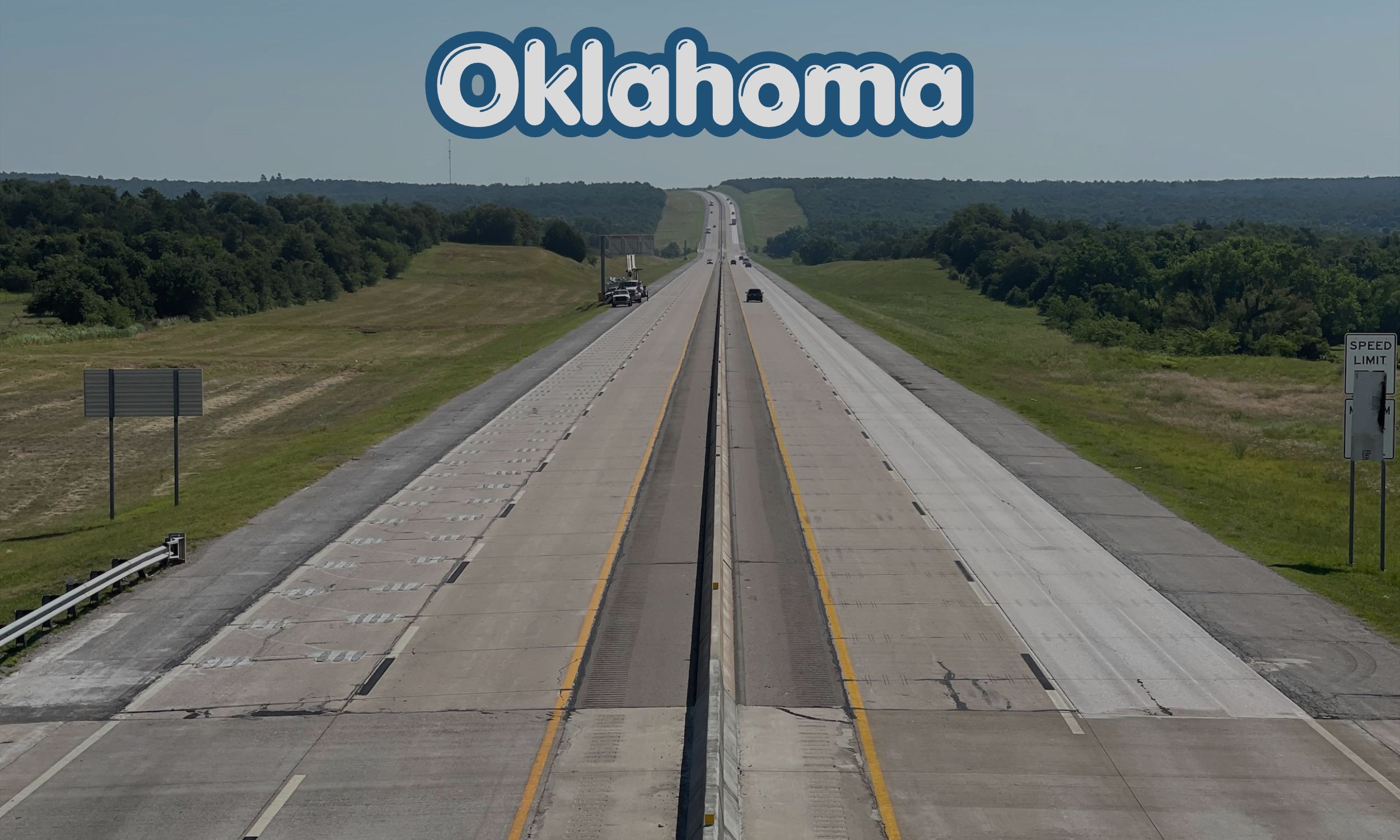
Oklahoma is one of the states where selected turnpikes permit speed limits of up to 80 mph. These controlled-access highways are designed to support efficient travel between major destinations, making them useful for daily commuters, vacationers, long-distance travelers, and commercial drivers.
The higher speed limits allow motorists to cover longer distances in less time while maintaining a steady flow of traffic. The state’s turnpike network includes several important routes connecting major cities and surrounding communities.
Roads such as the Turner Turnpike and Will Rogers Turnpike play an important role in regional transportation by providing convenient connections between population centers.
These highways also support economic activity by helping transport goods, services, and people across the state.
Unlike ordinary local roads, turnpikes generally provide controlled access, fewer interruptions, and long stretches suitable for steady highway travel.
Their design includes limited entry and exit points, which reduces conflicts with local traffic and helps explain why certain sections can accommodate higher posted speed limits.
However, drivers should remember that toll roads may have different regulations from nearby public highways. Speed limits can change near interchanges, construction zones, urban areas, and other locations where additional caution is necessary.
Motorists should always follow posted signs rather than assume that the 80 mph limit applies to every section. Oklahoma’s weather is another important factor to consider.
Heavy rain, thunderstorms, strong winds, and occasional winter storms can make high-speed driving dangerous. Checking weather forecasts, maintaining a safe following distance, and adjusting speed to road conditions are essential precautions.
For anyone traveling through Oklahoma, understanding which turnpike sections permit speeds of up to 80 mph can make journey planning easier while encouraging safe and responsible driving.
7. South Dakota
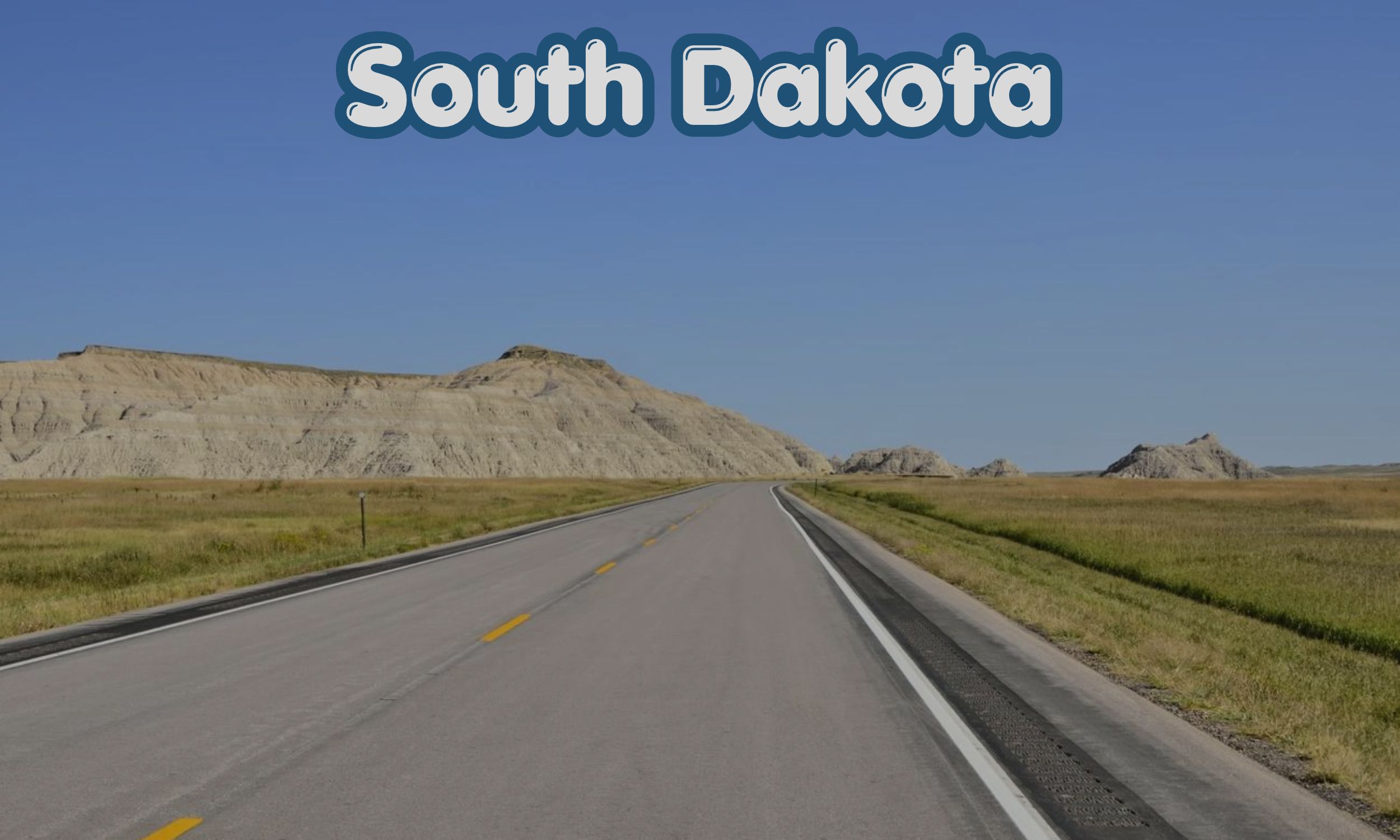
South Dakota blends prairie, badlands, and the Black Hills, and rural interstates allow speeds up to 80 mph. That range of landscapes makes the drive varied and fun.
Travelers heading to famous landmarks often use these roads, so traffic can increase in summer. Plan ahead for busy seasons, and expect slower movement near popular attractions and during major events.
Wind is a constant companion on the plains, and it can push lighter vehicles or pull at trailers and campers. Hold the wheel firmly, and reduce speed if gusts become strong.
If you are towing, check that your load is balanced and secure, and remember that stopping distances grow with extra weight. Wildlife appears frequently, including deer and sometimes larger animals, so stay alert in the early morning and evening.
Bring snacks, water, and a charged phone, since services can be far apart in places. Winter brings snow and ice that call for patience, so confirm road conditions before departure and carry chains or traction aids if mountains are on your route.
Use rest areas to stretch your legs and share driving duties. The pace here is relaxed, even when limits are high. Choose a speed that feels right for you, enjoy the scenery, and arrive with energy to spare.
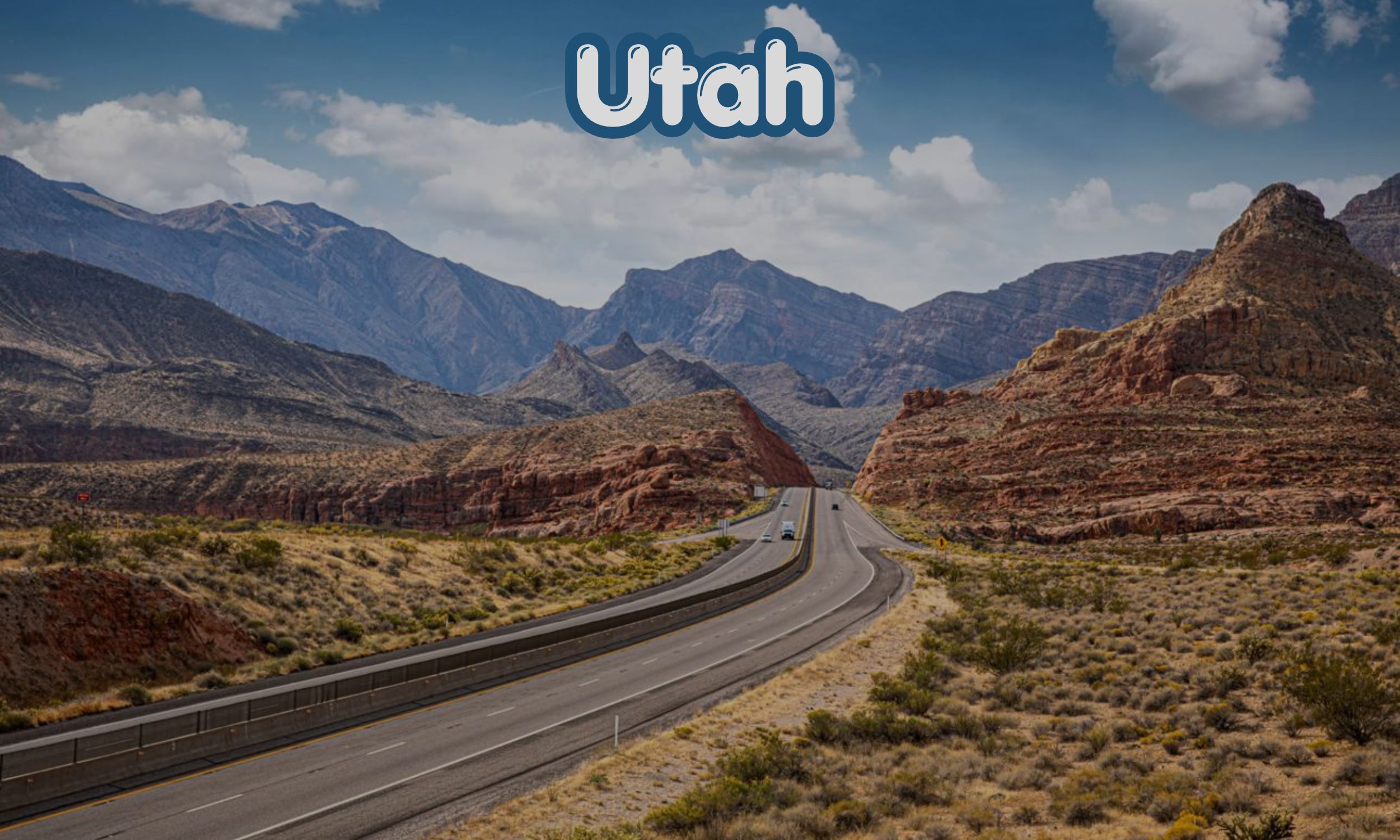
8. Utah
Utah completes this list with selected interstate sections allowing speed limits of up to 80 mph. The state is famous for its impressive natural scenery, and its highway network provides access to several popular travel destinations.
Interstate 15 is a major route through Utah, connecting communities such as Salt Lake City, Provo, and St. George. Interstate 80 also serves as an important east-to-west transportation corridor.
For motorists, these highways offer convenient connections between cities, national parks, and recreational areas. Depending on the route, drivers may pass through desert surroundings, mountain areas, and striking red rock formations.
The state’s geography also brings different driving conditions. Summer heat can place additional demands on vehicles, while winter snow and ice can make higher elevations particularly challenging. Sudden weather changes are another reason to remain alert.
Although selected sections permit speeds of up to 80 mph, motorists should always follow the posted restrictions. Keeping a safe distance, watching for changing road conditions, and ensuring that tires and brakes are in good condition can make highway journeys safer.
Utah’s combination of scenic roads and higher rural speed limits makes it an interesting destination for road-trip enthusiasts.
Speed limits across the United States vary according to road design, traffic patterns, and local safety requirements.
Texas stands apart with its 85 mph section of State Highway 130, while Idaho, Montana, Nevada, North Dakota, Oklahoma, South Dakota, and Utah permit speeds of up to 80 mph on selected roads.
These limits are not blanket permissions for every highway in each state. Always follow posted signs, check current transportation regulations, and adjust your speed to match road and weather conditions.
A safe journey is far more rewarding than reaching your destination a few minutes sooner.