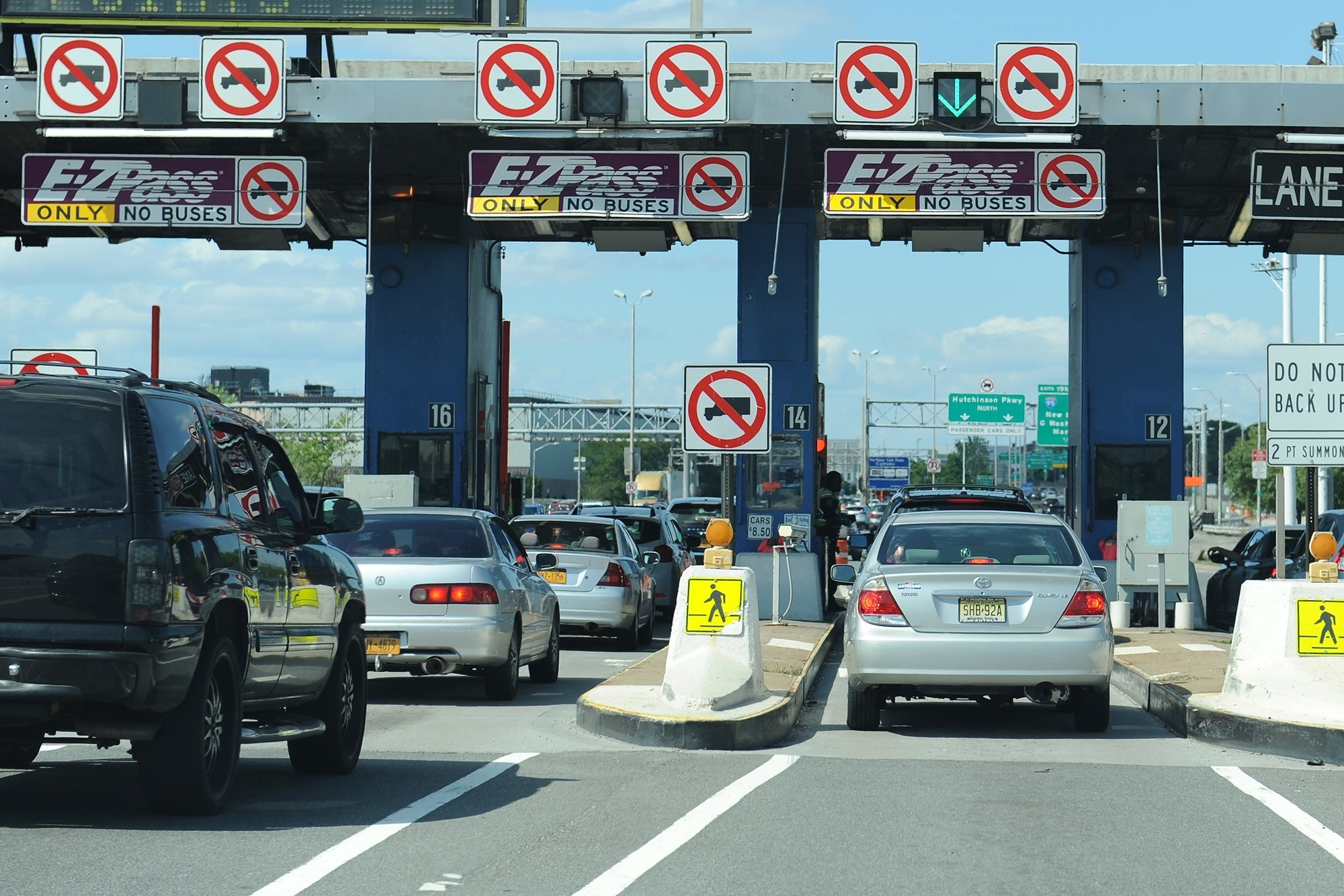
Crossing a bridge or passing through a tunnel can save hours of driving, but some routes come with a surprisingly high price tag. From impressive Alpine tunnels connecting European countries to major crossings in the United States, certain toll roads charge drivers considerably more than an ordinary highway. These fees often reflect the cost of maintaining large structures, operating specialized transport facilities, and providing access between busy regions.
For travelers planning road trips, commuters watching their expenses, or anyone curious about expensive infrastructure, these crossings are worth knowing. Here are seven bridges and tunnels with some of the highest toll charges, along with where they are located, what makes them important, and what drivers can expect to pay.
1. Øresund Bridge
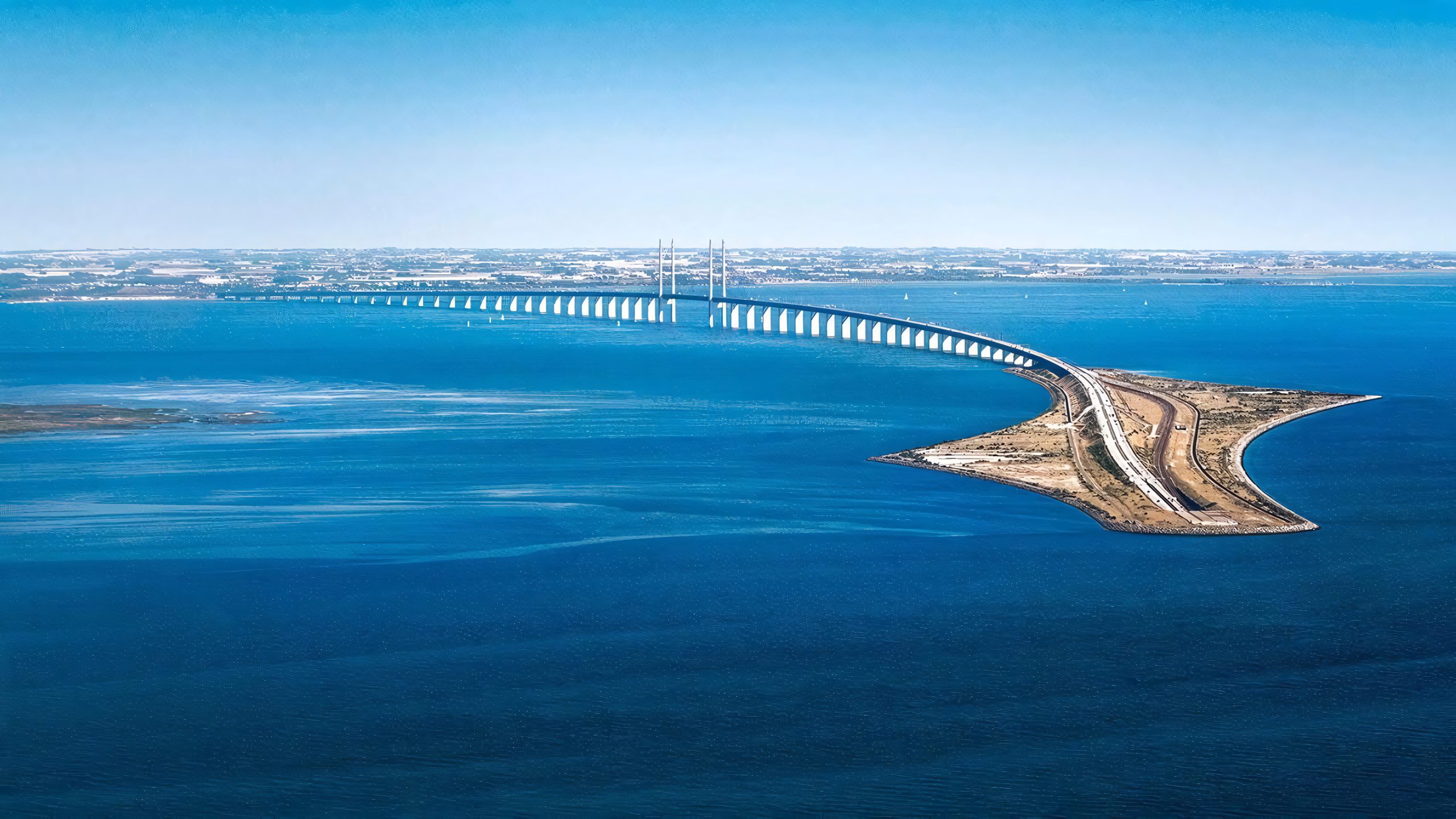
Start with the crossing people mention first when the talk turns to expensive tolls. The Øresund Bridge links Malmö, Sweden, with Denmark, and it is widely cited among the priciest crossings on the planet.
It carries both cars and trains, so it works as a combined road-and-rail link and not just a highway span. That dual role helps explain the price. Building a structure strong enough for heavy trains and everyday traffic costs far more than a roadway alone, and users help repay that bill.
For many commuters, the bridge replaces a long ferry ride or a lengthy detour, so the time saved carries real value.
I will not quote a fixed fare, since toll tables change and often vary by vehicle type and payment method. Check the operator’s website before you go. A two-minute search can spare you a nasty surprise at the booth.
Try this comparison. Add up the cost of a ferry ticket, extra fuel on a longer route, and the hours you would lose. Against that total, the toll can look more reasonable.
Frequent crossers should ask about commuter passes or prepaid options, which many operators offer at lower per-trip rates. Occasional visitors can simply enjoy the ride, since the cable-stayed span makes the trip feel like part of the vacation.
Confirm your vehicle class before you travel, because larger vehicles and trailers usually pay more.
2. Chesapeake Bay Bridge-Tunnel
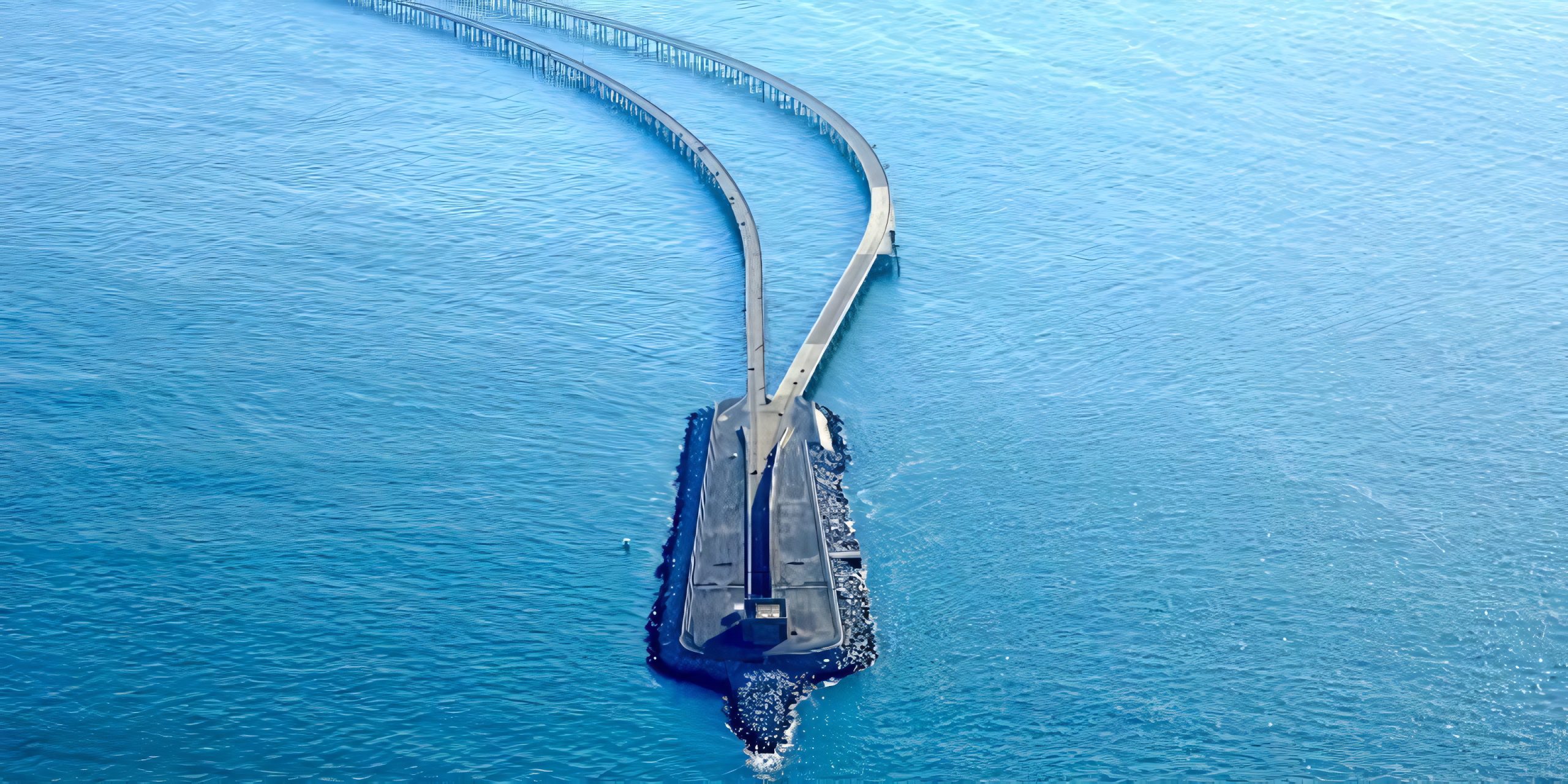
Here is a crossing that feels like a road trip all by itself. The Chesapeake Bay Bridge-Tunnel in Virginia is known for high fees, listed at around $30 round trip for standard crossings. That is a lot to pay for a single drive across the water.
So what do you get for the money? The route runs across open water, mixing bridge spans with tunnel sections, and it shortens what would otherwise be a long drive around the bay.
Many travelers also treat the crossing as a sightseeing experience, with wide views of the water and passing ships. Smart planning helps. Weigh the toll against the extra fuel and time of the land route.
Ask whether discounts apply for repeat trips or for certain payment methods. Check the current fee schedule, because the $30 figure is only an estimate for standard crossings, and rates can differ by vehicle type, time of year, or direction.
Think about timing too. A summer weekend brings crowds, and a long line at the booth wastes patience you would rather spend at the beach. Travel on a quieter day if your schedule allows.
Pack snacks, fill the tank beforehand, and keep a charged phone nearby, since this is a stretch where you want to be prepared. Treat the toll as a ticket to a memorable drive, and the price feels easier to accept.
3. Mont Blanc Tunnel
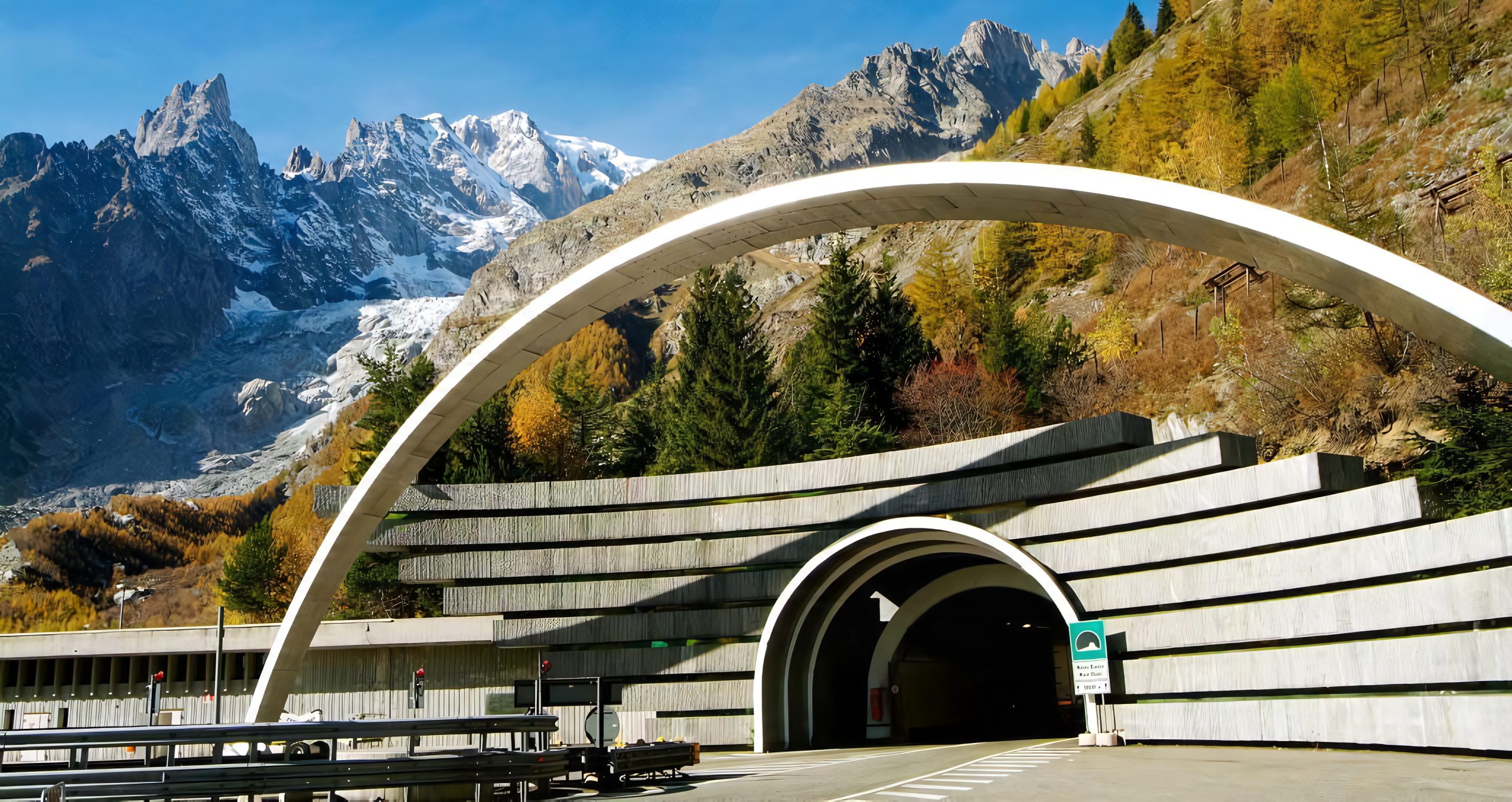
Few tunnels match the Mont Blanc Tunnel for drama. This Alpine road tunnel near Chamonix, France, carries tolls starting around €55 one way for cars.
Yes, that is for a single trip beneath a mountain, and the fee surprises first-time drivers. Locals and tourists alike use it, which keeps traffic steady through the year.
Why so much? Boring through a mountain is expensive, and keeping a long tunnel safe takes ventilation, lighting, monitoring, and staff around the clock. Maintenance never stops, either. The tunnel links France with Italy, and it saves drivers from steep mountain passes that can close in bad weather.
Consider your options before you pay. A mountain pass usually costs nothing at a booth, yet it eats time and fuel, and winter conditions can make it stressful.
A tunnel trip stays dry and steady in every season. If you drive a camper or tow a trailer, expect a higher fee, so confirm your category in advance.
A few practical tips help. Check current prices online, since the €55 figure is only a starting point. Look into whether a return ticket or multi-trip option lowers the cost.
Fill your tank before you reach the entrance, keep a safe distance from the vehicle ahead, and obey the posted speed limit, because tunnels enforce it strictly. Do those things, and the crossing becomes a smooth, short ride through the heart of the Alps.
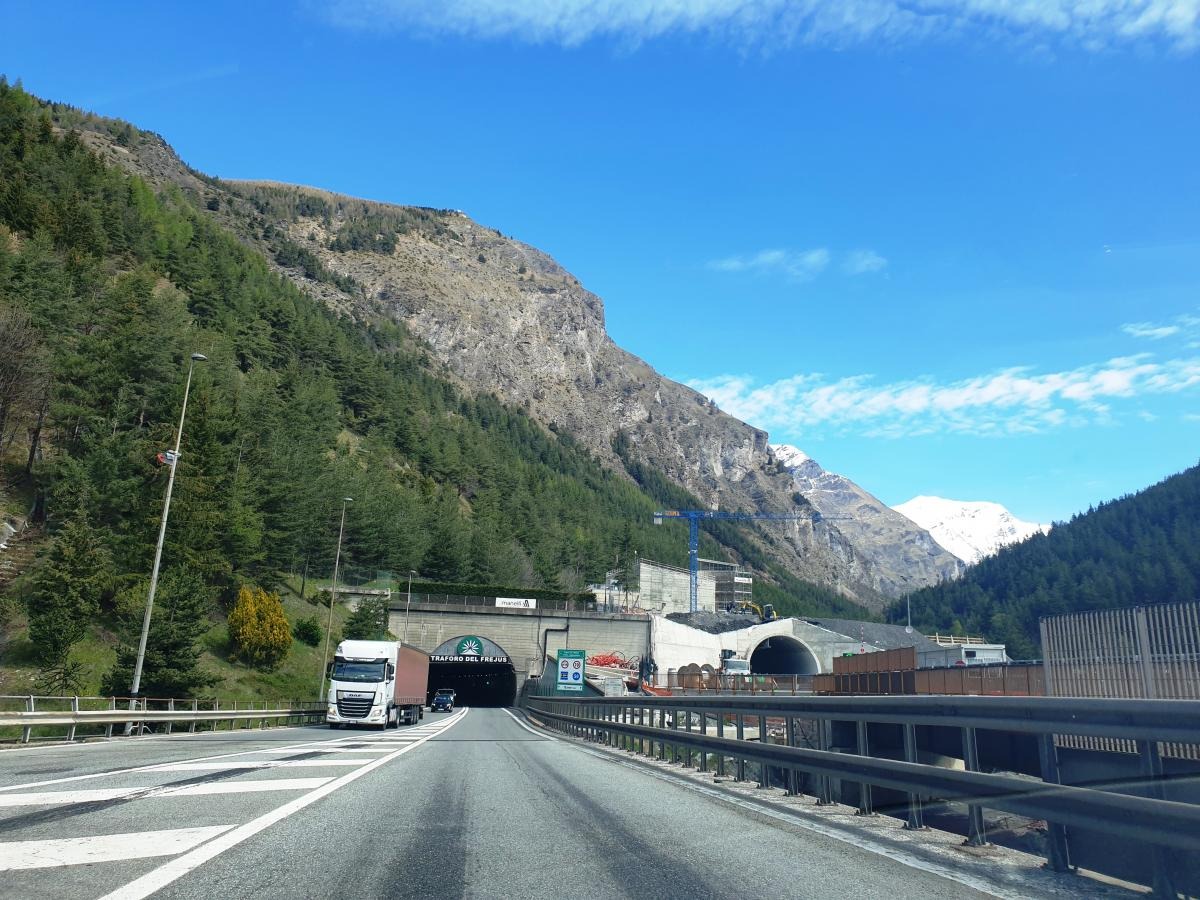
4. Fréjus Tunnel
Another expensive Alpine crossing is the Fréjus Tunnel. This major road connection links the French town of Modane with Bardonecchia in Italy, offering motorists a direct passage beneath the Alps.
The tunnel is approximately 8 miles long and forms an important part of the transportation network between the two countries. It is used by private motorists, freight operators, and other road users who need a reliable route across the mountain border.
Drivers should be prepared for a substantial toll. Passenger car rates have been cited at approximately €55 for a one-way crossing, placing the Fréjus Tunnel among Europe’s more expensive road passages. The exact charge can change according to the vehicle class and current tariff.
One reason the tunnel remains popular is the convenience it offers throughout the year. Mountain roads can become difficult during heavy snowfall, strong winds, and other challenging weather conditions.
A maintained underground route gives motorists another way to reach their destination. The facility also requires extensive operating resources. Lighting, ventilation, emergency communication equipment, traffic controls, and regular inspections all contribute to its running costs.
For anyone planning a road journey between southeastern France and northern Italy, the Fréjus Tunnel is a useful option. Checking the latest toll schedule before departure helps avoid unexpected travel expenses.
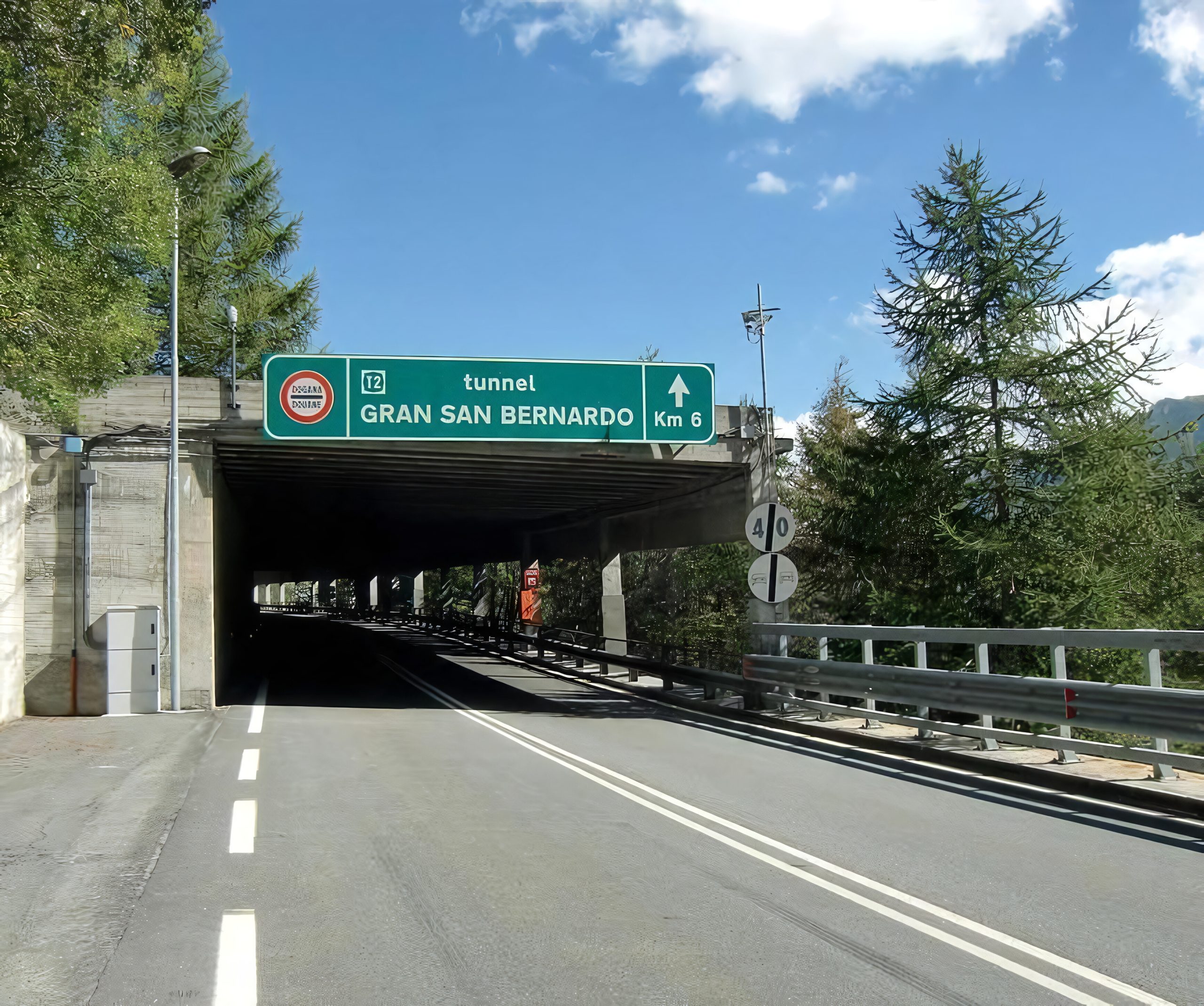
5. Great St. Bernard Tunnel
The Great St. Bernard Tunnel provides another direct connection beneath the Alps, linking Switzerland with Italy through a mountain passage between the two countries.
Situated between the Swiss canton of Valais and Italy’s Aosta Valley, the tunnel offers an alternative to crossing the Great St. Bernard Pass. This is particularly useful for motorists who prefer a more controlled road journey instead of driving over a high mountain route.
At approximately 3.7 miles long, it is shorter than the Mont Blanc and Fréjus tunnels. However, its toll remains relatively high, with car crossing fees cited at around €50.
The price reflects the specialized nature of operating a road tunnel in a mountainous area. Regular inspections, ventilation systems, lighting, emergency services, and road maintenance are all necessary to keep the facility operational.
Weather is another reason motorists appreciate this crossing. Snow and low temperatures can make mountain travel demanding, especially during winter.
Although drivers must still follow local weather and road safety advice, the tunnel provides a more direct passage through the mountain.
For travelers moving between Switzerland and Italy, the Great St. Bernard Tunnel offers convenience and a shorter route than some alternative journeys. Its toll is worth including in any road trip budget, particularly for motorists planning to use it in both directions.
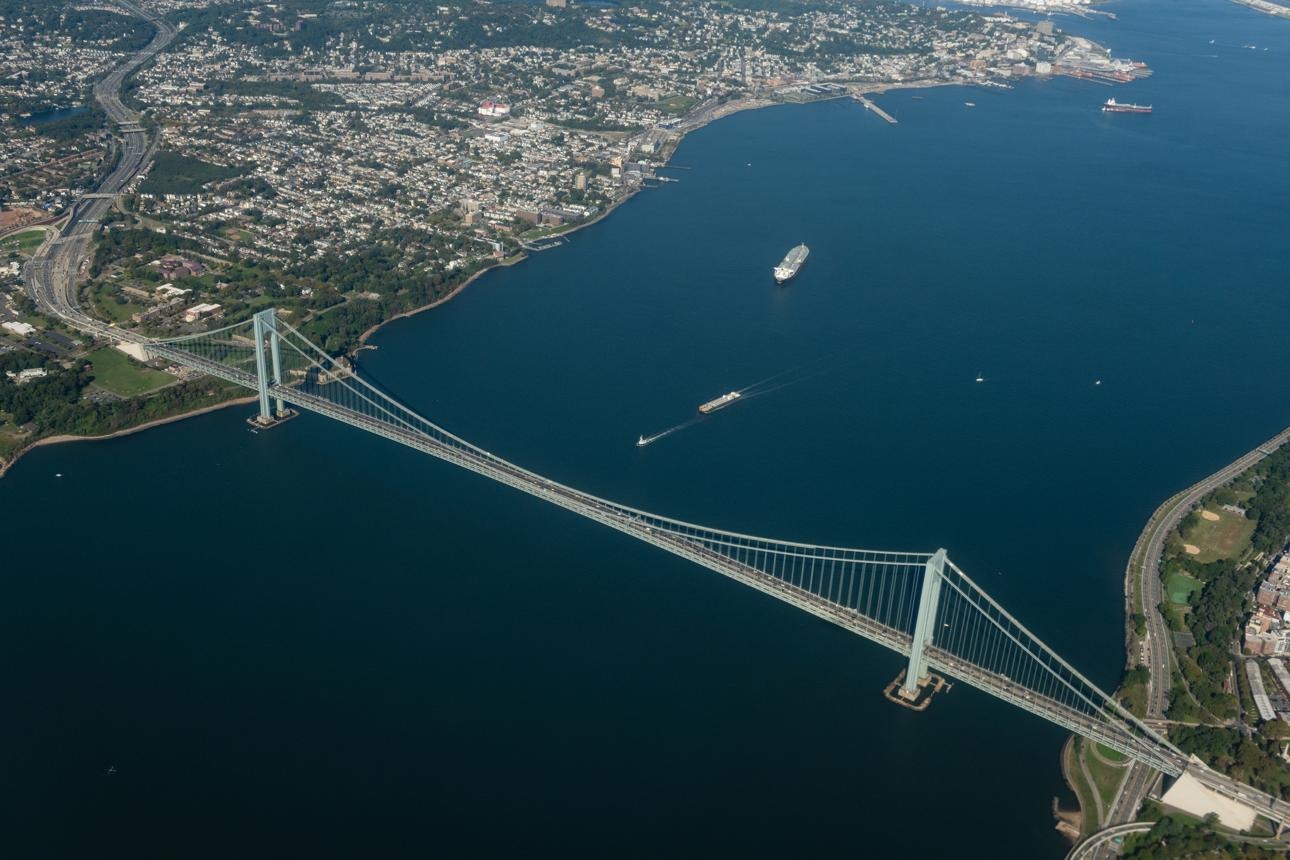
6. Verrazzano-Narrows Bridge
Welcome to New York, where even a bridge ride comes with a price tag. The Verrazzano-Narrows Bridge, which links Staten Island with the rest of the city, is cited at around $15 to $20 or more, depending on direction and toll structure.
Direction matters here. Toll collection can differ depending on which way you travel, so a round trip may not cost what you expect. Payment method also plays a role.
Drivers using an electronic tag often pay less than those who rely on mailed bills, though exact rates change with policy updates, so check the official agency page for the current schedule.
Why pay it? Because the bridge solves a real problem. Staten Island residents, commuters, and delivery drivers depend on it, and the alternatives often mean long detours through other crossings.
Time matters in a city where traffic never rests, and a direct span saves precious minutes during the morning rush. Smart habits help trim the bill. Set up an electronic toll account before your trip, and keep your plate information current.
Consider carpooling if your area offers discounts for shared rides, and avoid peak hours when you can, since traffic burns fuel and patience alike.
Review your statements each month for errors, because a wrong charge is easy to dispute early and hard to fix later. Remember that $15 to $20 is a rough range, so expect adjustments.
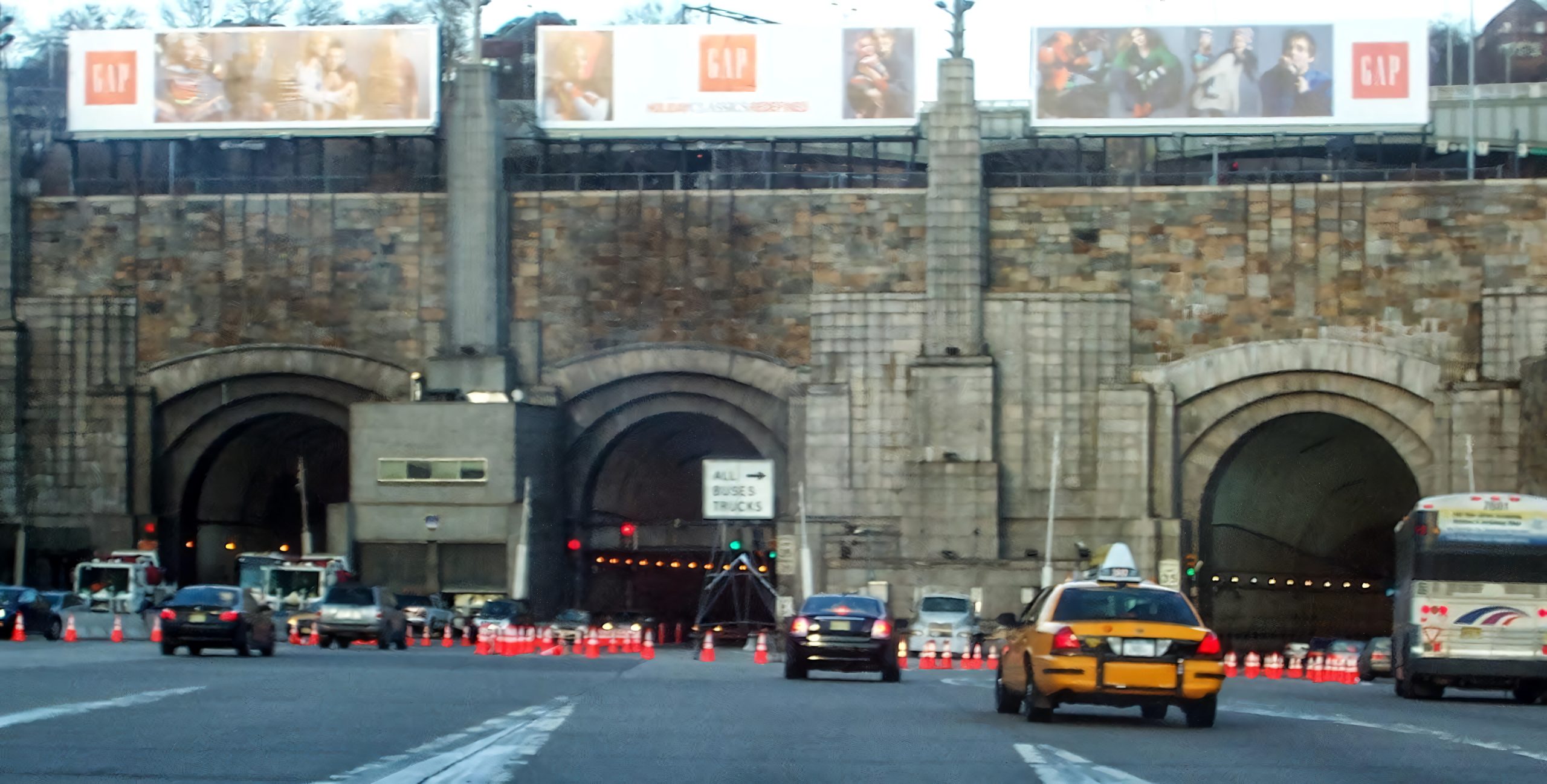
7. Lincoln and Holland Tunnels
New York’s Lincoln Tunnel and Holland Tunnel complete this list of expensive road crossings. Both tunnels pass beneath the Hudson River, connecting Manhattan with New Jersey and providing important routes for commuters, visitors, and commercial traffic.
The Lincoln Tunnel consists of three tubes carrying vehicles between Weehawken, New Jersey, and Midtown Manhattan. The Holland Tunnel, which opened in 1927, connects Jersey City with Lower Manhattan through two tubes.
Their location makes them particularly valuable to people traveling between New York and New Jersey. Instead of driving around the river, motorists can reach their destinations through a direct underground connection.
The tolls are relatively steep, with previously cited rates ranging from approximately $13 to $15, depending on the payment method, vehicle classification, and applicable rate period. Current charges may be higher, so drivers should consult the official toll schedules before traveling.
Operating these tunnels requires extensive maintenance, ventilation, lighting, traffic management, and safety equipment. Since they handle heavy traffic throughout the day, regular inspections and infrastructure improvements are essential.
For commuters, the cost of using either tunnel regularly can add up quickly. However, their central locations make them practical transportation links for millions of journeys each year.
These two crossings demonstrate why some urban road connections carry higher tolls than ordinary highways.