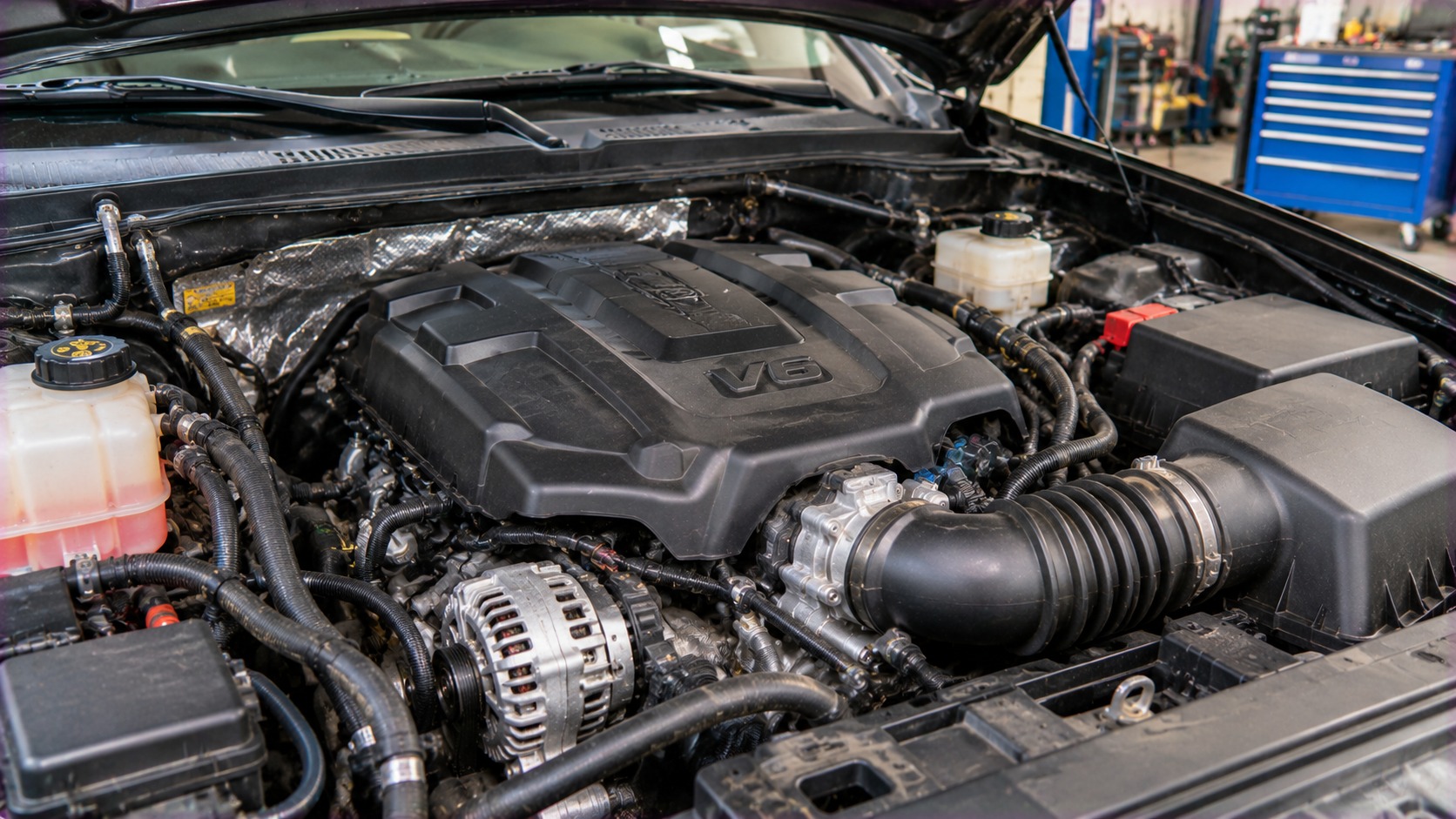
A car can have an attractive design, impressive features, and a strong reputation without having a dependable engine. Even popular models from respected automakers have experienced mechanical troubles that leave owners facing expensive repairs and unexpected breakdowns. Some problems affect only particular production years or engine configurations, while others have generated widespread complaints and manufacturer recalls.
Knowing which vehicles have documented engine concerns can help drivers make smarter decisions when shopping for a used car or maintaining their current vehicle. From powerful pickup trucks to family sedans and luxury models, these six popular cars deserve closer attention. Understanding their reported problems, warning signs, and potential repair costs can help you avoid unpleasant surprises and choose a vehicle with greater confidence.

1. Honda Pilot (Select 2016-2020 V6 Models)
The Honda Pilot has earned a reputation as a practical family SUV, thanks to its spacious cabin, comfortable seating, and capable V6 engine. However, certain 2016-2020 models equipped with the 3.5-liter V6 have faced serious engine-related concerns involving connecting-rod bearings and crankshaft defects.
These mechanical faults can affect the engine’s internal components, potentially causing unusual knocking sounds, poor performance, and severe internal damage. In the worst cases, the engine may fail completely, leaving the owner with a costly replacement or repair bill.
What makes this issue particularly concerning is that connecting-rod bearings play an essential role in keeping the engine’s moving parts operating smoothly. When these components suffer damage, continued driving can make the situation much worse.
Owners should pay attention to warning signs such as unusual engine noises, dashboard warning lights, reduced power, and changes in engine performance.
Anyone considering a used Honda Pilot from these model years should review its service history and check whether applicable recalls or manufacturer repairs have been completed.
The Honda Pilot remains an appealing family vehicle, but a thorough mechanical inspection is essential before committing to one of the affected versions.
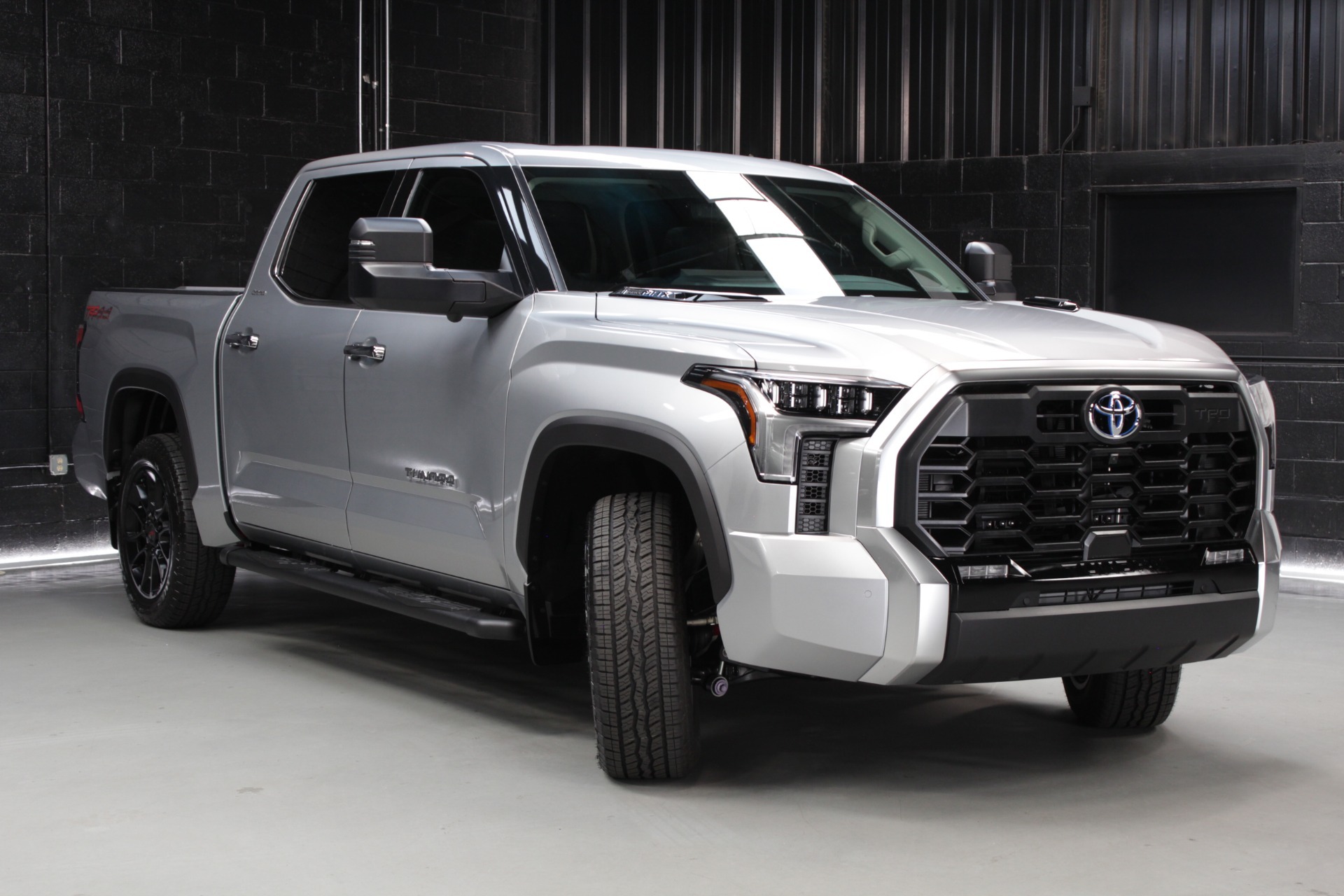
2. Toyota Tundra (Select 2022-2024 Models)
Toyota has built a strong reputation for producing durable trucks, making the Tundra a popular choice among drivers who need towing capability, everyday comfort, and dependable performance.
Yet certain 2022-2024 models equipped with the twin-turbocharged V6 have experienced serious engine concerns. One of the main problems involves machining debris left inside some engines during manufacturing.
Metal particles can circulate through the lubrication system, potentially damaging internal components. Main-bearing concerns have also been associated with affected engine applications.
This is particularly troubling because engine bearings help support rotating components and maintain proper operation. If debris interferes with lubrication, internal wear and damage can develop, potentially resulting in engine failure.
Toyota has issued recalls involving affected Tundra models to address manufacturing-related engine concerns. However, not every truck from these production years is necessarily affected, so owners should confirm their vehicle identification number (VIN) through official recall resources.
Prospective buyers should request maintenance records, verify recall completion, and arrange an independent inspection before purchasing a used example.
The Tundra still offers plenty of capability, but its twin-turbo V6 deserves careful attention. A truck’s strong brand reputation should never replace proper checks when engine-related recalls are involved.
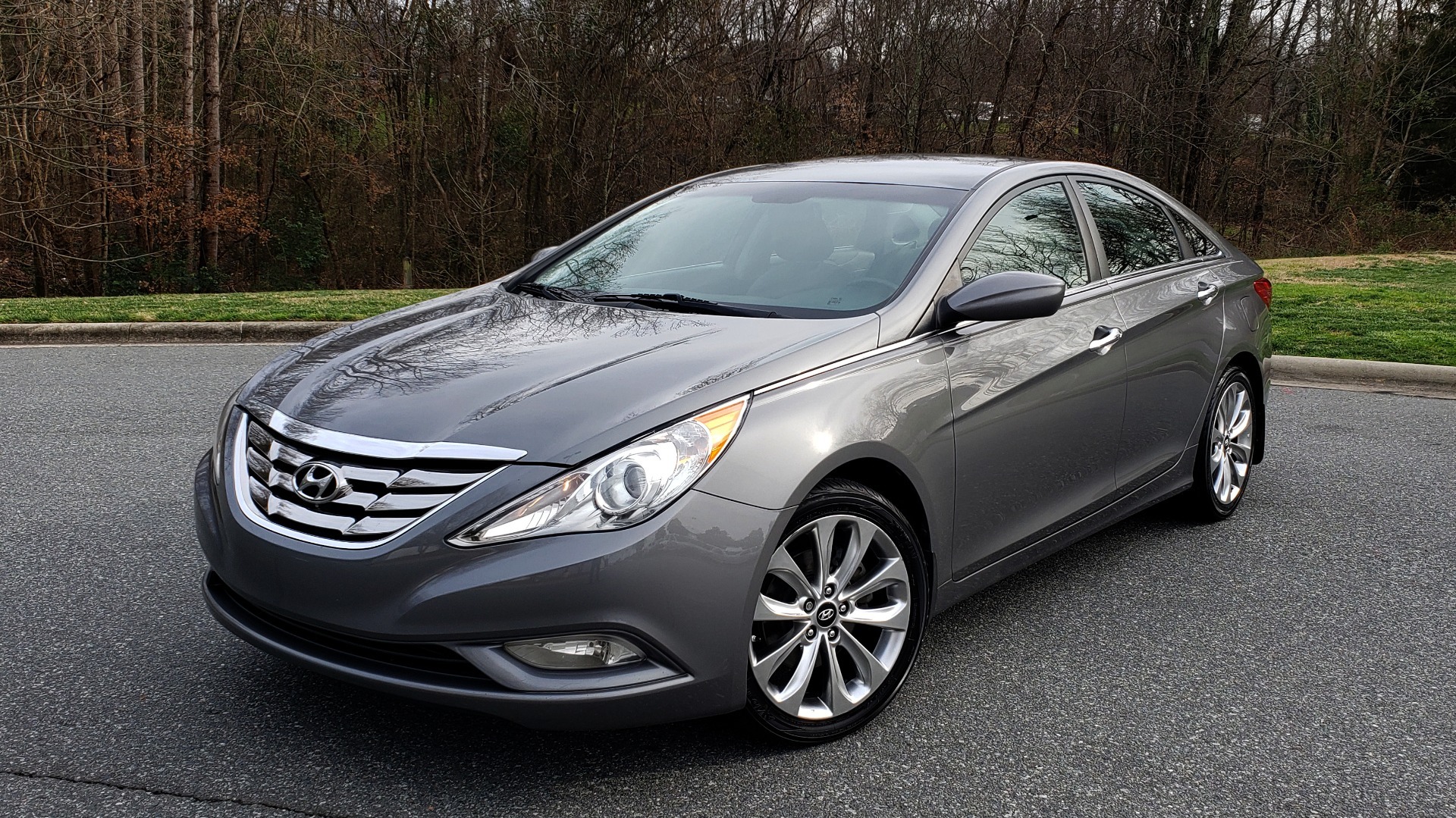
3. Hyundai Sonata (Select 2.4L 4-Cylinder Models)
The Hyundai Sonata is a familiar midsize sedan appreciated for its comfortable interior, practical design, and accessible ownership costs. Unfortunately, certain versions equipped with the 2.4-liter four-cylinder engine have developed a reputation for serious mechanical trouble.
Engine failure complaints involving affected Sonata models have included excessive internal wear, knocking noises, oil-related problems, and sudden loss of power. Some vehicles have experienced engine seizure, which can leave drivers unable to continue their journeys.
These concerns have been associated with particular model years and engine configurations, rather than every Hyundai Sonata equipped with a four-cylinder engine. Certain affected vehicles have also been included in manufacturer recalls and warranty-related programs.
A common warning sign is an unusual knocking or tapping noise coming from the engine compartment. Drivers may also notice an illuminated oil-pressure warning light, increased oil consumption, or reduced engine performance.
Ignoring these symptoms can lead to further damage, especially when the engine is not receiving adequate lubrication. Regular oil changes and prompt mechanical inspections are essential for keeping an affected vehicle in service.
Anyone shopping for a used Sonata with the 2.4-liter engine should check its VIN for open recalls and review its repair records. Evidence of previous engine replacement or manufacturer-approved repairs can also provide useful information.
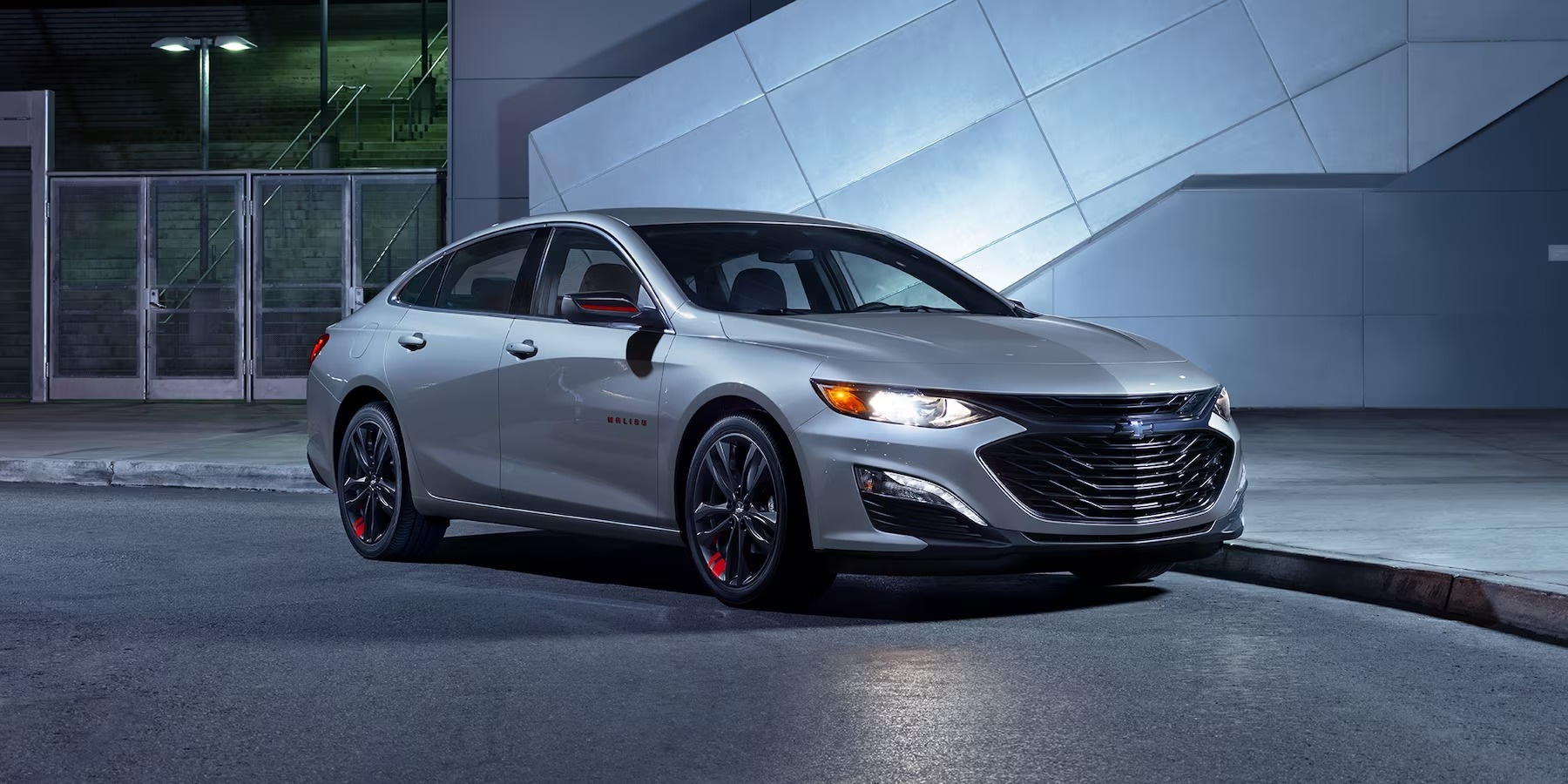
4. Chevrolet Malibu
For many drivers, the Chevrolet Malibu represents an affordable and comfortable sedan suited to commuting, family transportation, and everyday errands.
Its attractive styling and convenient features have helped it maintain a place in the midsize car market. Still, certain model years have attracted consumer complaints involving engine and powertrain performance.
Reported concerns vary depending on the production year and engine configuration. Some owners have described engine performance problems, speed-control concerns, electrical faults, and other mechanical issues that can interfere with normal driving.
It is important to understand that not every Chevrolet Malibu suffers from the same problems. The sedan has been produced with different engines and transmission combinations, meaning the type of trouble reported can vary considerably between versions.
For a potential buyer, the best approach is to investigate the exact model year rather than assume that every Malibu shares identical mechanical weaknesses.
A complete vehicle history report, professional inspection, and review of manufacturer recall information can help uncover existing problems.
During a test drive, pay attention to rough idling, hesitation during acceleration, unexpected changes in engine speed, and warning lights on the dashboard. Any unusual behavior deserves further investigation before purchase.
The Malibu can still be a sensible transportation choice, but selecting the right production year and confirming its mechanical condition are essential steps toward avoiding expensive surprises.
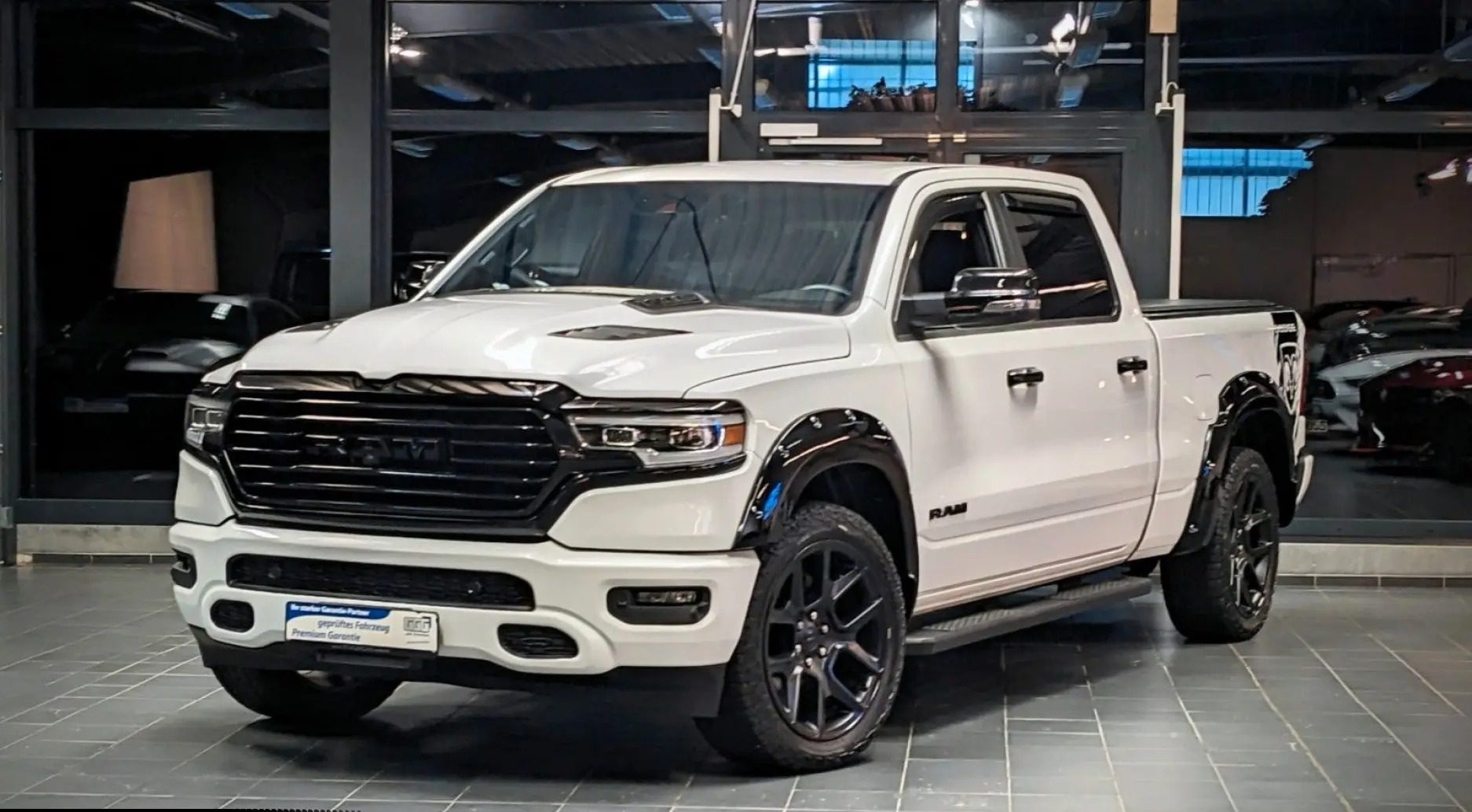
5. Ram 1500 (5.7L HEMI V8)
The Ram 1500 with the 5.7-liter HEMI V8 is admired for its strong acceleration, towing ability, and powerful engine sound. It appeals to truck owners who want substantial performance for work and recreation.
However, this engine has a documented history of lifter-related problems that can lead to expensive repairs. The issue commonly involves lifter wear or failure, which may be connected to lubrication and oil-flow concerns.
When a lifter stops operating correctly, it can damage the camshaft, an essential component responsible for controlling the opening and closing of the engine’s valves.
One of the earliest warning signs is a ticking noise coming from the engine. Some drivers describe the sound as a persistent tapping that becomes more noticeable when the engine is running. Poor performance, rough idling, and misfires may also develop as the damage progresses.
If the problem is left untreated, the camshaft and other internal components may require replacement. Repairing this type of failure can be expensive because accessing the affected parts involves considerable mechanical work.
Regular oil changes using the correct oil specification are important maintenance practices. Owners should also investigate unfamiliar engine noises instead of assuming they are harmless characteristics of the HEMI design.
When purchasing a used Ram 1500, ask about previous lifter or camshaft repairs and inspect the maintenance history carefully. A professional engine inspection can help identify early warning signs before they become major expenses.

6. Audi A4 (Select 2.0T Models)
The Audi A4 combines luxury, refined styling, and enjoyable driving performance in a compact executive sedan. Older versions equipped with certain 2.0-liter turbocharged engines, particularly some 2009-2010 models, have attracted attention for engine-related concerns.
One frequently reported problem is excessive oil consumption. Some owners have found themselves adding engine oil much more frequently than expected, even when there are no obvious external leaks.
This condition can be associated with internal engine problems, including piston-ring and oil-control issues. When oil consumption becomes excessive, the engine may eventually operate with insufficient lubrication if the driver fails to monitor the oil level.
Other symptoms can include blue smoke from the exhaust, warning lights, unusual engine noises, and reduced performance. Ignoring these signs can increase the risk of internal damage and lead to costly mechanical work.
The turbocharged design also makes proper maintenance particularly important. Regular oil changes, correct oil specifications, and timely servicing help protect the engine and its related components.
Anyone considering an older Audi A4 should request detailed maintenance records and ask whether previous oil-consumption repairs have been performed. Checking the oil level during a test drive and arranging a professional inspection are also sensible precautions.
The A4 offers an appealing combination of comfort and performance, but an older example with unresolved oil-consumption problems can become an expensive ownership experience. Choosing a well-maintained vehicle is especially important with these engine configurations.