Modern vehicles offer enormous touchscreens, advanced driver-assistance systems, electronic suspension, digital instrument clusters, and complicated infotainment networks. While these features improve convenience, they can also create expensive repair bills when components fail outside warranty coverage.
For buyers who prefer straightforward ownership, some cars stand out because they rely on conventional mechanical systems and avoid unnecessary electronic complexity.
That does not mean they are completely free of costly electrical repairs, but their simpler equipment levels can make them easier to maintain. Here are nine models worth considering for buyers who value practical engineering over technology-heavy features.
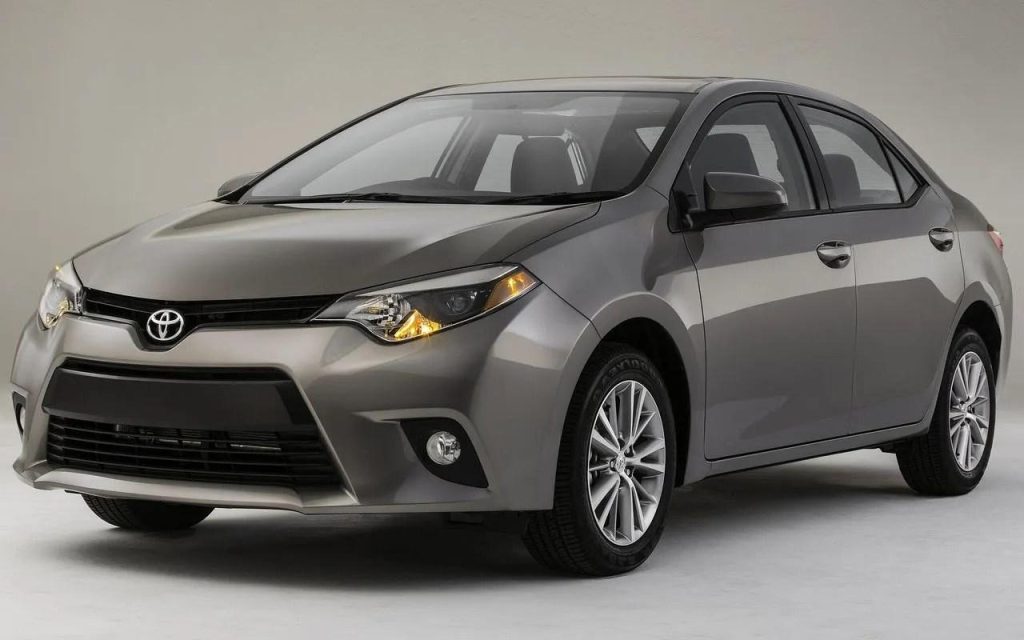
1. Toyota Corolla (2014-2016)
The Toyota Corolla is a sensible choice for drivers who want dependable transportation without paying for a long list of sophisticated electronic features. The 2014-2016 generation is particularly interesting because its lower L trim levels retain a relatively conventional cabin layout.
Instead of relying on a large integrated infotainment system, the 2015 Corolla L comes with a traditional AM/FM/CD audio unit, four speakers, USB connectivity, and Bluetooth functionality.
Toyota’s original specifications show that the more expensive technology was largely reserved for higher equipment levels. The LE and other versions offered additional multimedia features, including a 6.1-inch touchscreen, while the base L kept things simpler.
Buyers who want fewer expensive electronic components should pay attention to the actual trim rather than assuming every Corolla has identical equipment.
Another advantage is the car’s conventional mechanical foundation. The 2015 model uses a 1.8-liter four-cylinder engine producing 132 horsepower, paired with either a six-speed manual or a four-speed automatic transmission on the L grade.
Its straightforward powertrain avoids the additional complexity associated with hybrid batteries, turbocharging, and electronically controlled performance systems.
That does not mean every Corolla repair is inexpensive. Electronic power steering, engine control modules, airbag systems, and other safety-related components still require specialist attention when they fail.
Nevertheless, avoiding unnecessary optional equipment can reduce the number of expensive convenience features that might eventually need replacement.
For used-car shoppers, a well-maintained Corolla L with a conventional audio system is worth considering. Check the condition of the power windows, door locks, air conditioning, and dashboard warning lights before purchasing. The simpler specification is the real attraction, not an assumption that the car contains no electronics.
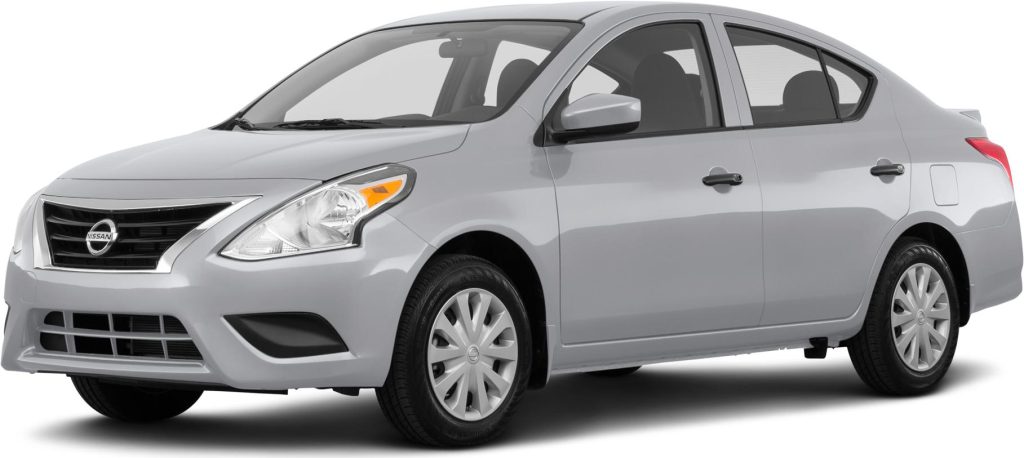
2. Nissan Versa Sedan (2015-2017)
Not every inexpensive car needs a sophisticated dashboard to remain practical. The 2015-2017 Nissan Versa Sedan, particularly in its entry-level S configuration, is a good example of a budget-focused vehicle that keeps its equipment relatively basic.
Nissan designed the S trim around conventional transportation needs rather than making a touchscreen infotainment system the centerpiece of the cabin.
The 2015 Versa S features a traditional AM/FM/CD stereo with two speakers, auxiliary connectivity, and straightforward instrumentation.
Nissan’s original equipment documentation also shows that the more advanced 5.8-inch touchscreen, navigation, NissanConnect services, and RearView Monitor were reserved for higher specifications or optional packages.
Under the hood, the standard 1.6-liter four-cylinder engine produces 109 horsepower and 107 lb-ft of torque. Buyers could choose a five-speed manual transmission or a four-speed automatic on the S grade. This conventional setup avoids the additional electronic hardware associated with turbocharged engines and hybrid powertrains.
The Versa is not completely free from electronic repair risks. It uses electronic power steering, anti-lock brakes, electronic stability control, and other essential safety equipment.
Higher trims also introduce additional convenience components that can increase repair complexity. Therefore, the basic S configuration makes more sense for someone specifically trying to limit unnecessary equipment.
Transmission condition is another factor worth examining when evaluating this Nissan. Buyers interested in an automatic Versa should check how smoothly the transmission operates and review its maintenance records. This is particularly important because other Versa models use Nissan’s Xtronic CVT, while the S model’s four-speed automatic uses a different transmission design.
A clean, well-maintained manual S model can be an appealing choice for someone who values basic transportation. Its modest equipment list is the attraction, provided the vehicle has been properly maintained.
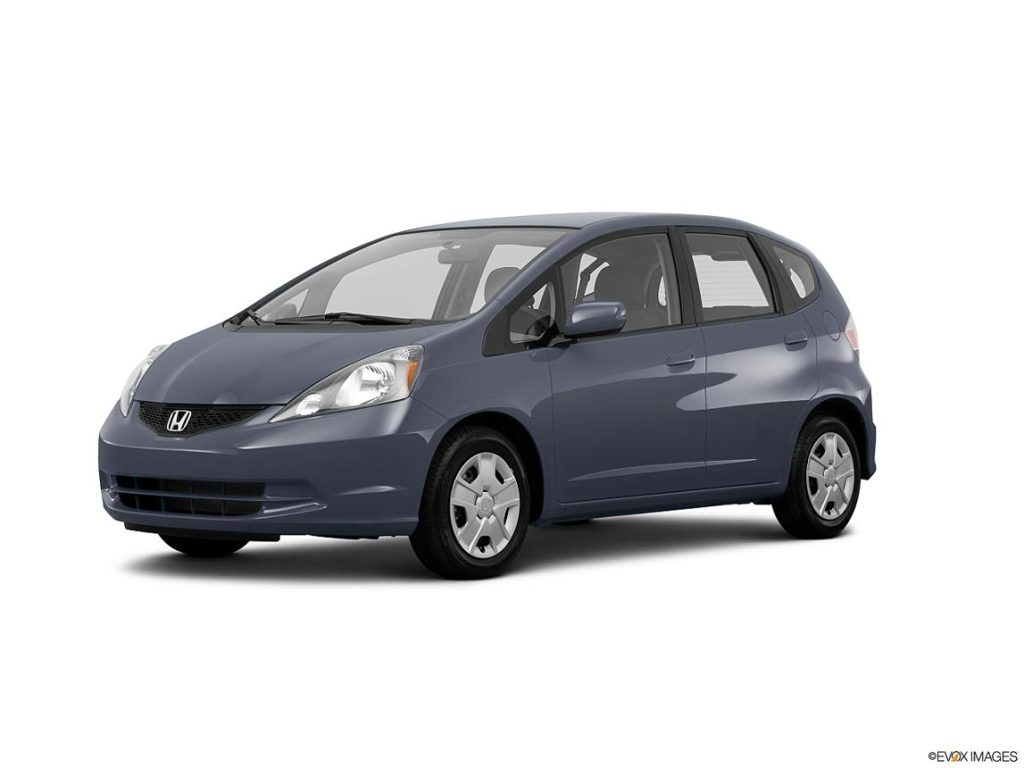
3. Honda Fit (2013-2014)
The Honda Fit is a good example of a small car that prioritizes practicality instead of an elaborate collection of electronic conveniences. The 2013-2014 models, particularly the standard Fit trim, offer a relatively uncomplicated ownership proposition.
Its cabin features conventional physical controls, a basic audio system, and straightforward instrumentation rather than the large touchscreen interfaces found in many newer vehicles.
Under the hood, the 2013 Fit uses a 1.5-liter four-cylinder engine producing 117 horsepower and 106 lb-ft of torque. Honda offered a five-speed manual transmission and an available five-speed automatic. This naturally aspirated engine avoids turbocharging hardware and the additional systems associated with hybrid powertrains.
There are still electronic components to consider. The Fit includes electronic power steering, an engine immobilizer, anti-lock brakes, and Vehicle Stability Assist.
These systems serve important functions and can require specialized diagnosis if something goes wrong. However, the standard trim avoids some of the additional equipment found in more expensive configurations.
Its practical interior is another advantage. Honda’s Magic Seat arrangement allows different cargo configurations without depending on powered folding mechanisms. That makes the car useful for everyday errands and transporting larger items.
When inspecting a used Fit, check the air conditioning, power windows, door locks, instrument cluster, and dashboard warning lights. Also verify that the transmission operates smoothly.
For buyers who want a compact hatchback with useful space and relatively restrained technology, the standard Fit deserves consideration. The key is choosing a lower-equipped example rather than assuming every version has the same electronic equipment.
4. Chevrolet Spark (2014-2015)
The Chevrolet Spark LS was developed for buyers who wanted affordable urban transportation without paying for unnecessary luxury equipment. Its 2014-2015 versions provide an interesting option for anyone concerned about expensive electronic replacements.
The entry-level LS specification is particularly relevant because it keeps the entertainment and convenience equipment relatively basic compared with better-equipped versions.
Instead of a sophisticated integrated infotainment arrangement, the base configuration uses a conventional audio setup and straightforward dashboard controls. Chevrolet also offered more advanced MyLink infotainment equipment on higher specifications, so buyers should distinguish between the LS and better-equipped trims when evaluating a used example.
The Spark uses a naturally aspirated 1.2-liter four-cylinder engine producing 84 horsepower and 83 lb-ft of torque. A five-speed manual transmission was standard, with an available continuously variable transmission on later model-year versions. The small engine avoids turbocharger-related components and their associated maintenance requirements.
However, simplicity should not be confused with an absence of electronics. The Spark still includes electronic engine management, anti-lock brakes, stability control, airbags, and other essential systems. Its available power accessories and infotainment equipment can also introduce additional repair possibilities.
One practical advantage is its relatively uncomplicated cabin. Most frequently used functions are controlled through conventional switches, making everyday operation straightforward.
When purchasing a used Spark, inspect the charging system, instrument display, air conditioning, power locks, and electrical accessories. Pay particular attention to transmission behavior on CVT-equipped examples.
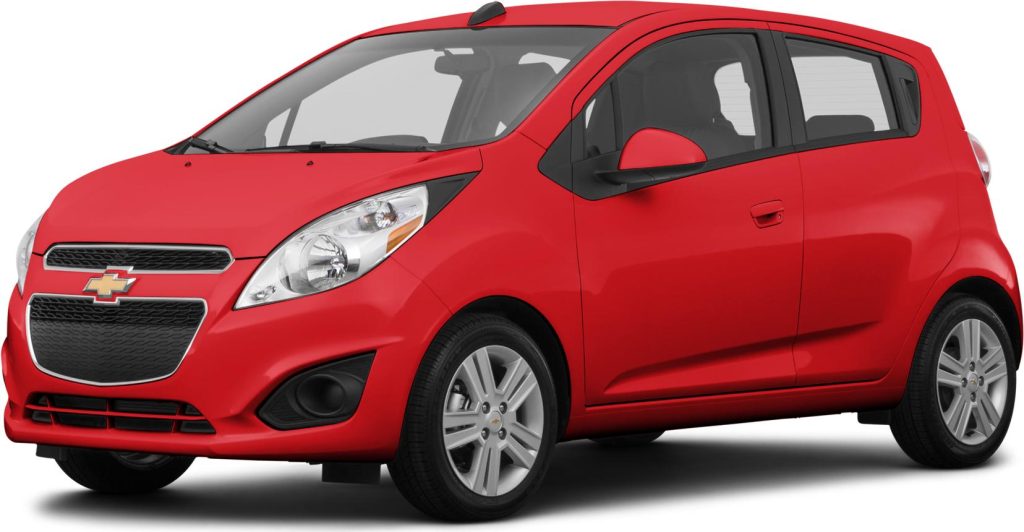
A well-maintained LS with a manual transmission is worth considering for basic commuting. Its appeal comes from limited optional equipment and a straightforward powertrain, not from being completely immune to electronic failures.
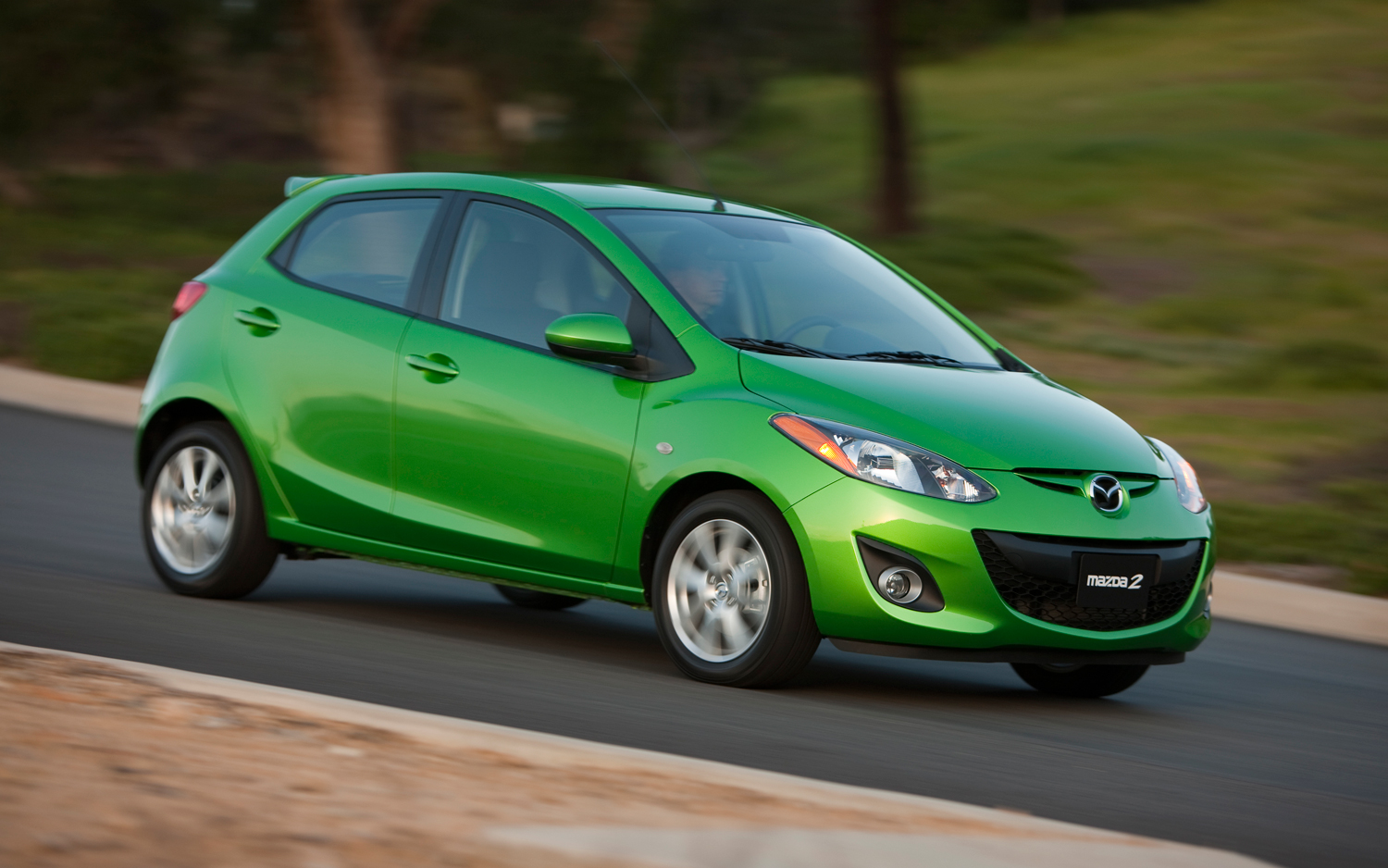
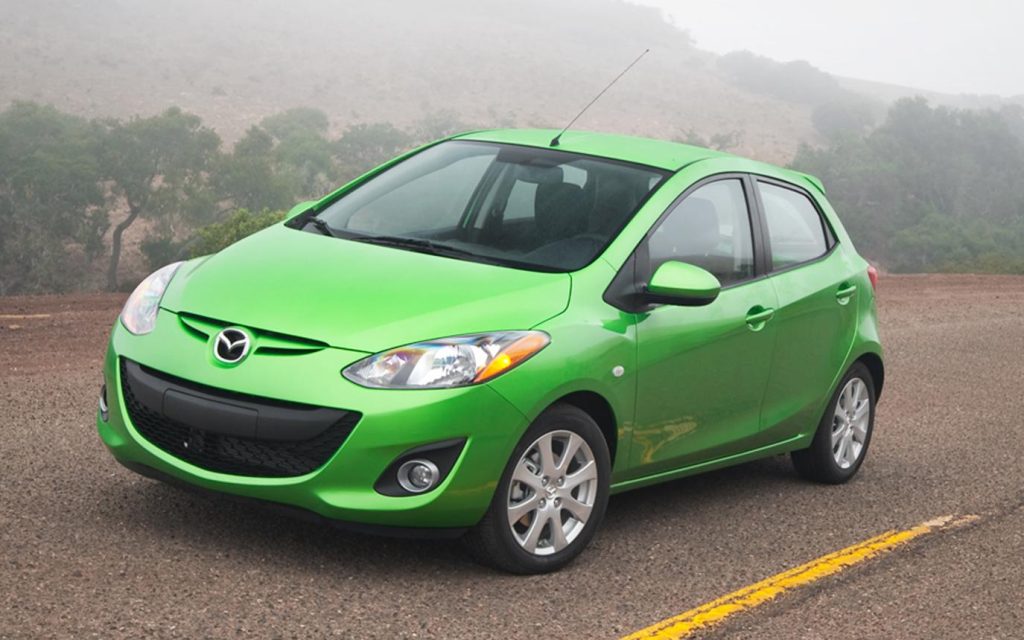
5. Mazda2 (2013)
The 2013 Mazda2 takes a different approach to affordable transportation. Rather than filling its small cabin with technology, Mazda concentrated on keeping the vehicle lightweight, practical, and mechanically straightforward. The Sport trim is particularly interesting because it comes with a relatively modest equipment package and conventional controls.
Mazda’s official specifications list a 1.5-liter four-cylinder engine producing 100 horsepower and 98 lb-ft of torque. Buyers could select a five-speed manual transmission or an available four-speed automatic. There is no turbocharger or hybrid battery system to introduce additional powertrain complexity.
Inside, the Sport model includes a conventional AM/FM/CD audio system, four speakers, air conditioning, power windows, automatic door locks, and remote keyless entry. The more expensive touring version adds equipment such as cruise control, a six-speaker audio system, and a trip computer.
This distinction matters when buying used. A basic sport model has fewer optional convenience features than a more extensively equipped vehicle, although both versions still contain electronic engine management, stability control, and essential safety systems.
The Mazda2’s lightweight construction also contributes to its character. Mazda listed a starting curb weight of approximately 2,306 pounds, making it a relatively light vehicle for its segment.
Before purchasing one, inspect the electrical accessories, air conditioning, charging system, and dashboard indicators. Also check for evidence of neglected maintenance and transmission problems.
The Mazda2 is not a luxury car, and that is precisely its appeal here. Buyers looking for uncomplicated commuting transportation may appreciate its restrained equipment and conventional mechanical layout.
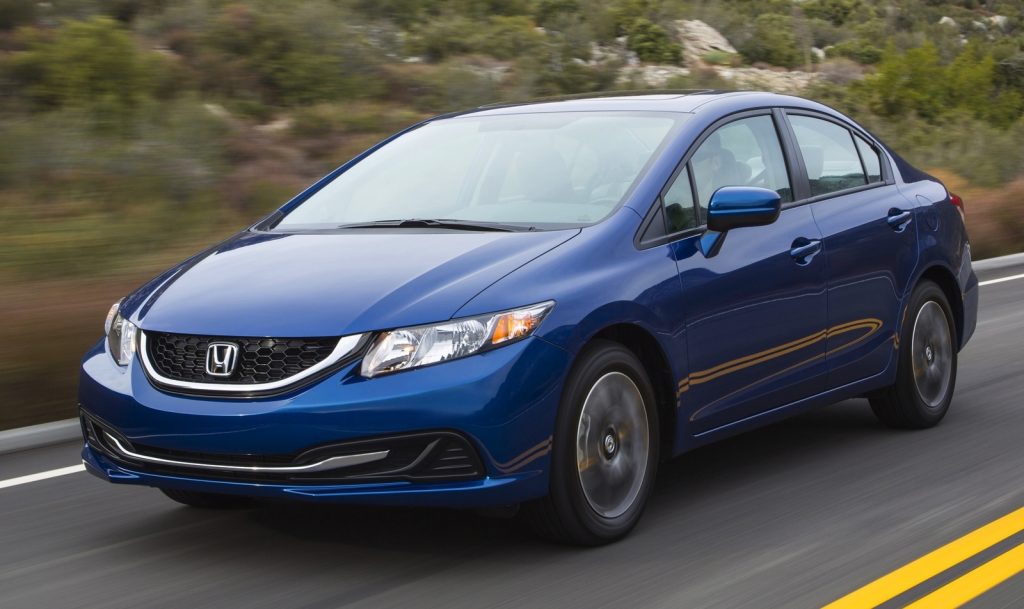
6. Honda Civic (2014-2015)
A well-equipped car does not necessarily need an expensive collection of electronic features. The 2014-2015 Honda Civic LX demonstrates this particularly well. Although the model includes useful modern conveniences, its lower trim avoids several of the more sophisticated entertainment and comfort systems available on higher versions.
Honda’s factory specifications show that the 2014 LX uses a 160-watt AM/FM/CD audio system with four speakers. The EX and EX-L versions receive a more advanced seven-inch touchscreen display, additional speakers, and other multimedia equipment.
The LX also has a conventional manual air-conditioning system rather than the automatic climate control fitted to higher grades.
Mechanically, the Civic uses a naturally aspirated 1.8-liter four-cylinder engine producing 143 horsepower and 129 lb-ft of torque. Honda offered a five-speed manual transmission and an available continuously variable transmission.
There is still plenty of electronic equipment protecting occupants. The LX includes stability assistance, traction control, anti-lock brakes, airbags, tire-pressure monitoring, and an intelligent multi-information display. These are important systems, not unnecessary accessories.
For a used-car buyer, the attraction is the balance between essential technology and a relatively uncomplicated cabin. There is no need to purchase a higher trim simply to obtain a dependable daily driver.
Inspect the air-conditioning system, power windows, steering assistance, instrument display, and warning lights. Also check the CVT carefully if considering an automatic example.
A properly maintained Civic LX can be a sensible choice for someone who wants useful safety equipment without paying for every available electronic convenience.
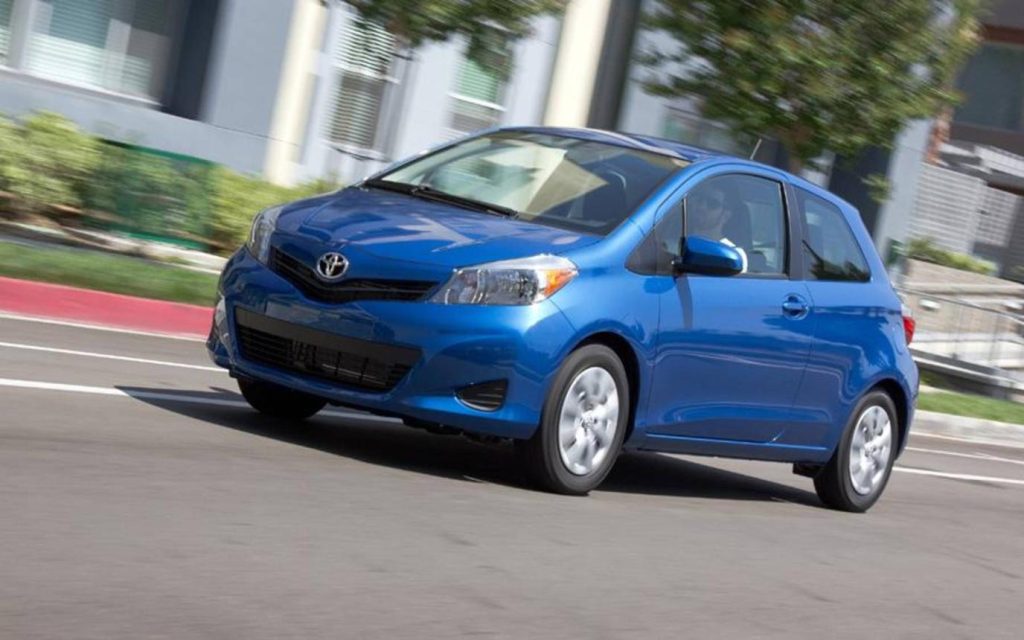
7. Toyota Yaris (2014)
The 2014 Toyota Yaris L is worth considering because its entry-level configuration focuses on everyday usability rather than premium electronic equipment. It is a small hatchback with conventional mechanical components, straightforward controls, and a relatively uncomplicated interior.
Toyota equipped the 2014 Yaris with a 1.5-liter four-cylinder engine producing 106 horsepower and 103 lb-ft of torque. The three-door L could be ordered with a five-speed manual transmission or an available four-speed automatic. The five-door L used the automatic transmission in its standard configuration.
One detail buyers should understand is that the Yaris was not completely technology-free. Toyota included its Tech Audio package across the 2014 lineup. This system features an AM/FM/CD player, six speakers, USB connectivity, HD Radio, and Bluetooth music streaming. Consequently, it would be inaccurate to describe the car as having almost no electronics.
Its advantage comes from avoiding more complicated luxury equipment. The L grade does not include some of the additional convenience features found on the LE and SE, such as the LE’s power windows, cruise control, and steering-wheel audio controls. Toyota also retained conventional physical controls for frequently used functions.
There are still essential electronic systems, including electric power steering, engine management, airbags, and vehicle safety controls. These should always be checked during a used-car inspection.
For buyers who prefer a compact vehicle without expensive premium features, the Yaris L makes sense. Check the audio system, door locks, electrical connections, and transmission operation before purchasing. A well-maintained example can provide practical transportation without an unnecessarily complicated equipment package.
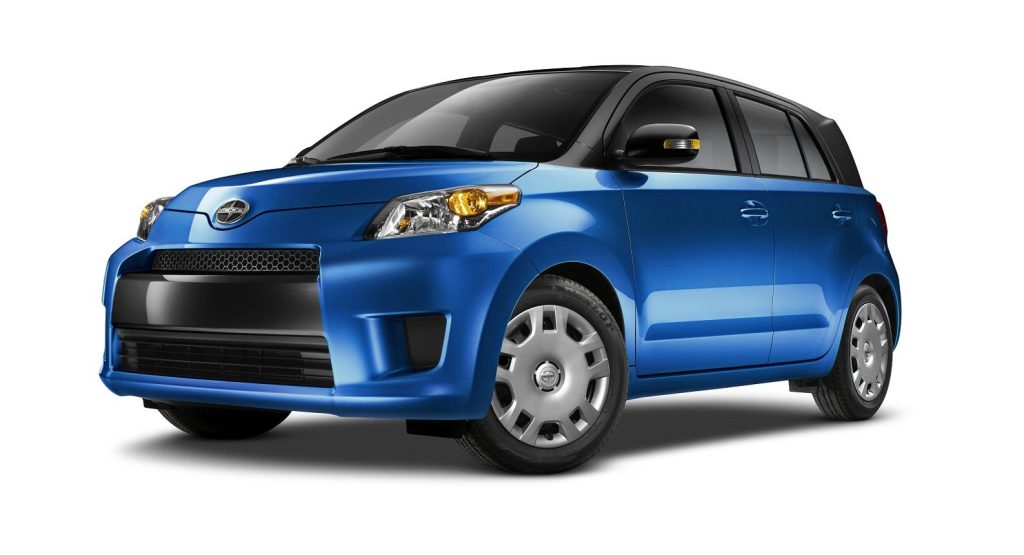
8. Scion xD (2014)
The 2014 Scion xD offers an interesting alternative for buyers who want a small hatchback with conventional mechanical engineering. Although Scion marketed the vehicle toward younger drivers, its underlying appeal was relatively straightforward: a naturally aspirated engine, practical body style, and familiar mechanical components.
Toyota’s official specifications identify a 1.8-liter four-cylinder engine producing 128 horsepower and 125 lb-ft of torque. Buyers could select a five-speed manual transmission or a four-speed automatic. Its suspension uses MacPherson struts at the front and a compact torsion-beam arrangement at the rear.
The xD does include electronic safety equipment. Its standard STAR Safety System incorporates anti-lock brakes, electronic brake-force distribution, brake assist, traction control, and vehicle stability control. Eight airbags were also standard. These systems improve safety but should not be confused with expensive luxury electronics.
One consideration is the infotainment equipment. Scion promoted technology and connectivity as part of the xD’s appeal, so it would be misleading to describe every example as a basic, electronics-free vehicle. Buyers should inspect the actual factory configuration and avoid paying extra for equipment they do not need.
The naturally aspirated engine is an important attraction because it avoids turbocharger-related hardware and complicated hybrid components. Nevertheless, age-related electrical failures remain possible.
During an inspection, test the factory audio system, power windows, door locks, charging system, and dashboard displays. Check for warning lights and confirm that the automatic transmission shifts correctly.
For someone seeking a practical used hatchback, the xD offers a useful combination of conventional engineering and reasonable equipment levels.
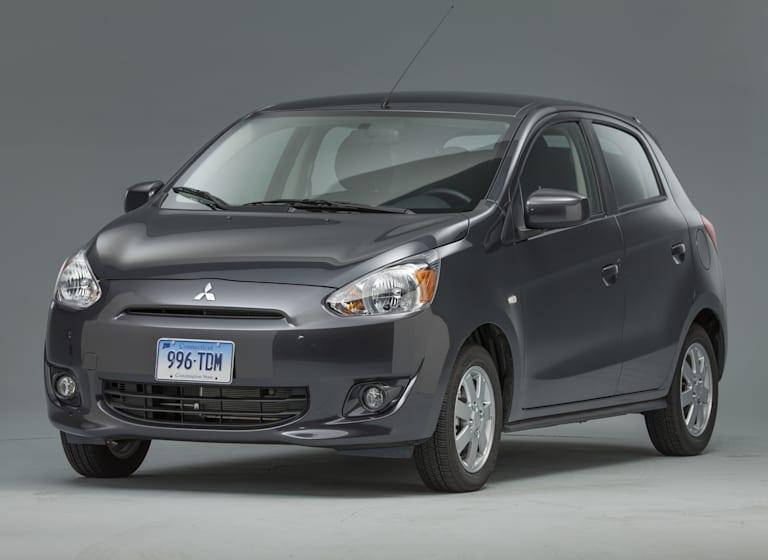
9. Mitsubishi Mirage (2015-2017)
The Mitsubishi Mirage DE deserves a place on this list because its entry-level configuration was designed around affordability and essential transportation. Unlike technology-heavy compact cars, the basic Mirage focuses on delivering inexpensive commuting capability through a small naturally aspirated engine and a relatively modest interior.
The 2015 Mirage uses a 1.2-liter three-cylinder engine producing 74 horsepower and 74 lb-ft of torque. Mitsubishi offered a five-speed manual transmission or an available continuously variable transmission. The naturally aspirated configuration avoids the additional hardware associated with turbocharging and hybrid systems.
The DE specification keeps the equipment relatively restrained. It includes conventional dashboard controls, basic audio equipment, and essential convenience features. Higher equipment levels introduce additional features, making the DE a more appropriate choice for buyers specifically seeking a simpler configuration.
However, there are important qualifications. The Mirage still uses electronic engine management, anti-lock brakes, stability control, airbags, and other safety-related electronics. Its CVT-equipped versions also have additional transmission-control electronics that should be inspected carefully.
One advantage is that the car does not depend on an elaborate luxury infotainment arrangement. This reduces exposure to certain expensive screen, navigation, and premium audio replacements, although it does not guarantee cheaper repairs across every category.
Used buyers should check the electrical charging system, air conditioning, instrument cluster, and transmission behavior. On CVT models, pay particular attention to hesitation, unusual noises, and documented maintenance.
The Mirage DE is best suited to drivers who prioritize basic commuting over performance or premium features. A properly maintained manual example is particularly worth considering when limiting electronic complexity is the main objective.