
Four-wheel-drive systems are designed to improve traction, but their electronic controls can become expensive trouble spots as vehicles age. A transfer-case actuator is responsible for moving internal mechanisms that engage or adjust power delivery between the axles.
When its electric motor, plastic gears, or position-control components fail, drivers may experience warning lights, unusual noises, drivetrain shuddering, or an inability to engage four-wheel drive.
In some vehicles, manufacturers have documented specific actuator problems and issued repair instructions. These eight vehicles deserve attention from used-car buyers because a relatively small electrical component can create a surprisingly expensive repair.
1. BMW X3 (2004-2010)
The first-generation BMW X3, internally identified as the E83, is one of the better-documented examples of transfer-case actuator gear failure.
Its xDrive system uses an electronically controlled transfer case to distribute power between the front and rear wheels. An electric servo motor operates the transfer-case mechanism, but internal plastic gear wear can eventually prevent it from responding correctly.
BMW addressed this specific problem in technical service bulletin SI B27 02 16, issued in July 2016. The manufacturer identified internal wear of the actuator’s plastic gears as the cause and instructed technicians to rebuild the transfer-case actuator rather than automatically replace the complete transfer case.
The symptoms can be confusing because several dashboard warnings may appear together. BMW identifies ABS, brake, and Dynamic Stability Control warning lights, sometimes accompanied by a drivetrain malfunction message.
A clicking noise from the actuator when cycling the ignition is another documented indication. Relevant diagnostic codes include VTG 5461, 5462, and 5463.
Fortunately, the repair does not necessarily require an entirely new drivetrain assembly. BMW’s bulletin specifies a repair kit, part number 27 10 2 413 711, along with additional sealing and lubrication materials. The recommended time for the complete actuator repair is approximately two hours, excluding additional diagnostic work.

The expense depends on whether the internal gear can be rebuilt or the complete actuator needs replacement. Additional transfer-case damage can increase the bill considerably.
For used X3 buyers, check for previous actuator repairs and scan the VTG control module before purchasing. Also inspect tire tread depth because significant differences between front and rear tires can increase stress on the xDrive system.
2. BMW X5 (2004-2013)
The BMW X5 offers more space and power than the smaller X3, but certain older xDrive versions share the same transfer-case actuator weakness. The problem is particularly relevant to the E53 and E70 generations, where wear inside the actuator’s plastic gear mechanism can interfere with electronic control of the transfer-case clutch.
BMW’s SI B27 02 16 specifically covers the E53 X5 from October 2003 production onward. It also includes E70 X5 models equipped with a six-speed automatic transmission and the ATC 700 transfer case. This distinction matters because not every X5 configuration uses the same transfer-case hardware.
Owners may first notice a clicking sound underneath the vehicle when switching the ignition on or off. The ABS, brake, and DSC warning lights can then illuminate, sometimes alongside a drivetrain malfunction warning. BMW identifies fault codes 5F3A, 5463, 5462, and 5461 among the possible stored codes.
What makes this failure expensive is the possibility of misdiagnosis. A technician unfamiliar with BMW’s service information might recommend replacing the complete transfer-case assembly when the actual problem is confined to the actuator’s internal gears.
BMW’s bulletin specifically provides a rebuilding procedure and lists approximately two hours as the recommended repair time.

However, rebuilding is not always sufficient. If the transfer-case clutch, internal bearings, or other mechanical components are damaged, the final repair can become substantially more expensive. Replacement actuator parts, programming or adaptation requirements, and workshop labor also affect the bill.
Before buying an older X5, have a BMW specialist scan the transfer-case control module and inspect the actuator. Check whether all four tires have compatible specifications and similar tread depths.
A documented actuator rebuild is worth looking for, particularly on high-mileage examples with a history of drivetrain warning lights.
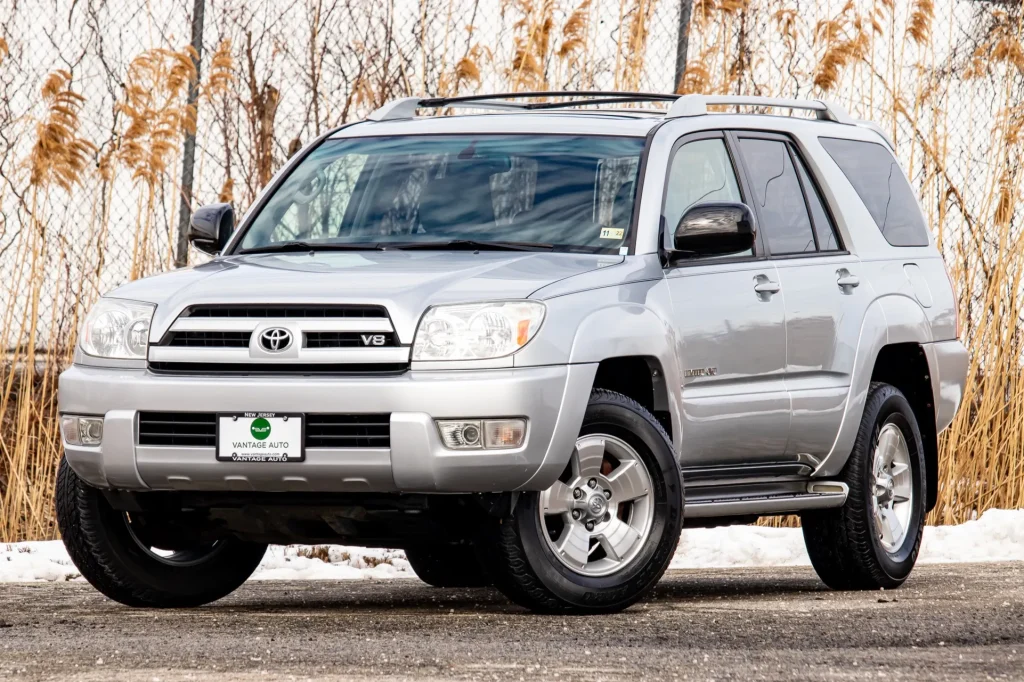
3. Toyota 4Runner (2003-2012)
The fourth-generation Toyota 4Runner is known for its off-road capability, but certain part-time four-wheel-drive versions have a documented actuator problem. Toyota issued Technical Service Bulletin T-SB-0066-12 in April 2012 addressing an inoperative Automatic Disconnecting Differential (ADD) shift actuator.
The bulletin applies to 2003-2012 4Runner models equipped with part-time four-wheel drive. Affected vehicles may display a flashing 4WD indicator while the four-wheel-drive system refuses to engage.
Toyota’s prescribed procedure involves removing the ADD actuator, checking its movement and electrical resistance, and replacing the assembly if it fails inspection.
It is worth clarifying that the component involved is the front differential disconnect actuator, rather than the transfer-case shift motor itself. Although both parts play a role in activating the four-wheel-drive system, they serve separate functions in the engagement process.
A failed ADD actuator can prevent the front drivetrain from connecting even when the transfer case has successfully changed modes.
The repair can become expensive because accessing the actuator and confirming the electrical and mechanical fault requires proper diagnosis. Parts, labor, and possible additional drivetrain repairs determine the final bill. Owners should avoid replacing the transfer case automatically when the actual fault may be confined to the front differential actuator.
During a used-vehicle inspection, test both two-wheel-drive and four-wheel-drive operation. Watch for a flashing 4WD indicator, delayed engagement, or a system that refuses to disengage.
For buyers considering a 4Runner from these years, ask whether the ADD actuator has been replaced previously. A professional inspection should also verify that the front differential mechanism operates correctly rather than relying solely on dashboard indicators.
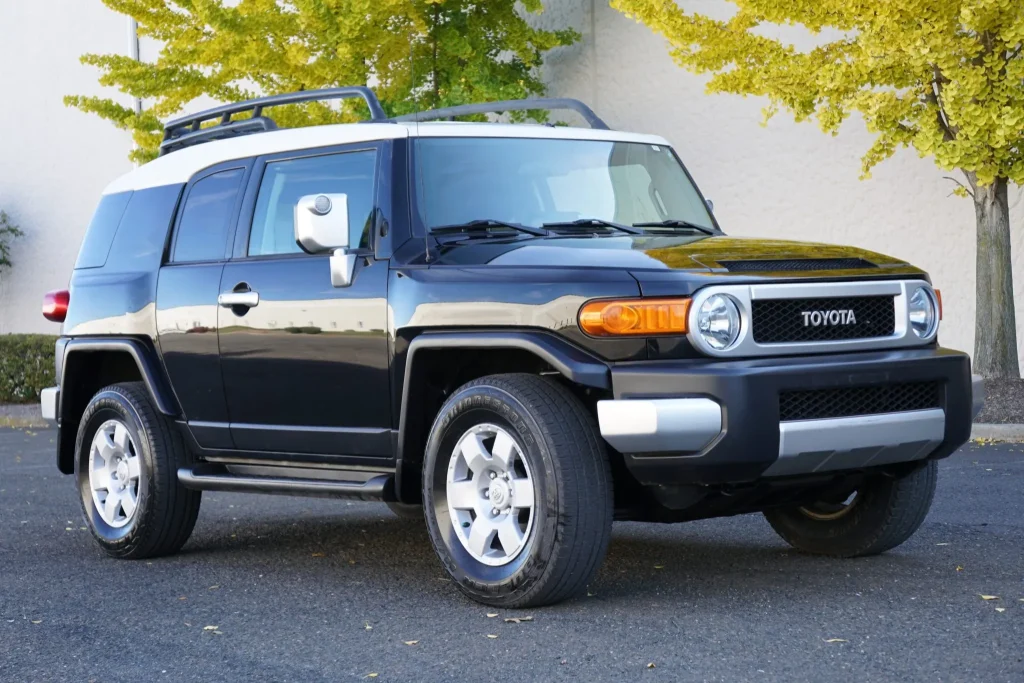
4. Toyota FJ Cruiser (2007-2012)
The Toyota FJ Cruiser was built for drivers who wanted genuine off-road hardware rather than a crossover with decorative four-wheel-drive styling.
However, its part-time 4WD versions share a documented actuator concern with certain 4Runner models. Toyota’s T-SB-0066-12 specifically includes 2007-2012 FJ Cruiser vehicles equipped with part-time four-wheel drive.
The bulletin describes a condition in which the 4WD indicator flashes while the system remains inoperative. Toyota identifies the automatic disconnecting differential shift actuator as a component that may fail.
The manufacturer instructs technicians to remove the assembly, inspect its movement and electrical resistance, and replace it when the inspection confirms a fault.
The actuator’s job is to connect or disconnect the front differential mechanism as the driver selects four-wheel drive. When it stops operating correctly, the vehicle may not deliver power to the front wheels even if the transfer case appears to respond normally.
This is why an accurate diagnosis matters. A flashing indicator does not automatically mean the transfer case itself has failed. The problem may originate in the front differential actuator, wiring, electrical connections, or related control components.
Replacement expenses vary according to parts availability and labor rates. The final bill can increase if the actuator has seized or the surrounding drivetrain components also require attention.
FJ Cruiser owners should periodically exercise the four-wheel-drive system according to the owner’s manual and investigate any delayed engagement. Buyers should test the 4WD controls before purchasing a used example, preferably on an appropriate surface where the system can be checked safely.
A vehicle with a flashing 4WD warning light should not be assumed to have fully functional off-road capability.
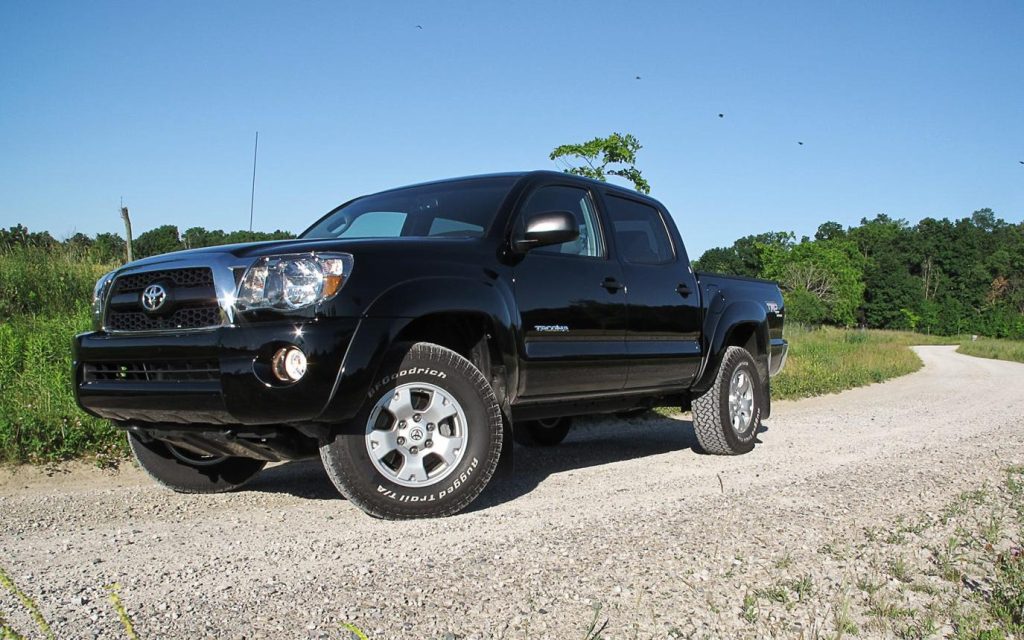
5. Toyota Tacoma (2005-2012)
The Toyota Tacoma has a strong reputation among pickup buyers, particularly those who regularly use their trucks on rough roads. However, certain 2005-2012 models equipped with part-time four-wheel drive share an actuator issue documented by Toyota.
The problem involves the Automatic Disconnecting Differential (ADD) shift actuator, which controls the connection between the front differential and drivetrain.
Toyota’s Technical Service Bulletin T-SB-0066-12, issued April 25, 2012, specifically lists 2005-2012 Tacoma models alongside the 4Runner and FJ Cruiser. The manufacturer describes a condition involving a flashing 4WD indicator and an inoperative four-wheel-drive system.
Its repair instructions require technicians to remove the ADD actuator, inspect its movement and electrical resistance, and replace it if the inspection confirms failure.
For owners, the frustrating part is that the truck may continue driving normally in two-wheel drive. The problem becomes apparent when four-wheel drive is needed but the front differential refuses to engage.
Drivers may interpret this as a transfer-case problem, even though the fault can originate at the front differential disconnect mechanism.
A replacement actuator is not necessarily the end of the repair. Damaged wiring, corroded electrical connections, or mechanical binding can also prevent the system from operating correctly. A technician should establish the actual cause before installing expensive parts.
Repair expenses depend on the actuator’s availability, labor requirements, and whether surrounding components need attention. A repair involving additional drivetrain diagnosis can become considerably more expensive than the actuator alone.
Used Tacoma buyers should test the 4WD system and inspect its service history. Pay attention to flashing indicator lights, delayed engagement, and unusual noises when changing driving modes. A clean-looking truck is not proof that its four-wheel-drive hardware works correctly.
6. Jeep Commander (2005-2010)
The Jeep Commander offered serious four-wheel-drive capability, particularly in versions equipped with Quadra-Trac II or Quadra-Drive II. However, certain 2005-2010 Commanders became subject to a safety recall involving an electrical failure in the transfer-case actuator encoder.
Chrysler announced recall N23 in May 2013, covering certain 2005-2010 Jeep Commander and Grand Cherokee vehicles equipped with the NV245 transfer case.
According to the manufacturer’s recall communication, the actuator encoder could experience an electrical failure that might cause the transfer case to shift unintentionally into or through neutral.
That is more serious than an ordinary four-wheel-drive warning light. An unexpected shift into neutral can interrupt the transfer of engine power to the wheels, potentially leaving the vehicle unable to move as intended. It also creates a safety concern if the condition occurs while driving.
Chrysler’s recall remedy involved reprogramming the Final Drive Control Module and testing the four-wheel-drive system. If the actuator was found to be inoperative, dealers were instructed to replace it. Eligible recall repairs were provided without charge.
The financial risk for second-hand buyers comes from purchasing a vehicle with an incomplete recall repair or encountering a related failure outside applicable coverage. An actuator replacement, electrical diagnosis, and additional transfer-case work can produce a substantial workshop bill.
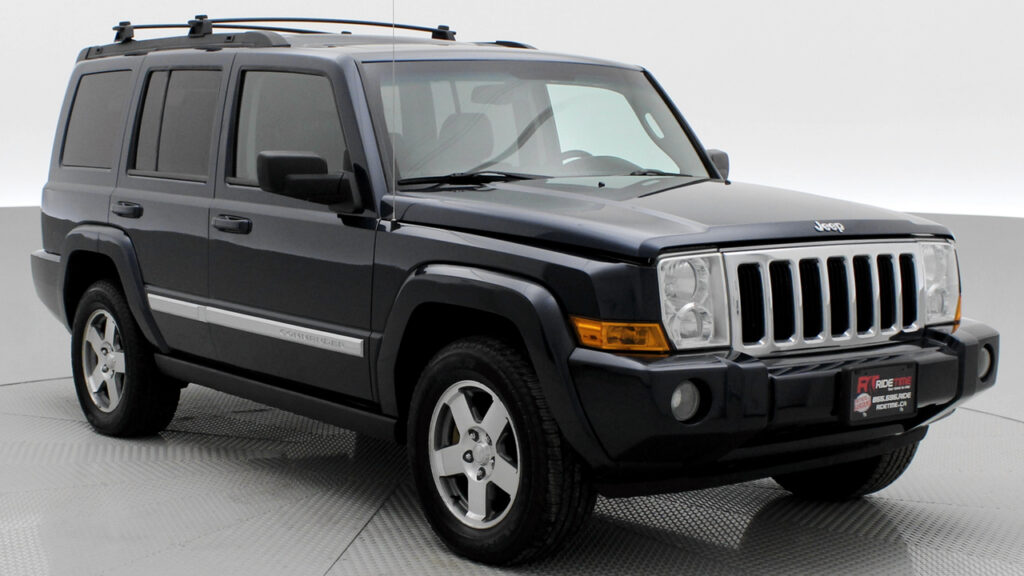
Before buying a Commander, check its VIN through the NHTSA recall database and request documentation showing that recall N23 was completed. Also test the available four-wheel-drive modes and look for warning messages.
A Commander may still be an attractive used SUV, but its transfer-case recall history should never be overlooked.
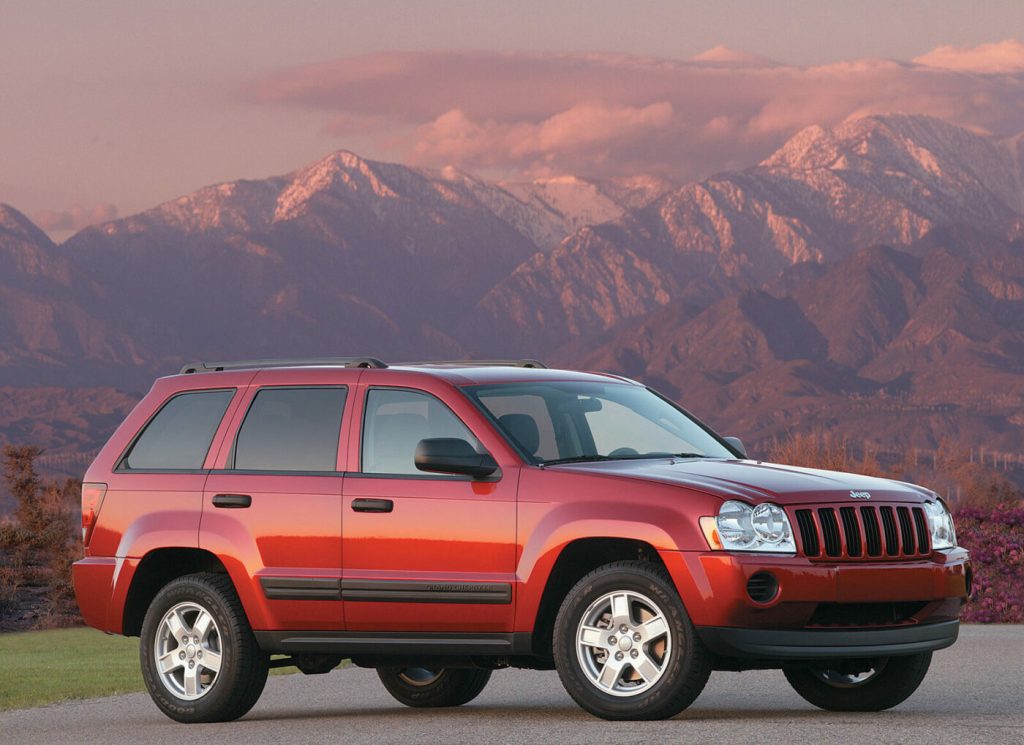
7. Jeep Grand Cherokee (2005-2010)
The 2005-2010 Jeep Grand Cherokee shares an important transfer-case concern with the Commander, particularly in versions equipped with Quadra-Trac II or Quadra-Drive II. These systems use an electronically controlled transfer case, and a failure in the actuator encoder can interfere with the vehicle’s ability to maintain the selected driving mode.
Chrysler’s May 2013 recall communication N23 specifically identifies certain WK Grand Cherokee models equipped with the NV245 transfer case. The manufacturer warned that an electrical failure inside the transfer-case actuator encoder could cause unintended shifting into or through neutral.
The consequences can be particularly frustrating for owners who depend on their Grand Cherokee for towing or off-road driving. A transfer case that unexpectedly enters neutral can interrupt power delivery to the wheels. Unlike a simple dashboard warning, this condition can affect the vehicle’s ability to move.
Chrysler’s recall procedure involved updating the Final Drive Control Module software and checking the four-wheel-drive system. Importantly, the manufacturer also instructed dealers to replace the actuator if testing found it inoperative. This confirms that the issue involved both electronic control and the possibility of physical actuator failure.
Owners should distinguish this recall from ordinary wear-related transfer-case problems. Not every Grand Cherokee from these years experienced the condition, and the recall applied only to specified configurations. A VIN check is necessary to establish eligibility.
If the actuator requires replacement outside applicable coverage, parts and labor can add considerably to ownership expenses. Further mechanical damage can increase the repair bill.
For used buyers, request evidence of completed recall work and have a Jeep specialist scan the drivetrain control module. Do not rely exclusively on a dashboard that currently shows no warning lights. A properly functioning four-wheel-drive system should engage and disengage without unexpected noises, delays, or warning messages.
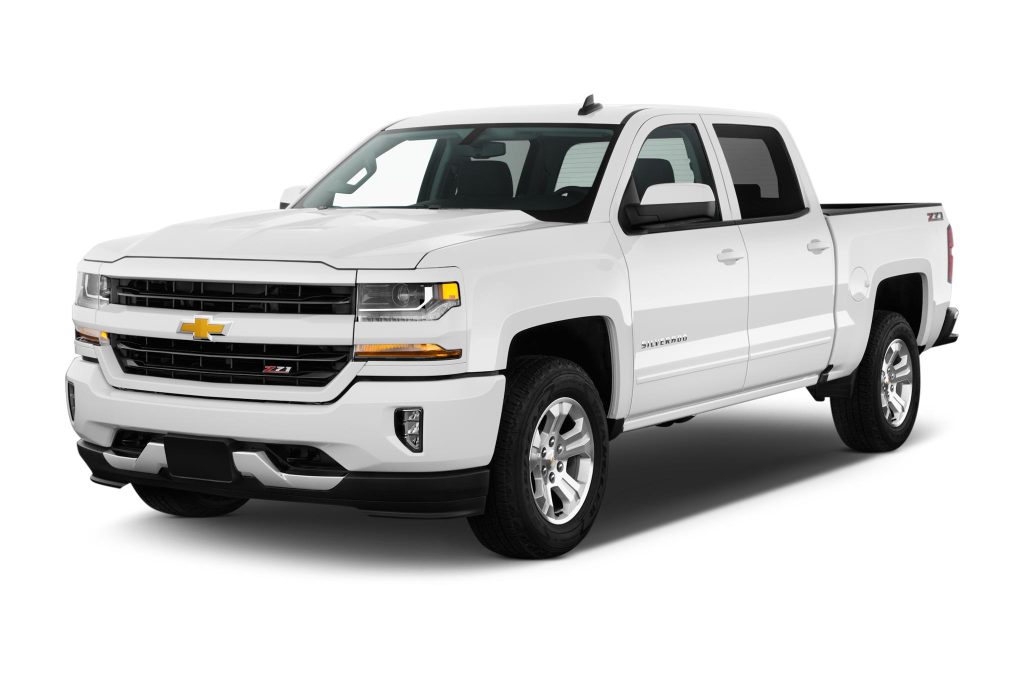
8. Chevrolet Silverado 1500 (2016)
The 2016 Chevrolet Silverado 1500 is another truck worth checking when evaluating the condition of an electronically controlled four-wheel-drive system. Certain examples equipped with a switch-activated transfer case were investigated by General Motors for a Service 4WD warning and an actuator-position-related diagnostic fault.
GM Engineering Information bulletin PIE0349, issued in December 2015, covers the 2016 Chevrolet Silverado, Suburban, and Tahoe, along with the GMC Sierra, Yukon, and Yukon XL equipped with the NQH switch-activated transfer case. It identifies diagnostic trouble code C0398, which relates to a range-actuator position correlation problem.
The bulletin instructed technicians to collect diagnostic information before performing repairs because GM was investigating the underlying cause. Importantly, this was an engineering investigation, not a recall or confirmation that every affected vehicle had a defective actuator.
The actuator is responsible for moving the transfer case between selected operating ranges. Its position information allows the control module to verify whether the requested shift has actually occurred. If the expected position and reported position do not agree, the system can register a fault and display a Service 4WD message.
For owners, the problem can mean losing access to certain four-wheel-drive modes until the fault is properly diagnosed. Replacing the actuator without checking wiring, electrical connections, control-module information, and mechanical binding can result in unnecessary expenses.
Repair costs vary according to the actual failure. An actuator replacement can be relatively straightforward, but a damaged transfer case or control module can make the job considerably more expensive.
Before buying a used Silverado, test every available four-wheel-drive setting and scan the transfer-case control module. Ask whether any previous Service 4WD warnings were investigated and repaired.