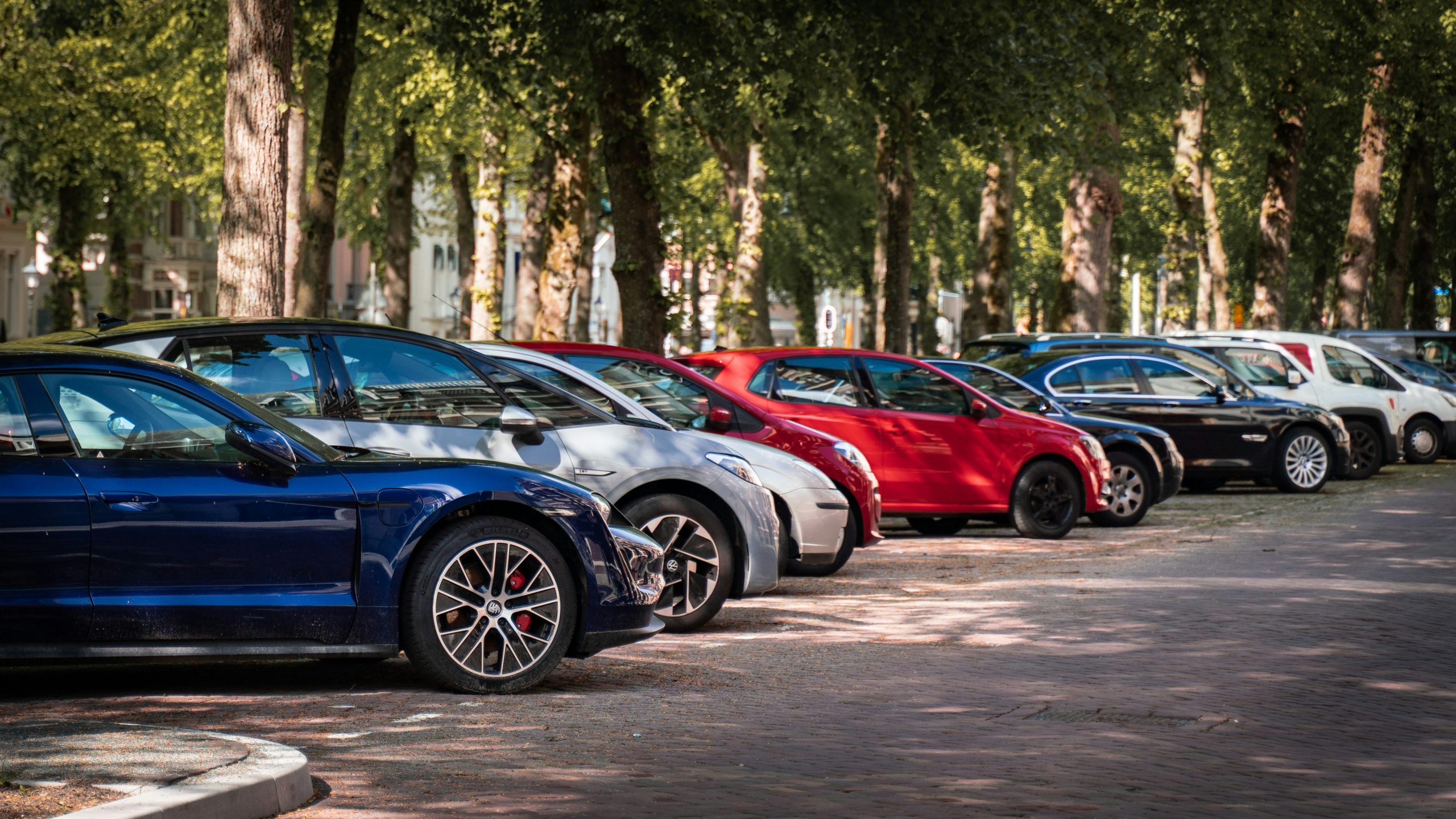
Buying a car involves more than choosing the right model, checking its features, and negotiating the price. Insurance is equally important because it protects you from unexpected financial losses and helps you meet legal requirements. However, some vehicles are harder or more expensive to insure than others.
Factors such as repair costs, theft rates, vehicle history, safety features, and engine performance can influence an insurer’s decision. Understanding these factors before purchasing a car can save you time, money, and frustration. Knowing why certain vehicles face insurance challenges also helps you make a more informed decision when comparing your options.

1. High Theft Rates Make a Car Riskier to Insure
Car theft is a major concern for insurance companies because stolen vehicles can result in expensive claims. When a particular make or model is frequently targeted by thieves, insurers may consider it a higher risk. This can make coverage more expensive or limit the number of companies willing to provide a policy.
Some vehicles attract thieves because they have valuable parts, popular resale demand, or security weaknesses. Models with easily accessible components may also become targets for organised theft. Before purchasing a vehicle, checking its theft statistics can help you understand whether it could create insurance difficulties.
Insurance companies use historical claims information to assess theft risks. If a vehicle has a record of frequent theft claims, insurers may charge higher premiums to compensate for potential losses. The exact impact depends on the vehicle, location, security features, and insurance provider.
Cars with expensive headlights, entertainment systems, electronic components, and other valuable parts can also attract unwanted attention. Thieves may target these components rather than stealing the entire vehicle. Such incidents can increase the cost of comprehensive insurance claims.
Your parking arrangements can influence the risk assessment as well. A vehicle regularly parked on an open street may face a greater theft risk than one kept inside a secured garage. Some insurers consider overnight parking arrangements when calculating premiums.
Modern security technology can help reduce theft-related concerns. Features such as engine immobilisers, alarm systems, GPS tracking, and advanced key protection may improve a vehicle’s security profile. However, their effect on premiums varies between insurers.
Before buying a used car, check whether its original security systems are working properly. Missing keys, damaged locks, disabled alarms, or modified electronic systems can raise concerns during an insurance inspection. A vehicle with incomplete security equipment may be harder to insure.
You should also check whether the insurer requires specific anti-theft devices for certain vehicles. Some policies may offer discounts for approved security equipment, while others may have additional conditions. Getting an insurance quote before paying for the car can help you avoid unexpected expenses.

2. Expensive Repairs Can Increase Insurance Costs
The cost of repairing a vehicle plays an important role in insurance decisions. Cars with expensive replacement parts, complicated technology, or specialised components can be more costly to insure. Even minor accidents may lead to substantial repair bills when the vehicle requires specialised attention.
Luxury vehicles often have advanced electronic systems, premium interiors, and sophisticated mechanical components. Replacing damaged parts can require specialised equipment and trained technicians. These expenses may increase the amount an insurance company needs to pay after an accident.
Some manufacturers use proprietary components that are difficult to source. If replacement parts are available only through authorised dealerships, repair costs may become significantly higher. Longer waiting periods for these components can also complicate the claims process.
Modern vehicles frequently include advanced driver assistance systems, sensors, cameras, and electronic control units. These technologies improve driving safety, but repairing or recalibrating them after an accident can be expensive. Even a minor collision involving a bumper may require additional sensor work.
Imported vehicles can present further insurance challenges. Replacement parts may need to be shipped from overseas, increasing transportation costs and repair delays. Insurance providers may also consider the availability of authorised repair centres before offering coverage.
The availability of affordable mechanics is another factor worth considering. A vehicle that requires specialised servicing may limit your repair options. This can affect the estimated cost of future insurance claims, particularly if the car is not commonly sold in your region.
Before purchasing a vehicle, research the prices of common replacement parts, including headlights, mirrors, bumpers, windshields, and body panels. These components are frequently damaged in everyday accidents. Their prices can provide a useful indication of potential repair expenses.
Requesting an insurance quotation can reveal whether repair costs are likely to affect your premium. Compare quotes from different providers and check whether they offer access to suitable repair facilities. A car with reasonable maintenance and repair costs may be a more practical purchase over time.

3. Poor Safety Ratings Can Affect Insurance Approval
Vehicle safety is an important consideration for insurance companies. Cars with poor crash-test results or limited safety equipment may present greater risks during accidents. These concerns can influence insurance premiums and, in some cases, affect the availability of certain coverage options.
Crash-test ratings provide information about how well a vehicle protects occupants during collisions. Independent organisations evaluate different aspects of vehicle safety, including structural strength, occupant protection, and available safety technologies. Checking these ratings before buying a car can help you understand its safety performance.
Older vehicles may lack important safety features found in newer models. Equipment such as electronic stability control, multiple airbags, anti-lock braking systems, and advanced braking assistance can improve accident protection. Their absence may influence how insurers assess the vehicle.
The structural design of a car also matters. A vehicle with a weak passenger compartment or inadequate crash protection may result in more serious injuries during an accident. Higher injury-related claim costs can influence insurance risk assessments.
Safety technology can also help prevent certain accidents. Automatic emergency braking, lane departure warnings, blind-spot monitoring, and parking assistance may reduce specific driving risks. However, insurers do not necessarily offer discounts for every feature, so it is important to confirm their policy conditions.
A car’s safety record should be checked independently rather than judged by its appearance or price. A vehicle with an attractive design and modern interior may not provide the same level of crash protection as a model with stronger safety credentials.
Used vehicles require additional attention because their original safety equipment may have been damaged or removed. Previous accident repairs can affect airbag systems, seat belts, sensors, and structural components. A professional inspection can identify problems that may not be visible during a test drive.
Before finalising your purchase, review available crash-test information and confirm that the vehicle meets applicable safety standards. Ask the seller about previous accidents and inspect important safety equipment. Choosing a vehicle with reliable safety features can support better protection and potentially reduce insurance concerns.
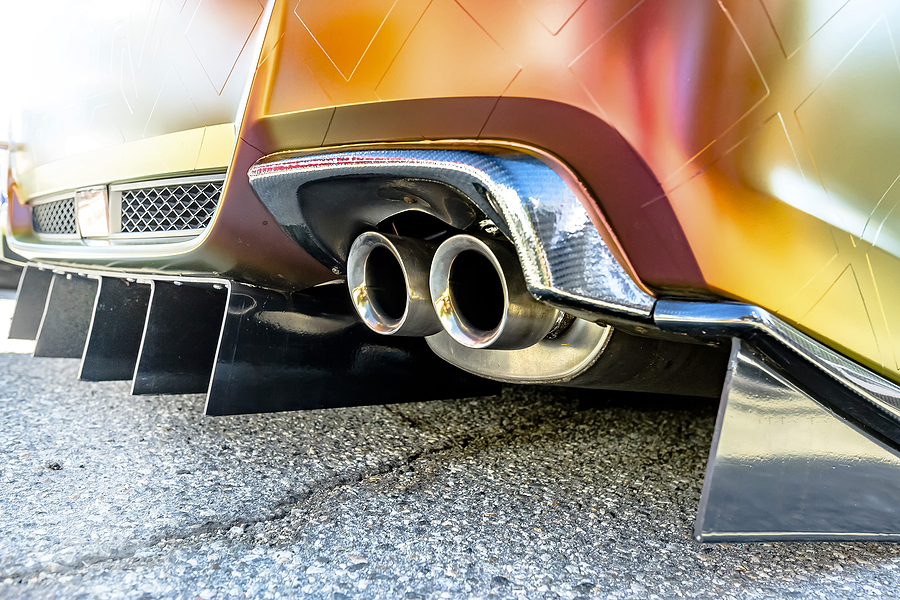
4. Modified Vehicles May Have Limited Insurance Options
Vehicle modifications can make a car harder to insure because they change its original specifications. Insurance companies generally assess vehicles based on their factory design, performance, and safety characteristics. Changes made after manufacturing can introduce additional risks or increase repair costs.
Engine modifications are particularly important. Increasing engine output, changing turbocharger components, or installing performance upgrades can affect acceleration and vehicle handling. Some insurers may consider these changes when determining premiums or deciding whether to provide coverage.
Exterior modifications can also create complications. Custom body kits, oversized spoilers, lowered suspension, and aftermarket bumpers may affect vehicle structure or repair requirements. Expensive customised components can increase the cost of replacing damaged parts after an accident.
Wheel and tyre changes may influence insurance assessments as well. Larger wheels, specialised tyres, and altered suspension settings can affect handling and braking performance. If these modifications are not properly installed or approved, they may create additional concerns for an insurer.
Interior changes should not be overlooked. Custom seats, modified steering wheels, upgraded entertainment systems, and specialised electronic equipment may need to be declared. Some insurers may require additional information about these changes before offering comprehensive coverage.
Certain modifications can also affect the vehicle’s legal compliance. Local transport regulations may restrict particular changes to the engine, exhaust, lighting, suspension, or vehicle dimensions. An insurer may refuse a claim if an undeclared modification contributes to an accident or violates policy conditions.
If you are buying a modified used car, request a complete list of alterations from the seller. Check whether the modifications were professionally installed and whether the necessary approvals or documents are available. Undocumented changes can create difficulties when arranging insurance.
Contact insurance providers before purchasing the vehicle. Explain every modification and ask whether it can be covered under the proposed policy. Some companies accept approved modifications with additional premiums, while others may decline coverage for heavily modified vehicles.
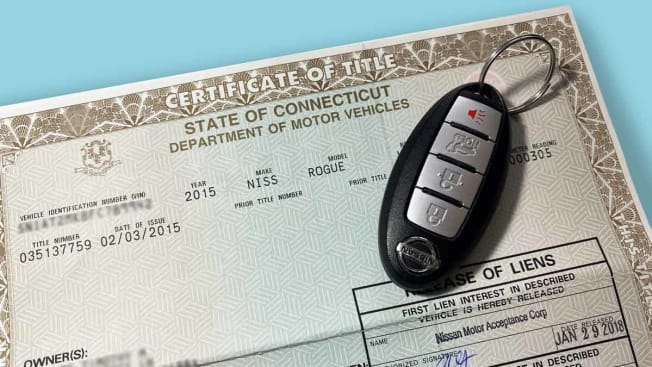
5. A Salvage or Rebuilt Title Can Create Insurance Problems
A vehicle’s ownership and damage history can significantly influence its insurability. Cars that have previously been declared total losses, severely damaged, or rebuilt after major accidents may face additional insurance restrictions. Their condition and legal status must be carefully checked before purchase.
An insurance company may declare a vehicle a total loss when repairing it is uneconomical compared with its insured value, subject to applicable rules. Such vehicles may receive salvage-related classifications under the relevant jurisdiction. Their future insurance options can be more limited than those of vehicles with clean histories.
A rebuilt vehicle is generally one that has undergone repairs after being classified as salvage or otherwise seriously damaged. Some rebuilt vehicles can be legally registered and driven after meeting applicable inspection requirements. However, passing an inspection does not automatically guarantee access to every type of insurance.
The quality of previous repairs is a major concern. Poor workmanship, replacement structural components, and hidden mechanical damage can affect vehicle safety. These problems may increase the likelihood of future claims and make insurers cautious about providing comprehensive coverage.
Water damage is another issue worth investigating. Floodwater can affect wiring, electrical systems, sensors, engine components, and interior materials. Some problems may appear months after the initial damage, making accurate repair assessments difficult.
A vehicle with a damaged history may still qualify for basic third-party coverage in certain markets. However, comprehensive insurance may be harder to obtain because the insurer needs confidence in the vehicle’s condition and market value. Policy availability depends on local regulations and individual company requirements.
Before buying such a car, request its complete insurance and service history. Examine previous damage reports, repair invoices, registration documents, and inspection certificates. An independent mechanic should also inspect the vehicle for hidden structural or mechanical problems.
Never rely entirely on the seller’s description of a rebuilt vehicle. Obtain written confirmation from an insurance provider about available coverage, exclusions, and valuation requirements. This step can prevent an expensive mistake if the car turns out to be difficult to insure.
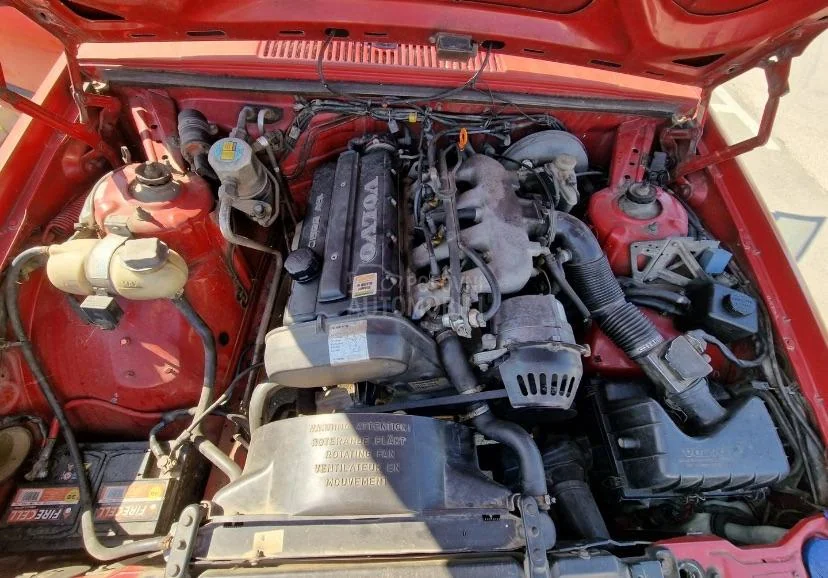
6. High-Performance Engines Can Lead to Higher Premiums
High-performance vehicles often attract higher insurance premiums because their power and speed can increase accident-related risks. Insurance companies consider engine capacity, horsepower, acceleration, vehicle value, and historical claims when evaluating these cars.
Sports cars and performance-oriented models are often designed for quick acceleration and responsive handling. Their driving characteristics may encourage more aggressive driving behaviour. Insurers may therefore classify certain models as higher risk than ordinary passenger vehicles.
Engine capacity is one factor that may influence insurance costs, depending on the market and provider. Larger engines can be associated with higher vehicle values, increased performance, and greater repair expenses. However, engine size alone does not determine the final premium.
High-performance vehicles may also have specialised braking and suspension systems. These components can improve handling and control, but replacement parts may be expensive. Insurance companies consider potential repair costs when calculating premiums.
The value of performance vehicles is another important factor. Premium sports cars and luxury performance models can cost considerably more to repair or replace. Damage involving specialised bodywork, carbon-fibre components, or advanced mechanical systems may produce substantial claims.
Young or inexperienced drivers may encounter additional restrictions when trying to insure powerful vehicles. Some insurers apply stricter eligibility requirements or higher premiums based on driver age, experience, and claims history. These conditions differ across insurance markets.
Before purchasing a high-performance car, compare insurance quotations from several companies. Ask about driver eligibility, mileage restrictions, permitted usage, and any requirements related to secure parking. These details can help you understand the actual cost of owning the vehicle.

7. Imported Cars May Be Difficult to Insure
Imported vehicles can sometimes be harder to insure because their specifications, parts availability, and repair requirements may differ from those of locally manufactured models. Insurance companies need reliable information to assess their value and determine the cost of potential claims.
Some imported cars have specifications that are not commonly available in the local market. Differences in engine configurations, electronics, safety equipment, and body components can make repairs more complicated. Insurers may need additional documentation before agreeing to provide coverage.
Replacement parts are a common concern. If a vehicle requires components from another country, shipping expenses, import duties, and delivery delays can increase repair costs. These factors may influence the premium charged by an insurance provider.
The vehicle’s original market value can also be difficult to establish. Imported cars may have different prices depending on their country of manufacture, age, condition, and import status. Insurers need an appropriate valuation to determine coverage limits and claim settlements.
Documentation is equally important. Import certificates, customs records, registration papers, and ownership documents may be required to verify the vehicle’s legal status. Missing or inconsistent paperwork can delay the insurance application or create problems during claims.
Some imported vehicles may also have different safety or emissions specifications. If their equipment does not meet local requirements, registration and insurance eligibility could become complicated. Buyers should confirm compliance before completing the purchase.
Another concern involves repair facilities. Not every workshop has the equipment, software, or technical knowledge needed to repair specialised imported vehicles. Insurers may prefer vehicles with accessible service networks and reliable repair options.

8. Incomplete Vehicle History Can Make Insurers Cautious
A vehicle’s history helps insurance companies understand its condition, previous ownership, and potential risks. When important information is missing, insurers may find it difficult to assess the vehicle accurately. This uncertainty can affect insurance approval, premiums, and available coverage.
A complete service history provides useful information about maintenance and repairs. It shows whether the previous owner followed recommended servicing schedules and addressed mechanical problems. Missing records can make it harder to determine whether the vehicle has been properly maintained.
Previous accident records are particularly important. A car may appear to be in good condition while having a history of significant collision damage. If repairs were not documented, insurers may have difficulty evaluating its current condition and potential weaknesses.
Odometer inconsistencies can also raise concerns. A vehicle showing unusually low mileage without supporting maintenance records may require further investigation. Mileage affects vehicle valuation, expected wear, and replacement costs, so accurate information is important.
Multiple ownership changes can make a vehicle’s background harder to verify. This does not automatically mean that the car is unsuitable for insurance. However, frequent transfers combined with missing documents or unexplained repairs may encourage insurers to request additional checks.
Vehicles previously used for commercial purposes may also need closer examination. Cars used as taxis, rental vehicles, or delivery vehicles can experience higher mileage and more frequent driving. Their usage history may influence the insurer’s assessment and policy conditions.

9. Incorrect Vehicle Information Can Result in Insurance Rejection
Accurate vehicle information is essential when applying for car insurance. Insurance companies use the details provided by the buyer to calculate premiums, determine eligibility, and establish policy conditions. Incorrect or incomplete information can create problems during approval or lead to claim disputes later.
The vehicle identification number, registration number, engine details, and manufacturing year should match the official documents. Even small differences can create verification issues. Buyers should carefully compare the information on the vehicle with its registration certificate and other relevant records.
Incorrect ownership details can also cause complications. If the seller is not the registered owner or the ownership transfer has not been completed correctly, insurers may request additional documents. A buyer should ensure that the vehicle’s ownership status is clear before arranging coverage.
The declared vehicle value is another important detail. An inaccurate valuation can affect the insured amount and future claim settlements. In markets where insurers use an insured declared value or similar valuation method, buyers should understand how that figure is calculated.
Undeclared modifications and previous damage can also create difficulties. If the insurance application states that the car is in original condition when significant changes have been made, the insurer may question the accuracy of the information. Policy terms and local law determine the consequences of such omissions.
Previous usage must also be disclosed accurately when requested. A vehicle used for commercial purposes may have different insurance requirements from a privately owned passenger car. Incorrectly declaring its usage can lead to coverage problems.