
A car that refuses to start can disrupt daily routines, delay important journeys, and create unexpected repair expenses. While a weak battery or faulty starter motor is often responsible, certain manufacturing defects can cause similar problems.
Vehicle recalls address safety and reliability issues that may affect essential systems, including fuel delivery, electrical connections, ignition components, and engine operation. Some defects can prevent a vehicle from starting without warning, leaving drivers stranded at home, in parking areas, or on the roadside.
Understanding these nine types of vehicle recalls can help owners recognize warning signs, check recall notices, and seek appropriate repairs.
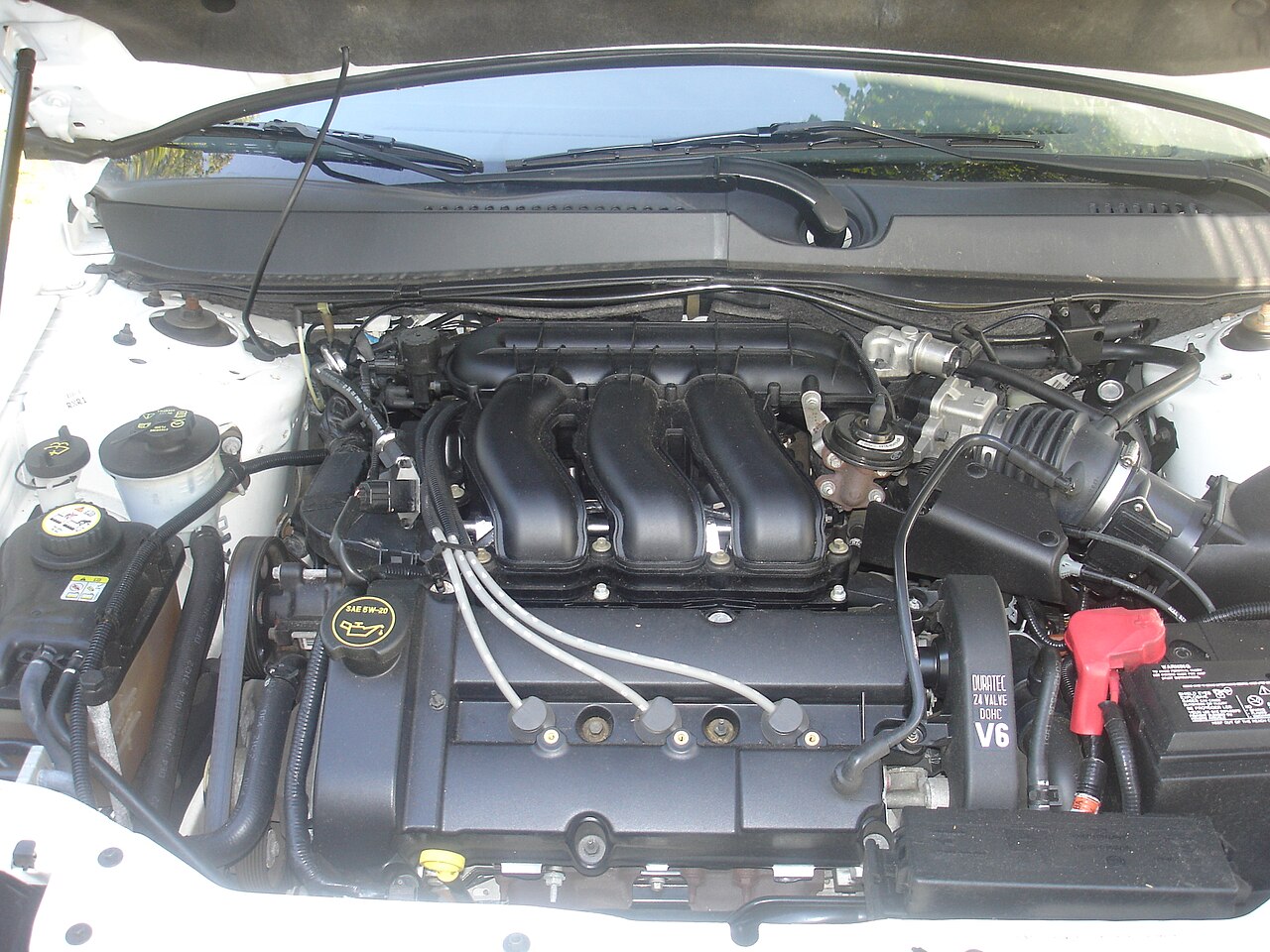
1. Fuel Pump Defects That Interrupt Engine Operation
A faulty fuel pump is a serious vehicle problem because the engine needs a steady supply of fuel to start and continue running. The pump moves fuel from the tank toward the engine, where it is delivered at the required pressure. When a manufacturing defect affects this component, the vehicle may struggle to start or fail completely.
Some vehicle recalls address fuel pumps that can wear out earlier than expected. Internal components may deteriorate, causing the pump to lose its ability to maintain adequate fuel pressure. When this happens, the engine may crank without starting because it does not receive enough fuel for combustion.
Drivers may notice warning signs before the pump stops working. These can include difficulty starting the engine, unexpected stalling, hesitation during acceleration, or a sudden loss of power. In certain cases, the problem develops gradually, while other vehicles experience a sudden failure.
A defective fuel pump can create problems in both petrol and diesel vehicles. The exact symptoms depend on the fuel system design, engine type, and nature of the manufacturing defect. Some affected vehicles may start intermittently before becoming completely unable to start.
Manufacturers sometimes issue recalls when investigations identify a defective pump design, unsuitable materials, or production inconsistencies. These issues can affect a specific production period rather than every vehicle from the same manufacturer. Owners should check their vehicle identification number to establish whether their particular vehicle is included.
Fuel pump recalls deserve prompt attention because the defect can affect more than starting performance. A vehicle that stalls unexpectedly may become difficult to control, especially in heavy traffic or at higher speeds. This makes an official recall repair important even when the vehicle still starts normally.
In many recall campaigns, authorized dealerships inspect the fuel delivery system and replace the affected pump or related components without charging the owner. The repair procedure depends on the manufacturer’s instructions. Owners should retain recall documentation and confirm that the required work has been completed.
If your car cranks but refuses to start, avoid repeatedly turning the ignition for extended periods. Repeated attempts can drain the battery and make diagnosis more difficult. Contact an authorized service center to check for outstanding fuel pump recalls before paying for unrelated repairs.

2. Faulty Ignition Switches That Prevent Engine Starting
The ignition switch plays an important role in starting a vehicle. It helps control electrical power to essential systems and communicates the driver’s starting request to the vehicle. A manufacturing defect in this component can interrupt the starting process and prevent the engine from operating.
Some ignition switch recalls involve internal electrical contacts that fail to function consistently. When the switch cannot maintain the correct electrical connection, the starter system may not receive the signal required to turn the engine over.
Drivers may experience intermittent starting difficulties. The dashboard lights might appear normally, but turning the key or pressing the start button may produce no response. In certain cases, the engine may start after several attempts before the problem returns.
Electrical instability can also affect other vehicle functions. Depending on the design, a defective ignition switch may interrupt power to dashboard displays, warning indicators, or other electrical equipment. Such symptoms should not be ignored, particularly when they appear alongside starting problems.
Manufacturers may recall vehicles when an ignition switch defect creates a risk of unexpected electrical shutdown or prevents reliable engine operation. These campaigns can cover specific model years, production batches, or vehicles equipped with a particular switch design.
A faulty ignition switch can be difficult to distinguish from a weak battery or defective starter motor. A professional inspection can help identify whether the problem originates in the switch, wiring, battery, or another part of the starting circuit.
When a recall applies, the manufacturer generally provides instructions for inspection and replacement of the affected component. Owners should arrange the repair through an authorized dealership rather than attempting electrical modifications themselves.
If the ignition behaves unpredictably, avoid depending on repeated starting attempts to keep the vehicle usable. Check the official recall status and arrange an inspection. Addressing the defect promptly can prevent an unexpected breakdown and reduce the possibility of further electrical problems.
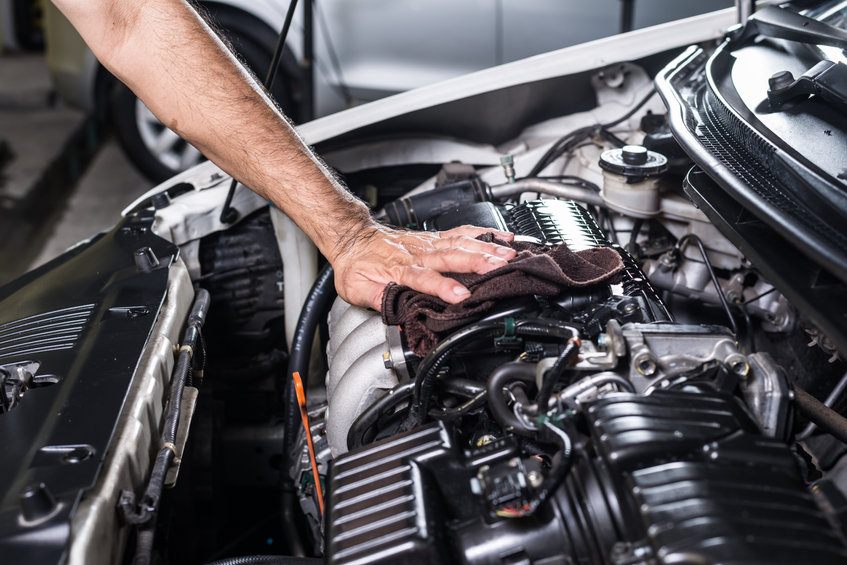
3. Starter Motor Problems That Stop the Engine From Cranking
The starter motor is responsible for turning the engine during the starting process. It uses electrical energy from the battery to rotate internal engine components until combustion begins. When the starter motor fails, the vehicle may produce a clicking sound or remain completely silent when the driver attempts to start it.
Certain manufacturing defects can affect the starter motor’s internal parts, electrical connections, or mechanical operation. Recalls may be issued when a production problem causes these components to fail prematurely or creates a safety concern.
One common symptom is a single click when the driver turns the key or presses the start button. This may indicate that the starter solenoid is receiving a signal, but the motor is not rotating properly. In other situations, the engine may crank slowly before the starter stops working entirely.
A defective starter motor can also create intermittent problems. The vehicle might start normally in the morning but fail after being parked for several hours. Such inconsistent behavior can make it difficult for drivers to identify the actual cause without professional testing.
Not every starter motor failure is recall-related. Normal wear, poor electrical connections, corrosion, and battery problems can produce similar symptoms. A recall applies only when the manufacturer identifies a qualifying defect in specific vehicles or components.
When a starter motor recall is announced, the manufacturer may require dealerships to inspect the assembly and replace defective parts. Some campaigns may involve associated wiring, relays, or electrical connections if these components contribute to the problem.
Drivers should avoid assuming that a new battery will solve every no-start condition. If the vehicle continues to click or fails to crank after the battery has been tested, the starter system requires further examination.
Checking recall information before authorizing an expensive repair can save money. If the vehicle is covered by an active recall, the manufacturer may provide the necessary repair at no cost to the owner under the applicable recall program.
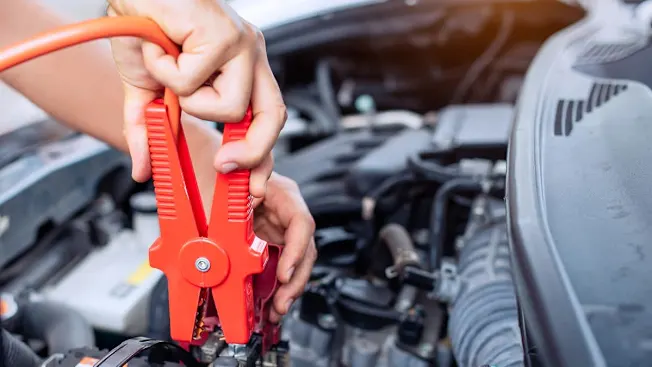
4. Battery Cable Defects That Interrupt Electrical Power
A vehicle battery supplies the electrical energy required to operate the starter motor and power essential systems. Battery cables connect the battery to the vehicle’s electrical network. If these cables contain manufacturing defects or poor connections, the engine may not receive enough power to start.
Some recalls involve battery cables that can become loose, damaged, or disconnected during normal vehicle operation. A weak connection may interrupt the electrical supply, producing starting difficulties or sudden electrical failures.
One noticeable symptom is a dashboard that flickers when the driver attempts to start the vehicle. The headlights may also become unusually dim, and electrical accessories might stop working. These signs can indicate an unstable electrical connection.
A damaged battery cable can prevent the starter motor from receiving sufficient current. Even when the battery itself is fully charged, the engine may fail to crank because electricity cannot travel through the defective connection properly.
Certain electrical defects can also create additional safety concerns. A damaged or improperly secured cable may overheat, potentially increasing the risk of an electrical fire. This is why manufacturers treat qualifying battery connection problems seriously.
Recall campaigns involving battery cables generally require dealerships to inspect the affected wiring and connection points. Depending on the defect, technicians may replace cables, install improved connectors, or secure the wiring according to updated specifications.
Vehicle owners should not attempt to repair recalled battery wiring without proper training. Electrical systems can retain significant power, and incorrect handling may cause injuries or further damage. A qualified technician can safely identify the affected component.
If your vehicle suddenly loses electrical power or repeatedly fails to start, arrange an inspection. Checking the battery condition and recall status together can help determine whether the problem comes from ordinary battery deterioration or a manufacturing defect.
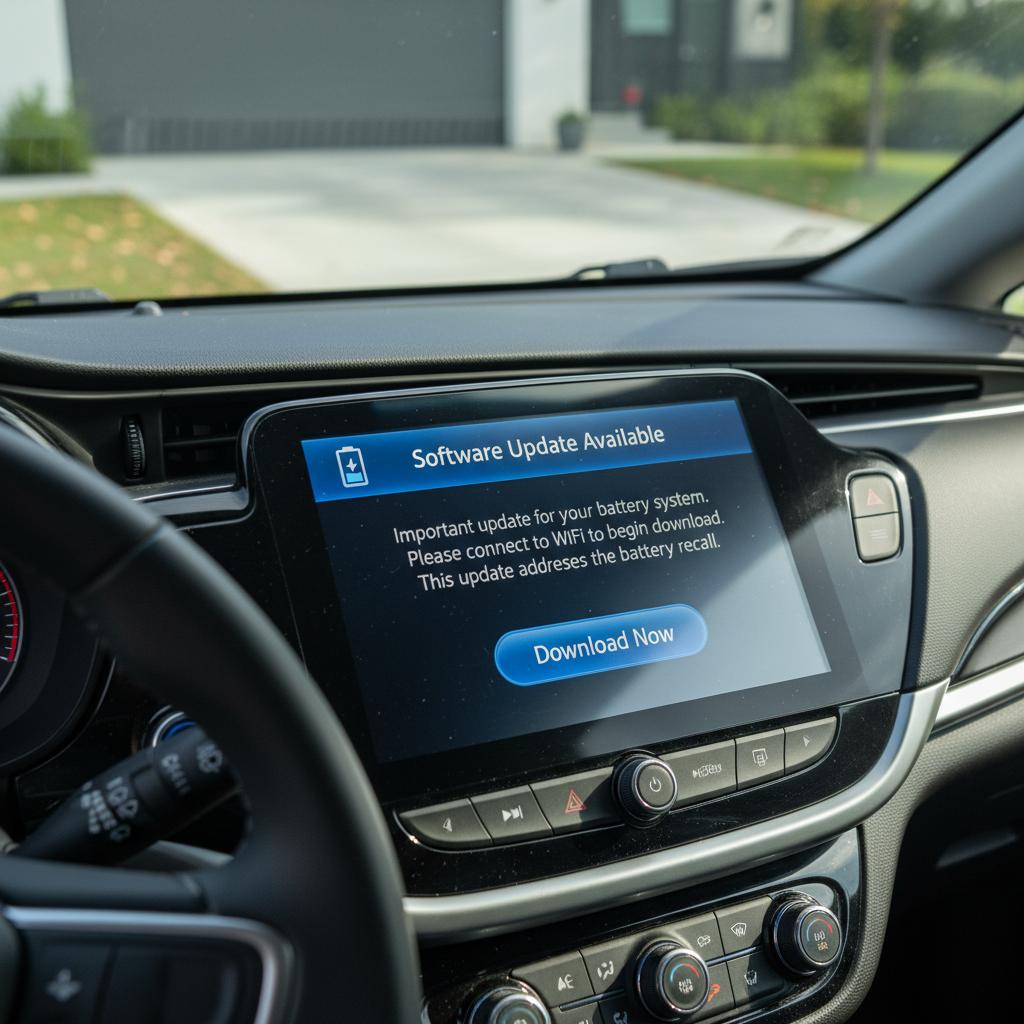
5. Engine Control Module Software Faults
Modern vehicles depend on electronic control modules to manage engine operation. The engine control module, commonly known as the ECM, processes information from various sensors and controls functions such as fuel injection, ignition timing, and engine performance.
A software defect within the ECM can interfere with the starting process. If the module receives or processes information incorrectly, it may fail to activate certain systems required for engine operation.
Some recall campaigns address software programming errors that affect engine starting, fuel delivery, or communication between electronic components. These issues can occur even when the vehicle’s mechanical parts are in good condition.
Drivers may notice warning lights, unusual engine behavior, or repeated starting failures. In some cases, the starter motor turns the engine normally, but combustion does not begin because the electronic controls are not operating correctly.
Software-related defects can be challenging to diagnose because the symptoms may resemble mechanical failures. A technician may need to use specialized diagnostic equipment to retrieve fault codes and identify whether the vehicle has an affected software version.
Manufacturers sometimes resolve these problems through an updated software installation. The dealership connects the vehicle to approved diagnostic equipment and installs revised programming designed to correct the identified issue.
An ECM software recall may also involve communication problems between the engine controller and other electronic modules. Since modern starting systems rely on several interconnected components, a fault in one area can affect the entire process.
Vehicle owners should pay attention to recall notifications involving electronic control systems. Even if the engine starts normally, an unresolved software defect may cause problems later. Completing the manufacturer’s recommended update helps restore the system to its intended operating condition.
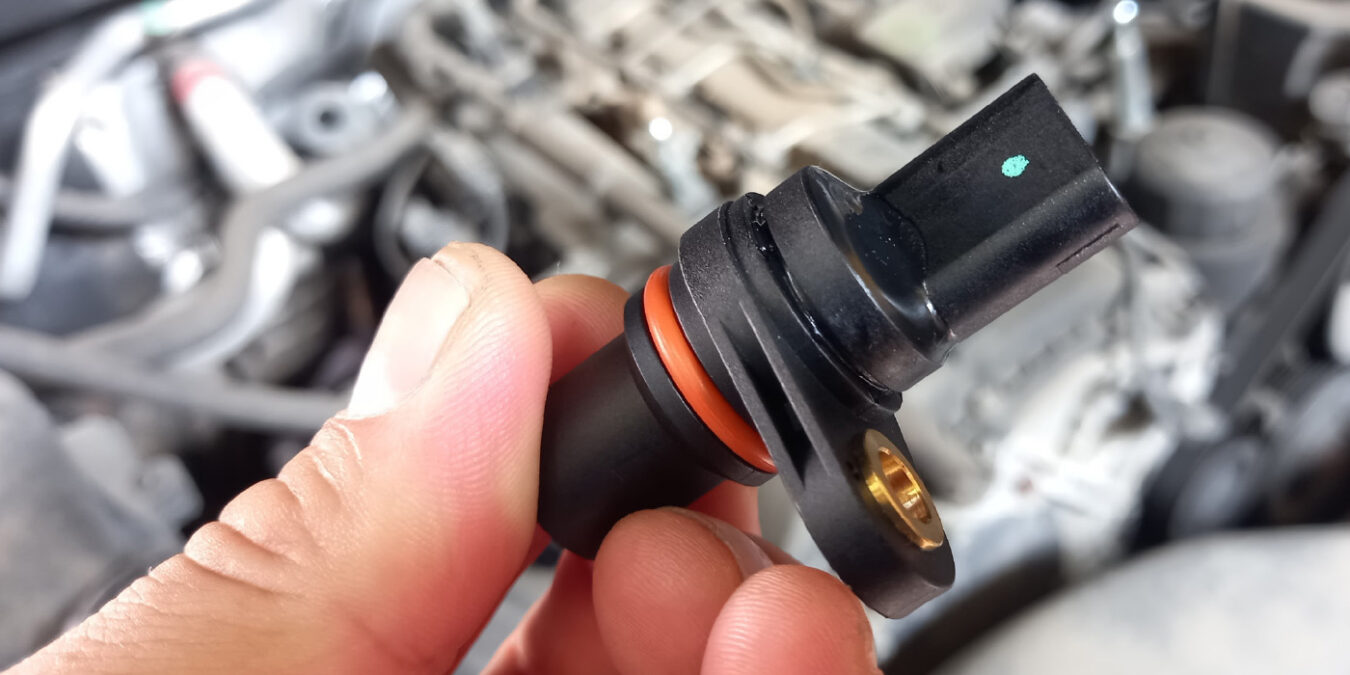
6. Crankshaft or Camshaft Sensor Defects
Crankshaft and camshaft position sensors provide important information about engine movement and timing. These sensors help the engine control module determine when to deliver fuel and activate the ignition system.
When either sensor fails, the engine may struggle to start or refuse to start completely. The starter motor may turn the engine, but the electronic control system might not receive the information required to manage combustion correctly.
Some vehicle recalls involve defective sensors or associated electrical connections. Manufacturing inconsistencies can affect sensor performance, resulting in incorrect readings or intermittent communication with the engine control module.
A common warning sign is an engine that cranks normally but does not start. Drivers may also experience unexpected stalling, rough running, or difficulty restarting the vehicle after it has been switched off.
Sensor problems can sometimes produce dashboard warning lights. A diagnostic scan may reveal fault codes associated with crankshaft or camshaft position signals. However, the presence of a fault code does not automatically confirm a recall-related defect.
Manufacturers investigate these issues when a pattern of failures suggests that a particular component or production process is defective. If the problem affects vehicle safety or reliability, a recall may require replacement of the sensor or repair of the associated wiring.
The repair process depends on the vehicle’s engine design. Some sensors are relatively accessible, while others require more extensive workshop procedures. Dealership technicians follow the manufacturer’s service instructions to complete the necessary work.
Drivers should not ignore repeated starting problems accompanied by engine warning lights. Checking the vehicle’s recall history can help determine whether the sensor issue is covered by an official campaign. Timely repairs can reduce the risk of unexpected stalling and starting failures.
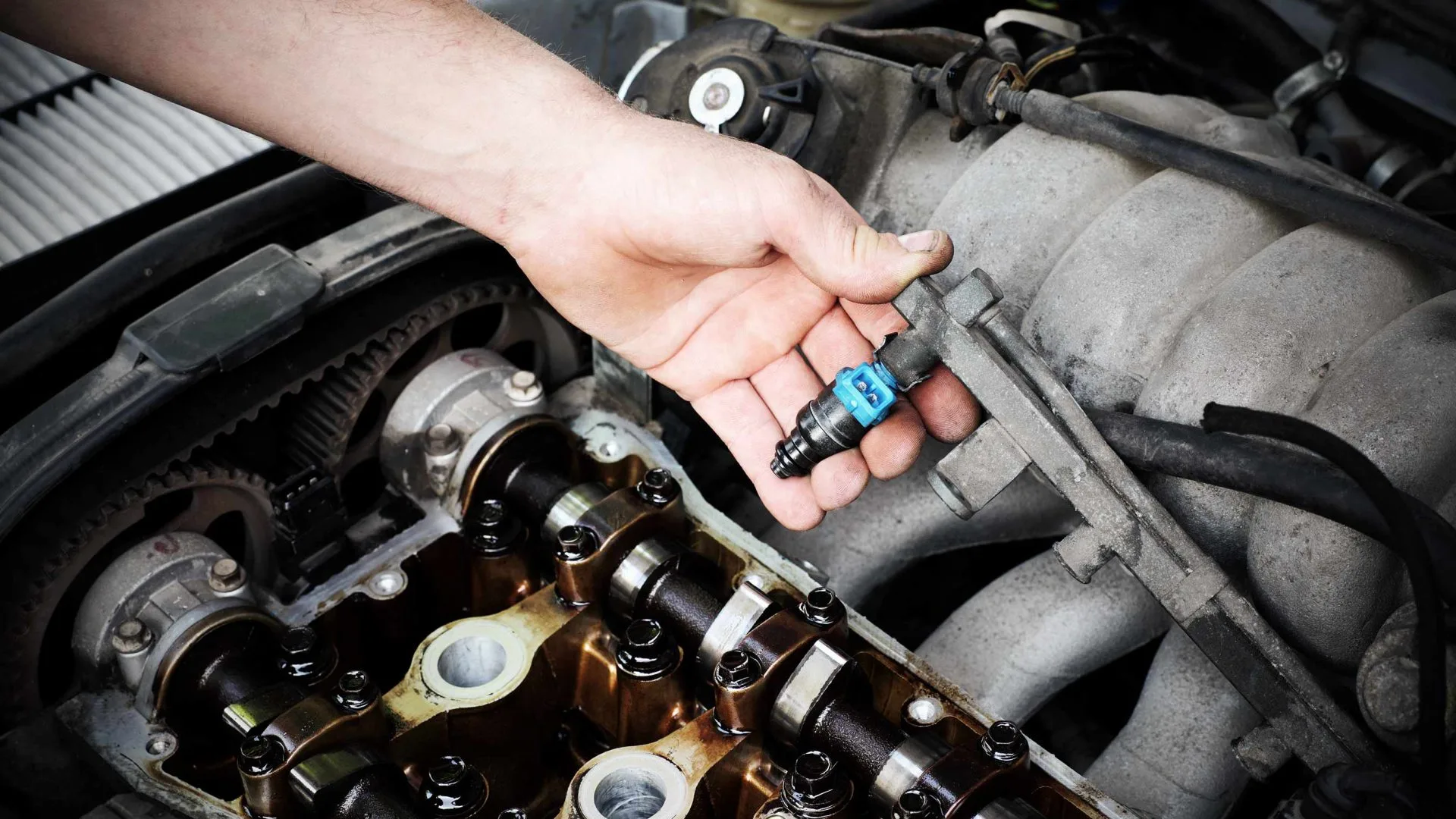
7. Fuel Injector Defects That Prevent Proper Combustion
Fuel injectors deliver measured amounts of fuel into the engine’s combustion chambers or intake system, depending on the engine design. Their operation is essential for reliable starting, smooth idling, and efficient engine performance.
A manufacturing defect in a fuel injector can interfere with the amount of fuel delivered to the engine. If the injector fails to operate correctly, the air-fuel mixture may become unsuitable for combustion, making the vehicle difficult to start.
Some recall campaigns address defective injectors that can leak, become damaged, or malfunction under normal operating conditions. The specific consequences depend on the defect and the vehicle’s fuel system design.
Drivers may notice rough idling, reduced engine performance, unusual fuel consumption, or repeated starting difficulties. A leaking injector can also create fuel-related safety concerns, particularly if fuel escapes into areas where ignition sources may be present.
In certain cases, the engine may crank without starting because the injectors are not delivering fuel as intended. Other vehicles may start but run unevenly before developing more serious operating problems.
Fuel injector defects require professional diagnosis because similar symptoms can result from clogged filters, fuel pressure problems, damaged wiring, or other engine faults. A technician can test injector operation and compare the findings with the manufacturer’s recall information.
When a recall covers defective injectors, the manufacturer may instruct dealerships to replace affected units, inspect the fuel system, or perform additional repairs. The exact remedy depends on the identified defect and the official campaign instructions.
Owners should arrange repairs promptly when a fuel injector recall applies. If they notice a strong smell of fuel, visible leakage, or other signs of a fuel system problem, they should stop using the vehicle and seek professional assistance.
8. Electronic Fuel Pump Control Module Failures
Many modern vehicles use an electronic fuel pump control module to regulate the operation of the fuel pump. This component helps manage the electrical supply to the pump and ensures that fuel reaches the engine at the required pressure.
A defect in the control module can interrupt fuel pump operation. Even when the fuel pump itself is functional, an electrical or electronic failure may prevent it from receiving the correct power supply.
Certain recalls involve control modules that may malfunction because of defective components, unsuitable materials, or manufacturing inconsistencies. When the module stops working properly, the engine may fail to receive the fuel needed for starting.
One possible symptom is an engine that cranks but does not start. Drivers may also experience intermittent stalling, sudden power loss, or starting difficulties that appear without an obvious pattern.
These problems can be particularly frustrating because the vehicle may operate normally for several days before the defect becomes noticeable. An intermittent electrical fault can make the starting system appear unreliable even when the battery and starter motor are functioning correctly.
A professional diagnosis can help establish whether the control module is responsible. Technicians may inspect electrical connections, check diagnostic codes, and test the fuel pump control circuit using manufacturer-approved equipment.
Recall repairs may involve replacing the affected module, updating its software, or correcting the electrical connections. The remedy depends on the nature of the defect and the manufacturer’s technical assessment.
Vehicle owners should check recall notices for electronic fuel system components, not just the fuel pump itself. Both mechanical and electronic failures can interrupt fuel delivery and leave a vehicle unable to start.

9. Immobilizer and Key Recognition System Defects
Modern vehicles often include an immobilizer system designed to prevent unauthorized engine starting. The system checks whether the key or electronic key fob is recognized before allowing the engine to operate.
A manufacturing or software defect in the immobilizer system can prevent a legitimate key from being recognized. When this happens, the vehicle may refuse to start even when the battery, starter motor, and engine components are working properly.
Some recall campaigns address problems involving key recognition modules, electronic security systems, or communication between vehicle control units. A failure in these systems can interrupt the normal starting authorization process.
Drivers may notice a security warning light, a key symbol on the dashboard, or a message indicating that the key is not detected. In push-button start vehicles, pressing the start button may produce no response or a warning that the key is unavailable.
The issue can sometimes be confused with a weak key fob battery. However, replacing the fob battery will not necessarily resolve a defect within the vehicle’s immobilizer system or electronic control module.
When a manufacturer identifies a qualifying defect, the recall remedy may include software updates, replacement of an electronic module, or correction of the key recognition system. Dealership technicians can determine the required procedure using the vehicle’s identification number.
Owners should avoid bypassing immobilizer systems or making unauthorized changes to vehicle security electronics. These systems protect against theft, and incorrect modifications can create additional electrical and security problems.
If the vehicle repeatedly fails to recognize its key, check for outstanding recall notices and arrange a professional inspection. Addressing the issue through an authorized repair center can restore normal starting operation while preserving the vehicle’s security features.