A car that dies at speed is a frightening thing. The steering turns heavy. The brakes feel odd. Traffic behind does not slow down. Federal regulators opened or expanded several shutdown cases this year. Some involve engines that fail from the inside. Others involve wiring, valves or software.
A few ground rules come first. A complaint is not a proven defect. A recall is a confirmed one, and an investigation sits between the two. All eight models below are covered by US regulators. Many sell elsewhere under similar names. Engines and trims vary by country, so local checks matter.
Recall status changes fast. Several cases here are still open. Always run your VIN through the official recall lookup before acting. Read each entry as a snapshot of the case as it stands now. It is not a verdict on every vehicle. It is a guide to what owners should watch.
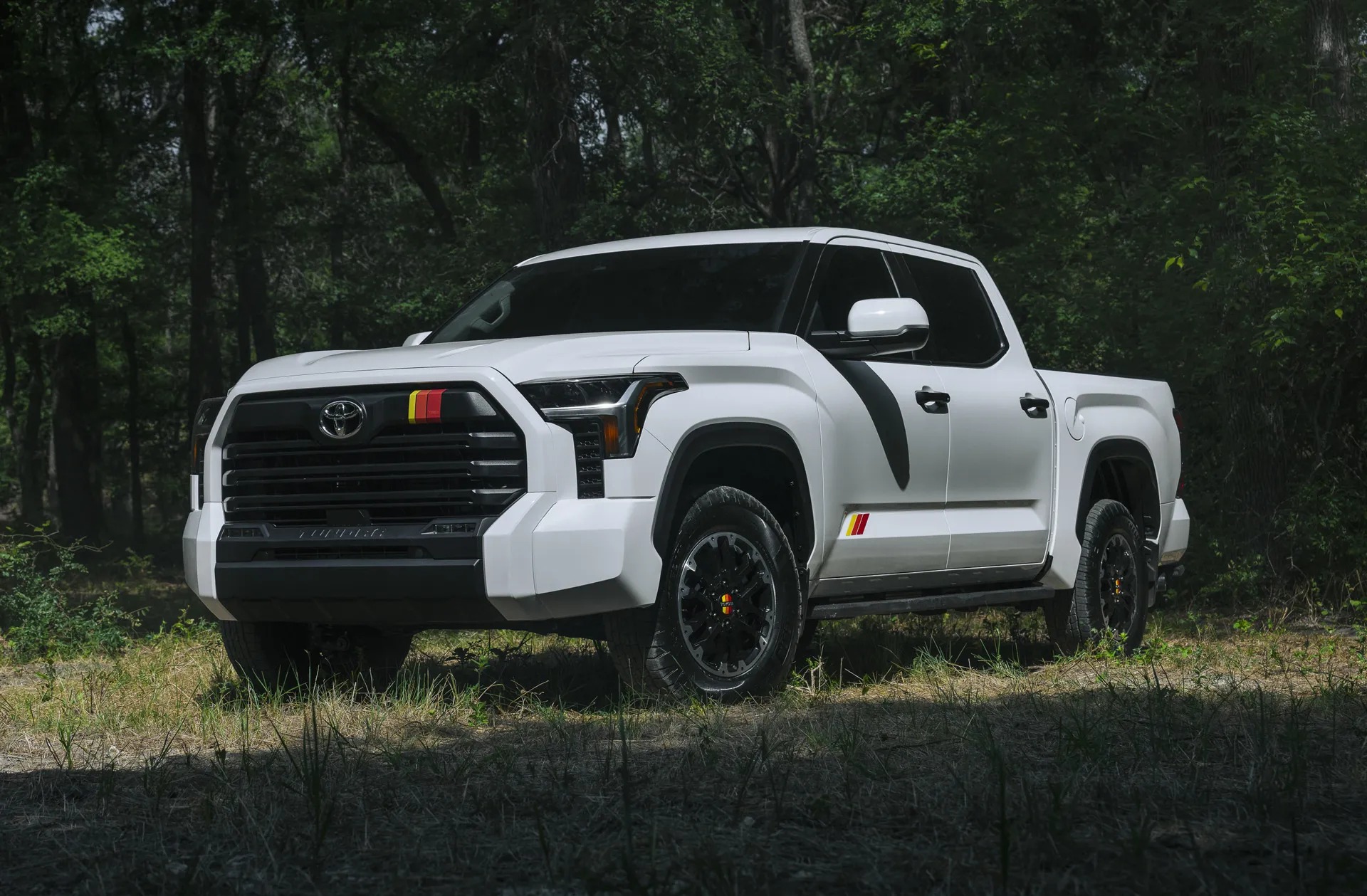
1. Toyota Tundra
The Tundra has the biggest cluster of recent stall recalls on this list. The trouble centers on the 3.4-liter twin-turbo V6 called the V35A. Toyota has now recalled it more than once.
In November 2026, Toyota recalled 62,490 Tundras from 2022-2023 and 2025-2026. One camshaft may have been made wrongly. It can crack and snap, causing a stall and loss of drive power.
That camshaft defect is separate from the earlier one. The earlier problem was debris. In May 2026, Toyota recalled 43,566 model-year 2024 Tundras for it. Debris from manufacturing can contaminate the engine. It can cause a main bearing to fail. The result can be a stall and loss of drive power.
Toyota said machining debris may not have been cleared from the engine during production. About 1 percent of those trucks were estimated to have the problem. Tested engines showed knocking, rough running, no-start or stalls.
This was not the first round. In December 2025, Toyota expanded the debris recall to more than 127,000 Tundra and Lexus vehicles with V35A engines. An earlier recall of about 100,000 vehicles had replaced engines outright.
Toyota’s own filing explains the danger. It said a stall while driving leads to loss of motive power. At higher speeds, that raises crash risk. Owners describe a familiar pattern. Knocking and rough running come first. A stall can follow, sometimes with little warning.
The two defects need separate checks. One is about bearings and debris. The other is about a camshaft that may crack. A truck cleared for one may still fall under the other.
Owners of a 2022 to 2026 Tundra should check the VIN twice. Check it for the debris campaigns. Then check it for the camshaft campaign. Notice letters follow each recall. They do not always arrive quickly. A direct VIN lookup is faster than waiting.
What stands out is the repeat pattern. The same engine family keeps returning in new filings. That is why this truck leads the list. No confirmed crash count has been published. Toyota’s language speaks of risk, not reported crashes. Still, the volume of recalls is hard to ignore.
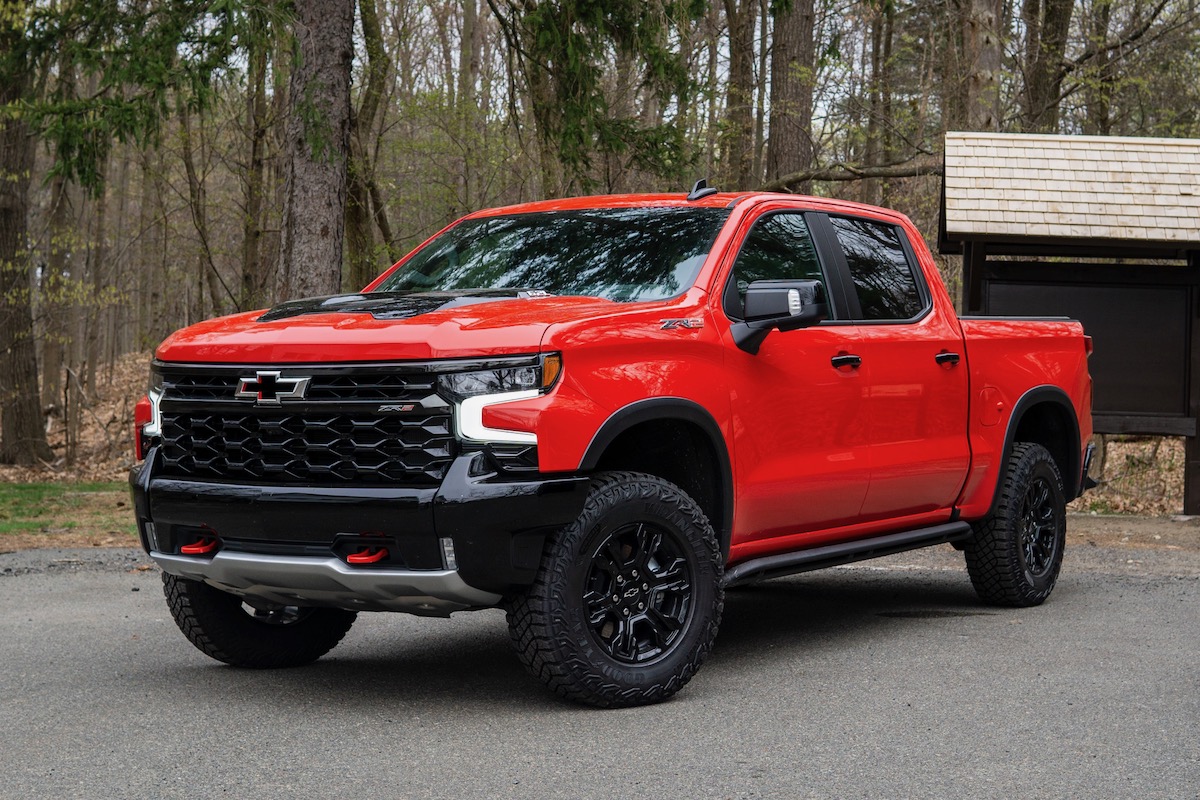
2. Chevrolet Silverado 1500 (6.2L V8)
The Silverado’s problem sits in the 6.2-liter L87 V8. It is one of the largest engine cases of the past two years. It also reaches sibling SUVs. In April 2025, GM recalled about 721,000 vehicles globally. Nearly 600,000 of them were 2021-2024 US trucks and SUVs, under recall 25V-274. The list includes the Silverado, Sierra, Tahoe, Suburban, Yukon, and Escalade.
The recalled engines were built between March 1, 2021, and May 31, 2024. GM has blamed rotating assembly parts from a third-party supplier. The failures involve crankshaft, connecting rod, or bearing damage.
The remedy includes an engine inspection. Dealers then decide what to replace. Many owners hoped that would end the matter. It did not. On January 16, 2026, NHTSA opened a new recall query. It followed 36 complaints of failure after the prescribed recall work. The agency wants to judge whether the fix actually works.
Drivers reported low oil pressure warnings, check engine lights, and loud knocking before the engine died. One Silverado driver said it cut out in the middle of the road and nearly got rear-ended.
Others reported metal pieces in the oil. Some lost power steering. Some saw the vehicle shift into neutral on its own. Those are classic signs of internal damage.
The scope has since grown. One report says the probe now covers an estimated 997,743 vehicles from model years 2021-2026. It cites 499 complaints of failure after repairs. The exact date of that expansion is unclear.
The case also climbed through regulatory stages. A preliminary evaluation in January 2025 became an engineering analysis in October. That progression usually signals serious concern.
Caution is still needed here. Complaint counts are not failure rates. A few hundred complaints sit against nearly a million vehicles. Still, the failures are expensive and sudden. An engine seizing on a full-size truck is dangerous.
Towing and highway driving make it worse. Owners should keep their recall paperwork. Watching the oil pressure gauge is wise. A new knock should never be ignored.
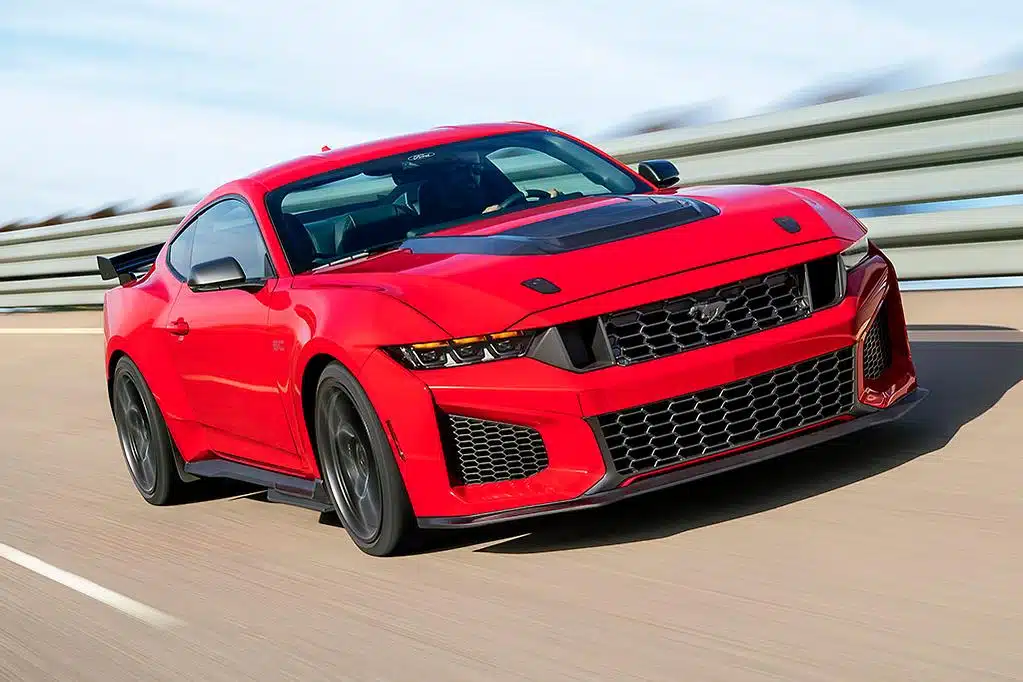
3. Ford Mustang (2024-2026)
The Mustang case is different. It is not about pistons or bearings. It is about a wire connection that may break. Ford recalled 148,663 Mustangs in a notice dated August 25. The engine compartment wiring harness ground connections may fracture. That can cause a loss of drive power.
The vehicles were built between September 7, 2022, and June 9, 2026. The recall covers 2024 to 2026 model years. The build window runs earlier than the model years, so the VIN matters most.
The share of real failures looks small. Ford estimated that roughly 1 percent of the recalled cars carry the defect. That still means well over a thousand cars.
Power loss is not the only symptom. The same fault can also disable headlights and windshield washers. Other critical systems may fail too. A dark car with no power is a bad place to be.
There is some warning. Drivers may see a check engine light or other dashboard messages. An audible chime may sound shortly before the power loss. The word “shortly” matters. There may be only seconds.
A bad ground is a sneaky fault. Electronics depend on it for a stable circuit. When it fails, odd things happen. Gauges may act strangely first. Lights may flicker. Warnings may appear and vanish. If those signs show up, waiting is a mistake. Pull over when it is safe. Call a dealer.
No confirmed crash figures have been published. Regulators describe the danger as a crash risk. That wording is standard for these notices. The exact repair steps have not been widely detailed. Owners should ask the dealer for the written procedure. It helps to know what was inspected.
This case shows how a tiny part can stall a V8 sports car. Not every shutdown is a true engine failure. Sometimes the engine is fine, and the wiring is not.
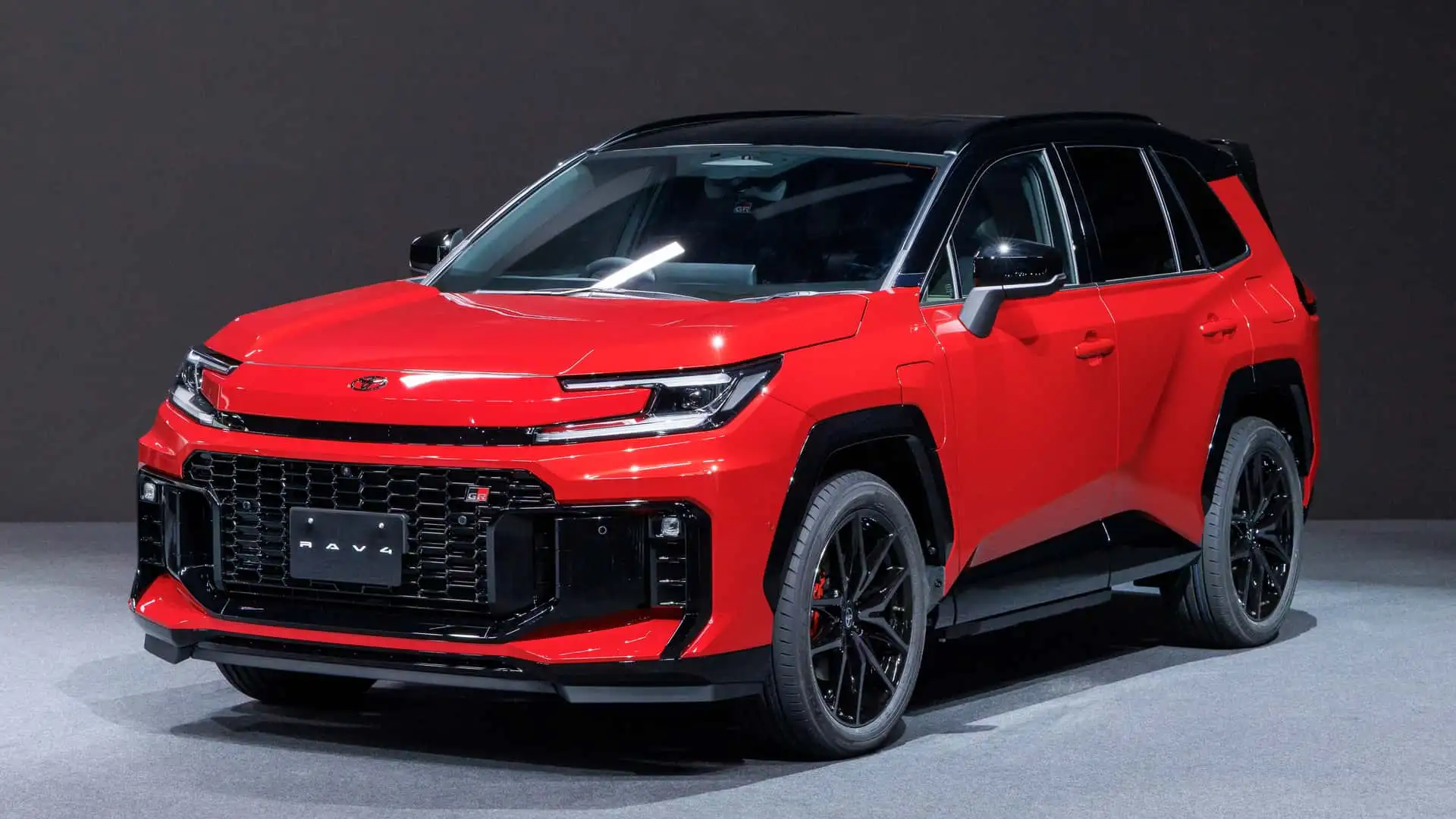
4. Toyota RAV4 Plug-In Hybrid (2026)
This one is brand new. The 2026 RAV4 Plug-in Hybrid is a current model. Its recall was announced in October 2026. Toyota is recalling 30,978 of them. The motor generator ECU may hit an error. The system can then reduce power or shut down at higher speeds. The trigger is speed.
NHTSA warned that an unexpected shutdown can cause a loss of drive power. That raises the risk of a crash. On a highway, it is the worst place for it.
The cause is software, not hardware. Dealers will update the ECU software free of charge. No parts swap is described. Owner letters were expected to start going out on November 22, 2026. So many owners are only now being told.
Toyota’s customer line is 1-800-331-4331. Quote recall number 26TA22. That helps the agent find the case quickly. This is not a gasoline engine failing. It is a hybrid system shutting down. The result for the driver is the same.
A plug-in hybrid has more computers than a normal car. Each one must agree with the others. A fault in one can drag the whole system down. Toyota has a similar case on another model this year.
It recalled 8,521 2026 C-HR electric vehicles over a software error. That error can cause the drive system to shut down suddenly. The trigger was battery overcharge protection.
That detail matters. Toyota is not only dealing with engine trouble. It is also dealing with software on new electrified models. For RAV4 owners, the advice is simple. Check the VIN now. Book the free update.
Until then, drive normally but stay alert. If power drops, signal and move to the shoulder. Avoid sudden hard braking. No crashes tied to this recall have been reported. The records call it a risk. Treat that as a warning, not a reason for panic.
5. Jeep Wrangler 4xe
The Wrangler 4xe has a longer story. It has left owners stranded through more than one cause. It is also a lesson in over-the-air updates. The first recall came in 2022. Jeep recalled 62,909 Wrangler 4xes over a possible unexpected loss of engine power. The fix was a software update to two control units.
Reports at the time noted crashes linked to the power loss glitch. That raised the stakes early. Then the complaints continued. NHTSA later opened a recall query into more than 94,000 Wranglers. It had 68 owner reports of power loss across model years 2021 through 2024. Some cars were outside the first recall.
Then came a self-inflicted problem. A flawed over-the-air update caused faulty communication between the telematics box and the hybrid control processor. The processor could reset while the vehicle was moving.
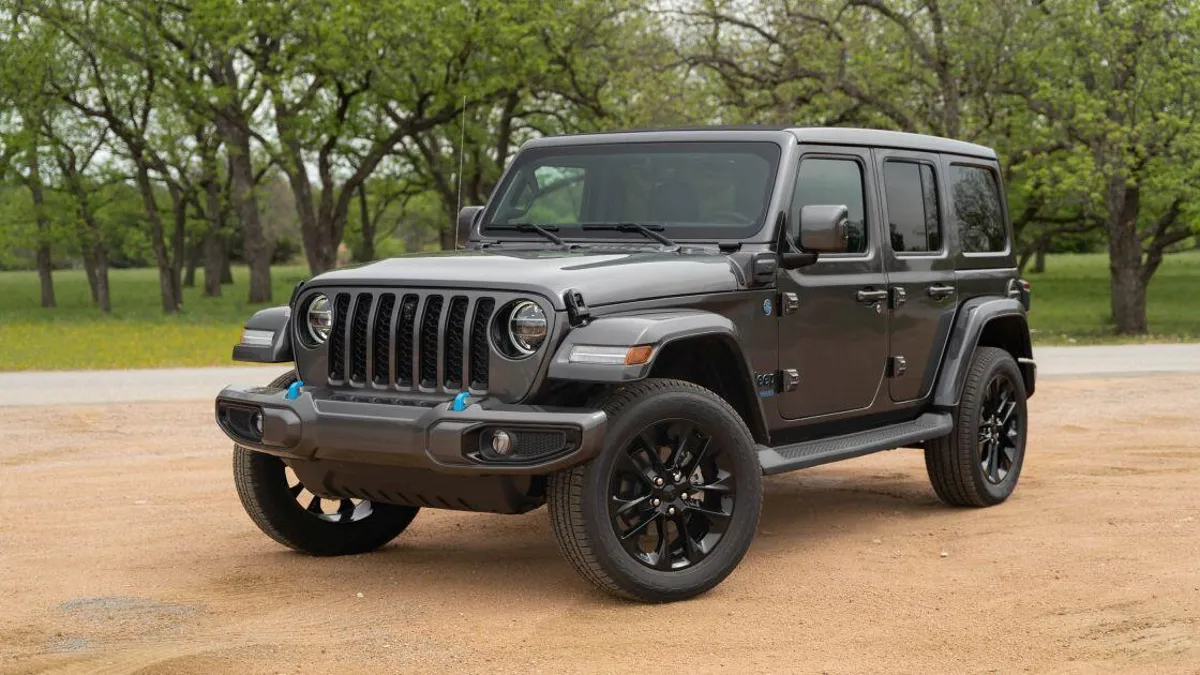
The trouble appeared after some owners installed a Uconnect update on October 10. Vehicles were stranded within days. Stellantis recalled 24,238 2023-2025 Wrangler 4xes in November 2025. A loss of propulsion could leave a vehicle stuck in traffic. That is a real hazard.
The recall filing said the final remedy was still under development. An interim step had been applied through a backend update. Whether a final remedy has since been released is unclear.
The Wrangler’s case shows a modern risk. Software can break a car that was fine yesterday. An update can strand a driver as easily as a bad part. There is a wider pattern at Jeep.
In September 2025, more than 90,000 Jeep Grand Cherokee hybrids were recalled. The cause was faulty high-voltage batteries that raised stall risk. That is a different model, but a similar theme.
Owners of a 4xe should keep a record of every update. Note the date of any strange behavior. Report it to the dealer in writing. It also helps to check whether the vehicle fell under the 2022 recall. Some cars were outside it and still had trouble. The 2024 query existed for that reason.
6. Ford Focus (2012-2018)
The Focus is an older car. That is why this case surprises people. Few expect a new recall on a model this age. Ford recalled 255,404 2012-2018 Focus cars in June 2026. They had been repaired incorrectly under an earlier recall numbered 18V735. The earlier fix was supposed to end the stalling.
Some cars did not receive the correct software update. So the problem returned on cars that owners thought were fixed. That is the core of the new recall.
The cause is a small valve. A canister purge valve may stick open. The software may fail to detect it. The valve belongs to the fuel vapor system. A valve stuck open during a leak check can cause excessive vacuum in the fuel system. That can deform the plastic fuel tank. A stall can then follow.
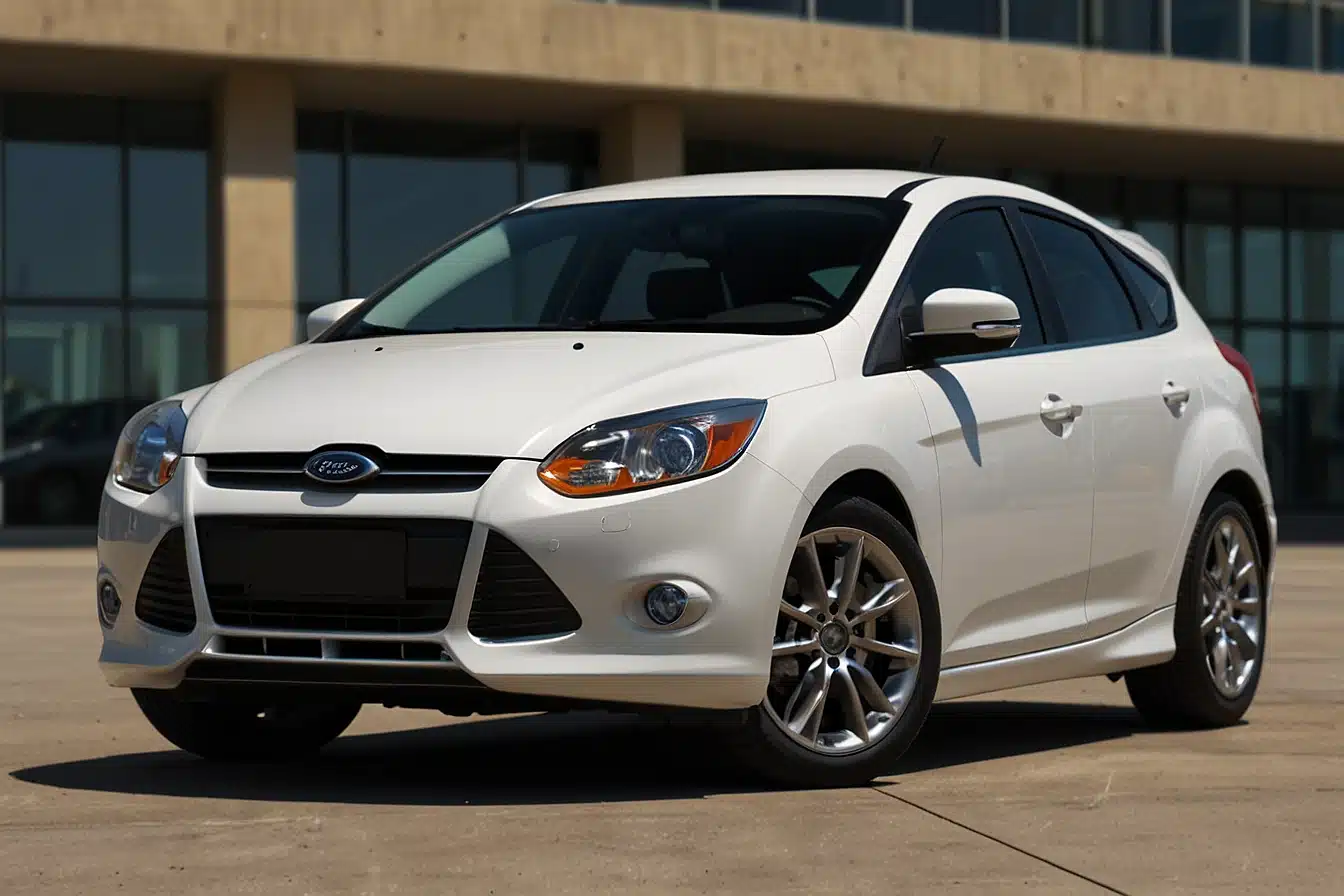
Ford said the engine may stall unexpectedly while driving. Warning signs include a check engine light and an inaccurate fuel gauge. An inaccurate distance-to-empty reading or drivability concerns can also appear. A wrong fuel gauge is a clue many owners miss.
Ford said it was not aware of any reports of accident or injury. That is reassuring, but it is not a guarantee. Dealers will provide a powertrain software update free of charge. Owner letters were set to go out between July 6 and July 10. Those dates have passed.
Owners who paid for the fix before the May 2023 safety recall may be eligible for reimbursement. Keeping receipts helps. Ford of Canada told CTV News that no Canadian vehicles are affected. So this is a US-market case.
A tank that bends under vacuum is a strange failure. It shows how a minor part can cascade. One stuck valve, one bad software check, one stalled car.
Owners of an older Focus should not assume the old recall settled it. Check whether the VIN appears in the new campaign. Ask the dealer to confirm the software version in writing. This is also a reminder about recall quality. A repair is only as good as its installation. Ford itself found that the fix had not reached every car.
7. Honda Pilot (and Related Honda Models)
The Pilot’s case is not a stall at speed. It is a failure to restart. That difference matters, so precision is needed. The feature is Auto Idle Stop, often called stop-start. It switches the engine off at a stop. It restarts when the driver lifts off the brake.
In March 2025, NHTSA opened a preliminary probe. It followed reports of the engine failing to restart on its own at a traffic light or intersection. The agency had received more than 1,000 complaints. Some alleged a jump-start was needed.
NHTSA later said it kept receiving complaints. Many complainants said the earlier service campaign had been completed. That led the agency to an engineering analysis.
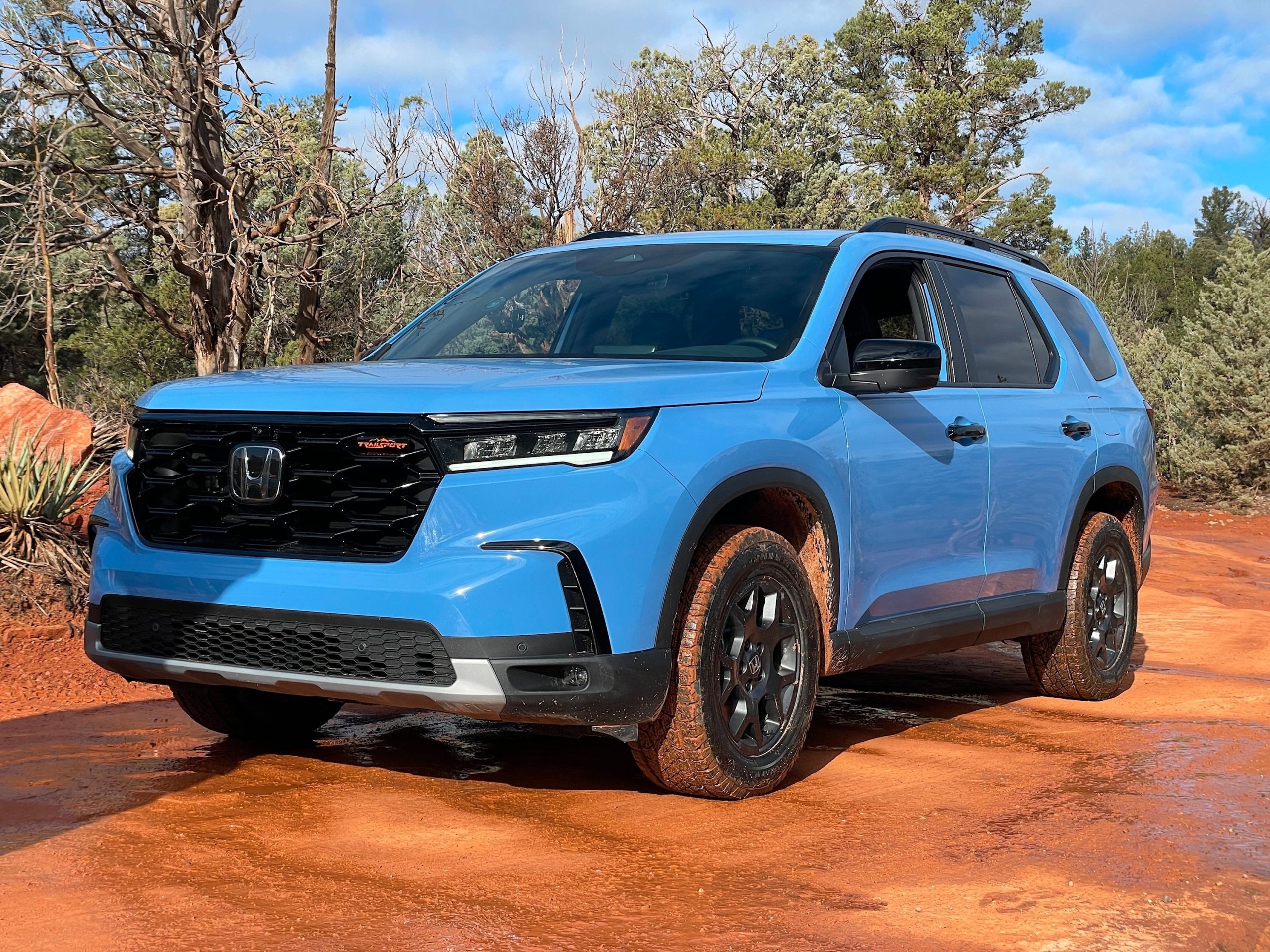
Now there is a second case. In November 2026, NHTSA opened an engineering analysis covering 1,033,632 Honda and Acura vehicles. It involves 701 complaints. The model years are 2024-2026.
The list covers the Odyssey, Passport, Ridgeline, Pilot, and Acura MDX. The Pilot is the best-known name among them. NHTSA says these vehicles appear to have different root causes than the earlier probe. So this is not just a repeat of 2025.
An engineering analysis is a serious step. It is the deeper stage used to decide whether a recall is warranted. No recall exists yet for these vehicles.
The risk is real even without a recall. Picture an intersection. The engine shuts off as designed. It then refuses to restart while cross traffic moves. Most owners would simply turn the key again. Some complaints describe needing a jump-start. That is a different problem from a sudden mid-drive shutdown.
Owners can reduce exposure. Many Hondas let the driver switch stop-start off with a button. That may avoid the restart step at lights. A log of every incident is useful. Note the date, temperature and battery age. Report it to NHTSA and to Honda.
Fairness to Honda matters here. The agency has not declared a defect in the new group. It is studying the data. Still, the volume of complaints makes this case worth watching. Over a million vehicles sit in the analysis.
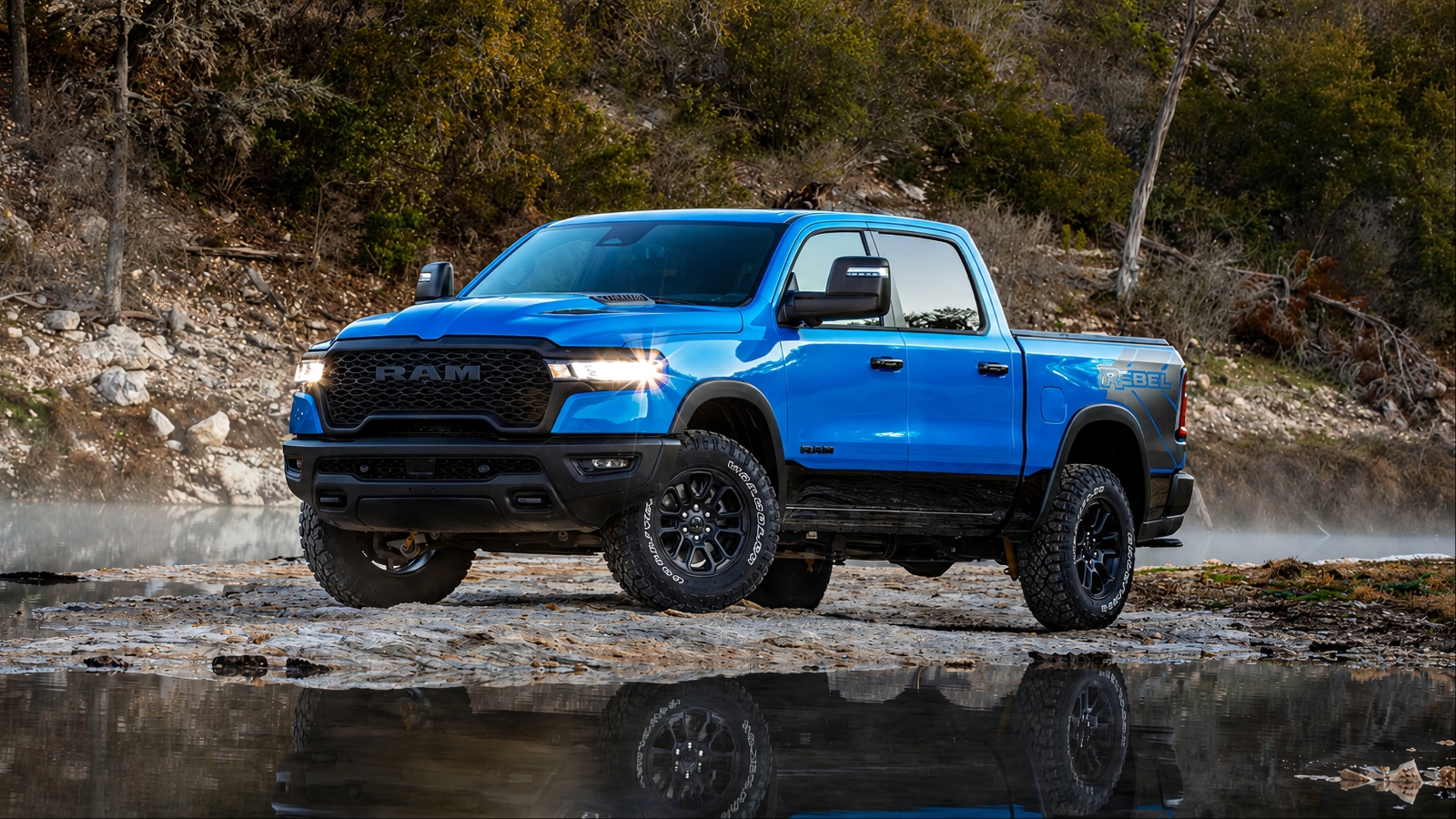
8. Ram 1500 (5.7L eTorque)
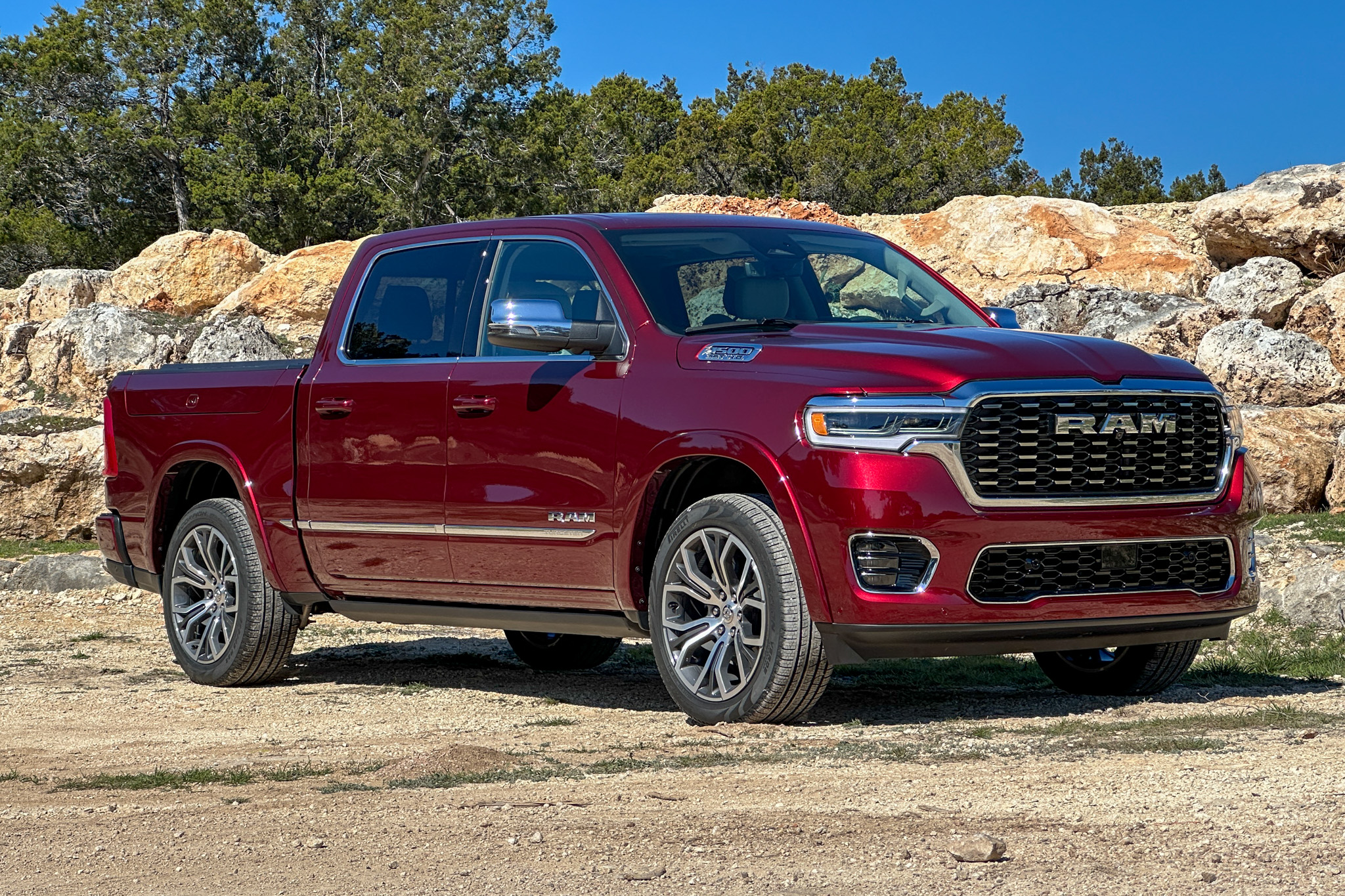
The Ram 1500’s case involves a mild-hybrid system called eTorque. It uses a small battery and a motor-generator to assist the engine. The probe covers about 150,000 Stellantis vehicles from the 2022 model year. All have the 5.7-liter Hemi eTorque system. The models include the 2022 Ram 1500 and the Jeep Wagoneer.
NHTSA had 80 complaints that the engines can shut down, often at low speeds. Sometimes they cannot be restarted. That is a clear safety concern.
Some reports also described trucks that lose power, shift into park and apply the emergency brake. That is an alarming list. There was a prior recall. NHTSA said the company recalled about 131,000 Ram pickups and Wagoneers with the same system in April 2023. That one involved a fuel mixture problem.
In that earlier case, vehicles lost power because the air-fuel mixture had too much fuel. The newer complaints looked different. FCA told investigators the loss of motive power was likely not caused by an over-rich fuel condition.
It pointed instead to some other cause, such as an electrical concern. The cause was not settled in that document. The system has a 48-volt battery pack. A motor-generator sends power to the crankshaft during gear changes. A fault in it can interrupt engine operation.
Investigators planned to look at the affected models and how often the problem happens. They also planned to study the cause. NHTSA said it could seek a recall.
A caution about dates is needed. The investigation was announced in July 2024. No later outcome has been widely reported. So this is an older, unresolved item. The NHTSA site should be checked for current status before relying on it.
Owners should document everything. Note whether the stall happens at low speed or at a stop. Note any warning lights. A dealer can scan for stored codes. Codes can reveal a pattern. A written record also helps in any later warranty claim.